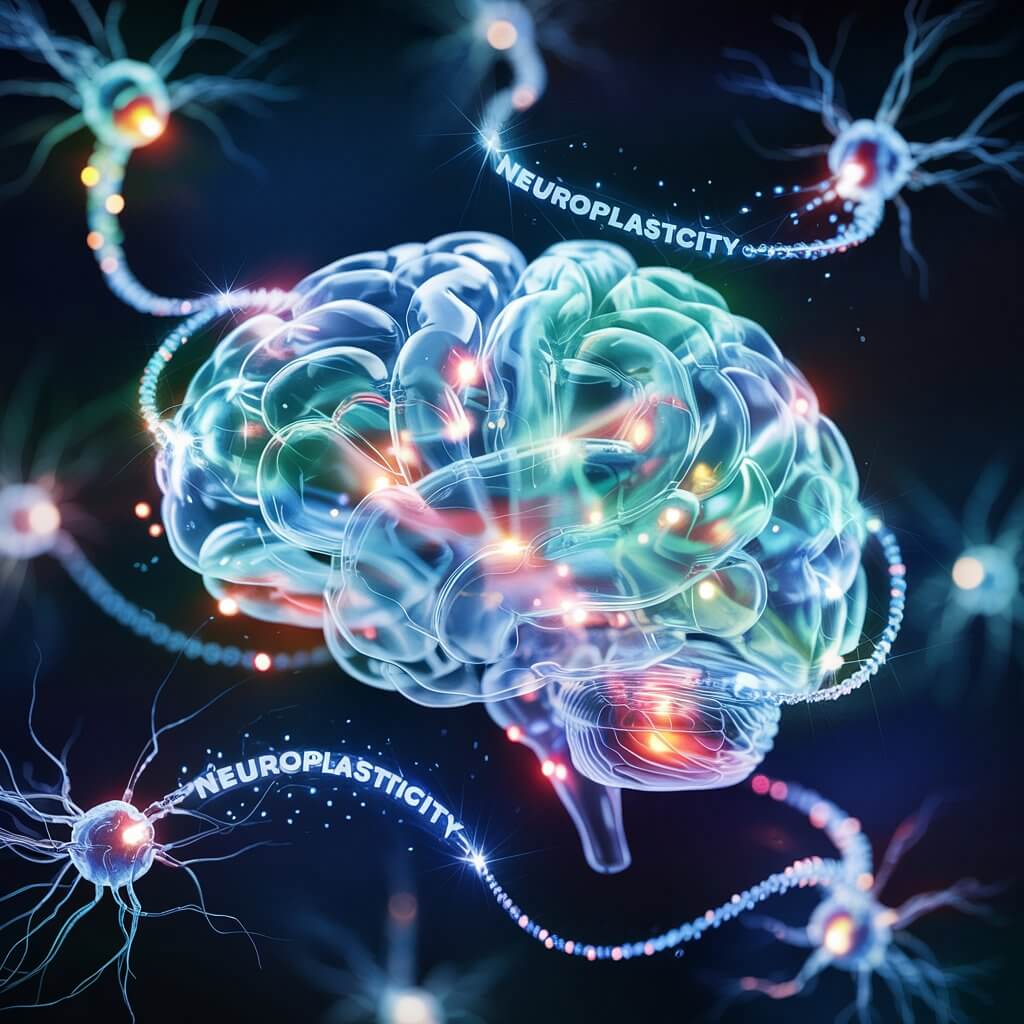
How the Brain Rewires Itself to Truly Multitask
The idea of truly doing two demanding things at once — reading a paper while composing an email, cooking while coaching a child through homework, or driving while solving a math problem — feels like magic. For decades scientists insisted that the brain cannot genuinely multitask: people only switch attention rapidly between tasks, incurring time and accuracy costs. New lines of research change that story. Rather than a permanent limitation, multitasking emerges when large-scale brain networks temporarily rewire themselves, assigning different patterns of processing to distinct circuits so that tasks run in parallel with reduced interference. This article traces the evidence, explains the mechanisms, explores practical consequences, and offers realistic guidance for what multitasking is — and is not.
WHY THIS MATTERS
Humans increasingly live in environments that demand concurrent goals. Understanding how the brain adapts — and where adaptation fails — matters for productivity, safety, education, and clinical care. If multitasking can be trained or scaffolded by changing how networks connect, the implications reach from workplace design to rehabilitation after injury. But the word 'multitask' is slippery; this article separates myths from mechanisms so you can apply scientific nuance to everyday work and policy.
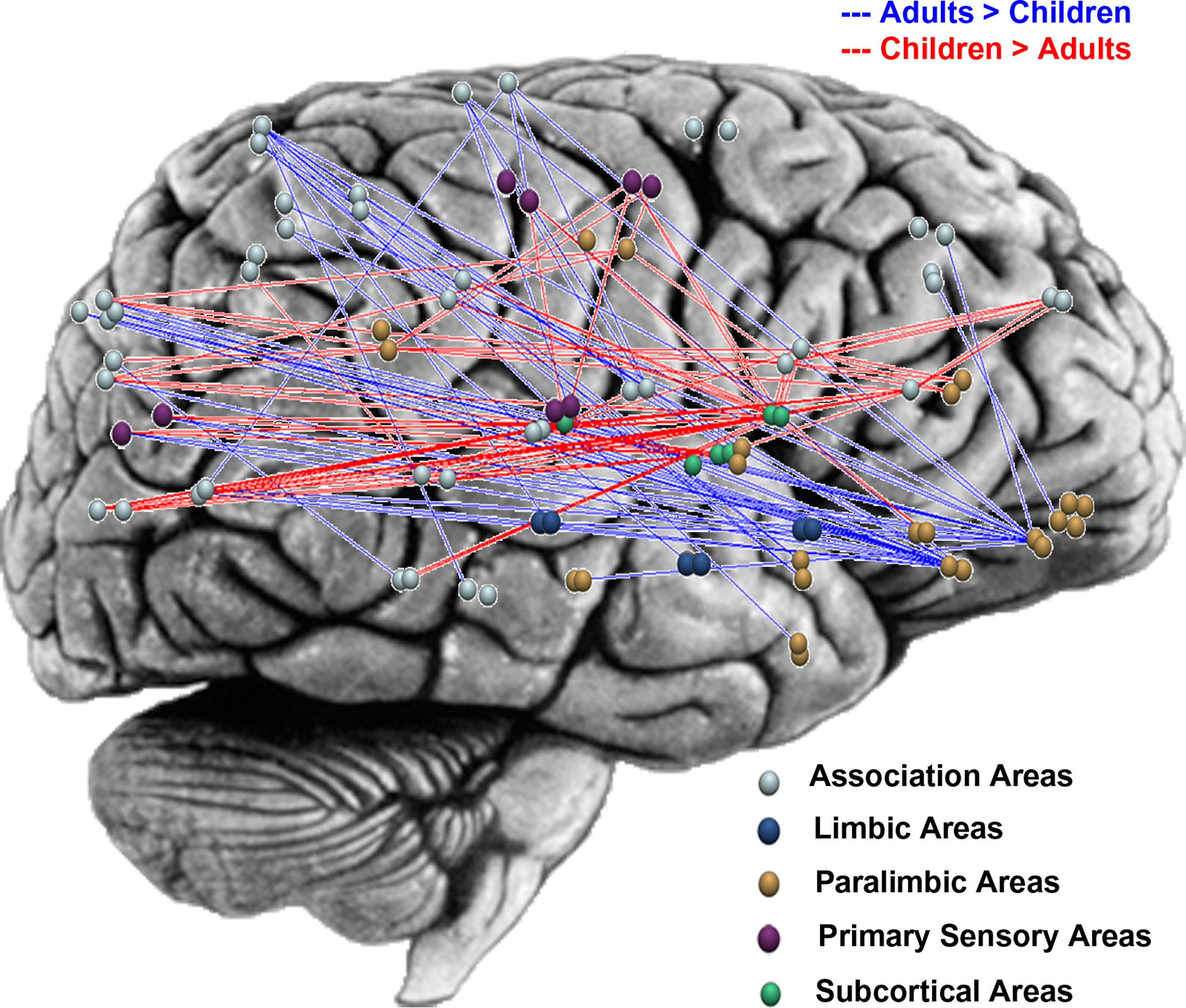
functional brain connectivity networks
HOW SCIENTISTS FOUND THE REWIRING
A shift from snapshots to movies of brain activity
Earlier methods treated the brain like a static map: region A does X, region B does Y. But cognition is time-varying. Newer tools — higher-resolution fMRI analyses, magnetoencephalography, and improved computational models — let researchers watch network configurations evolve on the scale of hundreds of milliseconds. When participants perform two tasks simultaneously, researchers now see patterned changes in connectivity: some links strengthen, others weaken, and new transient pathways appear, enabling parallel processing streams.
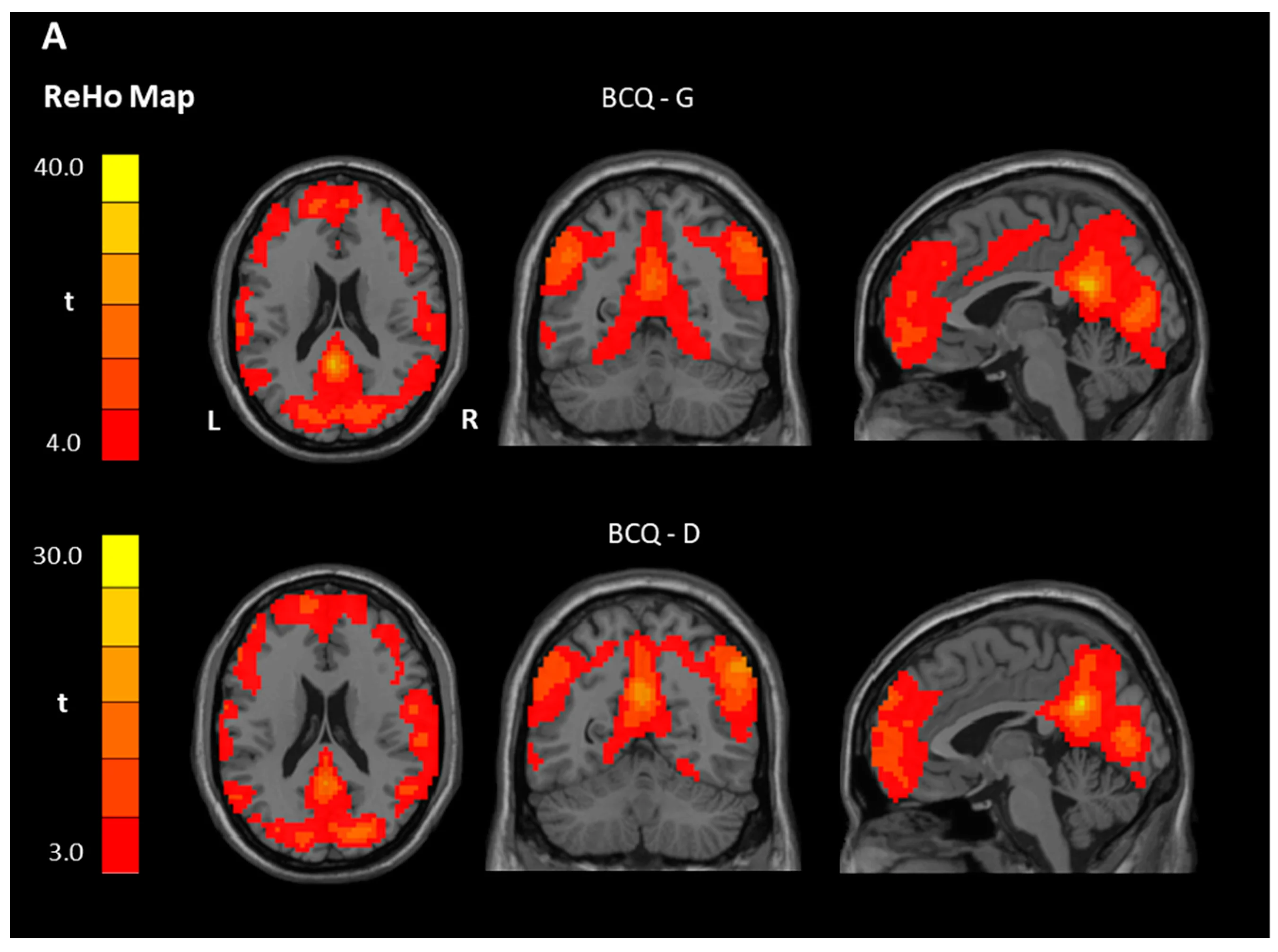
fMRI brain activity mapping
Behavioral signatures that hinted at rewiring
Behavioral experiments also suggested more than simple switching. In classic dual-task paradigms, performance usually drops. But in specific pairings — where tasks rely on distinct sensory modalities, different response systems, or segregated memory processes — people can sustain near-normal performance. That pattern pointed researchers to the brain's ability to segregate processing into parallel channels rather than forcing a single bottleneck to handle everything.
dual task cognitive performance
The brain doesn’t merely toggle between tasks; it reshapes its internal highways to run them side by side.
WHAT DOES 'REWIRING' MEAN?
Neuroplasticity on short and long timescales
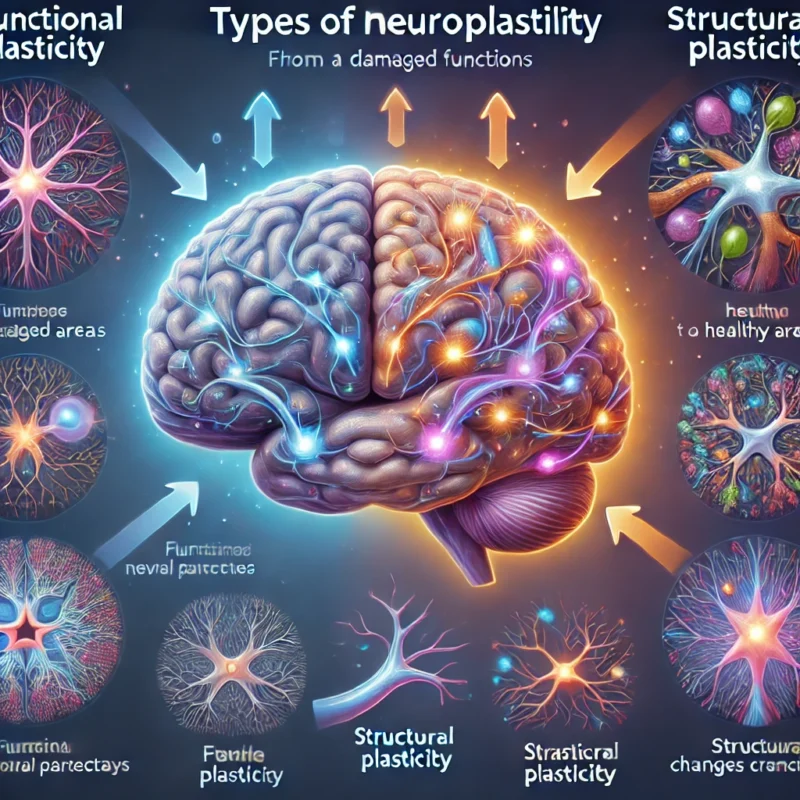
Rewiring occurs at multiple scales and timescales. Rapid reconfiguration can happen within milliseconds to seconds through changes in effective connectivity and rhythmic coordination — what we might call functional rewiring. Over days to months, synaptic plasticity, myelination, and structural remodeling produce longer-lasting pathway refinements. Both levels cooperate: transient network changes allow immediate parallel processing, and repeated use gradually stabilizes those patterns.
synaptic plasticity brain rewiring
Three complementary mechanisms
The emerging picture relies on three interacting mechanisms:
- Selective routing: Brain regions change which other regions they talk to, effectively creating task-specific highways so computations flow on separate tracks.
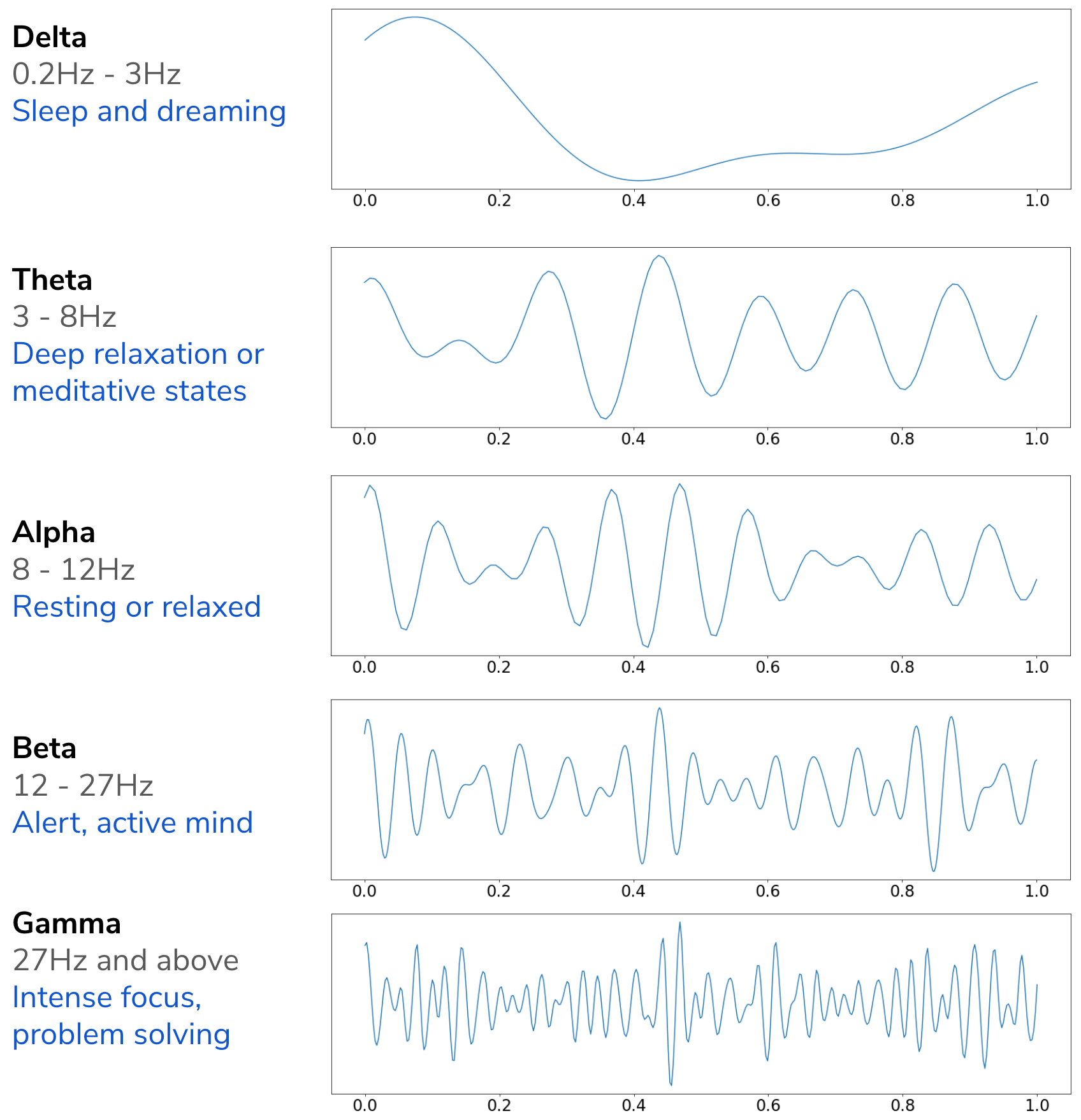
- Oscillatory gating: Rhythmic brain waves (theta, alpha, gamma bands) open and close windows for information flow, timing activity so multiple tasks occupy different phases of the same oscillation.
- Inhibitory sculpting: Local inhibitory circuits suppress cross-talk between pathways, sharpening the separation of parallel processes.
MECHANISMS IN DETAIL
Selective routing and dynamic hubs
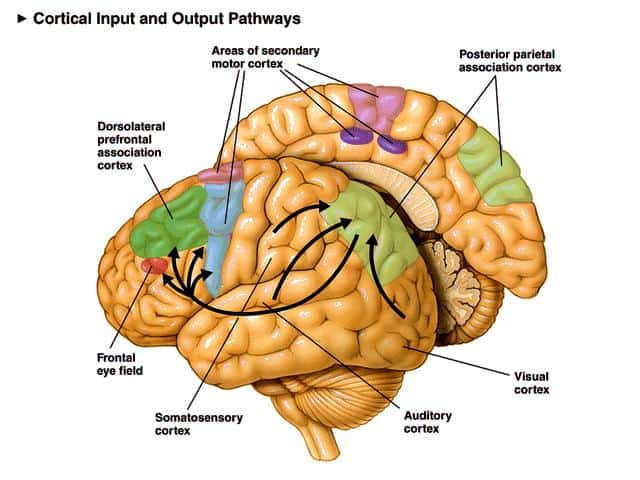
Imagine the brain as a transport system with stations (regions) and rails (connections). Some stations act as hubs — the prefrontal cortex, parietal network nodes — that redirect traffic. When a second task is introduced, hubs alter their routing rules: certain rails are prioritized, others de-emphasized. This rerouting does not require new long-term anatomy; it depends on changing the efficacy of existing synapses and momentary gating signals. The result: two sets of stations can process different tasks simultaneously with minimized interference.
prefrontal cortex neural pathways
Oscillatory coordination: timing is everything
Neural oscillations provide a temporal scaffold. When two processes are phase-locked to different parts of a cycle, they effectively occupy separate lanes on the same road. For example, sensory encoding might align with gamma bursts, while working memory maintenance rides on theta cycles. This phase separation reduces cross-talk and enables multiplexing — multiple streams sharing the same substrate at different times.
neural oscillations theta gamma
Synaptic and structural changes: making parallel paths durable
When parallel processing is repeated, synapses strengthen through mechanisms like long-term potentiation and structural changes such as dendritic spine growth and selective myelination. Over weeks or months, these adaptations create more reliable, low-interference pathways — the brain learns to multitask by reconfiguring both function and form.
WHY SOME TASKS CAN BE DONE TOGETHER — AND OTHERS CAN'T
Modality and effector separation
Tasks that use different input-output systems are easiest to perform concurrently. Listening to a podcast while folding laundry — auditory input plus gross motor output — often works because sensory and motor systems are distinct. Contrast that with trying to write an email while composing a complex argument aloud: both depend heavily on language systems and working memory, so interference is high.
Shared representation and competition
When tasks draw on the same representations — the same words, the same spatial map, or the same decision variable — parallel processing becomes costly. The brain can try to segregate by recruiting different subregions or by temporal multiplexing, but competition raises error rates and slows both tasks unless extensive training or structural rewiring reduces overlap.
Automaticity and habituated routines
Automatic processes require less top-down control and can be relegated to subcortical or lower-level circuits, freeing cortical hubs to manage another demanding task. Driving a familiar route while mentally planning a presentation becomes easier when one behavior is automatic; the brain has offloaded much of the work to stable pathways.
EVIDENCE FROM LABS AND LIFE
Laboratory paradigms that reveal rewiring
Researchers use dual-task and multitask training studies to probe rewiring. In experiments where participants repeatedly practice two tasks together, their performance often improves more than predicted by simple switching models. Neural recordings show increased segregation of task-specific patterns and strengthened connectivity within the networks supporting each task.
Real-world observations
Professional musicians, air-traffic controllers, and experienced video gamers often display impressive dual-task performance. Their brains appear to have developed stable parallel channels for domain-specific operations, either through prolonged practice or through training that emphasized distinct representations and timing cues.
PRACTICAL IMPLICATIONS
For work and productivity
Designing tasks to minimize representational overlap and to exploit different modalities can improve productivity. For example, pairing phone-based audio tasks with hands-on manual work can be effective. However, combining two high-attention tasks or switching rapidly between similar tasks will likely reduce productivity and increase error.
For education and training
Training that intentionally separates representations, enforces rhythmic timing, and gradually increases overlap can help build multitasking capacity. Simulators and scaffolded practice sessions are powerful because they let the brain explore low-interference routing before synaptic and structural changes solidify parallel channels.
For clinical applications
Patients recovering from stroke or traumatic brain injury can benefit from therapies that exploit the brain's ability to rewire. Deliberate practice pairing residual capabilities with assistive routines can encourage new parallel pathways and reduce cognitive load for everyday tasks.
HOW TO TRAIN YOUR BRAIN — REALISTICLY
Start with separation
Choose two tasks that use different modalities and effectors. Practice them together at low difficulty until each runs smoothly. This lowers initial interference and gives the brain a chance to discover stable routing strategies.
Use timing and rhythm
Introduce a consistent temporal structure: short rhythmical cycles or cues that align the two tasks to different phases. Rhythm supports phase-based multiplexing and helps the brain segregate streams.
Progressive overlap
Gradually increase complexity and representational overlap. Repeated practice will push rapid functional adjustments toward durable structural changes like strengthened synapses and myelination of frequently used pathways.
LIMITATIONS AND OPEN QUESTIONS
Individual differences
Genetics, developmental history, prior training, and even sleep quality affect how readily a brain rewires. Some people develop remarkably robust parallel channels, while others retain tight bottlenecks. Understanding these differences remains an active research area.
Costs of parallelism
Even when parallel processing is possible, it can incur energetic and long-term trade-offs. Maintaining separate pathways might increase metabolic demand and can compete with learning other skills. Deciding which processes to make parallel is an optimization problem the brain solves based on reward, frequency, and risk.
Ethical and social implications
As we learn to enhance multitasking — through training or neurotechnology — we must consider equity and safety. Who gains access to performance-enhancing interventions? How do we regulate applications that could increase risk in domains like driving or workplace monitoring?
CONCLUSION
The simple story that humans cannot multitask has given way to a more nuanced view: the brain can and does rewire itself to support parallel processing under the right conditions. This rewiring operates across timescales, from rapid oscillatory gating to long-term synaptic and structural changes. The result is not magic — it is an adaptive choreography of routing, timing, and inhibition that reduces interference and allows multiple streams to run together.
For everyday life, the practical translation is clear. Pair tasks that use different systems, practice deliberately, and respect the brain's limits when safety matters. For science and medicine, the discovery opens new avenues: targeted training, rehabilitation that leverages parallel channels, and technologies that read or guide functional rewiring. The brain's capacity to reconfigure itself is a reminder of human adaptability — but also a caution that not all combinations are safe or sensible.
- The brain can achieve true parallel processing by dynamically rewiring functional connections and, with practice, structurally stabilizing those pathways.
- Mechanisms include selective routing, oscillatory phase separation, and inhibitory sculpting across multiple timescales.
- Practical multitasking works best when tasks draw on different modalities or when one task is highly automated; high-overlap dual demands remain risky.
Journalistic synthesis based on contemporary neuroscience concepts and laboratory findings; intended for general readers seeking practical understanding.