How Starlink Helped Ukraine's Offensive Push Russia Back
The image of soldiers crouched over glowing tablets on a windswept ridge is now a recurring one in modern conflict reporting: small units coordinating drone strikes, calling in artillery on precise grid coordinates, or streaming reconnaissance footage to commanders hundreds of kilometers away. Underpinning many of those scenes in recent Ukrainian offensives has been a civilian technology adapted to wartime needs — low-latency satellite internet provided by a commercial constellation. This article traces how that technology reshaped operations at multiple levels, why it mattered tactically and strategically, and what vulnerabilities and lessons it leaves for the next generation of warfare.

low earth orbit satellite constellation
When connectivity becomes as important as ammunition, a satellite dish no bigger than a pizza can be worth its weight in gold.
THE OFFENSIVE IN CONTEXT
A new kind of logistics and command layer
The Ukrainian offensive that pushed into contested territories in successive phases relied on fast tempo, decentralized decision-making and the rapid fusion of sensor data. Those requirements put a premium on reliable, mobile communications. Traditional line-of-sight radio networks and terrestrial cellular infrastructure are vulnerable to destruction or interception. Enter commercial satellite internet: it provided a relatively high-bandwidth, low-latency link that was portable, quickly deployable, and — crucially — independent of ground infrastructure that could be shelled, mined or physically seized.
Not a silver bullet, but a force multiplier
Starlink and similar services did not win battles by themselves. They were one element in a constellation of advantages: improved drones, massed precision fires, better training, and battlefield creativity. But by enabling real-time imagery, target sharing, and integrated command-and-control, satellite internet amplified those other elements — shortening the observe-orient-decide-act cycle and increasing the tempo at which Ukrainian units could operate.
HOW THE TECHNOLOGY WAS APPLIED
From tactical terminals to mobile command posts
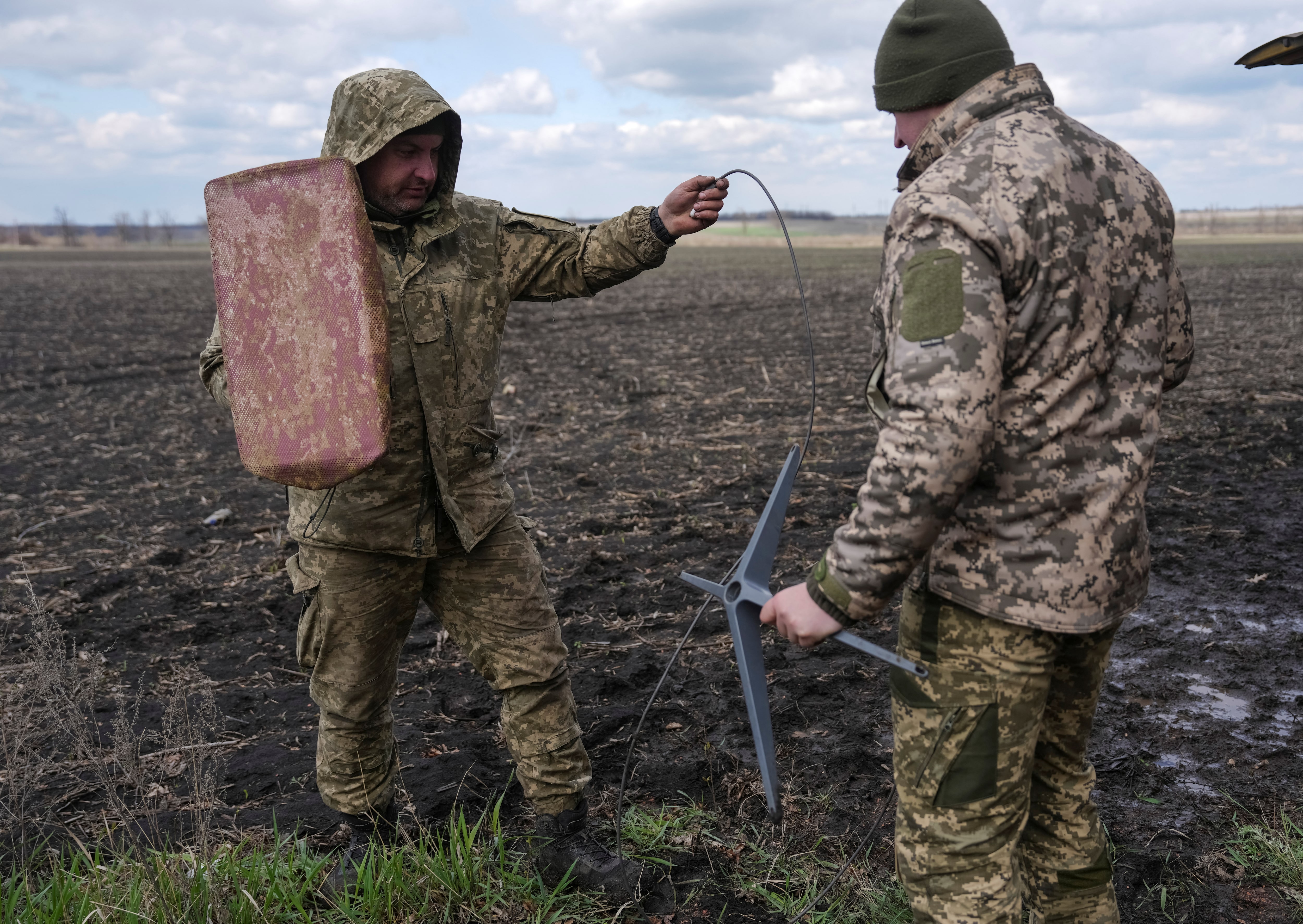
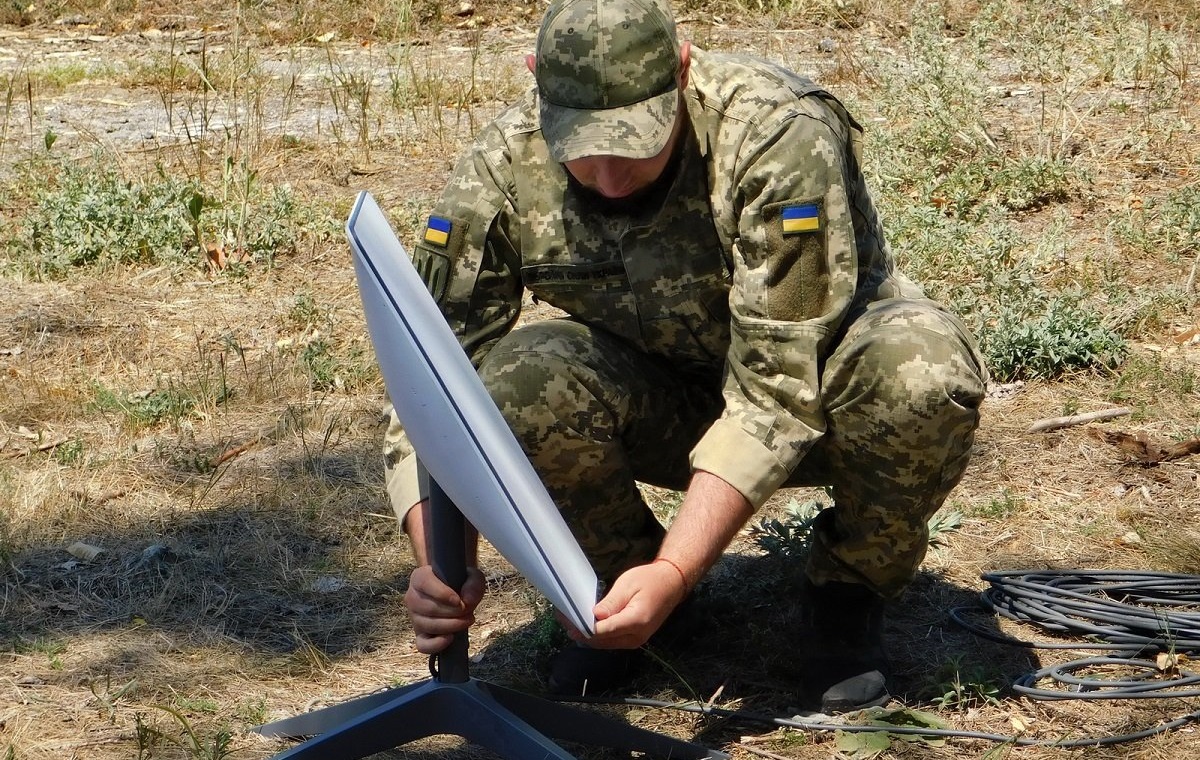
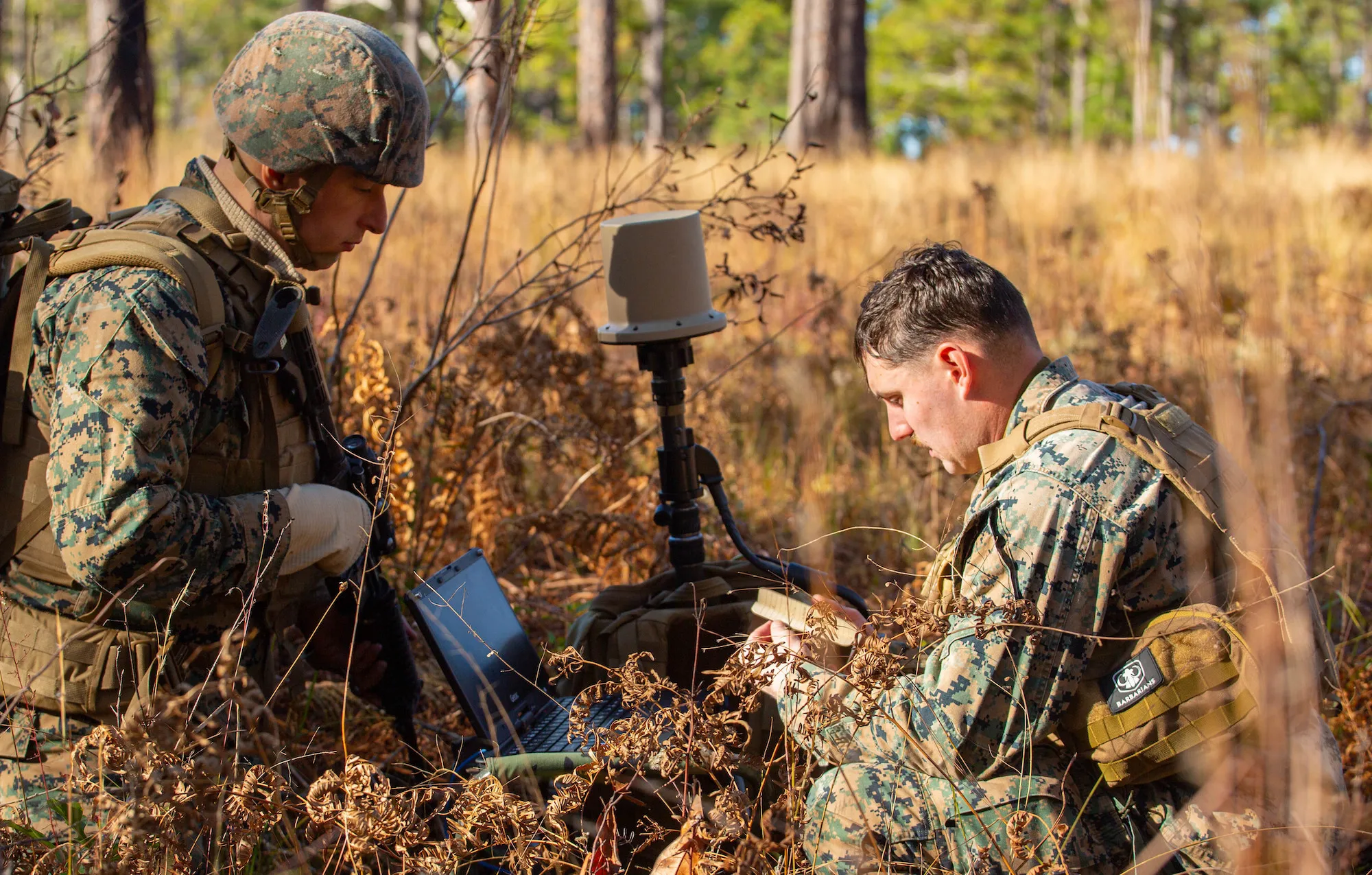
At the tactical edge, small, ruggedized terminals connected squad leaders, drone operators and forward observers to a wider digital backbone. Units used these links to stream live drone video to artillery forward observers and to higher-echelon fire-control centers. Mobile command posts could leapfrog traditional restrictions of range and terrain, coordinating attacks across a theater and compressing decision loops that historically relied on courier, radio check-ins, or delayed digital messages.
Starlink satellite terminal battlefield
Sensor fusion and shared situational awareness
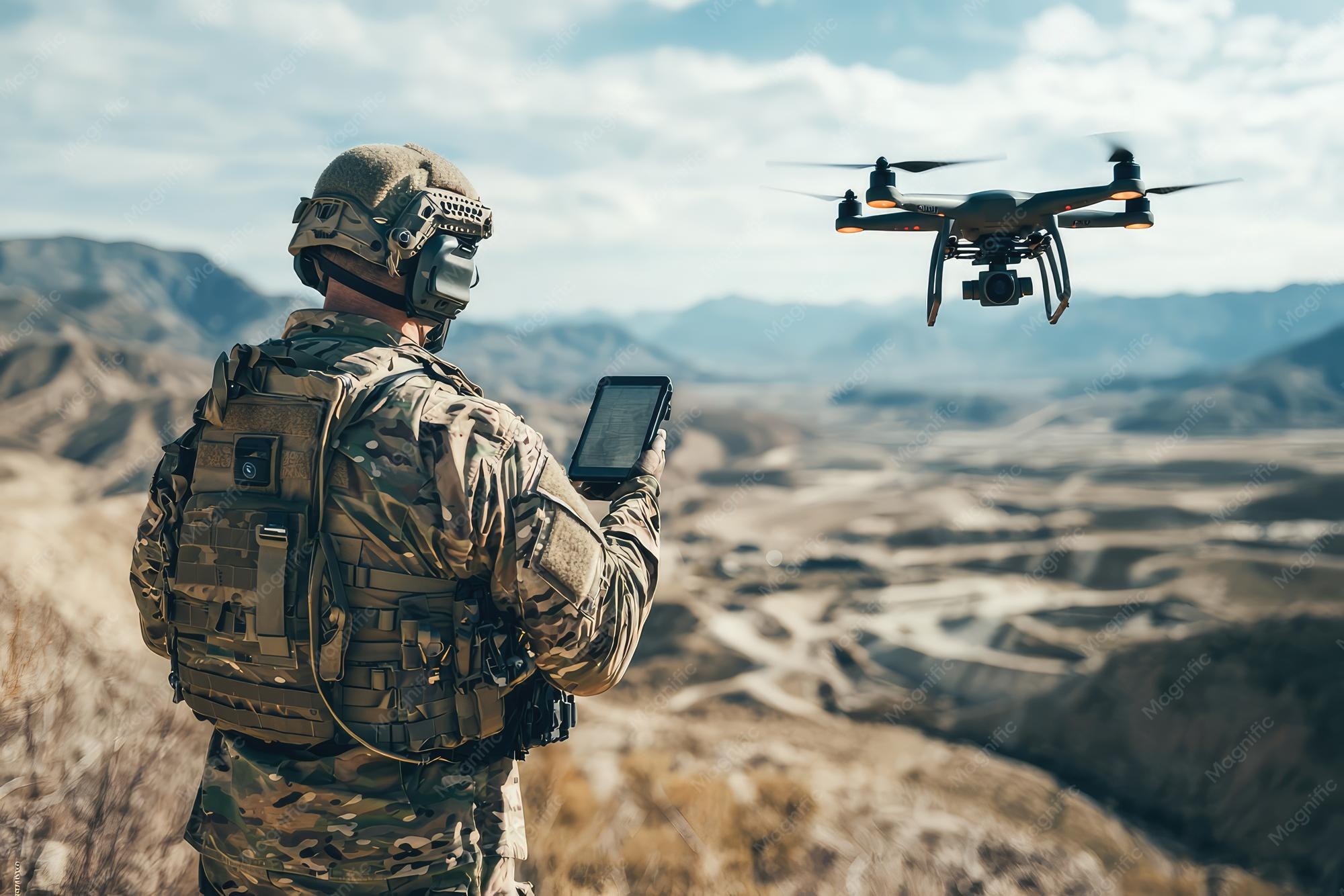
One pivotal change was sensor fusion: data from ephemeral commercial and military drones, handheld cameras, and SIGINT nodes could be combined and displayed on shared maps and dashboards in near real time. Commanders at battalion and brigade level were no longer dependent solely on spot reports; they could see multiple feeds, confirm lines of advance, and rapidly reroute interdiction or suppression fires. That shared awareness turned small-unit actions into coordinated thrusts that made offensive operations more lethal and resilient to disruption.
military drone reconnaissance footage screen
TACTICAL AND OPERATIONAL EFFECTS
Speed, precision and dispersed aggression
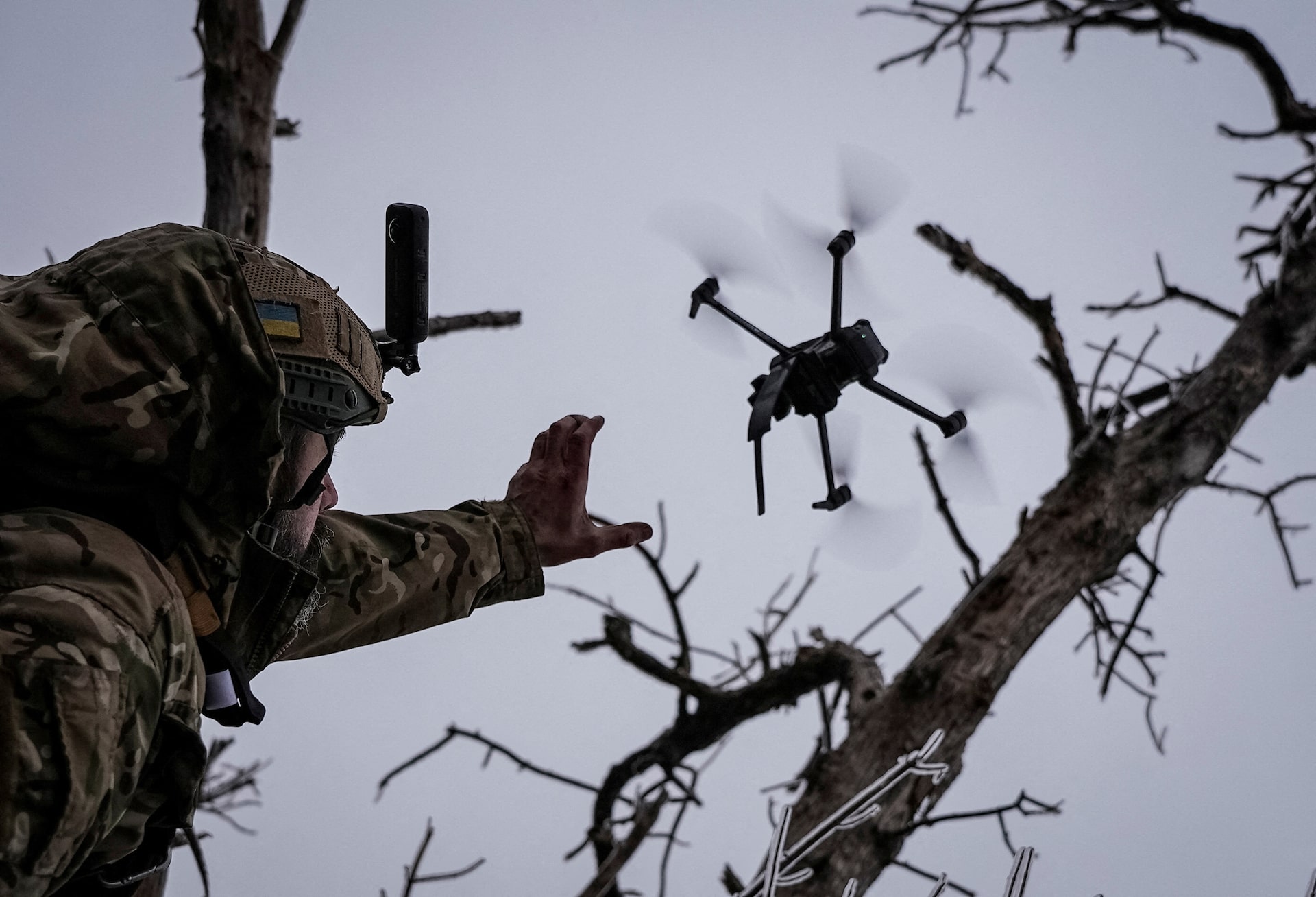
With robust communications, units could operate more dispersedly — reducing vulnerability to concentrated indirect fires — while retaining the ability to mass effects at the right time and place. Precision artillery and rocket volleys could be directed against fleeting targets identified by drones minutes earlier. This combination of dispersion and precision created dilemmas for defenders who were trained and equipped to fight against massed formations and predictable lines.
Ukrainian soldiers using tablets drone
Improved logistics and sustainment
Satellite internet also helped logistics. Convoy planning, resupply timing, battlefield damage assessments and casualty evacuations benefited from better connectivity. Planners could reroute convoys around contested areas, prioritize medical evacuations with situational updates, and monitor fuel and ammunition flows with greater granularity. In short, communications improved the efficiency and survivability of the sustainment chain.
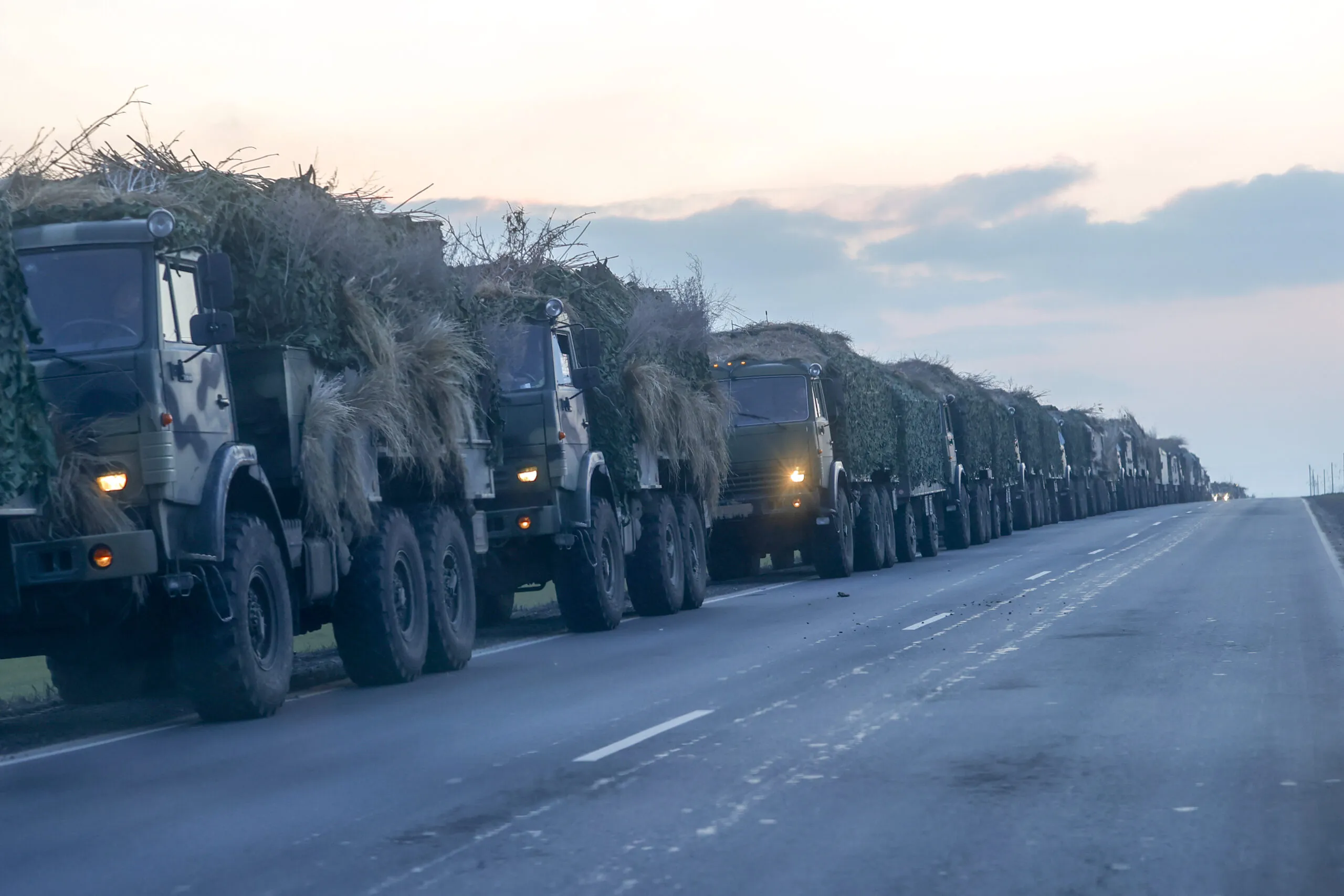
military logistics convoy Ukraine
COUNTERMEASURES, VULNERABILITIES AND ADAPTATIONS
Electronic warfare and jamming
Any advantage invites countermeasures. Adversaries invested heavily in electronic warfare to deny or degrade satellite-linked systems. Jamming, targeted RF interference, spoofing attempts, and kinetic strikes against ground infrastructure became part of the contest. Those threats exposed the limits of relying on a single communications modality and drove Ukrainian and partner forces to implement redundancy, hardening and emissions control to reduce detectability.
Electronic warfare jamming equipment military
Operational security and signals discipline
Communications security became vital. High-bandwidth links can also betray intent: transmitting live video or continuous telemetry can reveal troop locations and movement patterns. To balance the utility of connectivity with operational security, units developed stricter signals discipline, using short bursts of data, relaying only essential feeds to reduce signature, and applying encryption and access controls where possible.
Physical and supply vulnerabilities
Commercial terminals are physical items that require power, maintenance and occasional replacement. Supply lines that deliver those terminals, spare parts, and power sources became targets. Commanders learned to treat Starlink dishes like high-value items — not only for connectivity but for morale — and developed procedures to camouflage, disperse and protect them.
THE HUMAN FACTOR
Morale, initiative and decentralized decision-making
Beyond technical effects, ubiquitous connectivity altered human behavior. Unit leaders at lower echelons gained initiative because they could access higher-echelon situational awareness and intelligence without waiting for formal channels. That empowerment increased tempo and encouraged bold, decentralized action — a hallmark of effective offensive operations.
Training and doctrine changes
To leverage the technology, forces had to adapt training and doctrine. Soldiers needed skills in handling terminals, securing comms, integrating drone feeds with fire control systems, and practicing emissions discipline. Doctrine evolved to incorporate the reality that small units could project effects far beyond their immediate line of sight when given the right digital tools.
LEGAL, ETHICAL AND GEOPOLITICAL IMPLICATIONS
Private companies as strategic actors
The conflict blurred lines between private-sector technology and state actions. Commercial firms providing dual-use capabilities suddenly found their services central to national defense. That raised questions: Where does corporate responsibility begin and end in wartime? How should governments regulate exports of ostensibly civilian systems that have decisive military impact? The answers are still being debated, and the conflict became a live laboratory for policy decisions many governments will now confront.
International law and proportionality
There are also legal and ethical dimensions when civilian infrastructure is used for military purposes. Use of commercial assets can complicate questions of lawful targeting and proportionality, particularly if an adversary chooses to strike such assets. Operators and planners must consider the humanitarian consequences of turning civilian services into battlefield enablers.
TECHNOLOGY, INDUSTRY AND THE FUTURE OF WARFARE
Commoditization of advanced capabilities
One of the most consequential shifts is commoditization: capabilities that once required entire national programs — secure, long-range communications, and near-real-time intelligence — are now accessible through off-the-shelf systems. That lowers barriers to effective military operations for states and non-state actors alike, forcing a rethink of deterrence, escalation and alliance structures.
The arms race for the electromagnetic spectrum and space
Access to space and control of the electromagnetic spectrum are increasingly central to military competition. The effectiveness of satellite-enabled operations will spur investments in anti-satellite capabilities, spectrum management tools, and resilient architectures — including meshes of low-earth-orbit constellations, interoperable civilian-military gateways, and hardened terminals.
- Rapid deployability — satellite terminals can be operational in minutes.
- Low-latency connectivity — supports live video and real-time control.
- Independence from ground infrastructure — resilient against local attacks.
- Vulnerable to EW — jamming and spoofing are real threats.
- Corporate dependency — availability can be affected by policy or commercial decisions.
- Physical logistics — terminals require power, spares and protection.
PRACTICAL LESSONS FOR MILITARY PLANNERS
Design for redundancy and graceful degradation
Planners should treat commercial satellite services as important but not exclusive layers. Redundancy across communications (HF, VHF/UHF, cellular, satellite) and the ability to gracefully degrade operations when links are contested will be essential. This means planning fallback modes, pre-arranged movement corridors, and manual procedures for targeting when digital links fail.
Train for contested electromagnetic environments
Exercises must simulate aggressive jamming and spoofing, forcing troops to operate with intermittent connectivity. Emphasis on emissions control, rapid link reestablishment, and physical protection of terminals will reduce risk and maintain momentum during an offensive.
THE BROADER STRATEGIC PICTURE
A glimpse into distributed, networked warfare
The events on the battlefield offered a real-world preview of distributed, networked warfare in which nimble formations, augmented by commercial digital infrastructure, can outmaneuver larger but less-connected forces. That model elevates agility, information dominance and innovation as decisive attributes in future conflicts.
Alliances, policy and the role of partners
Allies and partners played roles supplying not only hardware but doctrine, training, and software tools to process and exploit the new data streams. That cooperation underscored how modern operational advantage often rests on broad international support — both material and intellectual.
CONCLUSION
The arrival of compact, low-latency satellite internet on the battlefield is a watershed in the evolution of military affairs. In the Ukrainian offensive it became a practical enabler of faster decisions, precise fires, resilient logistics and empowered small-unit initiative. But it is not a panacea. Its strengths must be balanced against vulnerabilities to electronic warfare, supply constraints and the complexities introduced when private platforms become strategic assets.
What comes next
Expect a two-track response: defenders will accelerate efforts to deny those advantages through jamming, anti-satellite actions and cyber operations, while militaries and industry will press to harden, diversify and make satellite-enabled communications more resilient and sovereign. The larger implication is clear: future offensives will be as much about who controls the information layer as who controls the ground.
- Commercial satellite internet served as a force multiplier, enabling improved tempo, precision and situational awareness.
- Advantages came with vulnerabilities: electronic warfare, logistical dependencies and corporate policy risks.
- Redundancy, emissions discipline and training for contested environments are now operational necessities.
- The conflict accelerated the commoditization of advanced capabilities and spotlighted the strategic role of private technology providers.
Reporting from the intersection of technology and conflict — how civilian innovations reshape military power.