How Solar Saved Europe €3bn in March — Who Led?
When sunlight hits a rooftop or a field of panels it does more than spin an inverter — in March, that sunlight translated into a roughly €3 billion reduction in Europe’s fossil‑fuel import bill. The headline figure captures a simple truth and a complex web: by generating electricity at or near the point of use, solar reduces demand for imported gas and coal, suppresses wholesale prices, and cushions households and industry from volatile global fuel markets. But the savings aren’t evenly spread. Some countries are already reaping outsized benefits; others are still waiting for policy, grids and investment to catch up. This piece walks through how solar produces immediate import savings, which countries are leading the charge, the practical limits of further savings, and what policymakers, utilities and investors can learn from March’s snapshot.
European solar generation
Europe’s Solar Surge and Why March Mattered
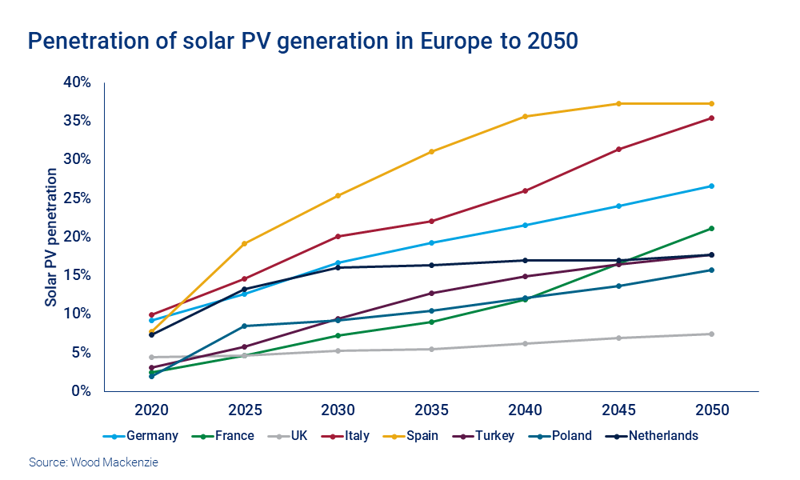
March sits at the intersection of late‑winter demand and an early spring boost in solar irradiance — more sunlight than January or February, but still enough heating demand to keep fossil generation on the margin. That configuration tends to magnify the market value of incremental solar output: every hour of generation that displaces gas‑fired plants reduces the volume of gas that must be imported and burned. In 2020–2025, Europe experienced sustained increases in installed solar photovoltaic (PV) capacity, dramatic swings in global gas prices, and a policy environment that increasingly prizes energy independence. Those forces combined to make March particularly illustrative: a month when solar’s upward trajectory translated to measurable, headline‑worthy import savings.
How Solar Translates to Import Savings
Understanding the mechanics behind the €3 billion reduction requires unpacking demand, market pricing, and the generation stack.
Displacement of marginal generation
Wholesale electricity markets are typically settled hour‑by‑hour with the highest‑cost generator needed to meet demand setting the market price. In many European markets, that marginal unit during much of the year is gas‑fired generation. When solar produces electricity, it reduces the hours and megawatt‑hours for which gas plants are dispatched, which directly lowers the amount of imported gas burned and therefore import bills.
Price suppression and systemic effects
Beyond the direct volumes, solar depresses wholesale electricity prices during daylight hours. Lower prices not only help consumers but also reduce the revenue that coal or gas generators collect — which can alter dispatch decisions, spare reserve margins and change cross‑border flows. The combined effect is both immediate savings on fuel imports and a dampening of market volatility that would otherwise amplify import costs.
Role of storage, demand flexibility and interconnectors
Solar’s impact grows when paired with batteries, demand response and cross‑border interconnectors. Storage shifts daytime production to evening peaks, reducing the need for imports during high‑price hours. Strong interconnection lets sunny countries export surplus clean energy rather than curtail it; importing neighbors then burn less fuel. Countries that combine large PV fleets with storage and robust interconnection therefore deliver proportionally greater import savings per megawatt of solar.
Solar doesn’t just cut bills: in many cases it rewrites who sets the price on the margin — and that’s the fiscal headline.
Which Countries Are Leading the Way?
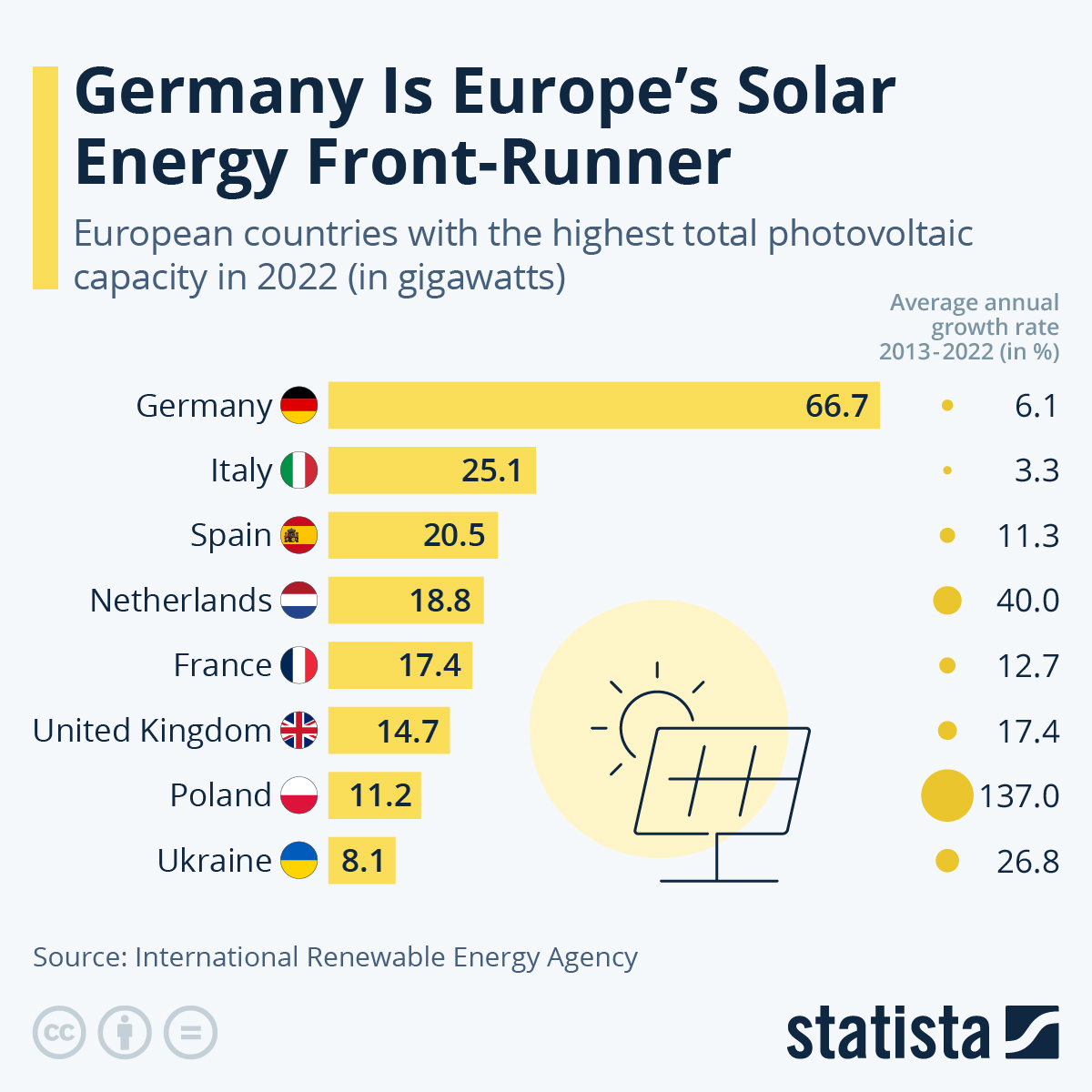
Answering the “who led” question means judging both scale and system design. A country with vast solar capacity will naturally displace more imports, but countries with smart integration policies, high gas exposure and favorable sun‑to‑demand timing can out‑punch their installed capacity.
Germany: scale, industrial demand and strategic integration
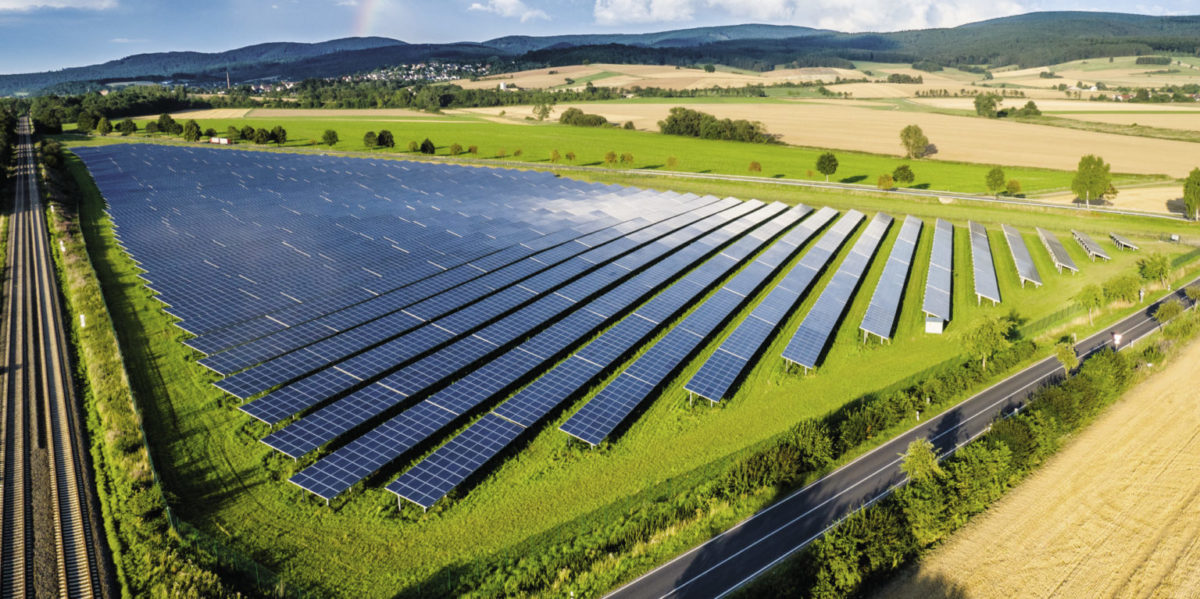
Germany’s long solar history gives it an outsized role. Large rooftop fleets, aggressive corporate procurement and growing utility‑scale installations mean Germany frequently tops Europe in hourly solar generation. Germany also hosts large industrial loads that benefit directly from lower daytime prices and has been expanding battery projects and flexible demand schemes. Those features make solar particularly effective at cutting fossil imports, even though Germany still relies on imports for balancing and some thermal backup.
Germany solar panels
Spain: sunlight, market design and storage momentum
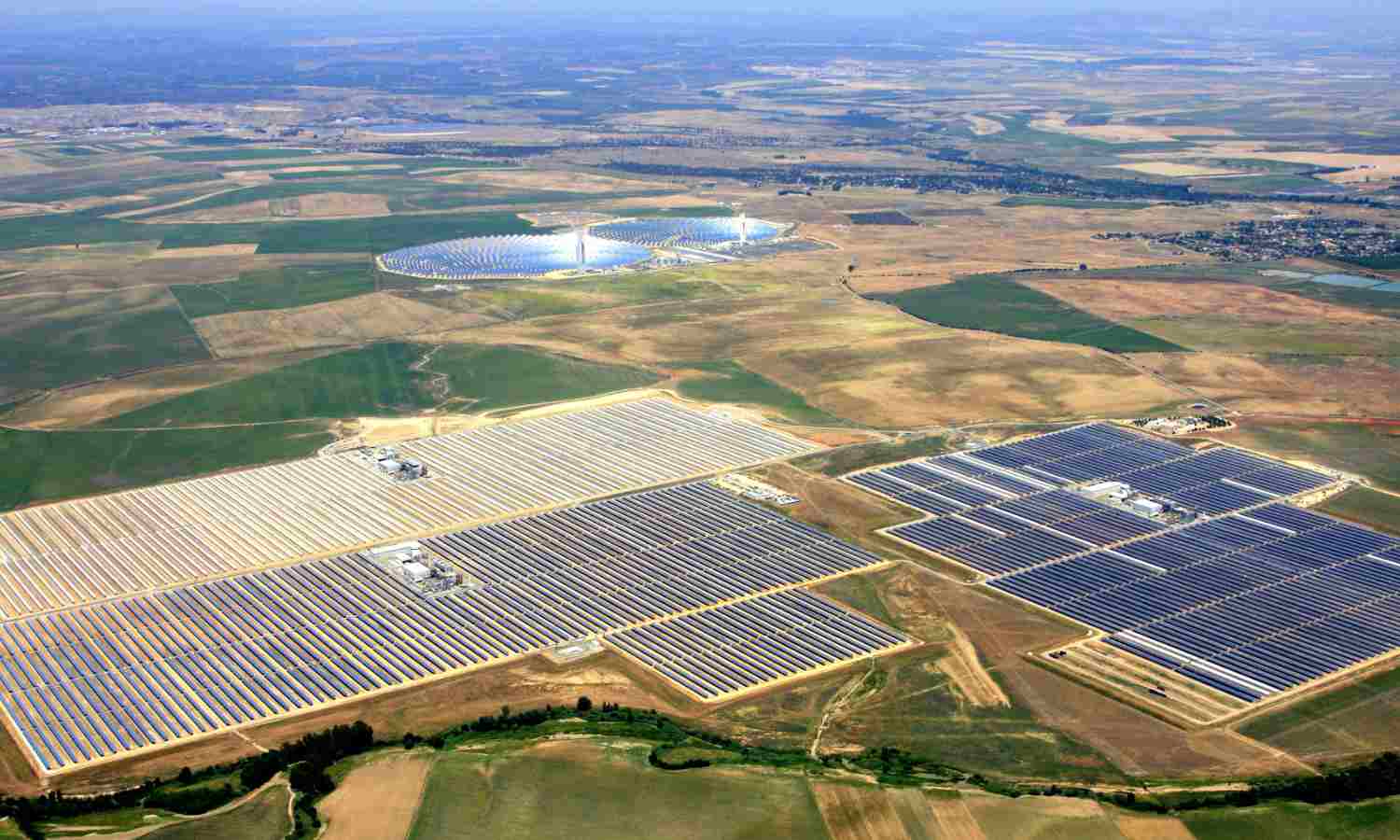
Spain’s southern geography gives it exceptional solar yield per panel, and recent years have seen a rush of utility‑scale development across arid plateaus. Coupled with a market that has fewer winter heating spikes than northern countries, Spanish solar tends to produce more energy per kilowatt installed — which converts to larger import offsets. Spain has also emerged as a European leader in pairing PV with storage and in reforming permitting to accelerate installations, which boosts effective savings.
Spain solar farms
Italy: rooftop density and demand alignment
Italy’s culture of rooftop PV, strong solar irradiation and high daytime air‑conditioning loads in spring and summer mean that much of its generation substitutes local consumption rather than exports. That local substitution reduces imports regionally and eases transmission bottlenecks. Italy’s regulatory approach that encourages small‑scale installations helps spread those benefits across millions of consumers.
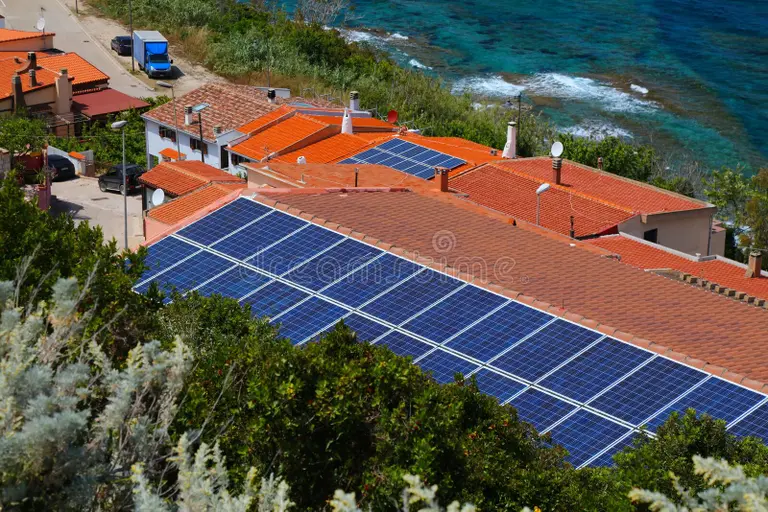
Italy rooftop solar
France: nuclear base plus growing solar flexibility
France’s electricity system is still dominated by nuclear, but solar is growing fast and increasingly complements the nuclear fleet by shaving daytime peaks and reducing gas backup needs. Where France benefits is in system stability — solar can free up nuclear generation to be used more strategically, lowering the need for fossil peaking units and, by extension, imported fuel.

France nuclear solar energy
Netherlands and Belgium: market structure multiplies impact
Smaller countries with tight market coupling and high import dependence can see large savings from relatively modest PV fleets. The Netherlands and Belgium, for instance, have dense industrial loads and limited domestic fossil resources; each megawatt of solar goes straight to reducing imports. In highly interconnected regions, the marginal impact of solar in one country quickly ripples across borders, amplifying overall import reductions.
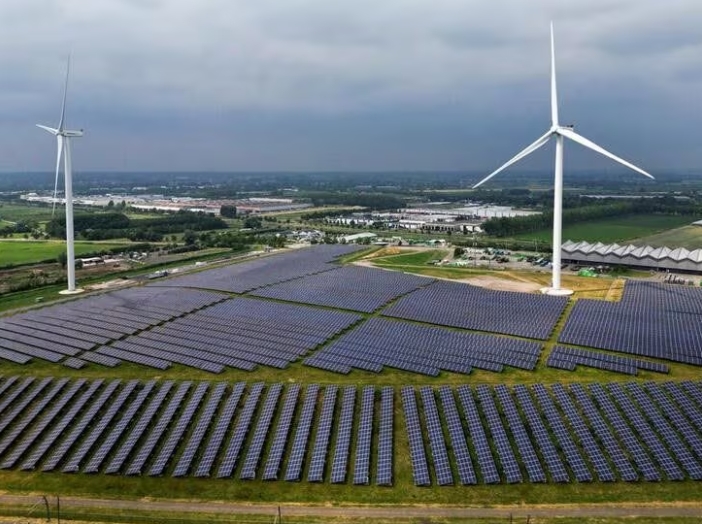
Netherlands Belgium solar power
A Closer Look: Metrics That Tell the Story
When comparing countries, three metrics matter most:
- Solar generation per kilowatt installed (yield): panels in sunnier regions produce more MWh for the same capacity.
- Market exposure to gas prices: where gas sets the marginal price more often, solar displaces expensive imports more effectively.
- Integration infrastructure: storage, demand response and interconnectors determine how much generated solar actually replaces imports versus being curtailed or exported at low value.
Combining those metrics explains why a medium‑sized market with excellent yield and strong interconnection can rival a large market with lower yield and limited flexibility.
Limits and Neutralizers: Why Solar Doesn’t Eliminate Imports
Solar is powerful, but it faces structural and temporal limits that cap immediate import savings.
Seasonality and timing mismatch
Solar output peaks in summer while heating demand and some import dependence peak in winter. Unless paired with long‑duration storage or seasonal demand shifts, solar can’t fully substitute fuel used for winter heating. March is a transition month where both heating demand and improving solar coincide — which helps explain the outsized headline savings — but that dynamic isn’t identical across the year.
Curtailment and grid constraints
When transmission or distribution networks can’t absorb more daytime solar, systems curtail generation. Curtailment erodes potential import savings. Countries that invest in grid upgrades and smart distribution planning convert a higher share of their solar fleets into real reductions in imported fuels.
Balance and backup requirements
All power systems need balancing capacity. Even with massive solar fleets, some form of dispatchable backup — zero‑carbon if possible — remains necessary for system security. Transitioning that backup away from imported gas is key to realizing permanent import reductions, but it’s a longer‑term project requiring policy, investment and technology alignment.
Policy, Investment and Permitting: The Levers That Tip the Scales
Countries that move quickly combine three types of action: rapid, transparent permitting; attractive finance for both utility and distributed projects; and market rules that reward flexibility.
Permitting reform and land use
Lengthy permitting delays continue to throttle projects. Reforming processes, creating solar‑friendly zoning for brownfields and aggregated rooftops, and streamlining environmental assessment without compromising standards has produced rapid outcomes in leading countries.
Financing models that broaden ownership
When consumers, municipalities and corporate buyers can invest in PV, deployment accelerates. Innovative models — community solar, green mortgages, and on‑bill financing — multiply small‑scale installations that collectively reduce imports.
Market signals for flexibility
Time‑of‑use pricing, capacity markets for flexible resources, and clearer remuneration for batteries and demand response encourage the infrastructure that makes solar more valuable. Policymakers can tilt the economics so that each euro invested in flexibility multiplies the import savings delivered by solar.
What March’s €3bn Tells Us About Energy Security
Even if March’s saving is a snapshot, it offers strategic lessons. First, renewable capacity is no longer just an emissions play: it’s fiscal policy. Reducing import bills strengthens balance of payments and reduces exposure to geopolitical shocks. Second, the savings are disproportionately high where policymakers pair capacity growth with system flexibility. Third, distributed solar confers resilience — simultaneous generation across millions of rooftops reduces transmission losses and local congestion, making systems less reliant on large, centralized fuel shipments.
Implications for climate goals and the industrial base
Lower import bills create fiscal headroom that governments can re‑allocate to grid upgrades, storage incentives, or social programs. For industry, predictable lower electricity costs during daylight hours improve competitiveness and encourage electrification of processes that traditionally relied on fossil fuels.
Practical Steps for Countries Wanting to Capture More Savings
For nations looking to replicate March’s savings, a pragmatic package of measures delivers the best return on investment.
- Scale rooftop programs: prioritize fast permitting and cost‑reflective incentives for residential and commercial PV.
- Invest in mid‑ and long‑duration storage: pair storage R&D with practical incentives to capture seasonal and diurnal value.
- Strengthen interconnectors: trading clean surplus across borders reduces curtailment and spreads benefits.
- Reform market rules: compensate flexibility and capacity so that batteries, demand response and hybrid projects are bankable.
- Deploy targeted auctions: design tenders that reward geographic dispersion, storage pairing and domestic economic content.
- Reduced import bills and improved energy sovereignty.
- Lower wholesale prices during daylight hours.
- Distributed resilience and local economic benefits.
- Seasonal mismatch with winter heating demand.
- Grid upgrades and storage require upfront capital.
- Permitting and land constraints can slow deployment.
The fastest route from panels to prosperity runs through grids, storage and sensible market rules.
Key Takeaways
- Solar can and did materially reduce Europe’s fossil‑fuel import bill in March by displacing gas‑fired generation and lowering wholesale prices.
- Countries leading the savings combine strong installed capacity with high solar yield, market exposure to gas prices and integration measures like storage and interconnectors.
- March’s savings are a proof‑point, not a full solution; seasonal and structural limits mean storage, grid upgrades and policy reform are essential to sustain and grow import reductions.
- Policymakers should focus on permitting reform, finance models that broaden ownership, and market rules that reward flexibility to maximize the fiscal benefits of solar.
Conclusion: From Snapshot to Strategy
The headline — solar saved Europe roughly €3 billion in fossil‑fuel imports in March — is more than a talking point. It’s evidence that the energy transition delivers tangible economic outcomes today, not just climate benefits tomorrow. Yet the distribution of those gains reveals the importance of system design: scale matters, sunshine matters, but integration matters most. Countries that pair PV deployment with storage, grid investment and market reforms unlock the greatest reductions in imported fuel. As Europe doubles down on its clean energy ambitions, the lesson is clear: accelerate deployments, invest in flexibility, and design markets so that the next €3 billion saved becomes routine rather than exceptional.
Caption: Solar panels at midday reduce demand on gas‑fired plants and help lower Europe’s fossil fuel import bill.