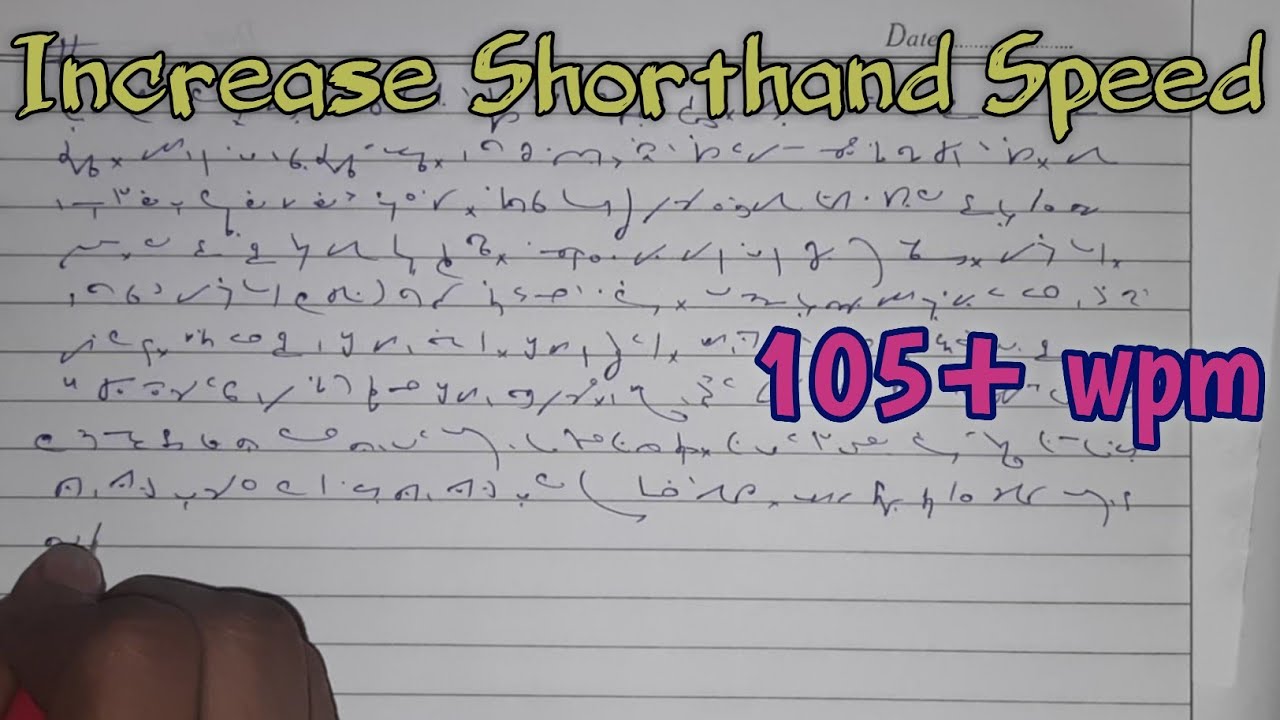
How Shorthand Beat Typing: Masters Reached 280 WPM
It sounds like an urban legend: people writing by hand faster than someone can type on a modern keyboard — up to 280 words per minute. Yet beneath the surprise is a simple truth: shorthand systems developed over the past two centuries were designed specifically for speed, efficiency, and capturing spoken language in real time. Long before laptops, shorthand was the backbone of journalism, business, and law. This feature explores how these systems work, why they could outpace typing, who reached those incredible speeds, and whether learning shorthand still makes sense in the age of voice-to-text and stenotype machines.
pen and paper shorthand writing
A QUICK ORIENTATION
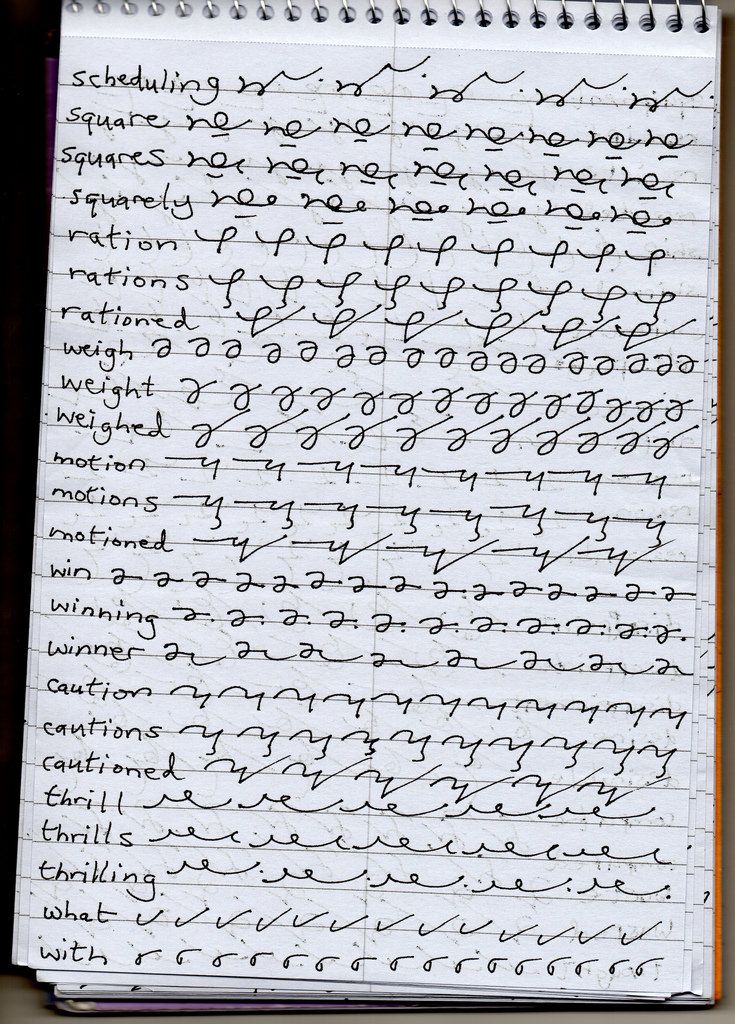
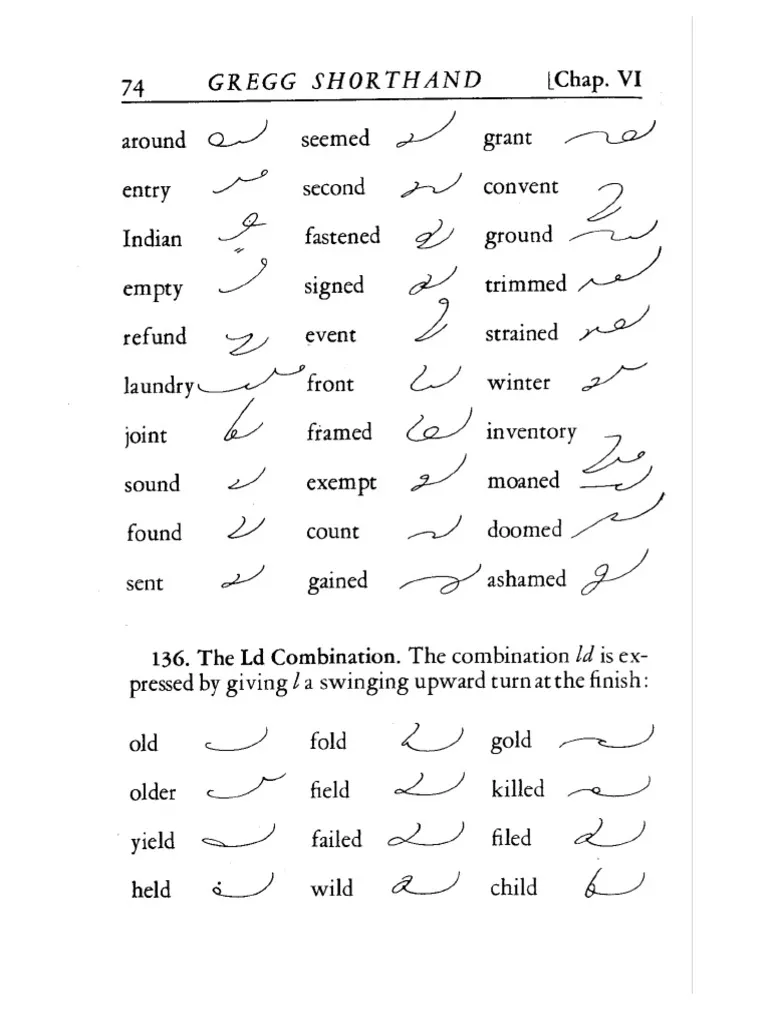
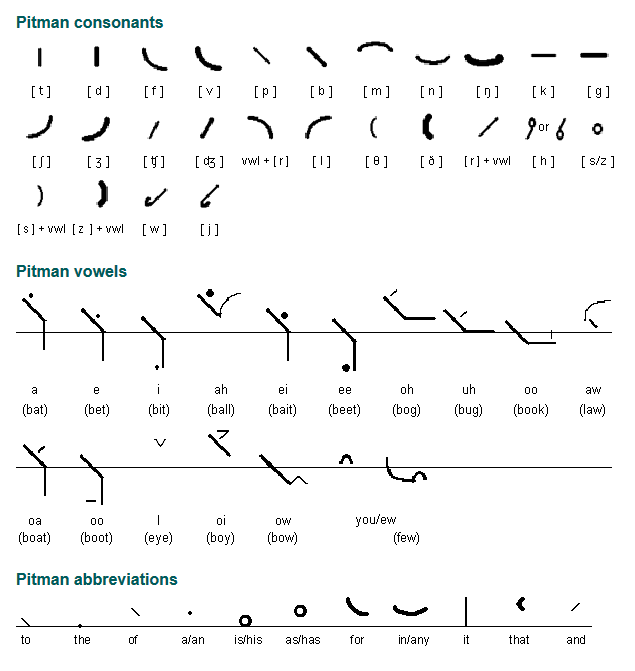
Shorthand is not one single technique but a family of systems that compress language into rapid strokes and symbols. The most widely known are Pitman and Gregg, both nineteenth-century English-language systems. They reduce syllables, drop redundant letters, and represent sounds with simplified marks so that a practiced writer can trace spoken phrases almost as quickly as they are uttered. The result is a written shorthand that, when transcribed, expands back into readable longhand or typed text.
Gregg shorthand system
Pitman shorthand system
THE HISTORY THAT MADE SPEED POSSIBLE
From mercantile notes to courtroom transcripts
The origins of shorthand are ancient, but the forms that produced extraordinary speed emerged during the industrial and information revolutions. By the 1800s, fast note-taking had moved from a novelty to a necessity: newspapers needed reporters in the field, businesses required accurate records, and courts demanded verbatim transcripts. Innovators responded with systems optimized for the spoken word.
Isaac Pitman introduced his system in 1837, emphasizing phonetic shorthand and line thickness to distinguish sounds. John Robert Gregg introduced Gregg shorthand in 1888, favoring light, cursive strokes suited to the rhythm of speech. Teeline, developed later in the 1960s for British journalists, pared rules down even further for faster learning and flexibility.
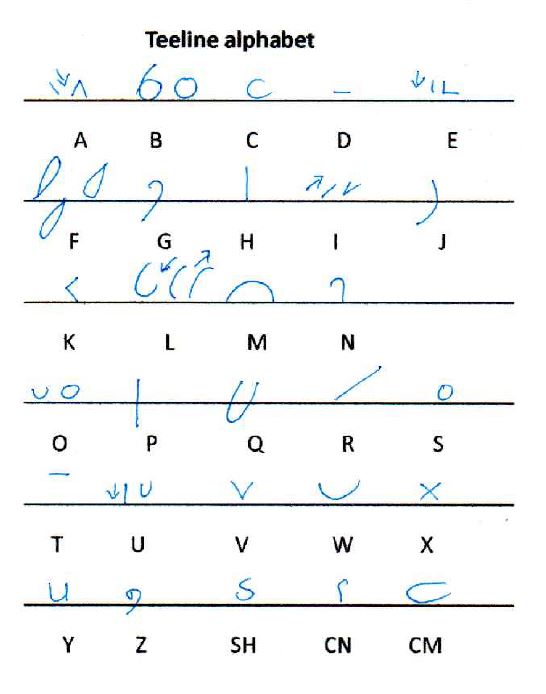
Teeline shorthand system
Shorthand turned listening into a choreography of strokes — a human real-time data capture method that often outpaced the mechanical rhythm of typewriters and early keyboards.
Sample shorthand forms vary, but all trade letter-by-letter writing for compact phonetic symbols.
HOW SHORTHAND ACTUALLY WORKS
Phonetic compression and stroke economy
At its core, shorthand minimizes the distance a pen travels for each unit of meaning. It employs several tactics:
- Phonetic representation: Words are recorded by sounds rather than by conventional spelling, eliminating silent letters and redundant graphemes.
- Abbreviations and blends: Common words and word groups have single signs.
- Positional cues: Placement and angle of strokes convey vowels or modifiers without separate marks.
- Ligatures and joins: Connected strokes keep the pen moving fluidly, avoiding lifts that cost time.
These design choices add up. Where typing requires a separate keystroke for each letter (or chorded presses for stenotype), shorthand harnesses the visual economy of cursive motion to reduce 'per-word' mechanical cost. To a practiced shorthand writer, the hand becomes predictive — anticipating endings and transitions and converting them into shorthand shorthandism that reads faster than letter-by-letter typing.
What makes 200+ WPM possible?
Two things: chunking and motor fluency. Shorthand encodes language into chunks larger than letters (syllables, morphemes, or whole words). That reduces the number of discrete movements. Over years of practice, writers develop motor programs — automated hand motions that execute complex stroke sequences with little conscious effort. Combine chunks with automation, and you remove the bottleneck of conscious letter selection.
RECORDS, CLAIMS, AND REALITY
The headline numbers
Claims that shorthand masters hit 200–280 words per minute are rooted in documented demonstrations and competition records from shorthand schools and professional circles. Exceptional performers at shorthand contests could transcribe spoken passages at extraordinary rates. Court reporters later adopted stenotype machines that achieved similar or greater speeds by using chorded keys instead of pen strokes.
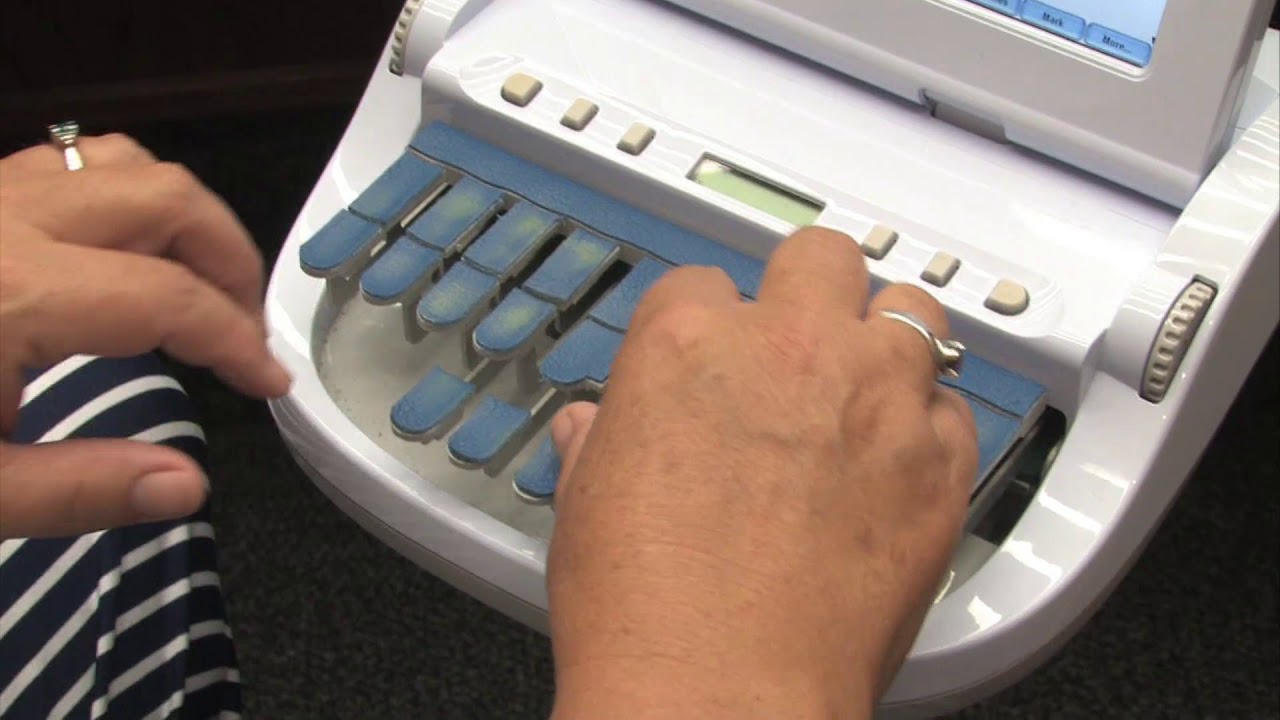
court reporter stenotype machine
It is important to contextualize these claims: 280 WPM is an upper bound, typically achievable for short bursts with clear, predictable speech and concentrated practice. Sustaining that pace for lengthy sessions is rare and physically demanding.
Comparing shorthand to typing and stenotype
How does shorthand compare to other speed methods?
- QWERTY typing: Average typists typically reach 40–80 WPM. Highly trained typists or transcriptionists might reach 100–120 WPM on clear material. Mechanical limits of hitting separate keys for each letter make sustained leaps above this range uncommon.
- Stenotype (court reporting machines): These chorded keyboards allow multiple letters to be produced with single complex keystrokes. Professional stenographers regularly achieve 200–300 WPM for real-time transcription, which is why stenography became dominant in court reporting and captioning.
- Hand shorthand: When practiced to mastery, accomplished shorthand writers could match or exceed typing speeds, especially in the era before dedicated stenotype devices were widespread.
shorthand transcription at high speed
WHO REACHED 280 WPM — AND HOW?
Training, environment, and demonstration
Individuals who reached the upper echelons of shorthand speed typically spent thousands of hours refining technique. Their training focused on accuracy at high speed: drills that simulate spoken speech, transcription practice, and building a personal library of abbreviations for frequent phrases. Many shorthand instructors timed students and gradually increased dictation speed, coaching them on posture, pen grip, and rhythm.
These demonstrations were often short — a fast reading at a contest, a test transcript, or a staged demonstration. A clear, well-paced speaker, repetitive content, and an optimal pen and paper setup could boost achievable speed. Conversely, natural speech, overlapping voices, accents, and errors reduce real-world rates.
WHY SHORTHAND FELL FROM THE SPOTLIGHT
The mid- and late-twentieth century introduced alternatives that shifted the landscape: stenotype machines for courts and real-time captioning, and later, digital recorders and voice-recognition software. These technologies reduced the need for human-hand transcription in many settings.
Yet shorthand didn't disappear; rather, its role narrowed. Journalists, secretaries, and stenographers retained the skill into the late twentieth century. In remote or low-tech environments, shorthand remained invaluable — lightweight, resilient, and immediate.
IS THERE A SHORTHAND REVIVAL?
Modern interest and practical use cases
In recent years, pockets of enthusiasts, historians, and productivity seekers have rediscovered shorthand. Reasons include:
- Privacy: Handwritten shorthand is harder to intercept than digital transcripts.
- Focus: Physically writing can boost retention and cognitive processing.
- Backup skills: When devices fail, shorthand still works.
- Creative practice: Writers and designers experiment with shorthand to improve brevity and clarity.
However, the practical role of shorthand in professional transcription is limited. Stenotype machines, digital recorders, and speech-to-text systems handle much of the market. Still, shorthand shines where low-latency human capture and discretion matter.
HOW TO LEARN SHORTHAND CAREFULLY
A realistic pathway for beginners
For someone curious about shorthand today, here's a practical roadmap:
- Choose a system: Gregg is elegant and fluid; Pitman emphasizes phonetic clarity; Teeline is compact and fast to learn. Choose based on your language needs and whether you'll share notes with others.
- Start with common words: Learn the shorthand signs for frequent words and phrases first — you'll immediately capture a large portion of everyday speech faster.
- Daily drills: Short, consistent practice beats occasional marathon sessions. Dictate 5–10 minutes a day and transcribe back.
- Focus on accuracy: Speed without accuracy is worthless. Train at a pace that keeps retention high, then incrementally increase speed.
- Study real speech: Practice with podcasts, interviews, and live conversation to adapt to natural rhythm and accents.
PRACTICAL EXERCISES
Three exercises to build speed and fluency
1) Dictation ladder: Start at 60 WPM for a short passage, transcribe, then increase by 10 WPM. Repeat until accuracy drops below 90 percent, then back off one step and consolidate.
2) Phrase chunking: Identify the 200 most common phrases in your language or profession and create single signs for them. Drill these until they're automatic.
3) Playback shadowing: Play an interview and write along in shorthand. Immediately transcribe and correct errors. This trains both auditory parsing and rapid symbol recall.
PROS, CONS, AND THE FUTURE
- Extremely high burst speeds for skilled writers.
- Low-tech, portable, and private.
- Improves listening and memory through active encoding.
- Steep learning curve to reach professional speeds.
- Limited interoperability unless transcribed.
- Modern tools often replace its practical functions in many professional settings.
WHEN TO CHOOSE SHORTHAND OVER OTHER TOOLS
Opt for shorthand when you need immediate human-readable notes in low-tech situations, when you value privacy, or when your focus benefits from the cognitive advantages of handwriting. Choose stenotype for formal court reporting and captioning, and rely on voice-to-text or typing for searchable and shareable records at scale.
Speed is only part of the story — context, accuracy, and the ability to transcribe shorthand back into readable text determine its real-world value.
A FINAL ASSESSMENT
Shorthand is a design triumph: a set of writing systems optimized to convert sound into compact visual form. Though many of its functions have been overtaken by machines, its claim to speed — sometimes reaching into the 200–280 WPM range in elite demonstrations — is real and instructive. Those headline numbers represent human adaptation: motor learning, chunking strategies, and system design combined to push manual handwriting to speeds that challenge digital typing.
For modern readers, shorthand offers more than nostalgia. It teaches how to compress information, how to favor function over orthographic fidelity, and how human skill can solve problems that machines later automated. Whether you learn it as a productivity experiment, a backup communication skill, or a historical curiosity, shorthand rewards deliberate practice with a window into one of the most elegant speed technologies humans have invented.
- Shorthand systems like Gregg and Pitman were purpose-built for speed and could exceed typical typing rates in expert hands.
- Speeds up to 280 WPM are documented as short-burst achievements by highly trained writers, but sustaining them is difficult.
- Today, shorthand has niche uses—privacy, resilience, and cognitive benefits—even as stenotype and digital tools handle mainstream transcription tasks.
NEXT STEPS IF YOU'RE CURIOUS
If you want to experiment, pick a system, set a small daily practice habit, and track progress with timed dictation. Expect slow initial gains — the payoff arrives when motor patterns become automatic. And even if you never reach 200 WPM, the improvement in listening and concise thinking will be tangible.
Shorthand endures as a human technology: compact, fast, and crafted around the rhythms of spoken language.