
How a Queen Bee Is Marked in a Hive: The Intricate Science Behind the Queen's Identification
The faint glint of metallic paint on the thorax of a single bee can transform chaos into clarity for a beekeeper. Marking a queen is a deceptively small act with outsized consequences: it speeds inspections, improves record-keeping, reduces accidental requeening, and reveals the story of a colony over seasons. This feature unpacks why beekeepers mark queens, the science of recognition inside the hive, the internationally recognized color codes, exact step-by-step methods for doing it safely, and the ethical and practical trade-offs every modern apiarist should understand.
WHY BEES ARE MARKED — PURPOSE AND PRACTICE
Why mark a queen at all?
Marking the queen is primarily a tool for the human caretaker: a visual shortcut during inspections. Instead of sifting through thousands of workers and brood frames to find the egg-laying female, a careful mark makes her visible at a glance. But the practice also creates indirect benefits for the colony: it reduces the time inspectors spend disturbing bees, lowers the chance of injuring or losing the queen during handling, and helps track queen age and lineage — essential information when managing genetics, disease resistance, and productivity.
When marking is done — timing and occasions
Beekeepers typically mark queens when a colony is being requeened, when a new queen emerges and is being introduced, or when a previously unmarked queen is located during an inspection. Professional breeders will often mark queens at the point of emergence so every queen in their program carries a unique color or number. Hobbyists might mark a queen when they first find her or after buying a mated queen to confirm identity and age.
METHODS OF MARKING: TOOLS, TECHNIQUES, AND TRADE-OFFS
Common marking techniques
Several accepted methods allow beekeepers to mark queens without harming them. Each has strengths and limitations:
- Paint marking: Non-toxic enamel or specialized queen paint applied as a small spot on the thorax. Fast and visible, paint is the most widely used method for hobbyists and professionals alike.
- Numbered adhesive disks: Tiny pre-numbered tags glued to the thorax. They provide unique identification for breeding programs but require more skill to apply.
- Colored clips or dots: Small clipped devices or colored dots made from durable materials. Less common today, they were historically popular but can be heavier than paint.
- Non-invasive observation and no mark: Some beekeepers prefer not to mark queens, relying instead on behavior and brood pattern to recognize them; this avoids any physical alteration but makes inspections slower and riskier.
- Paint: Quick, inexpensive, visible.
- Tags: Unique ID, great for breeding records.
- Paint: Can degrade, obscure micro-identifiers.
- Tags: Require steady hands, can detach if poorly applied.
queen bee paint marking technique
Choosing materials
Use only products labeled safe for queen marking: enamel-based paints specifically made for insects or veterinary-grade spot markers. For numbered tags, veterinary or apicultural tags designed for honeybees are preferable. Avoid household paints or adhesives that can off-gas, block breathing spiracles, or add excessive weight.
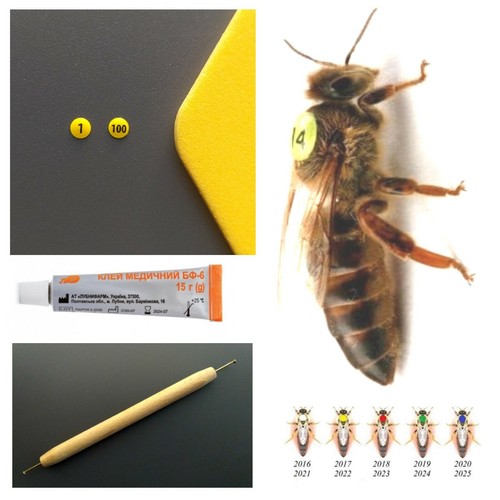
queen bee numbered tag application
THE SCIENCE OF RECOGNITION: WHAT HAPPENS IN THE HIVE
How worker bees identify their queen
Worker bees rely predominantly on pheromones — chemical signals produced by the queen — to recognize her. These pheromones regulate social cohesion, suppress worker ovary development, and coordinate colony activity. Visual recognition plays a minor role; inside the low-light, crowded interior of the hive, scent and tactile cues are dominant. Marking the queen does not replace these chemical signals; rather, it provides an external, human-readable tag that does not stop the queen from emitting pheromones or performing her role.
Do marks confuse the colony?
Properly applied marks are small and placed on the thorax where they rarely interfere with pheromone dispersal. Studies and long-standing beekeeping practice indicate that small painted spots or lightweight tags do not significantly alter worker behavior. What matters more is gentle handling during marking: rough manipulation, prolonged isolation, or crushing can stress the queen and trigger worker agitation or abandonment behaviors.
A tiny dot of paint can save hours of frantic searching and greatly reduce the risk of accidental queen loss.
INTERNATIONAL COLOR CODES: READING THE YEAR AT A GLANCE
The five-color cycle
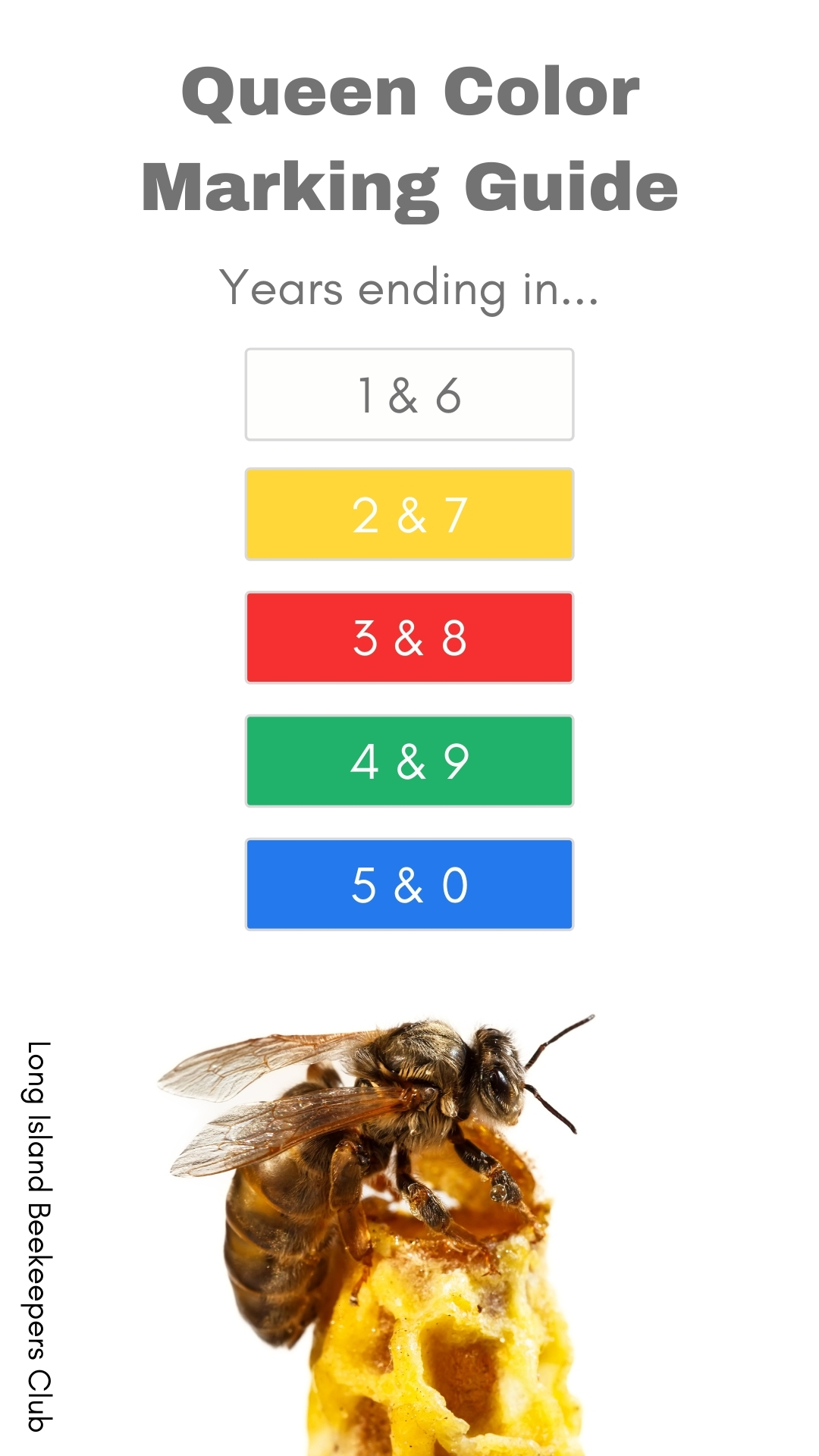
Beekeepers commonly use an international color code to indicate the year a queen was introduced or hatched. The cycle groups years in pairs and assigns a color to each pair, making it possible to determine the queen's hatch year quickly. The convention maps like this: 1 or 6 = White, 2 or 7 = Yellow, 3 or 8 = Red, 4 or 9 = Green, 5 or 0 = Blue. Using this system helps apiaries coordinate breeding schedules, monitor queen longevity, and make data-driven decisions about requeening.
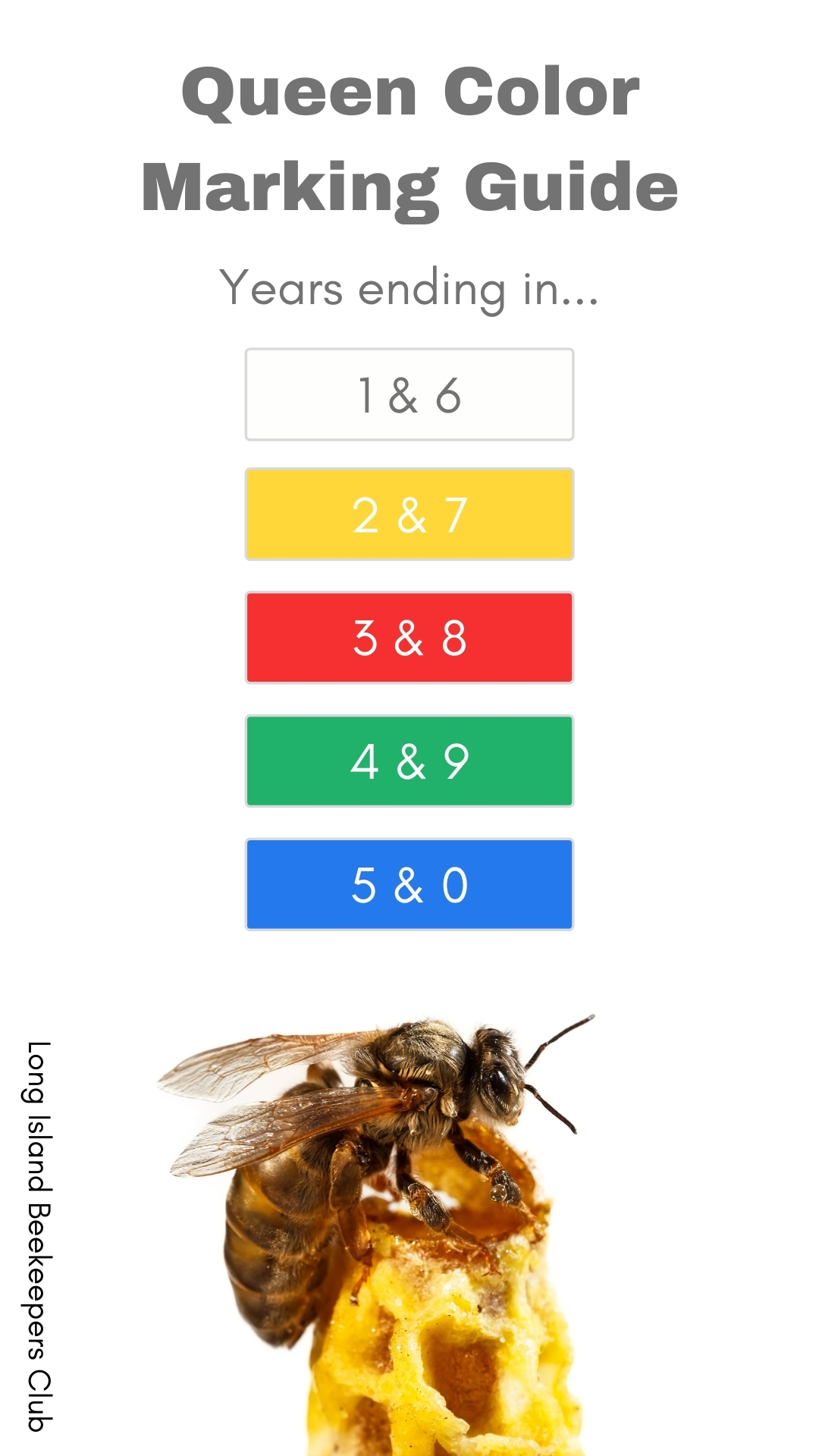
international queen bee color code
STEP-BY-STEP: HOW TO MARK A QUEEN SAFELY
Preparation
Preparation reduces stress for both queen and beekeeper. Gather these items: a queen marking pen or small tube, non-toxic queen paint or numbered tags, a soft brush or feather, a quiet workspace near the hive, and protective clothing. Work on a calm, warm day when bees are flying — a distracted colony is less defensive and the queen is easier to find.
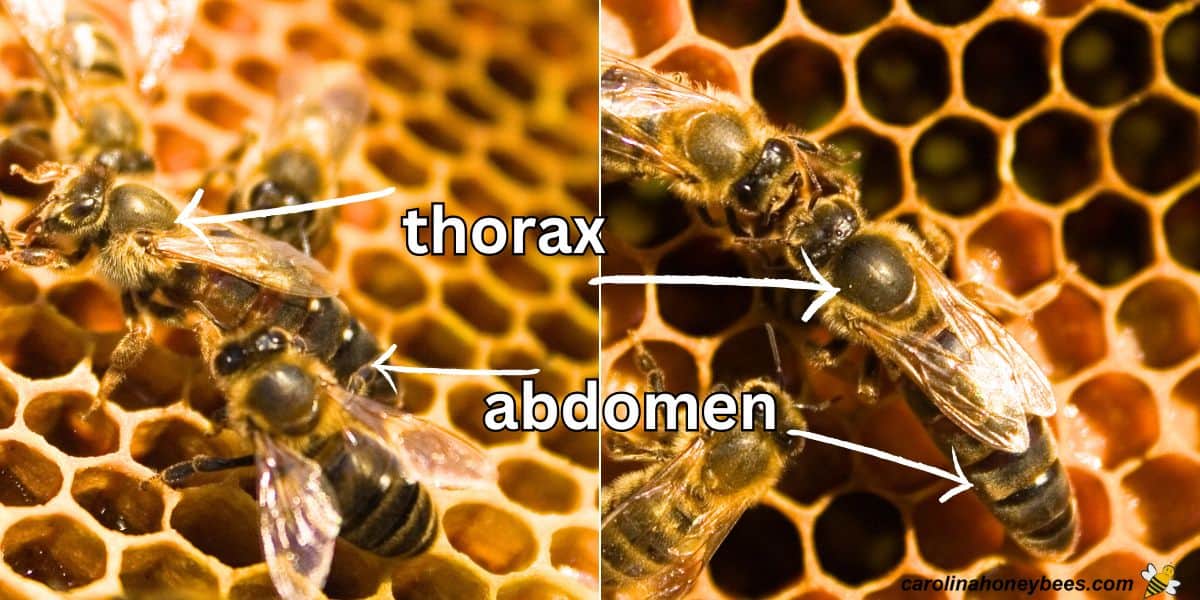
queen bee thorax paint spot
Capturing the queen
- Open the hive slowly: Remove outer covers with minimal jerking motions. Expose frames methodically, moving frames into a clean brood box to create a stable work area.
- Locate brood frames: Start with frames containing open brood and nurse bees; queens prefer these zones.
- Spot and isolate: Once you find the queen, coax her into a marking tube or gently isolate her with a soft, ventilated queen cage. Experienced beekeepers often use a clear plastic tube with a plunger to both contain and observe the queen.
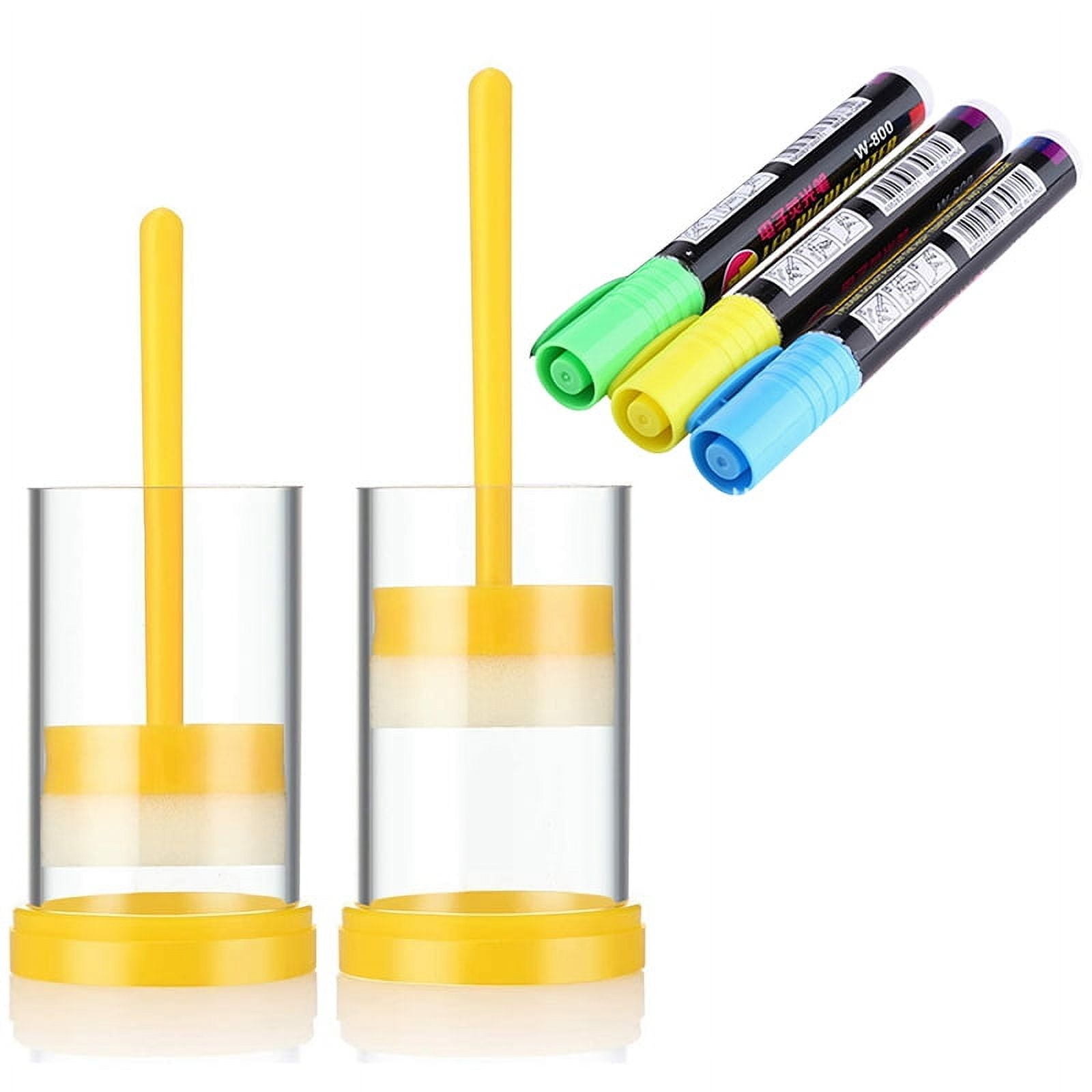
queen bee marking tube tool
Applying the mark
- Paint spot method: Hold the queen gently by the wings or place her in a marking tube. Apply a small (2–3 mm) dot of paint to the center of the thorax. Allow the paint to dry briefly before releasing.
- Numbered tag method: Place a tiny dab of cyanoacrylate or approved bee-safe adhesive on the tag's underside, then set the tag on the thorax. Hold until it adheres and the queen is stable. Avoid excess glue that can overflow and harm her.
Aftercare and release
Return the queen to the hive promptly and watch for a few minutes. Be observant for aggressive worker behavior, signs of distress, or abandonment. In almost all cases, properly marked queens are accepted and resume laying quickly. Update your records with color and date.
POTENTIAL RISKS, TROUBLESHOOTING, AND BEST PRACTICES
Common issues and fixes
- Tag falls off: Reapply using a small fresh amount of approved adhesive and ensure the thorax is clean of debris.
- Smudged paint: Wait for full drying before releasing; use thin applications rather than heavy globs.
- Queen aggression or rejection: Inspect for rough handling or overheating; consider reintroducing under a queen cage if workers act hostile.
Welfare and ethical considerations
Marking should be done with the welfare of the queen and colony at the forefront. Minimize handling time, use materials proven safe for bees, and avoid repeated manipulations that stress the colony. For breeders, marking must be balanced against the need to preserve natural behavior and genetic integrity; some selective programs choose unmarked identification methods for certain research purposes.
MAKING MARKS MATTER: RECORDS, BREEDING, AND MANAGEMENT
Marking becomes most powerful when paired with disciplined record-keeping. A color alone tells you the year — but notes on brood pattern quality, temperament, honey yields, mite resistance, and replacement dates convert that dot into actionable intelligence. Commercial operations often combine color marks with numbered tags to track pedigree and performance across hundreds or thousands of colonies.
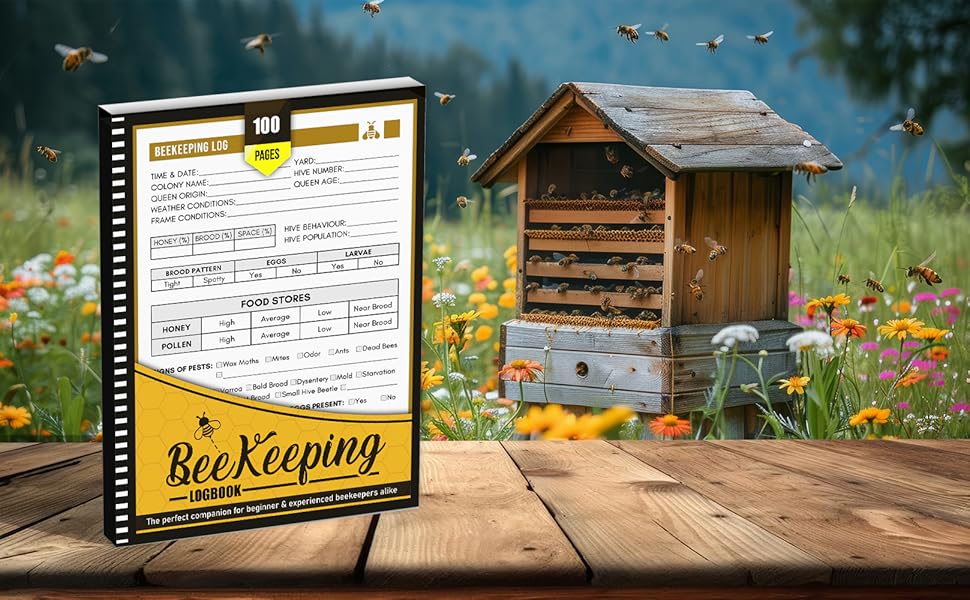
beekeeper records queen age
CONCLUSION: SMALL MARKS, BIG IMPACT
Marking a queen is a precise, humane, and time-tested practice that pays dividends in colony management. The act connects centuries of empirical beekeeping with modern concerns for welfare and data-driven agriculture. Done thoughtfully — with the right materials, gentle hands, and careful records — a tiny spot of color on a queen's thorax can reduce colony disturbance, improve decision-making, and keep both bees and beekeepers safer.
- Marking the queen speeds inspections and reduces the risk of accidental loss.
- Use approved paints or apicultural tags and follow the international color code for years.
- Handle queens gently; minimize stress and avoid harmful adhesives or heavy tags.
- Combine marks with robust records to maximize breeding and management decisions.
Illustration: A small painted dot on the queen's thorax allows rapid identification without impeding pheromone signaling.