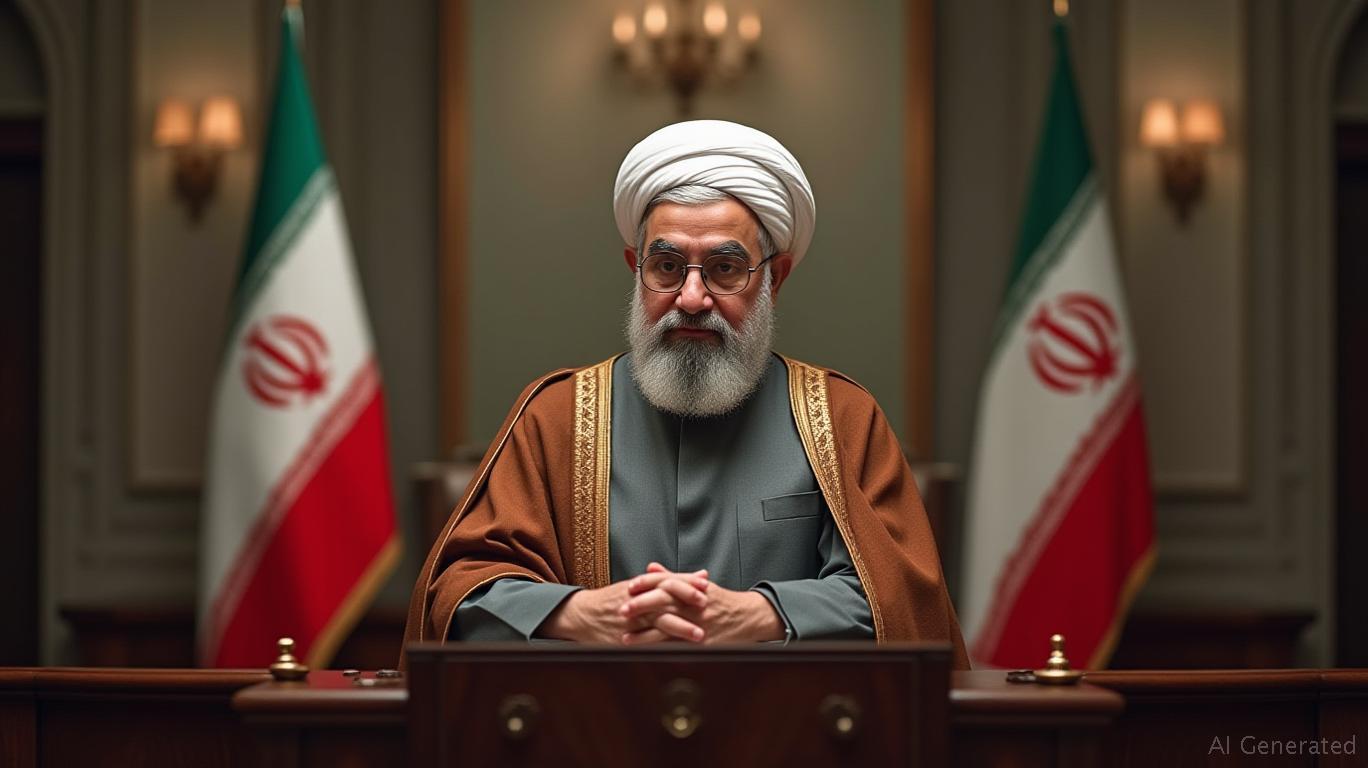
How Iran’s Guard Intelligence Chief Was Declared Dead — Inside State Media Reports
The moment a state broadcaster in Tehran announces that a senior Revolutionary Guards Corps intelligence official has been declared dead, a cascade of questions starts in newsrooms, foreign ministries, and social feeds around the world. Who made the announcement? What evidence was offered? How will rivals, allies, and domestic audiences respond? This article unpacks the anatomy of such a declaration: how it typically appears in Iran’s tightly controlled media ecosystem, the verification hurdles that follow, the possible political and security motives behind the release, and practical ways reporters and readers can assess its credibility amid competing narratives.
Why a State Announcement Matters
When an authoritarian or semi-authoritarian government or its affiliated institutions declare the death of a high-ranking security official, the declaration is rarely only a factual update. In systems where official media serve as both information platforms and instruments of political control, such announcements carry meaning beyond the event itself. They shape public perception, preempt rumor, set the terms for succession, and—when intended—send signals abroad about stability or resolve.
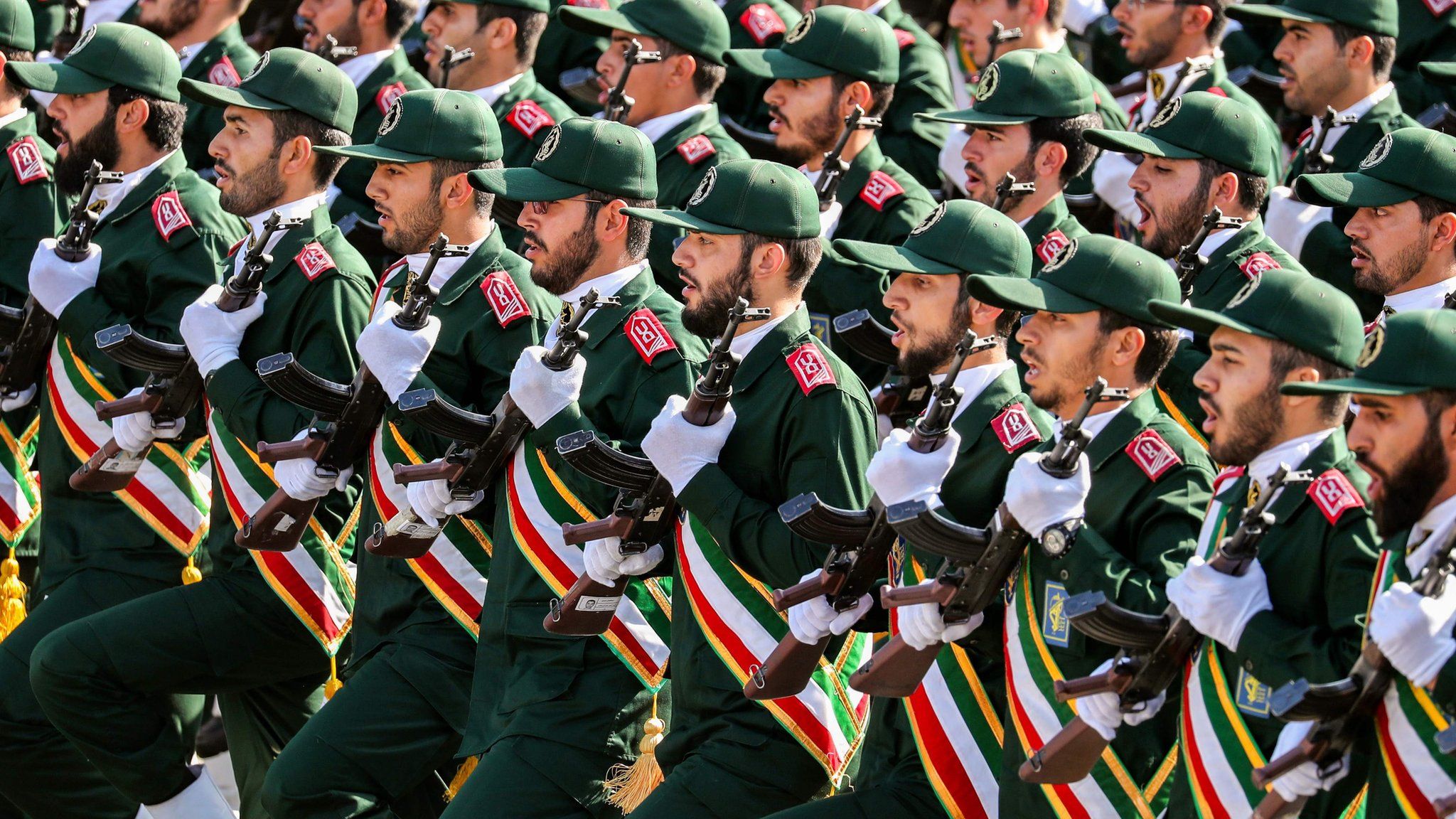
Iran Revolutionary Guards IRGC
The Actors Involved
Several distinct actors typically appear in the chain that produces and amplifies a death announcement in Iran: the Revolutionary Guards public relations apparatus, state television and radio (often the first amplifier), the Islamic Republic’s news agencies, clerical institutions that can confer religious recognition, and sympathetic social media channels that replicate the message. Each actor serves a different purpose: an official statement establishes the line from authority; state broadcasters narrate it for mass audiences; religious endorsements give it legitimacy; and social amplification assures it reaches communities that trust word-of-mouth or networked sources.
An announcement is as much a political act as it is an informational one; the how and when reveal the why.

Tehran state television
How These Announcements Are Structured
There is an observable template in how such declarations are framed. They often begin with a short, formal headline: a terse verb and a title. That is followed by a brief biographical note—often highlighting loyalty, service, or martyrdom—then quotations from a senior official or religious figure, and a description of funeral or memorial arrangements. The language chosen is key: terms like martyr or martyred imbue the report with moral and religious meaning, while more clinical phrasing—"died following an incident"—can signal either sensitivity or uncertainty.
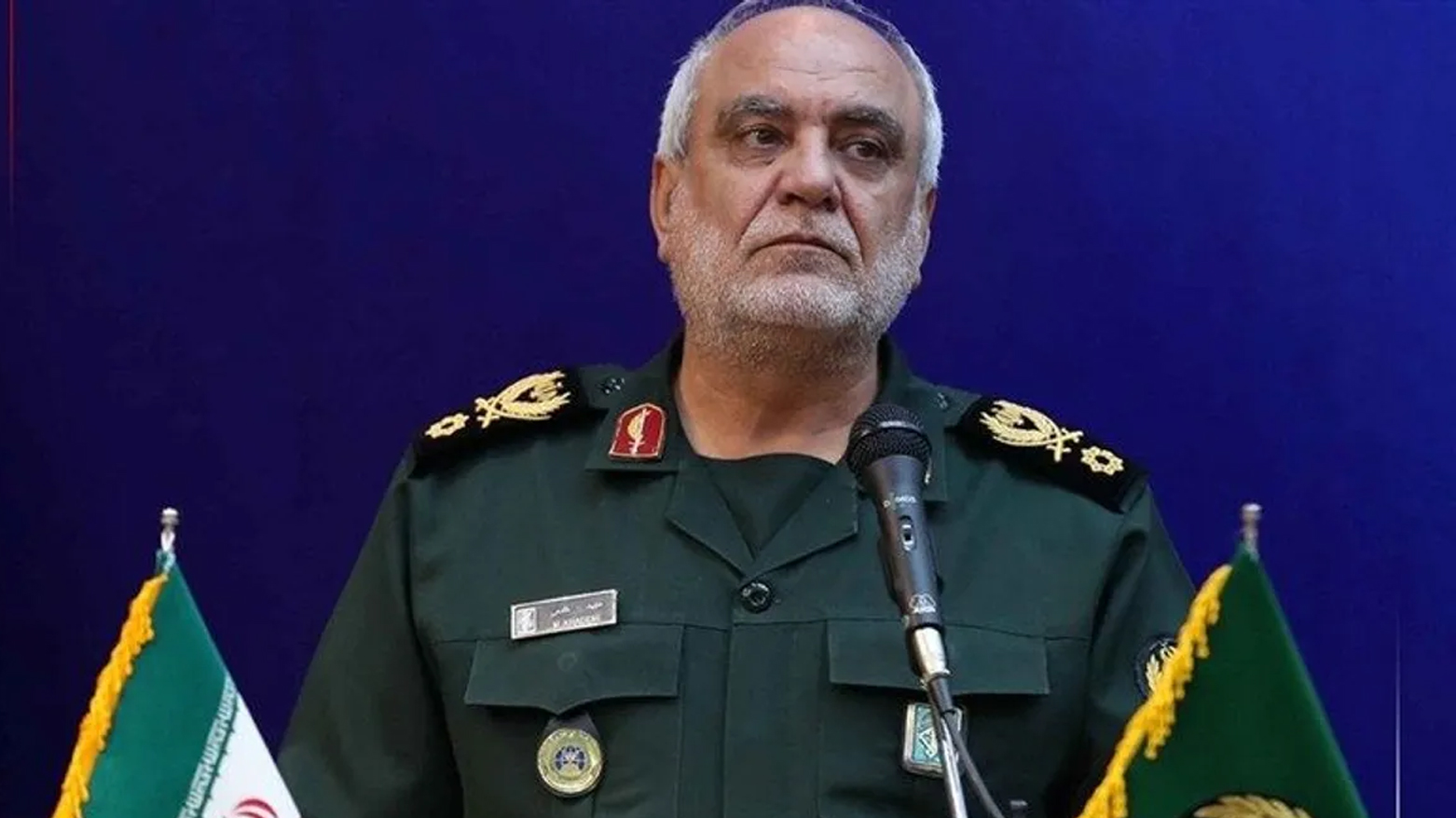
Iranian intelligence chief
Timing and Channels: Reading the Signal
Timing matters. An immediate, coordinated set of statements across multiple state outlets suggests a controlled narrative and a deliberate decision to publicize the news. Delayed or staggered reporting—one outlet breaking the news and others following—can indicate internal debate, ongoing investigations, or disputes about whether and when to inform the public. The choice of channel matters, too: a televised address carries different weight from a short bulletin on a state newswire; a clerical eulogy on Friday prayers communicates spiritual endorsement; a brief statement on official social accounts points toward rapid damage control.
Islamic Republic news agency
Evidence and Transparency: What the Announcement Includes
What evidence is offered in these announcements varies widely. At one extreme, state media will publish photographic images, recorded statements, or video to corroborate the claim. At the other, a terse communique may simply declare the death without presenting material proof. The presence or absence of material corroboration is often the most reliable early indicator of how confident authorities are in the claim and whether they expect independent verification to appear.
Even when images or videos are provided, independent verification is necessary because staged or edited content has appeared in a number of contexts globally. Details to watch for include timestamps, multiple angles, consistent metadata, and the presence of independent witnesses or third-party confirmations—elements that increase confidence in the report.
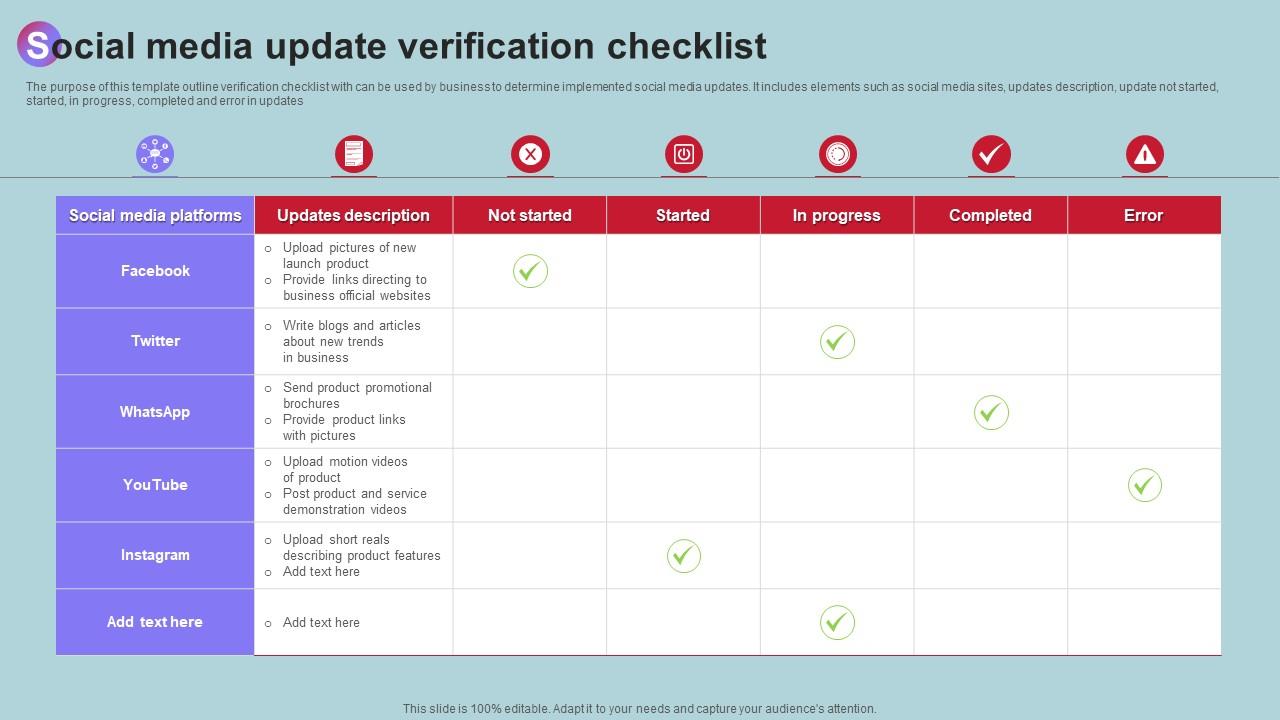
media verification process
Historical Precedents and Patterns
Across countries with centralized media, announcements about the deaths of security or intelligence leaders follow certain patterns. Often, authorities emphasize loyalty and continuity to reassure both domestic audiences and security institutions. Sometimes the framing points to external enemies to rally national sentiment, and other times the message stresses martyrdom to consolidate support among religious constituencies. Understanding these patterns helps analysts infer intent even when facts are incomplete.
Verification Challenges for Outside Observers
For foreign journalists and analysts, verifying a high-level death reported by state media in Tehran poses several interlocking challenges. Access constraints to official records, limited on-the-ground reporting capacity, and restrictions on independent local media all impede immediate confirmation. Moreover, open-source indicators—satellite imagery, social media posts, and local network reports—require careful vetting to avoid amplifying false or misleading information.
Practical verification steps include cross-checking state outlets for identical language that suggests a central script; seeking independent confirmation from international institutions, embassies, or local contacts; and examining digital evidence for manipulation. Analysts also watch for secondary confirmations: funeral prayers attended by other senior officials, reports of official mourning notices, or personnel movements within the organization indicating succession plans.
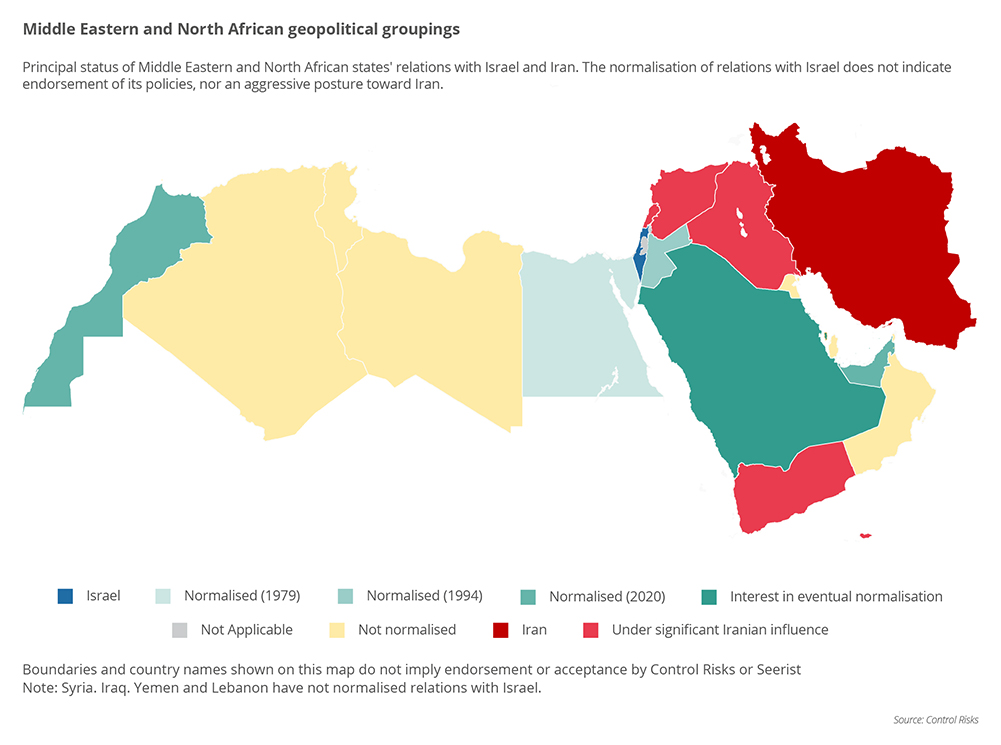
Middle East regional stability
Motives Behind Publicizing or Withholding News
Why would an authoritarian regime choose to publicize the death of an intelligence chief quickly, or to hold back? The motives can be strategic. Immediate disclosure can preempt rumor, assert narrative control, and frame the incident in terms favorable to the government—portraying the deceased as heroic or as a victim of external aggression. It can also serve internal management: signaling to subordinate commanders, deflecting blame, or starting an orderly succession process.
Delaying an announcement may reflect unresolved investigations, internal factional disputes, or a desire to manage the optics until a successor is named. It may also indicate sensitivity about admitting vulnerability if the death occurred under circumstances that could be perceived as a security failure.
Domestic Political Effects
Within Iran, such an announcement can shift political calculations. It may bolster hardliner narratives about external threats, strengthen the hand of certain security factions, or trigger reconfigurations within the Guards’ leadership. Public sentiment can be shaped by the messaging: emphasizing martyrdom and national unity can rally sympathy, while ambiguity and secrecy can breed speculation and uncertainty, which in turn can become a political liability.
Regional and International Ripples
An announcement about the death of a senior intelligence figure reverberates beyond Iran’s borders. Regional adversaries and allies will interpret the news through strategic lenses: Was this death the result of external operations, internal purge, or natural causes? Each interpretation carries different policy implications. International actors may calibrate diplomatic actions, security postures, and intelligence priorities in response.
How to Read Official Language
Language choices are deliberate. Words like "martyred", "sacrificed", and "martyred in the path of resistance" are doctrinal terms that link a death to national or religious narrative frameworks. In contrast, formulations such as "passed away" or "died following an incident" may indicate an attempt to downplay political causes. Observers should parse adjectives, verbs, and the identity of those quoted to infer the framing intent.
Signals to Watch in the Hours and Days After the Announcement
After an initial announcement, several follow-on signals help clarify the situation. These include: official funeral or mourning rituals; appointment or movement of senior officials that indicate succession; statements from allied groups or regional proxies; and any operational changes attributed to the deceased’s responsibilities. The absence of these signals, or contradictory information, is a red flag about the reliability of the initial claim.
Practical Advice for Journalists and Consumers
For journalists: corroborate with independent sources wherever possible; be transparent with audiences about what is confirmed and what remains uncertain; avoid republishing unverified social media content as fact. For readers: prioritize official confirmation from more than one independent source before accepting the claim; watch for tangible corollaries like public funerals or succession announcements; and be cautious of emotionally charged language designed to prompt immediate reactions.
Ethics and the Risk of Amplifying Unverified Claims
Reporting on the death of a security official in a closed media environment raises ethical concerns. Premature amplification of unverified claims can unfairly shape public opinion and influence diplomatic responses. Responsible coverage balances speed with verification, using cautious language such as "reported" or "state media said" until corroboration is available.
What This Means for Stability and Policy
Whether or not the reported death is independently confirmed, the announcement itself is a policy-relevant event. It can affect the coherence of security institutions, influence succession dynamics, and alter how Iran’s partners and adversaries calibrate strategy. Policymakers need to factor both the factual claim and the narrative intent into their assessments.
Conclusion: Reading Between the Lines
When state media in Tehran declares that a Revolutionary Guards intelligence chief has been declared dead, the statement opens a multi-layered process of interpretation and verification. The announcement is simultaneously an information event, a political signal, and, potentially, a catalyst for change. Responsible observers will treat the initial report as the start of an investigation rather than the final word—evaluating the evidence offered, seeking independent confirmation, monitoring follow-on signals, and interpreting the language and timing to understand the underlying motives.
- Official announcements are political acts: timing, language, and channel reveal intent.
- Verification matters: look for independent corroboration, funeral rituals, and succession signals.
- Language is a signal: words like martyred indicate framing for domestic legitimacy.
- Be cautious with social media: images and video require metadata checks and corroboration.
- Policy impact is real: such announcements can shift regional calculations regardless of their factual status.
In uncertain moments, readers and analysts alike should slow down, ask for evidence, and treat powerful declarations from state media as a blend of fact and message. Demand corroboration, track the ritualized signals of confirmation, and consider the broader strategic context: that approach turns a single bulletin into a clearer picture of what truly happened and why it matters.