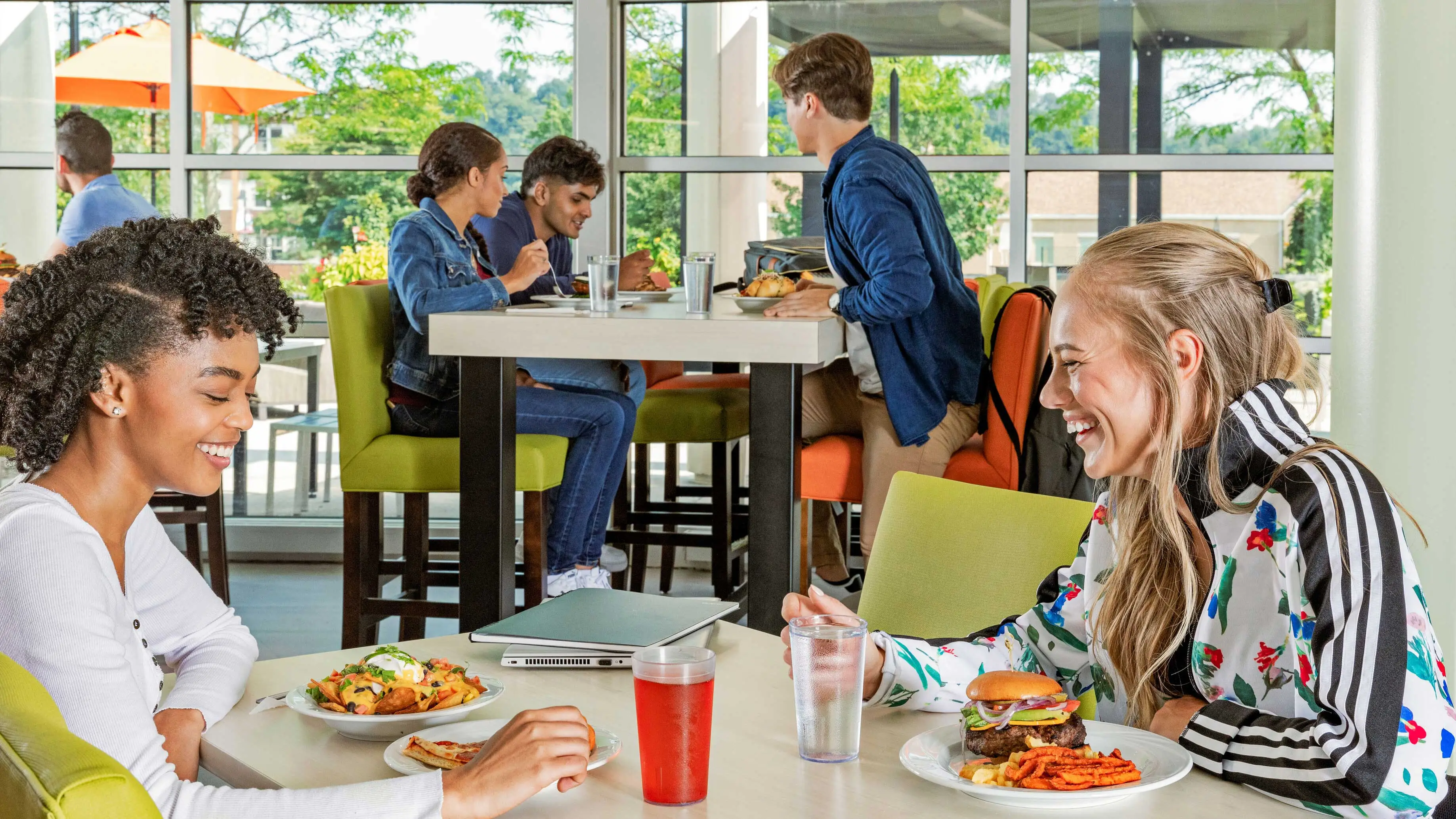
How I Saved Thousands by Secretly Eating in the Dorm Cafeteria
The first time I slipped through the swinging doors of the dining hall without presenting a meal card, I felt like I had crossed an invisible line. I was embarrassed, exhilarated, and — quietly, selfishly — relieved. The sticker shock of tuition and housing had been constant since move-in day, but the steady bleed of cash for food was something I thought I could control. Within a semester that small act saved me more than I ever expected. This is not a how-to manual for breaking rules; it is a close, messy, honest examination of why I did it, how it worked, what it cost me beyond dollars, and what colleges and students can learn from the experience.
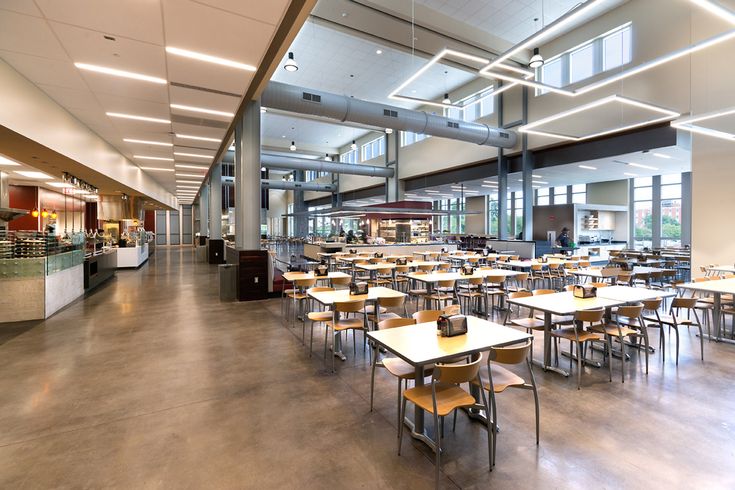
dorm cafeteria dining hall interior
I didn't steal food as much as I reclaimed time and stability in a system that made both scarce.
THE MOMENT IT STARTED
A desperate calculation
My story begins with a spreadsheet. Tuition, rent, utilities, textbooks — I added them up and watched the bottom line shrink. I worked nights at the library to keep up, but every paycheck disappeared into a series of unavoidable expenses. Meal plans seemed like a closed market: expensive upfront, inflexible, and often poorly matched to students who cooked occasionally or ate irregularly because of classes and shifts. When my bank balance dipped into the uncomfortable red, the dining hall, with its predictable hours and buffet-style serving, looked like an unadvertised lifeline.
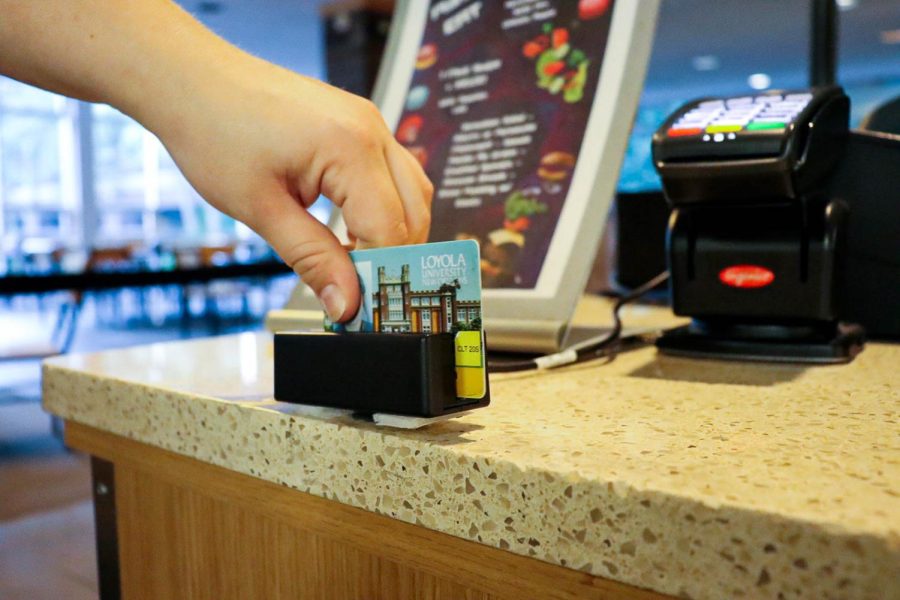
student meal plan swipe card
The first time
I remember the hum of conversation, the clatter of trays, and the smell of cinnamon rolls as I walked through a side entrance after a late study session. It wasn't cinematic — no cloak-and-dagger soundtrack, just the mundane choreography of students grabbing food. I took a plate, paid nothing, and sat down next to a friend who had a legitimate meal swipe. My hands shook a little. I felt relief. I also felt a prickly shame that stayed with me, and that is part of the complexity of this decision.
WHY I DID IT
The arithmetic of survival
On paper, the decision is purely financial. Student-loan debt is real and persistent. Housing costs have risen faster than average wages. Many campuses bundle meals into housing contracts that are sold as convenience, but for students with irregular schedules — commuters, student-workers, and those with dietary restrictions — meal plans often mean paying for meals they will never use. When you layer in the cost of groceries, kitchen access limitations in dorms, and the time required to cook, quickly paying for a ready-made meal becomes an economic choice many students make reluctantly.
Beyond money: stability and time
Food is not just calories. Eating regularly is a foundation for sleep, study, and mental health. For a student balancing classes, a part-time job, and financial insecurity, the certainty of a hot meal at a reliable hour is enormous. I learned the hard way that skipping meals to save money often cost me in concentration, grades, and mood. The clandestine meals were, perverse as it sounds, a way to keep everything else afloat.
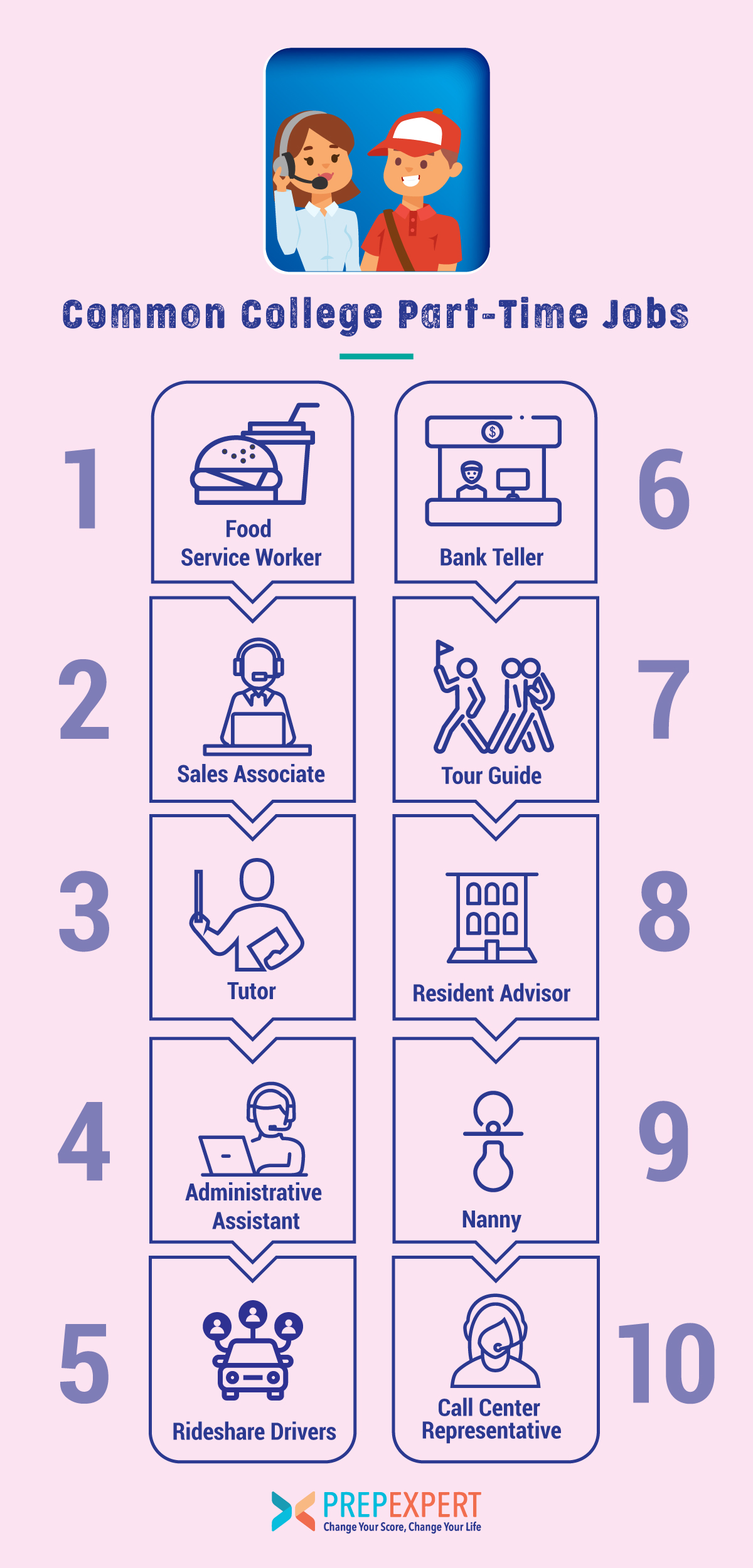
college student working part-time job
HOW IT WORKED, PRACTICALLY
Patterns and logistics
There is a myth that the dining hall is an impenetrable fortress of card swipes and monitors. In reality, human systems leak. Staff are overworked, shifts are long, and peak entry points draw attention away from quieter entrances and side doors used by vendors, maintenance, and sometimes students. I learned the schedule: late-afternoon lulls, breakfast windows when staff turnover meant less scrutiny, and certain staff members who were more focused on filling stations than watching every face come through the door. I did not roam the buffet like a celebrity; I kept my head down, grabbed simple items, and left nothing behind.
Small, repeated choices
The savings weren't from one grand act but from many small decisions. Eating only during slow periods, avoiding specialty items, and pairing cafeteria meals with inexpensive staples from the student store meant a steady monthly reduction in grocery spending. I tracked it. By the end of the academic year, the small bites added up to nearly what a part-time job would have brought in after taxes — but without the scheduling conflicts.
THE ETHICS, RISKS, AND PERSONAL COSTS
Where it sits on the moral compass
I have spent a lot of time thinking about whether what I did was theft, trespass, or simply clever survival. There is no tidy answer. On one hand, the dining hall is paid for by meal plan charges and institutional budgets. On the other, the food that would otherwise be thrown away or eaten by someone else went to avoid my going hungry. I am not here to romanticize rule-breaking. I'm trying to be honest about a choice that weighed necessity, ethics, and risk.
Practical risks
- Disciplinary action: Many campuses have clear codes of conduct and penalties for unauthorized dining, which can escalate to housing probation or fines.
- Reputational risk: Being caught can affect relationships with staff and peers, and it can feel humiliating to be singled out.
- Emotional cost: Constantly looking over your shoulder is stressful and can harm mental well-being.
WHAT I LEARNED ABOUT CAMPUS SYSTEMS
Designs that work — and those that don't
Campus dining systems are designed for predictability: predictable revenue, staffing, and food production. That predictability creates blind spots. Meal plan structures can exclude or penalize students who don't fit the "standard" schedule. In my case, policies meant that I was simultaneously paying into a system I couldn't fully use and being pushed to make choices that seemed irrational — like skipping breakfast not because I didn't want to eat, but because my meal swipes were more valuable at dinner.
Where institutions can improve
Flexible meal plans, rollover swipes, subsidized emergency meals, and transparent food-waste programs are practical changes universities can make. Some campuses already operate student food pantries and emergency meal funds; others partner with community kitchens to redistribute surplus. Had these existed where I lived, my moral calculus might have been different.
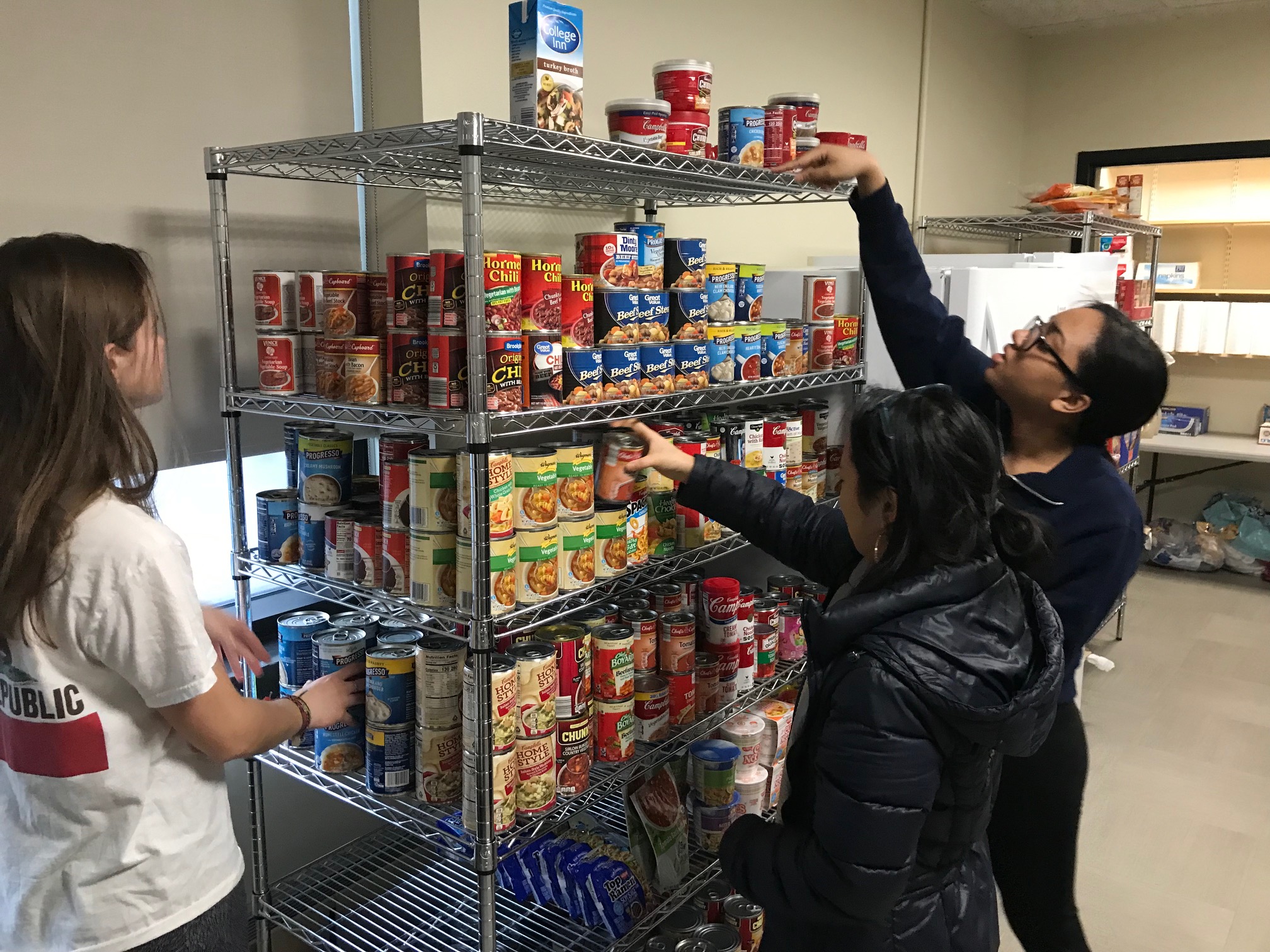
college food pantry on campus
campus emergency meal fund sign
ALTERNATIVES I WISH I'D KNOWN
Safer, sustainable paths
- Student food pantries: Many universities now offer on-campus pantries where students can access groceries and basic staples at no cost.
- Emergency meal funds: Short-term meal grants administered by student affairs or financial aid can cover a week or two of food in crisis situations.
- Community resources: Local churches, food banks, and campus-community partnerships sometimes offer free or low-cost meals.
- Meal-share programs: Programs that allow meal-plan holders to donate unused swipes can bridge gaps for students in need.
A NOTE ON FOOD WASTE AND SUSTAINABILITY
The redistribution opportunity
Large cafeterias generate surplus consistently. The ethical discomfort I felt about taking unscheduled meals was tempered by the knowledge that much of that food might otherwise be composted or discarded. There is a real sustainability opportunity for colleges to formalize redistribution instead of leaving it to ad hoc behavior. A campus policy that channels surplus safely to students in need kills two birds with one stone: reduces waste and improves food security.
PERSONAL AFTERMATH
How the year ended
I stopped sneaking in when I found a part-time job with a predictable schedule and when a student organization offered me a subsidized meal plan option. I paid forward what I had learned by helping start a small peer-to-peer meal-share group: students with extra swipes could sign up to donate them anonymously through a fellow student coordinator. It was small, imperfect, and grounded in humility: I did not want to encourage risky behavior, but I wanted to channel the need into a formal, safer mechanism.

student sharing meals with friends
The messiest parts of college are also the places where practical, human-centered solutions are easiest to enact.
RECOMMENDATIONS FOR STUDENTS
Tactical steps that don't involve breaking rules
- Inventory your meal plan: Understand exactly what you paid for and whether it's transferable, refundable, or donations-eligible.
- Use campus resources: Find your campus food pantry, emergency funds, or student employment options before desperation sets in.
- Cook smart in small spaces: Learn no-cook or one-pot recipes, invest in a small hot plate where allowed, and share bulk buys with roommates.
- Build community: Swap meals with friends, barter for goods and services, or join student groups that provide subsidized food.
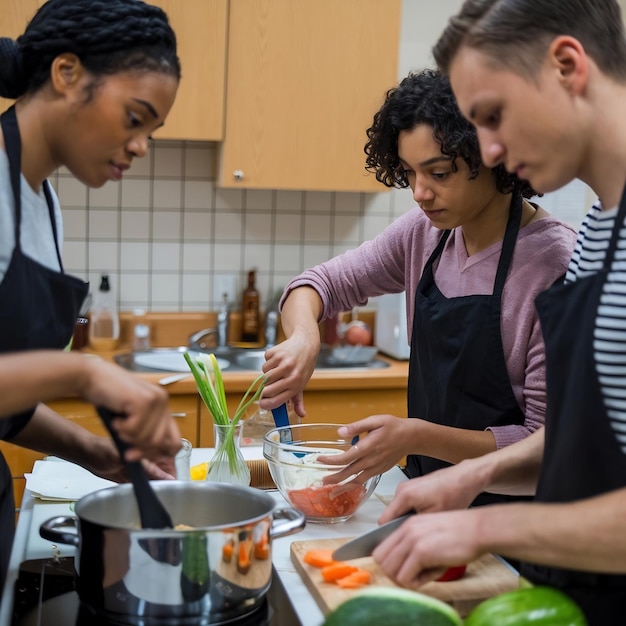
student cooking in dorm room
FOR ADMINISTRATORS AND POLICYMAKERS
Design with vulnerability in mind
Universities should treat food access as an element of student retention and success. Reasonable policies include offering tiered plans, enabling rollover or donation of unused meals, publishing clear emergency meal procedures, and expanding campus pantry hours. Transparent communication matters: many students do not seek help because they assume it's shameful or bureaucratic. Making resources visible and destigmatizing their use is low-hanging fruit with high returns.
- Improves student well-being
- Reduces food waste
- Strengthens campus community
- Requires funding and coordination
- Risk of misuse if not well-managed
- Operational adjustments for dining services
CONCLUSION
The experience of sneaking into the dorm cafeteria sits at the intersection of survival, policy failure, and human improvisation. I do not tell this story to celebrate evasion; I tell it to reveal how small, everyday systems can fail people who fall between administrative categories. The money I saved mattered — it paid rent, textbooks, and a sense of stability — but the larger lesson was institutional: when students are pushed to break rules to meet basic needs, the problem is rarely individual. It is structural.
Colleges can respond with empathy and practical fixes: flexible meal plans, emergency funds, visible pantry services, and donation programs that are simple to access. Students, for their part, can be proactive in finding legitimate resources, building community, and advocating for change. If anything positive came from my awkward months of sneaking meals, it was the realization that small, collective shifts could make such secrecy unnecessary.
- Food insecurity on campus is common and often invisible; ask about campus resources early.
- There are safer alternatives to unauthorized dining: food pantries, emergency meal funds, and meal-share programs.
- Institutions can reduce waste and support students by creating flexible meal-plan options and redistribution programs.
- Policy solutions are achievable and can transform survival tactics into supported solutions.
This account blends personal experience with practical recommendations to help students and institutions create safer, fairer access to campus food.