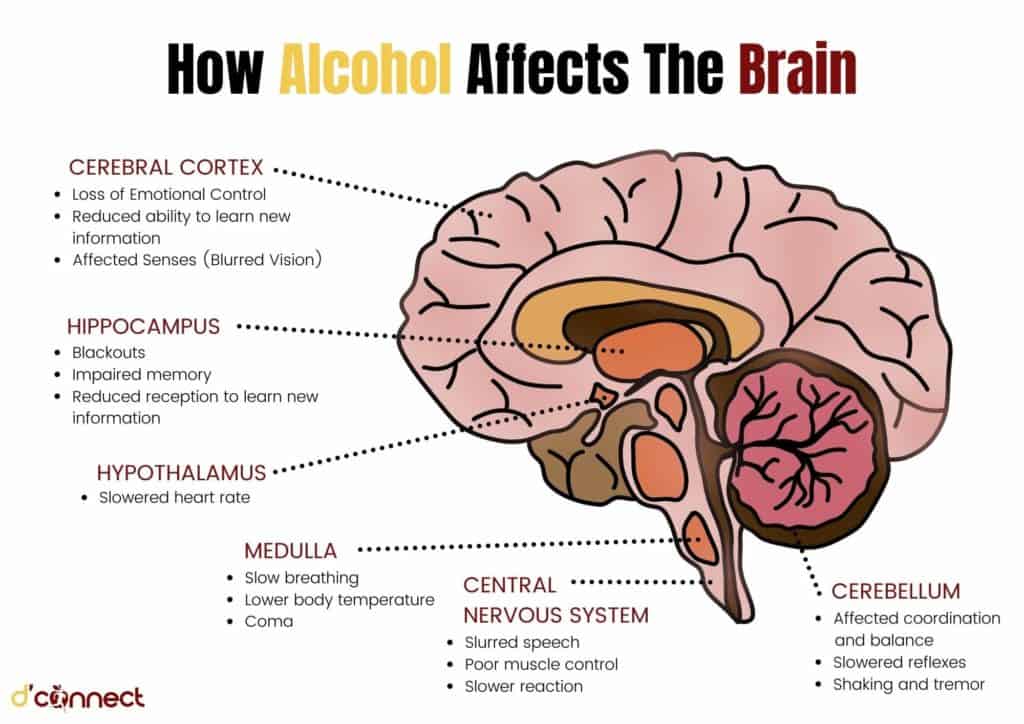
How Drinking to Cope Rewires Your Brain — Risks and Recovery
When stress piles up — at work, in relationships, or after a traumatic event — reaching for a drink can feel like a quick, reliable fix. The calming warmth of alcohol, the temporary blur of anxiety, the social lubricant: these short-term effects are what keep many people coming back. But beneath the immediate relief, repeated use of alcohol to soothe emotional pain remodels brain circuits that regulate stress, motivation, and decision-making. Over time, these changes can shift drinking from a choice into a default response, making stress-driven drinking both harder to stop and more damaging to mental health.
Why people drink to cope
Not everyone who drinks under stress develops problems. For some, a single glass or a predictable weekend pattern never escalates. For others, however, alcohol moves from occasional coping tool to the fastest route out of distress. Psychologically, drinking to cope is shaped by three overlapping forces: the immediate relief alcohol provides (negative reinforcement), learned associations between stress and drinking, and broader life conditions — chronic pressure, sleep loss, financial strain, or trauma — that make other coping options less available.
Biologically, stress and alcohol overlap on the same neurochemical systems. When those systems are repeatedly engaged by both stress and drinking, the brain begins to prioritize alcohol as the go-to regulator. That is the core of how a behavioral habit becomes an entrenched neurobiological pattern.
What alcohol does to the stressed brain
Acute effects: instant relief, momentary compromise
Alcohol acts quickly on neurotransmitter systems. It enhances GABA (the brain’s main inhibitory chemical) and modulates glutamate (the main excitatory chemical), producing a sedative, anxiolytic effect. It also activates the mesolimbic dopamine pathway — the brain’s reward system — which encodes the experience as pleasurable and worth repeating. For someone feeling stressed, the net effect is both relief and reward, a potent pairing that strengthens the memory linking stress relief to drinking.
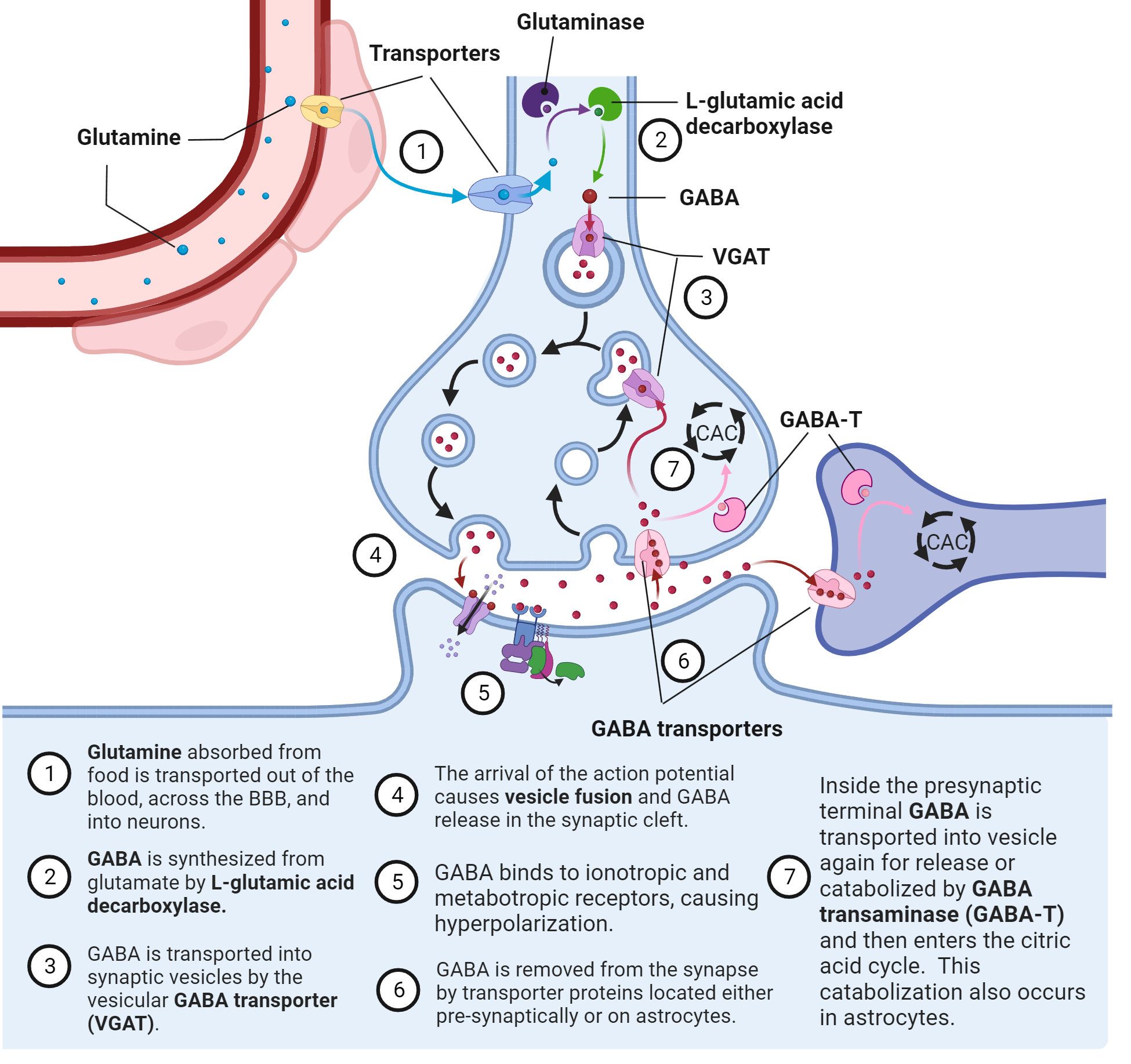
GABA glutamate neurotransmitters
Repeated use: rewiring circuits
With repeated stress-induced drinking, several brain regions change in structure and function:
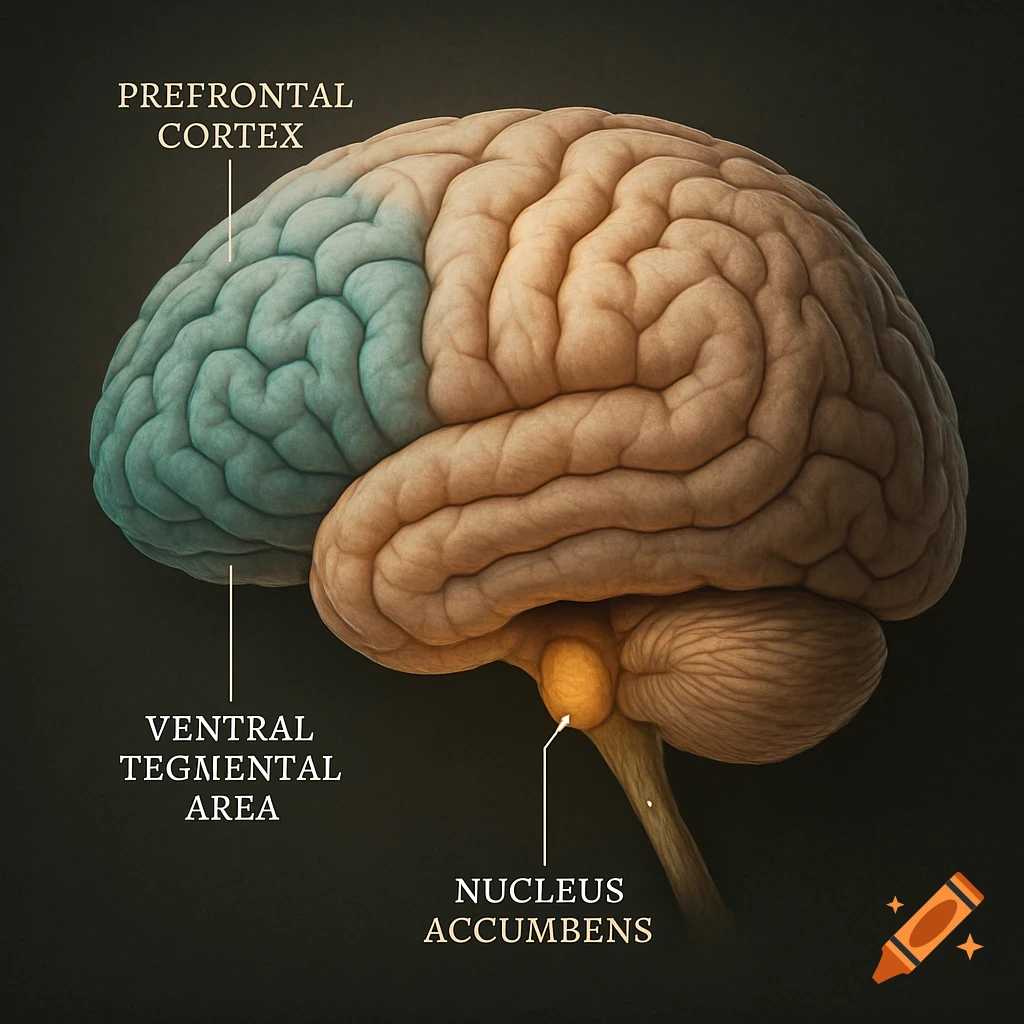
prefrontal cortex brain anatomy
- Prefrontal cortex: Responsible for executive control, planning and impulse regulation, this area shows reduced activity and, in chronic heavy drinkers, structural thinning. That undermines flexible thinking and the ability to choose healthier coping strategies.
- Amygdala: Central to threat detection and emotional reactivity, the amygdala becomes more sensitive in chronic stress and alcohol use, increasing baseline anxiety and making small stressors trigger stronger distress — and therefore a stronger urge to drink.
- Hippocampus: Essential for forming contextual memories and regulating the stress response, the hippocampus can shrink with prolonged alcohol exposure, impairing memory and making it harder to learn new non-drinking responses to stress.
- Reward circuitry (ventral tegmental area and nucleus accumbens): These areas show altered dopamine signaling, which biases behavior toward immediate reward (alcohol) rather than long-term goals (health, relationships, work).
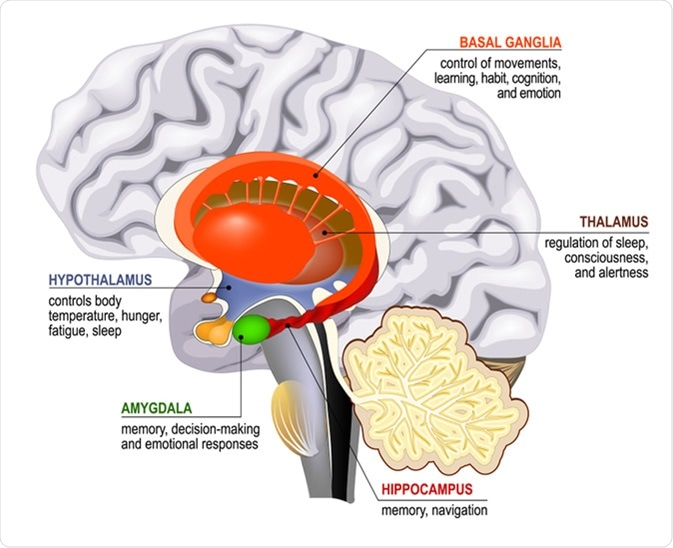
amygdala hippocampus brain
Stress systems and alcohol: a feedback loop
Alcohol also dysregulates the hypothalamic-pituitary-adrenal (HPA) axis — the body’s hormonal stress system. Acute alcohol can blunt stress hormone responses, but chronic use leads to an overactive or blunted HPA response depending on stage and individual differences. That dysregulation feeds back into emotional processing, sleep, metabolism, and immune function, deepening both psychological and physical vulnerability.
Using alcohol to calm down can, paradoxically, make you more reactive to stress over time.
Are these changes permanent?
The word "permanent" is complicated in neuroscience. Some alcohol-related brain changes are long-lasting and may persist for months or years after heavy drinking stops. Structural losses — like reduced hippocampal volume or cortical thinning — do not always fully reverse, particularly after decades of heavy use or when drinking began in adolescence. But the brain retains a degree of plasticity: with sustained abstinence and targeted interventions, many people experience meaningful recovery of function.
Key factors that affect reversibility include:
- Age at onset: Adolescent and young adult brains are still developing; exposure to alcohol during this window is more likely to produce lasting alterations.
- Duration and intensity: Longer periods of heavy drinking create deeper changes.
- Genetic vulnerability and trauma history: People with family histories of addiction or histories of childhood trauma may experience different trajectories of change and recovery.
Mechanisms that lock in stress-drinking habits
Several biological mechanisms contribute to long-term changes:
- Synaptic remodeling: Repeated alcohol use alters synaptic strength in key circuits, shifting the balance of excitation and inhibition.
- Receptor adaptations: GABA and glutamate receptor populations and sensitivities change with chronic exposure, which can increase baseline anxiety when alcohol is absent.
- Epigenetic modifications: Alcohol and stress can change gene expression patterns without altering DNA sequence, affecting how neurons respond long after drinking stops.
- Neuroinflammation and oxidative stress: Chronic alcohol elevates inflammatory signals in the brain that impair repair and contribute to cell damage.
Who is most at risk?
Not everyone who drinks to cope will suffer permanent changes, but certain groups face higher risk:
- Adolescents and young adults: Early exposure interacts with developmental pruning and myelination, increasing long-term vulnerability.
- People with PTSD or chronic trauma: Existing alterations in stress circuitry can be amplified by alcohol's short-term relief and long-term disruption.
- Those with heavy or binge-drinking patterns: Intensity of exposure, not just frequency, predicts more severe neural changes.
- Individuals with family history of substance use disorder: Genetics can moderate how the brain adapts to alcohol and stress.
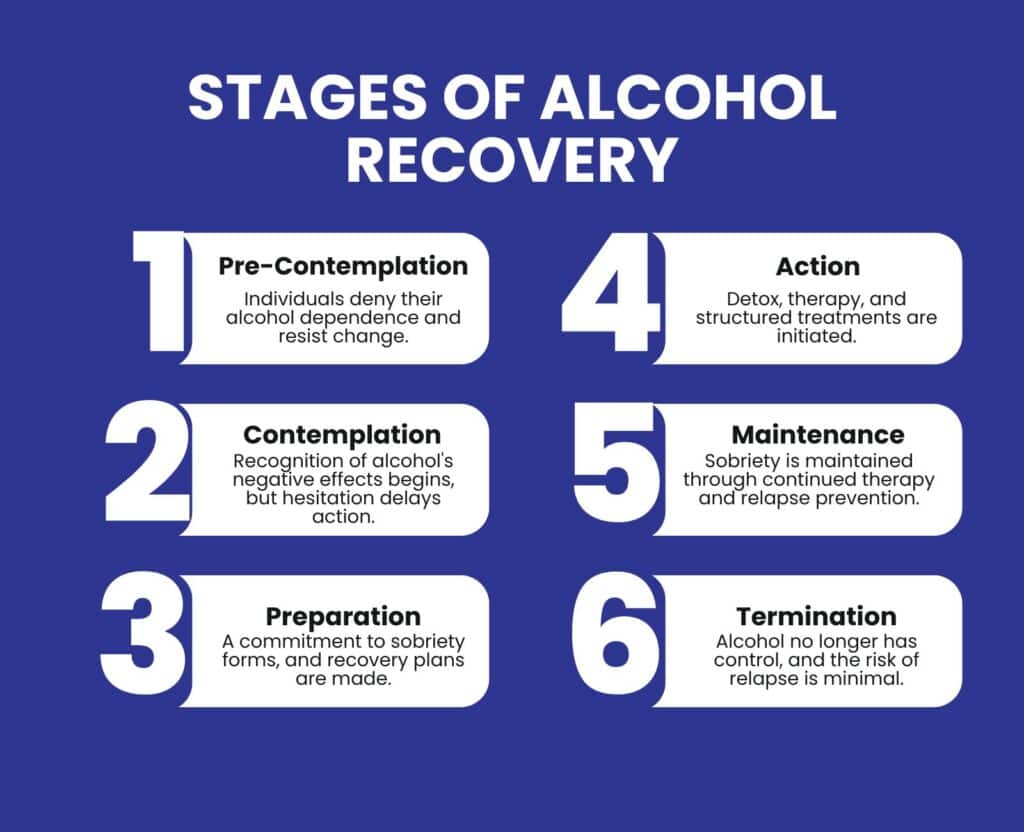
What recovery looks like: timelines and realistic expectations
Recovery is rarely linear, and timelines vary. Here are general patterns clinicians observe:
- Weeks to months: Within the first month abstinent, sleep begins to normalize for many people, anxiety may reduce gradually, and some cognitive functions — attention, processing speed — start to rebound.
- 3–12 months: Neural activity patterns in the prefrontal cortex and reward systems often show partial normalization. Mood and impulse control commonly improve, especially when supported by therapy and routine.
- 1 year and beyond: Structural changes like hippocampal volume can show measurable recovery in some people, though the degree varies. Habitual responses to stress may require ongoing practice to change.
Importantly, recovery is enhanced by interventions that directly target brain health and coping skills, not by abstaining alone.
Evidence-based supports that help the brain heal
alcohol recovery therapy
Medical interventions
For many people, a medically supervised detox and follow-up care reduce risk and improve outcomes. Medications like naltrexone and acamprosate can blunt cravings and make abstinence more manageable. In withdrawal, benzodiazepines may be used short-term under medical supervision to prevent dangerous complications. Medication choices depend on medical history, pattern of use, and co-occurring mental health conditions.
Psychotherapy and behavioral tools
Cognitive-behavioral therapy (CBT), trauma-focused therapies (such as EMDR or prolonged exposure), and acceptance-based strategies help people build alternative responses to stress. These therapies strengthen prefrontal control, teach emotional regulation skills, and weaken learned associations between distress and drinking.
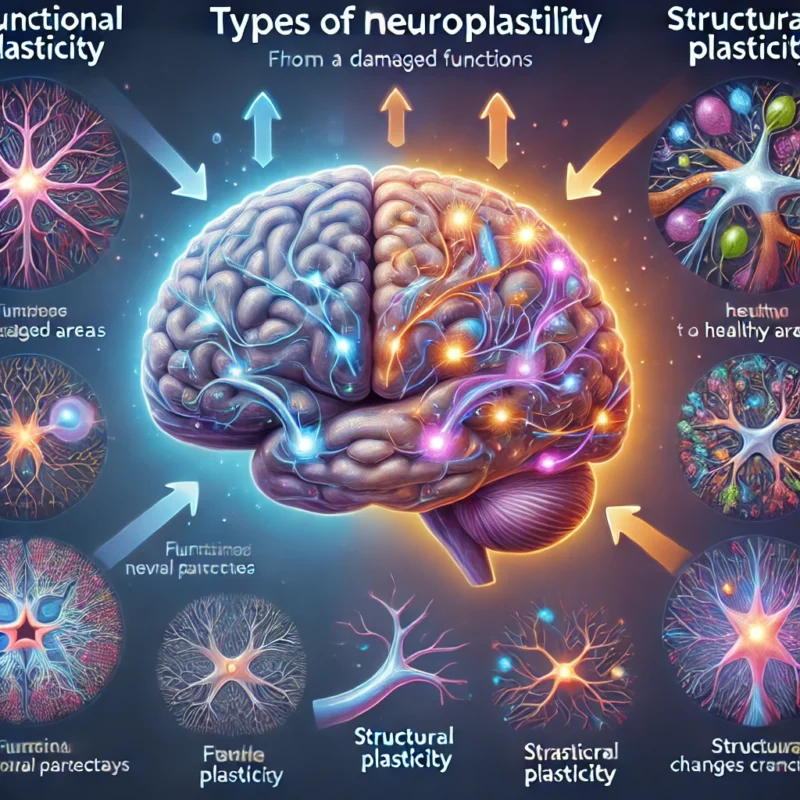
Lifestyle and neuroplasticity-friendly habits
Simple, consistent habits support brain repair:
brain neuroplasticity healing
- Regular aerobic exercise: Stimulates neurogenesis and improves mood-regulating neurotransmitters.
- Sleep optimization: Restorative sleep supports synaptic pruning and memory consolidation vital for learning new behaviors.
- Balanced nutrition: Reducing inflammation and supplying essential nutrients supports neuronal recovery.
- Mindfulness and stress-reduction practices: Meditation and paced breathing recalibrate the HPA axis and lower amygdala reactivity.
stress management meditation
Practical plan to stop using alcohol as your stress tool
Changing a stress-to-alcohol habit requires a mix of mindset shifts, practical swaps, and support. A stepwise plan might look like this:
- 1. Assess risk: If you drink heavily or have had withdrawal symptoms, seek medical advice before quitting.
- 2. Build a short list of immediate alternatives: Deep-breathing exercises, a brisk 10–20 minute walk, calling a friend, or 15 minutes of a grounding technique can interrupt the stress-to-drink sequence.
- 3. Schedule stress management practice: Commit to brief daily practices (10–20 minutes) of mindfulness, progressive muscle relaxation, or exercise.
- 4. Seek therapy: CBT or trauma-focused therapy can address root triggers and teach new coping strategies.
- 5. Consider medication if cravings are intense: Consult a clinician about options that reduce craving and support sustained change.
- 6. Build social scaffolding: Tell trusted people you're changing your relationship with alcohol and invite them to support alternative activities.
Special considerations: trauma, work stress, and social drinking cultures
For people whose drinking is tied to workplace culture or to numbing trauma, interventions must respect context. Trauma survivors often need therapies that focus on safety and pacing before addressing substance use. Employees in high-pressure environments may benefit from systemic changes — workload adjustments, mental health benefits, and organizational policies that reduce chronic stress.
When to seek professional help
Contact a clinician if you experience strong withdrawal symptoms, repeated failed attempts to cut down, or if drinking causes significant problems in work, relationships, or health. A professional assessment can clarify whether medication-assisted treatment, inpatient care, or outpatient therapy is appropriate.
What families and friends can do
Support matters. Nonjudgmental encouragement, help finding professional resources, and participation in sober activities provide practical scaffolding. Avoid enabling behaviors that make drinking easier or less likely to change.
Conclusion
Drinking to cope with stress is a common human response that can set off a cascade of changes in the brain. These changes tilt the system toward immediate relief at the cost of long-term resilience. But the story is not irreversibly bleak: the brain retains capacity for repair and learning across the lifespan. Recovery combines medical safety, evidence-based therapy, and daily habits that rebuild regulation and meaning. For many, the path away from stress-driven drinking is also the path toward thicker resilience, clearer priorities, and a life less governed by impulse.
- Alcohol provides quick stress relief but hijacks the brain's stress and reward systems over time.
- Chronic stress-driven drinking reshapes the prefrontal cortex, amygdala, hippocampus, and reward circuits.
- Some brain changes can persist, but targeted interventions and healthy habits support recovery.
- Medical supervision is essential for heavy drinkers due to withdrawal risks.
- Therapy, medication when appropriate, exercise, sleep, and social support are key pillars of recovery.
If you or someone you love is struggling with alcohol and stress, reach out to a healthcare professional to discuss safe options.