
How Denmark Pays Students $1,000 a Month for Tuition-Free University
The headline is simple and seductive: Danish students get a generous monthly payment while attending tuition-free universities. But the reality behind that sentence — how the payments are structured, who funds them, who qualifies, and what outcomes they produce — is nuanced, deliberate, and tied to a broader social model. This long-form article unpacks the mechanics of Denmark's higher-education support, explores its socioeconomic logic, examines the trade-offs, and offers practical takeaways for policymakers and students elsewhere.

Denmark SU student grant
A Quick Orientation: What the Payment Actually Is
The regular monthly payment the user described refers to Denmark's public student grant system, commonly called "SU." SU stands for Statens Uddannelsesstøtte, or State Educational Support. For many Danish citizens and qualifying residents, SU pays a fixed monthly stipend intended to help cover living costs while enrolled in higher education. Combined with zero or very low tuition for domestic and EU students, SU makes university attendance affordable without incurring large loans.
Denmark treats higher education as a public good: education is free at the point of delivery, and living costs are offset by grants rather than loans.
How the System Works: Tuition, Grants, and Eligibility
Tuition: What "free" means
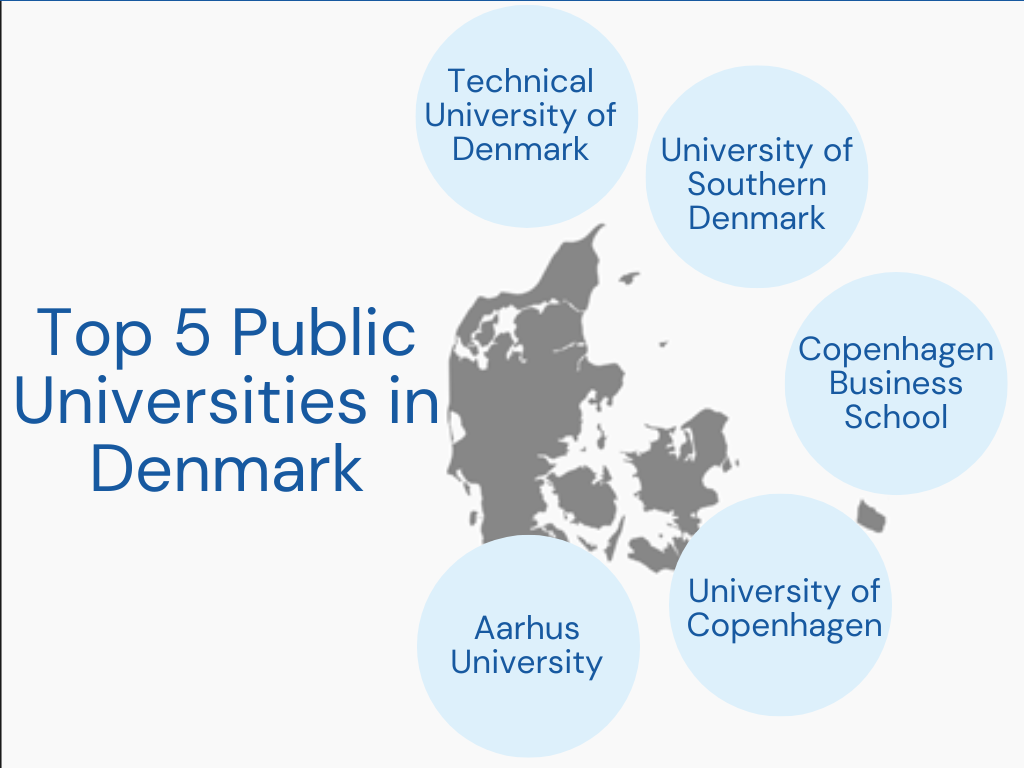
In Denmark, public universities do not charge tuition for Danish citizens and certain categories of EU/EEA students, and many international agreements and bilateral arrangements expand that coverage. The key point is that tuition as an upfront fee is largely absent for qualifying students. Universities receive funding from the state, and that underwrites instruction, research, and campus services.
Denmark public university tuition
The SU grant: structure and purpose
The SU grant is a monthly cash benefit intended to cover a portion of a student's living expenses: rent, food, transportation, and study materials. The amount varies based on factors such as age and whether the student lives with parents or independently. There are also supplementary grants and loans available, but the SU itself is not meant to be repaid — it is a true grant rather than credit.

Denmark student stipend living costs
Who qualifies?
Eligibility typically depends on age, citizenship or residency status, and enrollment in an approved educational program. Danish citizens, many permanent residents, and certain EU/EEA students are eligible; there are also special provisions for refugees and international students under exchange programs. Some categories of foreign students — for example, many non-EU students admitted on standard degree tracks — are not eligible for the full SU grant and may face tuition charges instead.
Who Pays for It? Funding the Model
Taxation and public finance
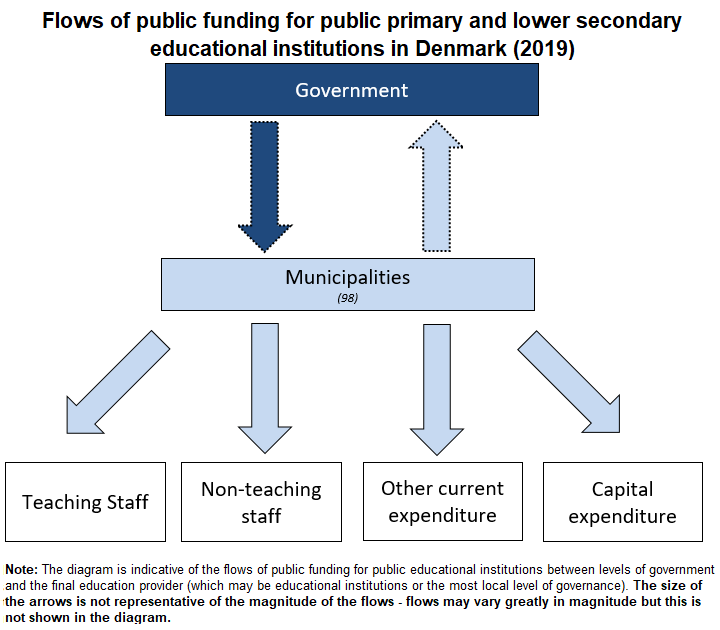
The obvious question is who funds this generosity. The answer: the Danish taxpayer. Denmark's high-tax, high-service model reallocates a portion of national revenue to education and social services. That means residents contribute more in income and consumption taxes than in many other countries, but they also receive a wide range of benefits — healthcare, childcare, elder care, and education — that reduce private costs across the life course.
Budget priorities and political consensus
Funding for SU and tuition-free universities is a political choice backed by broad cross-party acceptance that public investment in human capital pays long-term dividends. Policymakers argue that easier access boosts workforce skills, supports productivity, and reduces lifetime inequality. The funding model is sustained by a compact: taxpayers invest up front, and society benefits through a productive, healthier, more mobile population.
What the Money Covers — And What It Doesn't
Approximately $1,000 a month?
Media shorthand sometimes converts SU amounts into round-dollar figures like "$1,000 a month" for clarity in international reporting. Actual SU amounts are denominated in Danish kroner and vary. For many students, the SU provides a substantial share of monthly living costs but does not fully replace part-time work or family support. In higher-cost cities such as Copenhagen, the grant covers less of total expenses than in smaller towns, so students often mix SU with earnings and housing subsidies.
Complementary supports
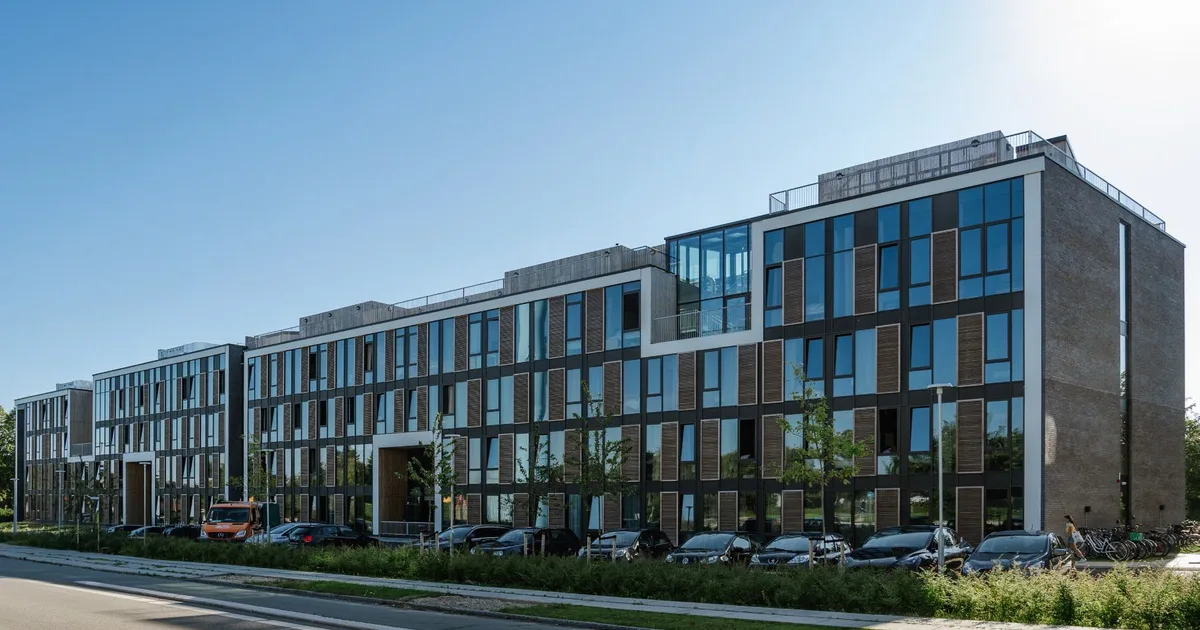
Denmark also provides other supports that lower students' living costs indirectly: subsidized public transport for students, regulated student housing, healthcare access without additional premiums, and sometimes targeted subsidies for materials or childcare for student-parents. The full financial picture is therefore a mix of direct cash grants and broader public services.
Who Benefits — Distributional Effects and Equity
Expanding access and lowering debt
One of the clearest effects is on access. Tuition-free programs and non-repayable grants substantially lower barriers for young people from less affluent backgrounds. Because students graduate with little or no loan debt, they are more able to take career risks, accept lower-paid public-interest roles early on, or delay full-time work to continue education. Research from Nordic countries consistently shows lower student debt and higher completion rates than in systems that rely heavily on loans.
Social mobility and labor market effects
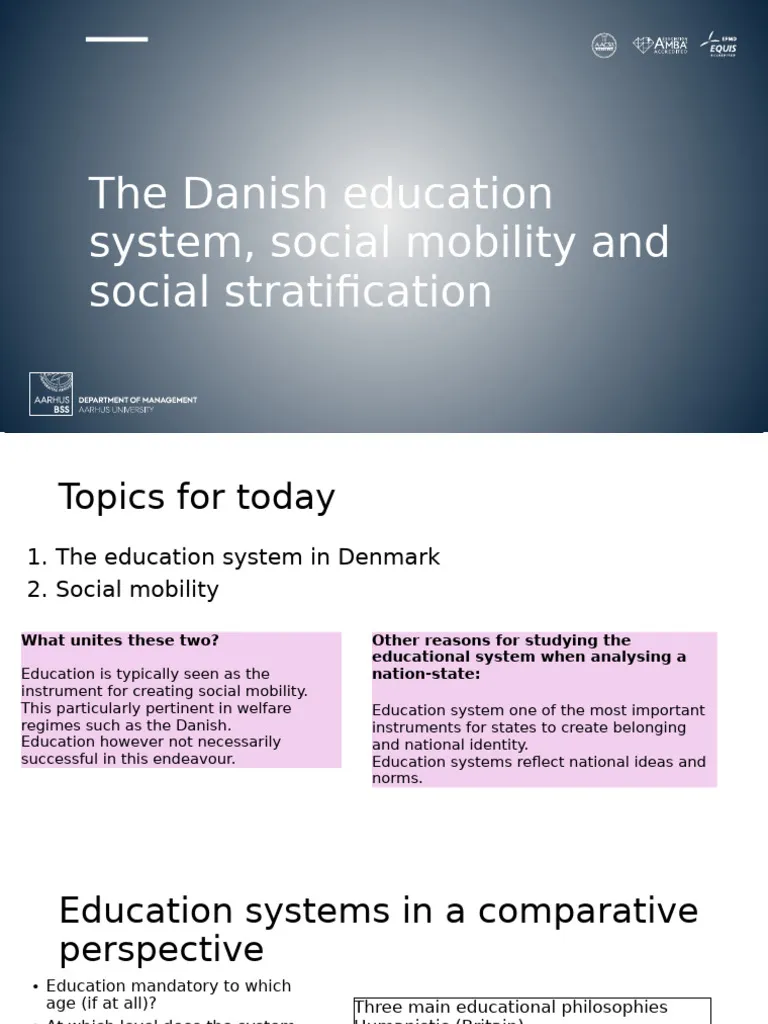
By reducing financial hurdles, the Danish approach supports greater social mobility: individuals from diverse economic backgrounds can enroll and complete degrees. Employers benefit from a steady supply of skilled graduates; the public sector benefits as many trained professionals join healthcare, education, and civic institutions. That said, the model presupposes a labor market that can absorb graduates — a challenge in any economy that the state helps manage through active labor policies.
Denmark student housing subsidies
Criticisms and Trade-Offs
Cost and efficiency concerns
No system is free of trade-offs. Critics argue that universal grants can subsidize students who would have studied regardless of financial support, raising questions about efficiency. Another criticism is fiscal sustainability: as tuition-free policies and grants grow, so does the budgetary commitment. If demographic or economic shifts reduce tax revenue, pressure on the model increases.
Incentives and completion rates
Some argue that generous benefits could reduce incentives for timely completion. Denmark counters this with well-designed academic supports, conditionalities, and monitoring: many grants require progress in studies and can be adjusted if students fall behind. That combination helps align incentives while preserving access.
Comparisons: Denmark vs. the United States and Other Models
Loans versus grants
The dominant model in the United States relies heavily on student loans, supplemented by targeted grants (like need-based aid) and some tuition subsidies. That produces high enrollment but also heavy graduate indebtedness. Denmark's grant-plus-free-tuition model reduces debt burden and emphasizes public investment in human capital rather than private borrowing.
Who pays?
In Denmark, the public largely shoulders the cost via taxation; in the U.S., the cost is distributed among federal and state budgets, tuition-paying students, donors, and private lenders. Each arrangement reflects political choices about who benefits and who pays: public collective funding or private individual responsibility.
- Lower student debt and broader access.
- Strong labor market integration with many graduates entering public and private sectors.
- High public cost funding through taxes.
- Potential inefficiencies if support is not targeted or tied to progress.
Real-World Outcomes: What the Evidence Shows
Available comparative evidence suggests that Denmark and other Nordic countries have high tertiary enrollment rates, relatively equitable participation across income groups, and low average student debt at graduation. They also tend to rank well on measures of adult educational attainment and skills. That said, outcomes depend on implementation: generous education systems paired with active labor-market policies, targeted student supports, and a robust social safety net perform best.
Denmark education funding model
Common Questions Students Ask
Can international students get SU?
Some international students are eligible under specific conditions (EU/EEA rules, exchange programs, or residency criteria), but many non-EU degree-seeking students must rely on tuition-paying arrangements or scholarships from their home institutions. Prospective international students should check eligibility rules well before applying.
Does SU cover rent and living entirely?
Not always. SU is designed to cover a portion of living costs. In high-cost cities, students typically combine SU with part-time work, housing subsidies, or family support. The overall financial package includes both direct grants and broader public services that reduce private expenditures.
Lessons for Policymakers and Educators
1) Consider the system-level trade-offs
Policymakers must weigh universality against targeting. Universal grants simplify administration and avoid stigma, but targeted aid can be more cost-efficient. The Danish experience shows universality works alongside strong public institutions and high public trust — conditions not present everywhere.
2) Pair financial support with accountability
Conditionality and progress requirements help maintain completion rates. Funding must be coupled with academic advising, mental-health supports, and career services so students convert access into outcomes.
3) Think beyond direct payments
Denmark's model is effective because cash grants are part of a larger package: subsidized health care, childcare, and transport; affordable student housing; and active labor policies. These complementary elements reduce costs and improve study conditions.
"A successful education policy is more than money — it is a coordinated set of services that supports students inside and outside the classroom."
Practical Advice for Students Considering Study in Denmark
- Understand eligibility: Determine whether you qualify for SU or other grants before budgeting.
- Estimate real costs: Compare SU to local rents and food costs — Copenhagen is much pricier than provincial towns.
- Plan for work: Many students work part-time; check work-hour regulations for your residency status.
- Use campus services: Danish institutions offer counseling, job placement, and housing assistance that reduce costs and improve outcomes.
Conclusion: A Model Rooted in Choice and Context
Denmark's combination of tuition-free university education and a monthly student grant reflects a political choice: the belief that access to higher education should be collective and financed through taxation. It reduces financial barriers, lowers student debt, and supports social mobility. But it also depends on high public trust, sustained fiscal capacity, and well-integrated social services. For countries weighing similar policies, the Danish case offers powerful lessons — not a plug-and-play blueprint, but a demonstration that pairing free tuition with living support can reshape who accesses higher education and how graduates contribute to society.
Denmark social mobility education
- Denmark provides tuition-free higher education to qualifying students and a monthly SU grant to help cover living costs.
- The system is funded through taxation and supported by a broader social welfare infrastructure.
- Benefits include lower student debt and higher access; trade-offs include fiscal cost and the need for accountability measures.