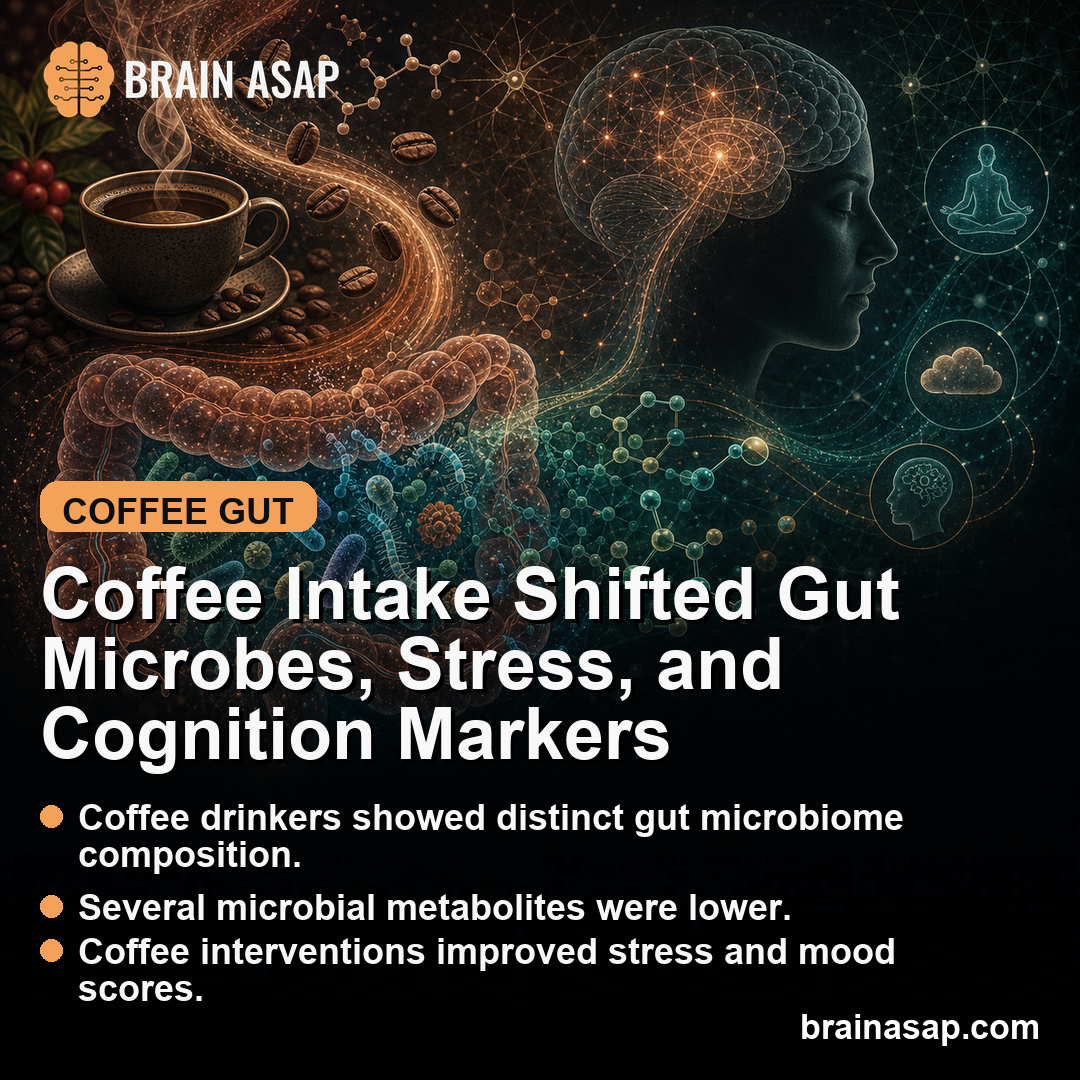
How Coffee Rewires Your Gut and Brain, According to Scientists
For years, coffee has been boxed into tidy categories: a morning ritual, a social lubricant, a metabolic jolt. But recent scientific attention has nudged that picture into sharper — and stranger — focus. Coffee doesn’t just stimulate the central nervous system; it communicates with the complex ecosystem in your gut and, through that ecosystem, can influence mood, inflammation, digestion, and even memory. This isn’t just caffeine doing the heavy lifting. It’s a symphony of bioactive compounds, microbial chemistry, and neural signaling that together shape how a simple cup can alter your body and mind.
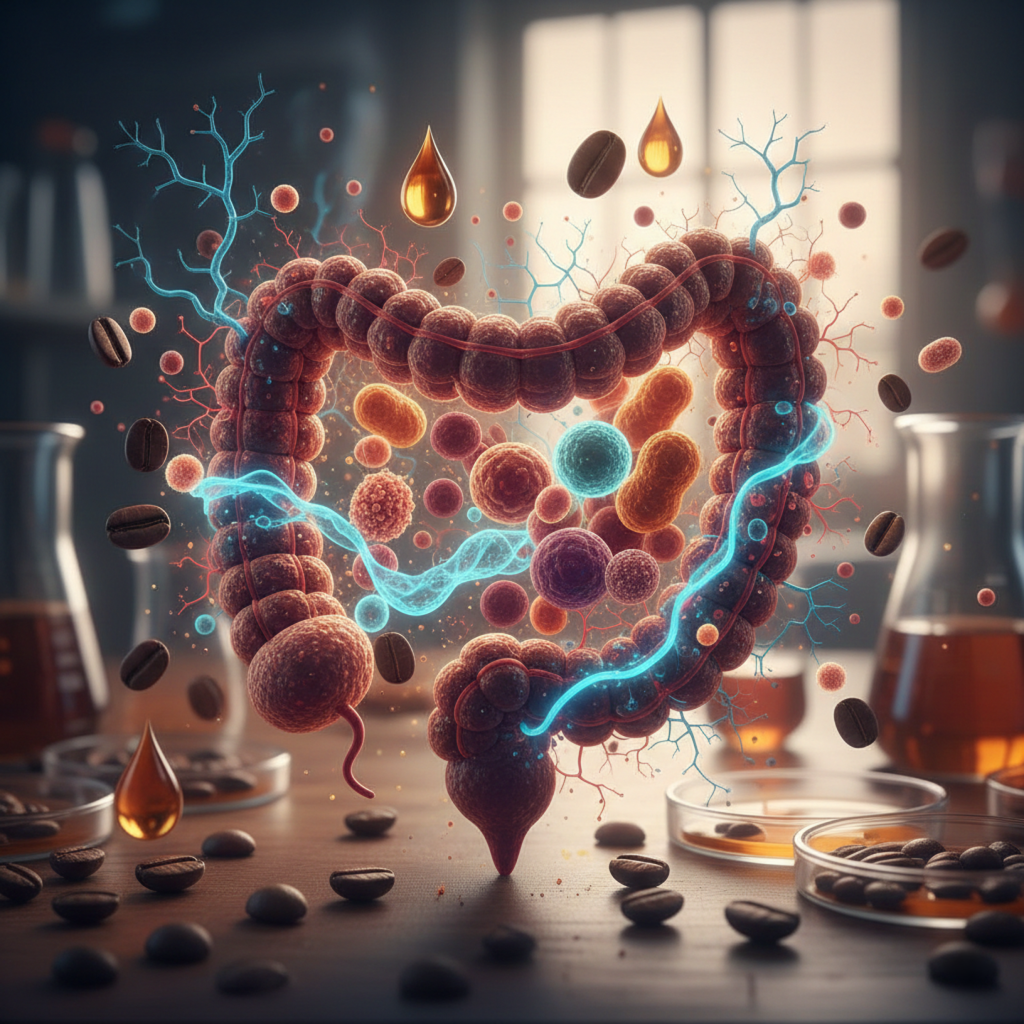
coffee gut microbiome research
THE DISCOVERY: WHAT CHANGED THE CONVERSATION
The last decade has seen major advances in profiling the gut microbiome and mapping the gut-brain axis. Researchers discovered that molecules in foods become transformed by gut bacteria into metabolites that travel to the brain or prime the immune system. With coffee, scientists found two important lessons: first, components in coffee — not only caffeine but polyphenols and other molecules — change the composition and function of gut bacteria; second, those microbial changes produce metabolites and signals that affect brain chemistry and neural circuits. In short, coffee is a dietary signal that is partly decoded by your microbes and partly by your nerves.
"Coffee acts as both a chemical messenger and a microbial meal — and both routes can change how we think and feel."
WHAT IN COFFEE MATTERS: BEYOND CAFFEINE
The chemical mix
Caffeine gets most of the headlines because it blocks adenosine receptors and temporarily boosts vigilance. But coffee contains hundreds of other compounds. Chlorogenic acids are among the most abundant polyphenols; they act as antioxidants and are broken down in the gut into smaller compounds that microbes can metabolize. Trigonelline, melanoidins formed during roasting, diterpenes like cafestol and kahweol, and a complex set of volatile aromatics all contribute to biological effects that don’t rely on caffeine.
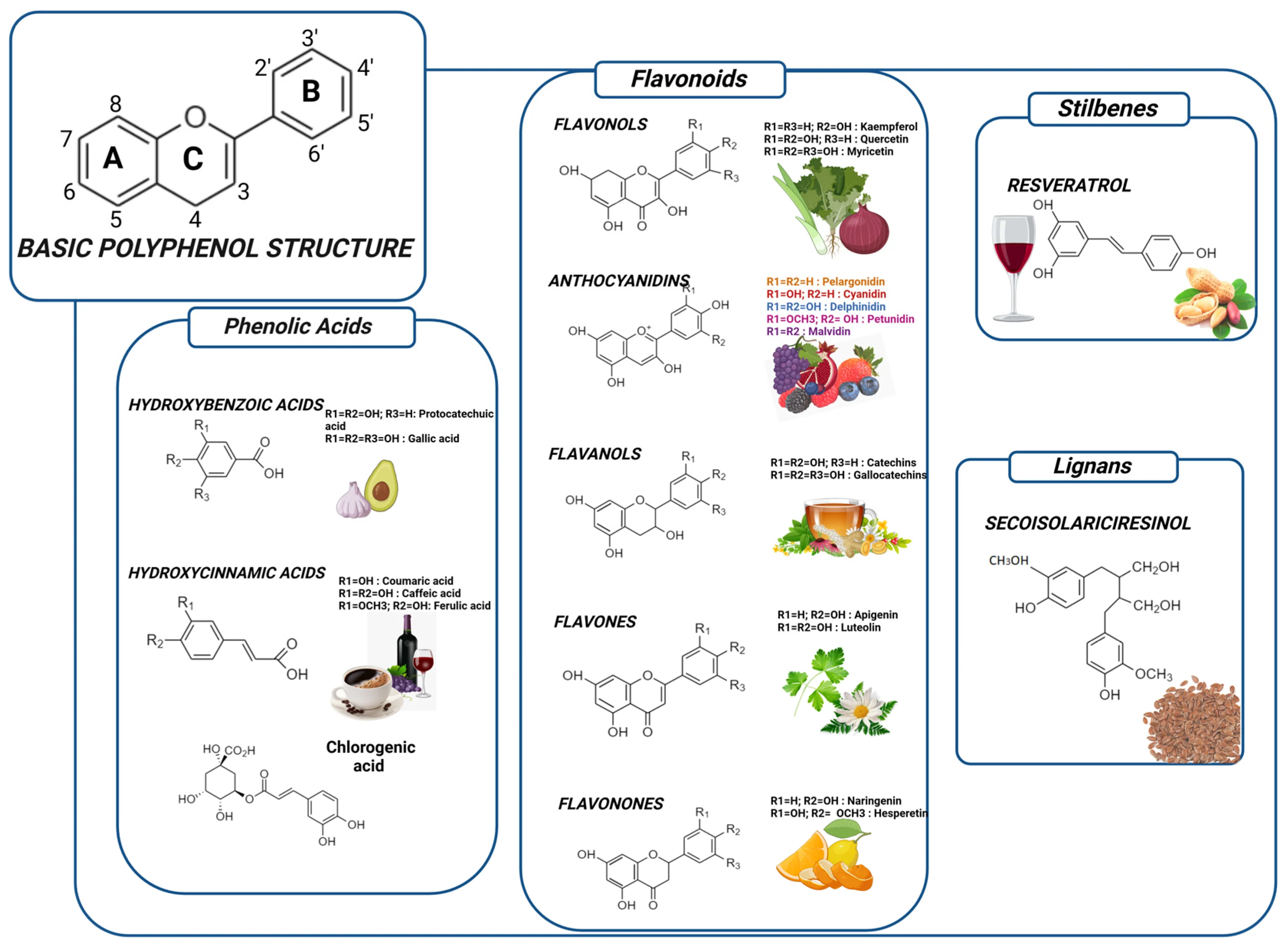
coffee polyphenols molecular structure
Microbial food and signals
Many coffee compounds serve as substrates for gut bacteria. When microbes ferment these molecules they produce short-chain fatty acids (SCFAs) — acetate, propionate, butyrate — and other metabolites. SCFAs influence intestinal barrier function, regulate immune responses, and can modulate neurotransmitter systems indirectly. That means a cup of coffee can change the chemical chatter in your gut, sometimes within hours, with downstream effects on inflammation and brain signaling.
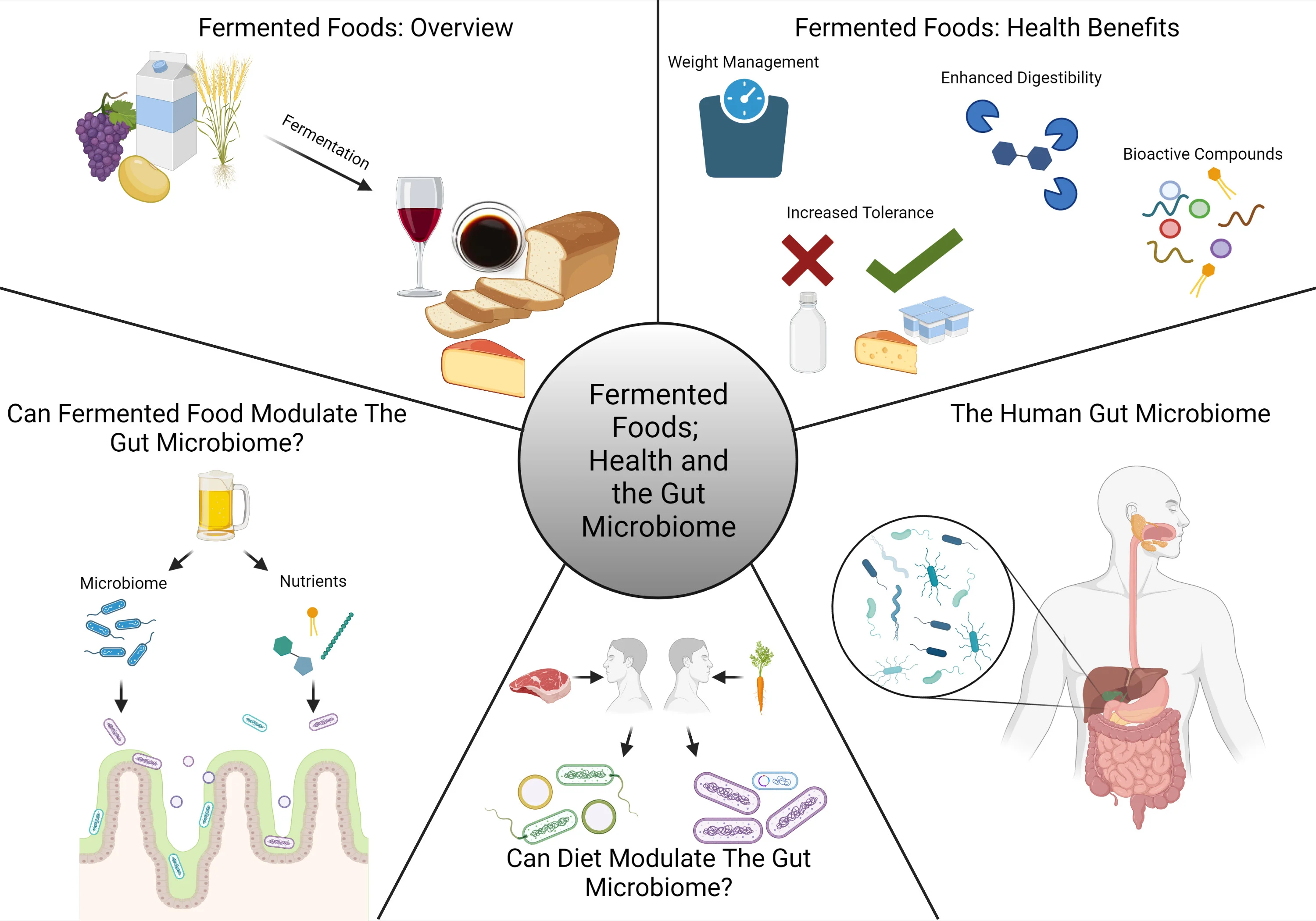
gut bacteria microbial fermentation
HOW THE GUT TALKS TO THE BRAIN
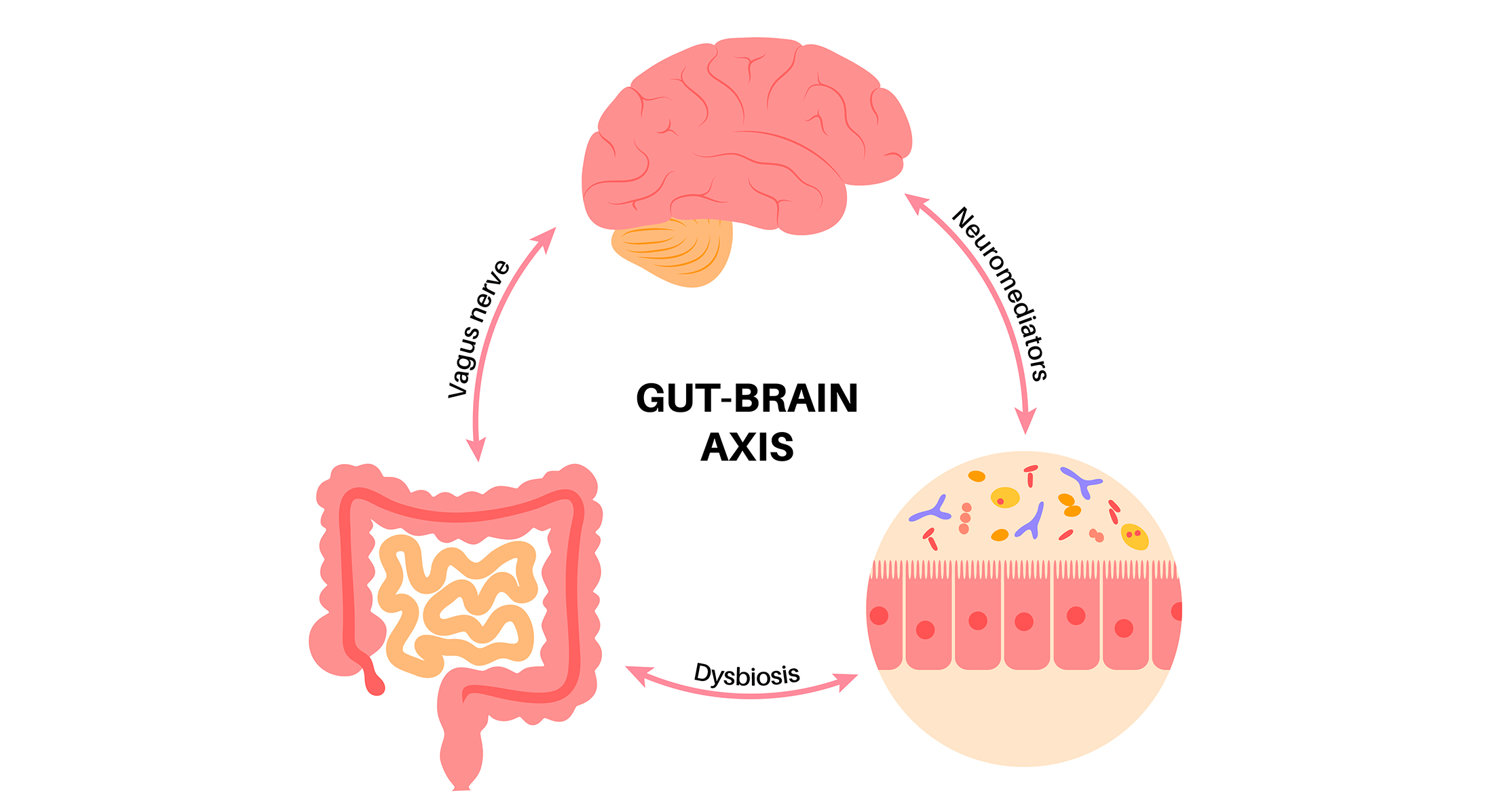
gut brain axis diagram
Vagus nerve and neural loops
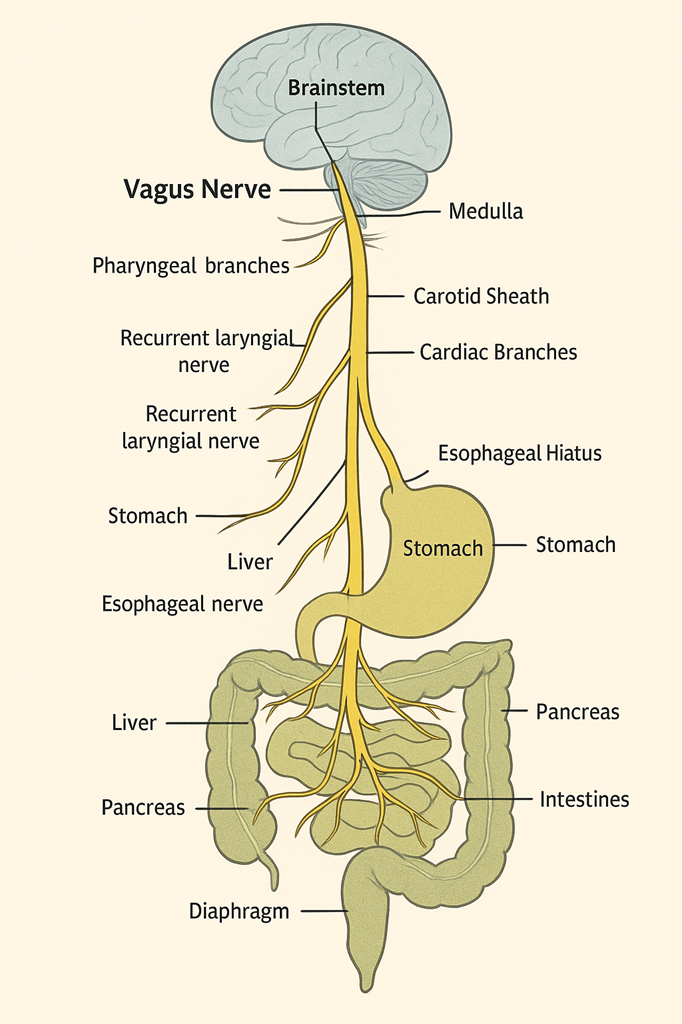
One of the fastest communication routes between gut and brain runs along the vagus nerve. Neural sensors in the gut respond to mechanical stretch, pH, nutrients, and microbial metabolites. Changes in microbial activity after coffee consumption can alter signaling through the vagus nerve, shifting patterns of satiety, arousal, and mood. This route can produce rapid changes in how alert or calm you feel after drinking coffee — beyond the pharmacology of caffeine.
vagus nerve anatomy coffee
Immune and endocrine bridges
Microbial metabolites affect immune cells in the gut lining that release cytokines and other signaling molecules. Those immune signals can enter circulation and influence brain inflammation and neurotransmitter synthesis. For example, microbial regulation of tryptophan metabolism — the amino acid precursor for serotonin — can shift mood and anxiety levels. Coffee’s polyphenols can modulate this pathway by selectively feeding microbes that favor healthier tryptophan metabolism.
WHAT THIS MEANS FOR DIGESTION AND METABOLISM
Motility, bile, and enzymes
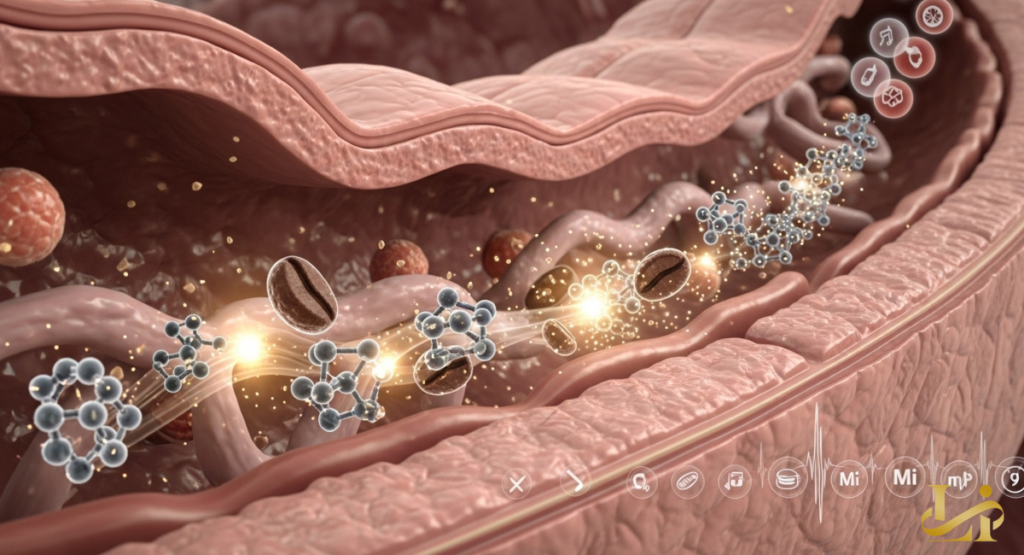
Coffee has long been known to stimulate bowel movements for many people. Part of that effect comes from gastric and colonic motility changes triggered by direct neural reflexes and by hormones such as gastrin. But microbial alterations also play a role: certain bacteria influenced by coffee metabolites produce compounds that change intestinal transit time and bile acid metabolism, which affects how fats are digested and absorbed.
coffee digestion metabolic pathways
Weight and metabolic markers
Some population studies link regular coffee consumption with lower risk of type 2 diabetes and modestly lower body weight. Mechanistically, coffee and its metabolites can influence insulin sensitivity, liver metabolism, and the makeup of microbial communities that regulate energy extraction from food. These interactions are complex and individual: one person’s microbial response to coffee could improve glucose handling while another’s might be neutral.
MOOD, COGNITION, AND BRAIN HEALTH
Neurotransmitters and plasticity
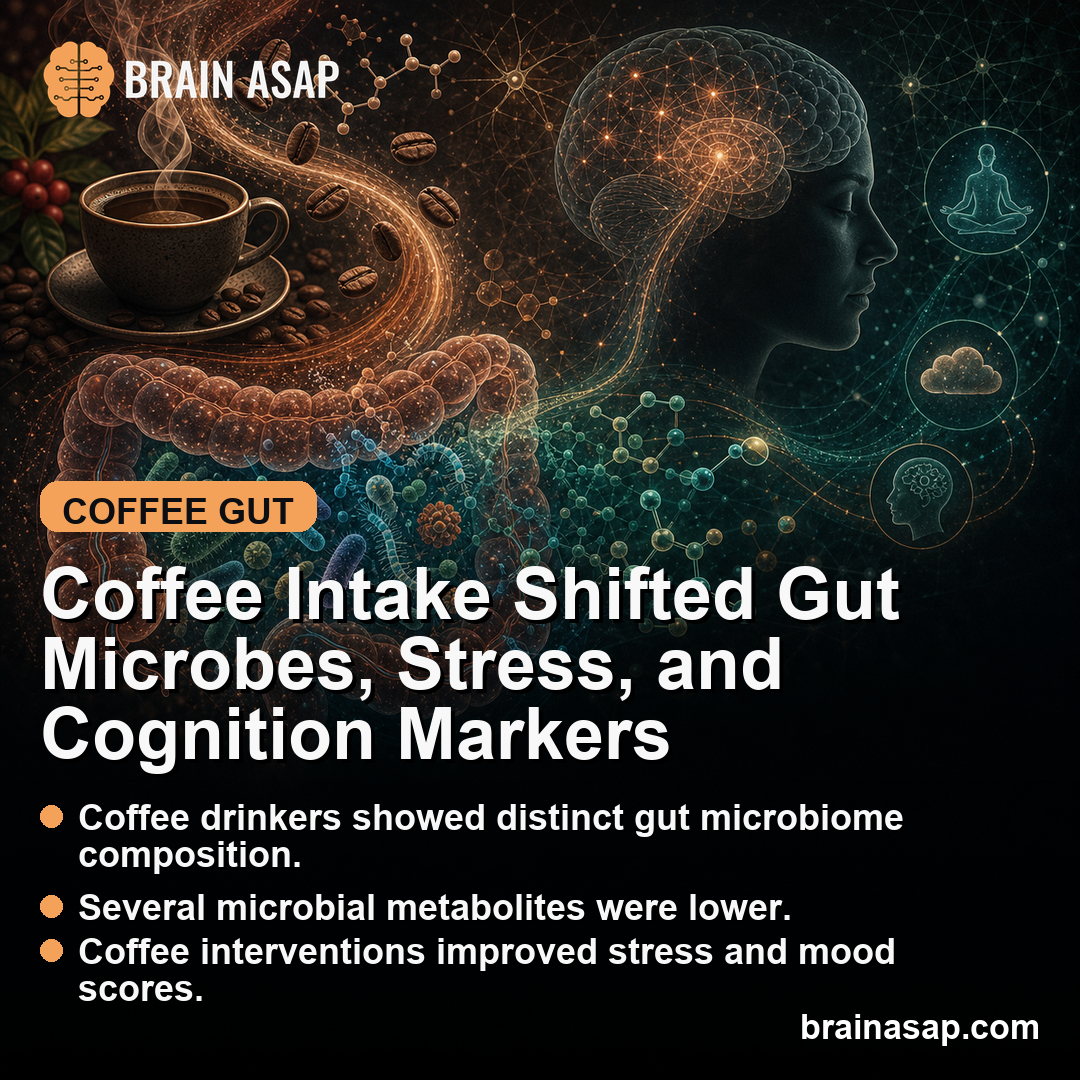
Caffeine improves alertness by blocking adenosine. But microbial metabolites can influence the synthesis and breakdown of serotonin, dopamine, and GABA in the gut and brain. Some metabolites cross the blood-brain barrier or influence peripheral systems that shape brain chemistry. There’s also evidence that coffee compounds and the microbial products they prompt can affect neurotrophic factors that support synaptic plasticity — the brain’s ability to form and reorganize connections — which may underlie long-term cognitive benefits seen in observational studies.
neuroscience coffee cognition research
Mood effects and anxiety
The relationship between coffee and mood is nuanced. Moderate coffee consumption is associated with lower rates of depression in many observational studies, but high doses of caffeine can increase anxiety and jitteriness in sensitive individuals. Microbiome-mediated effects help explain this duality: when coffee supports microbial communities that favor anti-inflammatory metabolites, mood tends to benefit; when it exacerbates dysbiosis in susceptible people, the result can be increased gut permeability and inflammatory signaling that worsens mood.
PERSONAL VARIATION: WHY COFFEE AFFECTS PEOPLE DIFFERENTLY
Microbiome individuality
No two microbiomes are identical. Genetics, diet, medication history, age, and environment shape microbial communities. That means the same cup of coffee can be metabolized differently from person to person. Someone with a microbiome rich in bacteria that efficiently convert polyphenols into beneficial metabolites may experience clearer cognitive and digestive benefits than someone whose microbiome lacks those strains.
Tolerance, genetics, and habits
Genetic differences in caffeine metabolism — for example, variations in enzymes that break down caffeine — influence how long caffeine lingers and how strongly it acts. Habitual consumption also changes receptor sensitivity and microbial communities over time. The combined effect explains why a regular coffee drinker experiences different outcomes than a newcomer.
- Alertness: Improved vigilance and faster reaction time.
- Metabolic: Associations with better glucose handling.
- Microbial benefit: Polyphenols can foster beneficial bacteria.
- Anxiety: High caffeine can increase nervousness in sensitive people.
- GI upset: Can aggravate reflux or cause loose stools in some.
- Sleep: Late-day intake can impair sleep quality.
PRACTICAL ADVICE BASED ON THE SCIENCE
How to get benefits and reduce downsides
- Choose variety: Different beans and roast levels offer different polyphenol and melanoidin profiles. Rotating your coffee style can diversify the substrates you feed your microbiome.
- Mind the timing: Morning consumption aligns with circadian rhythms and reduces sleep interference for most people; avoid late-afternoon and evening cups if you’re sensitive to sleep disturbance.
- Watch dose: Moderate intake — often 1–3 cups depending on strength — tends to maximize benefits while minimizing anxiety and GI upset.
- Pair it: Consuming coffee with fiber-rich food blunts spikes in acidity and helps feed beneficial microbes that produce healthful metabolites.
- Consider decaf: If caffeine causes sleeplessness, decaffeinated coffee still delivers many polyphenols and microbial substrates without the stimulant.
When to be cautious
People with severe acid reflux, irritable bowel syndrome, or certain neurologic conditions should consult a clinician; coffee can worsen symptoms in particular contexts. Similarly, if you notice increased anxiety, palpitations, or disrupted sleep after drinking coffee, scaling back or switching to lower-caffeine options is sensible.
FUTURE DIRECTIONS: WHAT SCIENTISTS WANT TO ANSWER NEXT
Researchers are now focused on mapping which microbial strains metabolize which coffee compounds, how roasting and brewing change those substrates, and whether targeted dietary changes can amplify beneficial pathways. Clinical trials will be needed to move beyond association and show causation for outcomes like depression risk or cognitive decline. The possibility of designing personalized coffee-based interventions — for mood, digestion, or metabolic health — is on the horizon but will require careful human studies.
"The cup on your table is a mini laboratory: chemistry, biology, and behavior meet in every sip."
CONCLUSION: A NEW WAY TO THINK ABOUT YOUR CUP
Coffee is not a single-function stimulant. It is a complex dietary signal that feeds and modulates the microbial communities in your gut, sends neural messages along the vagus nerve, and shapes hormonal and immune milieus that influence the brain. The net effect depends on dose, timing, preparation, and, crucially, the unique ecosystem inside you. For most people, moderate coffee consumption offers more benefits than harm — improved alertness, potential metabolic advantages, and a favorable nudge to beneficial microbes. For others, especially those sensitive to caffeine or with certain GI or psychiatric conditions, a tailored approach is warranted.
- Coffee’s effects go beyond caffeine: polyphenols and other compounds interact with gut bacteria to produce metabolites that affect the brain.
- The gut-brain axis — via the vagus nerve, immune signals, and microbial metabolites — is a major route by which coffee influences mood and cognition.
- Individual responses vary; moderate, timed consumption and dietary pairing usually maximize benefits and minimize downsides.
This article synthesizes current scientific understanding to provide practical guidance; individual medical concerns should be addressed with a healthcare professional.