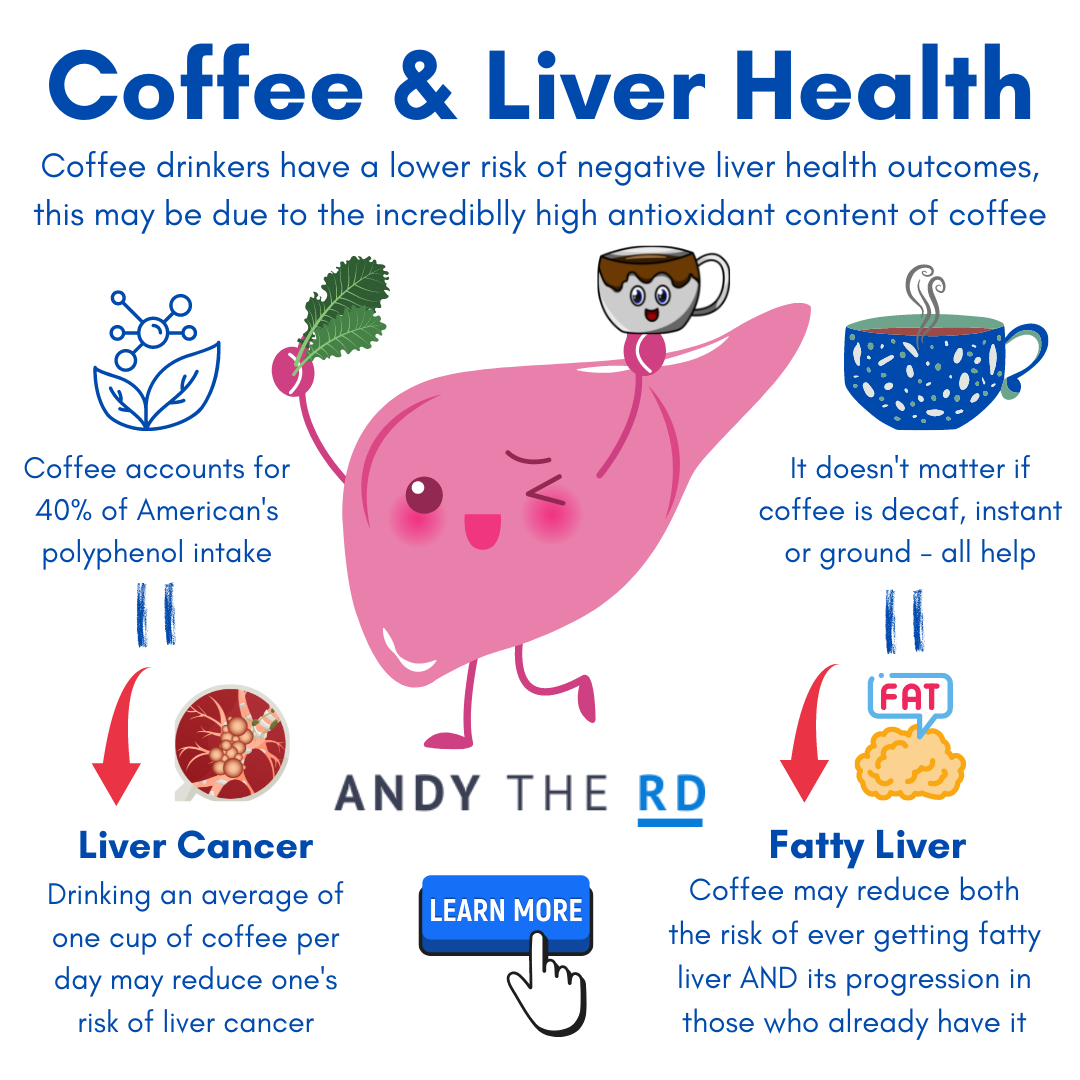
How Coffee Protects Your Liver: From Fat to Cancer
It is a small daily ritual for many: the steam from a fresh mug, the first deep inhale, the quiet before the day becomes loud. Beyond the comfort, coffee is increasingly studied not only as a pick-me-up but as a beverage with measurable effects on the body's largest internal filter, the liver. Over the past two decades researchers have linked regular coffee drinking to lower rates of fatty liver, slower progression of scarring (fibrosis), and even reduced incidence of primary liver cancer. The idea that a commonplace drink could offer meaningful protection against serious liver disease has sparked interest across clinics and kitchens. This article unpacks what we know, how coffee may work, what to drink, and who should be cautious.
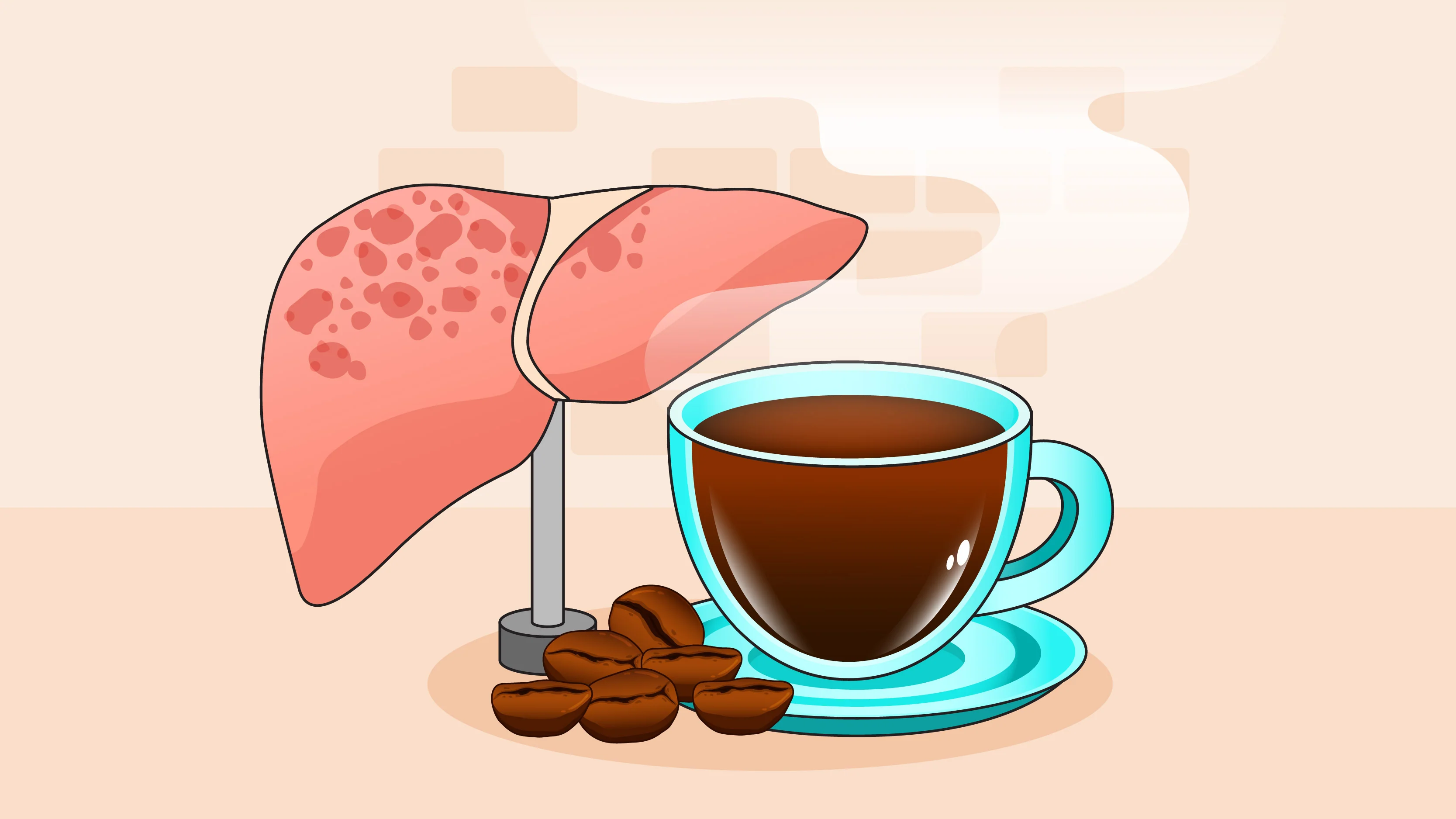
coffee cup liver illustration
What the evidence says
Epidemiologic signals
Large observational studies and meta-analyses over many populations consistently show an association: people who drink coffee regularly tend to have lower rates of elevated liver enzymes, less fatty liver on imaging, and a lower risk of developing cirrhosis or hepatocellular carcinoma compared with non-drinkers. The effect shows up across different types of coffee and persists after adjusting for factors like alcohol use, body mass index, and smoking in many—but not all—analyses. That consistency across studies, countries, and coffee styles makes the relationship intriguing, though observational data cannot prove causation.
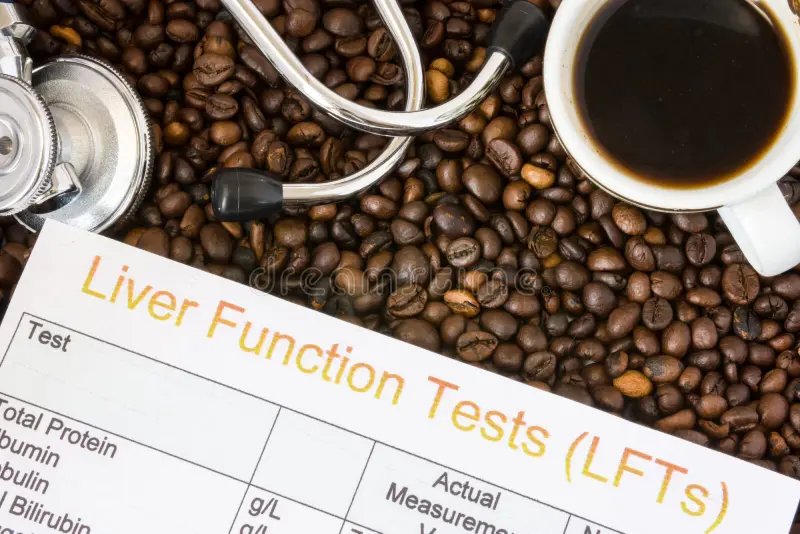
coffee liver enzymes test
Clinical and biopsy-based findings
In clinic-based cohorts, patients with chronic liver disease who drink coffee often show slower progression of fibrosis on biopsies and imaging, and lower rates of progression to liver failure. Studies of people with nonalcoholic fatty liver disease (NAFLD) and its more aggressive form, nonalcoholic steatohepatitis (NASH), suggest coffee drinkers are less likely to have severe fibrosis. Among patients with viral hepatitis or alcohol-related liver disease, coffee intake has also been associated with improved outcomes.
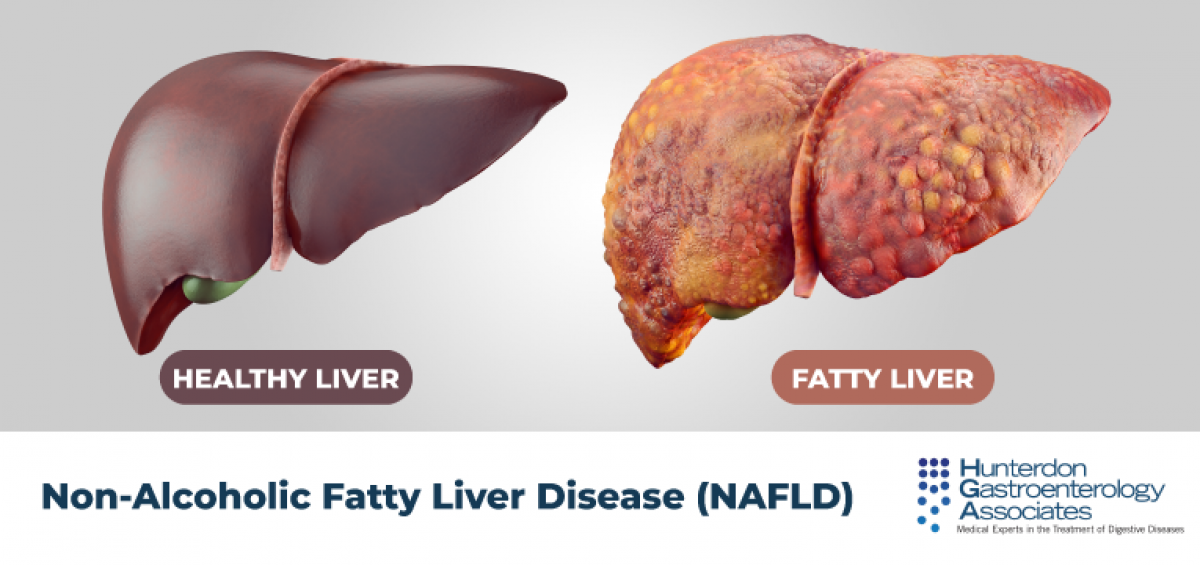
nonalcoholic fatty liver disease
Coffee is not a cure, but for many it may be a quietly protective habit that lowers the odds of serious liver damage.
How coffee might protect the liver
Multiple biologic pathways
The liver-protective picture is probably not a single mechanism but a mosaic of complementary actions. Coffee contains hundreds of biologically active molecules—caffeine, polyphenols such as chlorogenic acid, diterpenes like cafestol and kahweol (more concentrated in unfiltered brews), and other antioxidants. These compounds collectively influence metabolism, inflammation, and cell signaling in ways that map onto the main processes driving liver disease: fat accumulation, oxidative stress, inflammation, and fibrotic remodeling.
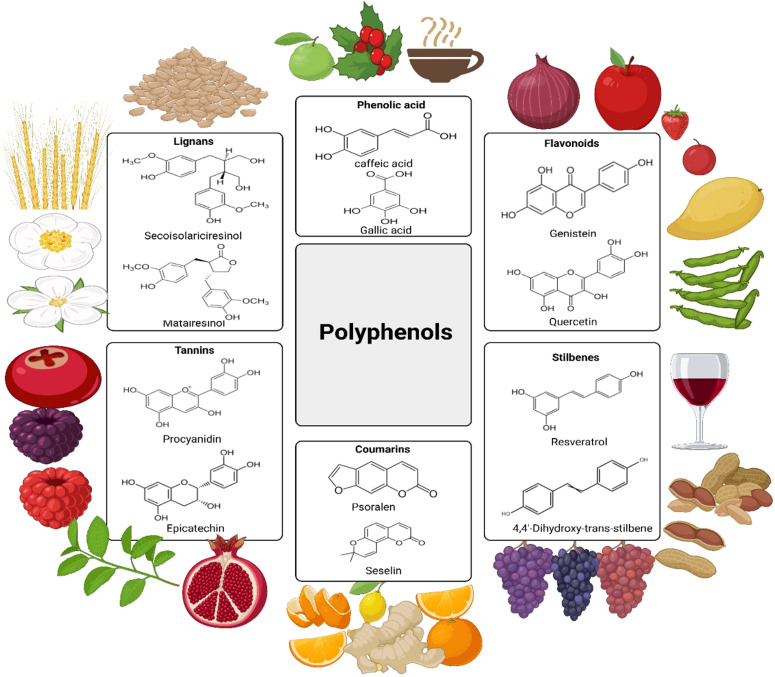
coffee polyphenols chemical structure
Metabolic effects
One way coffee may help is by improving metabolic function. Components of coffee can improve insulin sensitivity and influence glucose metabolism—reducing the metabolic forces that drive fat to accumulate in the liver. Less hepatic steatosis (fat infiltration) means fewer hepatocytes under metabolic stress, which translates to lower downstream inflammation and fibrotic signaling.
Anti-inflammatory and antioxidant actions
Coffee’s polyphenols have antioxidant properties that can blunt oxidative damage to liver cells. Oxidative stress is a major trigger for cell injury and the inflammatory cascades that activate stellate cells—the cell type chiefly responsible for laying down fibrous tissue in the liver. By reducing oxidative injuries and moderating inflammatory cytokines, coffee compounds may reduce the signals that otherwise lead to scarring.
Direct effects on fibrosis and scarring
Some experimental studies show coffee compounds influence the behavior of hepatic stellate cells, dampening their transformation into collagen-producing cells. If these findings translate to humans, regular exposure to coffee molecules could slow the rate at which fibrosis accrues—turning an accelerating process into a slower, steadier one that reduces the long-term risk of cirrhosis.
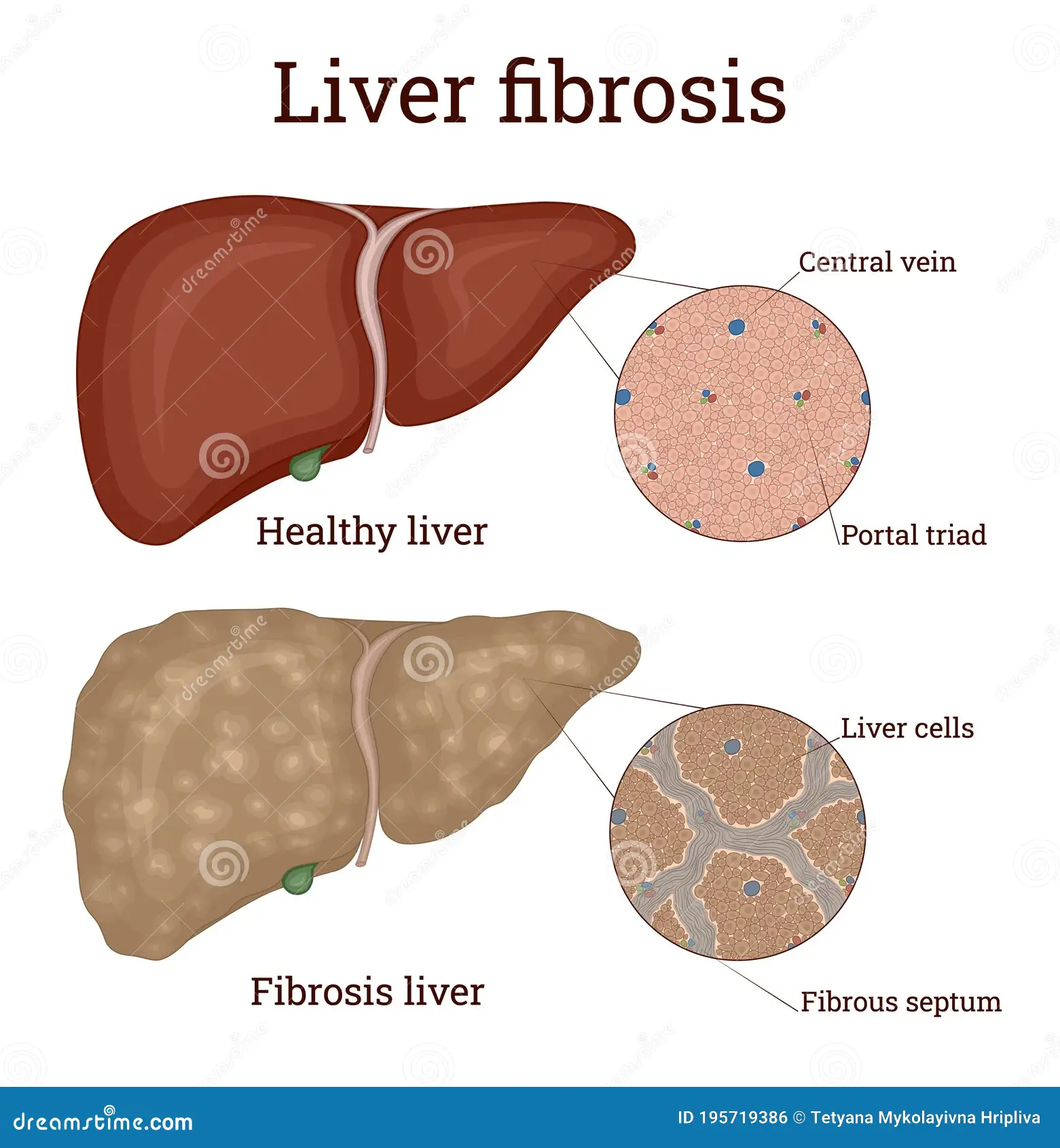
liver fibrosis scarring diagram
Anti-cancer mechanisms
Prevention of liver cancer likely arises from multiple upstream effects: fewer injured hepatocytes, lower chronic inflammation, and reduced fibrotic architecture that fuels malignant transformation. In addition, certain coffee components affect pathways involved in cell proliferation and apoptosis—potentially limiting the outgrowth of malignant clones. While coffee is not a cancer therapy, its influence on the environment in which cancer develops seems to make that environment less hospitable to tumor formation.
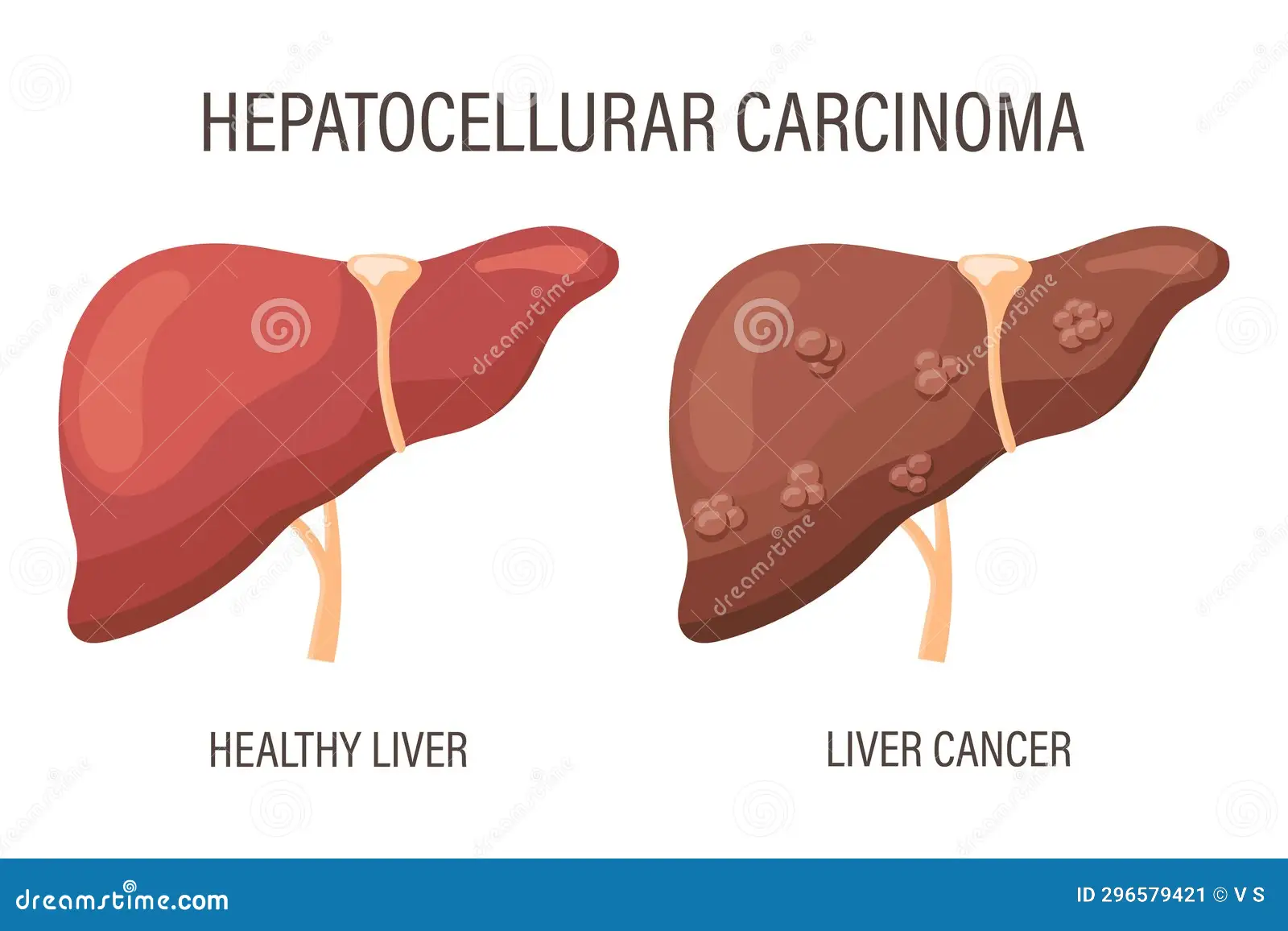
hepatocellular carcinoma liver cancer
How much coffee—type and dose
Is more better?
Population studies often show a dose–response: moderate to higher consumption—commonly defined as two to four cups per day—tends to be associated with greater reduction in liver-related outcomes than one cup or none. However, the exact pattern varies between studies, and very high intakes may not add much additional benefit. For practical guidance, many clinicians suggest a moderate habit of two to three cups per day as reasonable for most adults.
Caffeinated versus decaf
Several studies suggest that both caffeinated and decaffeinated coffee convey benefits, implying that caffeine is only part of the story. The antioxidant polyphenols and diterpenes remain in varying amounts in decaf brews, so decaffeinated coffee can still contribute to protection—particularly for people who need to avoid caffeine for sleep, pregnancy, or heart rhythm concerns.
Brew method matters
Different preparation methods concentrate different compounds. Unfiltered coffee (French press, Turkish, some espresso styles) retains more diterpenes such as cafestol and kahweol. These molecules have complex effects: they raise blood cholesterol in some people but also display anti-inflammatory and anticarcinogenic properties in lab studies. Filtered coffee removes much of the diterpene content while preserving polyphenols. For people with high cholesterol, filtered coffee may be preferable; for liver protection the overall evidence suggests benefit from either style when consumed responsibly.

French press unfiltered coffee
Who should be cautious
Certain medical conditions
While coffee delivery of liver-protective compounds appears generally favorable, not everyone should increase intake without thought. People with uncontrolled high blood pressure, certain arrhythmias, or sensitivity to caffeine may need to limit caffeinated beverages. Pregnant people are advised to limit caffeine intake for fetal reasons and may prefer decaffeinated options. Individuals with severe cholesterol issues may benefit from filtered coffee to minimize diterpene exposure. Finally, patients on certain medications metabolized by the same liver enzymes that handle caffeine may experience interactions.
Practical guidance: how to add liver-friendly coffee habits
Simple, sustainable habits
Adopting coffee as part of a liver-friendly lifestyle is less about extremes and more about consistent, reasonable choices. Here are practical points to consider:
- Aim for moderation: Two to three cups per day is a pragmatic target for many adults.
- Prefer minimal sugar: Added sugars and heavy creamers contribute calories that worsen fatty liver; try black coffee, a splash of milk, or a small amount of unsweetened plant milk.
- Consider decaf if needed: Decaffeinated coffee retains many beneficial compounds and is suitable when caffeine is a concern.
- Watch cholesterol risk: If you have high LDL cholesterol, choose filtered coffee to reduce diterpene intake.
- Consistency wins: The protective signals in studies appear with regular consumption rather than occasional use.
Moderate, regular coffee drinking—especially with low sugar—can be a pragmatic addition to liver-friendly lifestyle changes.
Limitations and what the research doesn't prove
Important caveats remain. Most evidence comes from observational studies vulnerable to confounding: coffee drinkers may differ from non-drinkers in diet, socioeconomic factors, healthcare access, and other behaviors that influence liver health. Randomized controlled trials of coffee versus placebo for long-term liver outcomes are scarce and logistically difficult. Laboratory and small clinical studies identifying plausible mechanisms strengthen the case but do not constitute proof of causality. Therefore, while the weight of evidence is compelling enough to recommend coffee as part of a liver-conscious lifestyle, it should not substitute for established interventions such as weight loss, diabetes control, vaccination against hepatitis viruses, reduced harmful alcohol consumption, and surveillance for high-risk patients.
Common questions people ask
Can I drink coffee if I already have fatty liver?
Yes—current evidence suggests that drinking coffee regularly is associated with slower progression of fibrosis in people who already have fatty liver disease. It is an adjunct to, not a replacement for, targeted therapies like weight loss, exercise, and metabolic control.
Does decaf work as well as regular coffee?
Decaffeinated coffee appears to offer many of the same liver benefits, which supports the idea that non-caffeine compounds are central to protection. For those unable to tolerate caffeine, decaf is a reasonable choice.
Is there anyone who should stop coffee?
People experiencing uncontrolled anxiety, certain heart rhythm problems, or pregnancy-related cautions should speak with their healthcare provider. Also, if coffee is heavily sweetened or turned into a calorie-dense beverage, the metabolic harms from sugar and saturated fats may outweigh the liver benefits.
Putting it together: practical takeaways
Coffee is not a magic bullet. But for many adults it is a low-cost, widely available beverage with a growing body of evidence suggesting protective associations against fatty liver, fibrosis, and liver cancer. The likely explanation is a combination of improved metabolic signaling, antioxidant effects, dampened inflammation, and direct actions on fibrotic pathways. Moderate consumption—typically two to three cups daily—appears sensible for most people, with decaf as an option when caffeine is problematic and filtered preparations favored for those with cholesterol concerns.
- Coffee consumption is associated with lower rates of fatty liver, slower fibrosis progression, and reduced risk of liver cancer in many observational studies.
- Benefits likely arise from multiple compounds in coffee affecting metabolism, inflammation, oxidative stress, and fibrotic signaling.
- Two to three cups per day is a pragmatic target; decaf also provides benefit.
- Not a replacement for proven medical care—address weight, diabetes, alcohol use, and viral hepatitis prevention.
Conclusion
For millions of people the morning cup is more than ritual—it may be quietly protective. The current evidence paints coffee as an ally in liver health: a common beverage that can reduce metabolic stress, temper inflammation, and potentially slow the march toward scarring and, in some cases, cancer. As research continues to unpack exact doses and mechanisms, the simplest practical advice stands: if you enjoy coffee and have no medical reason to avoid it, moderate daily consumption—preferably without excess sugar—can be part of a sensible strategy to support liver health alongside lifestyle measures and medical care.
This article summarizes current understanding and does not replace personalized medical advice.