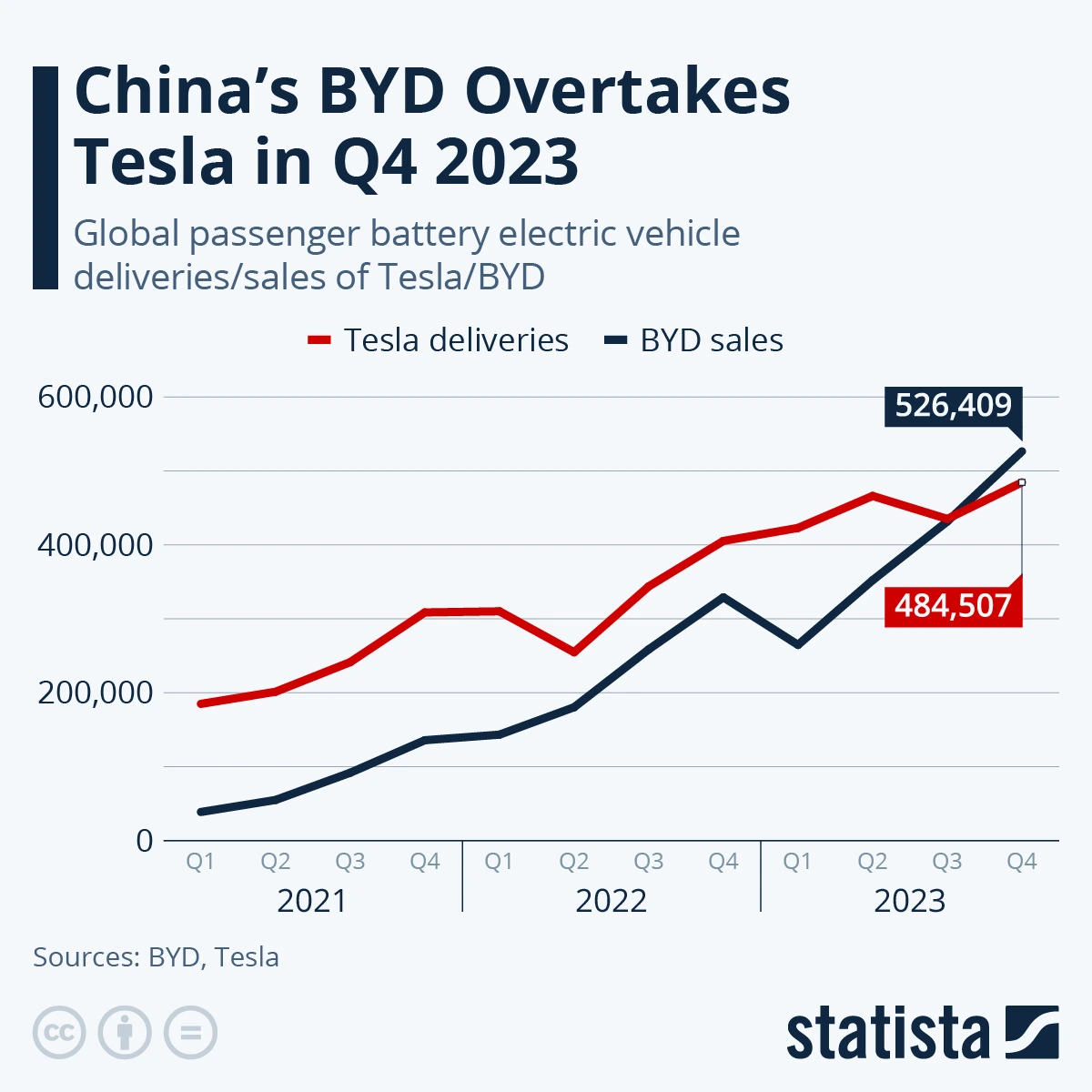
How BYD Is Disrupting the Global Auto Market
The notion that a single company can reshape a century-old industry sounds dramatic, but that is the reality the auto world is grappling with today. BYD, a Chinese manufacturer that started in batteries and mobile phone components, now towers over many expectations as it sells cars at volumes and price points that are forcing incumbents to rethink strategy. This piece looks beyond sensational headlines to explain how BYD’s business model, technological choices, and execution are combining to change the economics of mobility globally — and what that could mean for drivers, competitors, and the broader transition to electric vehicles.
An Unstoppable Ascent: From Shenzhen to the World
BYD’s origin story is essential to understanding its current momentum. Founded as a battery and electronics supplier, the company leveraged strengths in chemistry, manufacturing and mass production to enter automotive manufacturing with more than the average newcomer’s technical fluency. Instead of building cars as a marginal business, BYD embedded automotive design into a vertically integrated industrial playbook that begins with chemistry labs and ends at the dealership.
A background built on batteries
Battery expertise gave BYD two immediate advantages. First, it reduced the company’s exposure to a third-party component market that has historically been a bottleneck for pure-play automakers. Second, BYD could design cars around the battery and optimize vehicles for manufacturing and cost in ways competitors could not. Contrast that starting point with traditional automakers who had to retrofit supply chains originally built for internal combustion engines. The result: BYD moved more quickly and cheaply into the electric era.

BYD Blade Battery technology
Three Pillars of Disruption
At the heart of BYD’s strategy are three mutually reinforcing pillars that explain why it can sell so many cars and at such competitive prices.
- Vertical Integration: BYD controls chemistry, cell production, pack assembly and vehicle manufacturing, which compresses margins at each step and reduces procurement risk.
- Cost Discipline and Scale: Tight cost control, massive production runs, and an ability to amortize R&D and tooling across huge unit volumes yield lower per-unit costs that translate into aggressive retail pricing.
- Product Breadth and Localization: A wide range of models, from affordable city cars to larger SUVs and commercial vehicles, combined with local assembly partnerships, lets BYD tailor offers to diverse markets.
Individually each pillar matters; together they become transformative. Vertical integration, for example, not only lowers cost but accelerates iteration: improvements in cell chemistry can be reflected across vehicle models without lengthy supplier negotiations.

BYD vertical integration factory
The battery as a strategic weapon
BYD’s emphasis on battery innovation is more than marketing. Designing its own cells and packs allows the company to balance cost, safety and energy density in the way it deems optimal for different market segments. That flexibility means BYD can offer lower-cost batteries for mass-market models while reserving higher-performance chemistry for premium lines, squeezing competitors who must buy standardized cells at a premium.
Products and Pricing: Selling the Right Cars at the Right Price
BYD’s car portfolio is notable not for extravagance but for strategic breadth. It offers low-cost entry models that are genuinely affordable to first-time EV buyers, midrange vehicles that compete directly with European and American offerings, and larger high-spec options that attract customers wanting more range and features. Crucially, BYD’s pricing tends to undercut rivals at similar specification levels, which has two effects: it pulls price-sensitive buyers into its orbit and it forces competitors to either lower prices, cut margins, or justify higher prices with markedly superior perceived value.
Pricing is not random. BYD engineers rigid product-cost matrices, focusing on where features deliver incremental value and where they are superfluous to most buyers. The company is adept at removing unnecessary complexity — for example simplifying electronics or using standardized modules — to reduce cost without degrading perceived quality.
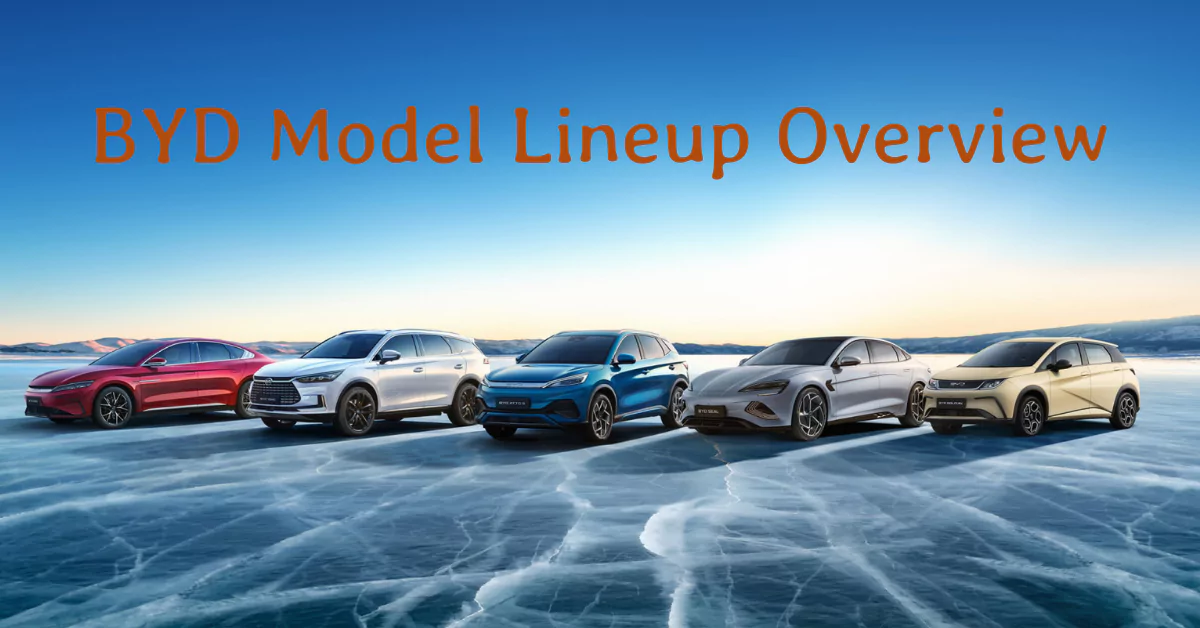
BYD affordable EV lineup
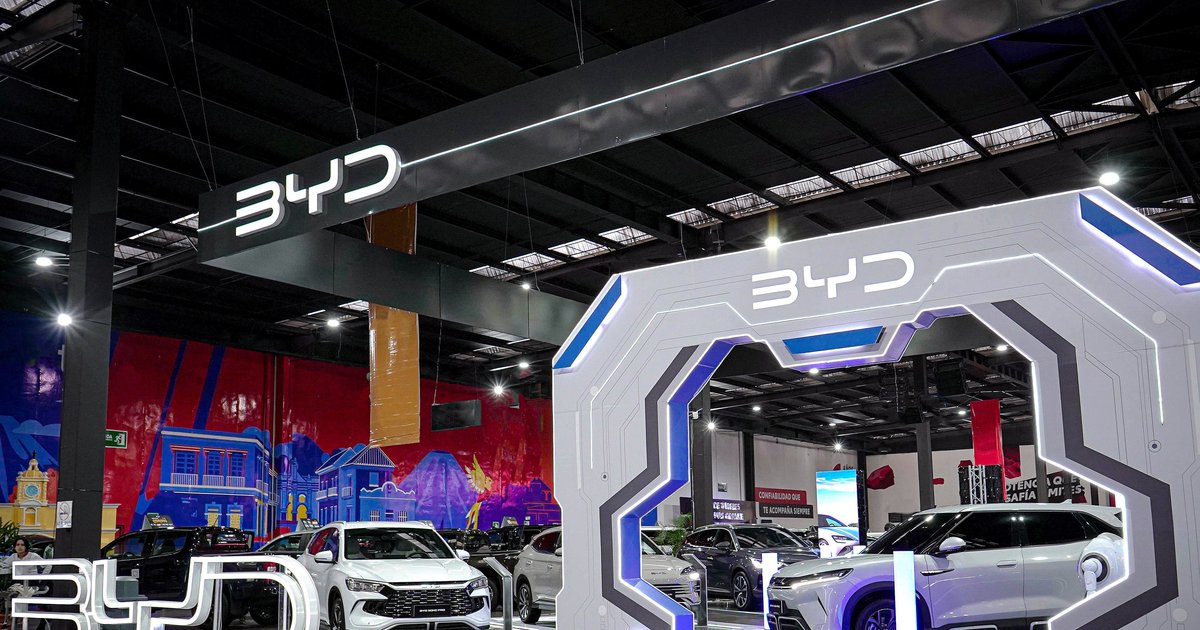
A showroom in a key market, where BYD models compete on price and specification.
Manufacturing, Scale and Supply Chain Advantages
Scale matters in auto manufacturing perhaps more than in any other industry. BYD’s ability to produce at high volume gives it bargaining power with raw material suppliers, allows long production runs that reduce unit setup costs, and justifies investment in automation. The company also pursues geographic diversification for production and assembly, which helps mitigate trade friction and import tariffs while bringing costs down through local sourcing.
From gigafactories to localized plants
Establishing large production campuses — integrated vehicle plants, battery factories, and stamping facilities — lets BYD capture a larger portion of value in-house. For many markets, BYD couples exports with local assembly or joint ventures, which reduces landed cost and increases price competitiveness. Those local partnerships also accelerate market acceptance because they allow for local content, service networks, and capital investment that reassure governments and customers.

BYD Shenzhen headquarters China
What Competitors Are Facing
Incumbent automakers are responding in various ways: accelerating EV plans, cutting prices, or touting brand and safety advantages. But those responses are constrained by legacy factories, dealer networks structured around service for combustion engines, and long contracts with suppliers. Many legacy players have thinly protected margins and cannot absorb prolonged price competition without sacrificing profitability or investment in future products.
Pressure on prices and margins
When a competitor sells comparable specification vehicles for substantially lower prices, the incumbent has three blunt options: match the price (and reduce margin), claim superior value (and risk losing price-conscious buyers), or retreat from segments where it cannot compete. BYD’s position forces many to make hard choices, and those choices often accelerate consolidation or push incumbents to seek alliances and new joint ventures in emerging markets.
Global Expansion: Strategy, Opportunities and Local Dynamics
BYD’s expansion is strategic rather than scattershot. It targets markets with growing EV demand where price sensitivity is high, then layers in models that match local preferences. Beyond product fit, BYD often cooperates with local distributors, sets up assembly lines, or enters joint ventures that reduce political and trade risk. The company’s approach has opened doors in regions where European premium brands once seemed unassailable: in parts of Asia, Latin America, Africa and select European markets, buyers are responding to a value proposition that lowers the total cost of ownership for electric mobility.
Winning in emerging markets
Emerging markets are fertile ground for BYD because affordability and total cost of ownership are paramount. A lower-priced EV that avoids expensive maintenance and fuel costs becomes an attractive alternative to older combustion models. By tailoring features, offering financing solutions, and supporting charging infrastructure projects, BYD often converts price sensitivity into brand adoption.
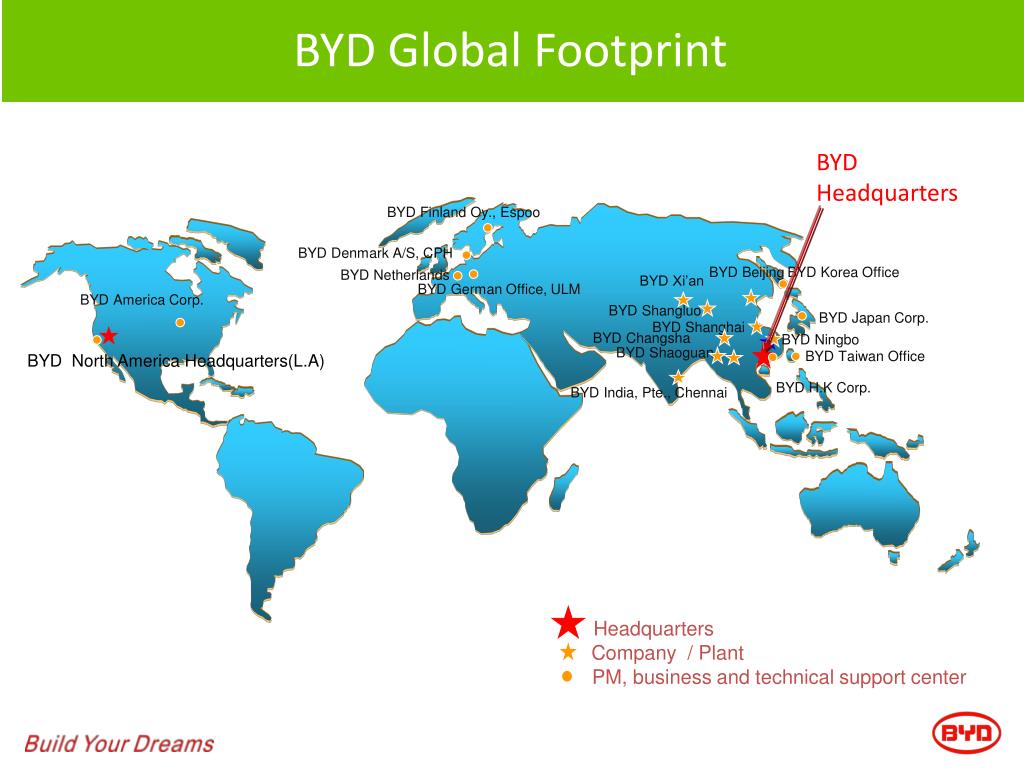
BYD global expansion map
Risks, Limits and the Path Ahead
No disruption is without limits. BYD faces challenges that could slow or reshape its trajectory. First, global brand perception and premium positioning remain works in progress; while volume solves many problems, premium buyers often value intangible qualities — brand cachet, dealer experience, software ecosystems — that take time to build. Second, concentration in certain supply chains (for example raw materials) remains a vulnerability even for vertically integrated firms. Third, as competitors invest in technology and localization, BYD will find its pricing advantage harder to sustain in some markets.
Regulation, trade and geopolitical headwinds
International expansion brings regulatory scrutiny and political attention. Some governments will prefer local manufacturing or impose stricter regulations on foreign brands. Tariffs, environmental standards, and data governance rules could complicate market entry. BYD’s ability to form local partnerships and adapt to regulatory landscapes will be decisive.
BYD supply chain raw materials
Consumer Impacts: Winners and Losers
For consumers, BYD’s disruption is mostly good news in the near term. Lower prices and more model choices lower the barrier to EV adoption, accelerate charging infrastructure investment through higher vehicle counts, and provide competitive pressure that can broaden feature availability across the market. However, there are secondary effects: smaller dealerships for legacy brands may close, certain service jobs could be lost or restructured, and some local suppliers may face pressure or consolidation.
- Positive: Increased affordability, faster EV adoption, broader model choices, downward pressure on operating costs for drivers.
- Negative: Short-term pressure on dealer networks, potential job dislocation in legacy supply chains, and tightening margins for competitors that may affect long-term innovation funding.
What Incumbents Can Do
Incumbents are not helpless. Several strategic responses can blunt BYD’s momentum or position traditional automakers to compete effectively:
- Invest in their own vertical strengths: strategic ownership or long-term partnerships in battery and cell manufacturing that reduce dependence on external suppliers.
- Focus on differentiated value: emphasize software, user experience, safety, brand premium and aftersales service where price is not the only deciding factor.
- Lean into local manufacturing: develop localized production and sourcing to avoid tariffs and reduce landed costs in key markets.
- Architect product lines smartly: choose where to compete on price and where to defend margin by doubling down on unique offerings.
Companies that combine operational efficiency with clear product differentiation stand the best chance of surviving and thriving amid disruption.
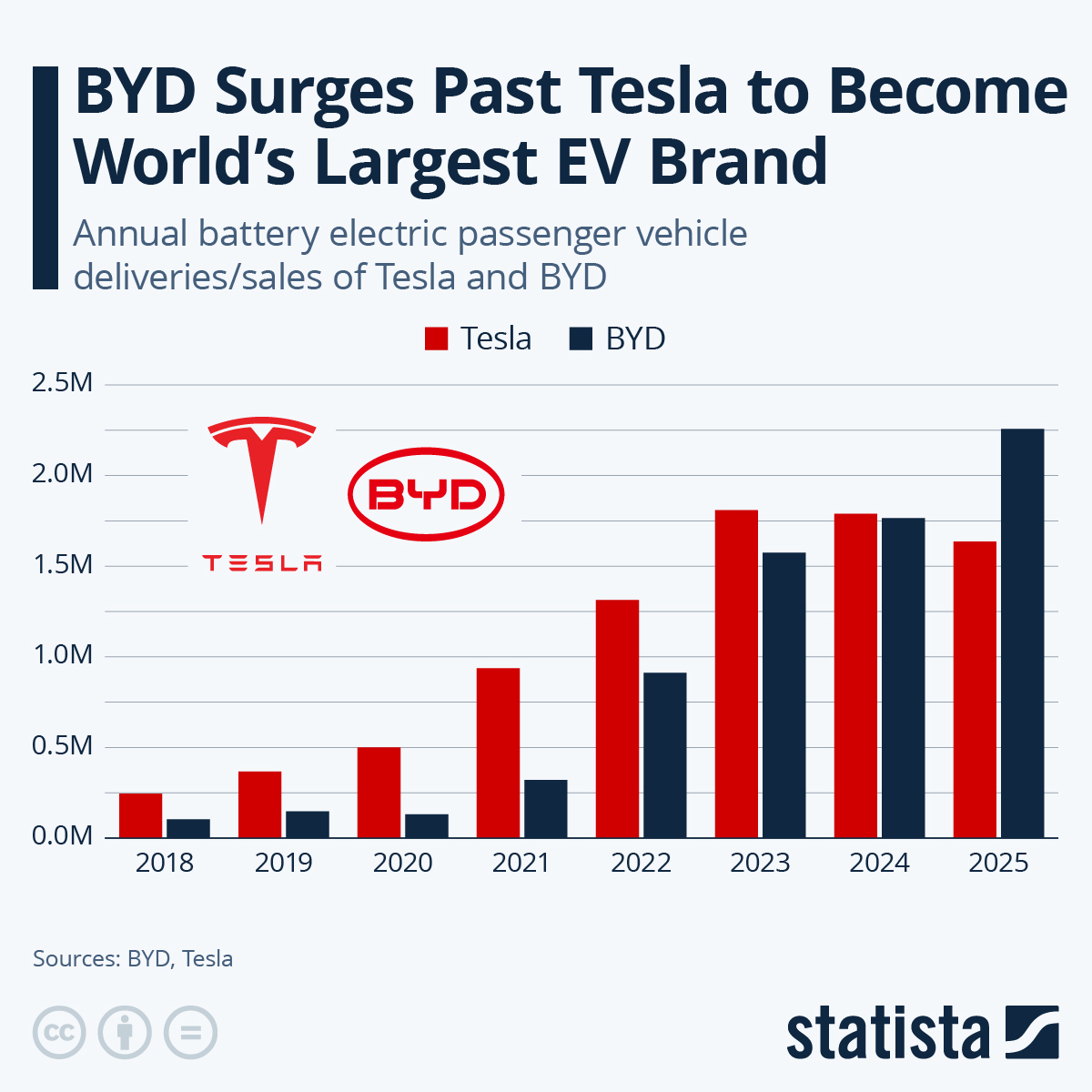
BYD vs Tesla competition
Longer-Term Outlook: Consolidation, Choice and Climate
Looking out across the next decade, BYD’s aggressive strategy is likely to accelerate three trends. First, consolidation: smaller players and those unwilling to transform will either be acquired or exit less profitable segments. Second, consumer choice: a wide range of competitively priced EVs will become the norm, not the exception. Third, climate impact: faster adoption of electric vehicles could contribute meaningfully to emissions reductions if the power systems that charge those vehicles decarbonize in parallel.
The sustainability paradox
One important nuance is that EV adoption alone is not sufficient to achieve climate targets. The carbon intensity of electricity, the lifecycle emissions of battery production and end-of-life recycling all matter. BYD’s integration into battery production gives it an opportunity to improve lifecycle outcomes, but it also increases responsibility: how cells are sourced, how manufacturing emissions are managed, and how batteries are recycled will shape the company’s environmental footprint over time.
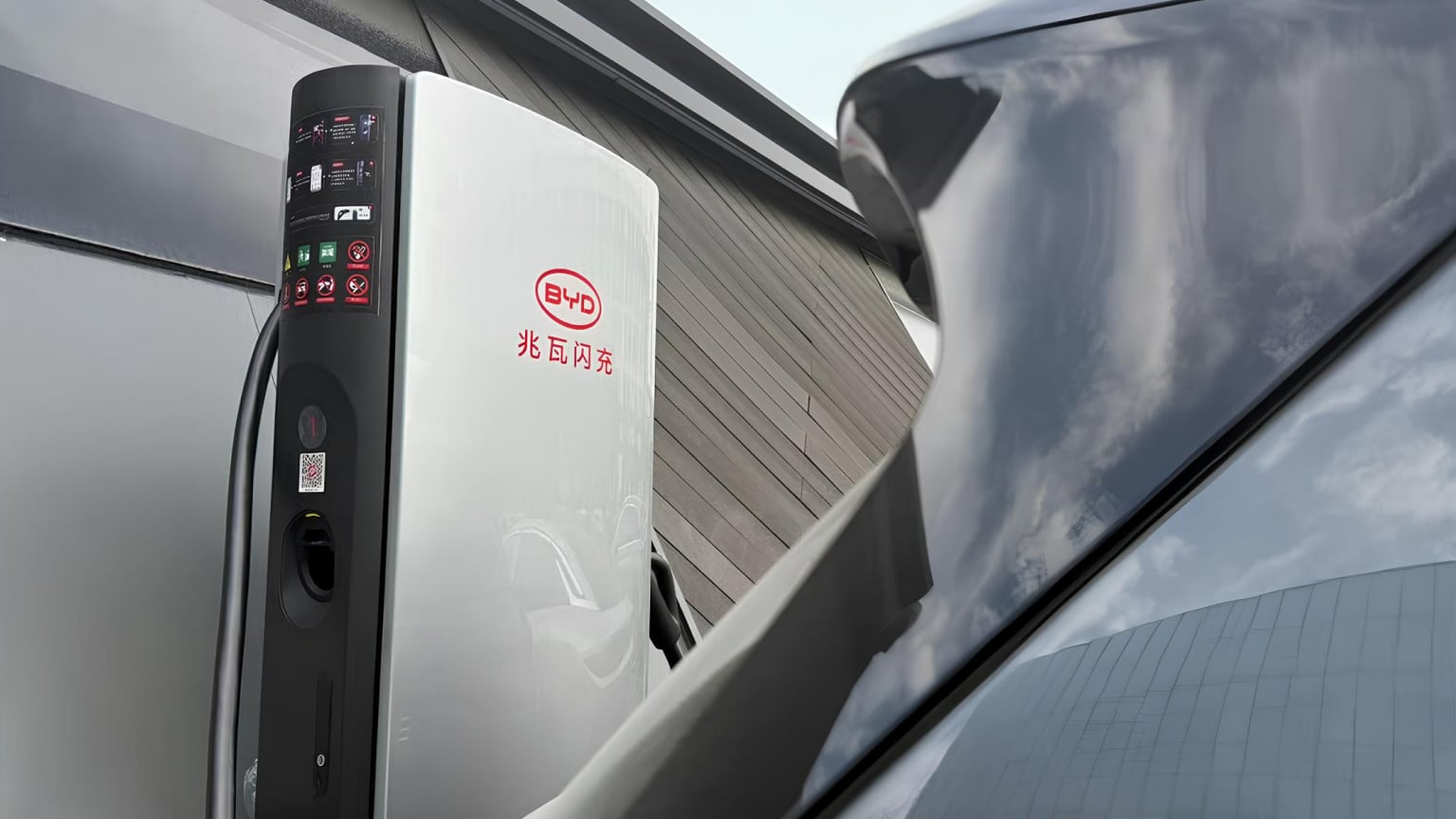
BYD electric vehicle charging station
Conclusion: Disruption That Forces Better Choices
To say BYD is "destroying" the market is more rhetoric than analysis. A more precise characterization is that BYD is restructuring the market’s economics — lowering price points, forcing competitors to be more efficient, and expanding EV availability to previously underserved buyers. That pressure will cause short-term dislocation, but it also accelerates a transition that many policymakers and climate advocates want to see. The ultimate winners will be companies that combine operational excellence with clear customer value, and the ultimate beneficiaries will likely be drivers who can now choose affordable electric transportation at scale.
For industry watchers, the story is not finished. BYD’s playbook — battery-first engineering, vertical integration, and price-led expansion — is replicable only with capital, discipline, and time. Competitors that invest wisely, build partnerships, and focus on differentiated experiences can blunt the impact. For consumers, the immediate effect is undeniable: more accessible EVs, more competition, and a marketplace that rewards efficiency and value.
Key takeaways
- BYD’s advantage stems from integration: owning chemistry, cells, packs and vehicle production reduces cost and accelerates iteration.
- Price pressure is strategic, not accidental: BYD targets affordability to accelerate volume and scale.
- Incumbents must adapt: through vertical investment, differentiation, or localized manufacturing.
- Consumers gain options: lower costs and broader EV choices are immediate benefits.
- Risks remain: brand perception, supply chain exposure and geopolitical factors could slow expansion.
BYD’s rise is a case study in modern industrial strategy: technical depth converted into market power. Whether you see that as destruction or renovation depends on where you sit — as a legacy automaker, a supplier, or a buyer. What matters is that the automotive landscape has shifted, and the choices made in the next few years will determine who thrives in the new electric era.