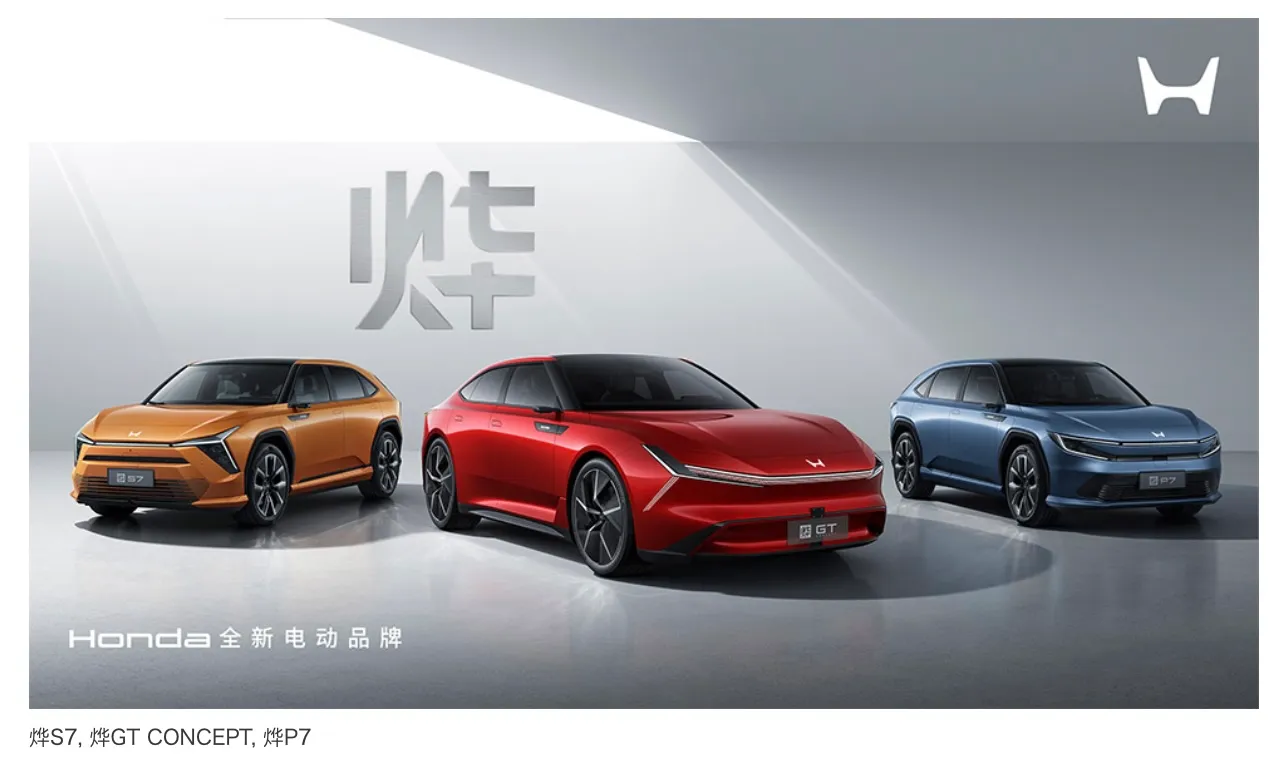
Honda President: 'No Chance Against This' — China's Auto Edge
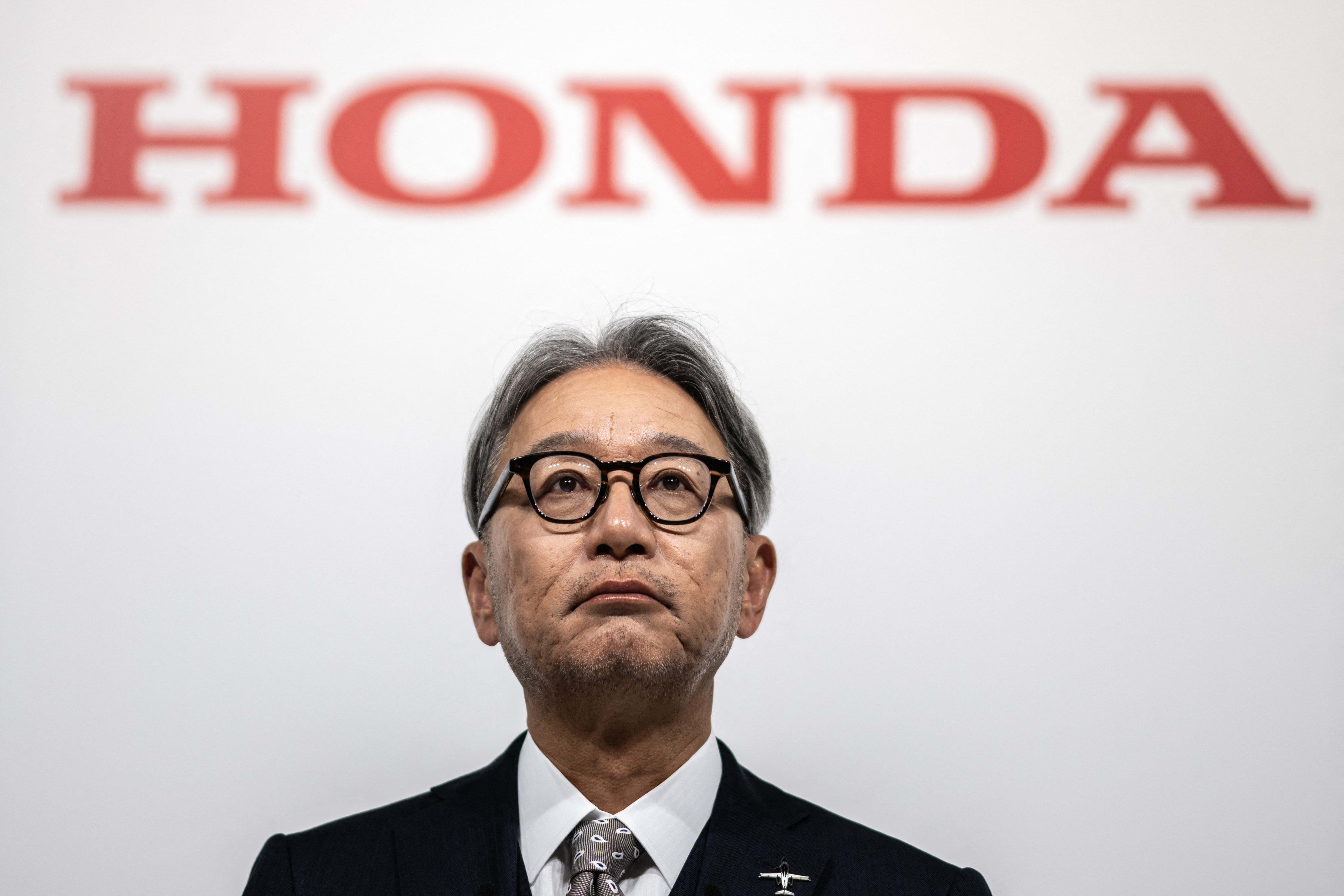
Honda president Toshihiro Mibe
The picture that emerges from a single factory floor can be unsettling. An intimate tour of stamping presses, robot cells and a battery assembly line left Honda’s president with a verdict he did not sugarcoat: "We have no chance against this." Whether uttered with frustration, respect, or a mixture of both, that line crystallizes a broader reality that has been building in plain sight—the rapid industrial maturity of China’s auto ecosystem and the stress it places on established global carmakers. This story explores why one visit could yield such a blunt appraisal, what it says about supply chains, and how legacy manufacturers must adapt if they hope to compete.
Scale and Speed: The Manufacturing Shock
Step one in understanding the comment is scale. Over the past decade Chinese manufacturers have turned high-volume production into a competitive weapon. Gigafactories for batteries, sprawling compound plants that integrate stamping, body-in-white, paint, and final assembly, and supplier parks where multiple tier‑one and tier‑two players cluster—all of these reduce cycle times and lower logistics costs. For an executive used to fragmented supplier networks and conservative capacity builds, seeing the sheer throughput of some Chinese operations can be a revelation.
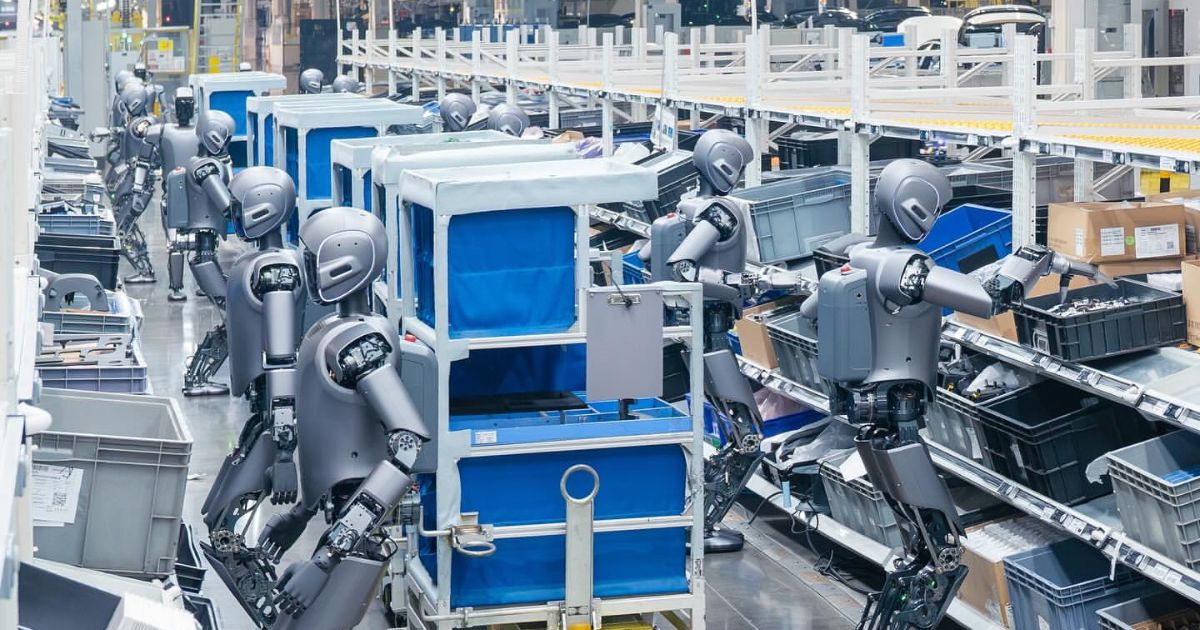
Chinese automotive factory robots
But scale alone doesn’t explain the level of unease. Speed—how quickly a design can move from concept to production maturity—is equally crucial. Modular platforms, standardised EV architectures and a willingness to rapidly iterate mean Chinese players can compress product cycles. Where a legacy automaker might take several years and multiple committees, some Chinese companies iterate in months, leveraging digital development tools, in-house battery and motor production, and tight supplier alignment.
Vertical Integration and Supply Chain Mastery
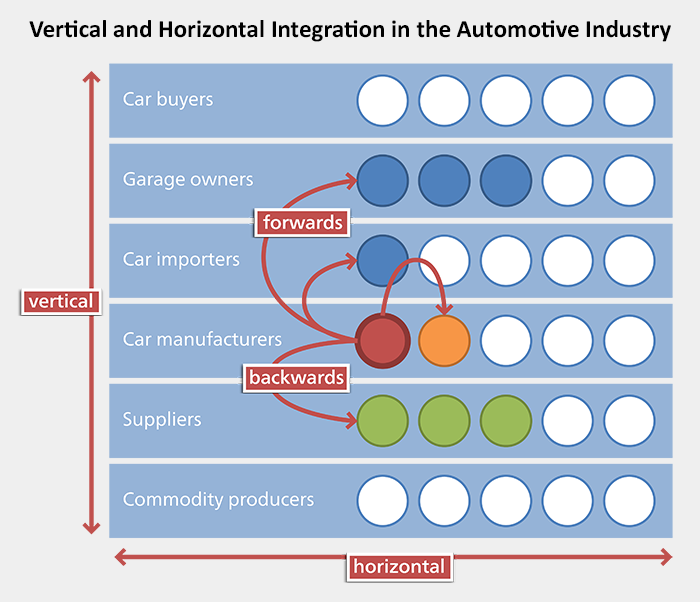
One of the most striking shifts is vertical integration. Chinese OEMs and leading suppliers have invested aggressively in battery cells, electric motors, power electronics and even semiconductor packaging. This reduces exposure to external shocks and improves margin control. In many cases a supplier that once specialized in seat frames now offers electrical architectures and software modules. For Honda and others, that means traditional supplier relationships—long-term contracts, safety-of-supply assumptions and incremental cost reductions—no longer look the same.
Cost — Not Just Labor, But Total Cost of Ownership
When executives say they can’t compete, they are rarely talking only about labor rates. The competitive pressure comes from a holistic cost advantage: lower capital intensity from scalable plants, domestic availability of batteries and components, streamlined logistics within supplier clusters, and often favourable local incentives. Add in a focus on highly automated lines with lower per-unit overhead, and the result is an ability to undercut prices while maintaining margins—especially on mass-market EVs.
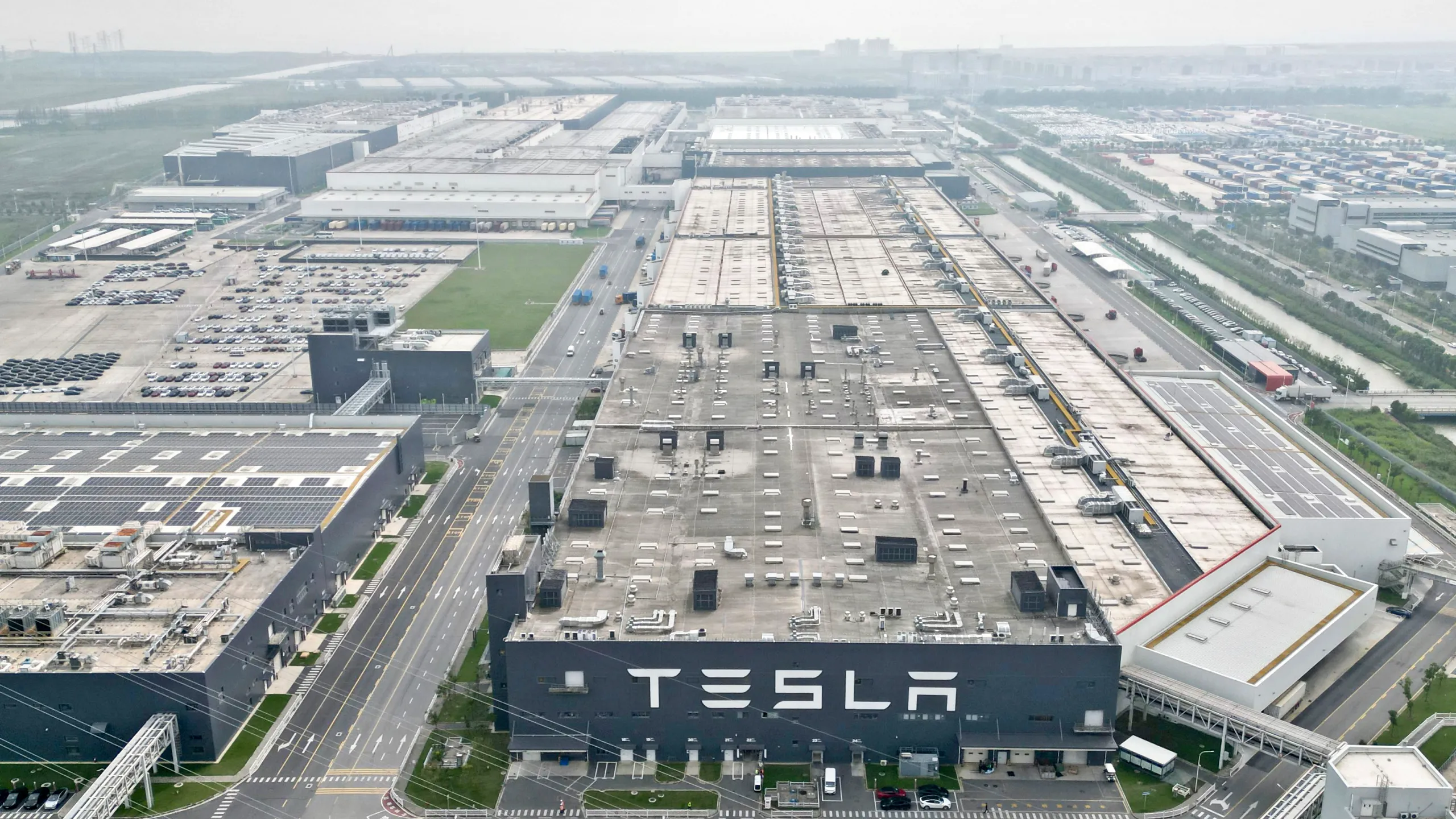
EV battery gigafactory China
There is also a downstream effect. As Chinese brands become more competitive on both price and product, they capture volume. Higher volumes translate to deeper learning curves and lower production costs—an almost self-reinforcing loop that widens the gap unless competitors find structural ways to respond.
Software, Data and the New Differentiators
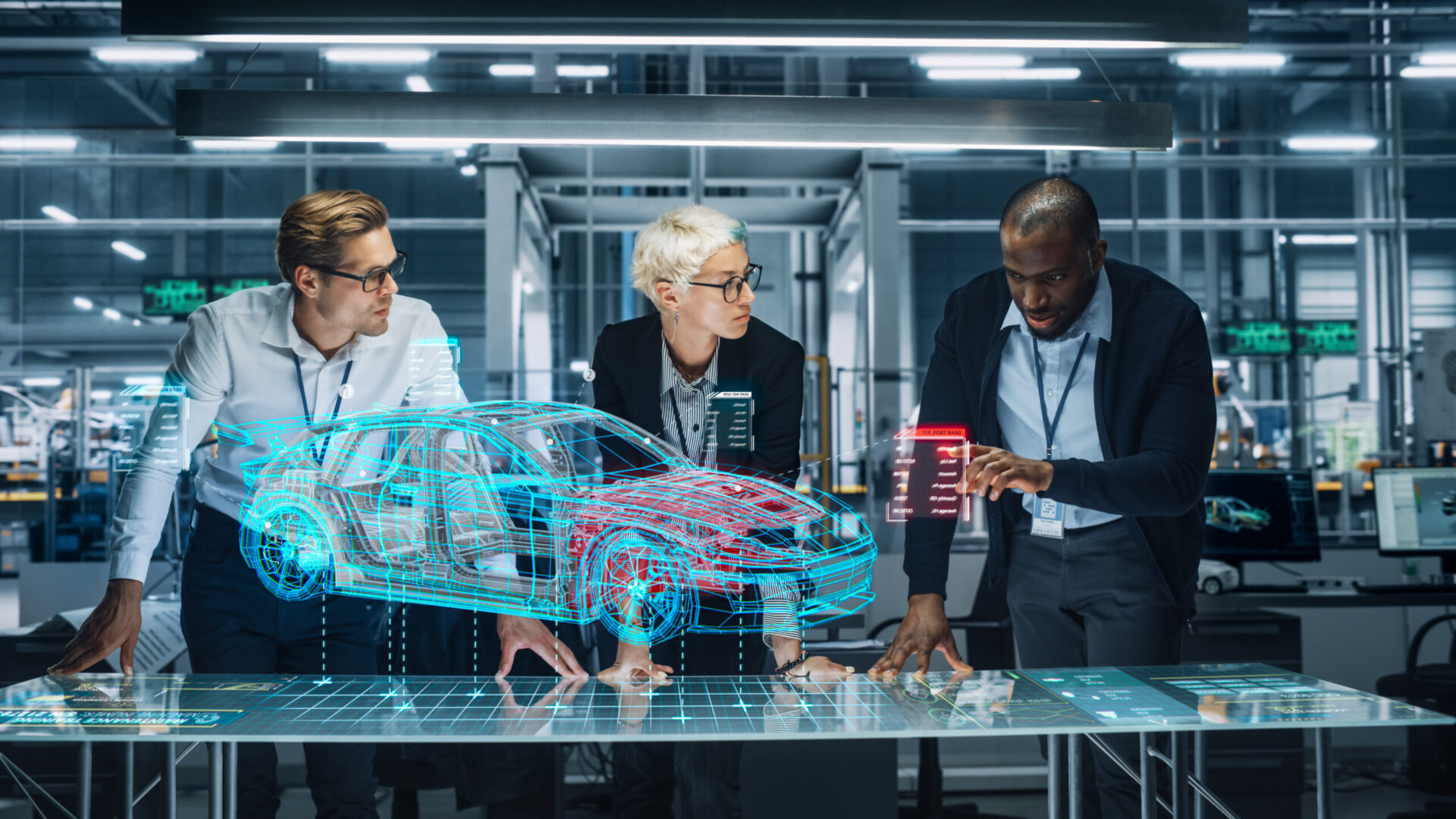
The auto industry is no longer mechanical first and software second; it is software-first for many new entrants. The company the Honda president visited likely demonstrated integrated vehicle software, over-the-air update ecosystems, and data-driven development processes that blur the line between carmaker and tech company. Chinese startups and incumbent local OEMs are particularly aggressive about owning the software stack—infotainment, ADAS features, battery management—and connecting products to services that lock in customers.
automotive software development team
For manufacturers rooted in decades of mechanical excellence, building that software competency is a profound organizational challenge. It demands different talent, different supplier relationships and different approaches to IP and customer engagement. Falling behind here means not just losing on features, but losing the ability to iterate and monetize vehicles across their lifecycle.
"Scale and software together create a force multiplier—what looks like a factory tour becomes a strategic inflection point."
Policy, Local Markets and the Geopolitical Context
Government policy has played a role, too. China’s industrial policy has long favoured electrification, battery development and domestic supply chains. Incentives—tax breaks, land and financing—have helped build dense industrial clusters. The result is not merely cheaper cars; it is an ecosystem that supports experimentation and rapid scaling at a lower marginal political and economic cost than many foreign rivals can stomach.
car manufacturing vertical integration
That reality is complicated by geopolitics. Tariffs, export controls and the political will to restrict certain technologies are variables that global automakers must navigate. For Honda the challenge is less about a single factory visit and more about a strategic mismatch: Chinese players operate in a highly supportive domestic market that amplifies competitive advantages.
Where Honda's Traditional Strengths Still Matter
Before this becomes a story of doom, it’s important to remember what legacy automakers like Honda still bring to the table: decades of systems engineering, reliability standards, global distribution networks, and manufacturing quality that consumers trust. Honda’s expertise in small-displacement combustion engines, hybrid systems and efficient production techniques remains valuable—especially in markets where charging infrastructure and regulations vary widely.
But those strengths must be translated into the new language of EV platforms, software-defined vehicles and ecosystems of services. Simply doubling down on past advantages without significant structural change risks incremental irrelevance.
Practical Responses — Strategy Options for Survival and Revival
What, then, should Honda and comparable automakers do? The options fall into a few pragmatic categories:
- Accelerate partnerships and M&A: Acquire or partner with battery, semiconductor, and software firms to build missing capabilities quickly.
- Platform consolidation: Move to fewer, highly flexible EV platforms to achieve higher volumes and lower per-unit costs.
- Localization: Build deeper supplier ecosystems in key markets or partner with local suppliers to capture cost and speed advantages.
- Software-first transformation: Invest in in-house software teams and cultivate agile development and over-the-air capabilities.
- Selective vertical integration: Identify strategic components—batteries, power electronics, ADAS modules—where owning production materially improves cost or time-to-market.
Each path has trade-offs. Partnerships are faster but can dilute control; M&A is capital-intensive and risky; vertical integration reduces supplier flexibility. The right mix will depend on corporate appetite for change and the urgency of competitive pressures.
A Closer Look: What Really Happens on the Shop Floor
To translate abstract strategy into action, consider the differences visible on the shop floor. A Chinese supplier park often features:
- Co-located suppliers: Reduced transit times for subassemblies.
- Integrated testing lines: Rapid feedback loops between component and vehicle-level tests.
- Cross-trained labor and robotics: Flexible cells that can shift between subcomponents.
- Data-integration across supply chain: Real-time yield and defect tracking tied to central planning systems.
The Consumer Angle: Price, Features, and Trust
Consumers ultimately decide winners. If Chinese-branded vehicles offer comparable reliability, better connectivity, and substantially lower price points, they will win fast in price-sensitive segments. In premium segments, heritage and brand trust still carry weight—but even there, software and EV capabilities are rapidly eroding traditional brand moats.
automotive supplier partnership meeting
Legacy automakers must therefore balance preserving brand equity with pragmatic product changes: offer seamless connected services, guarantee software update policies, and provide ownership experiences that mirror tech-native competitors.
What This Means for Global Competition
We can think of the visit—and the president's remark—not as a defeatist confession but as a strategic wake-up call. Industrial leadership in automobiles is no longer about a single OEM's factory prowess. It is about ecosystems: how batteries, software, production, talent and policy combine to deliver cheaper, better, and faster products. That ecosystem advantage creates a durable headwind for those who fail to respond.
For policymakers and investors, the implications are clear. Nations that want to maintain competitive automotive industries must invest in skills, R&D, supply chain resilience, and regulatory frameworks that encourage domestic scale without isolating markets entirely. For investors, the winners will be those who understand which parts of the stack—batteries, software, platforms—offer the highest economic rent.
Conclusion: From Alarm to Action
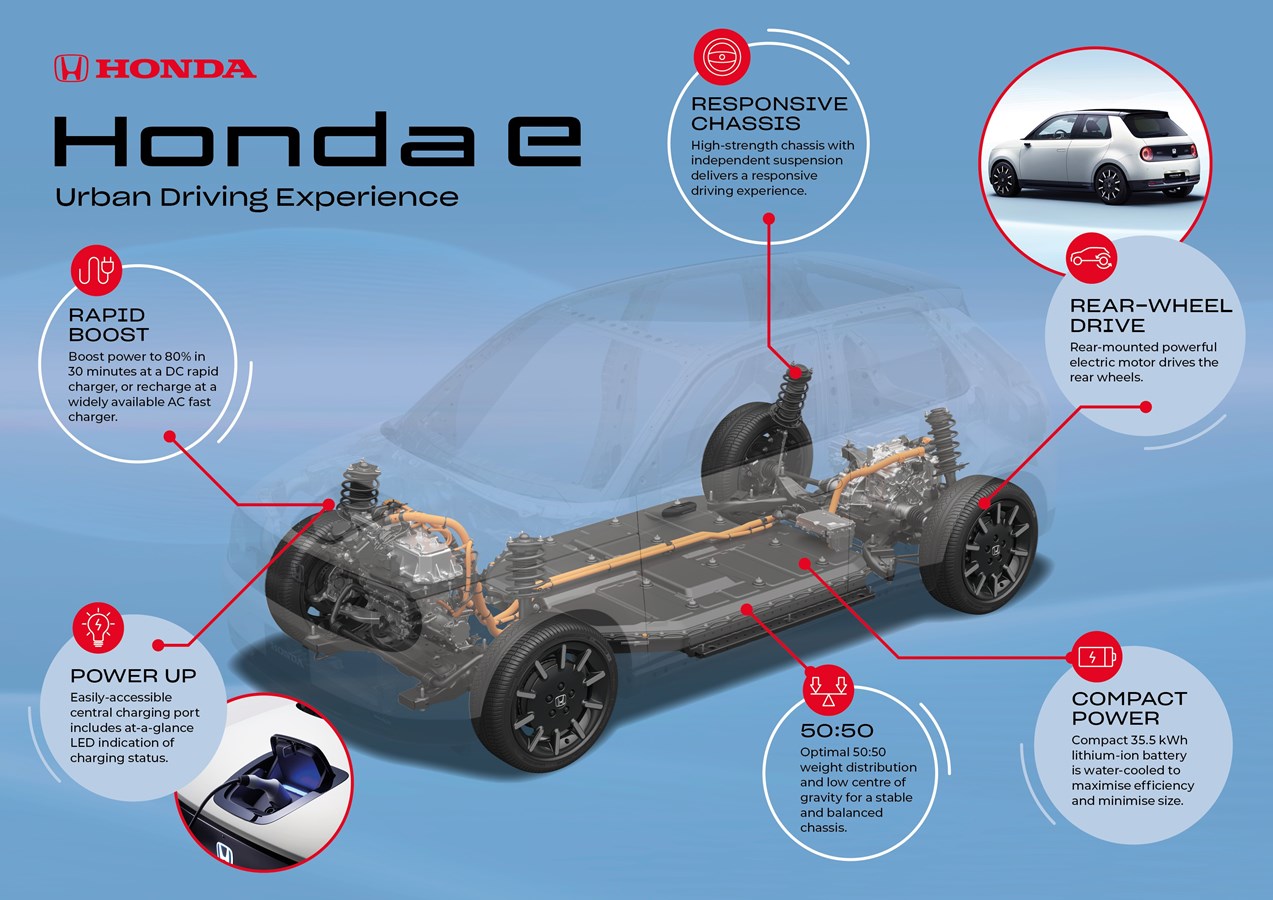
The bluntness of "We have no chance against this" is grim, but its value lies in clarity. Recognition is the first step toward strategy. Honda and other established automakers are not doomed, but they are at an inflection point. Those that treat Chinese industrial progress as a competitive spur rather than an existential threat will reorient their investments and talent to where the market is moving—toward integrated supply chains, software-driven vehicles and scalable EV economics.
The alternative is a slow erosion of market share, margin and influence. If a single factory tour can reset the perspective of a company president, it should reset the priorities of boardrooms and policymakers around the world. The question now is how, and how fast, incumbents will move.
Honda electric vehicle platform
- China’s auto ecosystem combines scale, speed and vertical integration to create a durable competitive advantage.
- Legacy strengths—quality, engineering, global networks—remain valuable but must be retooled for software and electrification.
- Practical responses include partnerships, selective vertical integration, platform consolidation and heavy investment in software.
- Winners will be firms that balance speed of execution with strategic capital allocation and ecosystem building.