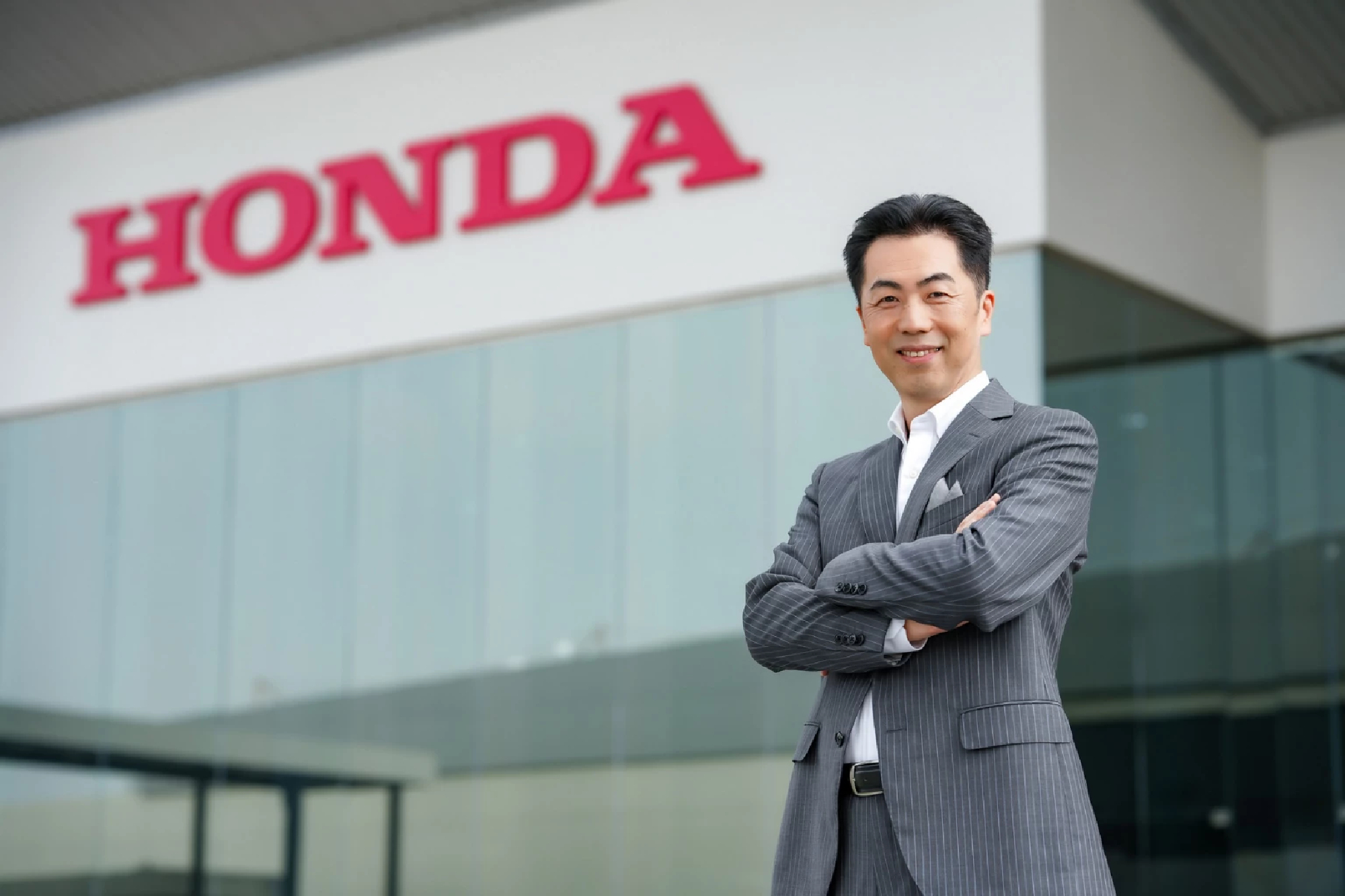
Honda Exec: 'We Have No Chance' After Visiting Chinese Supplier
The moment a senior Honda executive reportedly stood inside a sprawling Chinese parts factory and said, "We have no chance against this," it crystallized something many industry watchers have worried about for years: the scale, speed, and integration of China's automotive supplier base has shifted the competitive landscape in ways that legacy automakers can no longer ignore. Whether the quote is taken literally or as a dramatic shorthand for reality, the visit and the reaction illuminate how global carmakers must now confront a multi-dimensional competitor that spans manufacturing, software, batteries and logistics.
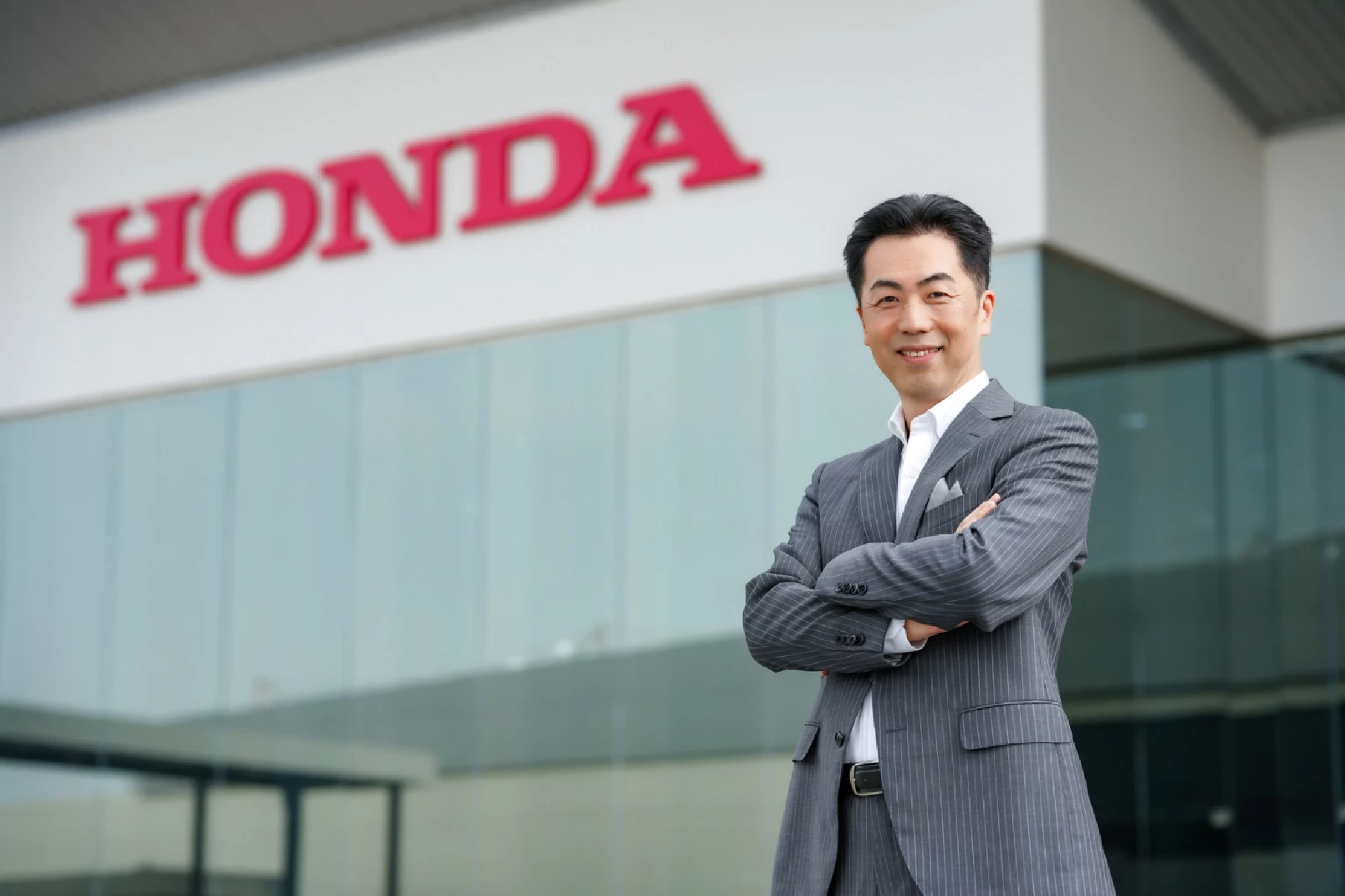
Honda automotive executive
'Scale without apology, iteration without pause — that combination is remaking the rules of mobility.'
WHAT THE VISIT REVEALED
A factory that looks like an ecosystem
Walking through a modern Chinese supplier campus is no longer like visiting an ordinary parts plant. The largest facilities now resemble industrial ecosystems: stamping, casting, battery assembly, electronics integration, software teams and logistics hubs co-located on contiguous acreage. That physical proximity allows suppliers to collapse lead times, synchronize R&D with manufacturing, and iterate product features in weeks rather than months. For an executive used to siloed supply chains and sequential handoffs, the difference is stark.
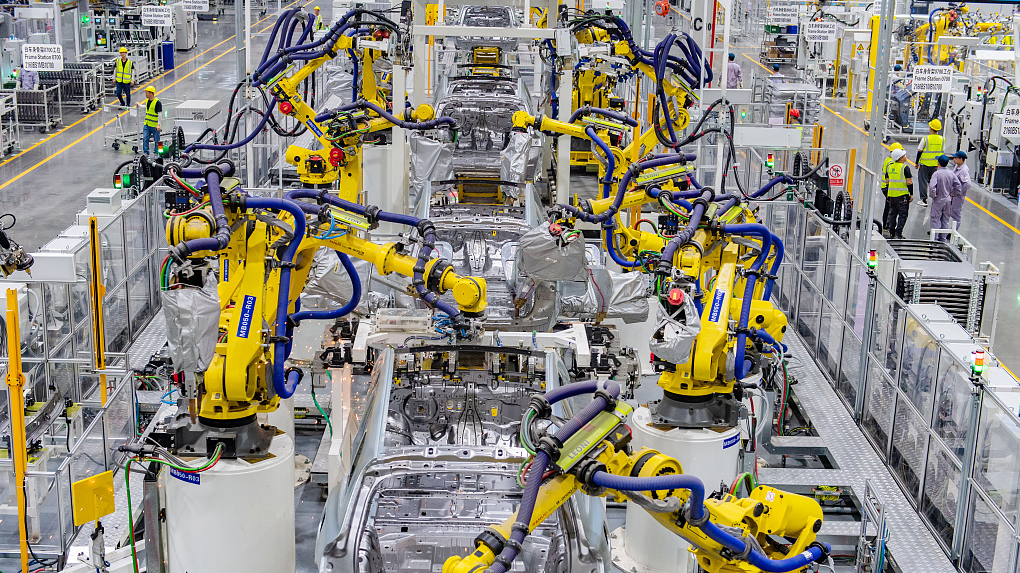
Chinese auto supplier factory
Automation plus human craft
High levels of automation — robotics, vision systems, networked conveyors — coexist with dense lines of skilled technicians focused on calibration, software tuning and quality assurance. The result is a throughput advantage without sacrificing increasing complexity: electric drive units, battery packs, high-voltage wiring harnesses and vehicle-control software can be validated on the same campus. This reduces the friction of integrating new technologies into production vehicles.
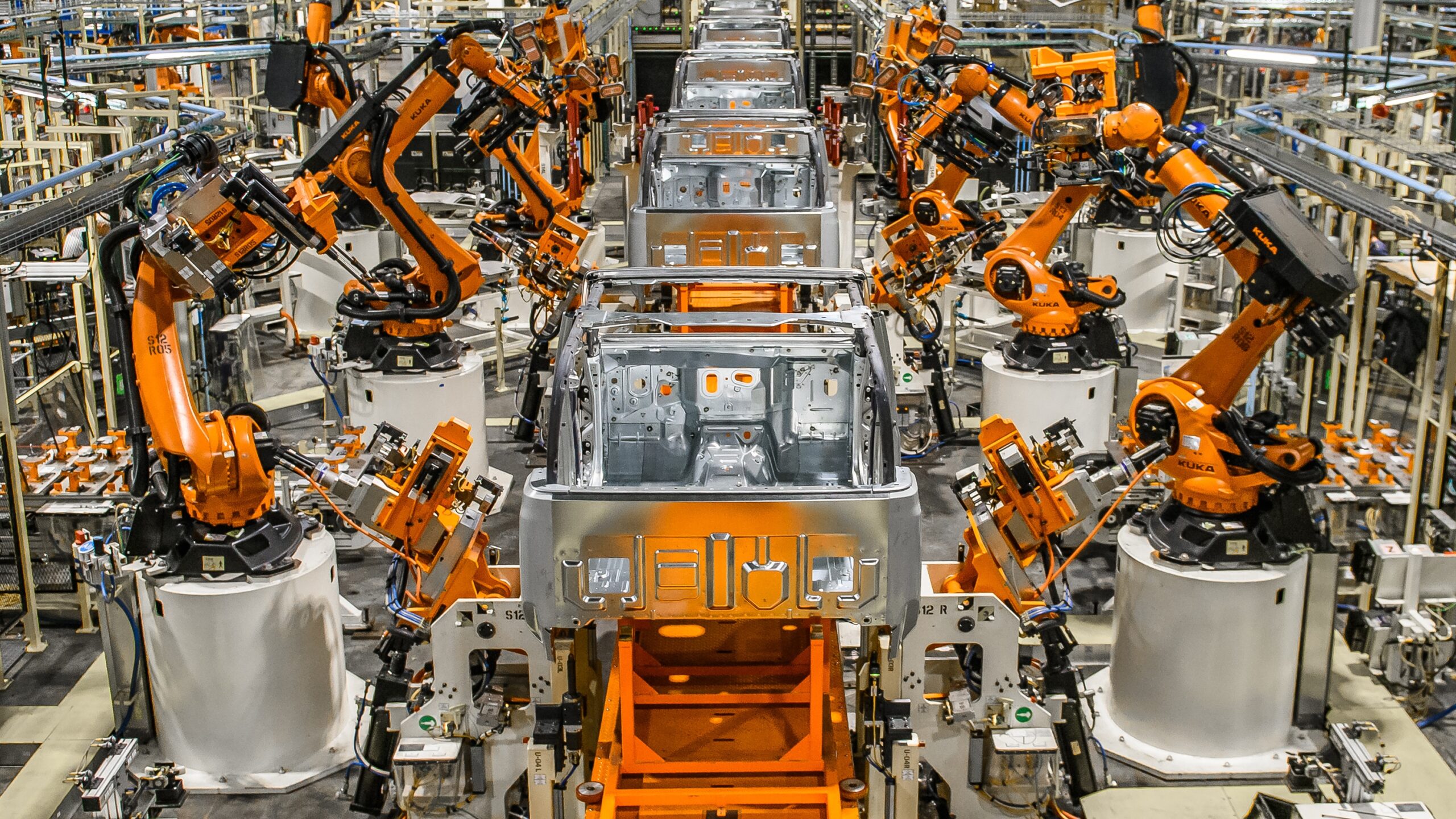
automotive manufacturing robotics
An end-to-end supply play
Another revelation is the degree of vertical integration. Suppliers that once specialized in one component now build entire modules and even systems. Instead of selling a bracket or sensor, they deliver complete drive modules, battery systems, or cockpit electronics — ready for vehicle-level integration. For automakers accustomed to orchestrating dozens of niche suppliers, this shift means partners can now supply turnkey solutions and capture more value.
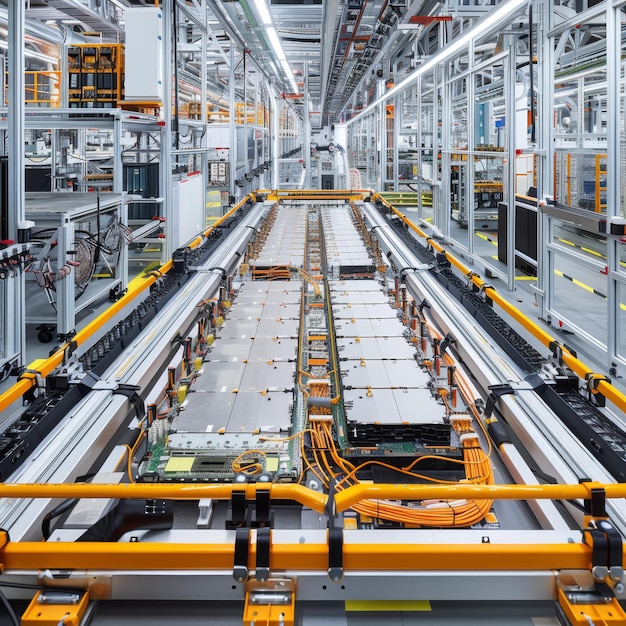
EV battery assembly line
WHY THIS MATTERS TO HONDA AND OTHERS
Cost, speed and the new cost of entry
Scale drives cost advantages. When a supplier builds tens of thousands of identical modules a month, amortized toolings, process improvements, and iterative learning reduce per-unit costs rapidly. In EVs, where the battery and powertrain dominate vehicle cost, being able to lower component costs by double-digit percentages over a short period tilts the economics decisively. For established automakers that rely on legacy architectures and smaller production runs, catching up is not just a question of adjusting margins — it is a structural disadvantage.
Product cycles compress
Chinese suppliers and their partner automakers have shown an ability to iterate vehicles and components at a cadence that was rare a decade ago. This faster feedback loop — informed by real-world data, close supplier-manufacturer integration, and aggressive software updates — shortens the time from prototype to profitable mass production. Legacy development cycles, which once measured hardware changes in years, now look lethargic by comparison.
Scale of the home market accelerates capability
China is the largest vehicle market in the world, and the sheer scale of demand — especially for EVs — gives suppliers an incubator for volume learning. High domestic demand creates a virtuous loop: suppliers can invest in capacity and R&D with lower commercial risk because Chinese OEMs can absorb large volumes quickly. For foreign automakers exporting from smaller domestic markets, the pace of investment and risk tolerance looks daunting.
THE CHINESE SUPPLIER PLAYBOOK
Ecosystem-first investments
Chinese industrial strategy has emphasized building ecosystems rather than isolated champions. Suppliers, component makers, battery manufacturers and software startups operate in overlapping networks supported by local capital, logistics, and workforce pipelines. That ecosystem mentality lowers barriers to rapid scaling: when partners can be found nearby and financing is accessible, projects move faster and testing becomes continuous.
Platformization and modular thinking
Standardized platforms and modular subsystems are used to spread development costs across multiple models. That platform thinking reduces the incremental cost of launching variants and enables new entrants to offer competitive features at lower prices. For suppliers, mastering a modular subsystem positions them to become indispensable to multiple carmakers at once.
Software-first engineering
Top suppliers now embed software teams into their hardware development cycles. The result is that many components ship with extensive built-in diagnostics, OTA (over-the-air) update capability, and integration hooks for vehicle operating systems. When suppliers deliver systems that are software-aware from day one, the automaker's integration job is simplified and the end-user experience can be upgraded continuously.

automotive software development team
STRENGTHS — AND WHAT THEY DON'T SOLVE
Quality has improved, but perception lags
One reason Western executives remain cautious about acknowledging Chinese capability is perception: for years, lower-cost suppliers from China were associated with lower-quality parts. That blanket perception no longer fits. Many Chinese suppliers operate to global quality standards, and a new generation of engineers and managers trained on international programs has closed many gaps. Perception will change faster if global automakers visibly certify and adopt these systems.
Intellectual property questions remain
Concerns about IP protection and transfer are real and politically salient. The pathway for foreign automakers to safely integrate Chinese subsystems into global architectures requires careful legal structures, clear tech guardrails, and often, co-investment models that preserve competitive advantages. These arrangements are workable, but they add friction and strategic complexity.
Geopolitical and concentration risks
Heavy reliance on concentrated supplier capacity in any single country carries risks: policy shifts, tariffs, export controls, or supply disruptions can quickly cascade. Automakers must weigh the immediate economic benefits of working with scaled Chinese suppliers against medium-term geopolitical volatility.
ACTIONS HONDA AND OTHER LEGACY OEMS CAN TAKE
Double down on strengths: brand, quality, and global network
Brands with decades of customer trust can leverage that strength by focusing on areas that are not easily commoditized: ownership experience, dealer networks, service quality and high-reliability engineering. Premium positioning, where consumers pay more for perceived longevity and trust, remains a hedge against low-cost competition.
Form strategic partnerships — not just supplier contracts
Where cost or capability gaps are material, strategic partnerships or joint ventures can be a faster route to parity than internal greenfield projects. Co-investing in capacity, sharing R&D platforms, and establishing clear IP frameworks can create win-win relationships that accelerate learning while protecting core assets.
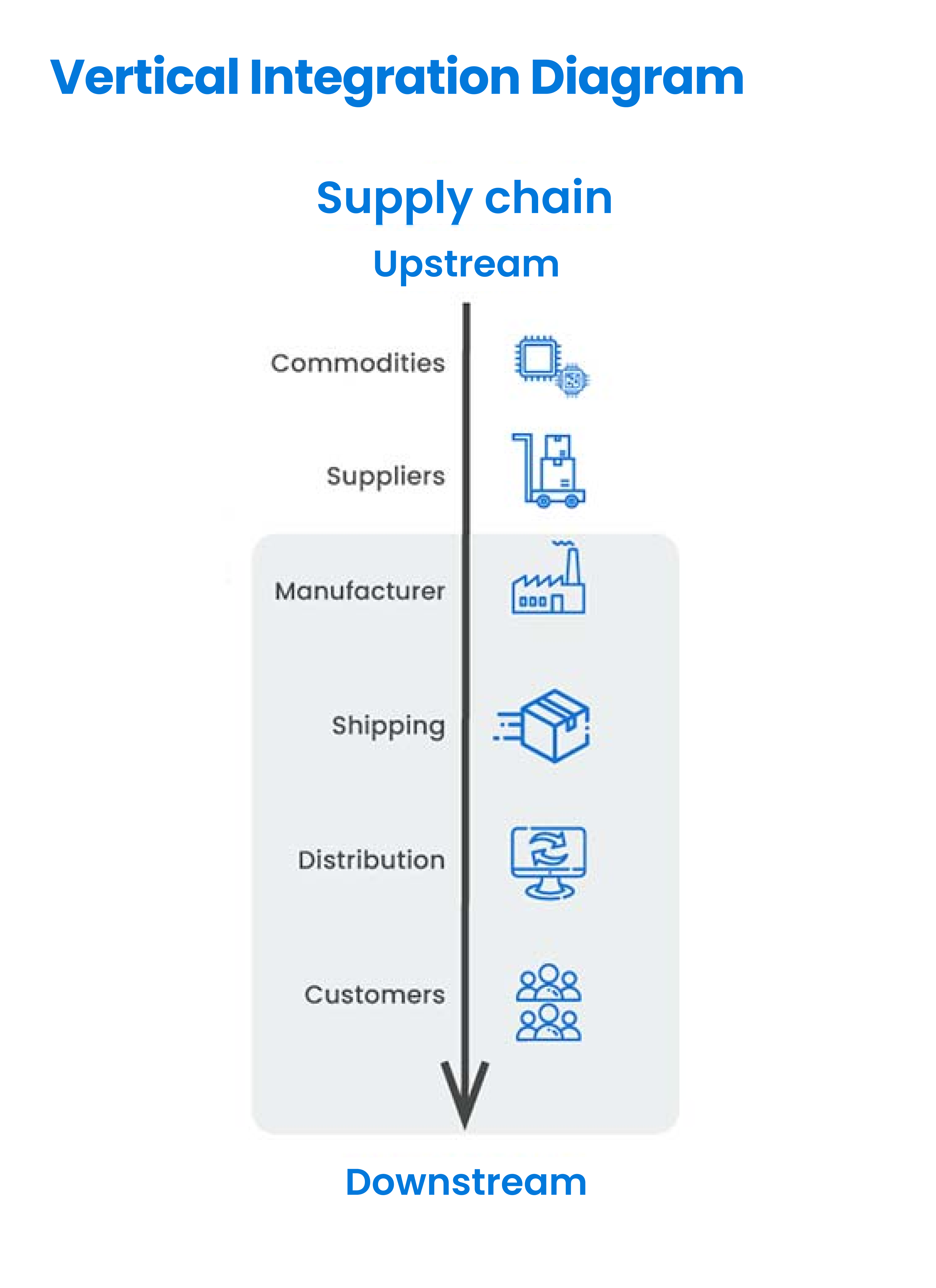
vertical integration manufacturing
Accelerate software and service models
Legacy automakers should prioritize software-defined features and recurring-revenue services — from connected-safety subscriptions to OTA performance upgrades. Software improves margins and creates customer stickiness; it also narrows the advantage of suppliers who compete mostly on hardware cost.
Reshore selectively and diversify supply chains
Reshoring or nearshoring critical components is a defensive move to reduce geopolitical exposure. But reshoring is expensive. A pragmatic path is diversification: keep multiple qualified suppliers across geographies, maintain second-source contracts, and invest in logistics resilience to dampen single-point failures.
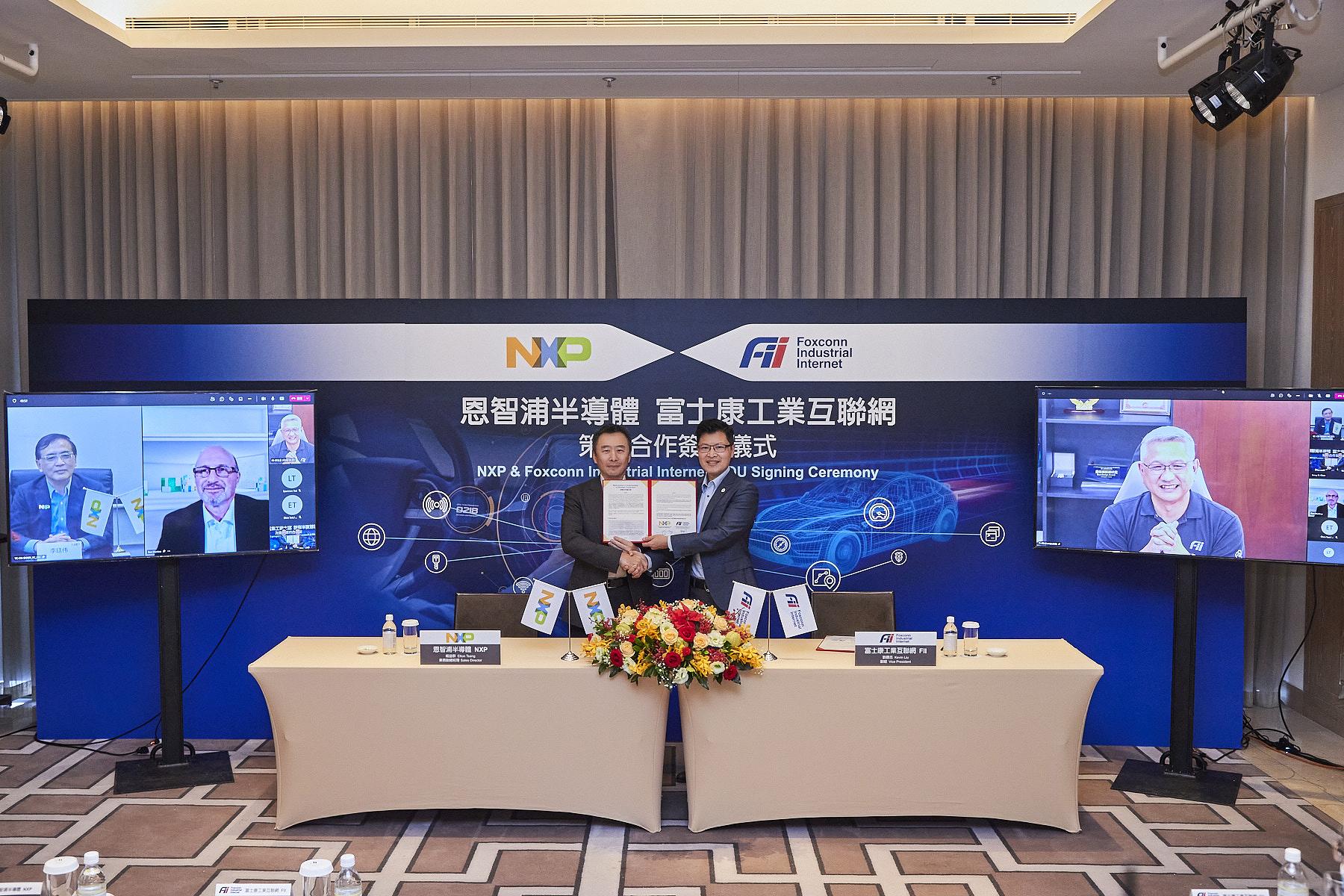
automotive strategic partnership meeting
SCENARIOS FOR THE NEXT DECADE
Convergence: collaborative globalization
In this scenario, global OEMs and Chinese suppliers forge integrated supply models: co-owned plants, shared software platforms, and cross-border joint ventures. Consumers benefit from rapid innovation and lower prices; competition becomes about brand experience rather than basic hardware.
Fragmentation: geopolitical decoupling
Alternatively, rising trade tensions and technology controls could push markets into regional blocs. Automakers might face bifurcated standards and duplicated investments, raising costs industry-wide and slowing innovation as firms hedge political risk.
Consolidation and specialization
A third outcome is market consolidation: the strongest suppliers become global system integrators, while automakers increasingly focus on design, branding and system-level orchestration. This path accelerates margin concentration at system providers while rewarding nimble OEMs that master software-driven differentiation.
CONCLUSION — WHERE HONDA GOES FROM HERE
The quoted reaction — whether hyperbolic or measured — is a useful alarm bell. It signals that the competitive baseline has shifted: advantages that were once durable are now movable, and that speed, integration and ecosystem scale matter as much as engineering pedigree. For Honda, and for other legacy automakers, the strategic choice is not simply whether to compete with Chinese suppliers, but how to reconfigure their own businesses to play in an industry where hardware, software and supply networks converge.
That will mean faster decision cycles, deeper supplier relationships, more agile product platforms, and a renewed emphasis on the customer experiences that sustain premium pricing. It will also require political and operational realism: accepting that some capabilities might be competitively outmatched while doubling down on areas — safety, customer trust, manufacturing reliability and brand — where the company still has advantages.
- Scale and integration in China have compressed cost and innovation cycles for suppliers.
- Legacy automakers must accelerate software and platform strategies rather than rely solely on manufacturing heritage.
- Risk management — diversification and strategic partnerships — will be as important as cost-cutting.
In the end, the quote that opened this piece is less a resignation than a prompt: it demands a strategy that meets the new reality. Automakers that respond with clarity, speed and humility may yet find pathways to competitive advantage — even in a world where, at first glance, it seems the odds are stacked against them.
This article examines structural shifts in the global auto supply chain and strategic responses for legacy automakers.