High‑Dose Vitamin C and Cancer Survival: What Scientists Found
The headline is irresistible: a common nutrient, long celebrated for preventing scurvy and boosting wound healing, appears in new scientific work to be linked with cancer survival. For patients and physicians alike this raises immediate questions: is vitamin C a cheap, safe adjuvant that can improve outcomes? Or is this another story in which early excitement peters out under the scrutiny of randomized trials? The honest answer lies in a nuanced middle ground — one that blends decades of laboratory science, a handful of promising clinical signals, and important caveats about dosing, mechanism, and safety.
"Vitamin C is not a single‑purpose drug; it acts as an antioxidant, a pro‑oxidant at high concentrations, and even an epigenetic cofactor — and those roles matter for how it interacts with cancer biology."
Why this discovery matters
If vitamin C truly affects cancer survival, it could reshape supportive care strategies, influence how oncologists combine therapies, and open inexpensive, scalable options for patients worldwide. But the path from biological insight to clinical standard is long. This feature walks through the science behind the claim, explains the plausible mechanisms, addresses safety and dosing questions, and offers practical guidance for patients and clinicians navigating an evolving field.
A brief history: where vitamin C and cancer began
Interest in vitamin C and cancer isn't new. In the 1970s and 1980s, Nobel laureate Linus Pauling and others hypothesized that very large doses of vitamin C might benefit cancer patients. Early uncontrolled reports and small trials produced mixed results, and interest ebbed and flowed as controlled studies, pharmacokinetic data, and mechanistic work matured. More recently, researchers returned to the question with better tools: rigorous laboratory models, improved ways to deliver high systemic concentrations via intravenous infusion, and genomics that let scientists identify which tumors might be vulnerable.
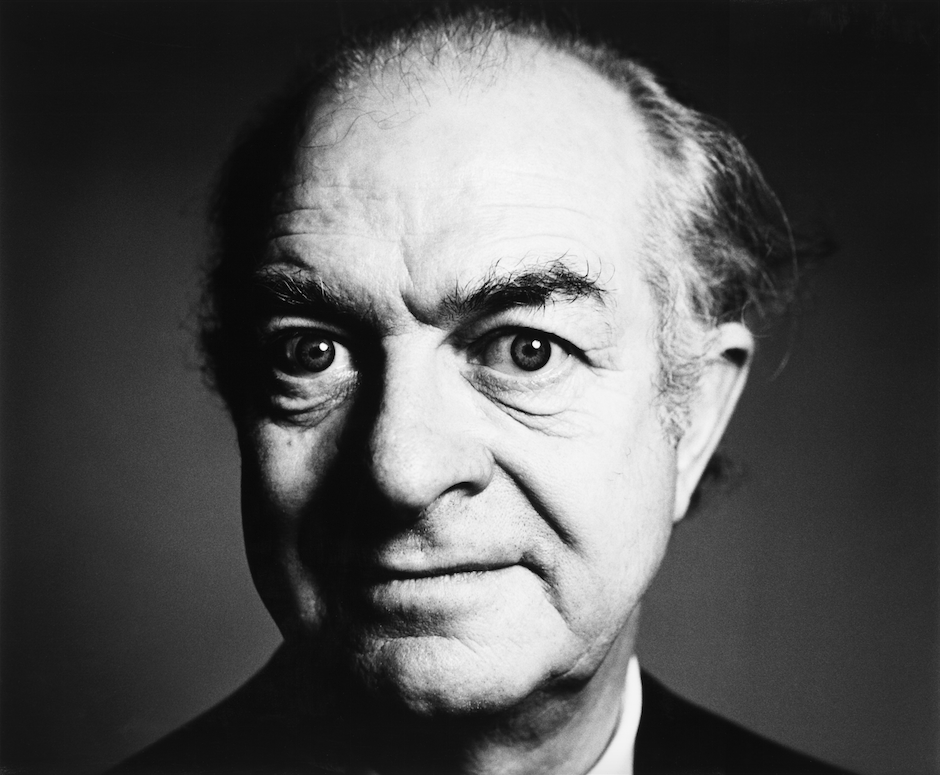
Linus Pauling scientist portrait
How vitamin C behaves in the body
Oral versus intravenous: the pharmacokinetic divide
One of the crucial insights over the past two decades is that dosing route matters. Oral vitamin C is absorbed by intestinal transporters and tightly regulated by the body; even very large oral doses create a ceiling in plasma concentration. Intravenous (IV) administration bypasses the gut and can achieve concentrations many-fold higher in the blood for a limited time. Those pharmacokinetic differences are central to why high‑dose IV vitamin C is studied in oncology settings: certain anti‑tumor mechanisms appear to require plasma levels that oral dosing cannot reach.
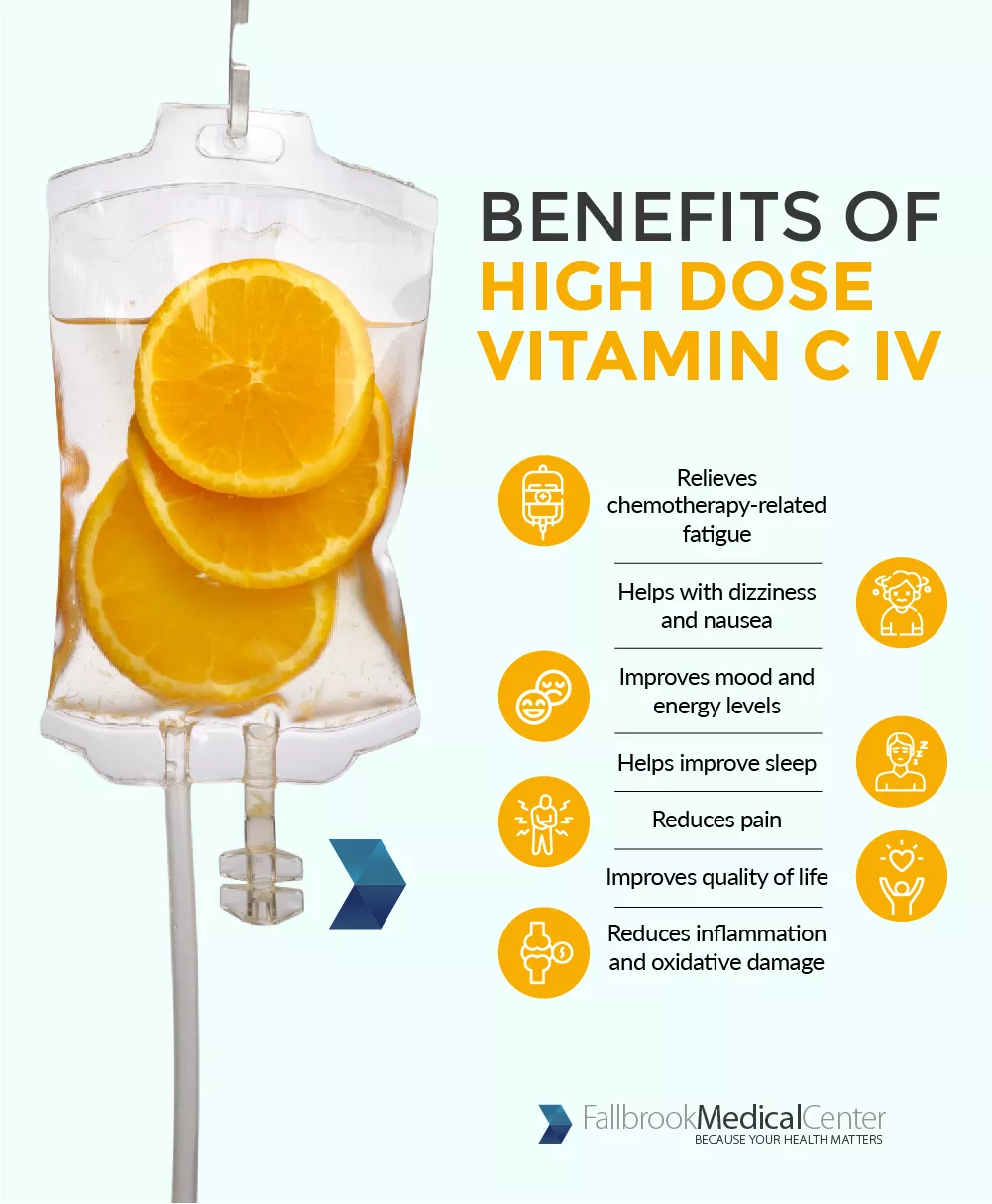
intravenous vitamin C infusion oncology
Two faces of a molecule: antioxidant and pro‑oxidant
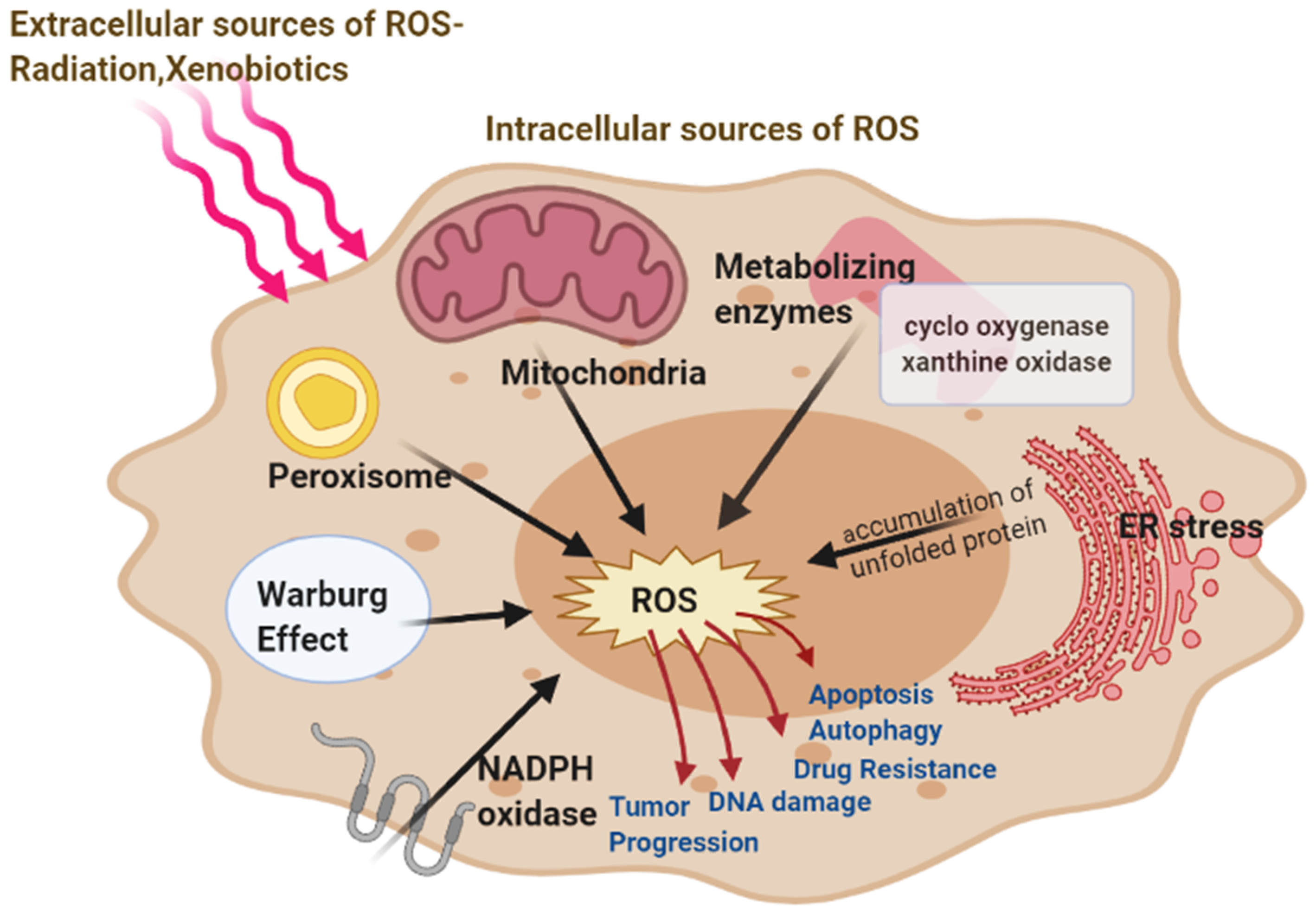
Vitamin C is best known as an antioxidant, quenching free radicals that can damage DNA and tissues. Paradoxically, at pharmacologic concentrations achieved by IV infusion it can act as a pro‑oxidant in the tumor microenvironment. High concentrations of ascorbate can reduce metal ions, leading to the production of hydrogen peroxide (H2O2). In normal tissues, catalase and other enzymes rapidly neutralize H2O2; some cancer cells, however, have reduced capacity to detoxify peroxide, leaving them vulnerable to oxidative damage. This selective toxicity — cancer cells dying while normal cells survive — provides a plausible biological rationale for why high‑dose vitamin C might improve outcomes when paired with conventional therapy.
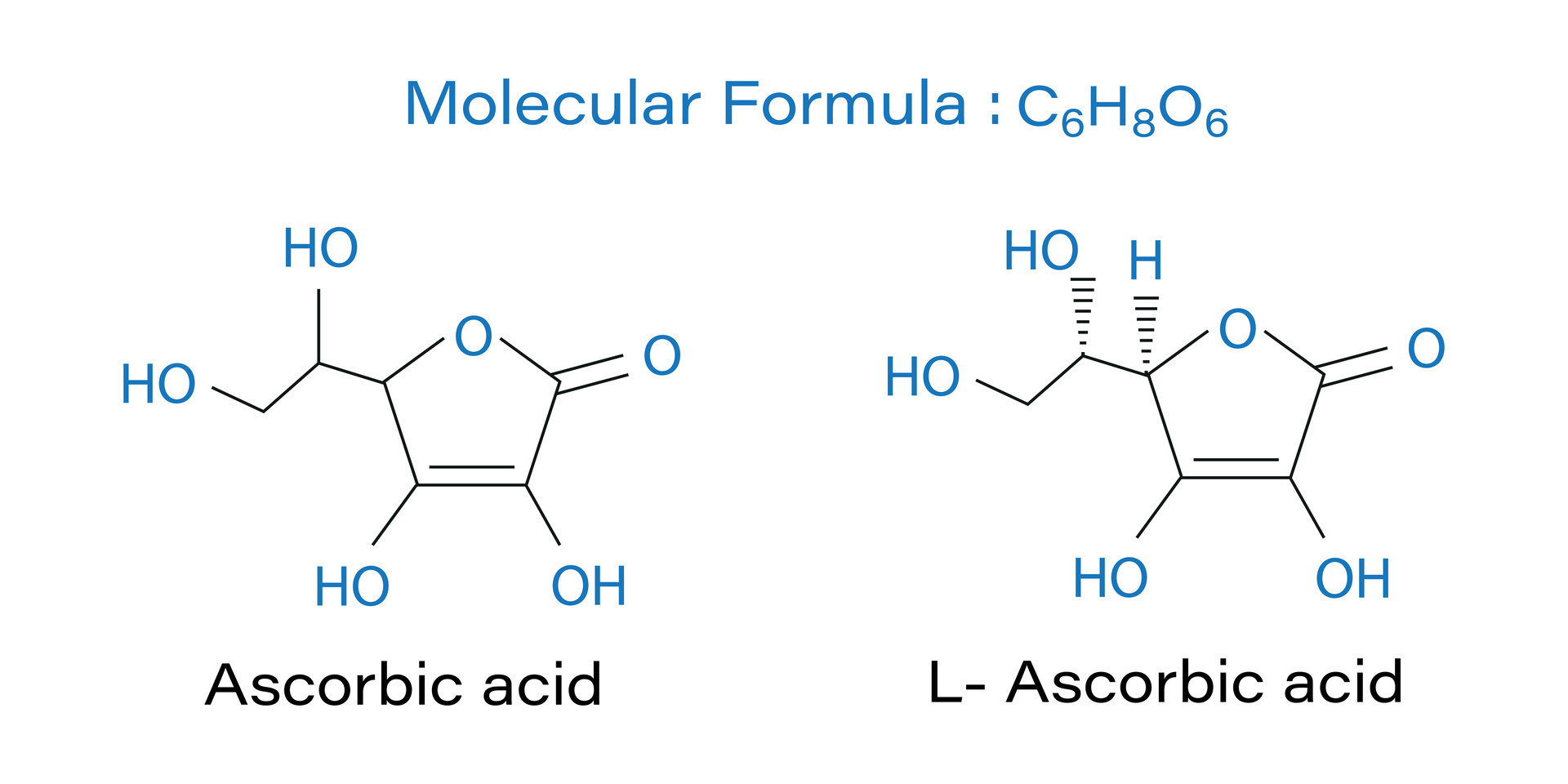
vitamin C chemical structure ascorbate
cancer cell oxidative stress illustration
Epigenetic effects: vitamin C as a cofactor
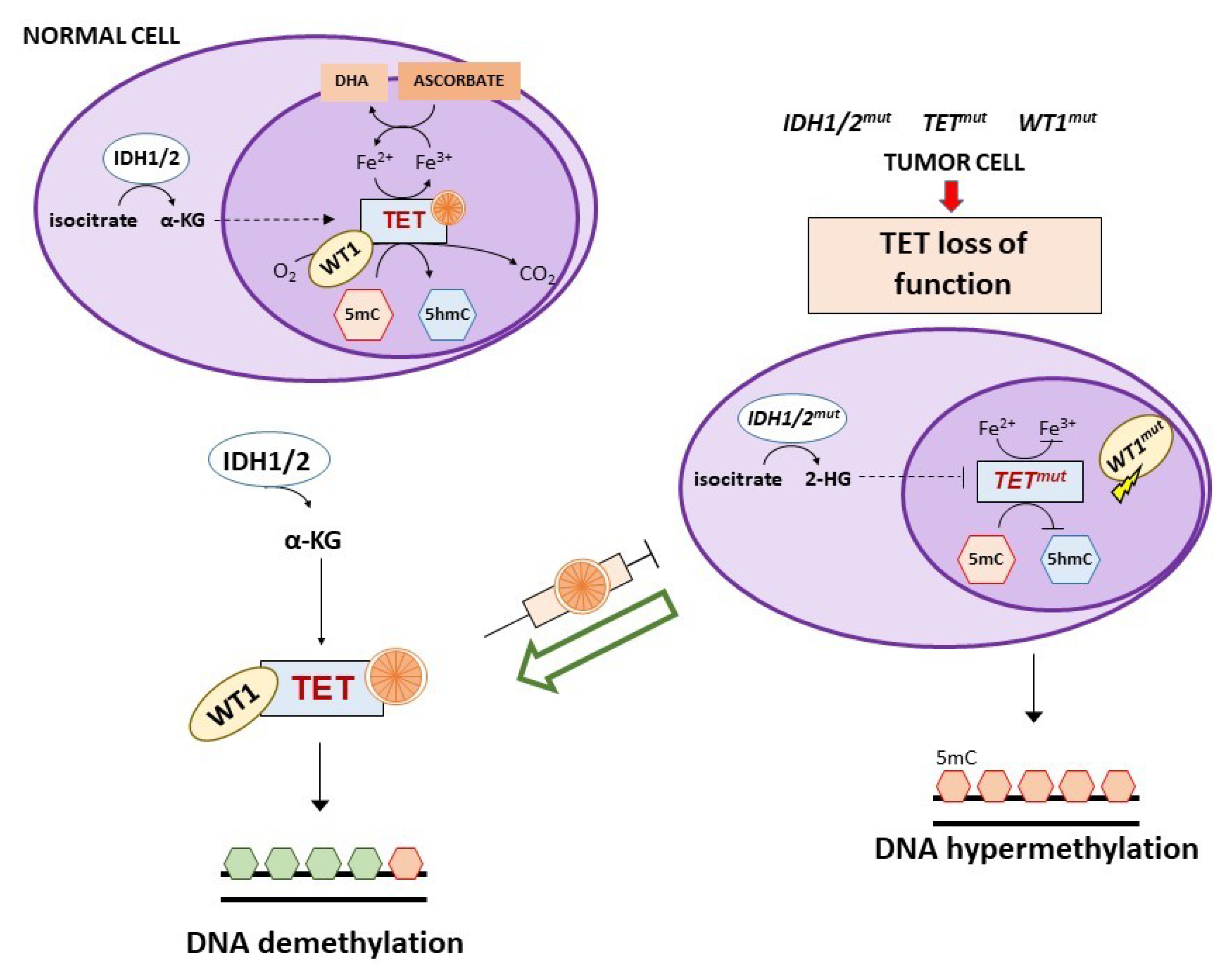
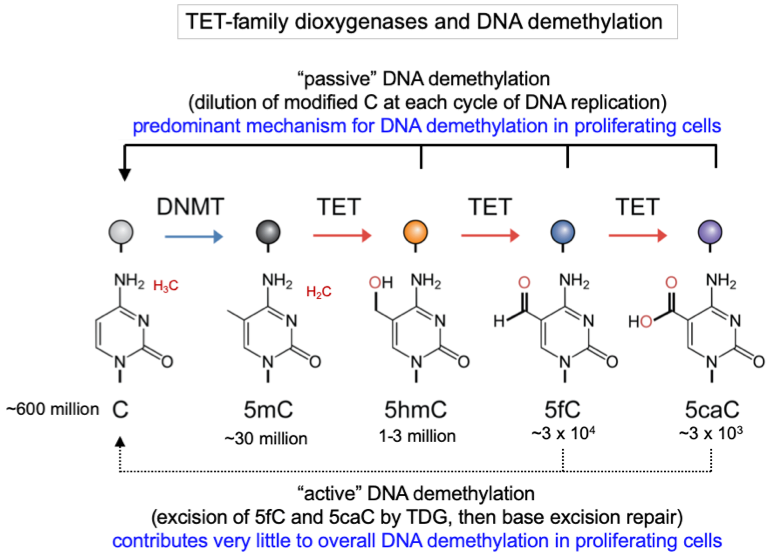
Beyond redox chemistry, vitamin C is a cofactor for a family of enzymes known as Fe(II)/2‑oxoglutarate‑dependent dioxygenases. Among them are the TET enzymes that catalyze DNA demethylation — a process that can reactivate silenced tumor suppressor genes. In some laboratory models vitamin C restored TET function and altered gene expression in ways that slowed tumor growth or made cancers more susceptible to other therapies. This epigenetic angle is particularly compelling because it implies vitamin C could have long‑lasting effects on tumor cell behavior beyond immediate oxidative stress.
DNA demethylation TET enzymes diagram
What the recent research shows
Reports linking vitamin C to improved survival are typically built on two pillars: translational laboratory data and human clinical observations. In cells and animal models, high‑dose ascorbate has shown cytotoxicity to diverse tumor types, synergy with radiation and chemotherapy, and the ability to modulate immune cells. Small human studies and retrospective analyses have occasionally signaled better quality of life, reduced side effects, and in some cases longer progression‑free or overall survival for subgroups of patients. Crucially, newer studies try to connect a biological fingerprint — such as low tumor catalase activity or mutations that sensitize cells to oxidative stress — with response to vitamin C. Those biomarkers are the difference between broad claims and targeted, precision approaches.
Putting the signals together: correlation, plausibility, but not proof
When researchers say they discovered a "link" to survival, they usually mean statistical associations supported by mechanistic plausibility — not definitive proof that vitamin C causes longer life. Randomized, placebo‑controlled trials with survival endpoints are the gold standard and remain scarce. The current literature supports cautious optimism: biologically credible mechanisms, reproducible effects in preclinical models, and early clinical signals in carefully selected patients. But heterogeneity in study design, dose, route, and patient populations means blanket claims are premature.
Who might benefit — tumor types and patient profiles
Tumor metabolism and vulnerability
Cancers are not all the same. Tumor types with specific metabolic or enzymatic deficiencies may be particularly vulnerable to high‑dose vitamin C. For example, tumors with lower antioxidant enzyme levels, certain metabolic reprogramming that increases labile iron, or defects in DNA demethylation pathways might respond more strongly. Investigators are increasingly looking for genomic or proteomic markers that predict sensitivity — the kind of precision-medicine approach that could make vitamin C an adjunctive tool rather than a one‑size‑fits‑all remedy.
Patient factors: genetic and medical caveats
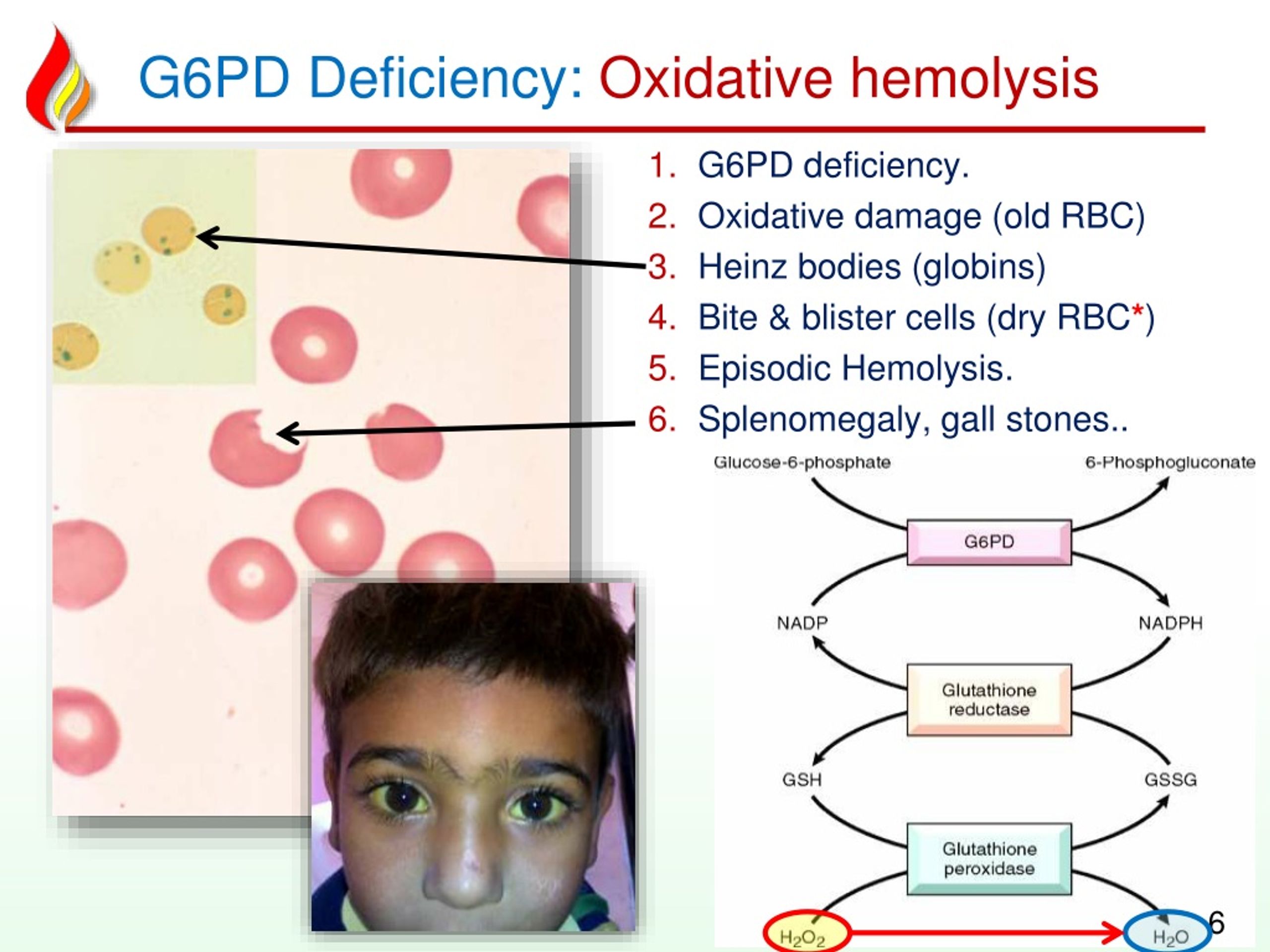
Not every patient is a candidate for high‑dose vitamin C. Individuals with glucose‑6‑phosphate dehydrogenase (G6PD) deficiency risk hemolysis when exposed to large oxidant loads. Those with severe renal impairment or a history of oxalate kidney stones may be at higher risk of complications because vitamin C can increase oxalate production. Additionally, interactions with chemotherapy — sometimes synergistic, sometimes antagonistic — must be evaluated case by case. That is why oncologists emphasize individualized assessment and laboratory monitoring when vitamin C is used in clinical trials or integrative oncology clinics.
G6PD deficiency blood hemolysis illustration
Clinical practice: how researchers are testing vitamin C now
Modern clinical studies of high‑dose vitamin C vary in design: phase I trials testing safety and maximum tolerated dose; combination trials pairing vitamin C with chemotherapy or radiation to look for synergy; and biomarker‑driven pilot studies that enroll patients whose tumors bear molecular features predicted to respond. Safety data from controlled IV infusion trials show that, when properly screened and monitored, many patients tolerate high‑dose vitamin C well, with fatigue, nausea, and local infusion reactions among the more common side effects. Serious adverse events are uncommon but not absent.
What to expect in an integrative setting
In integrative oncology clinics where high‑dose IV vitamin C is offered, care typically includes pre‑infusion labs (renal function, electrolytes, G6PD), calculation of infusion rate and total dose, and post‑infusion monitoring. Doses used in studies range widely — from grams to tens of grams per infusion — and schedules vary (daily, several times per week, or weekly). Because protocols are heterogeneous, results from one center do not necessarily generalize to another.

oncology patient consulting doctor
Risks, interactions, and practical safety guidance
Known risks
Potential risks include kidney stones from increased oxalate, acute kidney injury in susceptible individuals, hemolysis in G6PD deficiency, and possible interactions with certain chemotherapies or targeted agents. Oral vitamin C is much safer at typical dietary or supplement doses, but it does not produce the same plasma peaks as IV therapy. Importantly, anecdotes of dramatic benefit should be balanced against the small but real potential for harm when vitamin C is used without medical oversight.
Drug interactions and coordination with oncology care
Vitamin C can influence chemotherapy and radiation responses in complex ways; in some preclinical models it sensitizes tumors, while in others its antioxidant properties can protect cancer cells from therapy-induced oxidative damage. Coordination with treating oncologists is essential: protocols that intentionally combine vitamin C with standard therapy do so with careful timing and monitoring to maximize synergy and minimize interference.
What remains unknown — and what scientists will test next
Key unknowns include which tumor subtypes derive a meaningful survival benefit, the optimal dose and schedule, the best biomarkers to select patients, and long‑term safety in combination with modern targeted therapies and immunotherapies. Future trials are expected to be biomarker-enriched and to pair vitamin C with specific agents where synergy is mechanistically plausible — for instance, drugs that increase tumor oxidative stress or inhibit DNA repair.
Practical advice for patients and families
Questions to ask your oncologist
- Is there evidence that vitamin C will help my specific tumor type and treatment plan?
- Should I be tested for G6PD deficiency and kidney problems before considering IV vitamin C?
- Are there clinical trials available that include vitamin C where I might be a candidate?
If you consider trying vitamin C
Do so within a clinical trial whenever possible. If pursuing IV vitamin C outside a trial, insist on medical oversight, pre‑infusion testing, and transparent discussion about expectations. Avoid stopping or changing standard cancer treatments in favor of vitamin C without clear evidence and oncologist agreement.
Broader implications — equity, cost, and research priorities
Vitamin C is inexpensive and widely available, which raises ethical questions about access if a survival benefit is confirmed. Could a low‑cost adjunct reduce disparities in care? Conversely, unregulated use could lead to inequities in safety: patients with fewer resources might access unsupervised infusions. Research priorities should include rigorous, multicenter randomized trials, equitable trial enrollment, and development of low‑cost biomarker assays to identify likely responders.
Conclusion: cautious optimism, not a cure
Recent discoveries linking vitamin C to cancer survival are scientifically plausible and supported by compelling laboratory data. Early clinical signals and mechanistic insights — particularly the pro‑oxidant effects at high IV concentrations and the epigenetic role as a TET cofactor — provide reason to take the hypothesis seriously. But robust evidence from randomized trials with survival endpoints is still limited, and safety considerations mean vitamin C is not appropriate for everyone.
For now, the sensible path is measured: encourage rigorous research, use biomarker‑driven approaches when possible, and keep patients informed. Vitamin C may become a valuable adjunct in precisely defined clinical contexts, but it should not replace established, evidence‑based cancer therapies.
- High‑dose IV vitamin C acts differently from oral vitamin C — it can generate hydrogen peroxide that selectively damages some cancer cells.
- Vitamin C also supports epigenetic enzymes (TET), which may reactivate tumor suppressor genes in some cancers.
- Existing evidence is promising but not definitive; more randomized, biomarker‑driven trials are needed to show a survival benefit.
- Safety screening (G6PD, renal function) and coordination with oncology teams are essential before any high‑dose use.
This article summarizes current scientific perspectives and is not medical advice. Consult your oncology team for personalized guidance.