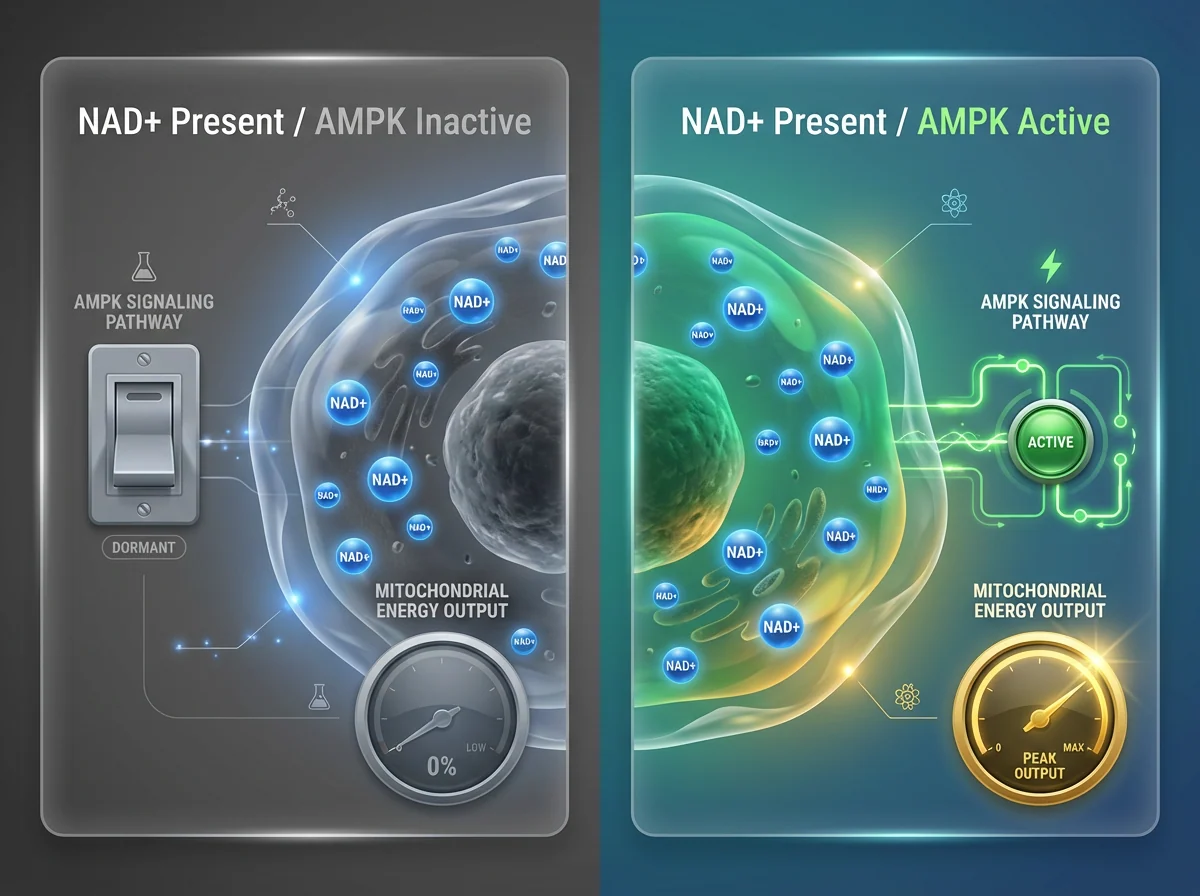
Hidden Fat Switch That Burns Fat and Blocks New Fat Cells
The headline reads like a breakthrough in a science-fiction plot: researchers have found a molecular switch inside fat tissue that both increases fat burning and prevents new fat cells from forming. The reality is more measured—and more exciting. A growing body of laboratory research has revealed signaling mechanisms in adipose tissue that can be flipped to change fat cell fate and metabolism. If these discoveries translate to humans, they could open new pathways for treating obesity, metabolic syndrome, and related chronic diseases. This feature walks through what scientists mean by a "fat switch," the biology behind it, why it matters, and how close we are to practical treatments.
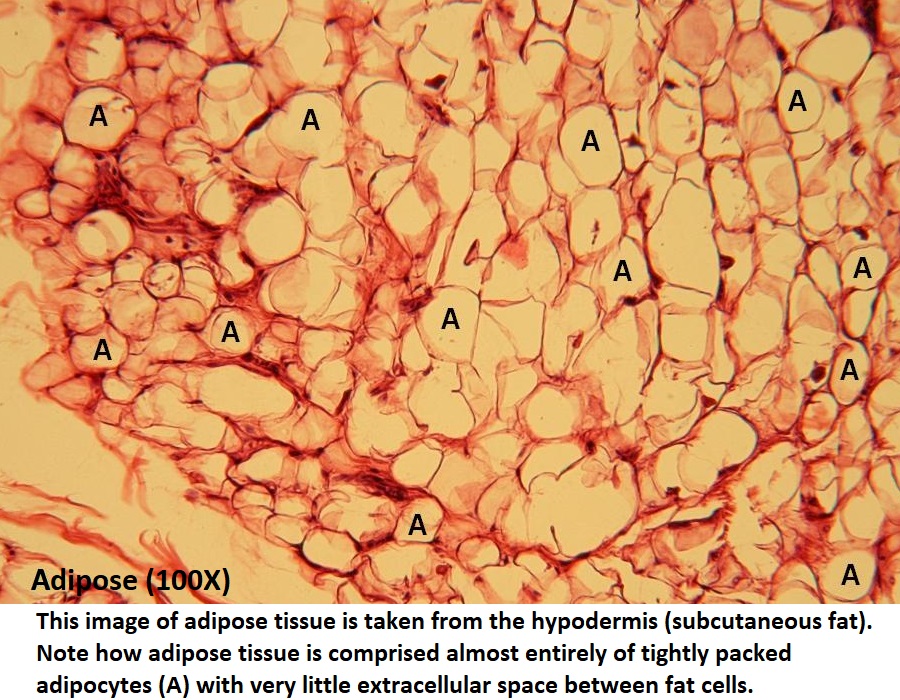
adipose tissue microscopic view
WHAT SCIENTISTS FOUND
A switch, not a silver bullet
When researchers talk about a "switch" they usually mean a discrete molecular event—a protein, receptor, or transcription factor—that changes cell behavior when activated or inhibited. In the case of adipose tissue, investigators have identified pathways that can simultaneously increase energy expenditure (making fat cells burn more fuel) and reduce adipogenesis (the process by which precursor cells become mature fat-storing adipocytes). The most compelling experiments to date are preclinical: cell culture work, experiments in genetically engineered mice, and pharmacological studies that manipulate candidate molecules and observe shifts in metabolism and fat mass.
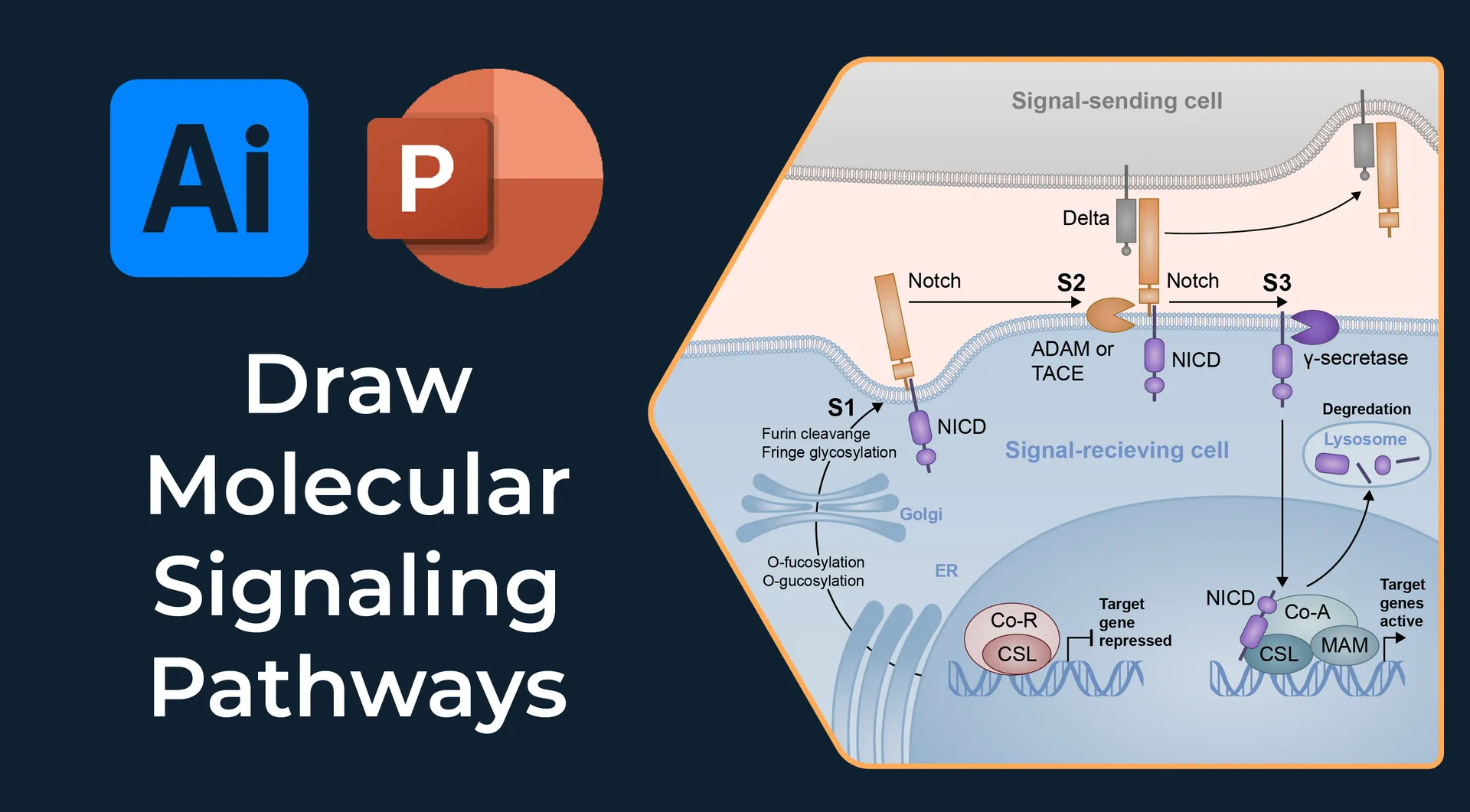
molecular signaling pathway diagram
How the switch does two jobs at once
Fat cells are not all the same. White adipocytes specialize in energy storage; brown and beige adipocytes specialize in energy burning through thermogenesis. The so-called switch works by reprogramming cellular circuits in two complementary ways:
- Activate thermogenesis: It upregulates mitochondrial activity and uncoupling proteins that increase heat production and calorie burning.
- Block new adipocyte formation: It suppresses transcriptional programs and signaling cues required for precursor cells to differentiate into new fat-storing cells.
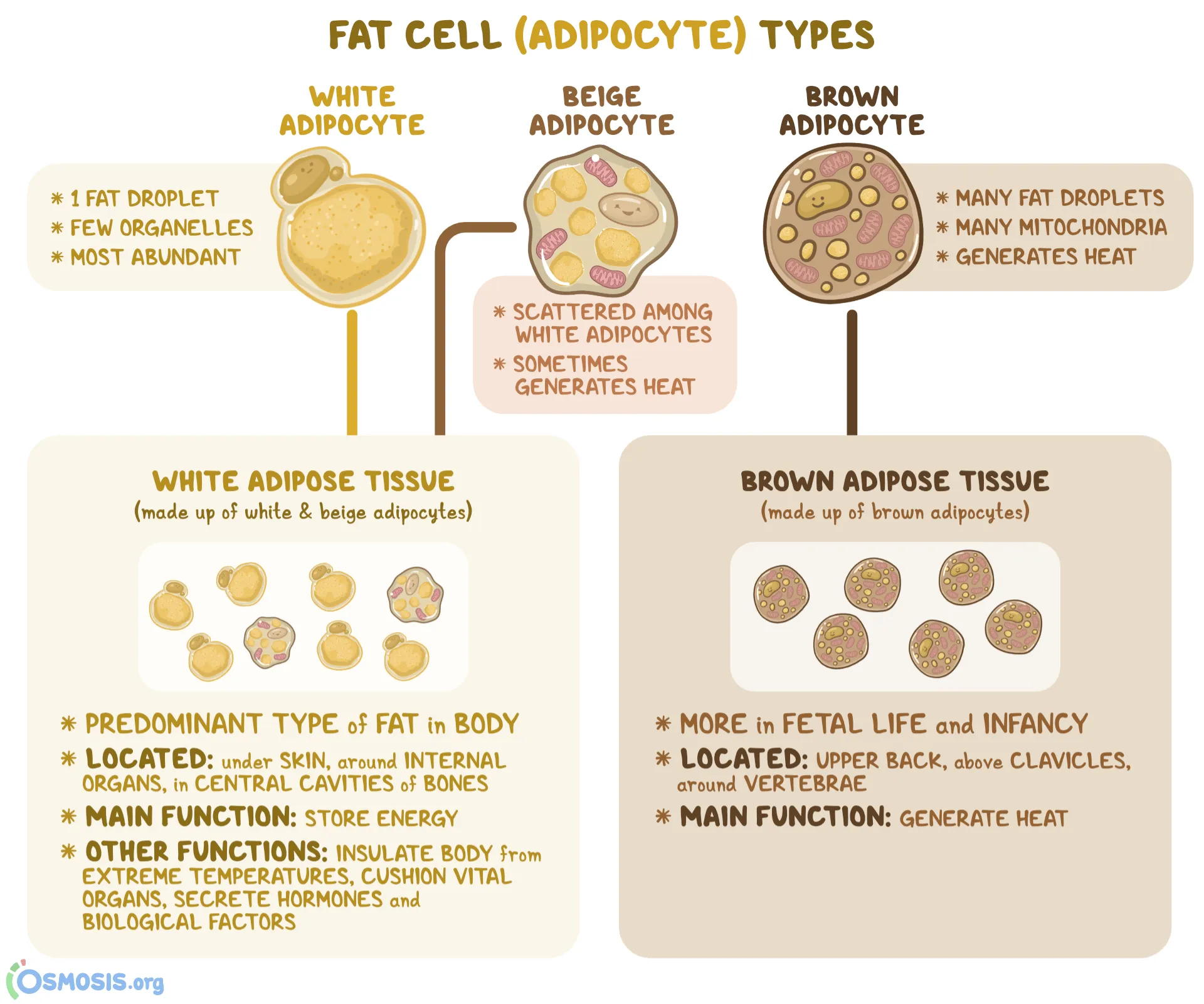
brown fat versus white fat
That dual action—turning up burning and turning down the supply of new storage cells—creates a metabolic environment that favors reduced fat mass. Importantly, the underlying biology is complex: many molecules can influence one or both of these processes, and context matters (for example, diet, inflammation, and hormones modulate the effects).
This is not magic; it is a programmable change in cell identity and metabolism with profound implications.
THE BIOLOGY EXPLAINED
Cells, signals, and fate decisions
Adipose tissue contains mature adipocytes, immune cells, blood vessels, and a reservoir of precursor cells often called preadipocytes or adipocyte progenitors. Adipogenesis—the growth of fat tissue by creating new adipocytes—is regulated by extracellular signals (growth factors, hormones), intracellular sensors (energy status, oxygen), and master regulators: transcription factors that activate the fat-cell gene program. The newly described switch operates at the intersection of energy-sensing pathways and lineage-determination machinery.
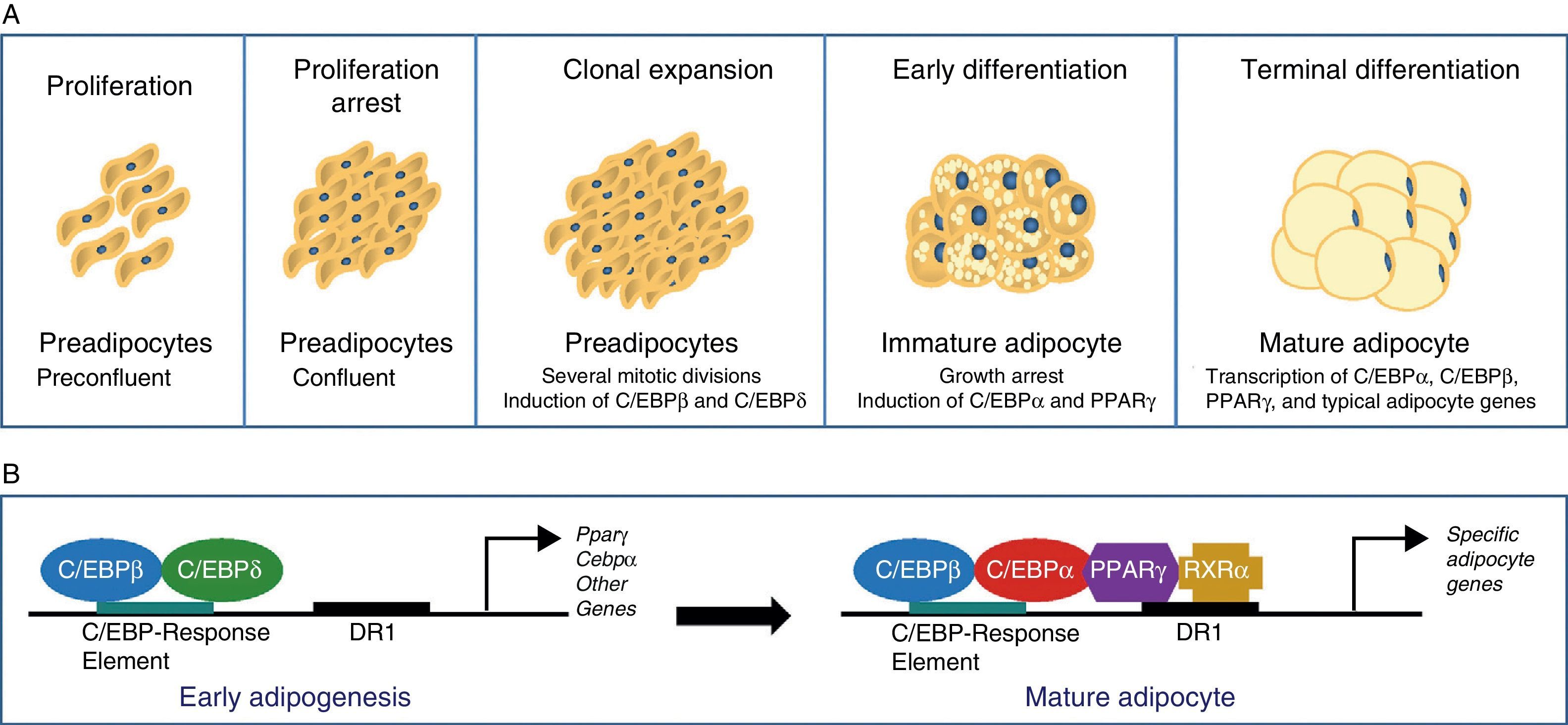
preadipocyte differentiation process
Mitochondria and thermogenesis
One arm of the switch increases mitochondrial uncoupling and biogenesis. Mitochondria can be tuned to favor ATP production or to release energy as heat; proteins called uncoupling proteins make that shift possible in brown and beige fat. By elevating mitochondrial activity and stimulating the expression of thermogenic genes, the switch converts at least some white adipocytes toward a more energetically active state, increasing whole-body energy expenditure even without exercise.
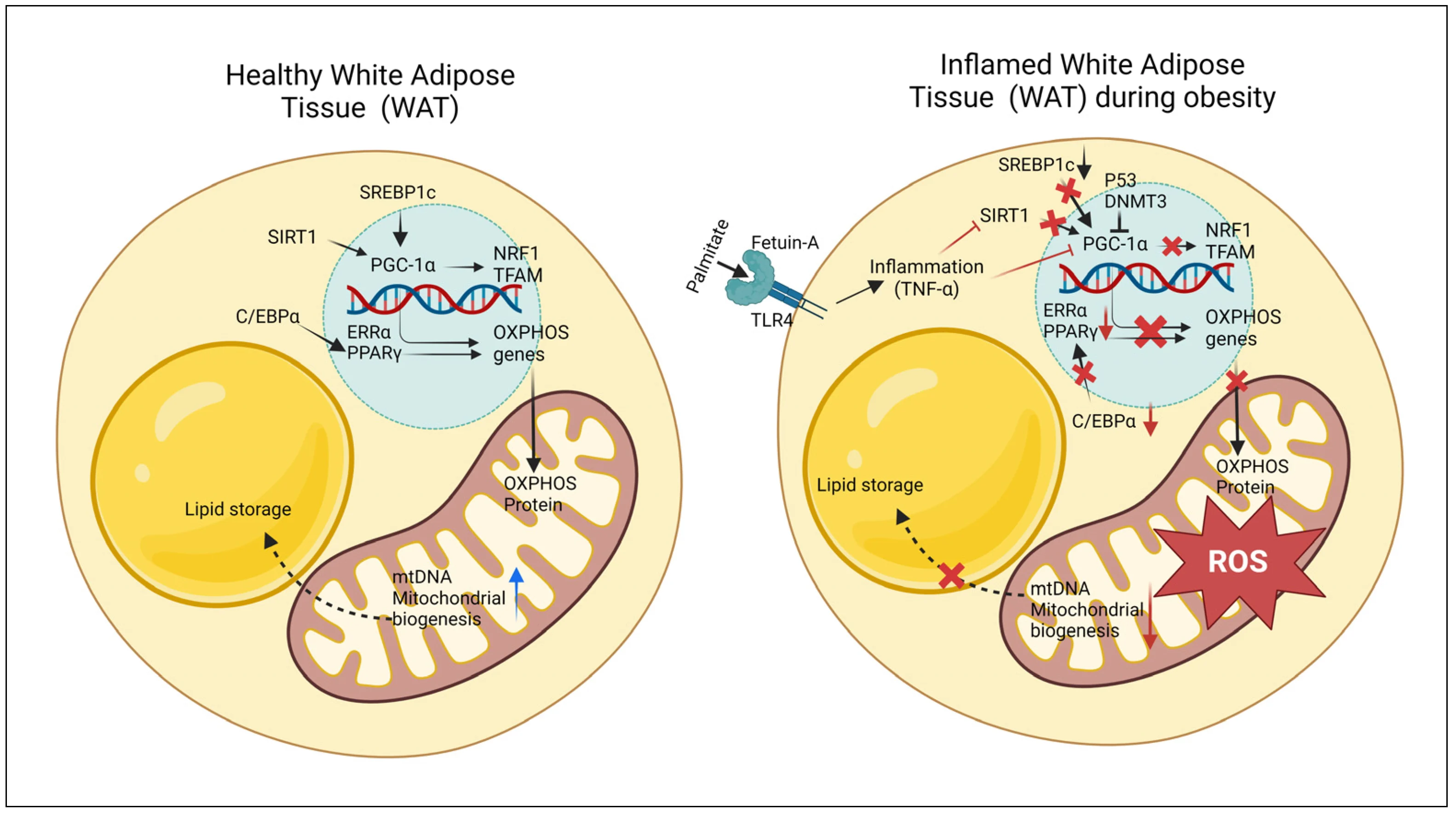
mitochondria in adipocytes
Stopping new fat cells in their tracks
The other arm interferes with the adipogenesis program. Preadipocytes rely on a cascade of transcription factors to become lipid-laden white fat cells. If that cascade is interrupted—by reducing key transcription factors, inhibiting supportive signaling (for example, certain growth factor receptors), or altering chromatin accessibility—cells fail to differentiate. The switch thus reduces the pool of maturing adipocytes available to store excess calories.
EVIDENCE: WHAT STUDIES SHOW
Laboratory and animal models
Most evidence for a dual-action fat switch comes from controlled experiments in cells and animals. In these settings, researchers can genetically delete or overexpress a candidate protein, or give a small molecule that modulates its activity. Outcomes typically measured are changes in:
- Body composition: fat mass and lean mass.
- Cellular markers: gene expression signatures of thermogenesis and adipogenesis.
- Energy balance: oxygen consumption, heat production, and activity levels.
- Metabolic health: glucose tolerance, insulin sensitivity, and lipid profiles.
In some mouse models, activating the switch led to notable decreases in fat mass and improved glucose metabolism, even when animals consumed high-fat diets. Conversely, knocking out elements of the pathway increased susceptibility to weight gain.
Human cells and early translational work
Human preadipocytes grown in culture have also responded to manipulations that mirror the switch: markers of thermogenesis rise while differentiation markers fall. However, translating such findings from petri dish to patient is notoriously challenging. Human adipose tissue is heterogeneous across depots and individuals; what works in one cell type or mouse strain may not generalize.
THERAPEUTIC POTENTIAL
Paths to clinical use
There are several strategies for turning a laboratory discovery into a therapy:
- Small-molecule drugs: Compounds that activate or inhibit the target protein or receptor.
- Biologics: Antibodies or peptide-based agents that modulate signaling cascades.
- Gene therapy: Viral or nonviral delivery of constructs that enhance or suppress gene expression in adipose tissue.
- Cell therapy: Engineering progenitor cells ex vivo and reintroducing them in a form that resists adipogenesis and promotes thermogenesis.
Each approach has pros and cons. Small molecules can be orally available and scaled for large populations but may have off-target effects. Gene therapy can be highly specific but raises delivery and safety questions. Cell therapy is ambitious and could offer durable benefits but faces regulatory and manufacturing hurdles.
Clinical benefits beyond weight loss
Reducing fat mass while improving metabolic activity could lower the risk of type 2 diabetes, cardiovascular disease, and fatty liver. Even modest increases in energy expenditure can improve blood sugar control and lipid profiles. Because the switch also blunts the formation of new storage cells, it might reduce the long-term propensity to regain weight after weight loss—one of the major problems with existing therapies.
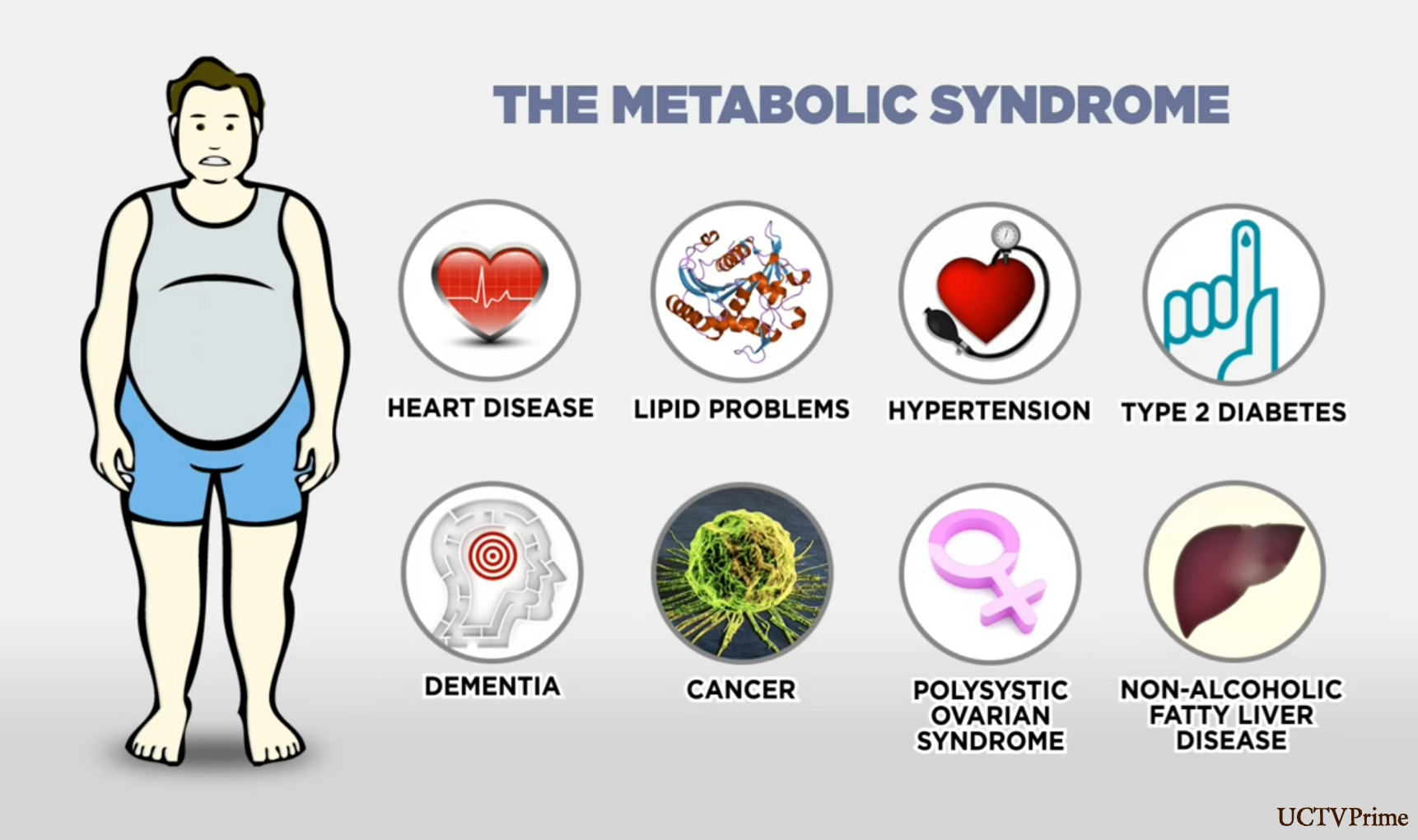
metabolic syndrome medical illustration
SAFETY, LIMITATIONS, AND UNINTENDED EFFECTS
Biology seldom behaves in isolation
Manipulating fundamental cell-fate machinery carries risks. Potential safety concerns include:
- Metabolic overactivation: Excessive thermogenesis could raise core temperature or disturb cardiovascular function.
- Off-target effects: The target protein may operate in other tissues—liver, heart, brain—so systemic interventions could cause side effects.
- Loss of critical adipose functions: Adipose tissue stores and buffers lipids; preventing new cell formation could stress existing adipocytes and lead to ectopic fat deposition (in liver or muscle).
- Compensatory mechanisms: The body may adapt by increasing appetite or reducing activity, blunting long-term benefit.
Animal studies can detect some safety signals, but human trials are essential. Any therapeutic strategy must be titrated to enhance beneficial effects while avoiding dangerous extremes.
HOW THIS COMPARES TO EXISTING APPROACHES
Diet, exercise, drugs, and surgery
Current tools to reduce body fat work by altering energy intake, increasing expenditure, or changing absorption. Lifestyle change remains foundational. Approved medications act through appetite suppression, reduced absorption, or increased satiety. Bariatric surgery dramatically alters gastrointestinal anatomy and hormones to produce large, durable weight loss. The fat switch approach differs because it aims to rewire fat tissue itself—changing the supply and behavior of the cells that store energy rather than only changing intake or gut signaling.
Complementary, not replacement
Even if a safe, effective switch-targeting therapy is developed, it will likely be used alongside lifestyle measures and possibly other medications. The realistic promise is an additive tool that reduces disease risk, helps maintain weight loss, or lowers doses required of existing drugs.
PRACTICAL IMPLICATIONS FOR PATIENTS AND THE PUBLIC
What individuals should know now
For the average person, this research is cause for cautious optimism, not immediate action. There is no approved pill today that flips this specific switch in humans; most work is preclinical. That said, the mechanisms researchers target—mitochondrial function, inflammation, and stem/progenitor cell behavior—are influenced by lifestyle:
- Exercise, especially resistance and high-intensity interval training, boosts mitochondrial capacity.
- Protein-rich diets and adequate sleep support healthy metabolism.
- Anti-inflammatory dietary patterns and maintaining steady glycemia reduce signals that promote adipogenesis.
Those behaviors remain the most practical, proven ways to support metabolic health while researchers pursue new therapies.
RESEARCH AND DEVELOPMENT TIMELINE
From bench to bedside
Translational timelines vary. Typical stages include target validation, lead compound development, preclinical safety studies, Phase 1 safety trials, Phase 2 efficacy trials, and large Phase 3 studies. For novel mechanisms in metabolic disease, even optimistic scenarios often require 5–10 years from robust target validation to an approved therapy. Setbacks—off-target toxicity or lack of efficacy in humans—are common, which is why multiple research groups and companies often explore the same pathway in parallel.
Expect incremental gains: a better drug, a therapy for a niche population, and then broader applications if safety and efficacy hold up.
FUTURE DIRECTIONS
What scientists will focus on next
Key next steps include:
- Mapping the pathway across human adipose depots and ages to understand variability.
- Developing safe, tissue-targeted delivery methods to avoid systemic side effects.
- Combining switch-targeted therapies with hormonal or behavioral interventions to maximize benefit.
- Long-term studies to ensure that preventing new adipocytes does not redirect fat to harmful organs.
CONCLUSION
The discovery of a molecular switch that both increases fat burning and suppresses the creation of new fat cells is a major stride in our fundamental understanding of adipose biology. It reframes fat tissue from a passive storage depot to a dynamic organ whose identity can be reprogrammed for better metabolic health. Nevertheless, the path from discovery to a safe, widely available therapy is long and uncertain. For now, the discovery adds a promising new target to the metabolic toolbox and reinforces the importance of integrating basic science with careful translational work.
- Researchers have identified pathways that can simultaneously increase energy expenditure and reduce adipogenesis, creating a theoretical "fat switch."
- Evidence is strongest in cell and animal models; human translation remains an open challenge.
- Therapies could take multiple forms (small molecules, biologics, gene or cell therapy) and will likely complement, not replace, lifestyle changes.
- Safety concerns—off-target effects, compensatory physiology, and impacts on essential adipose functions—must be addressed before clinical use.
Final thought
Advances like this illustrate how a deeper understanding of cellular identity and metabolism can point toward novel interventions that are smarter and more targeted than blunt-force approaches. The real test will be whether those insights can be harnessed safely to relieve human suffering from obesity and its complications. In the meantime, protecting metabolic health with proven measures—movement, balanced nutrition, and sleep—remains essential.