Hidden Brain Switch Assigns Roles in Honeybee Colonies
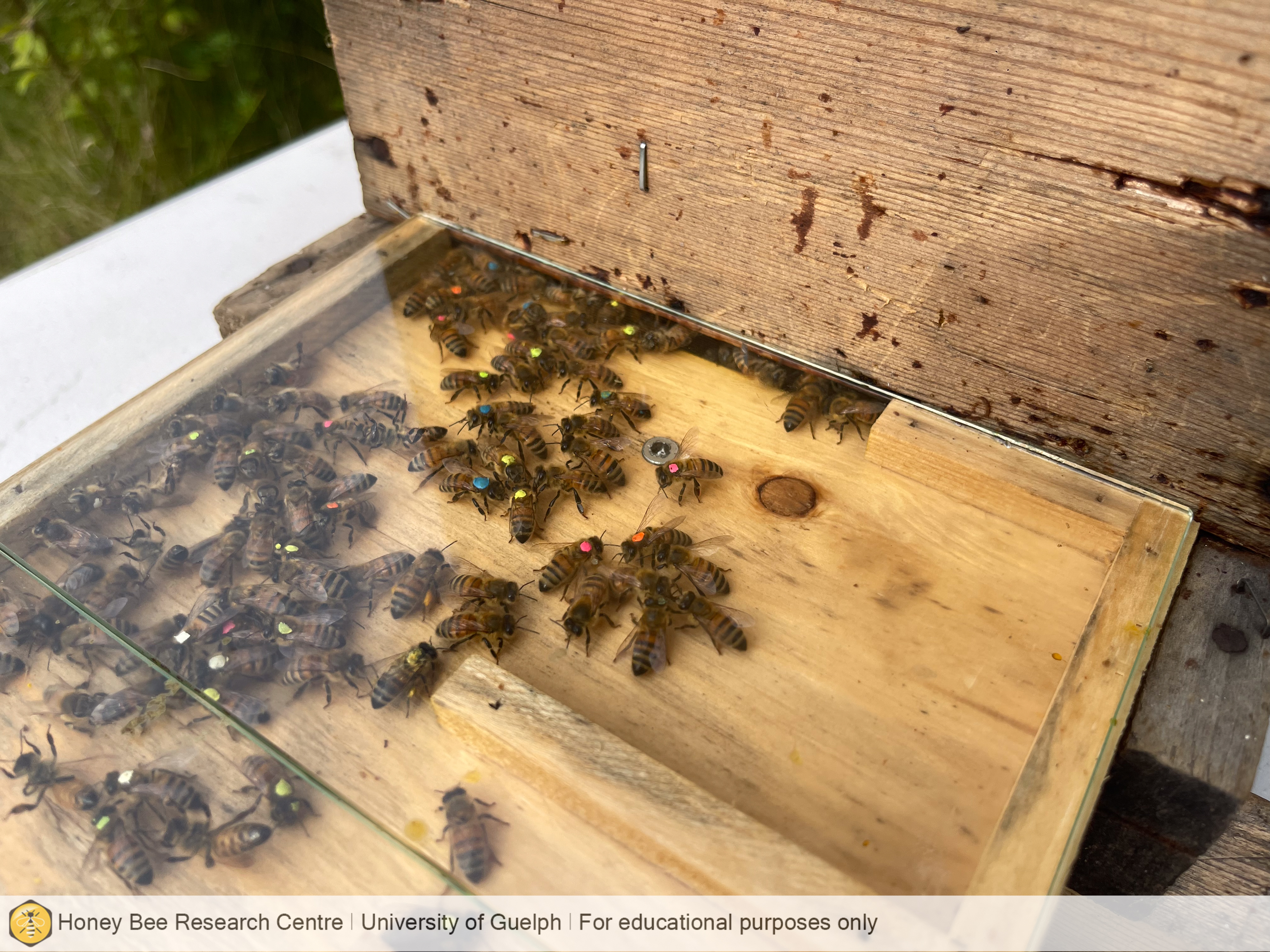
On a late spring morning in a research hive, a worker bee moves with a different urgency than her nestmates. She leaves brood frames and heads toward the sunlit entrance, weaving through the honeycomb as if compelled by an invisible instruction. To an outside observer the difference is subtle — a shift in the tempo of wingbeats, a decision to leave the safety of the hive — but to scientists studying social insects it represents one of the most consequential choices a bee can make: which job it will perform.
honeybee observation hive research
New research has begun to reveal that those choices are not random or purely environmental but are hardwired, in part, by a compact neural mechanism — a "brain switch" — that flips individual bees between behavioral states such as nursing and foraging. This discovery illuminates how a colony of tens of thousands maintains a dynamic division of labor and offers fresh insight into the neural logic of social coordination.
What Biologists Mean by a "Brain Switch"
When scientists refer to a brain switch they mean a neural circuit or molecular cascade within the brain that can be toggled to change the animal's behavior in a durable — though often reversible — way. In honeybees, the difference between a nurse bee that tends brood and a forager that gathers nectar and pollen is not just a task assignment on a chart. It is a wholesale change in motivation, sensory priorities, and motor programs coordinated by hormones, neuromodulators, and gene expression in brain tissue.
honeybee nurse bee tending brood
Think of the switch as a small control panel that biases how a bee responds to the world: what cues are attended to, which memories are accessed, and what actions are prioritized. Flip the panel and the insect's social role changes accordingly.
A Century of Puzzles: Division of Labor in Social Insects
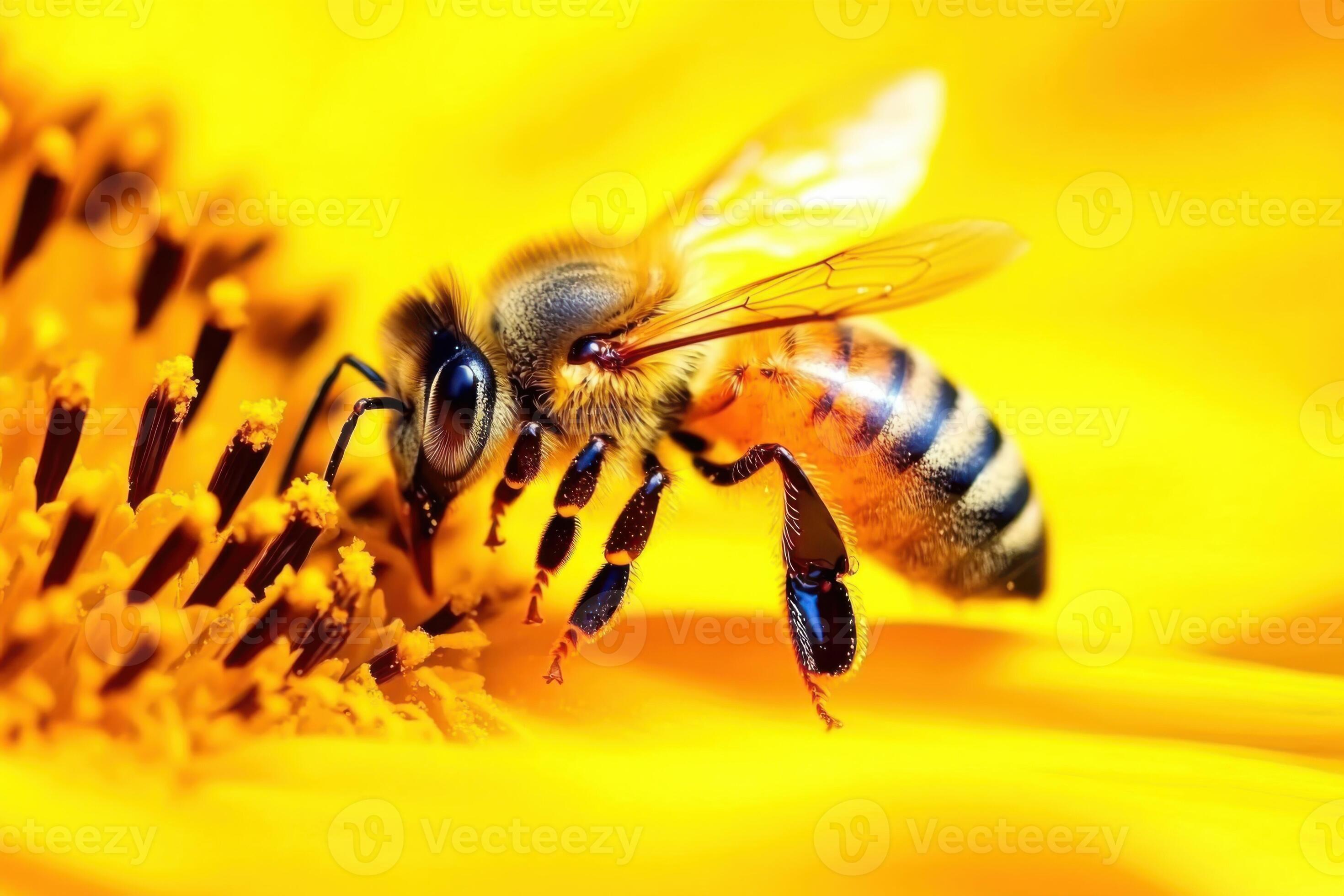
The phenomenon of division of labor has fascinated naturalists since Darwin. In eusocial insects like honeybees, ants and some wasps, colonies achieve remarkable efficiency by allocating tasks among genetically similar individuals. Younger adult workers typically serve as nurses inside the hive; middle-aged workers perform nest maintenance; and older ones become foragers. But that age-related pattern masks considerable flexibility: bees can accelerate, delay, or reverse role transitions depending on colony needs.
honeybee forager collecting nectar
For decades the leading explanations combined social cues (pheromones and brood signals), endocrine factors (notably juvenile hormone), and intrinsic changes in the brain. What was missing was a clear account of how molecular signals and neural circuits interact to produce discrete, switch-like shifts rather than gradual drifts.
How a Tiny Brain Orchestrates Big Decisions
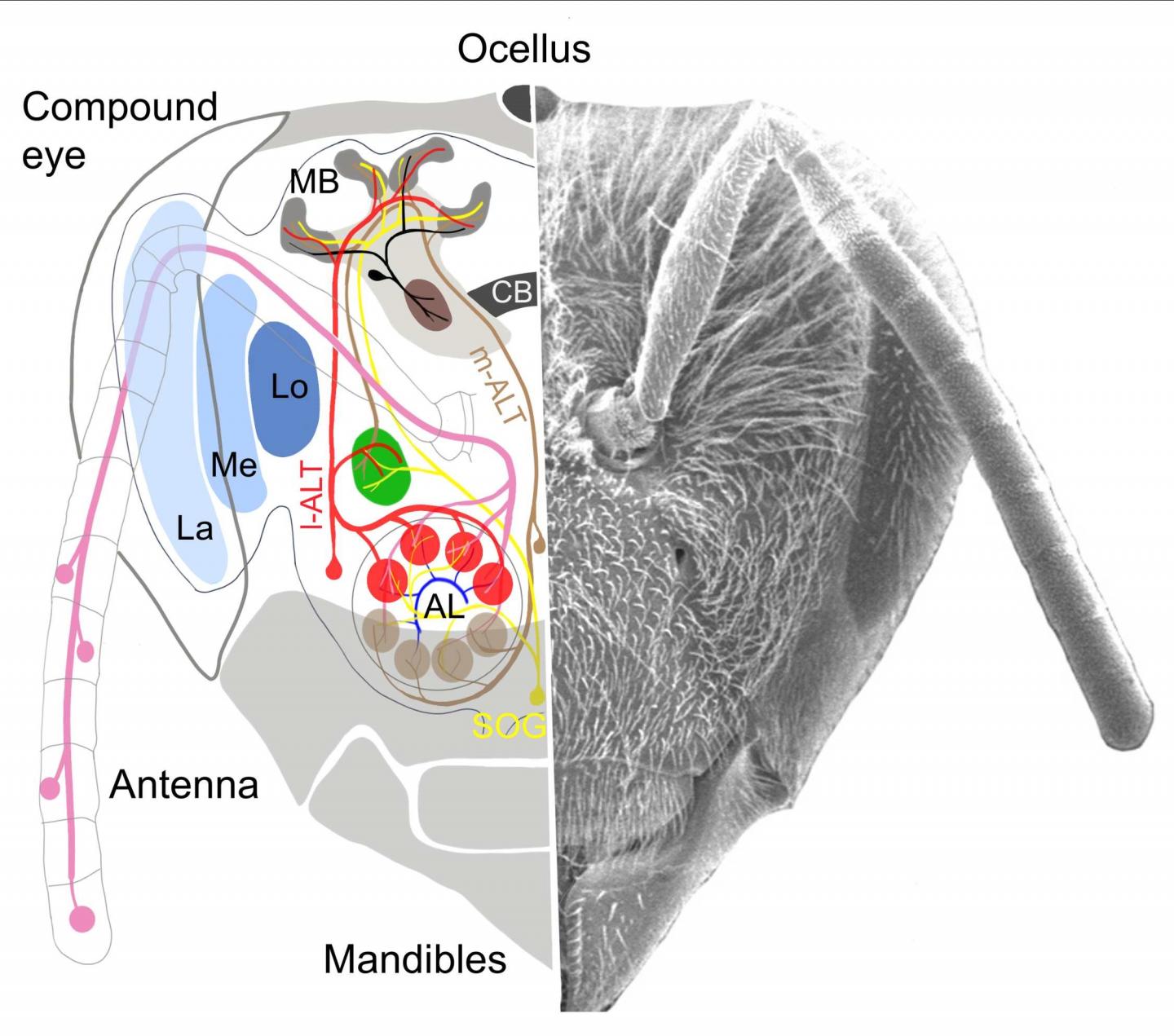
Recent experiments used a combination of targeted neural manipulations, gene-expression profiling, and behavioral assays to isolate a compact circuit in the bee brain that plays an outsized role in job assignment. The circuit sits at the intersection of sensory processing and neuromodulatory control — a hub that integrates internal state signals (like hormone levels) with external social cues (such as pheromones or the presence of brood).
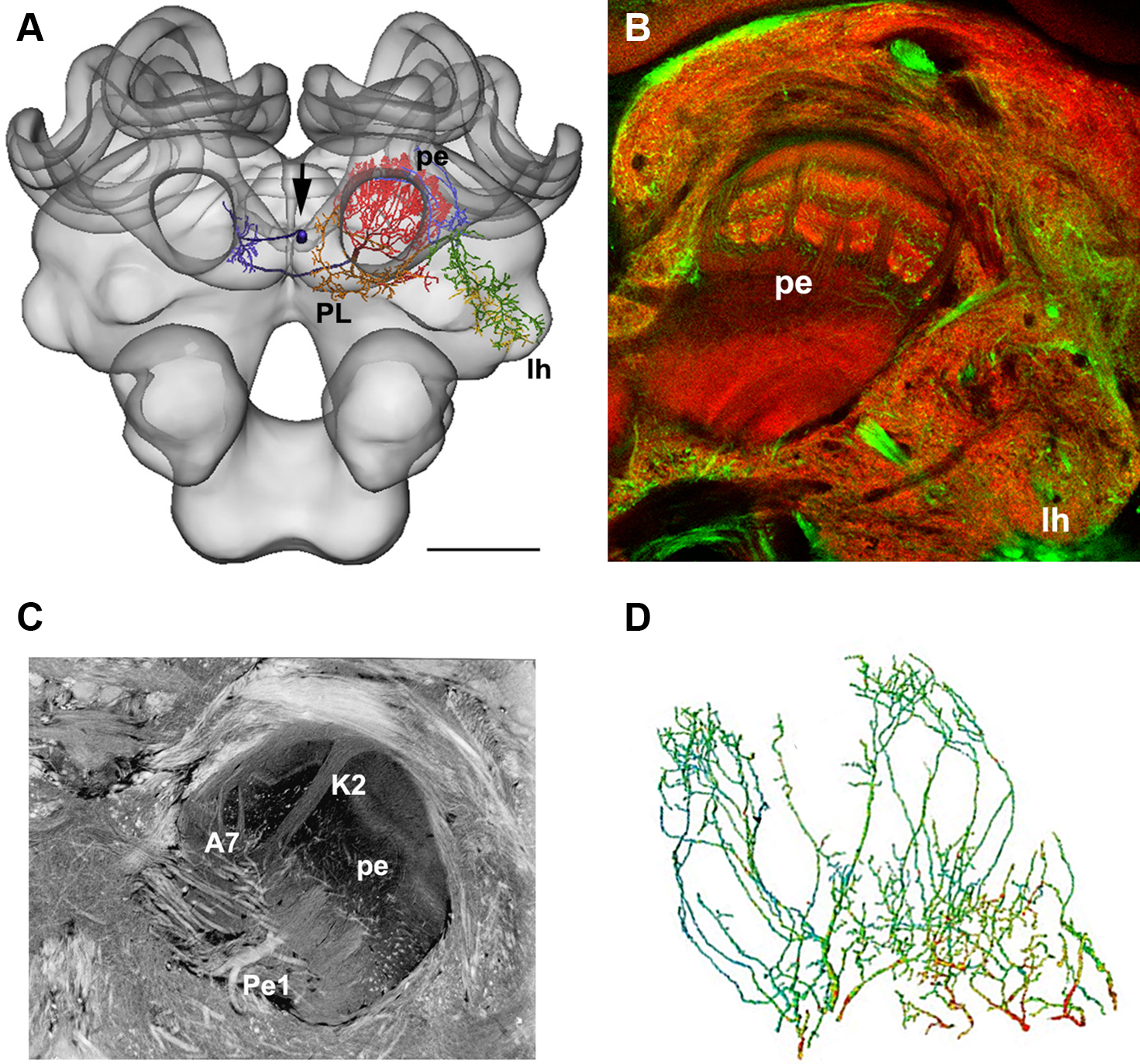
bee brain mushroom body neurons
At its simplest, the mechanism works like a two-position toggle. In one position the circuit amplifies sensitivity to brood pheromones and internal cues associated with nursing: olfactory receptors become more responsive, memory circuits favor brood-related information, and motor systems bias toward staying in the nest. In the other position the circuit increases sensitivity to floral odors and light cues, reduces responsiveness to brood signals, and promotes exit behaviors that lead to foraging.
"A small cluster of neurons can bias an entire animal's priorities — and by extension, the labor of the colony."
Key Molecular Players: Hormones and Neurotransmitters
Several molecular actors mediate the switch. Juvenile hormone (JH) levels rise as bees age and have long been associated with the nurse-to-forager transition. Neuromodulators like octopamine and dopamine change neuronal excitability and reward processing. Recent work suggests the switch operates through coordinated changes in these systems: altered JH sets a permissive background, while octopamine and dopamine tune the immediate responsiveness of the switch circuit.
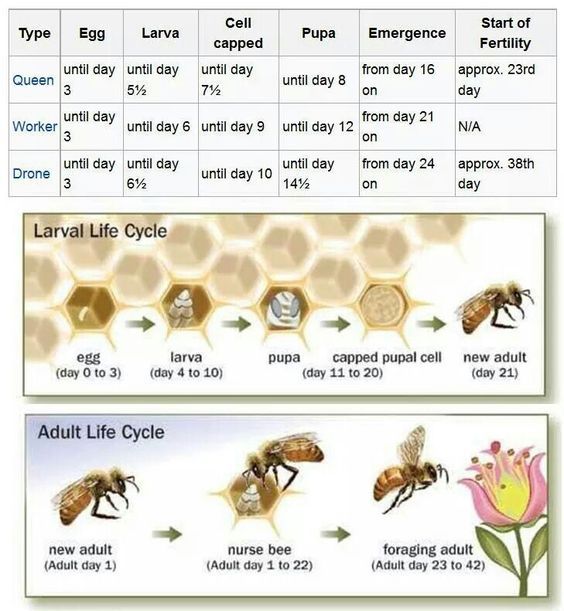
juvenile hormone bee development
Gene-expression changes in the mushroom bodies — the insect centers for learning and memory — also accompany the flip. Genes related to synaptic plasticity, metabolic state, and sensory transduction show rapid, state-dependent expression patterns, suggesting that the brain switch engages both fast neuromodulatory changes and slower transcriptional programs that stabilize new roles.
How Scientists Found the Switch
Finding a functional switch in an animal with fewer than a million neurons required a mix of classic and cutting-edge techniques. Researchers tracked individual bees inside observation hives while recording behavioral transitions. They used targeted pharmacology and RNA interference to perturb candidate neuromodulators and genes, observing predictable shifts in role behavior. In separate experiments, optogenetic stimulation of specific neuron clusters — light-triggered control of neural activity — pushed bees to leave the brood nest or, conversely, remain and tend larvae.
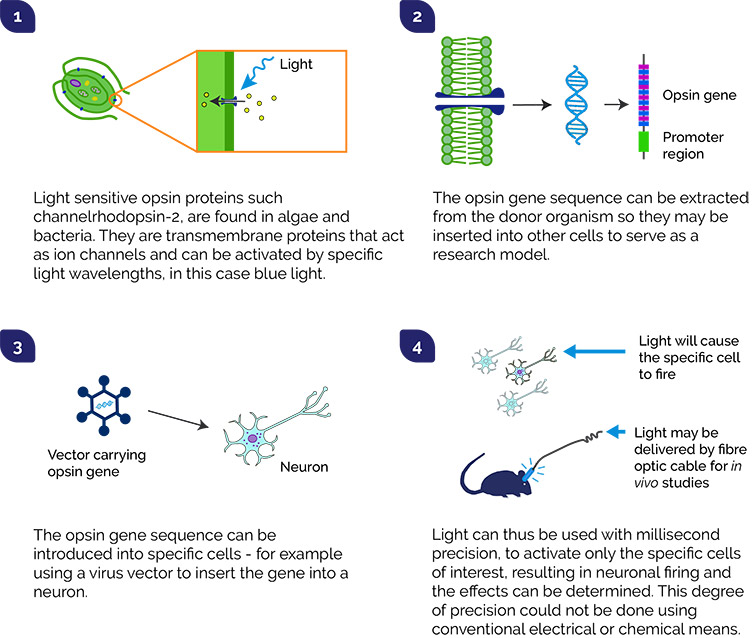
optogenetic bee brain stimulation
Complementary transcriptomic analyses compared brains from nurses and foragers, revealing consistent differences in expression for a core set of genes. Taken together, the interventions and correlative data built a compelling case for a compact circuit operating as a switch rather than a diffuse, purely hormonal gradient.
Behavioral Plasticity and Colony Resilience
Why does a colony benefit from a switch-like mechanism? Flexibility and stability are both essential. A purely age-based schedule would leave colonies vulnerable to sudden losses: if foragers die off, the hive must rapidly recruit replacements. A purely fluid system would be noisy and inefficient. A switch offers the best of both worlds: individual bees have a default state shaped by age and hormones, but social or environmental triggers can flip them into new roles quickly and reliably.
That duality explains common observations in apiaries: when a colony's foragers are lost to pesticides or storms, younger workers can accelerate their maturation and take up nectar-gathering in a matter of days. The brain switch provides a mechanistic account of that rapid reorganization.
Comparative Perspective: Is This Unique to Honeybees?
The basic logic of a switch is likely common across eusocial insects even if the molecular details differ. Ants and stingless bees also show discrete role transitions and rapid reallocation of labor under stress. The repeated evolution of such switch-like control suggests it is a convergent solution to the universal problem of coordinating many individuals with limited cognitive capacity.
Beyond insects, the discovery has conceptual parallels in vertebrate social systems where neuromodulatory systems gate behavioral states — for instance, parenting versus mate-seeking in birds and mammals. The insect brain switch is a compact, experimentally tractable model for exploring these broader principles of behavioral organization.
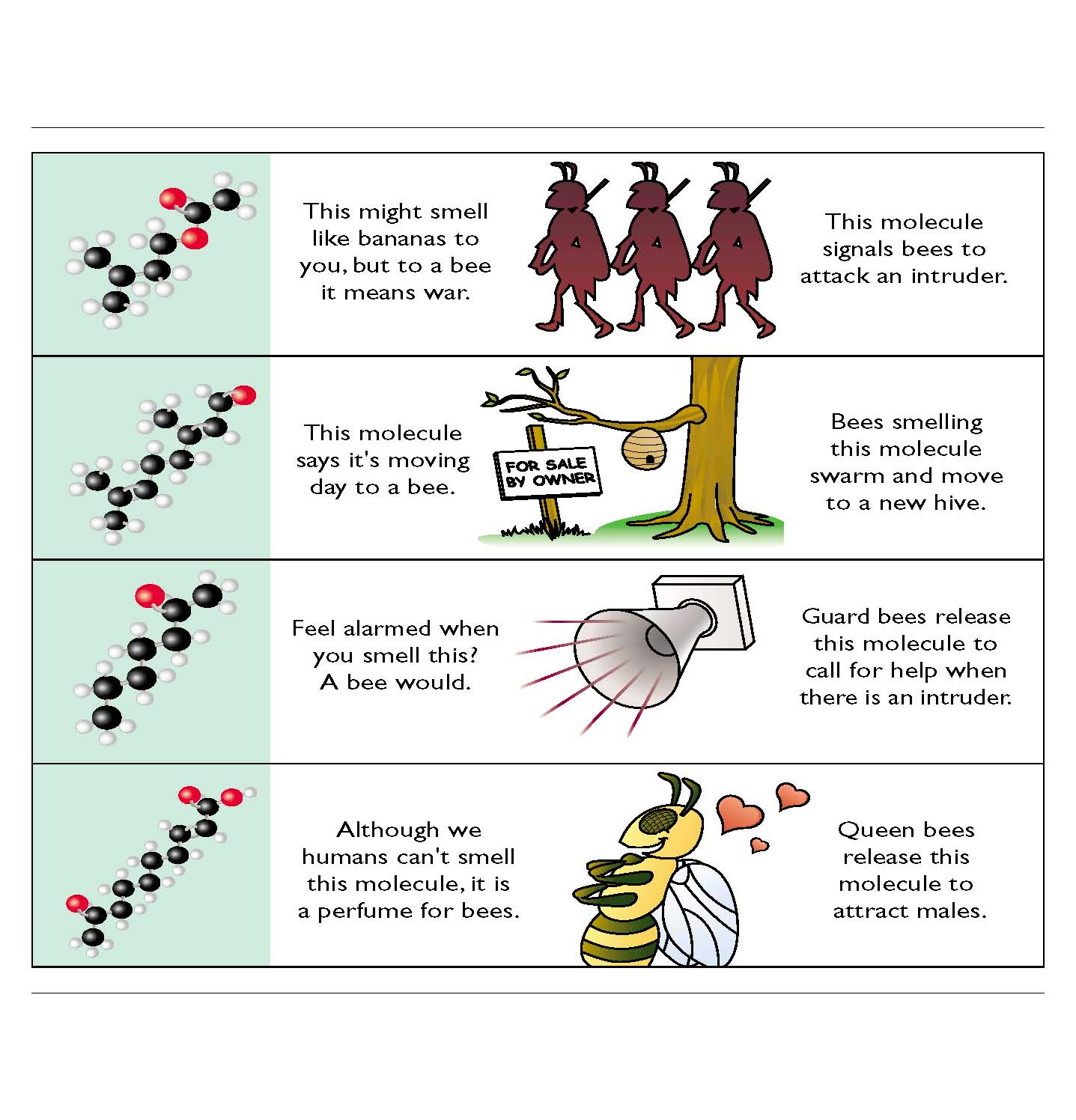
bee pheromone communication signals
Practical Implications for Beekeeping and Agriculture
Understanding the neural basis of role assignment carries practical value. Beekeepers could use this knowledge to improve colony management: for instance, by designing interventions that encourage faster recruitment of foragers during dearth periods or temper premature foraging that leads to early mortality. Pollination services, which depend on healthy and responsive foraging populations, would benefit indirectly from such advances.
There are potential biotechnological applications as well. Insights into compact switching circuits can inspire swarm robotics algorithms where simple agents must coordinate role assignment with minimal communication. Likewise, conservation efforts may use behavioral biomarkers tied to the switch to monitor colony health before visible decline.
Ethical and Ecological Considerations
Any attempt to manipulate bee behavior must be tempered by ethical and ecological caution. Artificially accelerating role transitions could increase worker mortality, or inadvertently alter disease dynamics within a hive. Moreover, interventions that improve short-term productivity might harm long-term colony resilience if they disrupt evolved balances between care and risk-taking.
Research should therefore prioritize minimally invasive approaches and long-term field trials that measure reproductive success, overwintering survival, and disease resistance — not just immediate foraging returns.
Open Questions and Future Directions
The discovery of a brain switch answers some questions and raises many others. How plastic is the switch across an individual's adult lifespan? Which genes directly control the toggle and which are downstream stabilizers? How do environmental stressors — from pesticides to climate change — interfere with switch dynamics? And critically, how do interactions between multiple switches within the brain produce nuanced behaviors beyond the nurse-forager axis?
Methodologically, the field is poised to benefit from single-cell transcriptomics, refined neural imaging in freely moving bees, and cross-species comparisons that test for conserved motifs. Each advance will help connect molecules to circuits to colony-level outcomes.
"By revealing a compact neural mechanism for role assignment, we can finally see how individual brains scale to collective intelligence."
How to Watch for the Switch in the Field
Amateur naturalists and apiarists can observe behavioral markers consistent with the switch. Look for clear changes in: (1) response to brood versus floral odors, (2) time spent inside the hive versus time in flight, and (3) responsiveness to social cues like pheromonal inhibition from the queen or brood. When a colony is perturbed, note which individuals accelerate or delay task transitions — those responsive bees may have a more labile switch.
Conclusion: From Tiny Brains to Big Insights
The discovery of a hidden brain switch that assigns bees their jobs reframes a classic problem in biology: how do many simple agents coordinate to create complex, adaptive societies? In honeybees, a compact neural mechanism synthesizes hormones, neuromodulators, and gene regulation to produce fast, reliable role shifts that sustain colony function. The result is both elegant and practical: a single control principle that supports resilience, efficiency, and flexibility.
As research continues, the bee brain will remain a powerful model for understanding social behavior across life. The implications extend from improved apiculture to bioinspired engineering, and they underscore a fundamental truth about nature: that grand organization often emerges from small, switch-like decisions tucked away inside tiny, remarkable brains.
- The "brain switch" is a compact neural circuit that toggles bees between nursing and foraging roles.
- Hormones (like juvenile hormone), neuromodulators (octopamine, dopamine), and gene-expression changes collaborate to flip and stabilize the switch.
- Switch-like control balances stability and flexibility, enabling rapid colony-wide reorganization after loss or stress.
- Practical applications include better colony management, pollination resilience, and inspiration for swarm robotics, but interventions require ethical caution.