Hidden Barrier to Room-Temperature Superconductors Revealed
The announcement that some newly synthesized materials become superconducting at ever-higher temperatures has been a recurring headline for more than three decades. Each time, excitement spikes: the promise of lossless power lines, levitating trains, ultra-efficient electronics, and a revolution in quantum devices. Yet the single, definitive prize—a superconductor that works at ordinary room temperature and ambient pressure—remains frustratingly out of reach. Recent research and theoretical synthesis point to a subtle, persistent culprit: not the absence of pairing, but the inability of those pairs to achieve long-range coherence under real-world conditions. In plain terms, electrons may pair up, but something is preventing those pairs from acting together as a single, frictionless fluid. This article unpacks that discovery, explains why it matters, and lays out where researchers are looking next.
Why Room-Temperature Superconductivity Matters
The impact of a true room-temperature, ambient-pressure superconductor would be hard to overstate. Electricity could be transmitted across continents with negligible loss; magnetic levitation could become ubiquitous and inexpensive; medical imaging, particle accelerators, and quantum computers would benefit dramatically from cheaper, more compact superconducting magnets and circuits. That is why the field is so intensely pursued: the payoff is both technological and economic. But physics sets constraints—some visible, some hidden—and understanding those constraints is what advances the field.
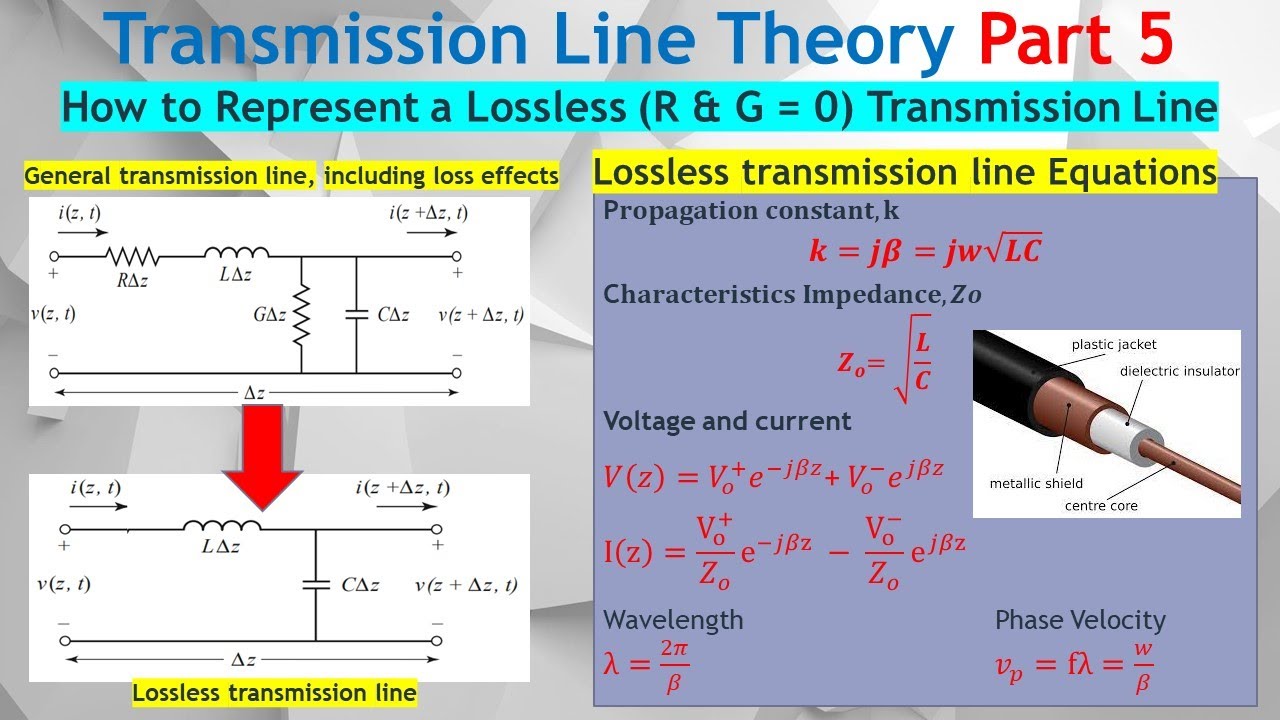
lossless power transmission lines concept
A Quick Primer: What Superconductivity Is—and Isn’t
At its core, superconductivity is a macroscopic quantum phenomenon. Electrons pair up into bound objects called Cooper pairs and condense into a single quantum state that carries current without resistance. Traditional Bardeen-Cooper-Schrieffer (BCS) theory links pairing to attractive interactions—often mediated by lattice vibrations (phonons)—and predicts a critical temperature, Tc, below which the condensate is stable. But real materials are messy: competing electronic orders, lattice instabilities, disorder, and strong electron-electron correlations can modify, suppress, or fragment that condensate.
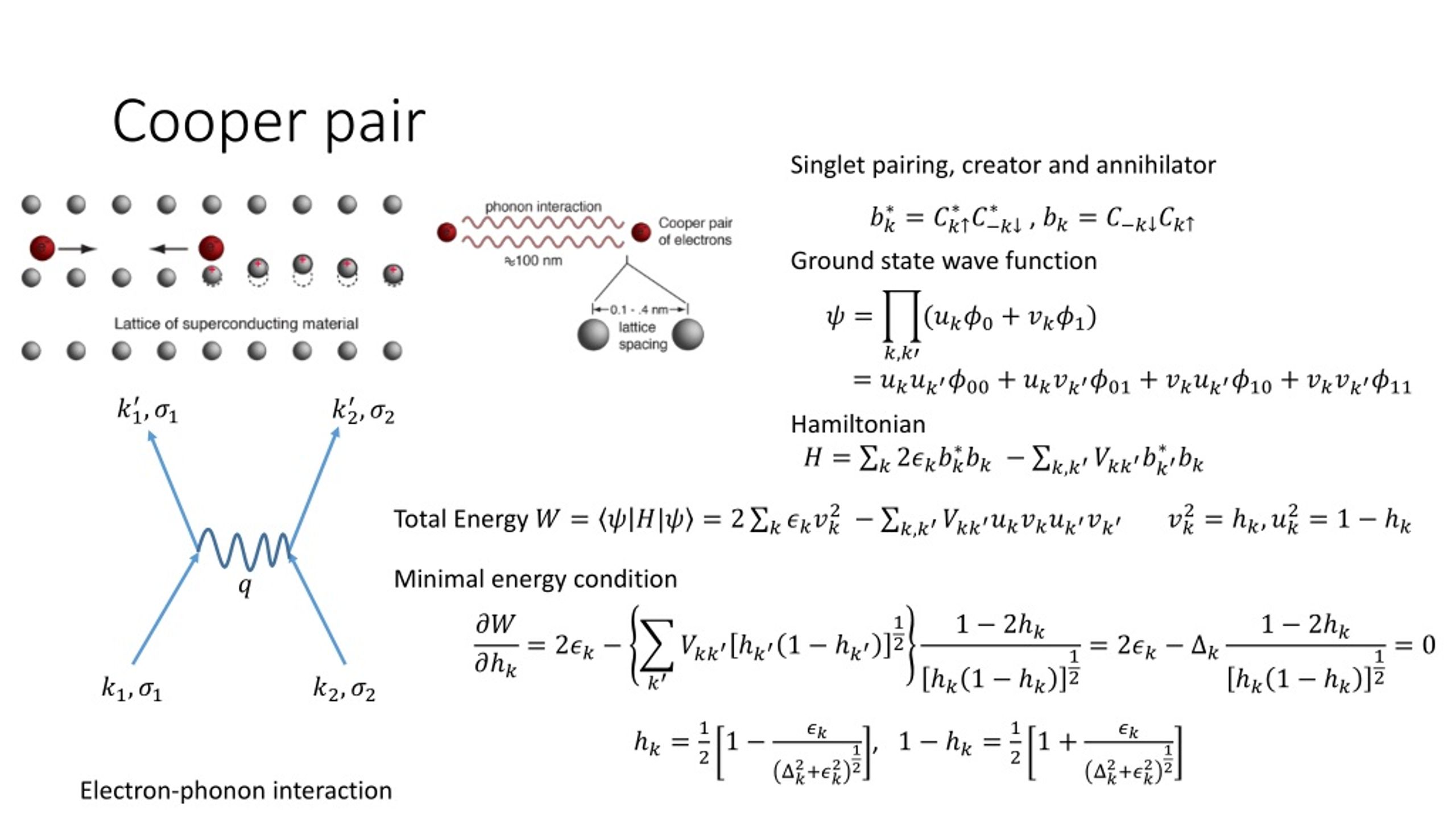
superconducting Cooper pairs diagram
Pairing is necessary but not always sufficient—coherence is the missing ingredient in many candidate materials.
The New Insight: Pairing Without Global Coherence
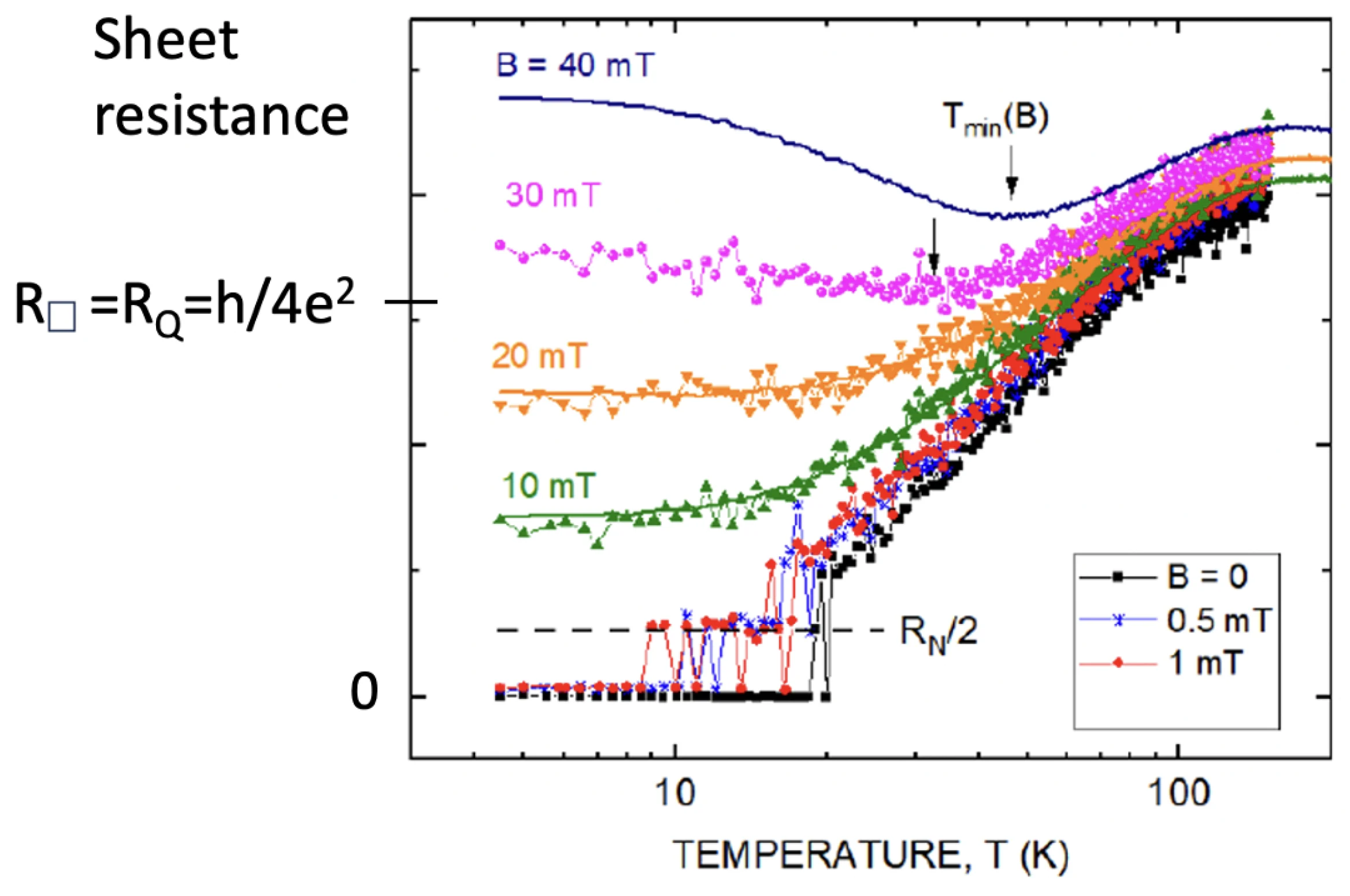
Over the past decade, experimentalists have repeatedly observed signatures consistent with local or short-range pairing at temperatures higher than the temperature at which materials become true, resistanceless superconductors. That mismatch—where spectroscopic techniques detect a gap or paired behavior, but transport measurements show finite resistance—was puzzling. The new framing suggests a common mechanism: phase fluctuations and disorder break the global phase coherence of the superconducting order parameter, confining superconductivity to islands or filaments that cannot sustain a macroscopic supercurrent.
Imagine a crowd doing the wave in a stadium. Individual groups may stand and wave (local pairing), but if they are out of sync across the arena, the wave never becomes a unified motion (global superconductivity). The microscopic instigator of that de-synchronization can be several things acting together: strong Coulomb repulsion that localizes charge, structural or chemical disorder that fragments the material into regions with different local Tc, and fluctuations in the phase of the order parameter due to low superfluid density.
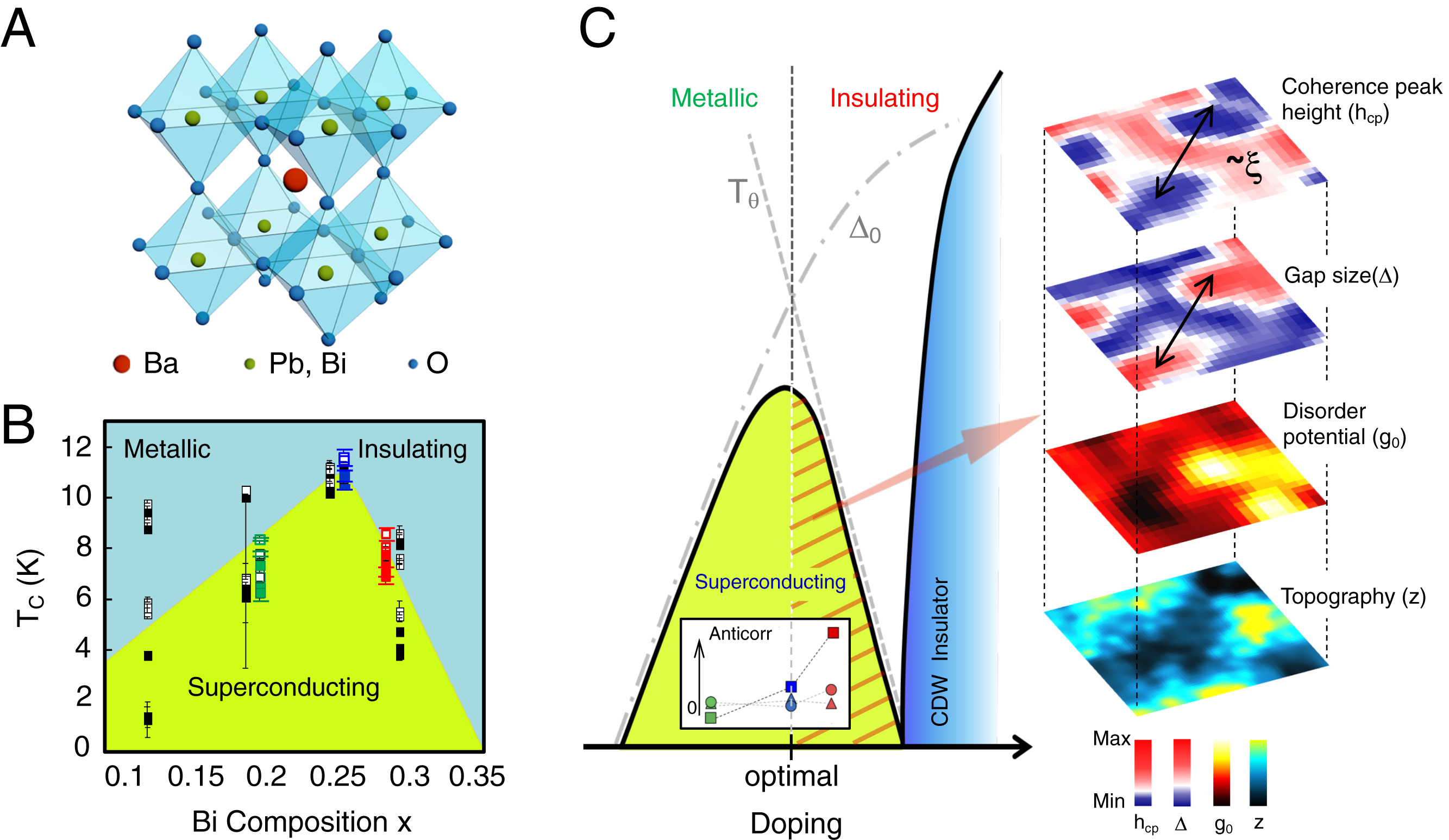
superconductor phase coherence diagram
Key Physical Players
1. Phase Fluctuations
When pairs form, they have an amplitude (how many pairs) and a phase (their quantum mechanical orientation). Superconductivity requires both a nonzero amplitude and long-range phase alignment. In systems with low superfluid density—where the number of carriers that form the condensate is small—thermal or quantum fluctuations can randomly shift the phase between neighboring regions. Those phase slips break the superconducting path and restore resistance, even though pairs exist locally.
2. Disorder and Inhomogeneity
Real materials are rarely uniform. Variations in stoichiometry, strain, grain boundaries, or impurity concentrations create a patchwork of areas where pairing strength and critical temperature differ. These inhomogeneities can sever percolation pathways needed for a continuous superconducting state. Instead of a single, uniform condensate, the material supports islands of superconductivity separated by non-superconducting or weakly superconducting regions.
3. Coulomb Interactions and Pair Localization
Strong electron-electron repulsion can work against pairing by localizing charge and increasing the energy cost to establish coherent pairs across regions. In low-dimensional or poorly screened systems, Coulomb interactions amplify phase fluctuations and promote insulating states that coexist with localized pairs. This duality—paired but localized electrons—is a recurring theme in many unconventional superconductors.
Experimental Hints That Point to This Mechanism
Multiple experimental probes converge on the picture of pairing without global coherence. Spectroscopic techniques, like scanning tunneling microscopy (STM) and angle-resolved photoemission spectroscopy (ARPES), detect energy gaps or paired features well above the temperature where resistivity drops to zero.
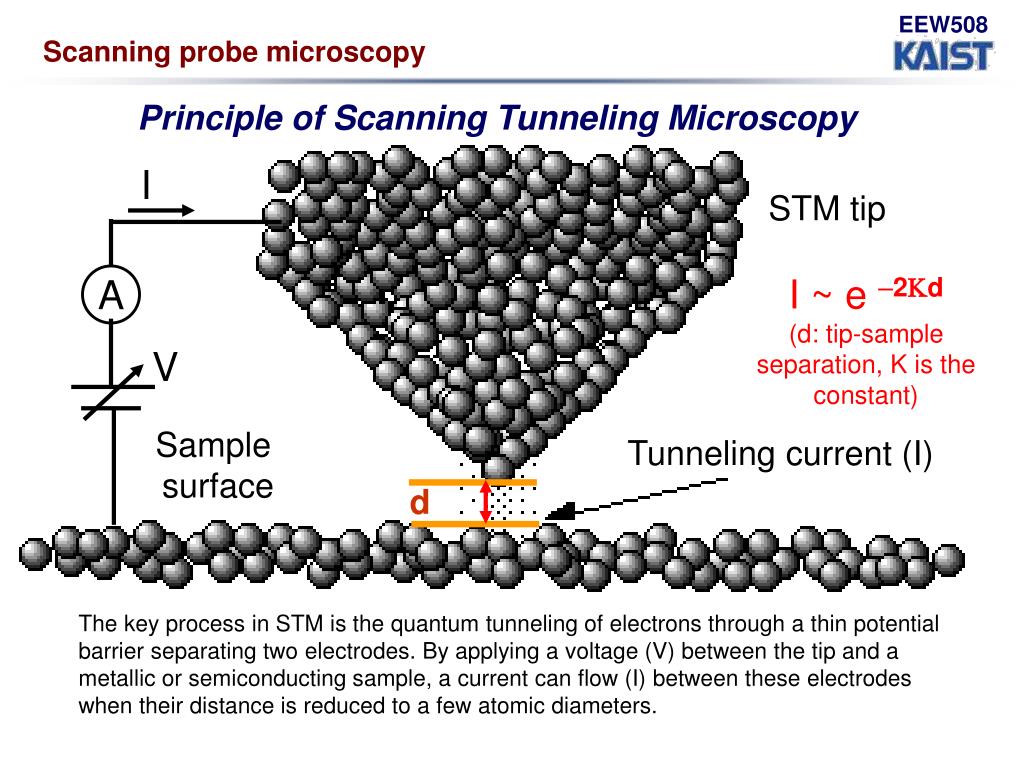
scanning tunneling microscopy STM surface
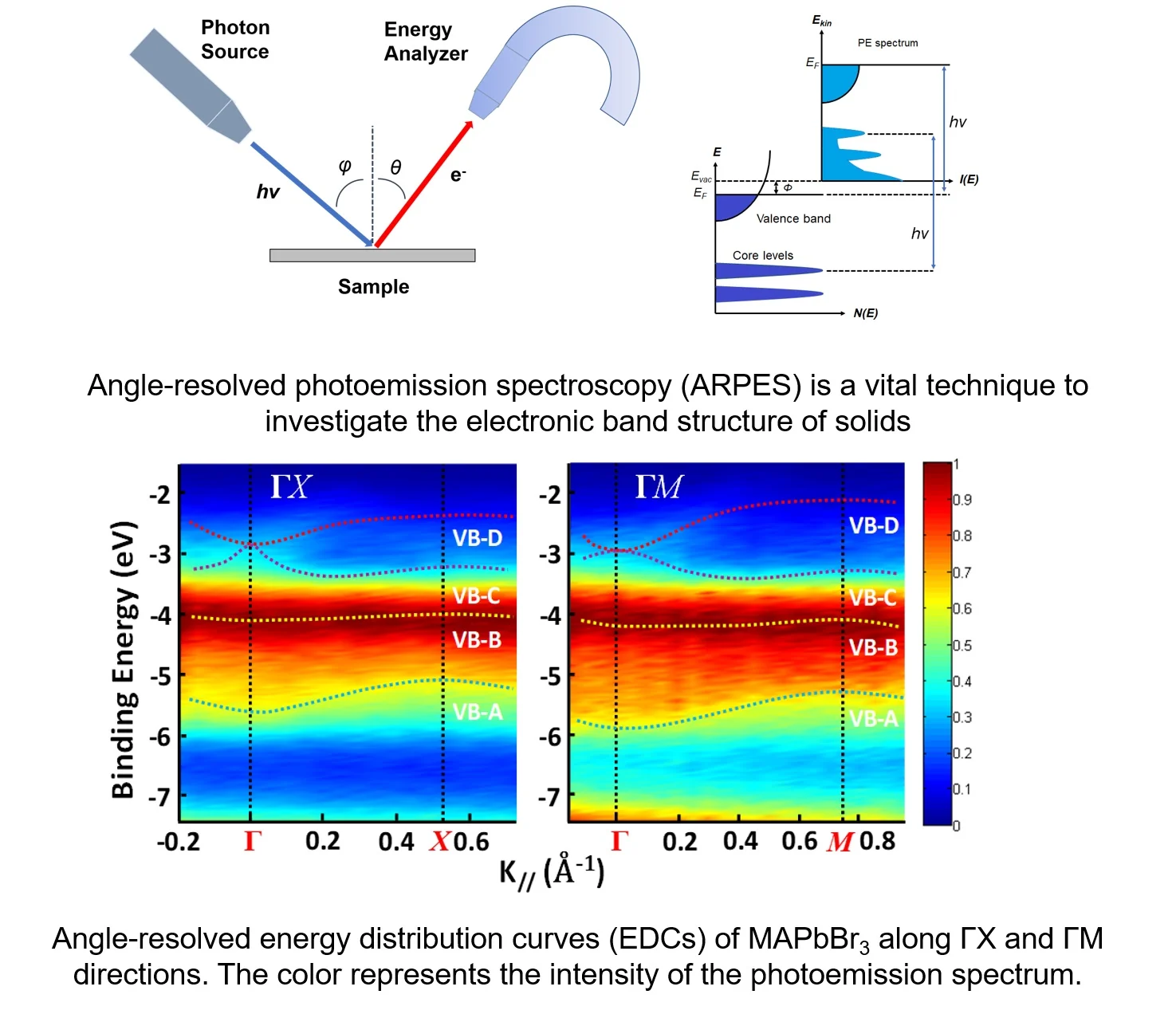
angle-resolved photoemission spectroscopy ARPES plot
At the same time, transport and magnetic susceptibility measurements show finite resistance and incomplete Meissner screening until lower temperatures. Magnetotransport studies often reveal vortex-like excitations and enhanced Nernst signals in the intermediate regime—signs that local superconducting order exists but cannot lock into a phase-coherent state.
Experiments are increasingly consistent with superconductivity that is confined, fragile, and fragmented rather than absent at high temperatures.
Why Some High-Tc Claims Fell Short
Over the years, announcements of record-high transition temperatures have alternated with skepticism and eventual re-evaluation. When superconducting behavior appears filamentary or confined to tiny pockets, bulk measurements can exaggerate the effect: a small superconducting fraction can produce local zero-resistance paths under special measurement geometries or transiently under pressure, but fail to provide the robust, reproducible, ambient-pressure superconductivity the field wants. The newly highlighted mechanism explains why some materials show tantalizing signatures of superconductivity while resisting the robust, global phase coherence that would deliver practical devices.
What This Means for Materials Strategies
Recognizing phase coherence and pair delocalization as central bottlenecks changes the search strategy. Rather than hunting solely for stronger pairing mechanisms (higher pairing energies), researchers must aim to increase superfluid density and reduce the disruptive effects of disorder and Coulomb repulsion. Several complementary paths are promising:
- Material purity and uniformity: Advanced synthesis can reduce inhomogeneity and grain boundary effects that break coherence.
- Carrier density engineering: Doping, gating, or interface design can tune superfluid density without destroying pairing.
- Dimensional control: Carefully designed heterostructures and superlattices can screen Coulomb interactions and enhance coherence across layers.
- Strain and pressure tuning: Selective strain can align local lattice environments and connect superconducting islands into a percolating network.
Technological and Measurement Implications
For device applications, coherence length and superfluid density are as crucial as the pairing mechanism. Thin films and nanostructures that localize pairs will struggle to carry macroscopic supercurrents despite showing robust spectroscopic gaps. Practically, researchers and engineers need standardized tests that tease out filamentary or percolative superconductivity from true bulk superconductivity: reliable zero-resistance measurements across varied geometries, reproducible Meissner screening, and thermal robustness tests are essential.

superconducting quantum computing chip
What Success Looks Like
A genuine room-temperature superconductor will show, reproducibly and in bulk, three key signatures at ambient pressure: zero DC resistance under standard testing conditions, a full Meissner effect indicating bulk diamagnetic screening, and thermal stability (the effect should persist across repeated thermal cycles without requiring extreme environmental control). Achieving that requires simultaneously strong pair formation and strong phase coherence at the same temperature scale.
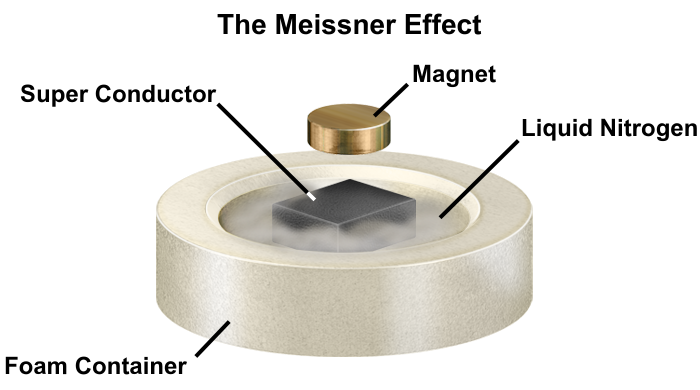
Meissner effect levitation experiment
Where the Field Is Heading
Researchers are increasingly designing experiments specifically to separate pairing from coherence. Multimodal studies that combine spectroscopic maps with transport and local magnetic imaging are the gold standard. Meanwhile, theorists are developing models that capture the interplay of disorder, Coulomb interactions, and strong correlations, producing design principles for materials where pairing and coherence can be co-optimized. A pragmatic shift is underway: rather than asking only whether pairs exist at a given temperature, scientists now ask whether those pairs can form a coherent network robust to disorder and fluctuations.
The path to room-temperature superconductivity may require reconciling local quantum order with global classical connectivity.
Broader Implications: From Quantum Technology to Energy
Even if a universal room-temperature superconductor is still beyond reach, the insights about phase coherence have immediate consequences. They inform how to make better superconducting qubits, how to design ultra-sensitive sensors, and how to craft materials that maximize usable superconducting volume. For energy systems, clearer design rules could make intermediate-temperature superconductors—those operating at liquid-nitrogen temperatures or higher—more practical and affordable, which alone would revolutionize power transmission and magnetic technologies.
Challenges and Open Questions
Many challenges remain. Precisely how disorder scales with superconducting island size, how screening can be engineered at the nanoscale, and how Coulomb interactions interplay with different pairing mechanisms are active research questions. There are also materials-specific puzzles: some hydride systems show extremely high pairing scales under pressure but may still lack robust coherence at ambient conditions. Understanding whether and how those systems can be stabilized without extreme pressure is a grand challenge.
Conclusion: A Reoriented Roadmap
The recent synthesis of ideas around phase fluctuations, disorder, and pair localization reframes the problem of room-temperature superconductivity. It tells a more nuanced story: that pairing alone is not the finish line. Instead, the field must simultaneously secure long-range coherence, manage Coulomb effects, and engineer material uniformity. This reorientation changes both the questions researchers ask and the experiments they design. It also makes clear that multiple complementary paths—materials chemistry, nanoscale engineering, and theoretical insight—must converge to reach the goal.
- Local pairing is often observed at temperatures higher than bulk Tc, but phase coherence is the bottleneck for macroscopic superconductivity.
- Disorder, Coulomb interactions, and low superfluid density promote pair localization and phase fluctuations.
- Strategies to reach functional high-Tc superconductors must balance pairing strength with enhanced coherence and uniformity.
- Even incremental advances in coherence can deliver meaningful technological benefits before true room-temperature superconductors are found.
Final Thought
The dream of a room-temperature, ambient-pressure superconductor is still alive—but the map has changed. Discoveries that reveal hidden barriers sharpen the path forward. Scientists now have clearer signposts: not only to seek strong pairing, but to ensure those pairs can act in concert. If the next decade is any indication, that reframing could be the key that finally opens the door to the next great materials revolution.