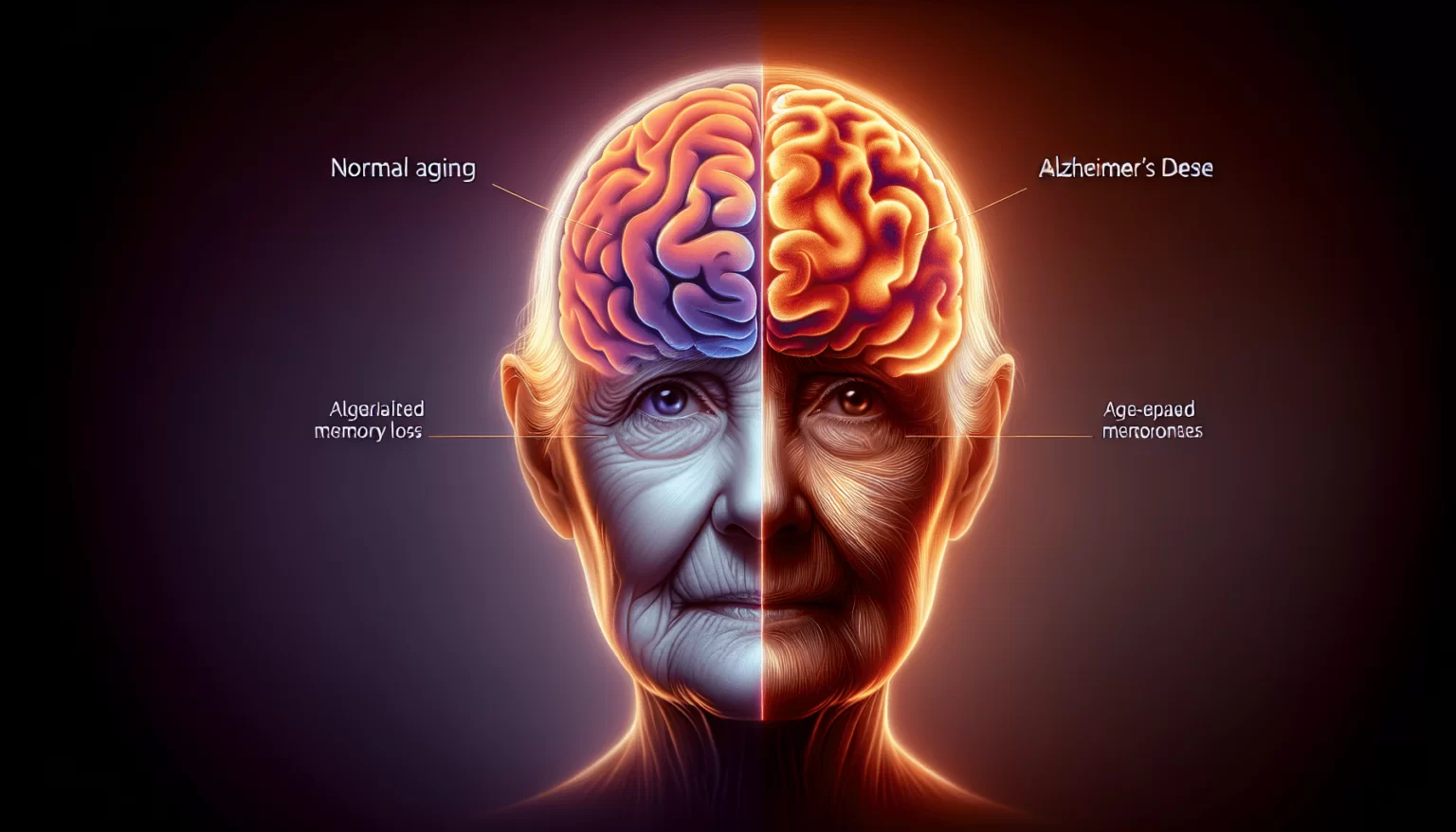
Hidden Aging Driver Discovered — Amino Acid Reverses Memory Loss in Mice
Imagine a small, overlooked housekeeping process inside cells that, when it falters with age, quietly chips away at memory and resilience. Now imagine that a simple, naturally occurring amino acid can patch that leak — at least in mice. That is the provocative narrative emerging from a recent body of laboratory work: scientists have flagged a previously underappreciated cellular mechanism as a hidden driver of aging and report that dietary supplementation with the amino acid glycine reversed age-related memory deficits in mice.
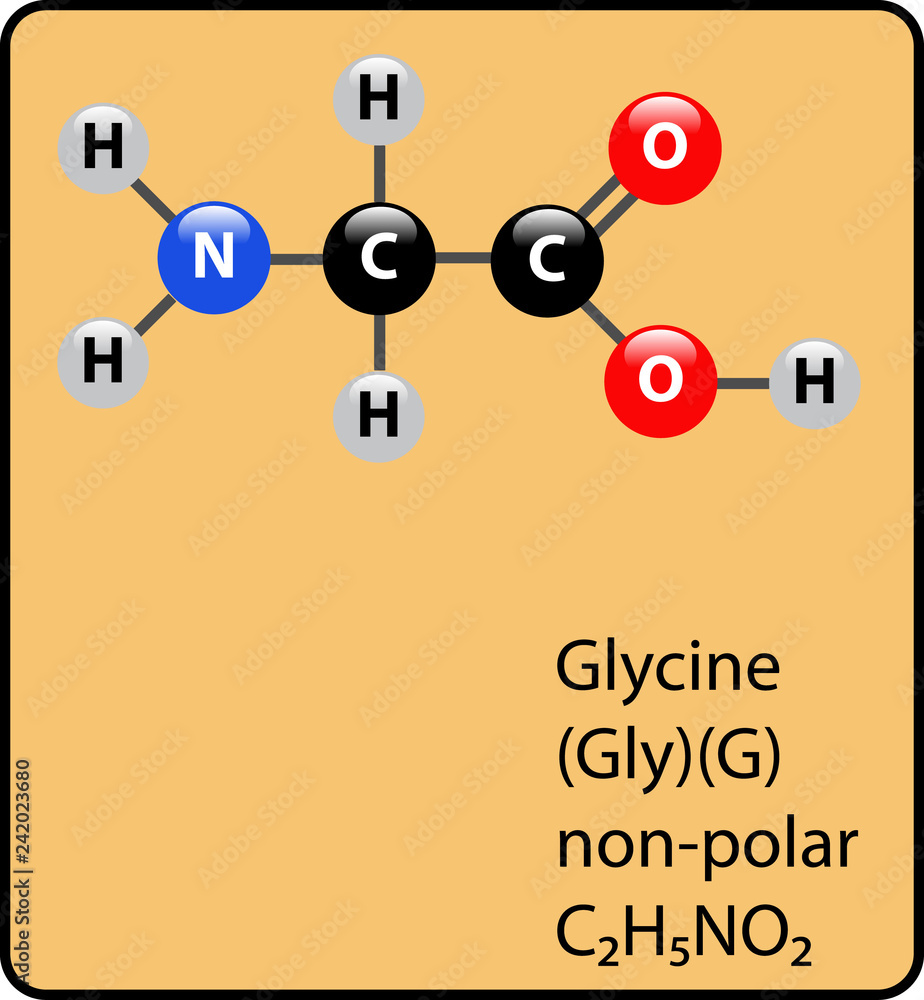
glycine amino acid molecule
“Aging may not be driven by a single villain but by a cascade of small failures; fixing one essential leak can produce outsized benefits.”
What Researchers Found
The headline is striking: in aged laboratory mice, researchers identified a decline in what they describe as cellular peptide clearance and peptide-quality control in the nucleus and synapse. This decline appears to trigger chronic low-level inflammatory signaling and synaptic weakening — two hallmarks of the aging brain. When the researchers supplemented the animals' diets with glycine, a simple amino acid, memory performance improved on standardized maze tasks and molecular markers of synaptic function normalized.
Why this feels different
A great deal of aging research focuses on well-known suspects — telomeres, mitochondrial dysfunction, senescent cells, and systemic inflammation. The new work reframes the problem by highlighting a housekeeping pathway that sits at the interface of protein quality control and immune signaling. It is not a replacement for existing paradigms; it is a complementary angle that reveals how small failures in maintenance can scale into whole-organism decline.
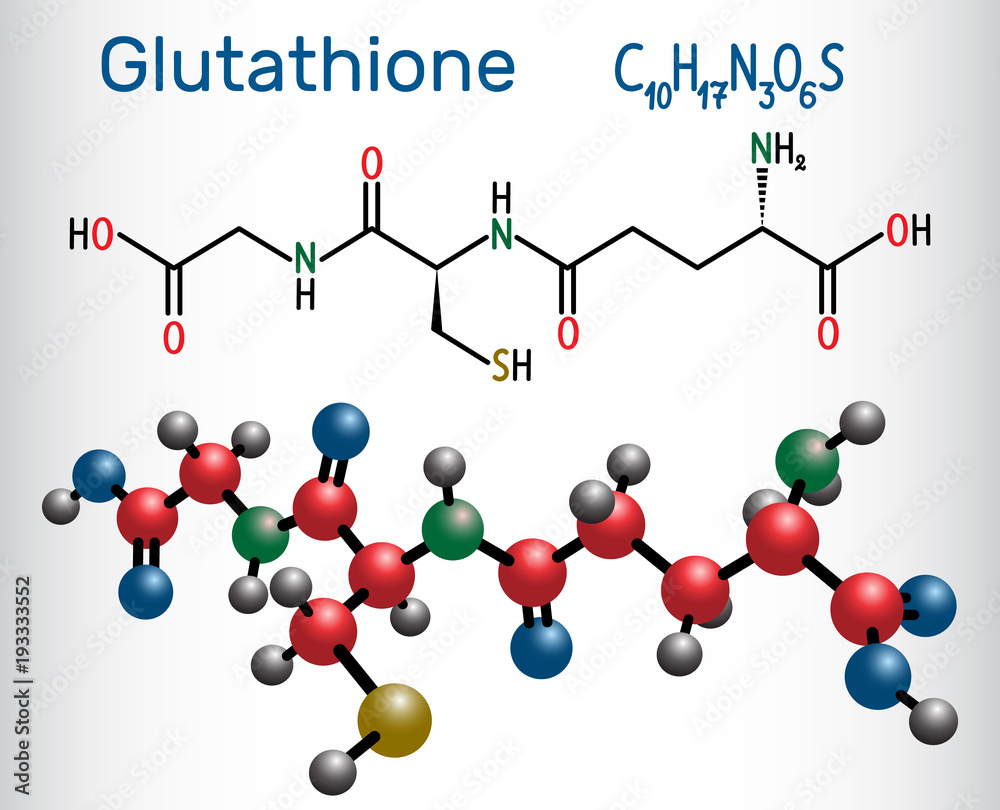
glutathione antioxidant molecule structure
Inside the Study: From Molecule to Maze
How the hidden driver was uncovered
To discover this mechanism, scientists combined cell biology, proteomics and behavioral testing. They compared young adult mice and aged mice across multiple tissues, focusing on the brain. At the molecular level they observed a gradual accumulation of small, misprocessed peptides and fragments inside neuronal nuclei and at synapses. These fragments were not inert: they correlated with activation of innate immune sensors and with reductions in the proteins neurons use to remodel synapses.
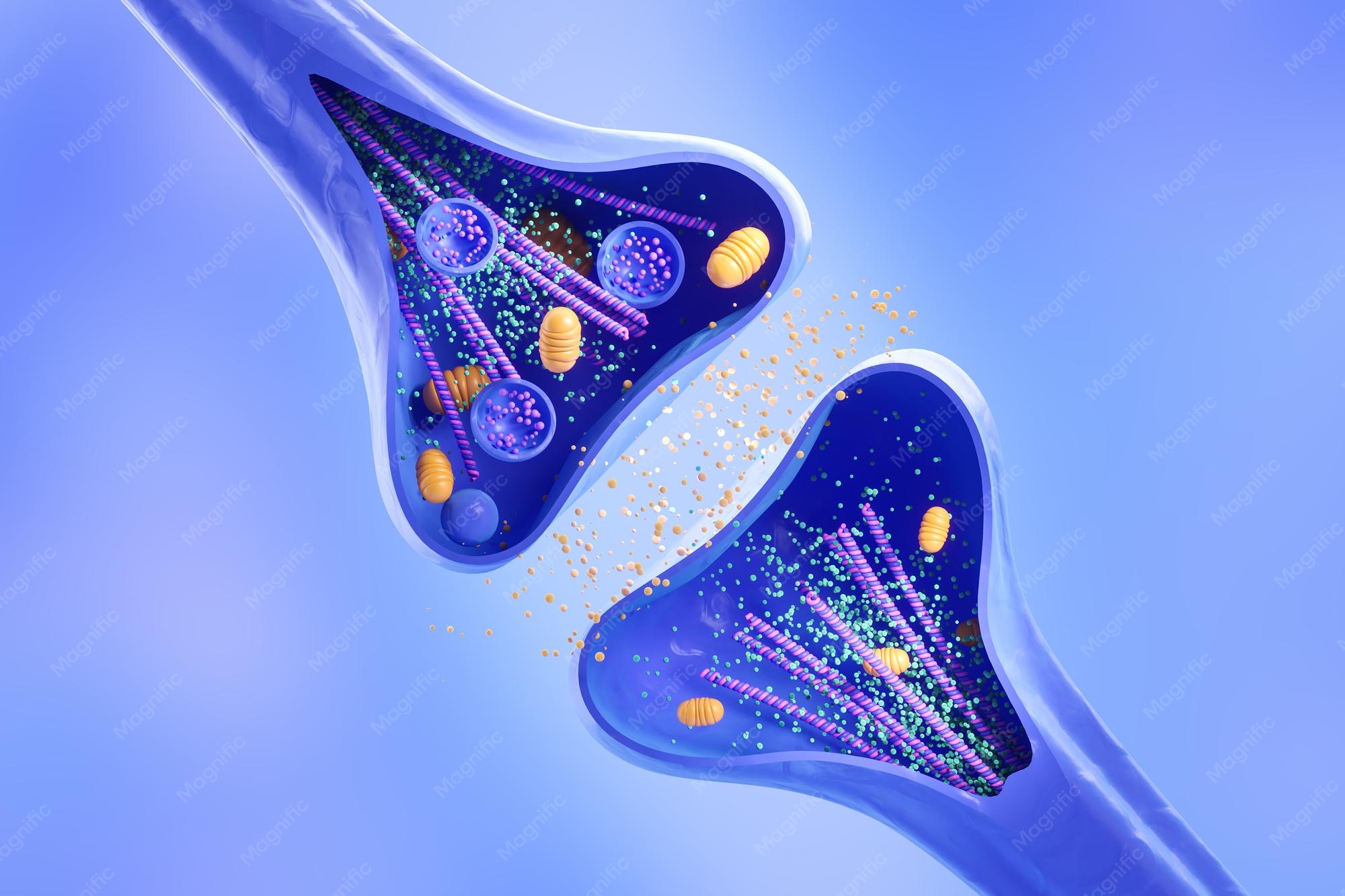
neuron synapse illustration
The pattern was subtle, and the team used sensitive biochemical techniques to separate this phenomenon from better-known signs of aging. Rather than an abrupt catastrophic failure, the finding was an incremental erosion of peptide-quality control — a process that, over months and years, appears to change the brain's internal environment in ways that impair learning and memory.
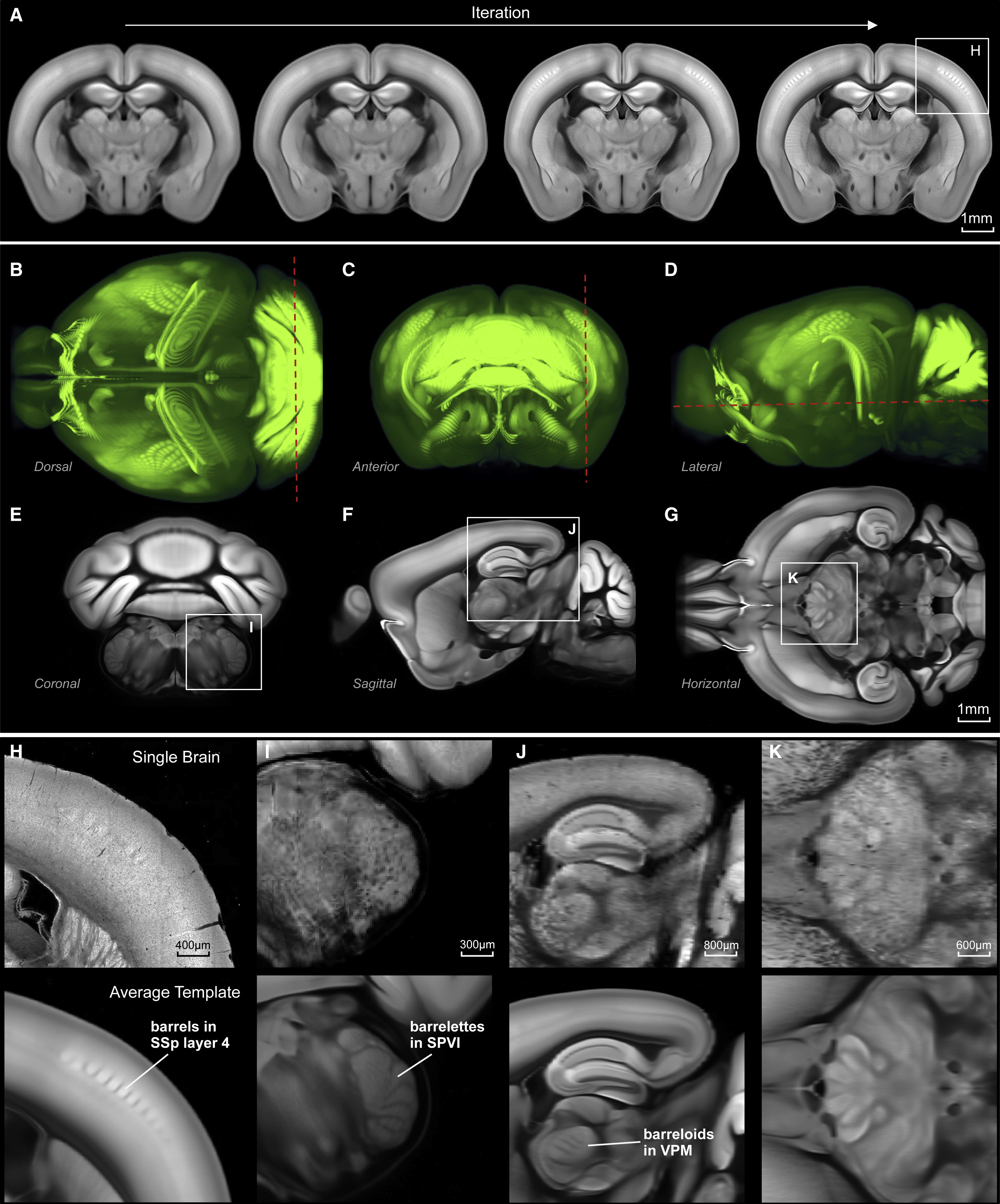
aged mouse brain anatomy
Testing the amino acid
Because the accumulation suggested impaired peptide processing and antioxidant support, researchers tested whether boosting basic metabolic support could restore balance. They chose glycine for several reasons: it participates in one-carbon metabolism, contributes to glutathione synthesis, and modulates neurotransmission at NMDA receptors. In aged mice, glycine was added to drinking water at doses scaled from prior rodent work.
Within weeks, mice receiving glycine performed better on spatial memory tests such as the Morris water maze and novel object recognition tasks. Neuropathological analyses showed partial reversal of synaptic protein loss and reduced markers of innate immune activation in the hippocampus, the brain’s memory center.
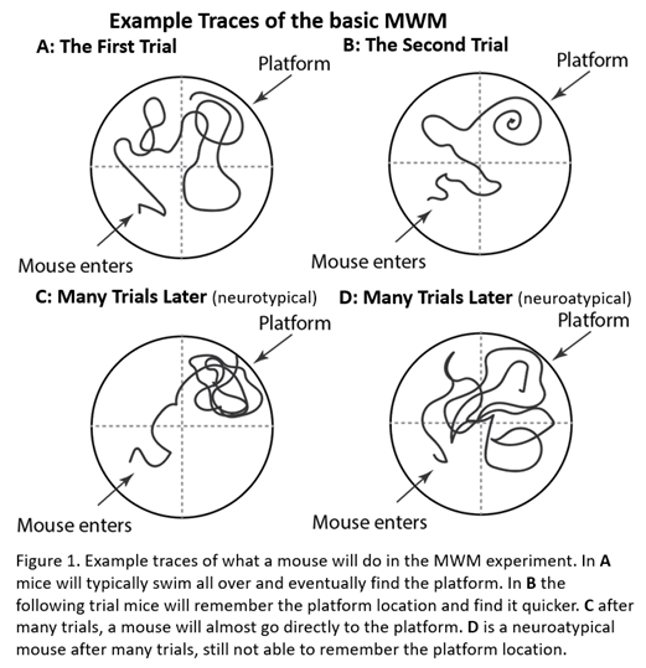
mouse in Morris water maze
What the mechanism might be doing
Connecting peptide clearance, inflammation and memory
One way to think about the discovery is to use an analogy: neurons are like busy kitchens, constantly producing and recycling ingredients. If the sink that clears scraps gets clogged, the counter fills with small trash and the cook cannot prepare meals efficiently. In neurons, inefficient peptide clearance may slowly elevate stress signals and trigger immune pathways meant to defend against infection. Those pathways are not optimized for long-term activation and can impair synaptic plasticity — the cellular basis of learning and memory.
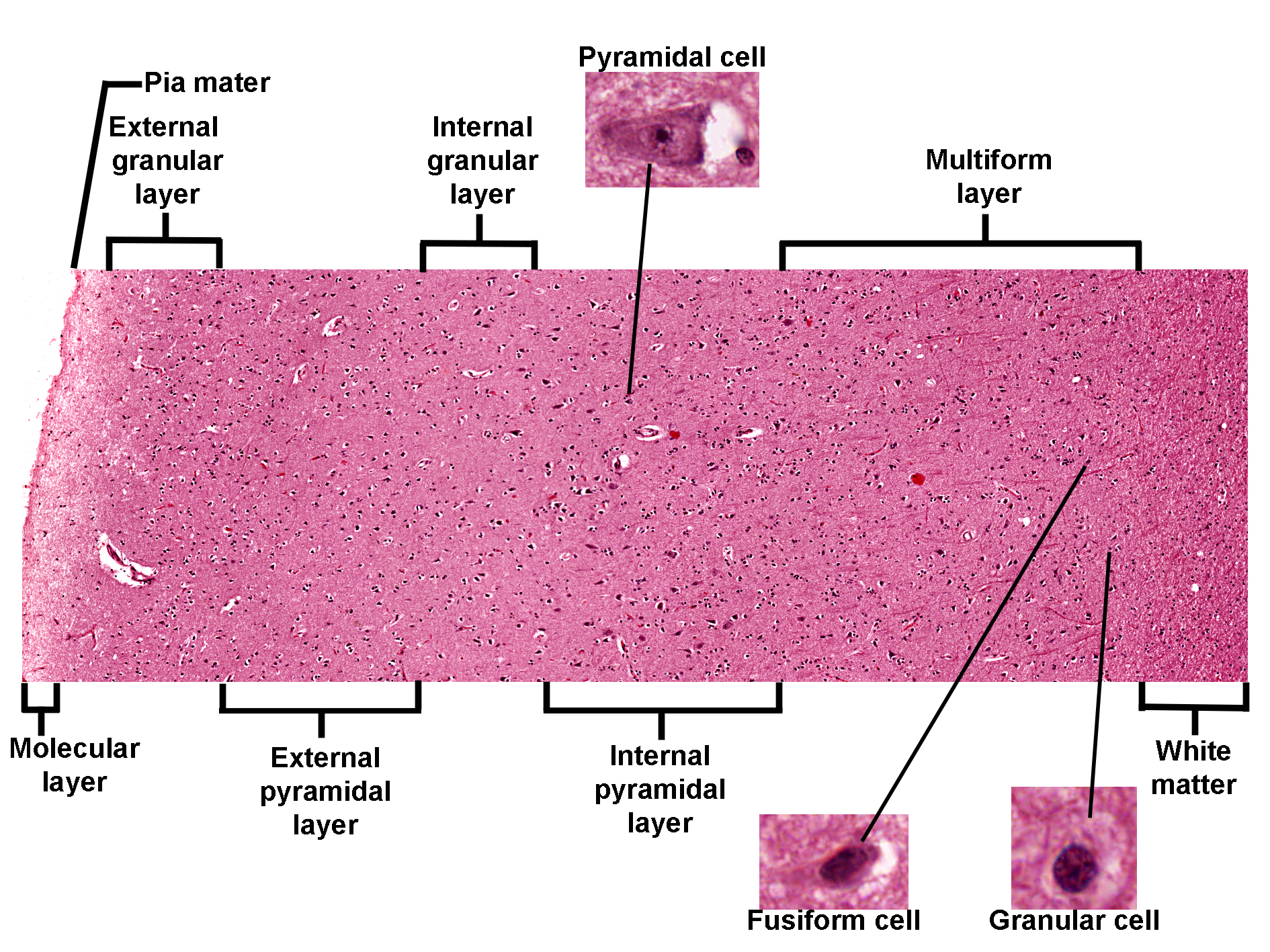
laboratory brain histology slice
Glycine’s potential benefit is equally multifaceted. As a substrate for glutathione production, glycine can boost antioxidant defenses and help cells manage misfolded proteins. As a neuromodulator, glycine influences NMDA receptor activity, a key regulator of synaptic plasticity. And through its role in one-carbon metabolism, glycine can indirectly support methylation reactions important for gene expression programs in neurons.
“The intervention targets maintenance, not mystery. Strengthen the housekeeping, and the system performs better.”
Implications for human aging and cognition
Why scientists are excited — and cautious
The excitement is straightforward: identifying a previously hidden, tractable mechanism suggests new therapeutic angles that are potentially simpler and safer than high-risk molecular surgery. Glycine is inexpensive, widely available, and has an established safety profile in many contexts. A compound that reliably improves memory in aged brains would be a major public-health breakthrough.
But caution is paramount. Many promising mouse interventions have not translated to human benefit. Aging is a multifactorial process shaped by genetics, environment, and life history; a single intervention that works in genetically homogeneous lab mice might be less effective across diverse human populations. Moreover, dosing, timing and long-term safety remain open questions.
Potential clinical pathways
If these findings hold up, the next steps would include dose-finding studies in larger animal models, careful safety profiling, and then small phase 1/2 human trials focused on older adults with mild cognitive impairment. Researchers would likely measure cognitive outcomes alongside biomarkers: imaging of brain inflammation, synaptic markers in cerebrospinal fluid, and systemic metabolic readouts.
What this does and does not solve
It is vital to parse realistic expectations. A boost in peptide clearance and antioxidant support can materially affect synaptic resilience and memory in models where those processes are limiting factors. It does not, by itself, erase decades of accumulated damage or reverse complex neurodegenerative diseases in one dose. Rather, think of it as maintenance therapy that could slow decline or restore function in early-stage impairment.
- Tractable target: Housekeeping pathways are accessible to metabolic support.
- Low-cost potential: Glycine is inexpensive and stable.
- Multiple mechanisms: Antioxidant, metabolic, and neuromodulatory effects.
- Translation risk: Success in mice often fails in humans.
- Unknown doses: Effective and safe human dose is unclear.
- Complexity of aging: One intervention may not address all aging drivers.
Practical advice while research advances
Science-based habits that support peptide clearance and brain health
- Sleep: Deep sleep supports glymphatic clearance of waste from the brain.
- Protein quality control: Regular exercise and caloric balance support autophagy and proteostasis.
- Antioxidant support: A diet rich in fruits, vegetables and sources of cysteine and glycine precursors supports glutathione synthesis.
These lifestyle measures have robust evidence for preserving cognitive health and come without the unknowns of an unproven supplement regimen.
Where research goes next
Expect several lines of follow-up work: replication studies, mechanistic dissection to define exactly which peptide-clearance pathways are critical, tests in other animal models, and carefully designed human trials. Complementary work may explore combination strategies — for instance, pairing metabolic support with senolytics or targeted anti-inflammatory agents to address multiple aging drivers simultaneously.
“Repairing maintenance systems could be an elegant, low-cost strategy to extend healthspan even if lifespan gains remain modest.”
Conclusion
The discovery of a hidden driver of aging paired with a simple amino acid that restores memory in mice is an alluring scientific story. It shifts part of the aging conversation from dramatic molecular villains to the quieter realm of maintenance and clearance. The translational road ahead is long and full of important caveats, but the research offers a hopeful, testable hypothesis: strengthening cellular housekeeping may preserve neural function into old age.
- Scientists identified a previously underappreciated decline in peptide-quality control as a contributor to brain aging in mice.
- Dietary glycine restored memory and synaptic markers in aged mice but remains unproven in humans.
- Translation will require careful dosing, safety studies, and clinical trials; lifestyle measures remain the best-proven strategies for now.
For readers, the responsible response is neither blind optimism nor dismissal. Celebrate the scientific creativity and pursue informed curiosity. As the field matures, we may find that the most effective anti-aging strategies are those that shore up the small, everyday maintenance tasks our cells perform on behalf of our memories and lives.