Healthy Aging Hidden in Your Blood
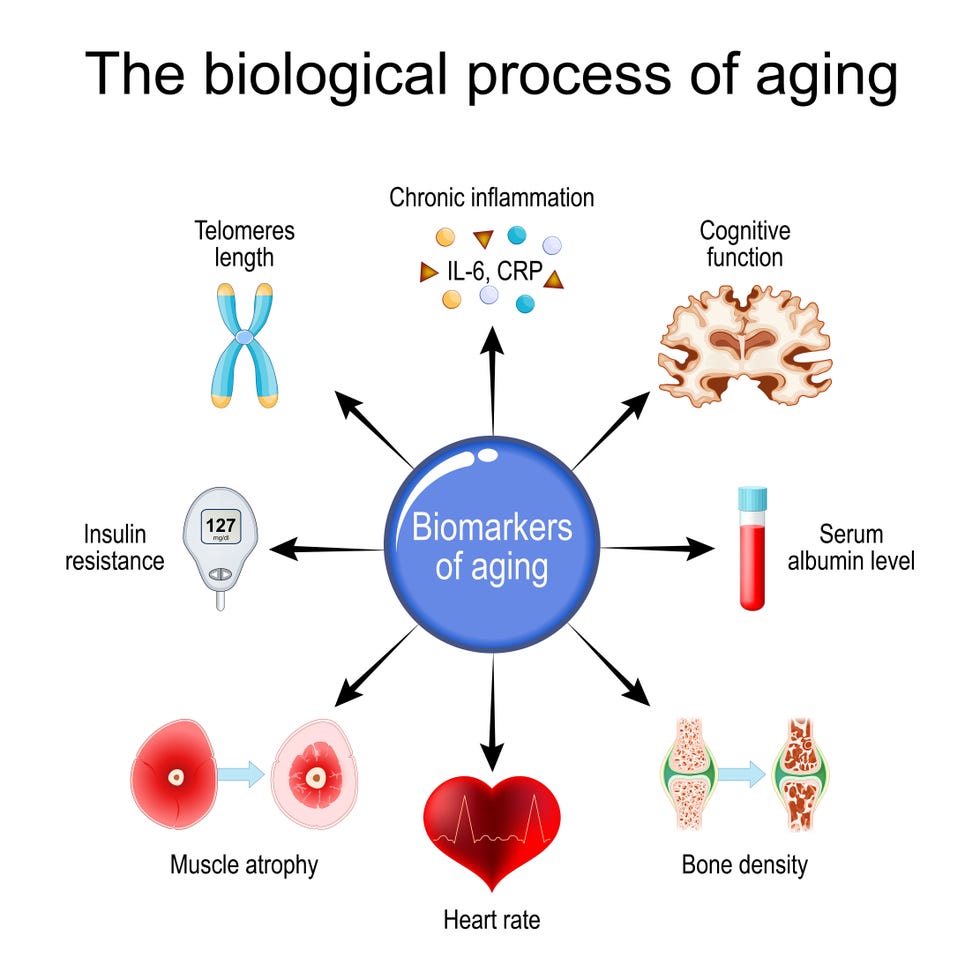
What if the single best clue to how well you will age — and what to change now to improve that trajectory — were already flowing through your veins? For decades clinicians have used blood tests to diagnose disease, but a new wave of research treats those same measurements as a living map of biological age: a composite of inflammation, metabolic function, immune resilience, and cellular wear. This feature unpacks what the blood can tell you, which markers matter most, and practical steps to turn numbers into better long-term health.
Your blood is a running health report: read it with curiosity, not fear.
Why blood is a window into aging
Blood circulates through every tissue and organ, carrying nutrients, hormones, immune cells, and molecular waste. Because it touches so many systems, patterns in blood composition often reflect the cumulative effect of lifestyle, environment, genetics, and disease. Rather than a single definitive "age" number, blood-based assessments give a mosaic of signals — some change quickly with behavior, others reflect long-term biological processes that predict disease risk and functional decline.
From chronological to biological age
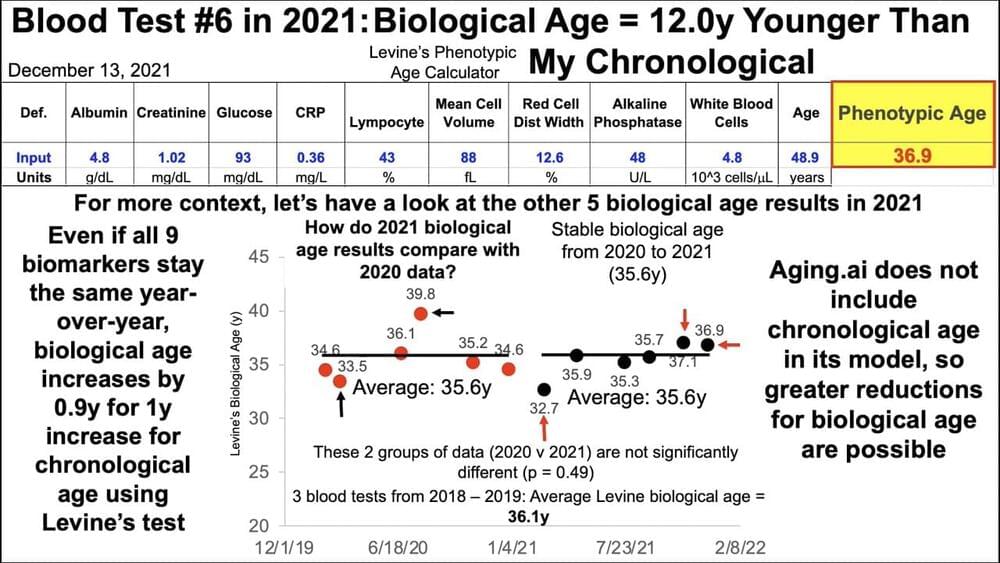
Chronological age counts years. Biological age asks how those years have affected your physiology. Two people both 60 years old can look and function very differently; blood biomarkers help explain why. Biological age estimates use multiple blood measures — for example, inflammatory proteins, metabolic enzymes, and DNA patterns — to predict outcomes such as frailty, cardiovascular events, dementia risk, and mortality more accurately than chronological age alone.
Key blood biomarkers to watch
Not every laboratory value matters equally for aging. The most informative biomarkers fall into several categories: inflammation and immune function, metabolic and glycemic measures, cardiovascular stress markers, organ-function indicators, and emerging molecular clocks.
Inflammation and immune markers
Chronic low-grade inflammation — sometimes called inflammaging — is a central driver of age-related decline. Simple, widely available tests capture part of this story:
- C-reactive protein (CRP): A sensitive marker of systemic inflammation that correlates with cardiovascular risk and overall mortality.
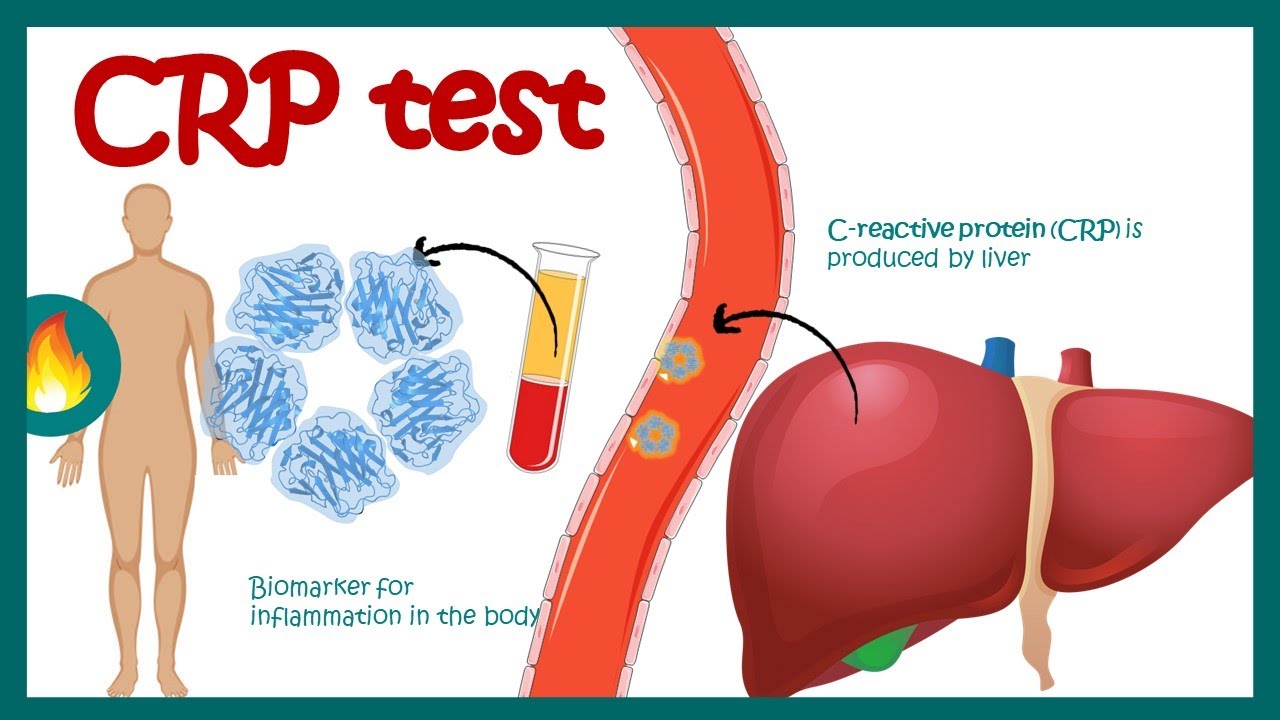
CRP blood test inflammation
- White blood cell differentials: Shifts in lymphocytes, neutrophils, and monocytes can signal altered immune aging and infection susceptibility.
- Homocysteine: An amino acid associated with vascular and cognitive risk when elevated; often linked to B-vitamin status.
Metabolic health and glycation
Metabolic dysfunction accelerates aging. These tests give insight into how your body handles energy:
- HbA1c: Long-term average blood glucose; higher values predict diabetes and related complications.
HbA1c glucose test
- Fasting insulin and glucose: Detect insulin resistance long before full-blown diabetes.
- Lipid panel plus advanced lipids: LDL, HDL, triglycerides, and particle measures (when available) reveal cardiovascular risk that accumulates with age.
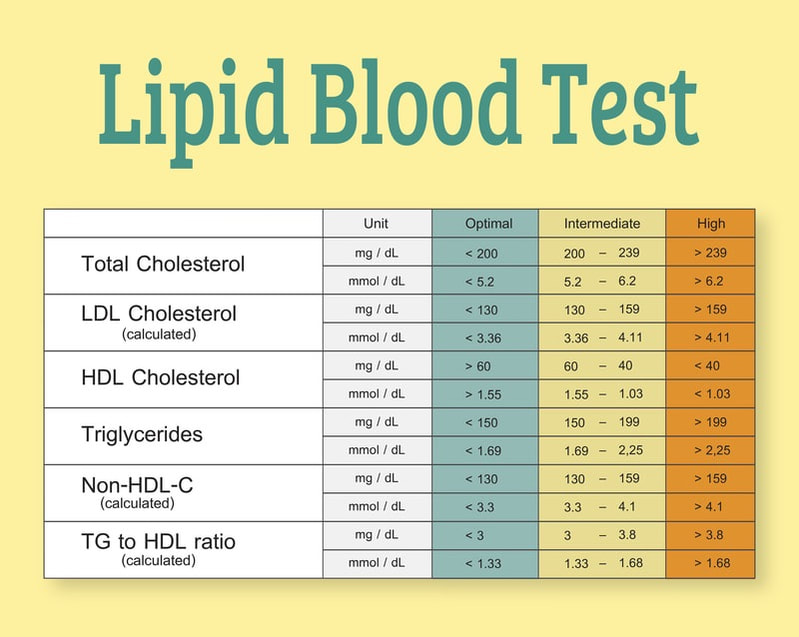
lipid panel blood test
Cardiovascular and organ stress markers
Some blood proteins act as sensitive alarms for strain on organs:
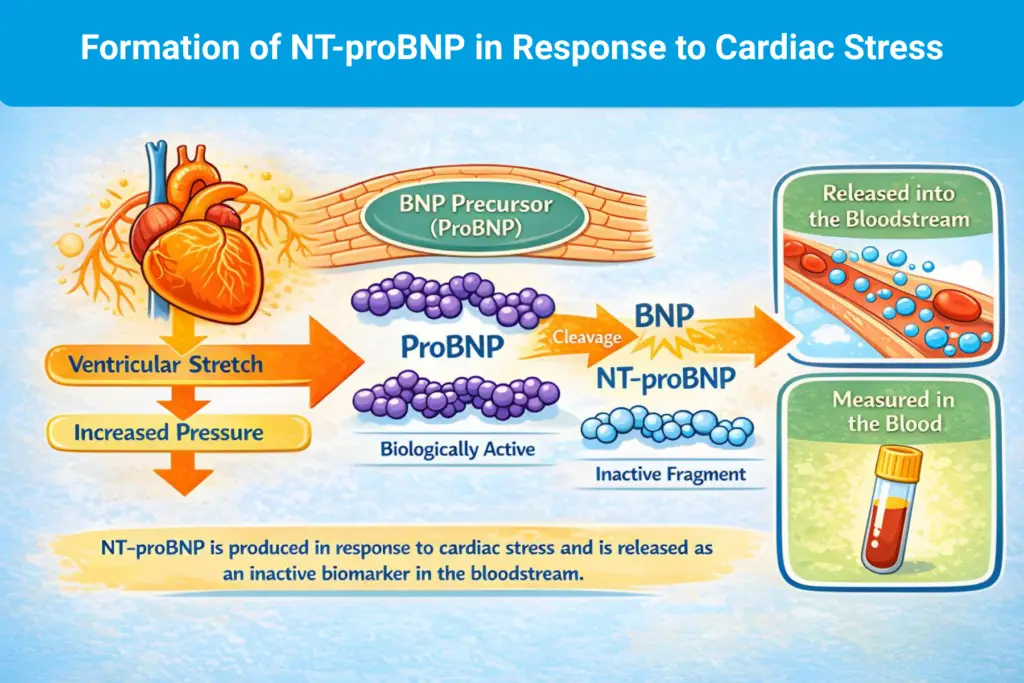
- NT-proBNP and BNP: Markers of cardiac stress and early heart failure risk.
NT-proBNP cardiac stress
- High-sensitivity troponin: Low-level elevations can indicate chronic myocardial injury and predict cardiovascular events.
- Creatinine and estimated GFR: Kidney function declines subtly with age; monitoring helps preserve renal health.
Neurologic signals in blood
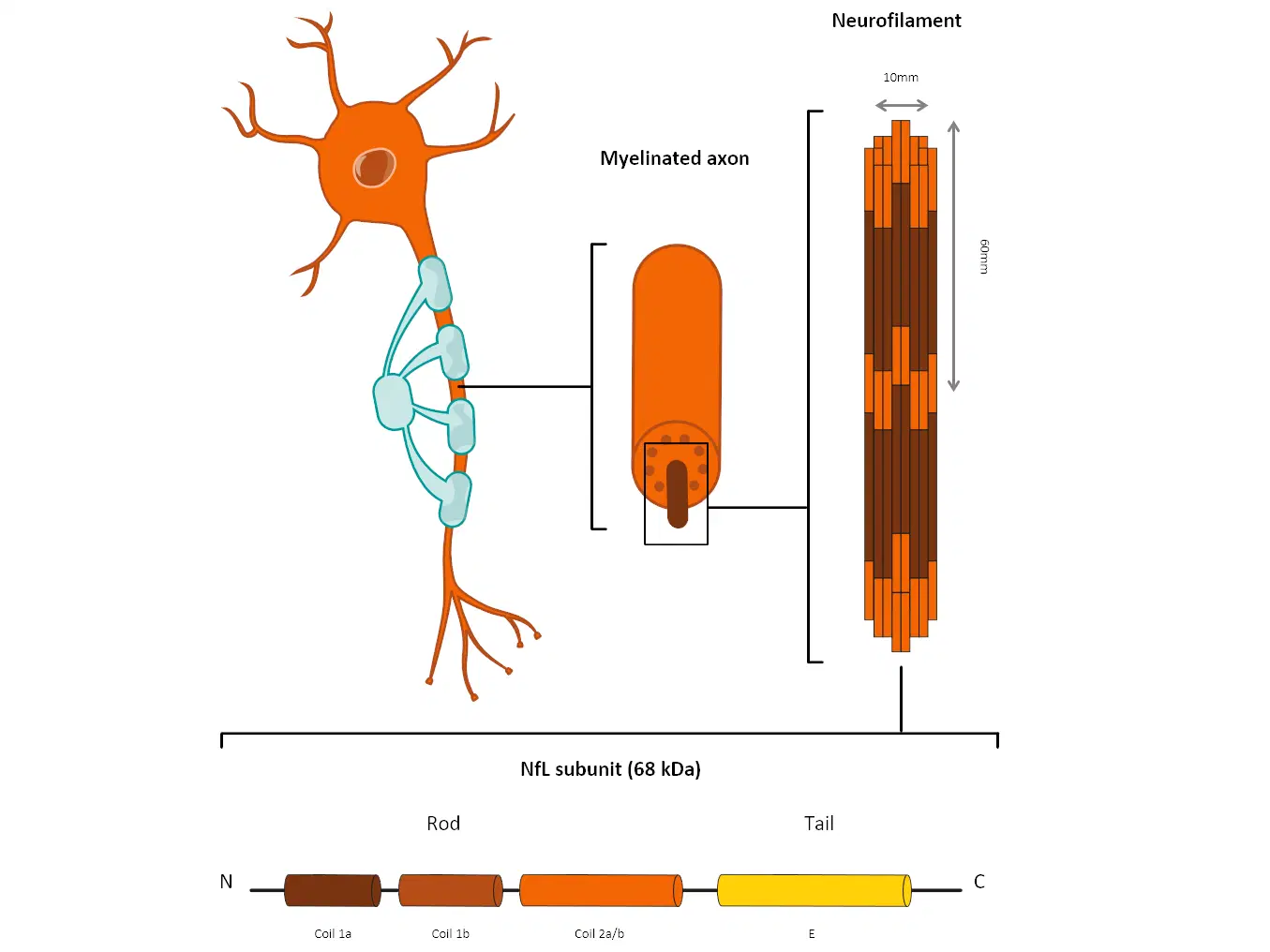
Blood tests increasingly detect molecules linked to brain health. Neurofilament light chain (NfL) rises with neuronal injury and predicts neurodegeneration in multiple contexts. While single measurements do not diagnose disease, trends over time can be informative when combined with clinical evaluation.
neurofilament light chain test
Emerging molecular clocks and proteomics
Advanced tests use DNA methylation patterns, proteomic signatures, or metabolite profiles to estimate biological age. These "aging clocks" are not yet standard clinical tools, but they highlight how a composite of many small signals can outperform any single lab value. The promise: one number that integrates inflammation, metabolism, immune aging, and cellular maintenance — and tracks response to interventions.
biological age blood test
How to interpret blood results practically
Numbers are not destiny. Tests should be interpreted in context: your baseline, symptoms, family history, medications, and lifestyle. Here's a practical framework for turning blood data into useful action.
1. Establish a personalized baseline
Get a comprehensive panel when you are healthy to have a reference point. Repeat testing annually or as advised to detect meaningful trends rather than overreacting to single outlier values caused by transient illness or lab variability.
2. Prioritize modifiable markers
Focus on metrics with proven interventions: blood pressure, lipid profile, HbA1c, CRP, vitamin D, and kidney function. These respond to lifestyle changes and proven medical treatments and are tightly linked to long-term outcomes.
3. Use trends, not one-off readings
Rising CRP or slowly increasing HbA1c over years matters more than an occasional high value. Similarly, small improvements in multiple areas often translate into meaningful risk reduction.
Lifestyle levers that move blood biomarkers
Perhaps the most encouraging lesson from biomarker research is that many blood markers respond to common, accessible changes. Here are the interventions with the strongest evidence to lower biological risk across categories.
Move daily — and lift heavy things
Regular aerobic exercise improves insulin sensitivity, lowers triglycerides, and reduces CRP. Resistance training preserves muscle mass and improves metabolic rate, which helps control glucose and lipid profiles. A routine mixing cardio and strength training produces measurable improvements in blood biomarkers within months.
Eat for metabolic health
Dietary patterns matter more than single nutrients. Emphasize whole foods, vegetables, lean proteins, healthy fats, and minimize added sugars and refined carbohydrates. Dietary changes improve HbA1c, fasting glucose, triglycerides, and inflammatory markers. For some people, modest calorie reduction or intermittent fasting can also improve metabolic biomarkers, but these approaches should be individualized.
Sleep and stress
Poor sleep and chronic stress raise inflammatory markers and dysregulate glucose metabolism. Improving sleep quantity and quality — consistent bedtimes, sleep hygiene, and treatment of sleep apnea when present — affects CRP, HbA1c, and overall resilience.
Stop smoking, limit alcohol
Tobacco accelerates vascular aging and inflammation; quitting reduces CRP and cardiovascular risk. Alcohol in moderation may have complex effects — heavy use raises triglycerides and blood pressure and increases inflammatory burden.
When to consider advanced testing
Most people benefit from a structured basic panel: lipids, fasting glucose and insulin or HbA1c, CBC with differential, CRP, basic metabolic panel (kidney and liver markers), vitamin D, and thyroid function when indicated. Advanced testing — proteomics, DNA methylation clocks, NfL, or advanced lipid particle testing — can be useful in specific scenarios: unexplained accelerated decline, strong family history, or when you and your clinician want more granular data for personalized interventions.
Common questions people ask
Can blood tests tell me my exact biological age?
Not yet in a single, universally accepted way. Composite scores and molecular clocks provide estimates and trends that can be predictive, but they are best used alongside clinical evaluation and known risk factors.
How often should I test?
For most adults, an annual full panel plus targeted tests as needed is reasonable. If you are making major lifestyle changes, a 3–6 month follow-up can show early improvements. Work with your clinician to avoid unnecessary testing driven by anxiety rather than clear clinical questions.
Which biomarkers change fastest?
Markers linked to inflammation and metabolism often respond within weeks to months — CRP, triglycerides, fasting glucose — whereas changes in epigenetic clocks or proteomic signatures may take longer and require serial measurements to confirm real change.
Ethics, equity, and access
Turning blood into personalized aging information raises ethical questions. Who owns the data? How will employers or insurers use it? And because advanced testing is often costly, there's a risk of widening health disparities. Patients and clinicians must navigate these issues together and advocate for equitable access to measures that improve health, not create new inequalities.
A realistic roadmap: what you can do next
If you want to use blood as a guide to healthier aging, start with this pragmatic plan:
- Baseline panel: Get the basic tests listed earlier during a routine checkup.
- Set priorities: Focus on the 2–3 markers most out of range that have clear interventions (for example, HbA1c, LDL, or CRP).
- Make intentional changes: Add evidence-based habits: structured exercise, improved diet, better sleep, and smoking cessation if relevant.
- Re-test strategically: Measure again in 3–6 months for markers that should move quickly, or annually for long-term trends.
- Consider advanced testing selectively: Use molecular clocks or proteomics when they will change clinical management or motivate durable behavior change.
The future: blood-guided precision aging care
Researchers are refining algorithms that combine hundreds or thousands of molecular signals to predict future disease and functional decline. As evidence grows, blood-guided care may allow earlier, more personalized prevention: targeted lifestyle prescriptions, pharmacologic risk reduction, and interventions that directly target aging biology. For now, the clearest path to healthier aging still runs through tried-and-true public health measures amplified by the insights your blood provides.
- Blood contains multiple complementary signals about aging: inflammation, metabolism, organ stress, and molecular aging clocks.
- Focus on modifiable markers first — lipids, glucose control, inflammation, and kidney function — and use trends over time.
- Lifestyle interventions (exercise, diet, sleep, stress reduction, and smoking cessation) move many aging-related blood markers and reduce disease risk.
- Advanced molecular tests show promise but should be used selectively and interpreted with clinical context.
Conclusion
Blood is not a crystal ball, but it is one of the most practical tools we have to understand biological aging today. With thoughtful testing, trend-focused interpretation, and consistent lifestyle action, you can use routine lab work as a roadmap — not only to detect disease earlier, but to measure the impact of choices that slow the march of time. The secret to healthier aging may indeed be hidden in your blood; the real power lies in what you do with the information.