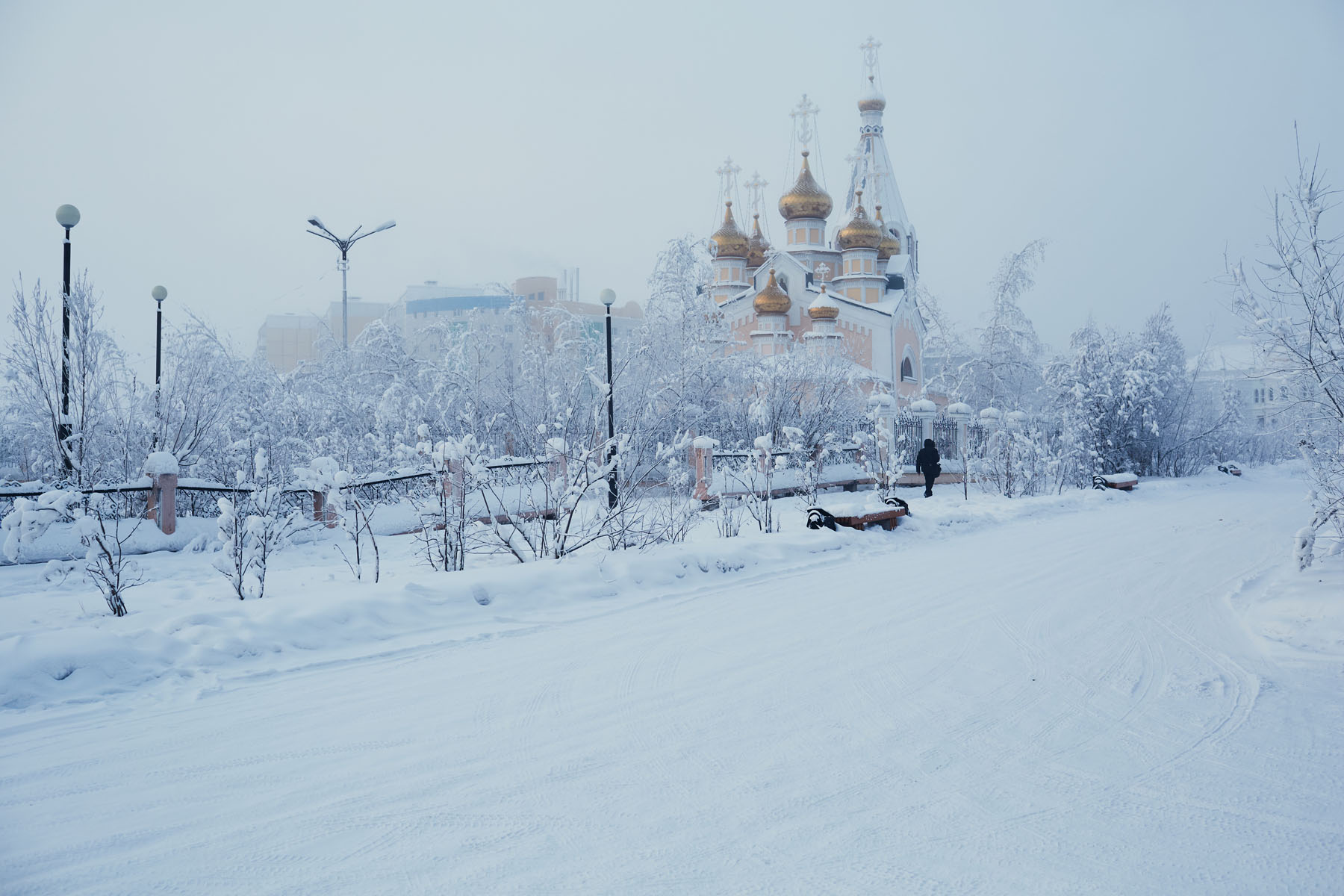
I've Been Born and Raised in the World's Coldest City: An AMA-Style Memoir
People imagine Yakutsk as a place where the sky itself freezes and where residents greet one another with shivering indifference. The truth is stranger and more human: Yakutsk is a living city with shopping malls, cafés, a river that anchors the summer, and rituals that make the cold feel like a character in daily life rather than an enemy. I was born here, grew up walking to school across frost-hardened courtyards, and learned how everyday life rearranges itself around the seasons. This piece is a long-form answer to the questions I get most from outsiders—how do we survive the winter, what do we eat, what’s it like to be indoors for months, and why would anyone stay? Think of it as an extended AMA shaped by memory, fact, and the small practical details visitors never expect.
MY FIRST IMPRESSIONS: A CHILDHOOD OF CONTRASTS
I remember the first time I saw summer in full color: the Lena River swelling like a silver ribbon, willows leafing out, and neighborhoods that briefly smelled of grass rather than diesel. Summers in Yakutsk are a foil to winter—humid and surprisingly warm, with mosquitoes that remind you this far north still embraces life. But winter is the long, formal guest that rearranges schedules and wardrobes. By October the breaths hanging in the air become a daily presence, and by November temperatures drop into a territory where even cables and car seats require explanation and accommodation.

Yakut winter clothing layers
School and daily routines
School started early for us because daylight mattered and because waiting indoors with other kids wasn't always practical. Classrooms were heated; playgrounds were icy sculptures. We learned to bundle and unbundle with a practiced grace: many children arrive in outerwear, but spend lessons in sweaters. Recess was a race to see who could warm up quickest inside by running around the hall. Teachers taught math, literature, and a curriculum that included local history—Sakha stories, the significance of reindeer, and why the land matters.
You don’t measure winter in months here; you measure it in practices—when to store summer tires, when the ice road opens, when the river is safe for travel.
THE PHYSICS OF CITY LIFE: PERMAFROST AND ARCHITECTURE
Permafrost underpins everything in Yakutsk. Buildings are not merely built; they are engineered to float above frozen ground. Many structures sit on deep piles or on adjustable supports so that heat from living spaces does not thaw the ground. You will see a city of stilts, insulated pipelines mounted on sleepers, and a skyline marked by the slightly alien sight of utilities that run above the surface. Engineers use thermosyphons—sealed tubes that passively draw heat away from the ground to keep it frozen year-round. It's a technology born of necessity and one that locals treat with a mixture of respect and wry humor.
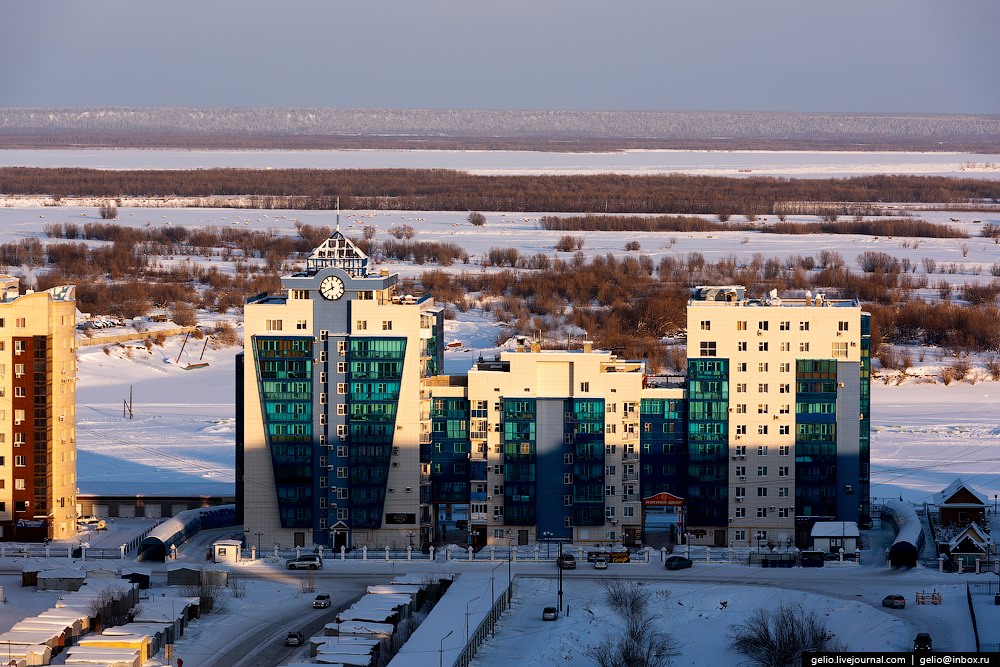
Yakutsk city permafrost architecture
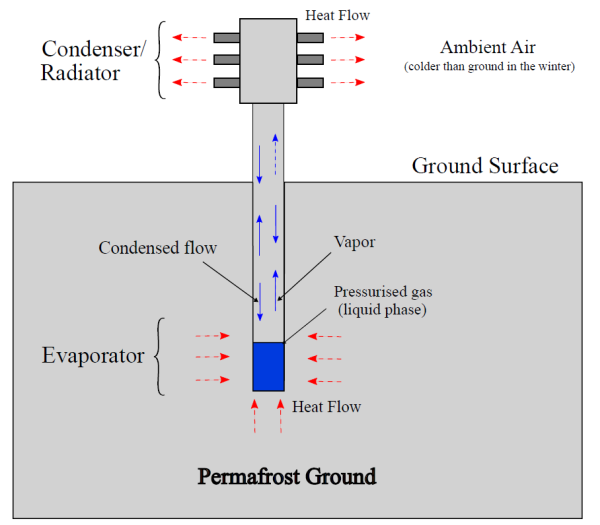
Thermosyphon permafrost engineering
Inside a Yakut home
House interiors are designed for the back-and-forth of seasons. Central heating is reliable in most buildings, but because floors and foundations behave differently on permafrost, you learn to keep a bed corner warm and the rest of the apartment cooler. Kitchens often double as communal warm zones. It is normal to see residents leave their boots and coats slightly damp near radiators and to use layered bedding. Furnishings that would suffer in damp climates—wooden chests, certain fabrics—survive differently here because the air, when heated, is extremely dry.
DAY-TO-DAY WINTER REALITIES
When the thermometer reads well below minus forty, the world simplifies. Face masks and balaclavas are everyday items; you learn to protect the bridge of your nose and the tips of your fingers. Electronics must be kept warm—phones die rapidly in the cold, camera batteries complain, and lip balms harden into stone if left outside. Cars are often kept in heated garages when possible; if not, we use block heaters or leave engines running briefly before driving. Sidewalks are salt-free stretches of compacted snow and ice, and people develop a cautious, shuffle-like walk to avoid spills on slick surfaces.
Health and safety
Frostbite is a real risk but also a well-understood one. Schools and workplaces teach basic prevention: cover exposed skin, limit time outside in extreme conditions, and know the signs—numbness, pallor, a waxy sheen to exposed flesh. For many of us, routine trips to the market involved a careful choreography of outerwear, keys, and a warm place to thaw out. Local clinics are experienced in treating cold-related injuries; the community accepts that winter demands respect rather than fear.
WORK, ECONOMY, AND THE DAILY GRIND
Yakutsk is the administrative center of a vast region rich in resources—diamonds, timber, and mineral wealth. Mining plays an outsize role in the economy, and many jobs are connected in some way to extracting or moving resources across a territory the size of Europe. At the same time, Yakutsk has restaurants, universities, cultural centers, and a surprising entrepreneurial streak. People run cafés that serve strong coffee and local cakes, tech startups that work on circumpolar logistics, and shops that tailor clothing for the brutal winter.
Shift work and seasonal rhythms
Many professions follow an odd seasonal logic. Construction rushes in the short summer when the ground thaws, road crews work at night to make use of frozen surfaces, and river traffic swells between late spring and early autumn. You learn to accept the city's peculiar tempo: intense bursts of outdoor labor followed by stretches of more sedentary indoor life.
FOOD, FAMILY, AND FESTIVAL
Food is central to warmth—both physical and social. Winter diets historically concentrated on high-fat, warming foods: local game, fish, and preserved meats. Stroganina—paper-thin slices of frozen fish eaten raw and chilled—is a delicacy here, served with simple salt or a tangy dip. Reindeer meat, cured or boiled, appears at family tables. Tea is an institution; you will be offered tea the way others offer bread. Guests receive generous bowls of comfort and often a story that came with the dish.
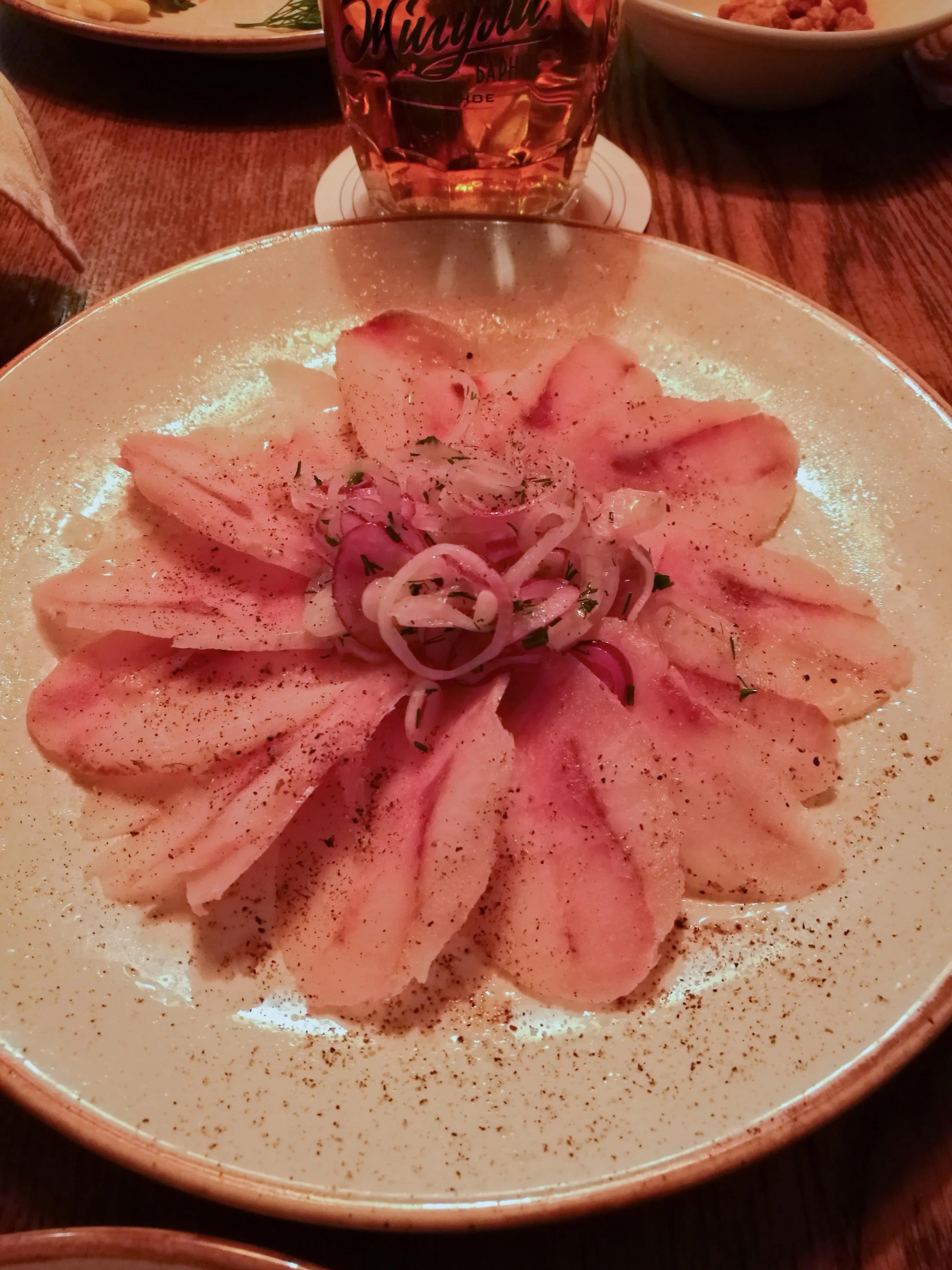
Stroganina frozen fish dish
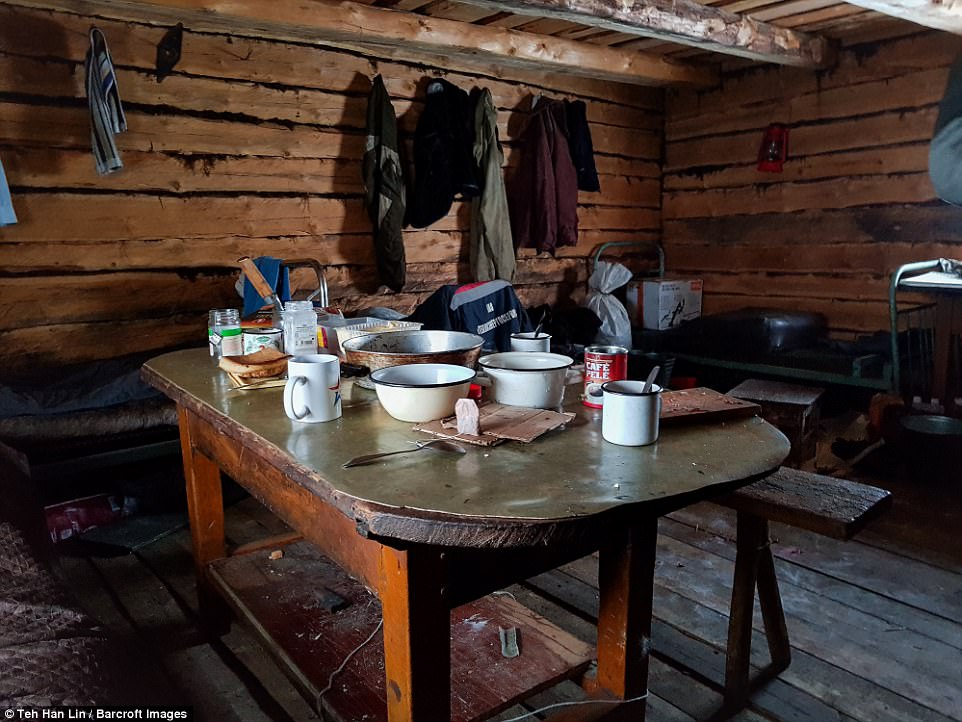
Reindeer meat Yakut cuisine
Ysyakh and cultural memory
Yakut (Sakha) traditions are woven into the city's life. The Ysyakh festival is a midsummer celebration of renewal with rituals, songs, horse races, and food. In a place where winter dominates the calendar, Ysyakh is an exultant counterpoint—an emphatic reminder that the land yields abundance and joy. Indigenous belief systems, shamanist echoes, and modern Orthodox practices coexist in daily ritual. Cultural memory is alive, and it invites both pride and a sense of continuity.
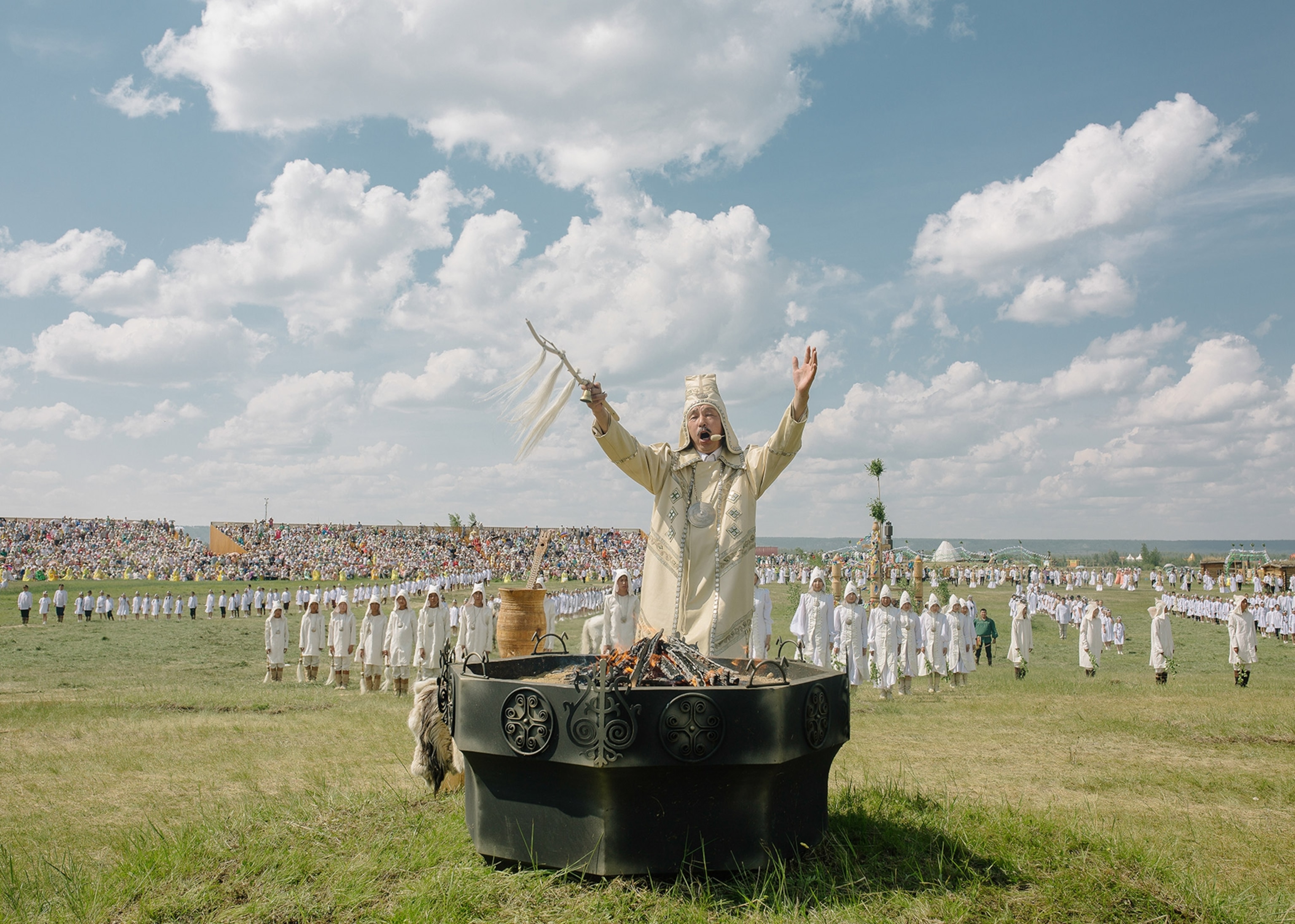
Ysyakh festival Yakut celebration
In Yakutsk the cold is not only an environmental fact; it is a cultural companion that shapes songs, jokes, and how we welcome guests.
TRANSPORT: ICE ROADS, RIVER BOATS, AND WINTER DRIVING
The Lena River is the city's lifeline in summer. Ferries and riverboats are the arteries that connect settlements. In winter the river transforms into an ice highway—the zimnik—when the surface can support trucks and cars that otherwise have no direct route. The seasonal flip from waterborne traffic to ice roads is mesmerizing: entire supply chains and travel plans hinge on when the river freezes solid and when the ice breaks in spring.
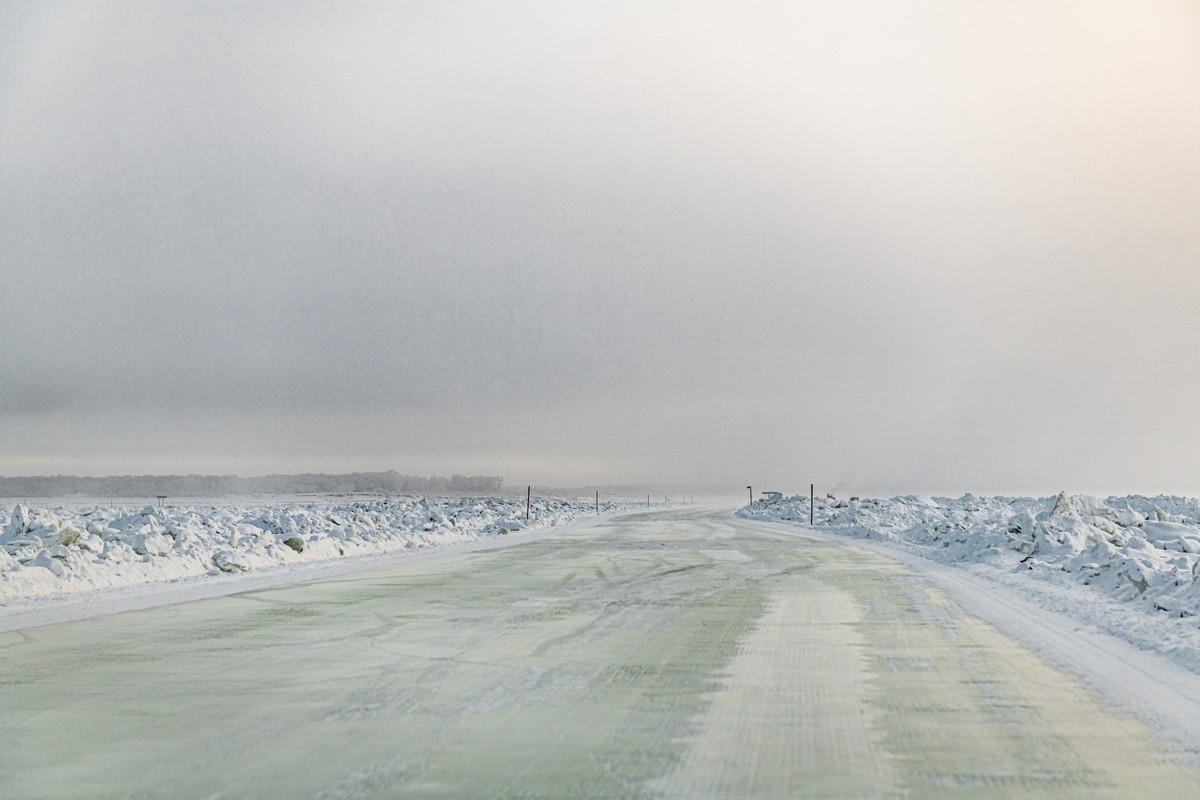
Lena River ice road zimnik
Cars and maintenance
Vehicles here are made or modified for the conditions. Tires change twice a year, engines use specific oils that behave better in severe cold, and batteries are stored indoors overnight. In extreme conditions, diesel can gel, so fuel additives are common. Drivers maintain a wary respect for black ice and whiteout storms; the rule of thumb is to never travel alone during the worst weather unless you are prepared with extra warm clothing, a shovel, and a charged radio or phone.
MANNERS, MUSIC, AND MENTAL LIFE
People in Yakutsk are hospitable in a way that makes sense if you think about shared survival. It is common to be invited into someone's apartment for tea and for conversations that unspool slowly. Music and storytelling are threads that pull through relentlessly long nights. For some, the winter fosters a kind of inwardness; for others, it is fuel for communal creativity. There is a local sense of humor—often dry and ironic—that treats frost as both nuisance and subject. Community networks are strong; neighbors check on neighbors, and during storms you quickly learn who has an extra generator or an extra liter of fuel.

Mammoth remains Yakutsk permafrost
COMMON QUESTIONS I GET: AN AMA FORMAT
How cold does it actually get?
Temperatures routinely fall far below minus thirty during the heart of winter and can drop to below minus sixty on exceptionally cold nights. These are values that reshape everyday choices: what you wear, how you move, and how you keep your electronics working. But extremes are part of a wide seasonal range; summers can be warm enough for people to swim in the Lena.
Is it dangerous for children?
Children here grow up with a clear understanding of risk and habit. Schools teach cold safety; parents know when to keep kids inside. Children are hardy but not reckless—the culture emphasizes caution and sensible layering over adrenaline.
Why stay?
Why stay is often the most sincere question. The answers are layered: family, work, cultural ties, and a deep love for the landscape. Yakutsk is a place that rewards small, sustained commitments. There is a distinct sense of place that many of us would not trade for a city where seasons blur into a sameness. The light of summer, the sharp clarity of winter air, and the public life all contribute to a sense of belonging that the transience of modern life elsewhere sometimes lacks.
PRACTICAL ADVICE FOR VISITORS
When to go
If you want to witness the full flip between extremes, visit in late June for Ysyakh or in February if you want the archetypal deep-winter experience. Travel in March can be mercurial—still very cold but with hints of thaw during the day.
What to pack
- Layering: base layers, insulating mid-layers, and a windproof, insulated outer shell.
- Footwear: insulated boots with good traction; bring wool socks and spare liners.
- Hand protection: mitten systems with liners for dexterity.
- Accessories: face mask, thermal sleeping bag if you plan to camp, extra batteries kept warm in inner pockets.
- Health items: lip balm, high-SPF moisturizer for windy, reflective days, and hand warmers.
Behavioral tips
- Respect local rhythms: many shops close early in the coldest parts of winter; plan errands accordingly.
- Ask before photographing: people value privacy and context matters.
- Bring small gifts: tea, sweets, or practical items are appreciated when visiting someone's home.
MISCONCEPTIONS AND SURPRISING TRUTHS
It is a misconception that life halts entirely in winter. The city is vibrant: theaters, film festivals, and university life continue. Another surprise is how ordinary comforts adapt—there are modern grocery stores, delivery apps in summer, and coffee shops that bustle when the temperatures fall. Finally, while the landscape is awe-inspiring, the daily life of locals is not a perpetual survival drama but a negotiated routine that balances caution with humor.
PERSONAL STORIES: MOMENTS THAT STAY
I remember a night when the temperature plunged and our building's pipes froze. Neighbors shared kettles and lamps; a small community kitchen appeared in the stairwell for those without heating. Those are the stories outsiders miss: not just the hardship but the improvisational generosity that the cold elicits. Another memory is of late-spring thaw when the city smells of river mud and children take to the streets in T-shirts; the collective exhale feels almost sacred.
CONCLUSION: WHY THE COLD IS A KIND OF HOME
Yakutsk taught me to recognize how environment shapes character. The cold is not just a setting; it is a daily interlocutor—challenging, clarifying, and strangely tender. People here have learned resilience not as a spectacle but as an ordinary competence. If you come, bring respect and curiosity. Ask questions, slow down, and notice the small systems—how a neighbor's radiator hums, the way boots are left to dry, the polite pause before a cup of tea is extended.
- Yakutsk is a modern city built on permafrost with specialized architecture and engineering.
- Daily life rearranges around seasons: winter safety, summer festivity.
- Community, food, and culture are central—cold sharpens social bonds rather than erases them.
- Visitors should pack sensible layers, respect local rhythms, and come with curiosity.
FINAL AMA INVITATION
If you have more questions—about clothing brands that work here, building techniques, the feel of the Lena in summer, or what Ysyakh looks and sounds like—ask on. I'll answer with practical tips, personal stories, and the occasional grim joke about batteries that died the moment we stepped outside.