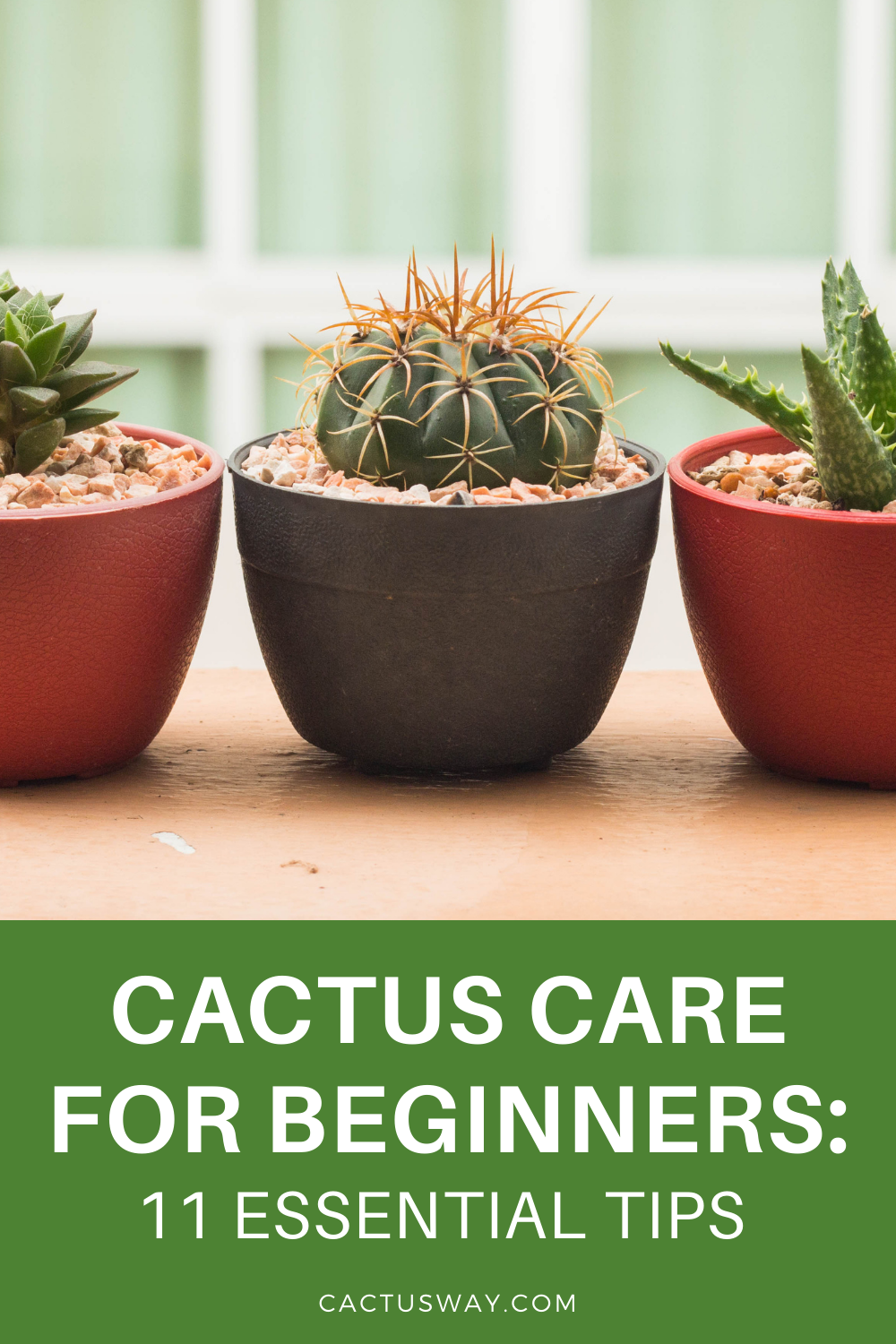
Grow Your First Cactus: Beginner's Complete Guide
There is a special kind of satisfaction that comes from bringing a desert plant into an apartment, windowsill, or stoop and watching it thrive. Cacti are inviting to first-time plant owners because they are resilient, often slow-growing, and require a simple routine. This guide takes you from choosing the right species to potting, watering, troubleshooting pests and diseases, and even propagating your cactus when you want a second plant. By the end you will have a clear, practical plan to help your first cactus survive and look great for years.
CHOOSING THE RIGHT FIRST CACTUS
Pick a forgiving species
Not every cactus is equally beginner-friendly. Some are tiny globes that tolerate irregular care, others are columnar giants that demand strong light and space. For your first cactus, choose one known for tolerance to home conditions and forgiving mistakes. Small barrel cacti, Mammillaria, Rebutia, Gymnocalycium, and hardy Opuntia varieties are excellent starters. Holiday cactus (Schlumbergera) can also be an approachable option if you prefer lower light and seasonal blooms.
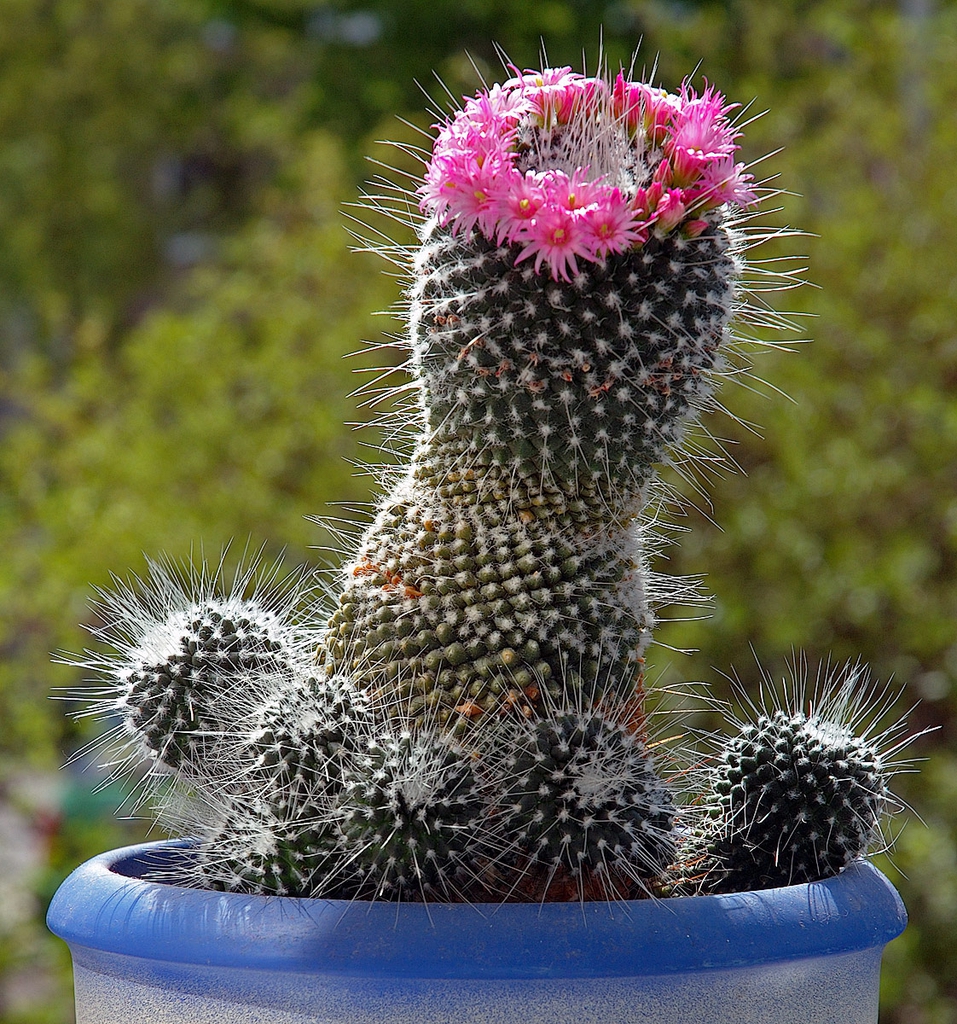
Mammillaria cactus plant
How to consider light, space, and aesthetics
Decide where the plant will live before buying. South- or west-facing windows deliver bright light; east-facing windows offer morning sun that is gentler. If you have limited natural light, choose a variety that tolerates indirect light, like some Schlumbergera or Rebutia. Consider scale too: small pots work well for desks and shelves, while larger columnar types need taller containers and a permanent spot.
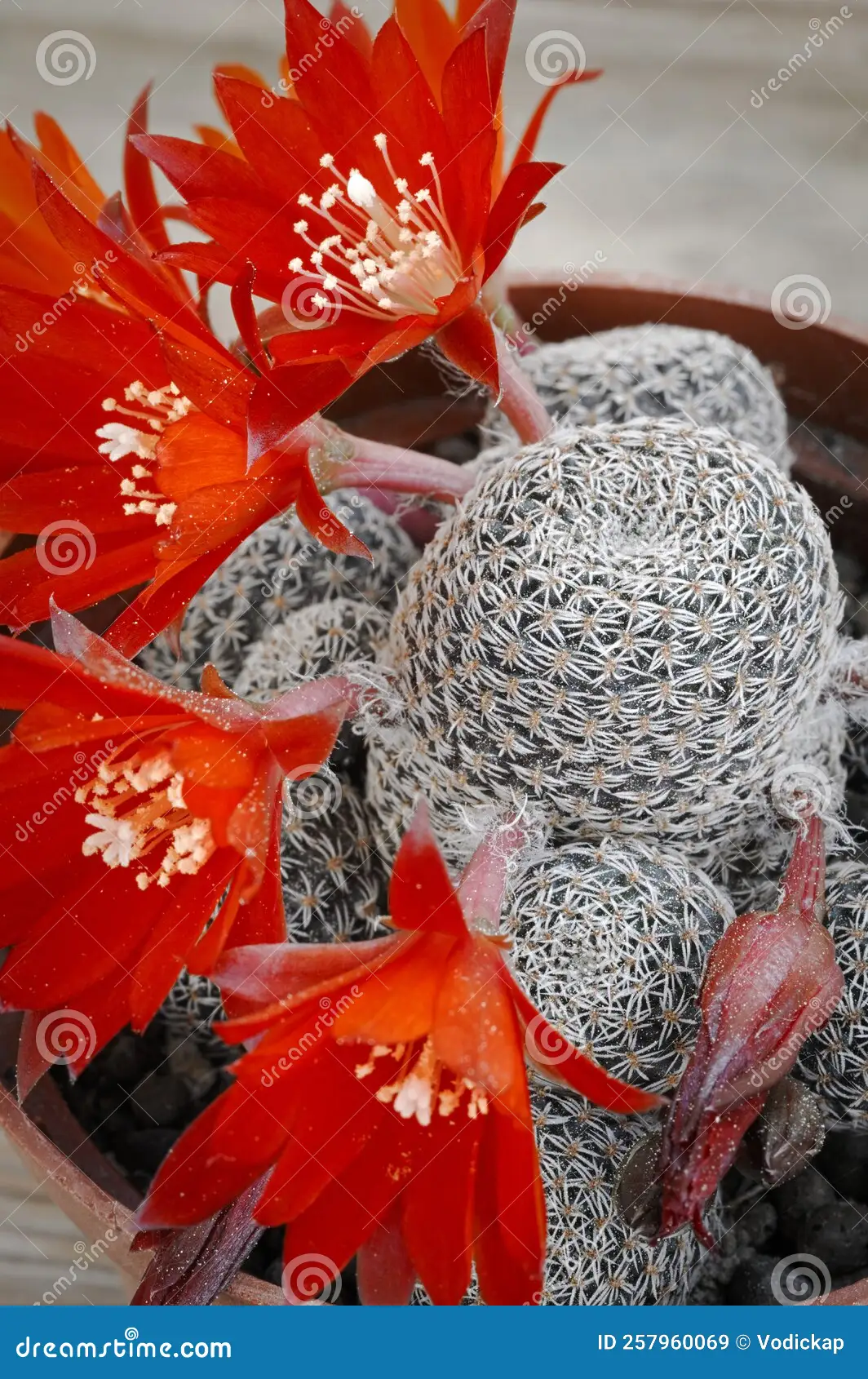
Rebutia cactus blooming
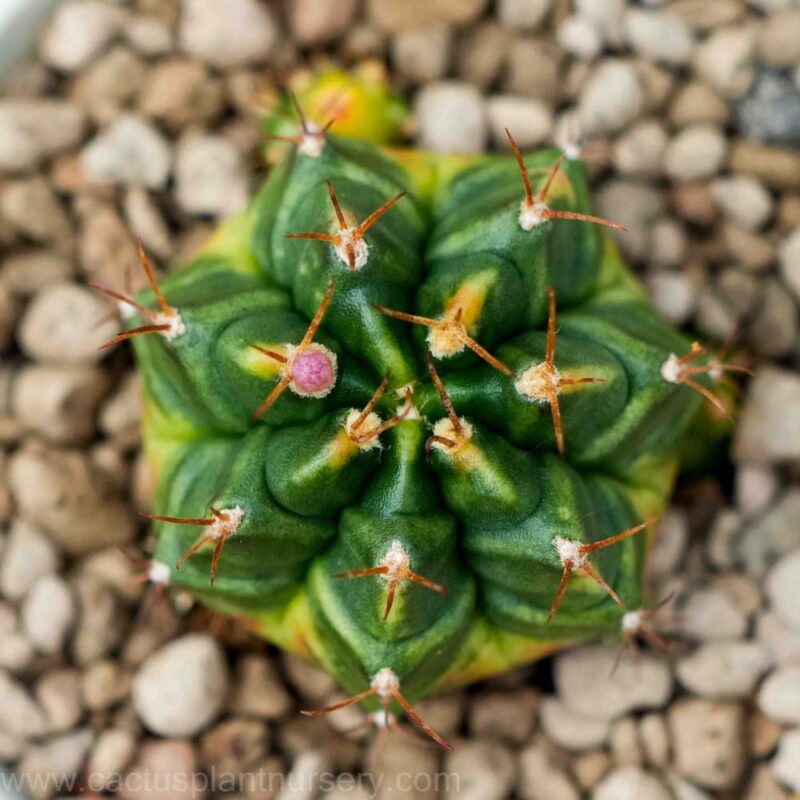
Gymnocalycium cactus indoor
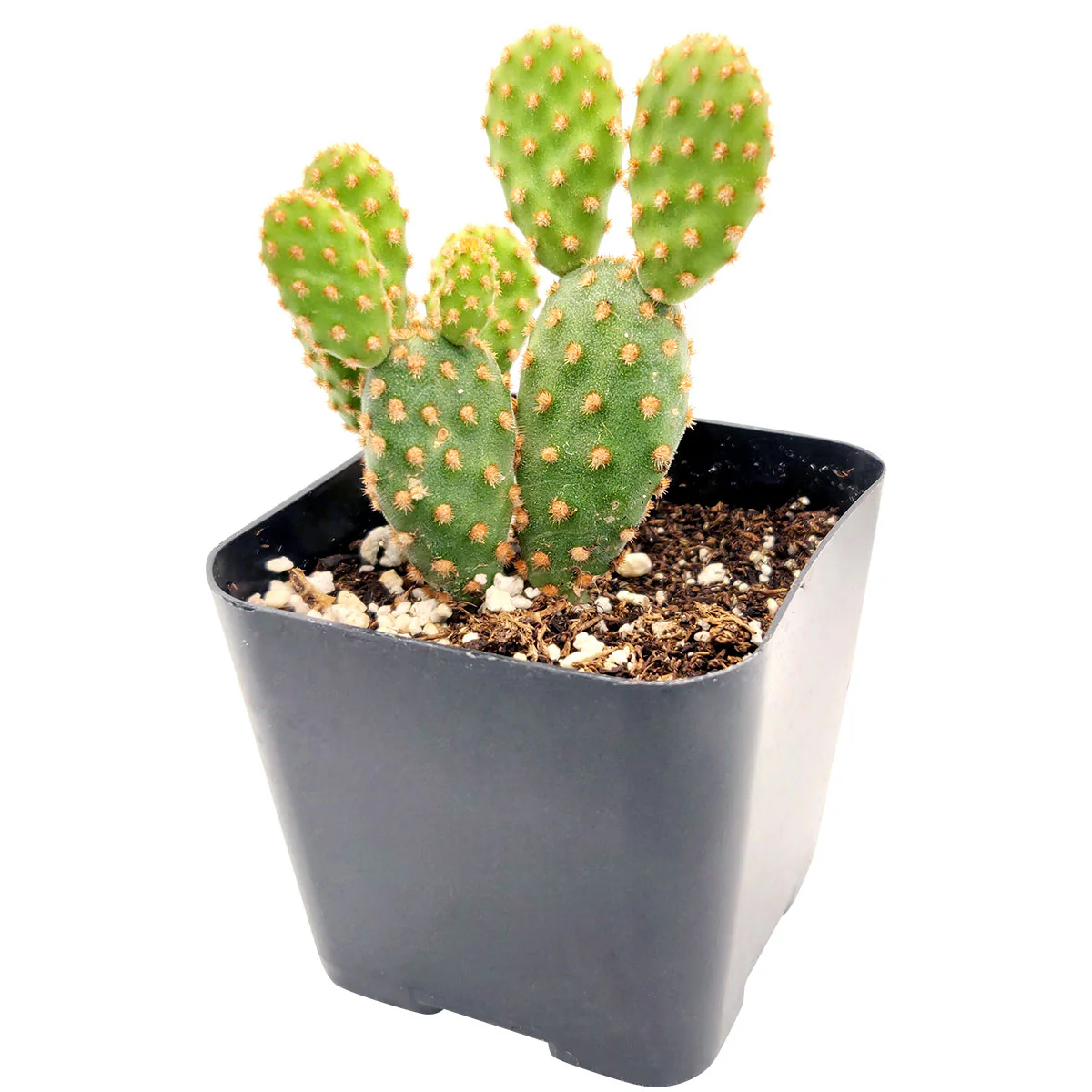
Opuntia cactus small pot
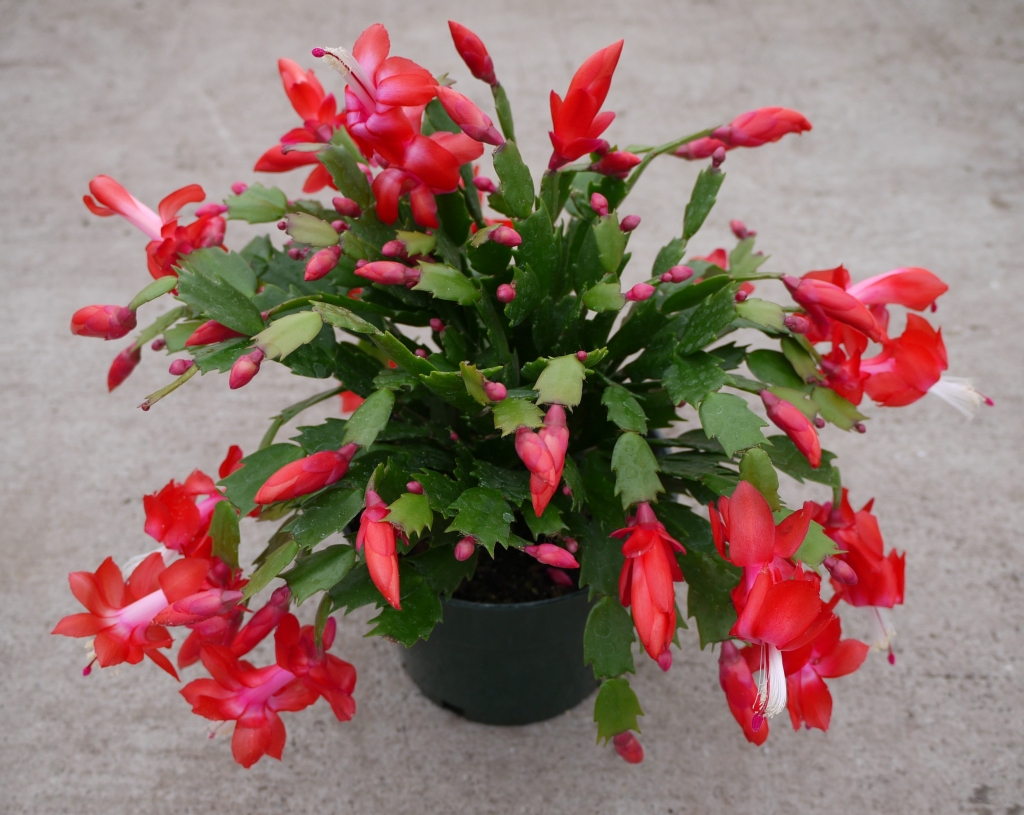
holiday cactus Schlumbergera
SOIL, POTS, AND DRAINAGE
The right soil mix
Cactus roots need air more than regular potting soil provides. Use a fast-draining cactus or succulent mix, or make your own by combining two parts potting soil with one part coarse sand and one part perlite or pumice. Avoid mixes that retain moisture like peat-heavy blends.
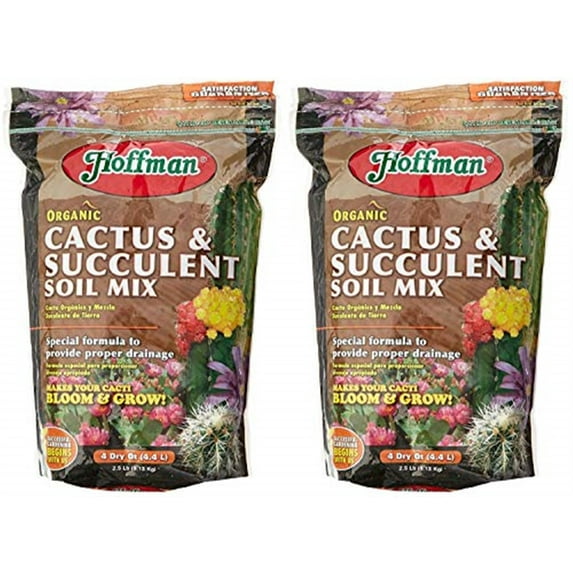
cactus soil mix drainage
Pot choice and drainage
Always choose a pot with drainage holes. Terra cotta or unglazed ceramic pots are great because they wick moisture from the soil, helping prevent root rot. Plastic pots retain moisture longer and can be useful in dry apartments or for humidity-loving holiday cacti, but monitor watering intervals.
Potting step-by-step
Potting is straightforward but important. Follow these steps:
- Prepare the pot: Place a thin layer of small gravel or coarse grit at the bottom only if the potting mix is very fine; otherwise, skip gravel and rely on soil and drainage hole.
- Add soil: Fill the pot about two-thirds with cactus mix.
- Position your cactus: If the plant is wrapped in nursery soil, gently loosen the roots. Set the plant in the center.
- Fill and settle: Add soil around roots, press lightly to remove large air pockets, but do not compact.
- Wait then water: If roots were disturbed, wait 3–7 days before watering so any wounds can callous over.
LIGHT: HOW MUCH AND WHAT KIND
Sunlight basics
Most cacti evolved under bright, direct sun. If you can provide 4–6 hours of direct sun daily, many popular cacti will be content. However, sudden exposure to intense midday sun can sunburn plants that have acclimated to low light. When moving a plant to a brighter spot, increase sun exposure gradually over one to two weeks.
Signs of too little or too much light
Look for these signals:
- Too little light: Elongated, pale growth (etiolation), leaning toward the window.
- Too much light: Brown or white patches, shriveled or bleached areas from sunburn.
A little restraint with water and plenty of light are the two habits that define successful cactus care.
WATERING: WHEN TO GIVE A DRINK
General watering principle
Cacti prefer a soak-and-dry rhythm. Water thoroughly, letting excess run from the drainage hole, then wait until the soil is dry to the touch before the next watering. Frequency depends on season, temperature, pot size, and species.
Seasonal schedule (example)
Use this as a starting point and adjust to your environment:
- Spring–Summer (active growth): Water every 10–21 days depending on heat and light.
- Fall: Gradually reduce water frequency.
- Winter (dormant): Water very sparingly — once every 4–6 weeks for most desert cacti; holiday cacti may need every 2–3 weeks during cooler indoor conditions.
FEEDING, TEMPERATURE, AND HUMIDITY
Fertilizer basics
Use a balanced, diluted fertilizer labeled for cacti or succulents during the growing season, once a month. A low-nitrogen formula encourages compact, healthy growth and avoids excessively soft tissue that invites rot.
Temperature and humidity
Most cacti are comfortable in typical home temperatures (65–85°F or 18–29°C) during the day and slightly cooler at night. They generally prefer low humidity. Avoid placing cacti near humidifiers, constantly damp bathrooms, or overly cool windows in winter where condensation forms.
COMMON PROBLEMS AND PESTS
Pests to watch for
Inspect your cactus regularly for mealybugs, scale, spider mites, and fungus gnats. Mealybugs and scale appear as small cottony or hard-shelled spots on stems and can be removed with a cotton swab dipped in rubbing alcohol. Spider mites leave fine webbing and tiny stippling; they thrive in hot, dry conditions.
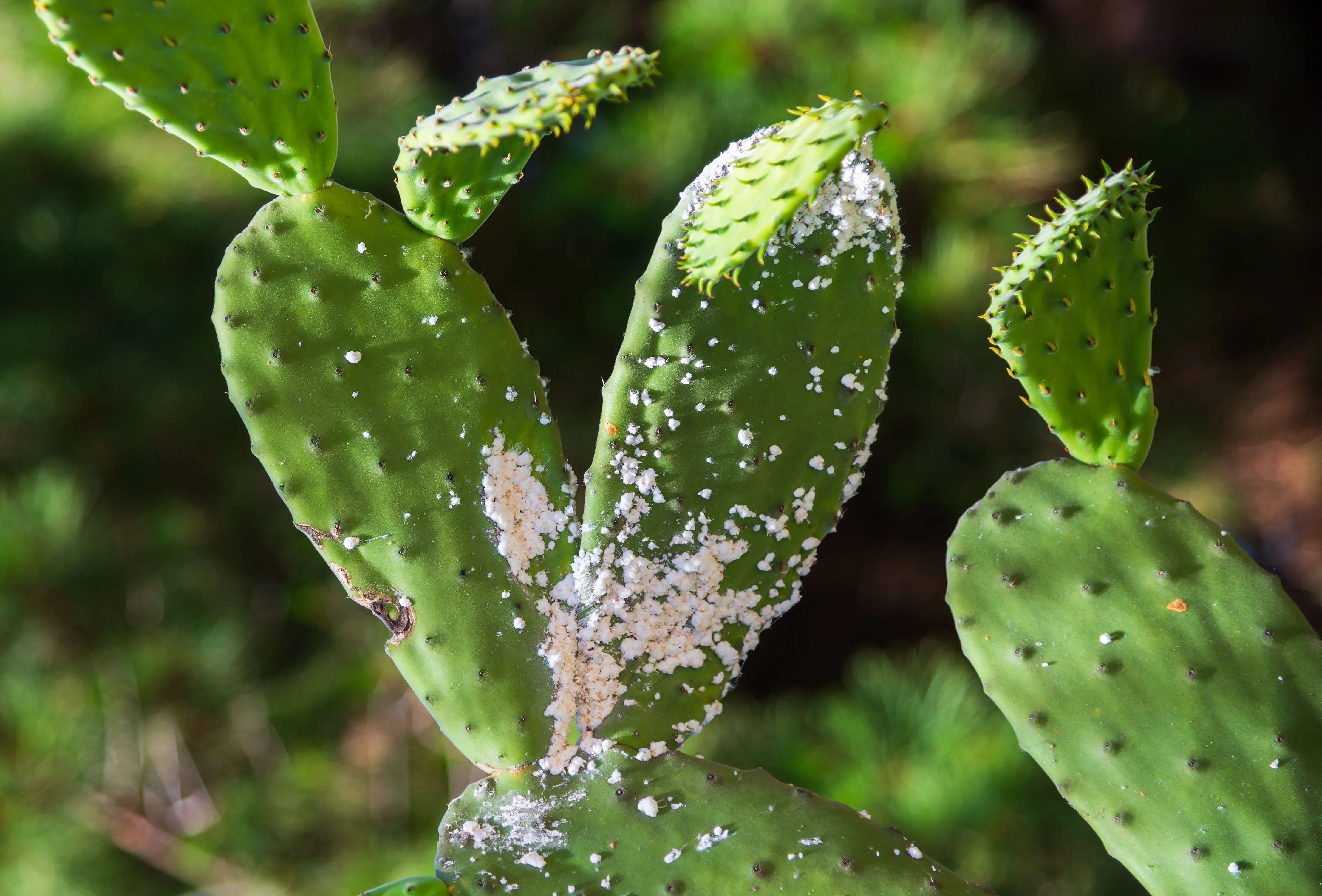
cactus pests mealybugs
Diseases and rot
Root rot is the main disease problem and is usually caused by chronic overwatering or poor drainage. If you detect rot, remove the plant from its pot, cut away soft, darkened roots with sterile tools, allow the healthy tissue to callous for several days, then repot in fresh dry mix.
PROPAGATION: MAKING MORE CACTI
Offsets and cuttings
Many cacti produce offsets (pups) that can be removed and potted. Carefully separate the offset with a clean cut, let the wound callous for a few days, then plant in a small pot of cactus mix. Stem cuttings are another easy method: allow the cut to dry and callous before planting to prevent rot.
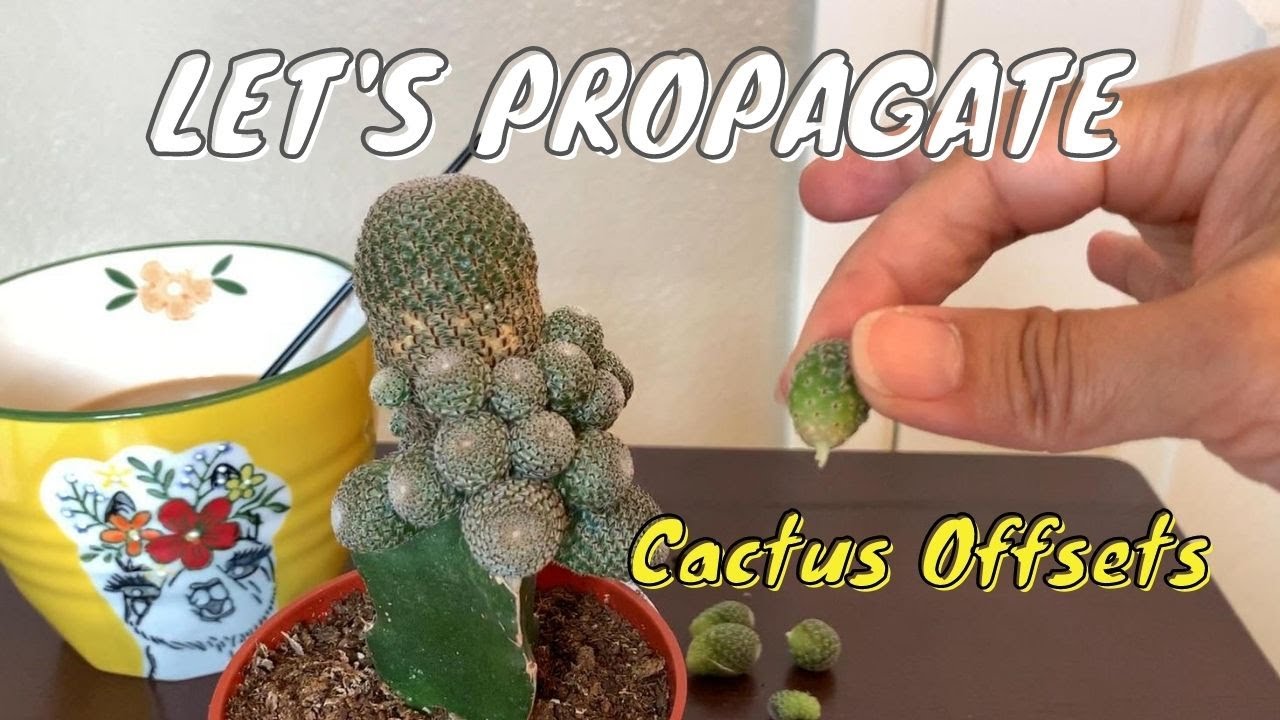
cactus propagation offsets
Seeds
Growing cactus from seed is rewarding but slower and more involved. Seeds require a sterile, shallow tray, fine grit mix, warmth, and stable humidity until seedlings establish. For a first cactus, offsets and cuttings are quicker and more reliable.
REPACKING, GROWTH, AND AESTHETICS
When to repot
Repot every 2–3 years or when roots come through drainage holes. Spring, at the start of the active growth season, is the best time. Choose a pot only 1–2 inches larger in diameter to avoid excess soil that holds moisture.
Design tips for living with cacti
Cacti work beautifully in minimalist and Southwestern palettes. Combine different species in groupings with similar light and water needs. Use decorative gravel on top of the soil to create a finished look, but avoid burying the stem base in decorative material that retains moisture.
- Low water needs
- Unique sculptural shapes
- Long-lived with proper care
- Prickly handling
- Slow growth for impatient owners
- Some species require intense light
A QUICK REFERENCE TABLE
Use this short table to compare a few beginner-friendly choices.
| Species | Light | Watering | Notes |
|---|---|---|---|
| Mammillaria | Bright, some direct sun | Every 2–3 weeks in summer | Small, forgiving, many bloom |
| Rebutia | Bright, morning sun | Every 2–3 weeks in summer | Good for pots, flowers easily |
| Opuntia (small) | Full sun | Every 2 weeks in hot months | Hardy, may produce pads |
CONCLUSION
Growing your first cactus is an exercise in observation and restraint. Provide bright light, free-draining soil, a pot with drainage, and a conservative watering schedule, and you will have a plant that rewards you with sculptural beauty and resilience. Learn to read signals—softness at the base, discoloration, or etiolated growth—and adjust quickly. With patience, you can expand a single plant into a small, low-maintenance collection that brings life and personality to your home.
- Choose a forgiving species and match it to available light.
- Use well-draining soil and a pot with drainage holes.
- Water deeply but infrequently; avoid keeping soil consistently wet.
- Inspect for pests regularly and isolate sick plants.
- Propagate from offsets or cuttings for quick results.
Start small, observe often, and let a cactus teach you the art of less-is-more care.