Google's Antigravity Coding Tool: A Game Changer in Development
In the rapidly evolving world of software development, Google's latest innovation, the antigravity coding tool, promises to revolutionize the way developers engage with their projects. This new tool has already sparked significant interest among tech enthusiasts and professionals alike, inviting comparisons to longstanding solutions in the market. What sets the antigravity tool apart? And how does it measure up against existing options?
The Rise of Developer Tools
Over the last decade, the software development landscape has witnessed an explosion of tools designed to enhance coding efficiency and developer productivity. From integrated development environments (IDEs) to version control systems, developers have increasingly relied on advanced software solutions to streamline their workflows.
Now, with the emergence of AI-driven technologies and machine learning, the capabilities of these tools are expanding. Developers are looking for solutions that can significantly reduce the time spent on mundane coding tasks, enabling them to focus on creativity and problem-solving. Google's antigravity tool emerges as a promising candidate in this space, touted for its ease of use and innovative features.
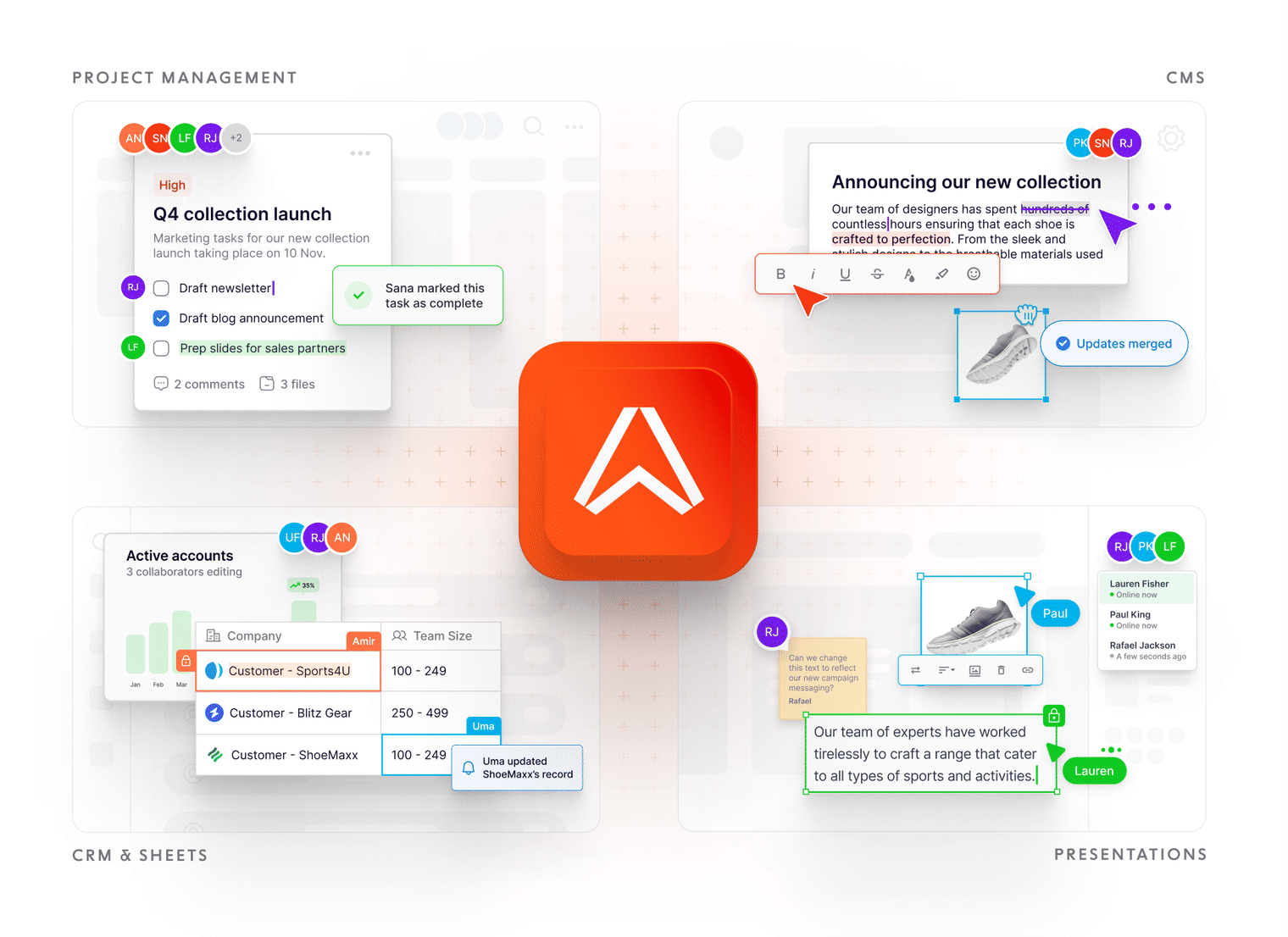
Real-time collaboration antigravity tool
What is Google's Antigravity Coding Tool?
The antigravity coding tool represents a groundbreaking shift in the approach to coding environments. This tool integrates AI to assist in code generation and debugging, providing real-time feedback to developers as they write code. Its unique features include predictive coding suggestions, automated syntax checking, and seamless collaboration capabilities for teams, making it an ideal solution for both individual developers and larger organizations.
Additionally, the tool offers compatibility with a range of programming languages, making it versatile for various coding projects. This level of adaptation is essential in a world where a single solution may not cater to every developer's needs.
Key Features and Benefits
The following are some of the standout features that set Google's antigravity coding tool apart from its competitors:
- AI-Driven Coding Assistance: The tool utilizes advanced machine learning algorithms to provide contextual coding suggestions, drastically reducing the amount of time spent on typing and refactoring.
- Real-Time Collaboration: Developers can work on projects simultaneously, seeing each other's changes in real time, which enhances teamwork and productivity.
- Cross-Platform Support: Its intuitive interface works across multiple devices and operating systems, allowing developers to switch seamlessly between their preferred environments.
- Error Detection and Fix Suggestions: Automated syntax checking and smart error resolution suggestions help catch bugs before they become problematic in a project's lifecycle.
- Customizability: The coding tool allows personal configurations to suit individual preferences and team workflows, fostering an environment for maximum efficiency.
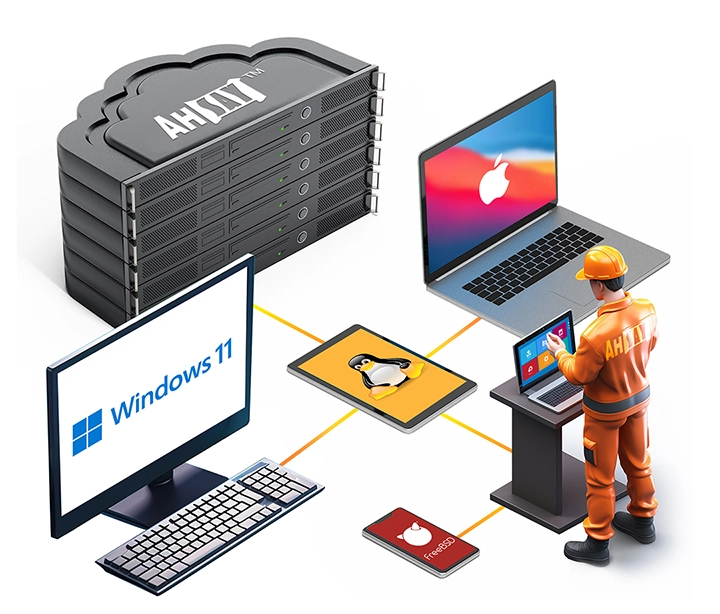
Cross-platform support antigravity tool
Comparative Analysis: Antigravity Tool vs Existing Solutions
With the market flooded with various coding tools, it is essential to benchmark Google's antigravity tool against prominent alternatives. Notable competitors include Visual Studio Code, JetBrains IDEs, and GitHub Copilot, each bringing unique strengths and weaknesses to the table.
Visual Studio Code: A widely popular open-source editor, Visual Studio Code is known for its extensive extensions and plugins. While incredibly customizable, it may not provide the same level of AI assistance as Google's antigravity tool. Developers often find themselves needing to install multiple plugins to achieve the same functionality offered natively by the antigravity solution.
Visual Studio Code vs Antigravity
JetBrains IDEs: JetBrains offers robust development environments ideal for complex projects, particularly in languages like Java and Python. However, the steep learning curve and resource intensity can be a drawback for smaller projects or novice developers seeking a more straightforward solution. Google's tool aims to lower this barrier and make coding accessible to all.
GitHub Copilot: While GitHub Copilot provides AI assistance within existing IDEs, it lacks the integrated development ecosystem that Google's offering provides. The antigravity tool not only suggests code but does so within a collaborative framework, making it a more comprehensive choice for teams.
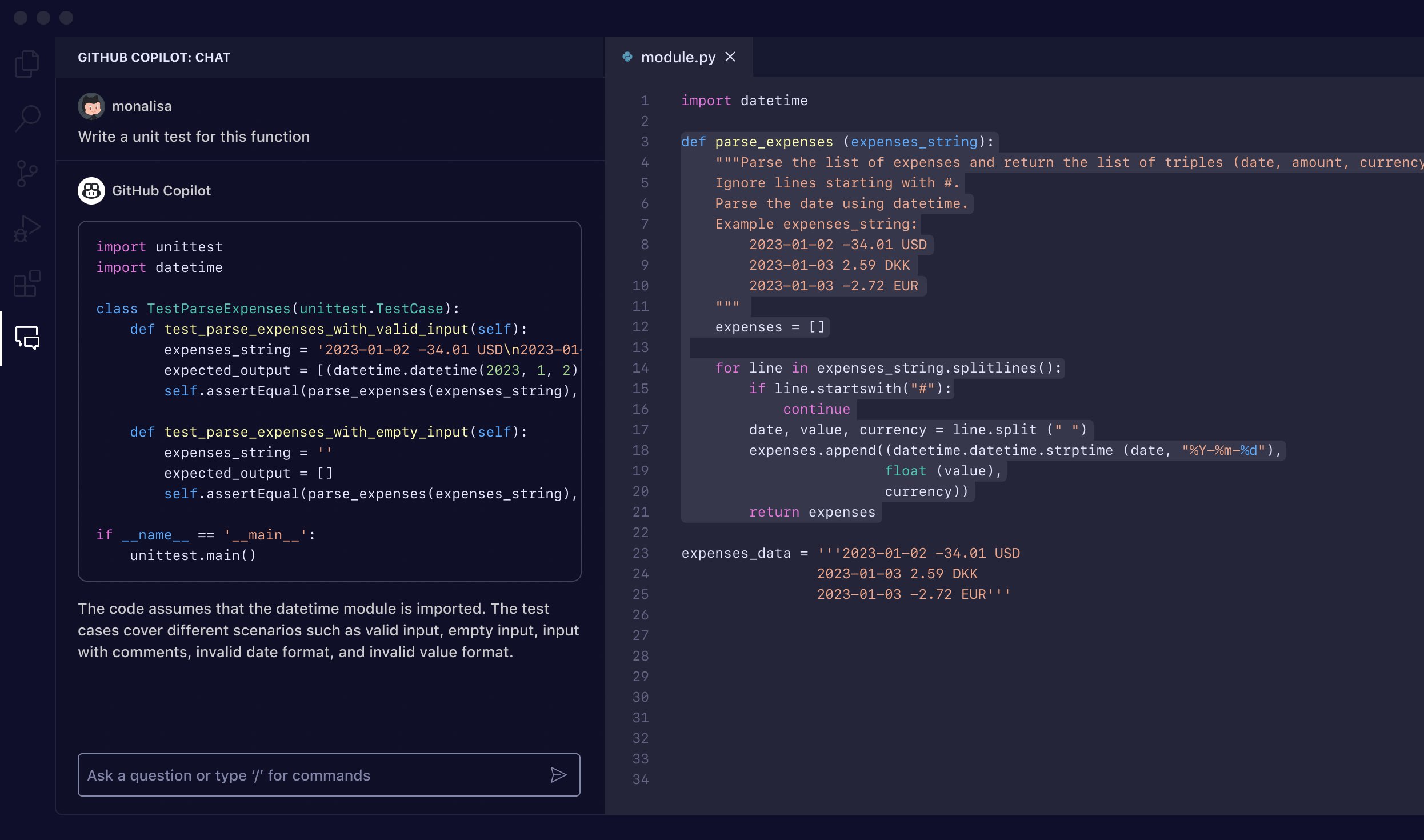
GitHub Copilot vs Antigravity
User Experience and Feedback
Early adopters of Google's antigravity coding tool have provided overwhelmingly positive feedback. Many users highlight the intuitive interface and the effectiveness of the AI suggestions. Initial trials indicate a significant increase in productivity, with developers reporting less time spent on debugging and a smoother coding experience overall.
Moreover, the emphasis on real-time collaboration has received praise, facilitating communication among team members and improving overall project outcomes. As remote work becomes increasingly common, these collaborative features are vital to maintaining team dynamics and project flow.
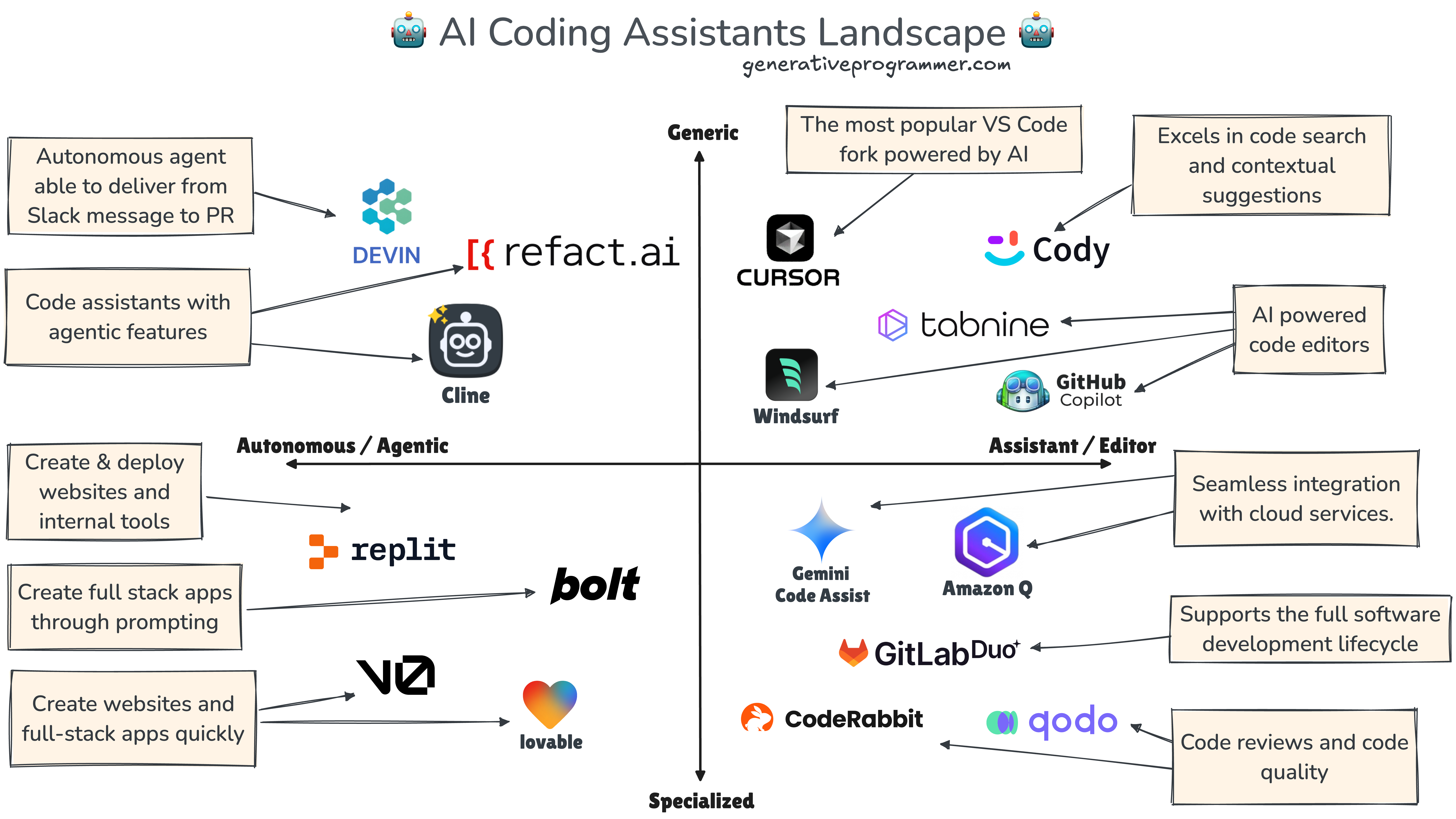
Google antigravity AI coding
The Future of Coding with Antigravity
The introduction of Google's antigravity coding tool signals a shift towards a more integrated and intelligent software development process. As technology continues to advance and AI becomes a more dominant force in coding, we can expect ongoing innovations that further enhance developer efficiency.
As organizations adapt to an increasingly digital landscape, adopting tools that foster seamless collaboration and productivity will be essential. Google's tool is positioned to lead this charge, providing developers with the resources to focus on what they do best: creating innovative solutions and driving technological progress.
Conclusion
In conclusion, Google's antigravity coding tool stands out in an increasingly crowded market filled with tried-and-true development solutions. By marrying AI capabilities with ease of use and collaborative features, it empowers developers to navigate the complexities of modern coding with greater agility and efficiency. Moving forward, as developers continue to embrace these new tools, the future of coding looks bright.
As Google pushes the envelope in software development tools, it is vital for developers to stay informed about these innovations, ensuring they are equipped with the best possible tools to realize their creative visions.