GLP-1 Drugs Tied to Nutrient Deficiencies in 1-in-6 Children
The rapid rise of GLP-1 receptor agonists in medicine—originally developed to treat type 2 diabetes and more recently embraced as powerful tools for weight management—has brought a new, urgent conversation to pediatric medicine: are these drugs contributing to micronutrient shortfalls in young patients? Reports and clinical case series pointing to nutritional deficiencies in nearly one out of six children taking these medications have captured the attention of parents, clinicians, and public-health experts. This feature breaks down what GLP-1 drugs do, why they may influence nutrient status, which nutrients are most at risk, and how families and clinicians can respond thoughtfully and proactively.
WHAT ARE GLP-1 DRUGS AND WHY ARE THEY USED?
A quick primer
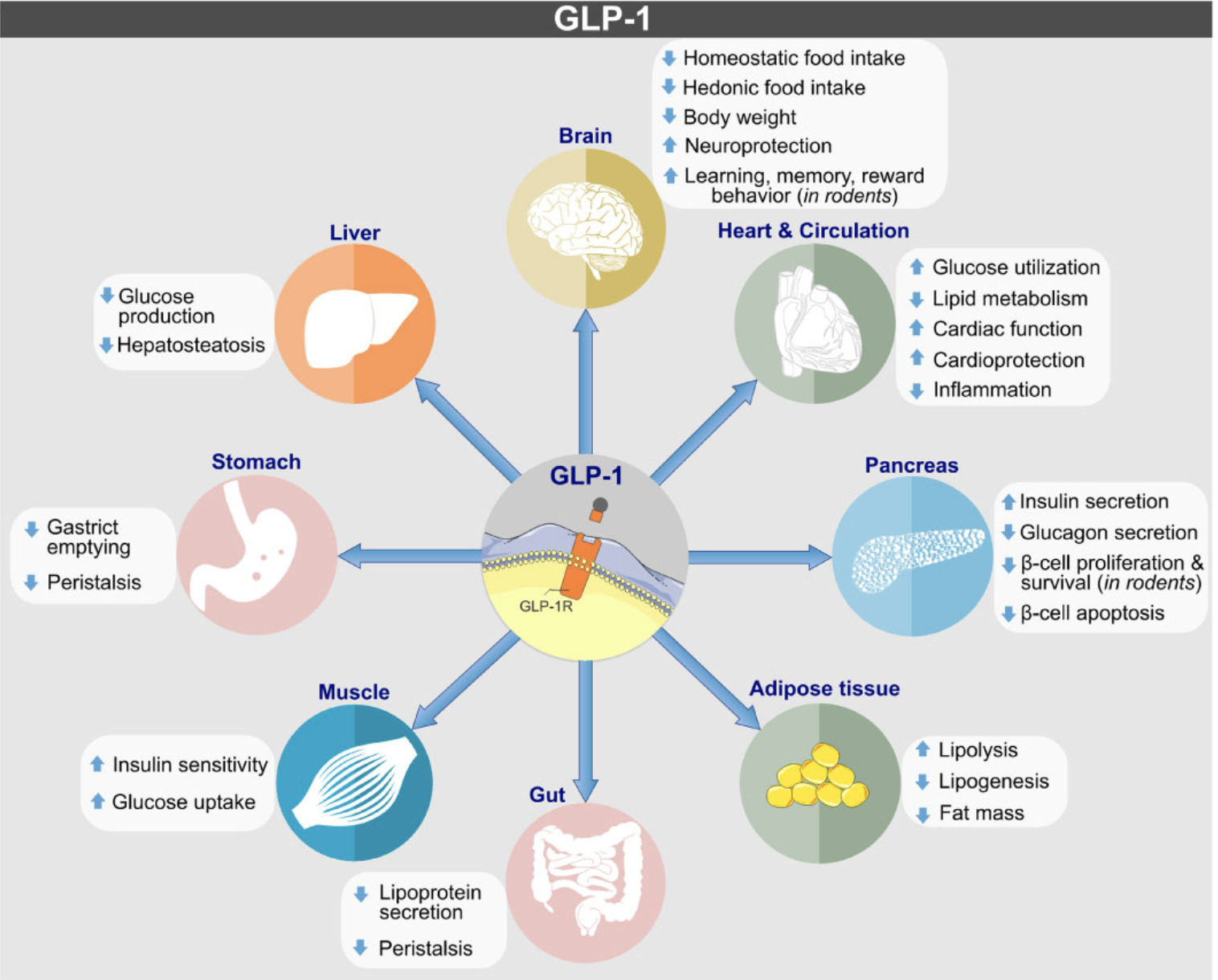
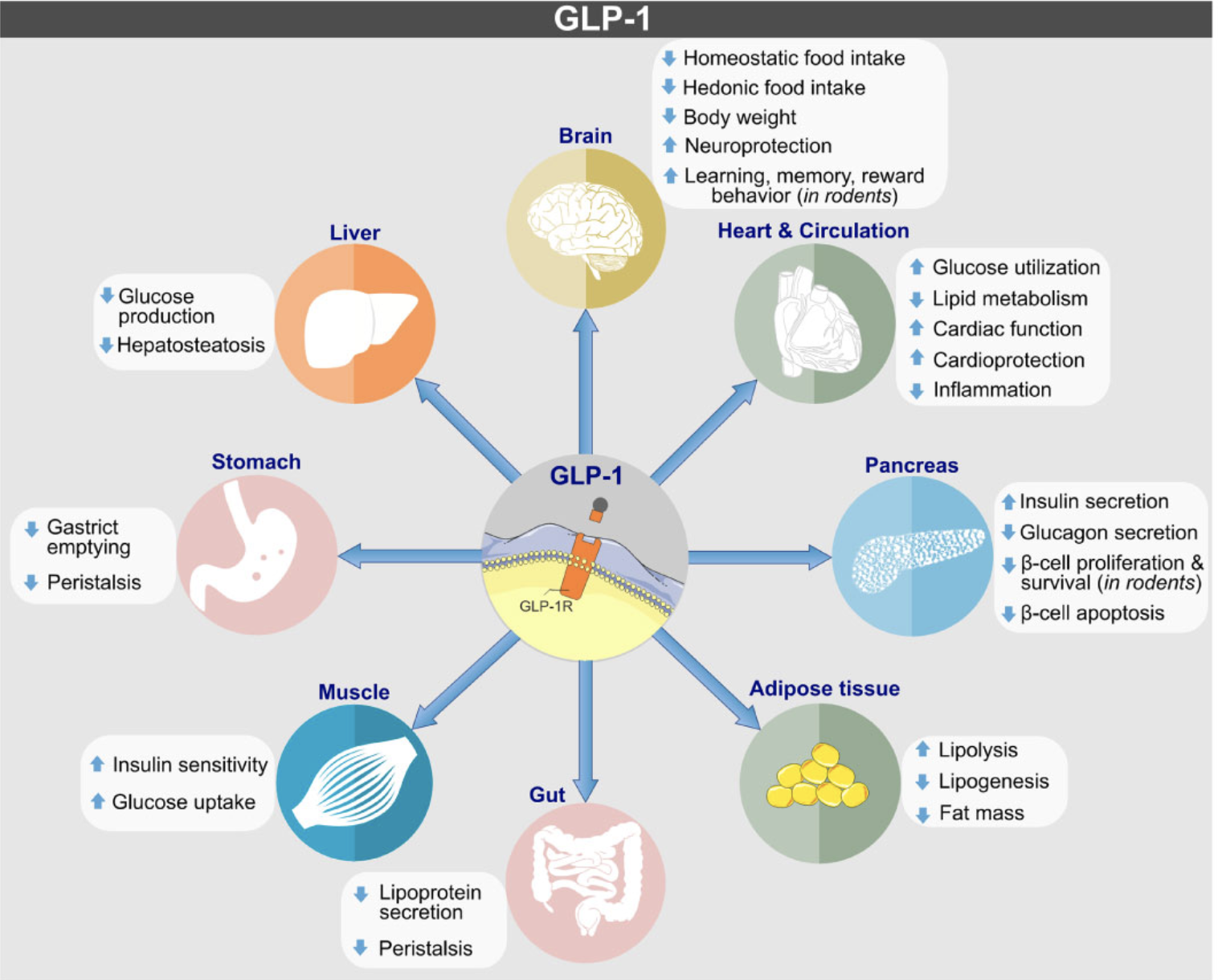
GLP-1 receptor agonists are injectable or oral medications that mimic the action of the incretin hormone glucagon-like peptide-1. They were first released as treatments for type 2 diabetes because they enhance insulin secretion in response to meals and reduce glucagon release, helping to control blood sugar. A notable secondary effect—reduced appetite and slower gastric emptying—led to their adoption as weight-management therapies for adults and, in some cases, adolescents with obesity.
GLP-1 receptor agonists medication
Why they're both celebrated and scrutinized
Clinicians and patients praise GLP-1 medications for substantial and sustained reductions in body weight and improved glycemic control. At the same time, the very mechanisms that make these drugs effective—suppressed appetite and altered gastric motility—also change the amount and pattern of food children eat, which has implications for intake of essential vitamins and minerals during a critical window of growth and development.
‘When you change appetite and digestion in growing bodies, you change nutrition—sometimes in ways we are only beginning to understand.’
EMERGING CONCERN: NUTRITIONAL DEFICIENCIES IN CHILDREN ON GLP-1S
What clinicians are observing
Pediatricians and pediatric endocrinologists have reported an uptick in detectable micronutrient deficiencies among children and adolescents taking GLP-1 medications. While causation is complex and studies are still catching up, three patterns recur in clinical practice: reduced dietary intake, gastrointestinal side effects (nausea, vomiting, early satiety) that limit nutrient absorption or intake, and rapid weight loss that can unmask preexisting deficiencies or increase nutritional demands during catabolism.

Pediatric endocrinology clinic examination
Which children are most affected
Vulnerability appears higher in younger children, those with restricted diets prior to starting therapy, and those experiencing pronounced gastrointestinal side effects. Children with underlying conditions that impair absorption—such as celiac disease or inflammatory bowel disease—also face compounded risk.
NUTRIENTS MOST AT RISK
A shortlist of concern
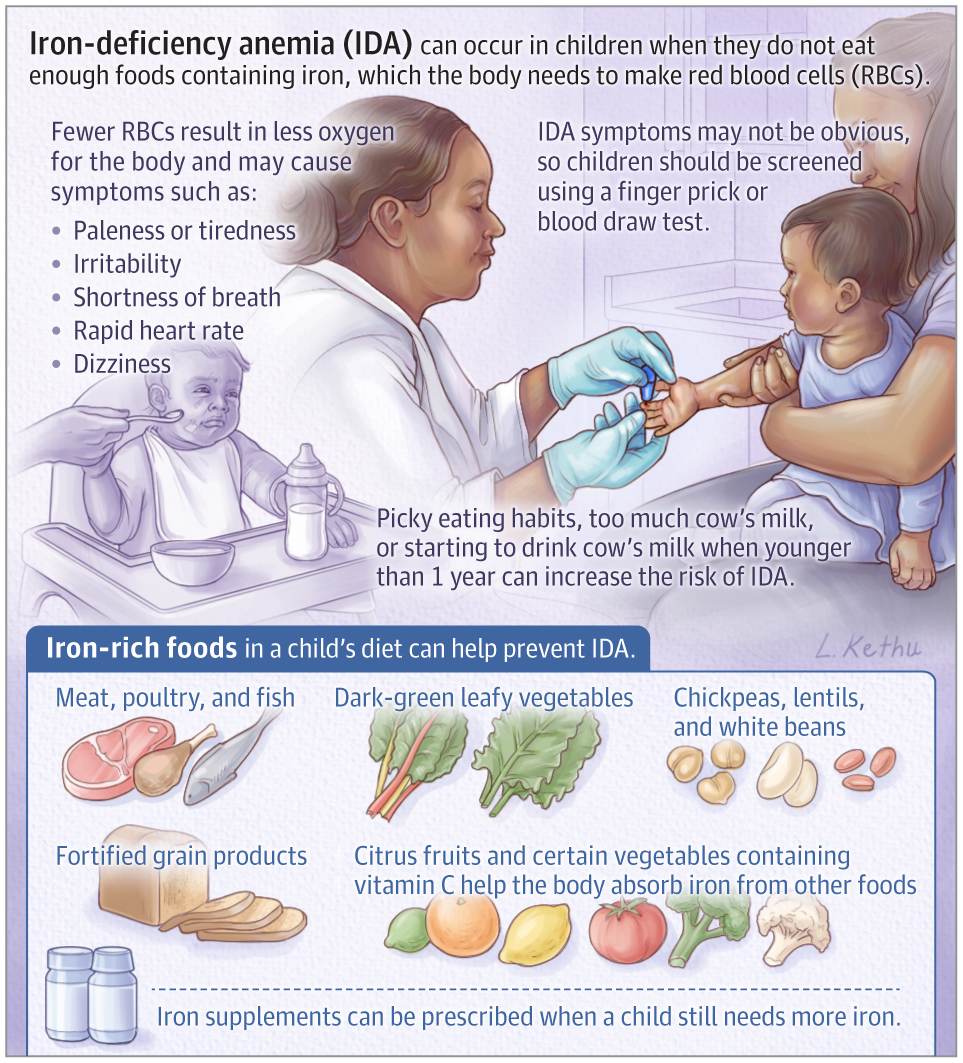
Clinicians commonly screen for and find shortfalls in several nutrients. The following list explains how each nutrient can be affected and why deficiency matters in children:
Iron deficiency anemia children
- Iron: Lower overall intake plus menstruation in adolescent girls can quickly produce iron deficiency and anemia, affecting energy, concentration, and cognitive development.
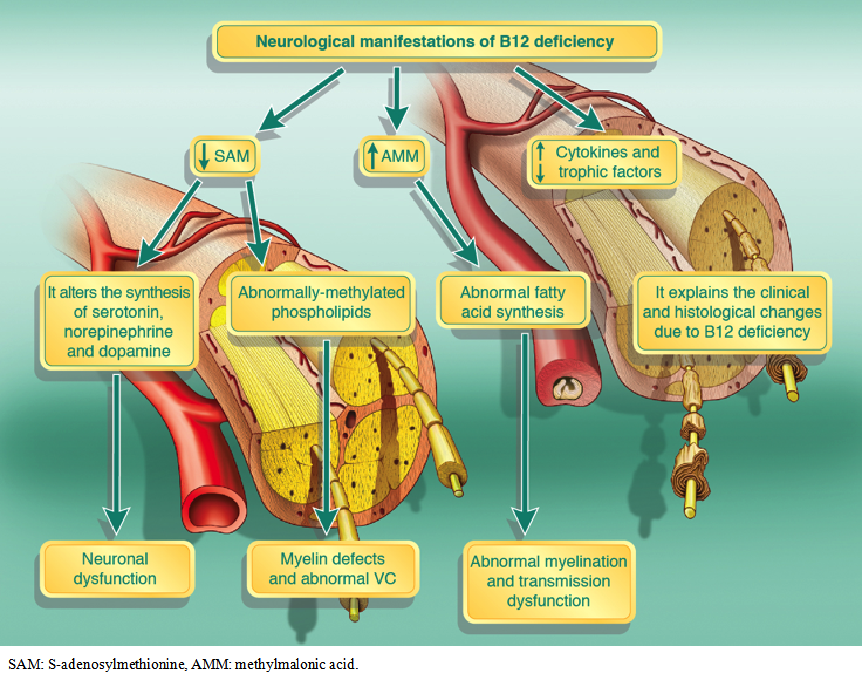
- Vitamin B12: Reduced intake of animal-derived foods or altered absorption can lead to B12 deficiency, which impairs neurological development and can cause fatigue and neuropathy.
- Vitamin D and calcium: Critical for bone accrual during growth; decreased dietary calcium intake and lower vitamin D status (from diet or supplementation) threaten peak bone mass during adolescence.
- Folate: Low folate can impair red blood cell production and, in rapidly growing children, contribute to developmental issues.
- Zinc and other trace minerals: Important for immune function, wound healing, and growth; low intake or absorption can blunt growth trajectories.
- Thiamine (B1): Less common but potentially serious if rapid weight loss or poor intake occurs; thiamine deficiency can affect neurologic and cardiac function.
Vitamin B12 neurological development
WHY CHILDREN ARE DISTINCTLY VULNERABLE
Children and adolescents are not small adults. Their bodies are building bone, establishing peak cardiometabolic health, and wiring neural circuits that rely on steady supplies of macro- and micronutrients. A child who reduces daily caloric intake by 20–30 percent because a medication suppresses appetite may still meet macronutrient goals in protein and fat but fall short on micronutrient density—especially if the diet shifts away from nutrient-rich foods toward smaller portions of the same items.
Moreover, growth requires more than calories: it requires protein, calcium, vitamin D, iron, zinc, and B vitamins in precise proportion to support tissue formation and cognitive maturation. Even transient shortfalls during critical periods can have lingering effects on bone architecture, learning, and hormonal maturation.

Calcium vitamin D bone health
HOW DEFICIENCIES CAN MANIFEST IN PRACTICE
Clinical signs and red flags
Recognizing a deficiency early depends on watching for changes that are not explained by growth patterns alone. Red flags include:
- New or worsening fatigue, pallor, or dizziness—possible iron deficiency anemia.
- Persistent numbness or tingling—possible B12 deficiency or neuropathy.
- Delayed growth velocity or plateauing height—may indicate inadequate overall nutrient intake.
- Frequent infections or slow wound healing—possible zinc shortfall or general immune compromise.
- Bony pain, fractures, or delayed puberty—possible calcium/vitamin D concerns or broader nutritional insufficiency.
WHAT PARENTS AND CLINICIANS CAN DO
A practical monitoring framework
Because GLP-1 medications are increasingly used in pediatric settings, a pragmatic, safety-oriented approach includes baseline screening and periodic reassessment. A reasonable framework used in many clinics includes:
- Baseline evaluation: Document growth metrics, dietary patterns, and screen labs—complete blood count, iron studies, vitamin B12, 25-hydroxyvitamin D, calcium (or markers), and basic metabolic panel—before initiating therapy.
- Early follow-up: Reassess clinical symptoms and weight at 4–12 weeks; repeat labs if symptoms arise or if there is rapid weight loss.
- Routine monitoring: Periodic lab checks every 3–6 months in the first year, then individualized once stable. Incorporate dietary recall and, when available, consultation with a pediatric dietitian.
- Nutrition first: Prioritize food-based strategies—small, frequent nutrient-dense meals, fortified foods, and targeted supplements only when diet cannot meet needs.
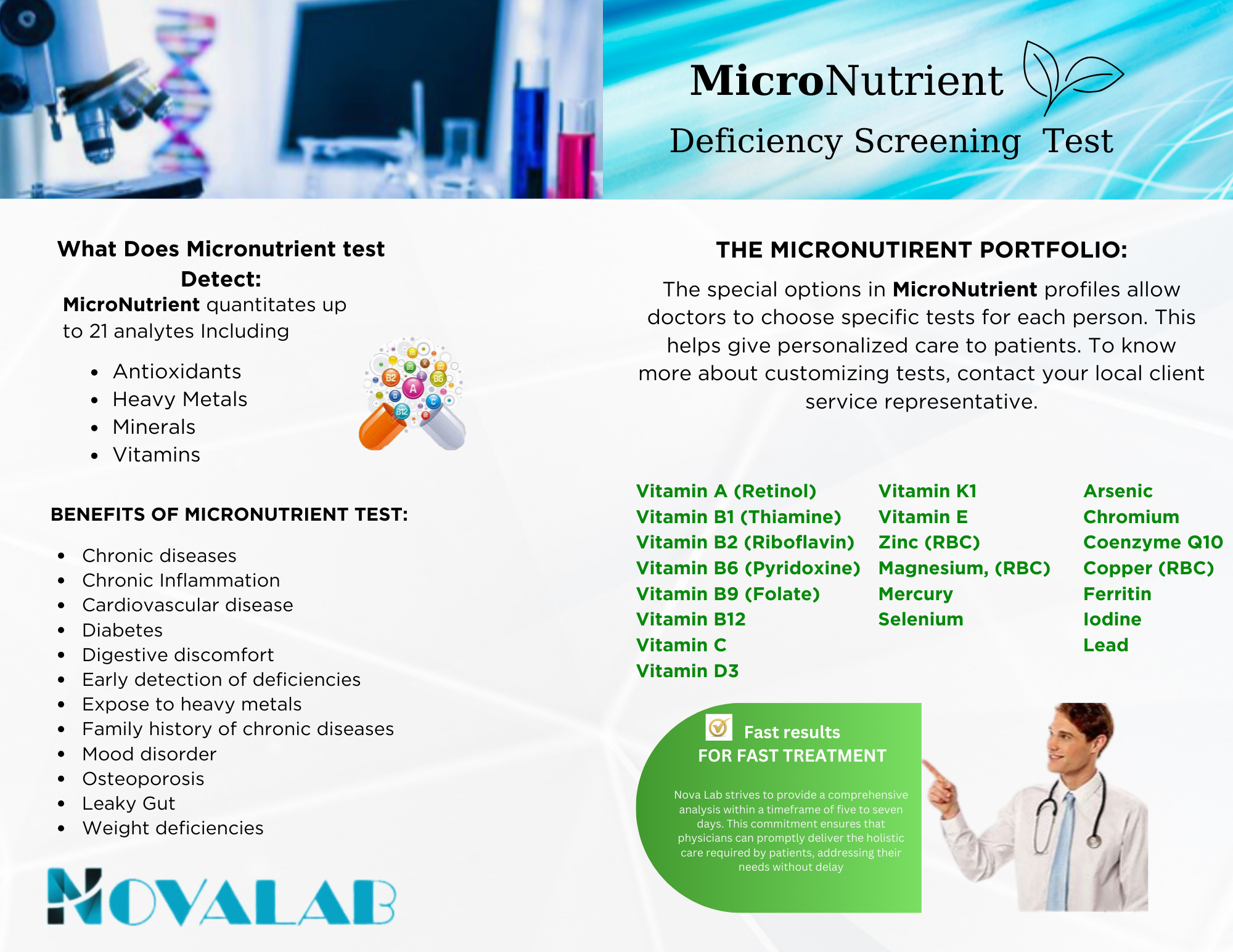
Micronutrient deficiency blood tests

Pediatric dietitian nutrition counseling
When to consider supplementation or pausing medication
Supplementation is indicated when lab-confirmed deficiency exists or when dietary intake cannot reasonably meet needs. Decisions about pausing or stopping a GLP-1 medication should be individualized: severe symptomatic deficiencies, pronounced gastrointestinal side effects that inhibit food intake, or concerns about growth trajectory may necessitate drug adjustment in partnership with the prescribing clinician and family.
BROADER IMPLICATIONS: PUBLIC HEALTH, ACCESS, AND ETHICS
The rise of GLP-1 prescribing for weight in younger populations raises hard questions beyond individual clinical care. If a substantial proportion of children on these medications develops nutrient shortfalls, systems-level responses are needed—from screening recommendations and insurer coverage for nutrition counseling to equitable access to monitoring labs and fortified foods. There are also ethical dimensions: ensuring families understand trade-offs between weight outcomes and potential nutritional risks, confirming that medications are used when benefits clearly outweigh risks, and protecting vulnerable groups from off-label or premature use.
- Effective weight and glycemic control
- Improved cardiometabolic markers in many patients
- Appetite suppression can reduce nutrient intake
- Gastrointestinal side effects may limit absorption
- Potential impact on growth and bone health
COMMUNICATION: HOW TO TALK WITH FAMILIES
Open, nonjudgmental conversations are essential. Clinicians should explain what GLP-1s do, discuss the possible effects on appetite and nutrient intake, outline the monitoring plan, and set expectations about side effects and timelines for improvement. Families should be encouraged to report symptoms early and to keep a simple food diary for the first several months to inform dietary counseling.
WHAT RESEARCH AND POLICY SHOULD PRIORITIZE
Key gaps need urgent attention: robust pediatric trials designed to evaluate long-term nutritional outcomes, standardized screening protocols, and studies that examine which mitigation strategies (dietary counseling, fortification, or routine supplementation) are most effective. Policymakers and professional societies should also clarify guidance about monitoring frequency and reimbursement for the multidisciplinary care required to use these drugs safely in young people.
CONCLUSION
The arrival of GLP-1 receptor agonists has changed the landscape of diabetes and weight management, offering powerful benefits but also presenting new safety questions—especially for children whose nutritional needs are uniquely exacting. The observation that nearly one in six children on these medications may show micronutrient shortfalls is a call to action: clinicians must pair prescribing with disciplined monitoring, families should be supported with targeted nutrition care, and researchers and policymakers must close evidence gaps. With cautious, evidence-based stewardship, it’s possible to preserve the therapeutic benefits of GLP-1s while protecting the foundational nutrition that young bodies and brains need.
A medication that reshapes appetite reshapes nutrition—so monitoring must be part of the prescription.
- GLP-1 drugs reduce appetite and slow gastric emptying—mechanisms that can lower nutrient intake in children.
- Common deficiencies observed include iron, vitamin B12, vitamin D, calcium, folate, zinc, and occasionally thiamine.
- Baseline and periodic lab screening, early dietitian involvement, and targeted supplementation when needed help mitigate risk.
- Policy and research must support safe use in pediatric populations through clear guidelines and access to nutritional services.