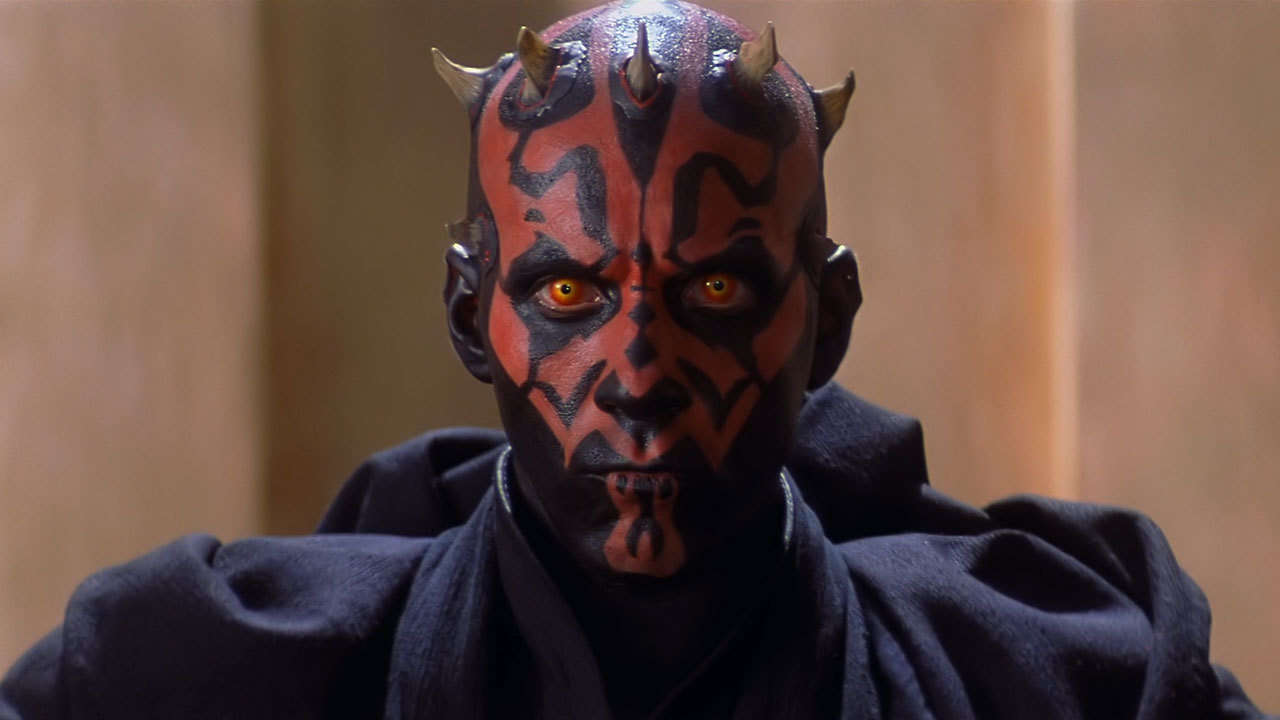
George Lucas's Plan: Darth Maul as the Sequel Trilogy's Crime God
There is something intoxicating about imagining the story you love told a different way. For Star Wars fans, the idea that George Lucas once considered making Darth Maul — that snarling, horned enigma with the double-bladed lightsaber — the central antagonist of Episodes VII–IX invites a flood of possibilities.
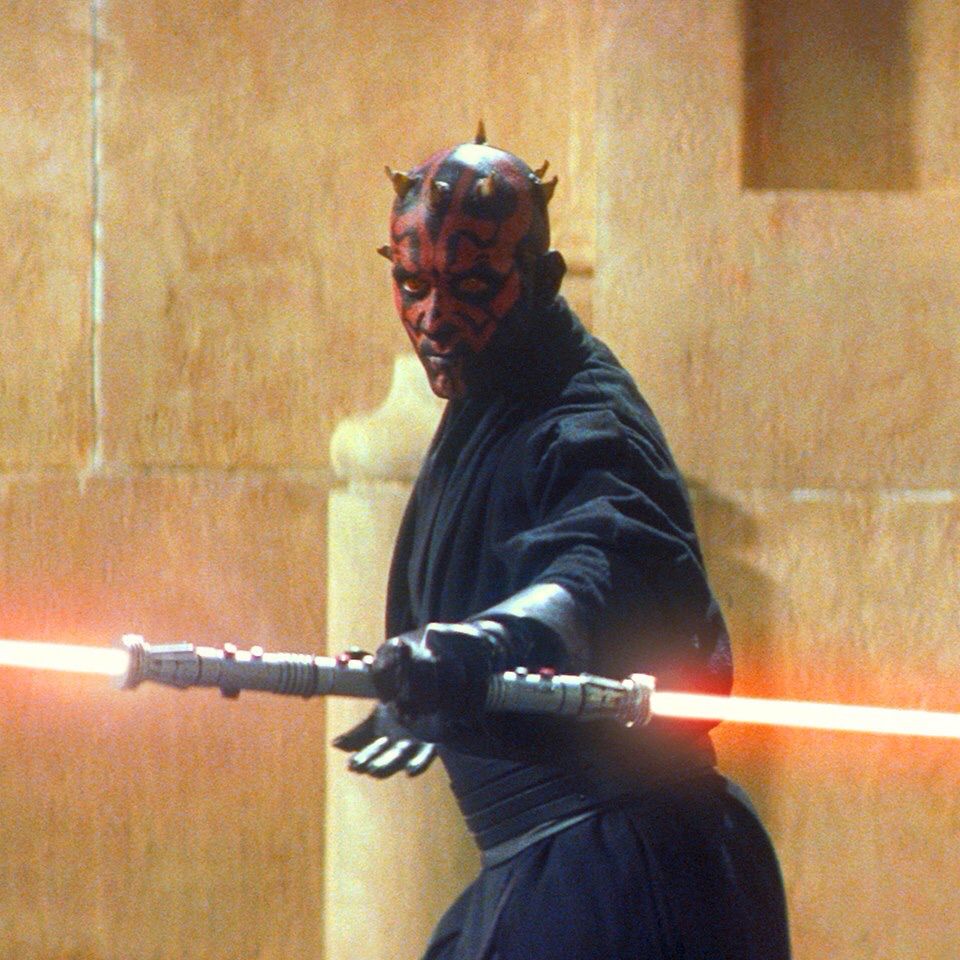
Darth Maul Star Wars villain
In this alternate narrative, the fall of the Empire does not lead straightaway to peace; instead, it ushers in a reorganization of power that places criminal networks at the heart of galactic politics, with Maul rising to become the godfather of organized crime while Luke Skywalker quietly rebuilds the Jedi Order. The result would have been a trilogy that plays like a hybrid of noir, crime epic, and mythic quest.
A Strange Aftermath: From Fallen Empire to Ferocious Underworld
The original trilogy culminated in a decisive victory over the Emperor and the crumbling of the Imperial machine. That victory, in George Lucas's imagining for a later set of films, was not the end of history so much as a power vacuum. Empires leave legacies — institutions, loyalties, weapons, and resentments — and when institutional power collapses, other forces rush in. Organized crime as a unifying force across disparate systems is a plausible and cinematic next step.
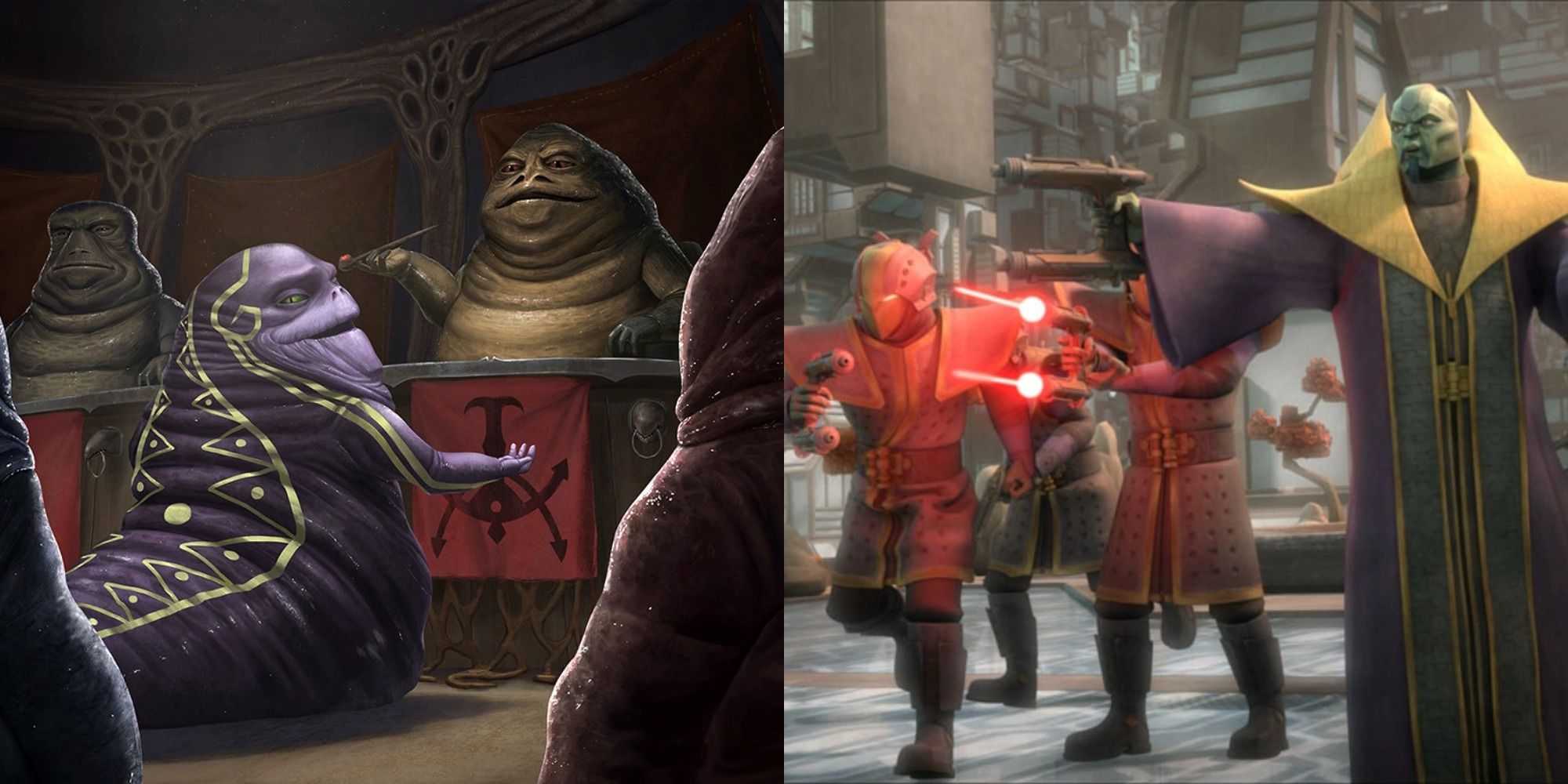
Star Wars galactic underworld crime
It would have been an audacious tonal pivot for Star Wars: swapping interstellar battlefields for shadowy syndicate councils, shifting the locus of threat from political sovereignty to the deep networks of black markets, protection rackets, and criminal governance.
Why Darth Maul?
Darth Maul's original on-screen life in The Phantom Menace lasted less than an hour of runtime, but he left an outsized imprint. Visually striking, single-minded, and silent in his menace, Maul represented an unblinking force of violence.
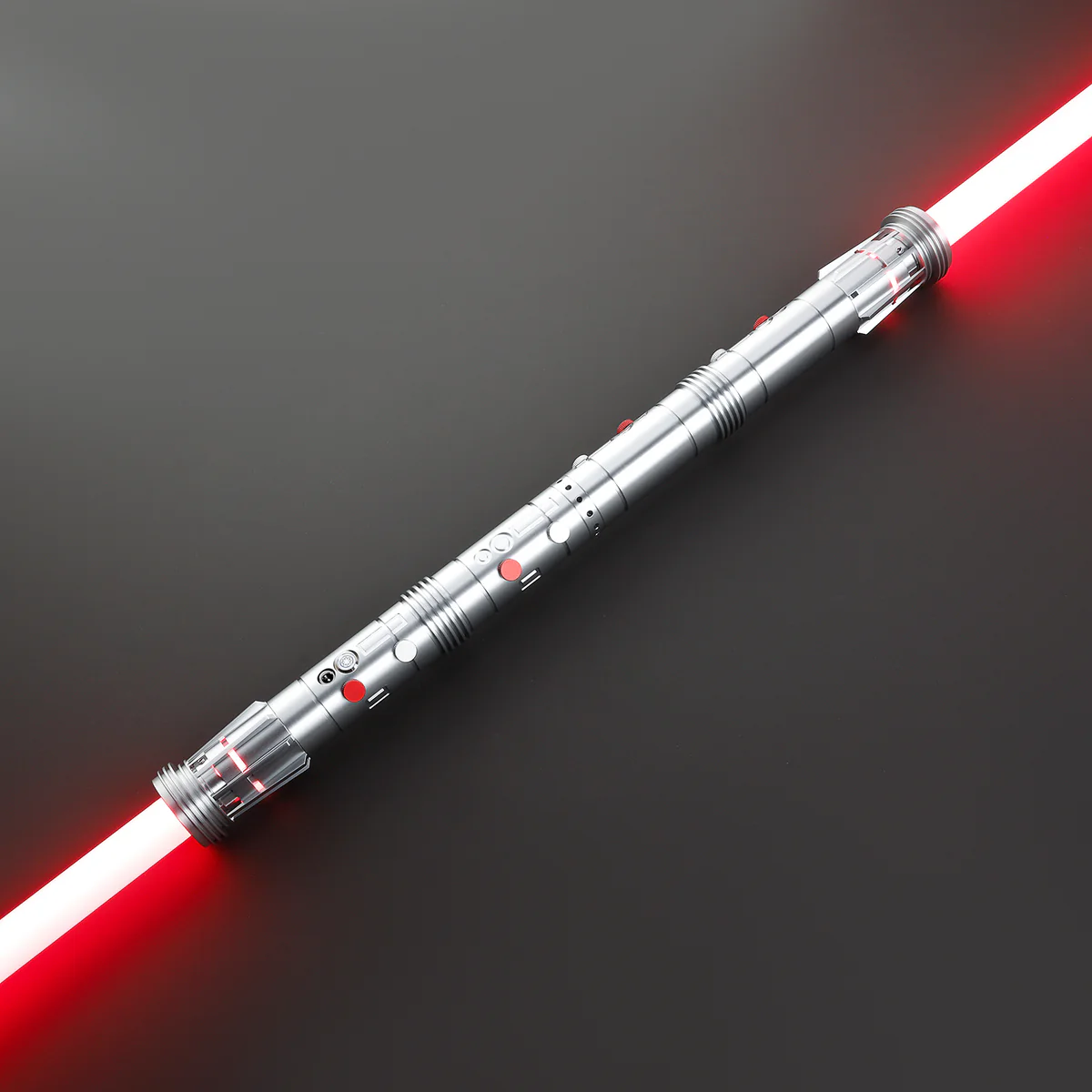
Darth Maul double-bladed lightsaber
Reimagining him as a cunning, patient operator after surviving his canonical death works dramatically: he would have had motive, time, and fury to transform himself into a figure who commands fear the way don Corleone commands respect.
"Imagine Maul not as a masked executioner but as a strategist who rules through networks and contracts, a shadow emperor whose throne is built on crime."
Maul's Arc: From Fallen Apprentice to Godfather
The proposed arc turns Maul into an architect of a post-Imperial underworld. Surviving his encounter with Obi-Wan Kenobi, Maul would have had decades to cultivate connections, to learn the business of fear and influence, and to exploit the remnants of Imperial logistics for illicit profit.
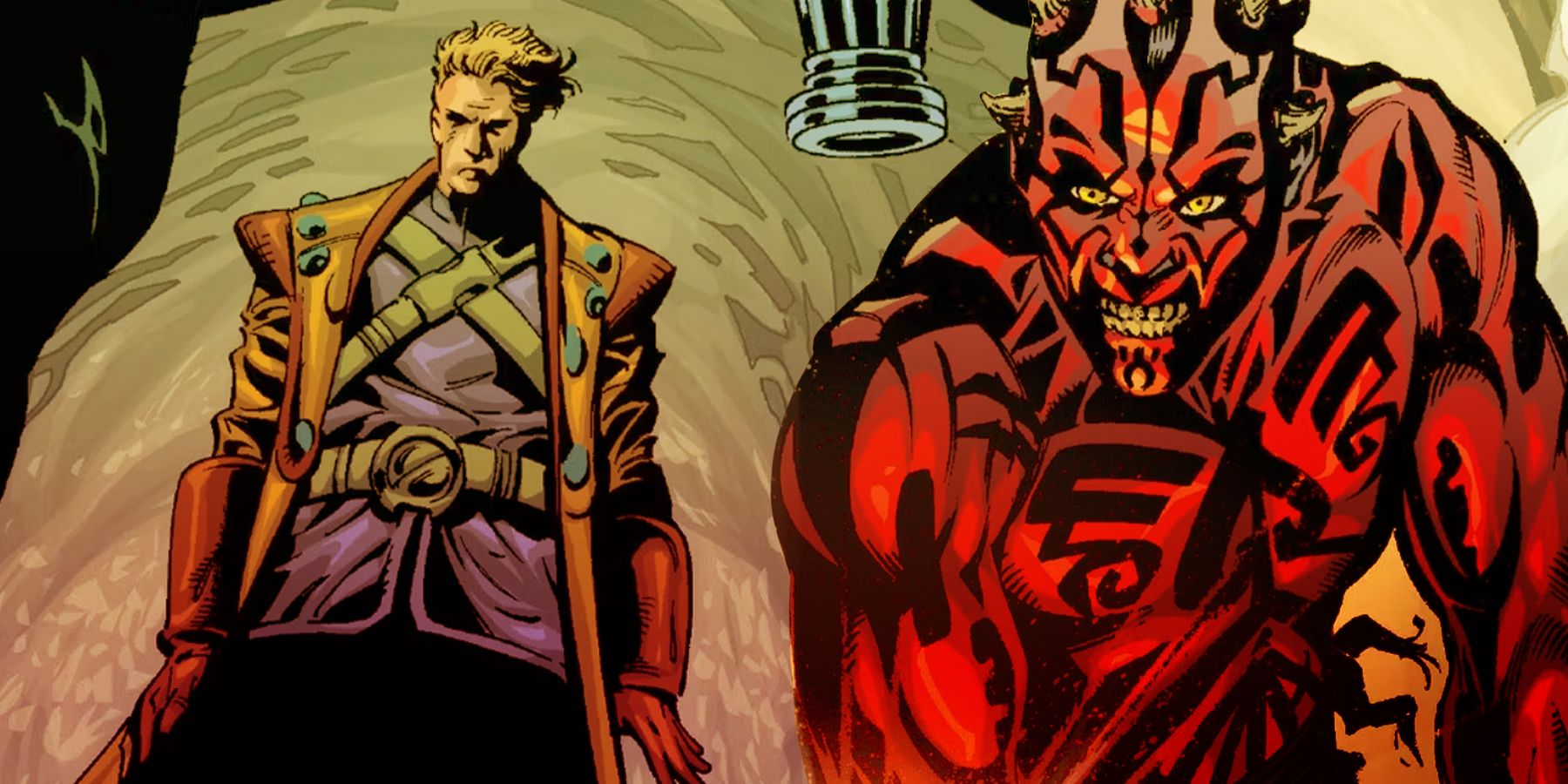
Darth Maul criminal syndicate boss
The image is potent: a scarred former Sith who lacks the institutional base of the Empire but who holds a different kind of power — the power to organize, intimidate, and traffic in the commodities that feed the galaxy's dependencies.
As head of a unionized coalition of syndicates — crime families, smuggling rings, arms dealers, even corrupted bureaucrats — Maul becomes less a supernatural terror and more a modern antagonist. His methods would favor bribery, extortion, trade monopolies, and political manipulation. He would not simply want domination; he would want control of the flows of goods, information, and loyalty that make the new galaxy function. That shift reframes him as a villain whose threat is systemic, not merely spectacular.
Luke's Quiet Rebuild: Jedi as Custodians, Not Conquerors
The counterpoint to a criminally organized galaxy is a different kind of Jedi Order. Instead of the militarized, political organism of prequel ambitions, Luke's project in this scenario is restorative and discreet. Rebuilding the Jedi would be less about reinstating an academy that trains legions and more about cultivating moral authority, mentorship, and quiet networks of guardianship.
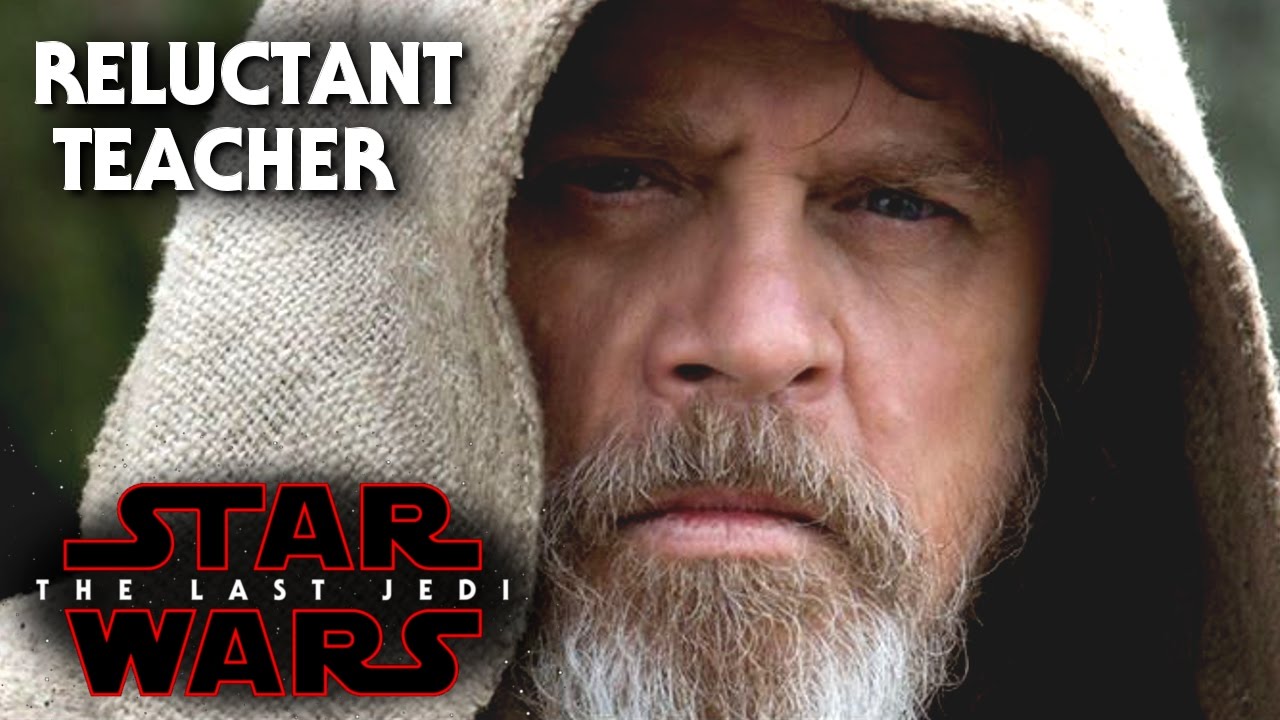
Luke Skywalker Jedi teacher
Picture Luke as a mythic teacher who travels to remote outposts, teaches a handful of apprentices, and resists the temptation to reconstitute the old power structures. He recognizes how institutional power — even with good intentions — can ossify into dogma. His approach would emphasize wisdom and restraint, preparing a new generation of Force-users to be mediators, healers, and guardians rather than generals.
Storytelling Implications: Tone, Genre, and Stakes
A trilogy built around Maul-as-godfather and Luke-as-mentor would change Star Wars' tonal compass. It would blend noir atmospherics with mythic undertones: smoky cantinas become council rooms; smuggling routes become the arteries of geopolitical control; moral ambiguity replaces clear-cut good-versus-evil battles.
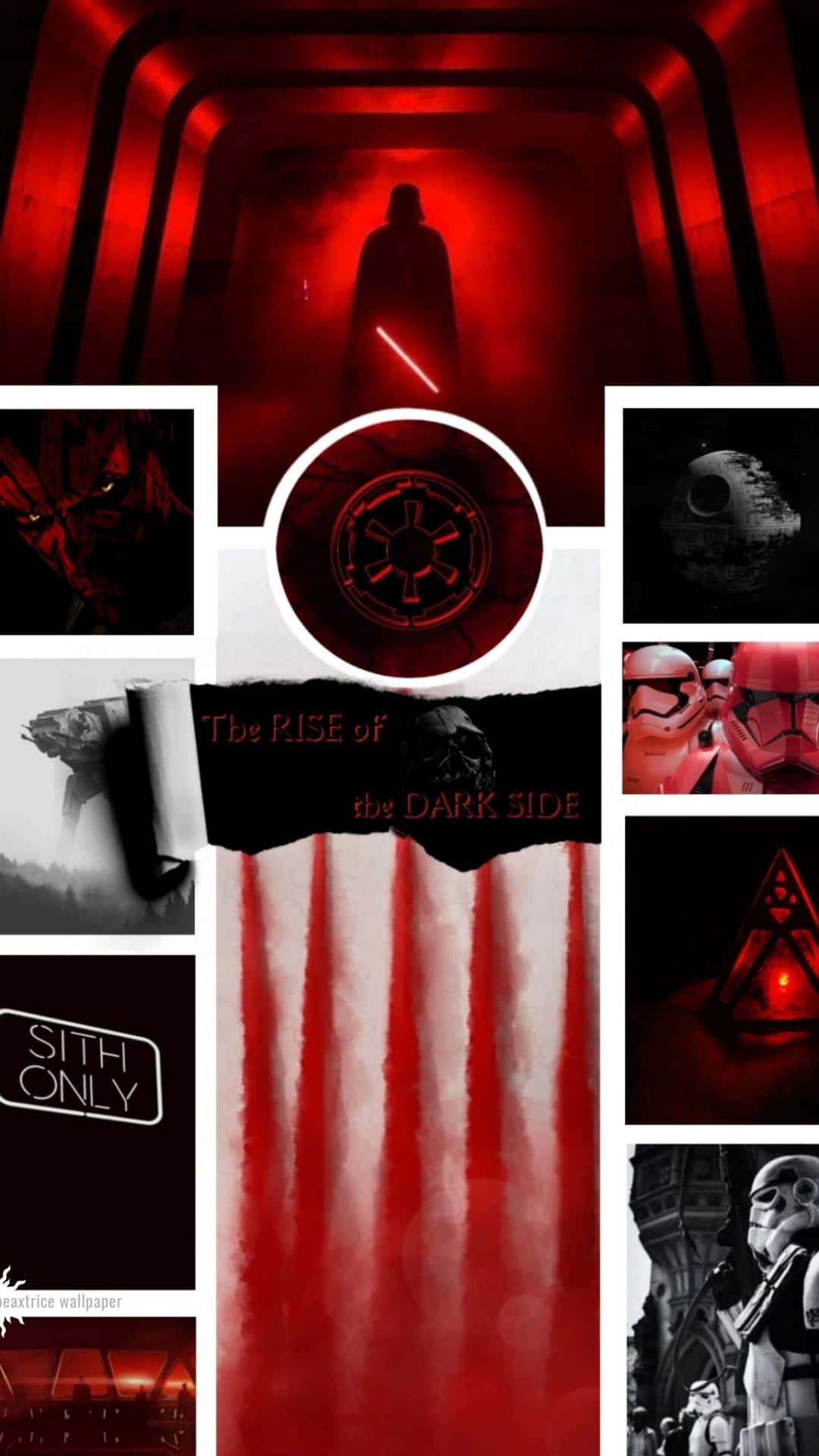
Star Wars noir crime aesthetic
The stakes are more social and economic than militaristic. If the villain's strength lies in networks and capital, triumph requires dismantling systems, not simply defeating a single foe in dramatic combat.
This would also invite new cinematic language: sequences that focus on negotiations, betrayals, ledger books, and covert operations. Lightsaber duels would be rarer and more meaningful, the climactic encounters reserved for moments when ideology and power boil over into physical conflict. It is a grindier, more adult kind of Star Wars — still mythic, but with a layer of civic realism.
How This Differs from the Actual Sequel Trilogy
The theatrical Episodes VII–IX unfolded differently: the rise of new Force-sensitive antagonists, the return of Emperor Palpatine in a surprising resurrection, and a thematic focus on legacy, family, and the corruption of institutions. Replacing Palpatine-style resurrection with Maul's criminal ascendancy would have pushed the sequels toward organized crime drama rather than regeneration-of-old-evil drama.
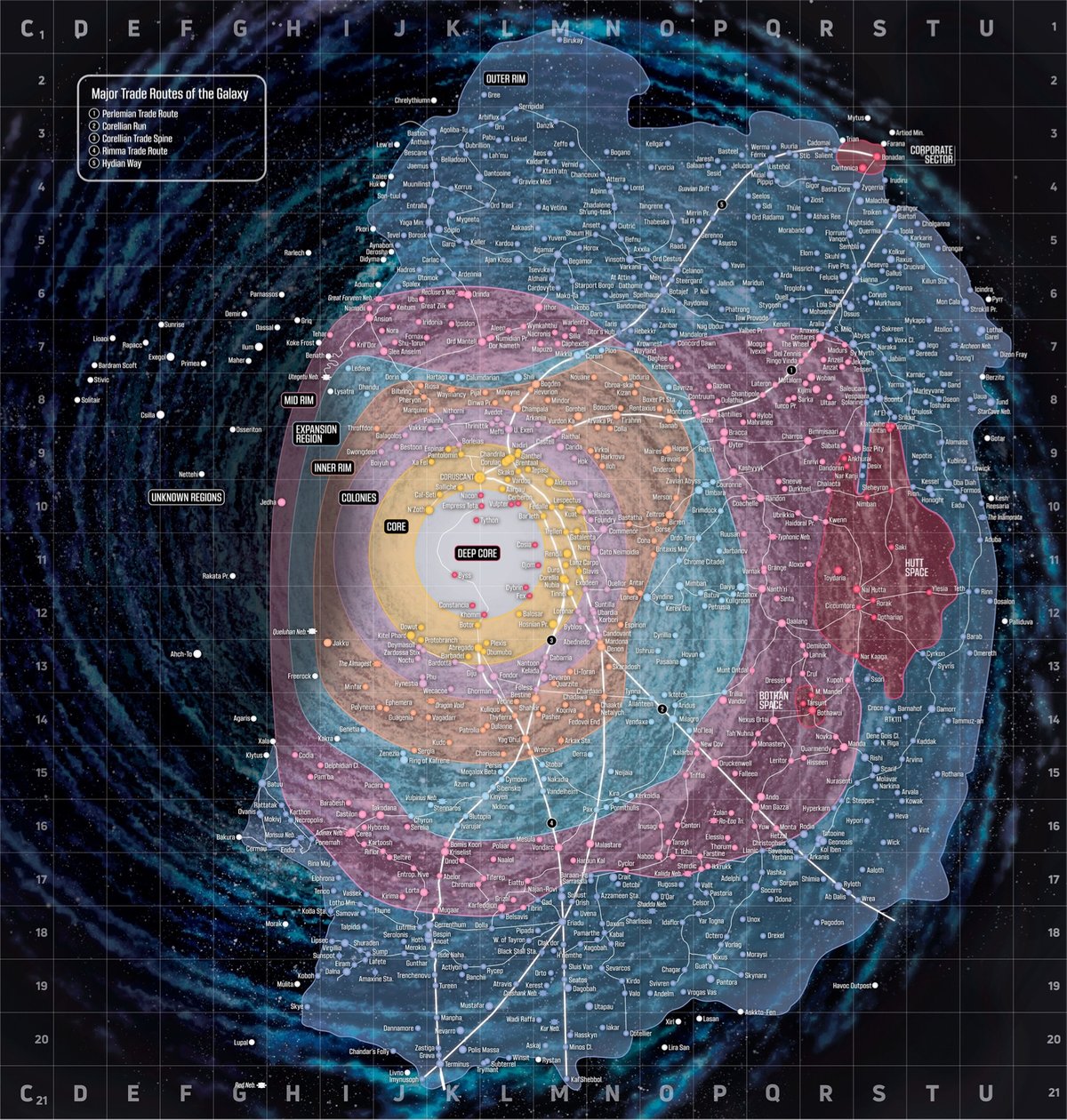
Post-Imperial Star Wars galaxy
Instead of Rey's personal journey tethered to legacy surprises, the focus could have been on the societal consequences of war, the seduction of power through commerce and influence, and the ways ordinary people endure under shadow governance. The emotional axis might have shifted from personal lineage to communal recovery and the ethics of rebuilding.
Character Dynamics: Allies, Traitors, and the New Moral Geography
Such an arc would create fertile interpersonal drama. Maul's leadership would not be unchallenged; alliances in the underworld are fragile. Key figures — disillusioned ex-officers, bounty hunters, compromised senators — could shift sides. Luke, meanwhile, would have to contend with temptation: the easiest way to topple a criminal empire can be to mimic its tactics. This tension — can the Jedi use strategy and networks without becoming the thing they oppose? — is dramatic and philosophically rich.
Visual and World-Building Opportunities
World-building in this version of the sequels would put a premium on the grime and infrastructure of the galaxy: container yards as money-laundering centers, starship repair docks doubling as front businesses, and old Imperial supply chains repurposed for black-market empires. Cinematic design could borrow from gangster epics — smoky rooms, patterned suits, and ritualized demonstrations of power — while retaining Star Wars's exotic planets and strange creatures. That collision of aesthetics could have produced some of the most original imagery in the saga.
Thematic Resonances: Order, Law, and the Nature of Power
On a thematic level, this idea interrogates what order means after regime change. Is the restoration of law the same as the restoration of justice? When formal institutions crumble, informal institutions — including crime networks — often provide governance, however predatory. Maul as organized-crime patriarch makes for a commentary on the elasticity of power: how coercion, commerce, and corruption weave themselves into every system, even those built to protect.
Luke's restraint and emphasis on moral caretaking becomes an argument for non-coercive forms of order: influence rather than dominion, repair rather than conquest. The tension between those philosophies could have been the emotional backbone of a trilogy rooted in post-war reconstruction.
Potential Pitfalls and Narrative Risks
No idea is without hazards. Turning Maul into a crime boss risks draining the mythic menace from his character if not balanced properly. Fans who fell in love with his combat prowess might resent a quieter, managerial Maul. It would also require careful pacing: a trilogy that is too cerebral or procedural could alienate viewers expecting action-heavy spectacle.
Another risk is tonal mismatch. Star Wars lives comfortably within many genres, but marrying noir crime drama to space opera requires tonal dexterity. Missteps could leave the films feeling unfocused or too derivative of terrestrial gangster stories. The creative team would have to preserve the saga's sense of wonder while committing to gritty realism.
Fan and Cultural Impact: Reception and Legacy
The fan response to such a direction would likely be polarized. Some fans relish bold reinvention that takes risks and reframes mythic elements in fresh contexts. Others prefer continuity with established beats: resurrections, familial reveals, and spectacular confrontations. A Maul-centric sequel would have produced heated debate — and that intensity is not necessarily a drawback. Great art often provokes.
From a legacy perspective, making Maul the central antagonist could have elevated a secondary character into a saga-defining figure. He would have become a symbol of post-Imperial rot, a narrative shorthand for the way institutions can become hollow and dangerous in new forms. The cultural imprint might have shifted: chants of "I am your father" replaced by whispered references to the Shadow Syndicate and the scarred godfather who made the underworld efficient.
What This Thought Experiment Teaches Us
At its heart, this alternate path reminds us of two things: first, that large franchises are malleable; and second, that villainy can be framed in many forms. The most enduring antagonists are not always the most physically imposing. They are the ones that force protagonists to confront the structures that sustain harm. Turning Maul into the godfather of crime would have expanded Star Wars's vocabulary for what a threat can be.
"Villains who control systems are often more terrifying than those who wield raw, solitary power."
Conclusion: An Alternate Trilogy Worth Imagining
Reimagining Darth Maul as the primary antagonist of Episodes VII–IX and the architect of a post-Imperial criminal order is a provocative exercise in franchise storytelling. It reframes the saga's central conflicts from battlefield to bureaucracy, from lightsaber spectacle to the slow, corrosive power of systems. Luke Skywalker's quiet rebuilding of the Jedi would serve as a moral counterweight, advocating for healing and stewardship rather than domination.
Whether or not this is what George Lucas truly intended in every detail, the idea itself is valuable: it encourages us to think about power, consequence, and the stories we choose to tell about recovery after catastrophe. It's a reminder that mythology can be refracted through unexpected genres, and that the galaxy far, far away still has room for grown-up stories about governance, greed, and the long work of rebuilding.
- Alternate history: Maul as a crime god would reframe the sequels into a noir-like exploration of post-war power.
- Thematic depth: The idea emphasizes systemic threat and the ethics of rebuilding institutions.
- Character contrast: Luke's quiet mentorship would balance Maul's organized menace.
- Risks: Tone and pacing would be critical to avoid alienating fans.
Imagining different roads the Star Wars saga could have taken reveals new ways to think about power, legacy, and the meaning of victory.