
Gen Z Is Building an Analog Future: A $5B Opportunity
The headline is paradoxical at first glance: the generation that grew up with smartphones, infinite feeds, and cloud everything is actively engineering an analog future. Yet step into a record store, a film lab, a crowded maker fair, or a workshop where young people swap parts for mechanical keyboards, and the logic becomes obvious. For many members of Generation Z, analog isn't a rejection of technology — it's a rebalancing. It is a deliberate, design-forward reclaiming of touch, craft, repairability, and slower forms of attention. What began as hobbyist subcultures now looks like a coherent market force. Stitch together dozens of emerging micro-industries — from vinyl pressing and film photography to boutique audio equipment, hardware keyboards, handbound books, and community repair services — and you end up with a sizeable economic opportunity. We can reasonably map that emerging landscape into what investors and founders are calling a roughly $5 billion addressable market.

vinyl record store interior
Why Gen Z is Choosing Analog
A search for authenticity and agency
Gen Z’s affinity for analog products is tied to cultural, psychological, and economic factors. Authenticity matters more than ever in a media-saturated life. Physical objects offer histories, imperfections, and provenance in ways that algorithmic streams do not. A vinyl record or a roll of film carries a narrative that a playlist cannot replicate: the cover art, the crackle before a song, the labor encoded in pressing and mastering.

film photography darkroom
Tactility as attention and resistance
Tactile interfaces demand presence. Writing by hand, composing on a mechanical keyboard, threading film through a camera — these acts insert friction that transforms attention. For a generation experiencing attention fragmentation, friction is not always a bug; it is a feature. It creates ritual and meaning, and it becomes, paradoxically, a new form of productivity and creativity.

mechanical keyboard artisan
Economic and environmental rationales
Analog goods often emphasize repair, longevity, and modularity. A well-built turntable or a metal-bodied fountain pen can outlive multiple generations of disposable plastic accessories. The circular economy logic resonates with Gen Z’s sustainability priorities: buying fewer, better things, repairing them, and supporting local makers.
"Analogity is not rejection; it’s a choice about the kind of life and economy we want to build."
The Market Landscape: Where the $5 Billion Lives
The $5 billion figure is not a single-sector valuation. It is an aggregate of overlapping niches currently in energetic growth. Below are the core categories that together create that opportunity.
Vinyl and physical music
Vinyl’s comeback is the most visible analog story. Independent labels, niche pressing plants, and boutique record stores are expanding. Young collectors value limited pressings, colored vinyl, and record packaging as artifacts. This supports a vertical economy — pressing, mastering, distribution, and retail — that commands healthy margins for differentiated products.
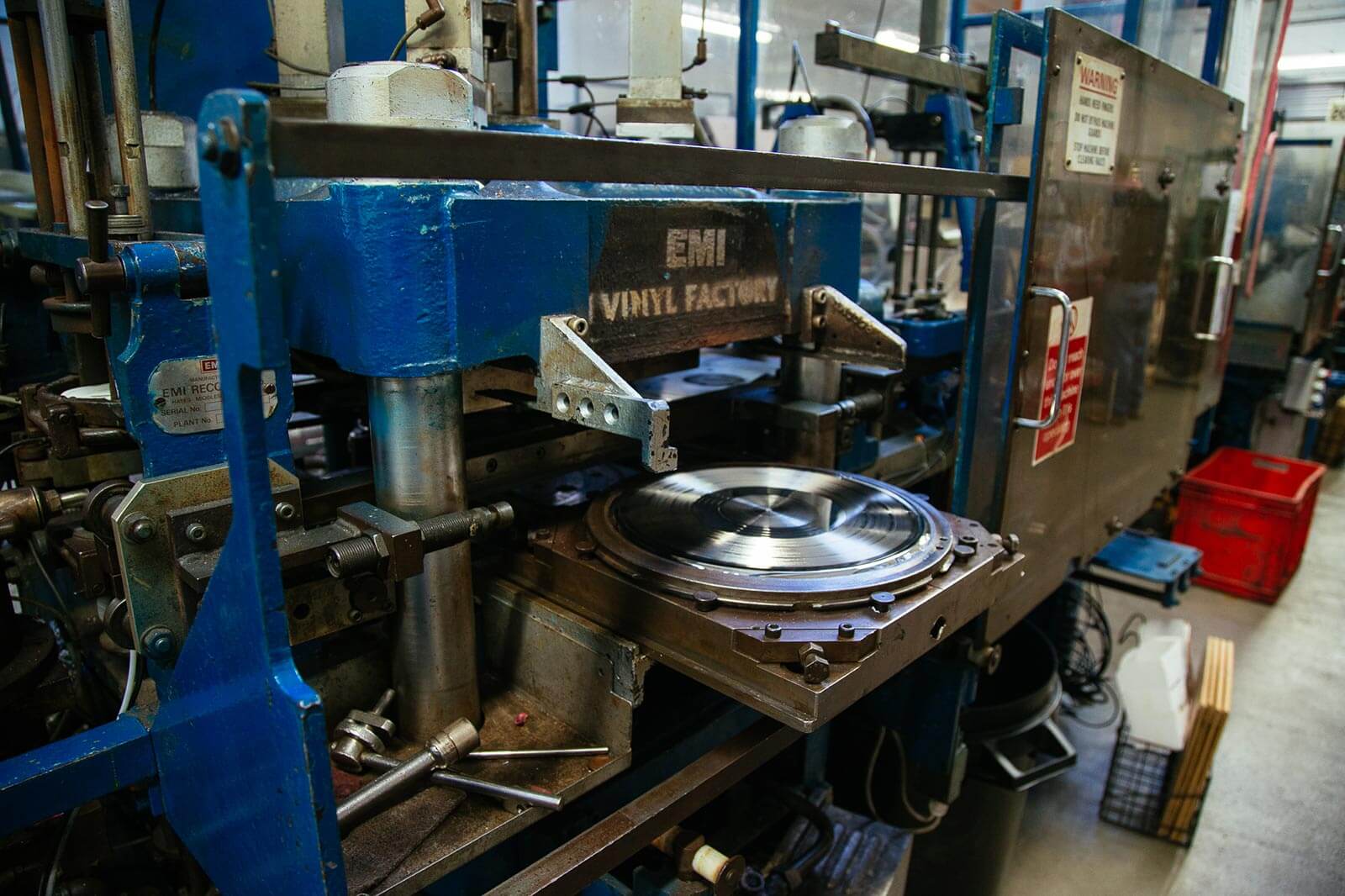
vinyl pressing plant equipment
Analog photography and film processing
Film photography has moved from nostalgia to renewed creative practice. Labs, specialty film producers, and camera technicians are experiencing rising demand. Services that combine analog capture with digital convenience — film processing subscriptions, hybrid scanning, and curated film-based workshops — create recurring revenue models.
modular synth studio
Mechanical keyboards and tactile computing
Keyboards have become both fashion and performance tool. Custom switches, artisan keycaps, and boutique controllers have spawned a vibrant ecosystem of designers and micro-manufacturers. The trend overlaps with productivity, gaming, and maker communities, and buyers are willing to pay premiums for hand-assembled, highly customizable hardware.
Analog audio, synths, and boutique electronics
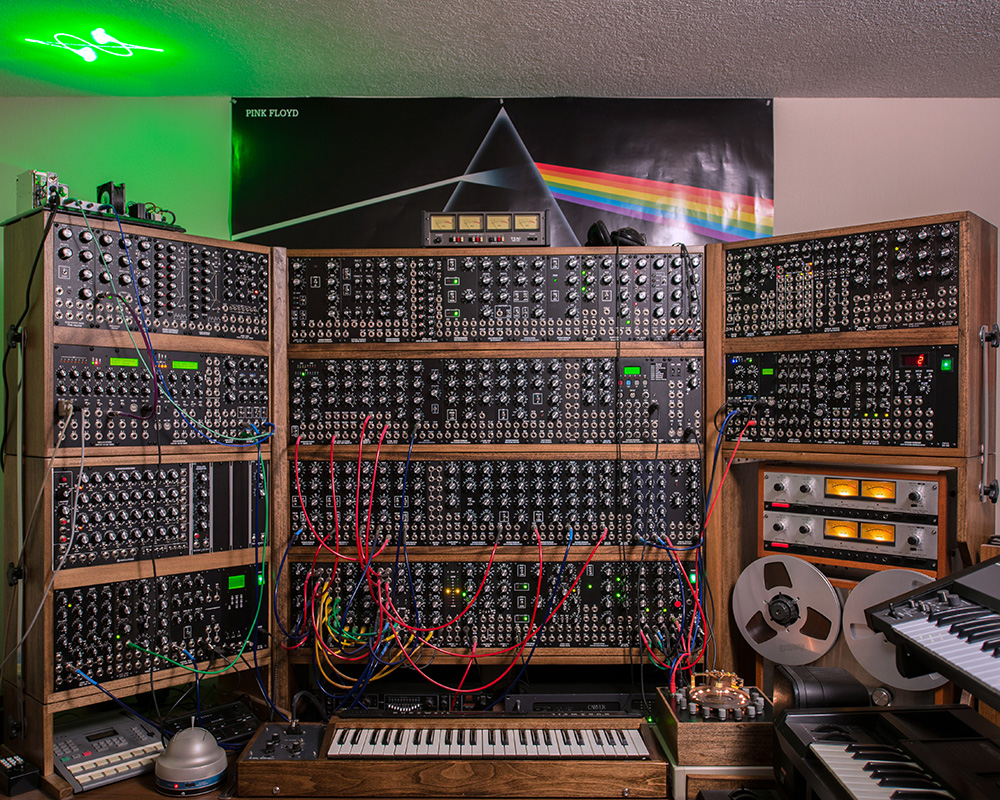
Modular synths, analog mixers, and boutique guitar pedals represent a craft electronics market. Young musicians and producers prize the sonic character of analog circuits. Small-batch manufacturing, DIY kits, and education around electronics create ancillary revenue: classes, schematics, and parts subscriptions.
Printed books, zines, and handcrafts
Printed objects that emphasize design — letterpress, handbound books, and zines — have a renewed audience. Communities form around reading as a ritual; independent bookstores and tiny presses tap into this cultural shift. These are low-overhead, high-margin creative businesses when executed with design rigor and strong direct-to-consumer channels.
Tools, workshops, and local manufacturing
Maker spaces, woodshops, metal fabrication studios, and micro-factories provide both the means of production and the social infrastructure. These spaces are revenue-generating through memberships, classes, and commissioned work. Localized manufacturing reduces lead times and supports customization — an advantage digital-first supply chains often lack.
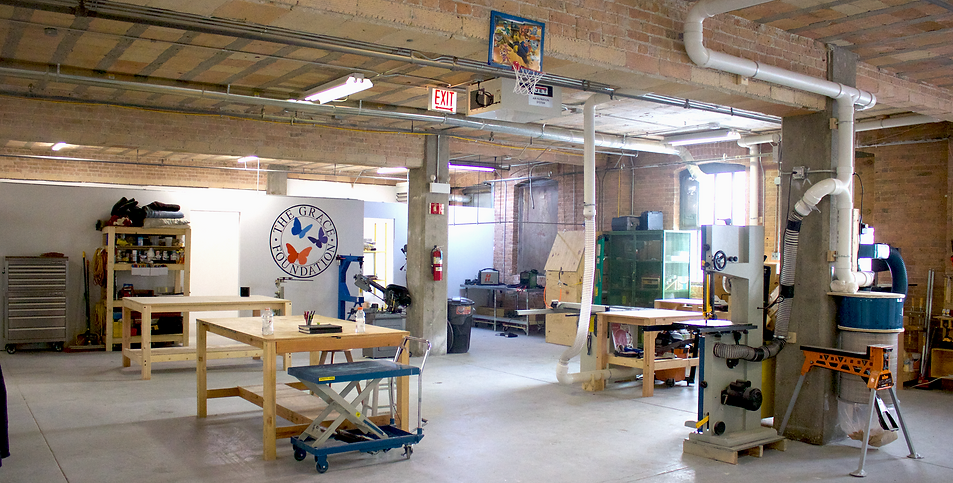
maker space workshop
Business Models That Work
Analog businesses tend to combine tangible goods with experiential services. Here are recurring models that capture value.
- Direct-to-consumer handcrafted goods: High-margin physical products sold on brand websites or in pop-up shops.
- Subscription services: Film processing subscriptions, record-of-the-month clubs, and parts clubs for electronics.
- Workshops and classes: Revenue from in-person learning experiences that build community and loyalty.
- Repair and refurbishment: Services that extend product life, often at higher margins than new items.
- Platform-enabled marketplaces: Curated marketplaces that connect makers with collectors and provide fulfillment, marketing, and brand services.
Startup and Investment Opportunities
Where founders should look
Founders can focus on vertical integration (control pressing, distribution, and retail for vinyl), enablement (tools and components for makers), or aggregation (curation and distribution for analog creators). Investors will find traction in companies that demonstrate unit economics similar to other premium consumer brands: high gross margins, repeat buyers, and clear brand differentiation.
Infrastructure gaps to fund
There are recurring bottlenecks that justify capital: modern pressing plants with scalable, quality-controlled workflows; reliable supply of specialty chemicals and film; component manufacturing for boutique electronics; and regional fabrication centers. Funding solutions that reduce lead times and increase consistency will unlock considerable value.
Design and Product Considerations
Building successful analog products requires a different design mindset than purely digital products. Here are principles to guide product teams.
Material honesty and repairability
Design for disassembly and offer repair parts and documentation. Gen Z values knowing how an object is made and how it can be fixed. Clear, unapologetic materials — metal over plastic, natural fibers over synthetics — communicates intent.
Tactile feedback and ritual
Small moments of sensory delight matter: the weight of a knob, the sound of a switch, the paper texture. These are not gimmicks; they form the emotional core of product experience and justify a premium.
Hybrid experiences
Combine analog with digital in ways that preserve the tactile while enhancing convenience. Examples include apps that archive physical media metadata, hybrid products that pair hardware with educational content, or services that digitize analog outputs without erasing their aura.
Challenges and Strategic Risks
Analog-first ventures face specific headwinds.
Scalability and capital intensity
Some analog manufacturing processes are capital-intensive. Pressing plants and high-quality fabrication equipment require significant upfront investment and specialized skills, which can limit rapid scaling.
Supply chain fragility
Specialty materials — acetate, certain metals, vintage components — sometimes come from constrained suppliers. Building resilient sourcing strategies or backward-integrating supplies is a defensive play.
Perception of retro as gimmick
Brands must avoid being dismissed as retro nostalgia. The most successful players position analog as a design-led, future-facing choice rather than a pastiche of the past.
"The most compelling analog brands are those that treat craft as continuous innovation, not mere nostalgia."
Policy, Communities, and Social Impact
Analog economies often produce local jobs: technicians, press operators, and craftspeople. Policymakers and civic leaders can amplify those benefits by supporting vocational training, maker-centered incubators, and small-scale manufacturing incentives. Repair-friendly legislation and support for independent bookstores, labs, and workshops can turn grassroots analog activity into sustained community wealth.
How Incumbents Can Respond
Major brands and retailers should view the analog trend as complementary, not adversarial. Opportunities exist to collaborate with independent makers, offer curated analog product lines, and provide infrastructure (fulfillment, marketing, distribution) that helps small producers scale without losing identity.
Timing and positioning
Incumbents who move too quickly risk stripping analog goods of their meaning. Smart strategies: incubate micro-brands, enable white-label production that preserves maker stories, and invest in retail spaces that create ritualized experiences rather than mere transactions.
What Success Looks Like
Successful analog ventures combine craftsmanship with modern business practices: clear unit economics, customer acquisition strategies rooted in community, and product roadmaps that balance scaling with quality. At the category level, a resilient analog economy will show diversified earnings: merchandise sales, recurring service revenue, education and events, and B2B enablement for other makers.
A tactical checklist for founders
- Validate emotional resonance: test whether your product creates ritual or just novelty.
- Design for service: integrate repair and parts into the product lifecycle.
- Lock down supply: secure specialty materials or create alternatives.
- Build community: prioritize in-person experiences and content that teaches skills.
- Plan blended revenue: combine one-time sales with subscriptions, classes, or repair plans.
Conclusion: An Analog Future That’s Deliberate, Not Reactionary
Gen Z’s analog turn is better understood as a synthesis than a rejection. It is a design- and values-driven recalibration: choosing objects that anchor attention, carry stories, and can be maintained over time. The $5 billion opportunity is not an inevitable windfall — it will be realized by companies and communities that marry craft with rigorous business models, close supply gaps, and build durable, service-oriented ecosystems.
Analog products ask us to slow down, but the businesses behind them must be nimble. The entrepreneurs who win will be those who see analog as a platform for creativity, community, and circular value — not merely as a retro aesthetic. For investors, the case is pragmatic: analog markets reward differentiation, demonstrated willingness-to-pay, and recurring revenue tied to services and repair. For policymakers and civic leaders, the upside is tangible: local jobs, new vocational pathways, and resilient supply chains that complement global manufacturing.
- Gen Z’s interest in analog is driven by a search for authenticity, tactile attention, and sustainability.
- The $5 billion opportunity is an aggregate across vinyl, film, boutique electronics, printed media, workshops, and repair services.
- Successful businesses mix product craft with subscriptions, education, and repair offerings.
- Founders should prioritize material honesty, repairability, and community-building.
- Incumbents can partner with makers to scale without diluting meaning; policymakers can support training and local manufacturing.
A generation that grew up online is designing a world that makes room for touch. That shift is as much economic as cultural — and it's only just beginning.