
Gen Z Builds an Analog Future — a $5B Opportunity
The photograph on the feed might be square, perfectly filtered and posted at midnight, but what follows is often analog: a pack of expired 35mm film arrives a week later, a small-batch turntable ships from a microbrand, or a hand‑built mechanical keyboard appears in a DIY tutorial. For a generation raised on infinite scroll, an unexpected countercurrent is growing — Gen Z is deliberately reintroducing the physical into daily life. The result is more than nostalgia. It’s the foundation of a durable consumer economy built around touch, repairability, and scarcity — an ecosystem investors and founders can nail down into a multi‑billion‑dollar opportunity.
Many young buyers don't want less technology; they want technologies they can hold, understand and fix.
Why an Analog Turn Matters
In the past decade, every new platform promised to dematerialize the world: music turned into files and streams, film disappeared behind sensors, and ownership blurred into access. But beneath that glossy pixelation, practical frustrations accumulated — disposable goods, opaque algorithms, and a widening skills gap that left polished screens without real-world context. Gen Z’s embrace of analog is partly an aesthetic reaction, but it’s also pragmatic. Analog objects are materially satisfying, legible, and often reparable. They encourage mastery and community: you learn to load film, tune a turntable, solder a switch, or service a bike. For many young people, that hands-on agency is the point.
Where Demand Is Concentrated
Audio and Music
Vinyl’s comeback is the most visible example. Beyond record sales, an entire sub-economy has formed around cartridges, belt-driven turntables, boutique amplifiers and replacement parts. Emerging brands sell turntables with modular parts meant to be swapped rather than discarded; repair services and curated second‑hand marketplaces thrive. For independent musicians, analog format releases — cassettes and vinyl — are both a revenue stream and a tangible way to build fandom.
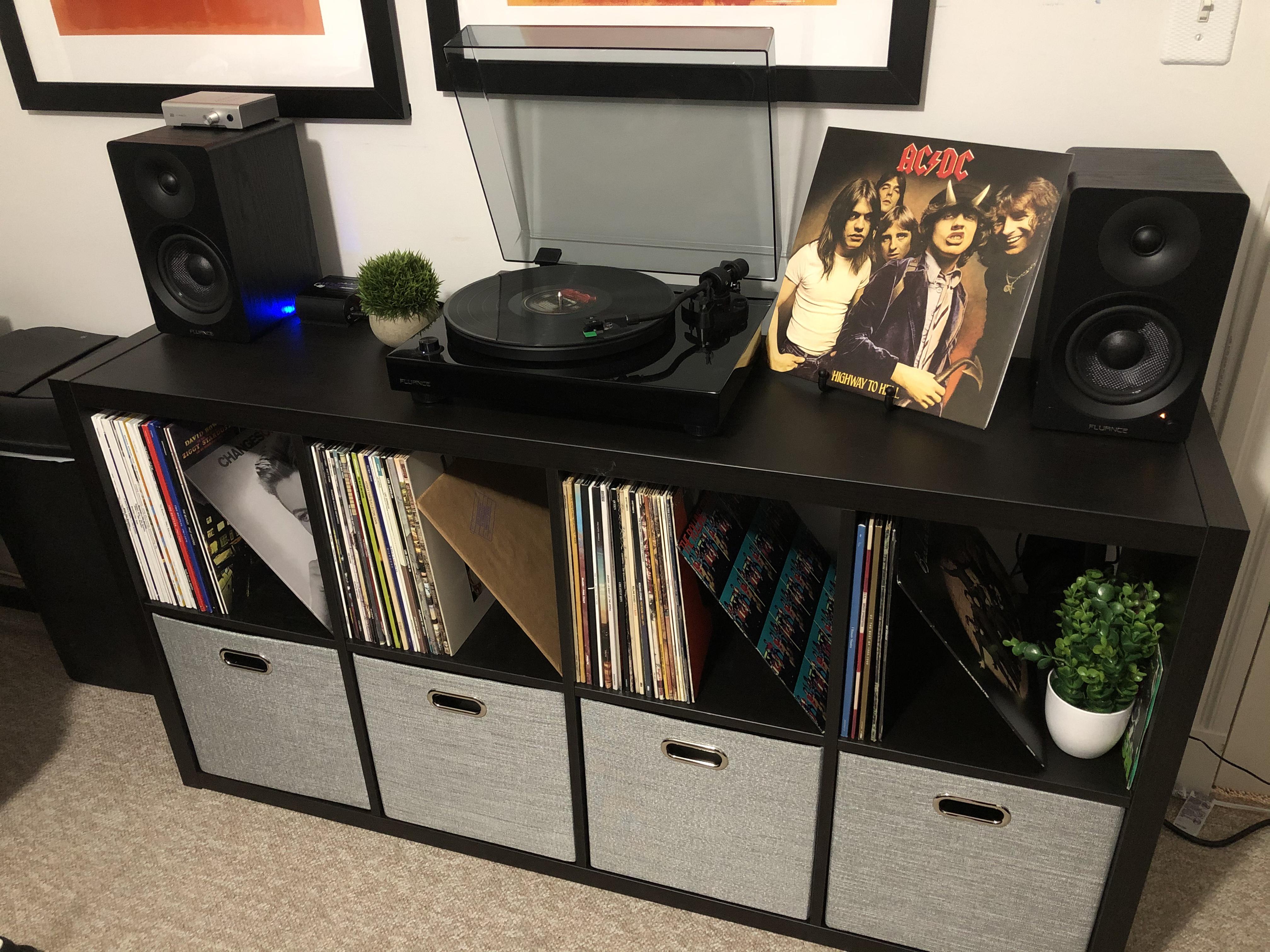
vinyl record turntable setup
Photography and Film
Film photography’s resurgence isn’t just hipster hobbyism: young photographers prize the constraints and unpredictability of analog capture. That demand supports film manufacturers, chemical labs, darkroom classes and niche cameras. Microbrands print photobooks or produce limited film runs and connect directly with makers through drop models and events, turning one-off artifacts into collectible economies.
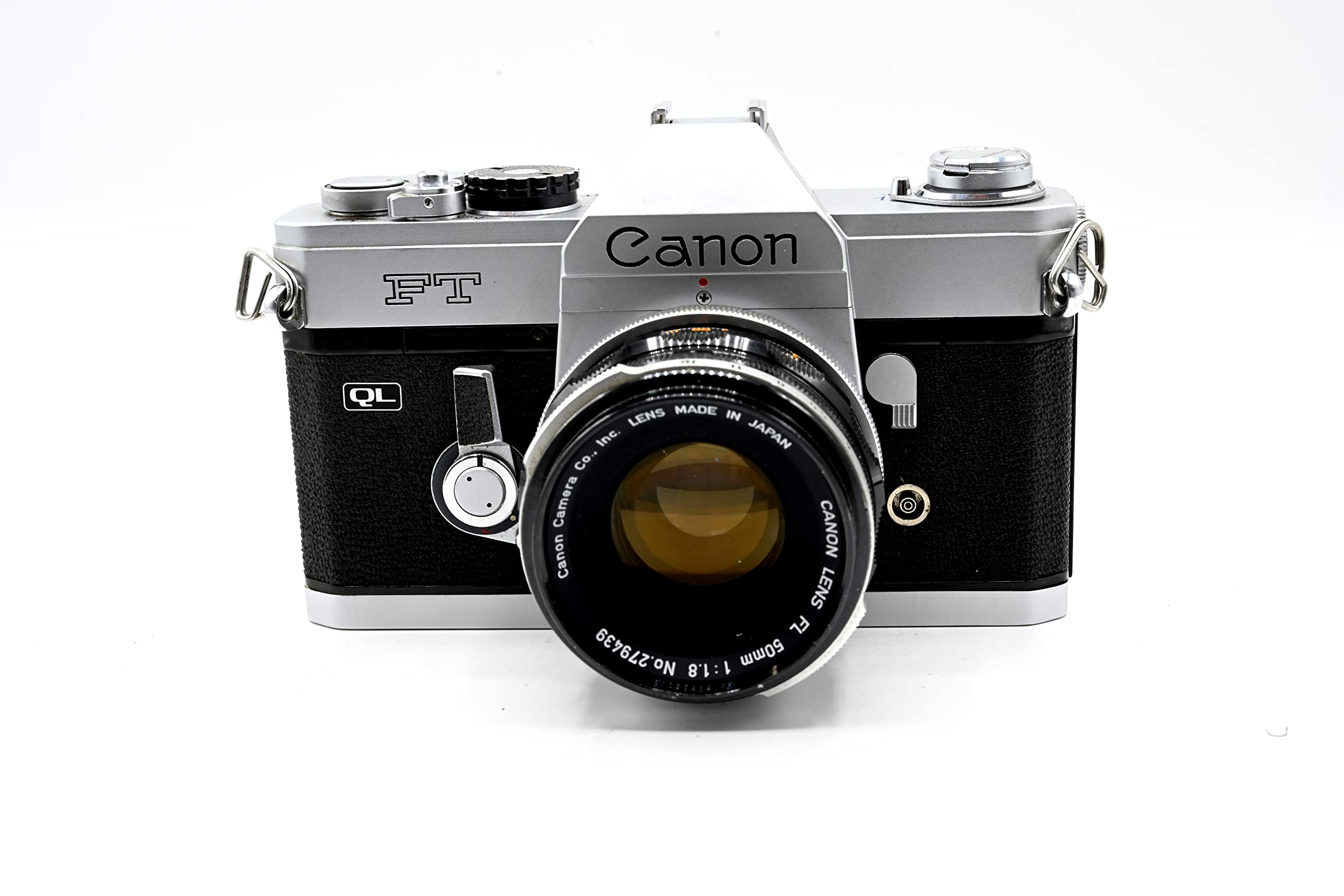
35mm film photography equipment
Computing and Input Devices
Mechanical keyboards, ergonomic mice, modular controllers and hardware synths are tangible interfaces that resist rapid obsolescence. Buyers invest in switch types, plate materials, and keycaps with the same deliberation other generations once spent on luxury watches or instruments. The result: vibrant aftermarket ecosystems for parts, tutorials, and small-batch manufacturing.
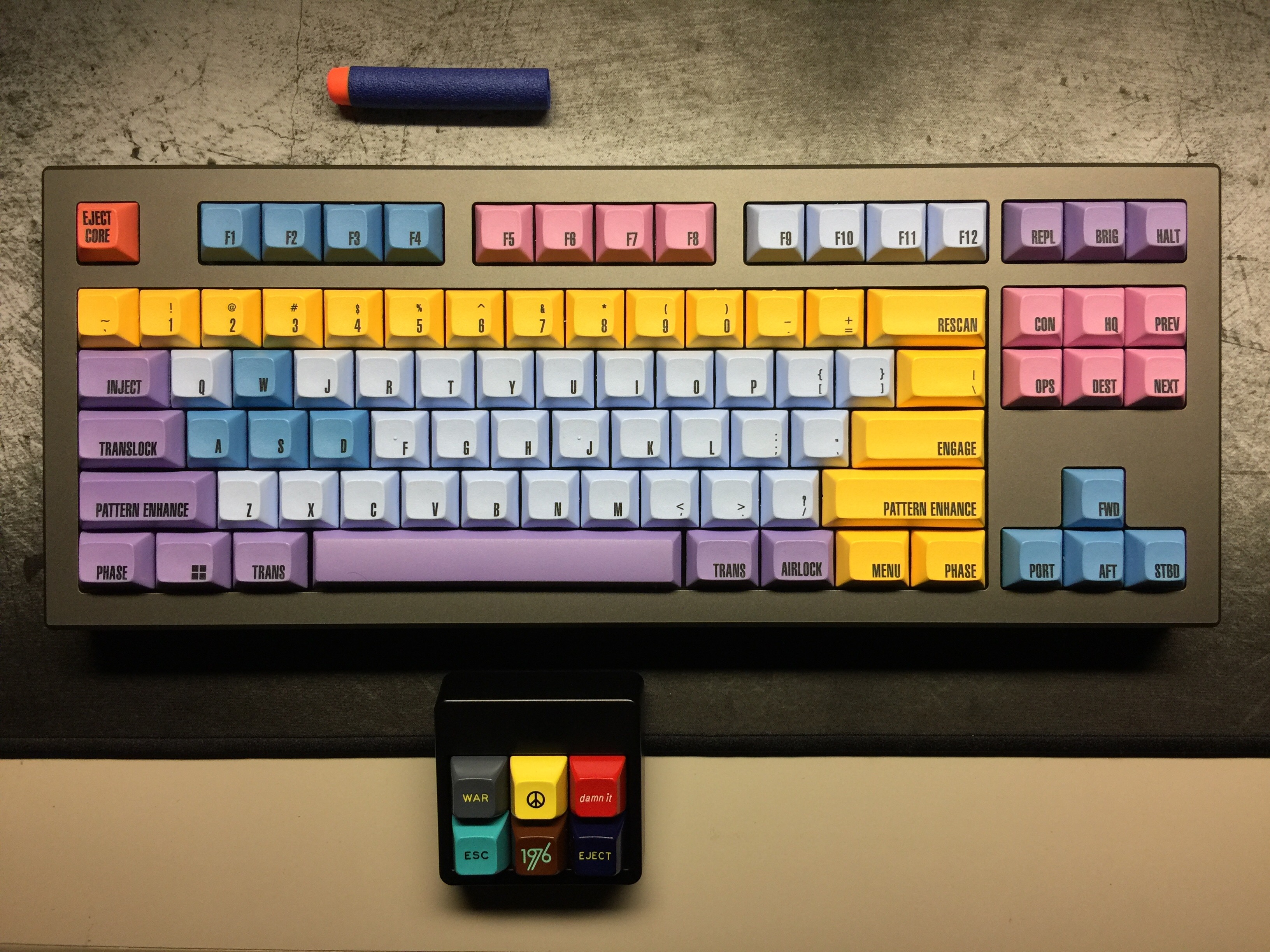
mechanical keyboard customization
Tools, Making and Home Goods
From crisp hand tools to artisanal cookware and manual coffee grinders, the analog market spans simple domestic objects that reward repair and refinement. Makerspaces and community woodshops became incubators for product ideas that later scale through online marketplaces. Consumers who value tangible quality are willing to pay for craft, provenance and the ability to maintain items themselves.
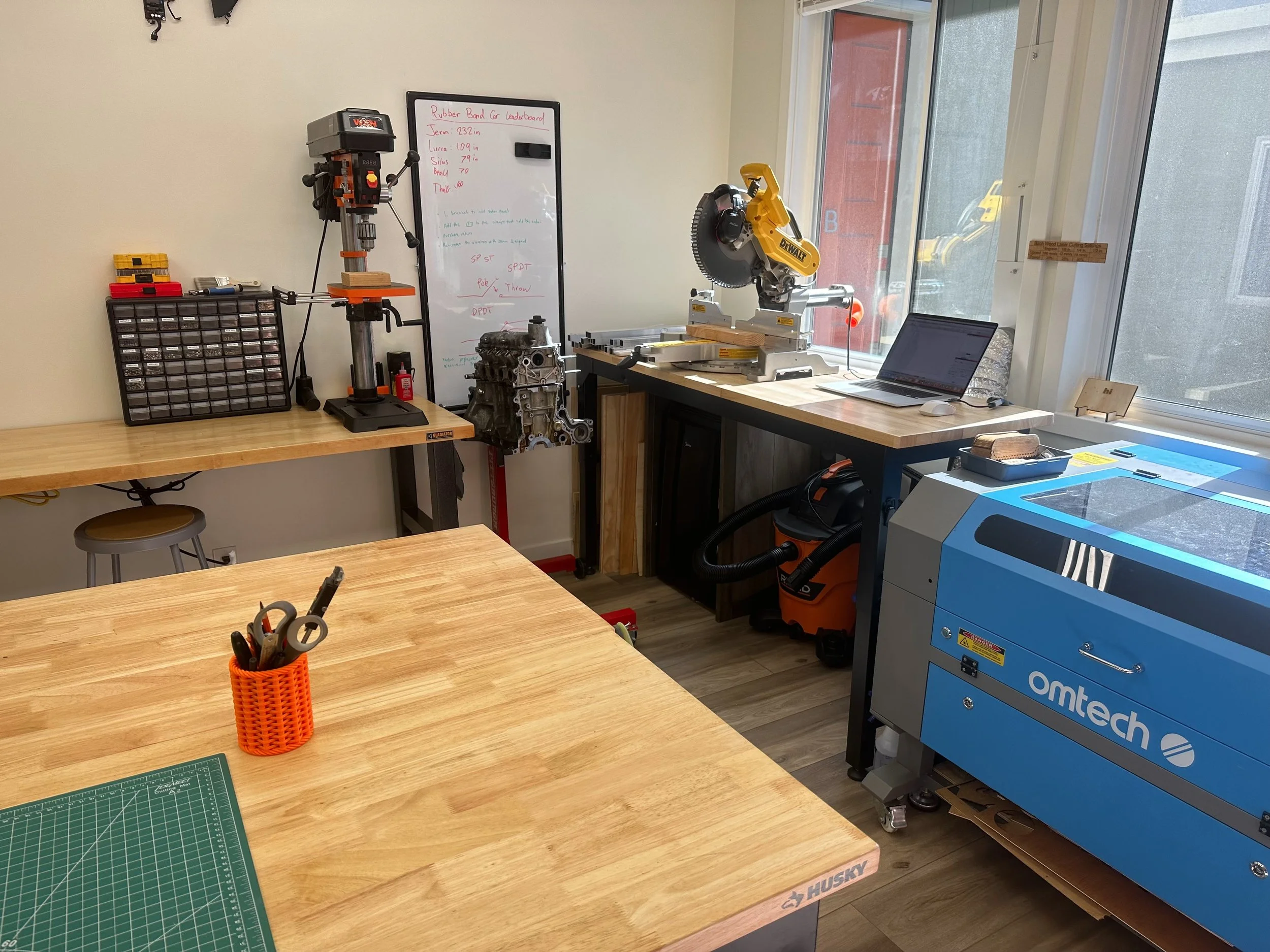
maker space workshop tools
What's Driving Growth: Culture, Platforms, and Economics
Culture: Agency Over Convenience
Gen Z grew up learning both to curate and to create. Platforms taught them storytelling, but also enabled subcultures: film photographers, synth builders, watch modifiers, and restorative mechanics trade knowledge openly. The cultural message is consistent — mastery beats passive consumption. Analog goods become tools for identity and expression.
Platforms: Social Media as Discovery Engine
It's paradoxical that digital platforms fuel analog cravings, but they do. Short-form video formats accelerate trends: a viral repair clip can drive weeks of sales for obscure parts, and communities rally around playlists of vintage gear. Digital natives convert discoverability into attendable experiences — pop-ups, repair nights, and maker markets — that bridge online reach and offline commerce.
Economics: Higher Margins and Aftermarket Revenue
Unlike many ultra-scaled digital products, analog items often carry higher gross margins because of materials, craftsmanship and purpose-built parts. More importantly, they unlock repeat revenue via consumables (film, needles, chemicals), upgrades (cartridges, amplifiers), and service (repair, calibration). For entrepreneurs, that combination is attractive: an initial product sale followed by predictable aftermarket income.
Business Models That Work
Direct-to-Community
Successful analog brands prioritize community first. They release limited runs, publish build guides, host workshops, and cultivate forums. The buying experience becomes social: early adopters recommend, teach and resell. Direct-to-consumer channels reduce marketing waste and let brands learn quickly from real users.
Subscription and Consumables
Analog products often need replenishment: film, needles, band belts, cleaning supplies. Subscription models smooth cash flow and lock in lifetime value. Clever packaging and bundled education (how-to content, maintenance kits) increase retention and deepen brand loyalty.
Modular Design and Repair Services
Designing with repair and modularity in mind is both ethical and profitable. A modular turntable or keyboard makes repairs easier and gives customers reasons to upgrade parts rather than replace the whole unit. Pairing products with certified repair partners or in-house service centers creates a vertically integrated advantage.
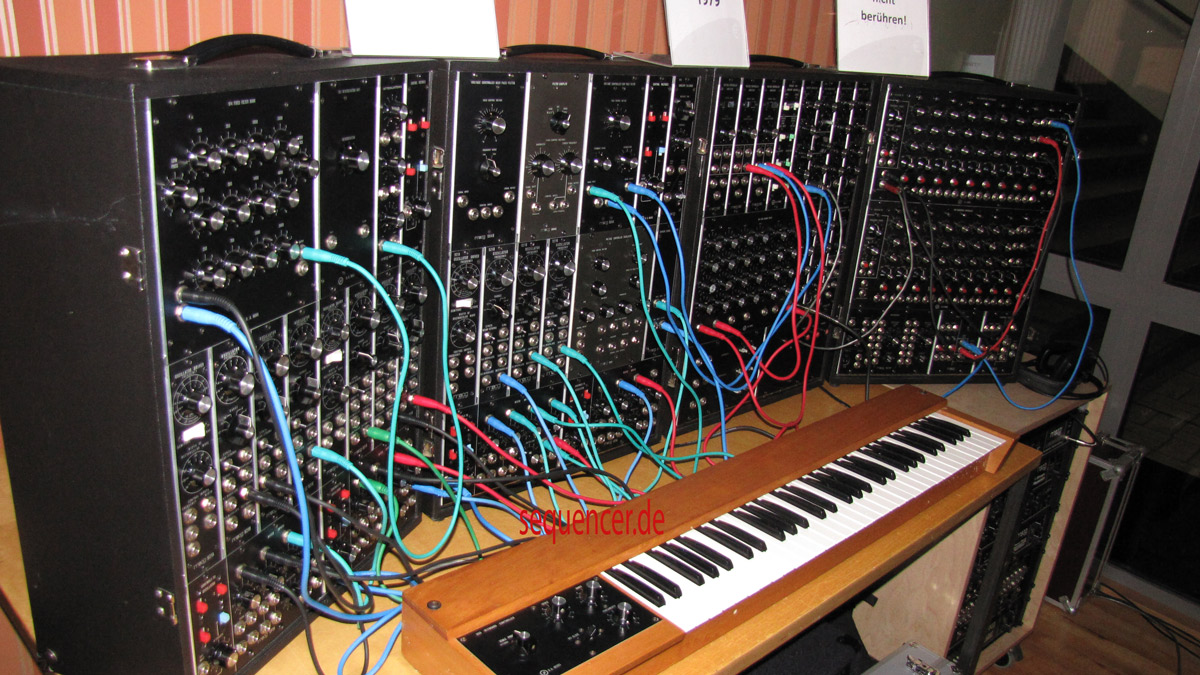
modular analog synthesizer
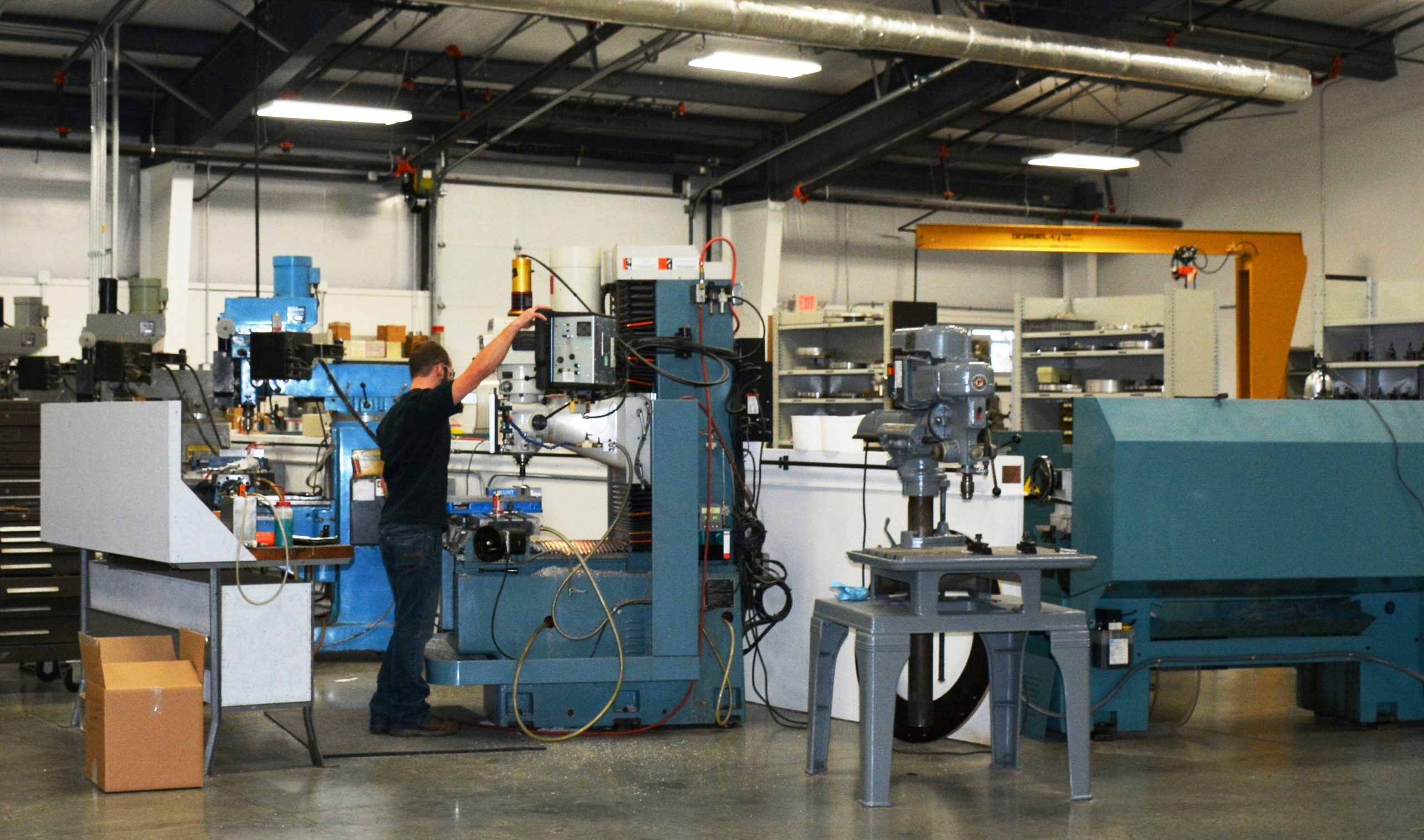
product repair service station
The $5 Billion Opportunity — How It Adds Up
$5 billion is not a single market line item. It's an aggregate of adjacent verticals where Gen Z's preferences translate into sustained purchasing power: boutique audio, analog photography, niche hardware, tools and repair services, and experiential retail. Each category independently supports entrepreneurs and collectively forms a diversified playbook for investors. The value accrues through product margins, recurring consumables, aftermarket parts, and service revenues. It's also geographically distributed — small urban markets with active maker communities and college towns are disproportionately important hubs.
Supply Chain and Manufacturing Realities
Analog goods demand a different supply chain mindset than pure software. Quality control, materials sourcing, skilled labor and smaller production runs increase unit costs but preserve brand integrity. Startups must balance premium positioning with manufacturing pragmatism: local prototyping, partnerships with specialized factories, and flexible contract manufacturing that supports low minimum orders are essential. Importantly, the "right" supply chain often includes domestic repair hubs or partnerships with independent technicians to ensure long-term customer satisfaction.
Manufacturing for analog isn't about economies of scale only; it's about economies of craftsmanship.
Skills, Education, and Workforce Opportunity
Analog revival is also an education story. Makerspaces, vocational schools, and community workshops teach tangible skills that translate into careers: instrument repair, audio engineering, analog electronics, metalworking, and photochemical processing. For educators and policymakers, supporting these pathways addresses a practical skills gap while fueling the talent pipeline for small-scale manufacturing and services.
Marketing and Distribution Tactics That Scale
Analog brands succeed when their marketing mirrors the product experience: tactile, honest, and instructive. Effective tactics include:
- Experience-first pop-ups: Let people touch, hear and learn.
- Workshops and events: Turn buyers into practitioners.
- User-generated content: Tutorials, teardown videos and repairs build trust.
- Micro-retail partnerships: Align with independent shops that curate complementary products.
Distribution is often hybrid: direct-to-consumer for brand control and margins, plus select retail for discovery and credibility. Shipping logistics for heavier or delicate analog goods require thoughtful packaging and local repair networks to avoid returns that erode margins.
Risks and Limitations
Analog markets aren't immune to pitfalls. Scalability is constrained by higher unit costs and supply chain complexity. Trend-driven spikes can fade; what's viral today might be passé in months. There's also an authenticity risk: mass-produced "vintage" items can dilute brand equity. Finally, regulatory and environmental concerns matter — many analog processes use chemical treatments or non-standard materials that require safe handling and proper disposal.
A Playbook for Founders and Investors
For Founders
Start with a community, not a spreadsheet. Prototype locally, host in-person events, and iterate openly. Prioritize a product architecture that supports repair and upgrades. Monetize both the object and its ecosystem — consumables, parts, and services. Consider staged manufacturing: initial small runs for demand validation, then scale via flexible partners.
For Investors
Look for teams with domain credibility and community traction. Favor business models with recurring revenue (consumables, subscriptions, service contracts) and defensibility through supply chain relationships or proprietary components. Expect longer paths to scale than in pure-software bets; expect returns to come through category leadership and diversified aftermarket revenue rather than immediate winner-take-all outcomes.
- Higher margins on crafted goods
- Recurring aftermarket revenue
- Strong community loyalty
- Complex supply chains
- Higher upfront manufacturing costs
- Exposure to trend cycles
Policy, Sustainability and Ethical Considerations
An analog economy must grapple honestly with sustainability. Material choices, repairability standards and responsible chemical handling should be baked into product design. Policies that support small-scale manufacturing and vocational training can accelerate growth and spread benefits. Brands that transparently publish repair guides, parts lists and end‑of‑life plans will earn consumer trust and regulatory goodwill.
Case Examples (Illustrative)
Imagine a microbrand that launches a modular analog synthesizer: limited initial run, each unit soldered and tested locally, supported by a subscription for replacement modules and a hosted online school teaching synthesis. Or a bike company that builds frames with standard replacement parts, partners with local co-ops for maintenance memberships, and sells upgrade kits. These models combine tangible product value with recurring service revenue.
Conclusion — Why This Moment Matters
The analog turn speaks to a broader desire for agency in a mediated world. Gen Z isn't anti-digital; they're anti‑opaque. They want systems they can interrogate, items they can fix and rituals they can learn. For entrepreneurs, that mindset creates durable demand for thoughtfully designed physical goods. For investors, it reframes the risk-reward calculus away from hyperscaling software to category creation and long-term aftermarket engagement. The $5 billion figure is a marker: it represents the intersection of culture, commerce and craftsmanship — and it signals that hands-on economies are returning to the center of creative, social and financial life.
- Gen Z's analog tastes are driven by agency, community and the desire for repairable goods.
- Successful brands combine product sales with consumables, modular upgrades, and service revenue.
- Manufacturing and skills development are core to scaling analog businesses.
- Investors should favor teams with community traction, recurring revenue and supply chain defensibility.
Next Steps for Builders
If you're building in this space: prototype with your community, plan for repairability, and design your economics around aftermarket streams. Host hands-on events, document every process, and treat your customers as future co-creators. That's how an analog product becomes an analog movement.