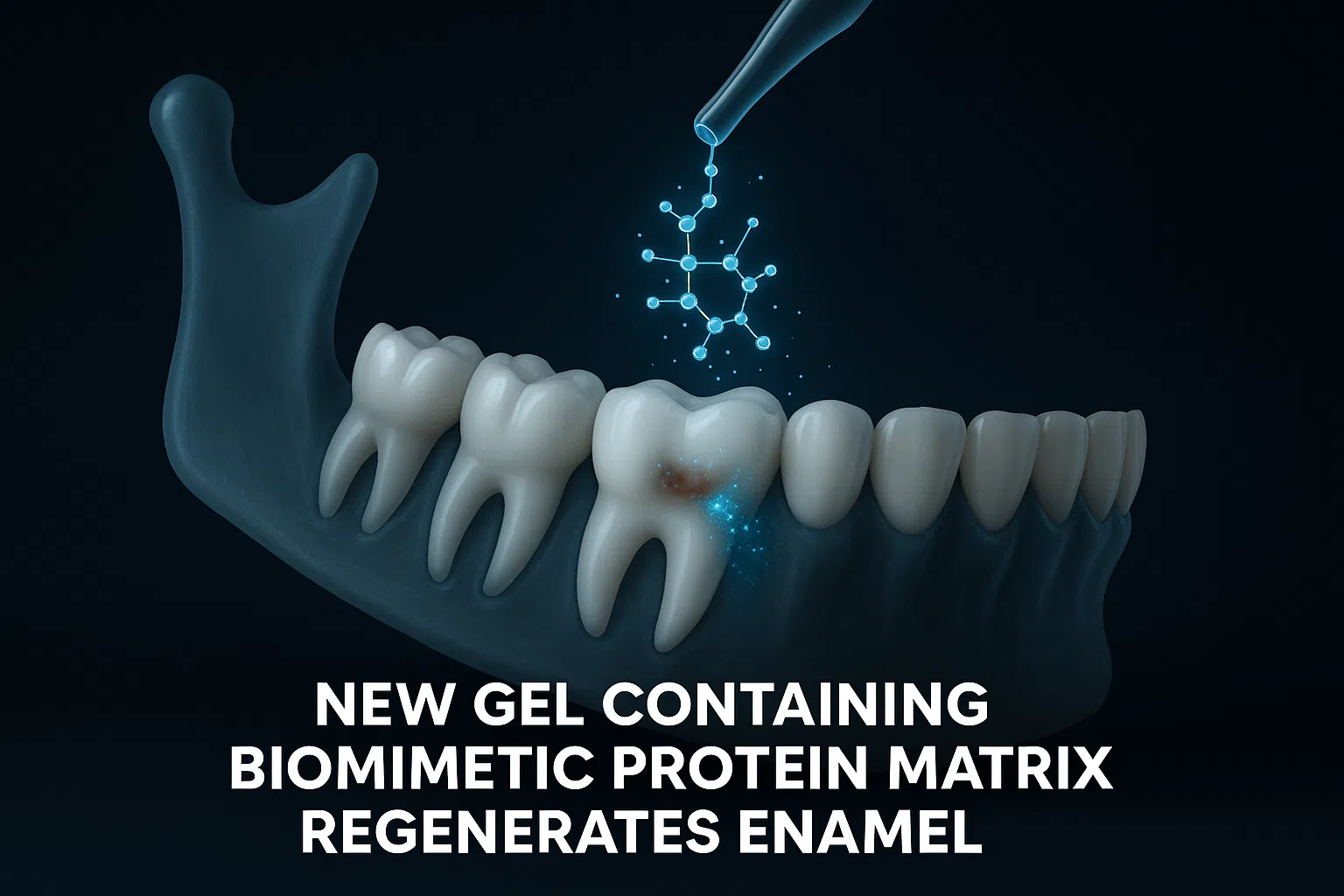
Gel that Regrows Tooth Enamel Could End Cavities
Imagine a future where a visit to the dentist ends with coating your teeth in a slick gel and leaving with enamel that's been coaxed to grow back. It sounds like science fiction, but over the last decade researchers have developed materials that can trigger the formation of enamel-like mineral on damaged teeth. The implications are both practical and profound: fewer fillings, less drilling, and a fundamentally different relationship with tooth decay.
Regrowing enamel won't just fix holes — it could change how we prevent and treat decay.
Why Enamel Matters — and Why It Doesn't Repair Itself
Enamel is the hardest tissue in the human body: a glassy, densely mineralized outer layer composed primarily of hydroxyapatite crystals. Those crystals are organized into rods and inter-rods that give enamel its remarkable strength and resilience.
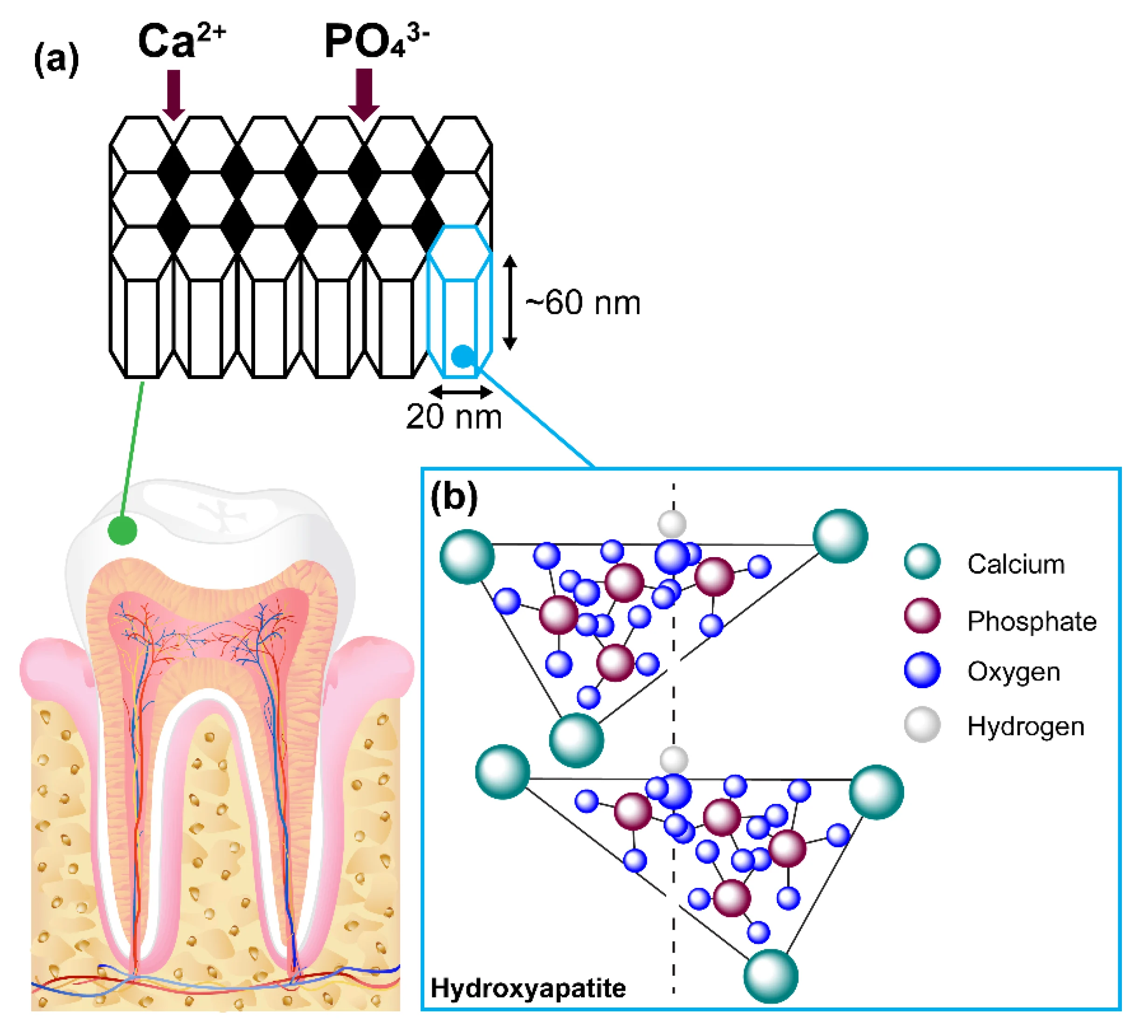
hydroxyapatite tooth enamel crystals
Unlike bone or dentin beneath it, enamel is acellular — it contains no living cells that can lay down new mineral. Once enamel is lost to acid, abrasion, or trauma, the body has limited ability to rebuild it on its own.
The problem with traditional dentistry
For much of modern dentistry, the answer to a cavity has been removal and replacement: drill out the decayed material and fill the space with amalgam, composite, or ceramic.
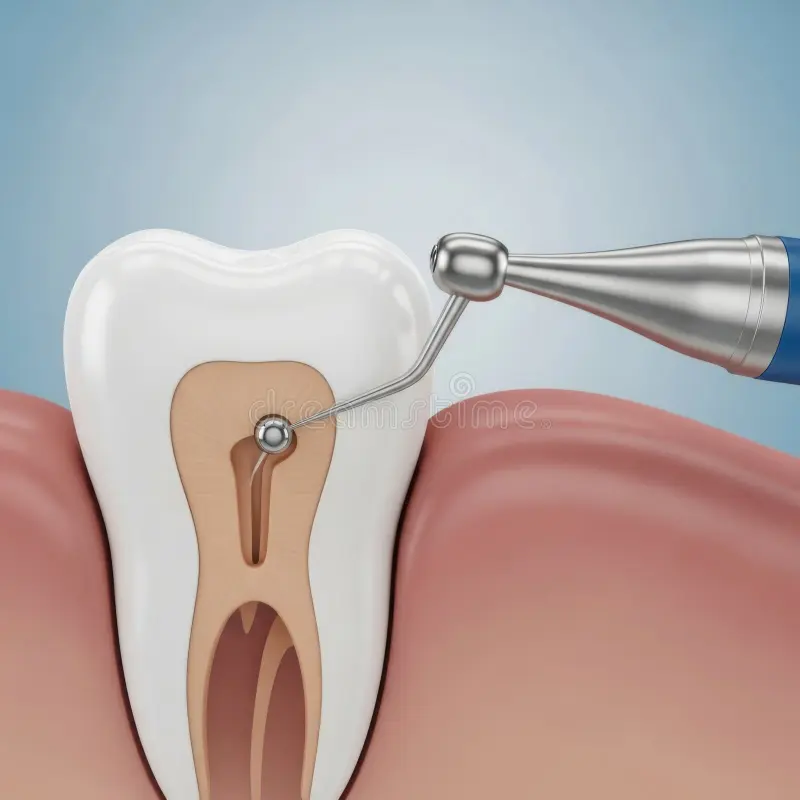
traditional dental cavity drilling
That approach restores function, but it is not regenerative. Fillings wear, margins can leak, and each restoration generally requires removing more tooth structure, increasing the cycle of repair over a lifetime. A therapy that can rebuild enamel rather than replace it would be a disruptive alternative.
How a 'regrowing' gel works — the science explained
At the heart of enamel-regenerating gels are two basic ideas: provide the right building blocks for mineral, and provide a template or scaffold that organizes those blocks into enamel-like structure. Different research groups have pursued complementary tactics to accomplish that.
Mineral supply: calcium and phosphate
Mineral growth requires a local supply of calcium and phosphate ions. Many gels are supersaturated with these ions or contain nano-sized mineral particles that dissolve slowly, releasing ions at the tooth surface. When conditions favor mineral deposition — for example, a neutral or slightly alkaline pH at the tooth surface — hydroxyapatite crystals can nucleate and grow.
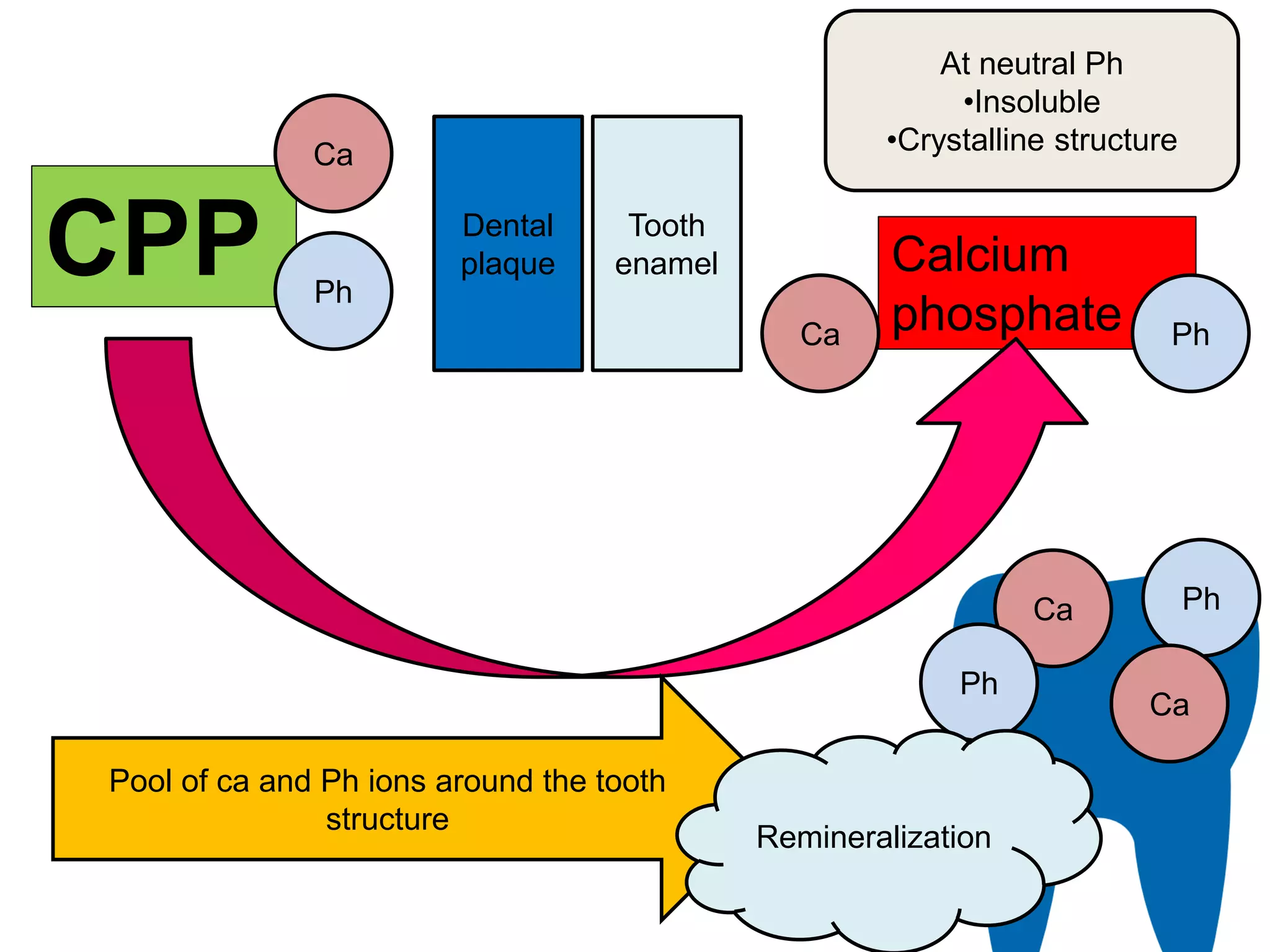
calcium phosphate dental remineralization
Biomimetic templates: peptides and proteins
Enamel forms during tooth development under the guidance of specialized proteins, most notably amelogenin. Researchers have designed short peptides that mimic the way amelogenin organizes mineral into rods. When these peptides are applied in a gel, they act like tiny scaffolds, guiding the arrangement of mineral into denser, more enamel-like structures than simple random precipitation would produce.
Controlled nucleation and growth
Successful gels manage the kinetics of mineralization so crystals form where needed without creating bulky deposits or causing rough surfaces. That requires balancing ion release, controlling pH, and often using additives that slow or orient crystal growth. The result in laboratory and early clinical work has been thin, continuous layers of new mineral that integrate with the remaining enamel.
Early results and what they mean
Laboratory studies, animal experiments, and small human trials have reported promising outcomes: reduced lesion size, increased surface hardness, and visible mineral deposition on early caries and erosion lesions. These findings suggest the gels are capable of arresting early-stage decay and partially restoring weakened enamel.
Caveats: early-stage lesions and realistic expectations
It is important to be precise: most reported successes involve early enamel lesions, white-spot lesions, or erosion where the underlying structure is intact or only minimally lost.
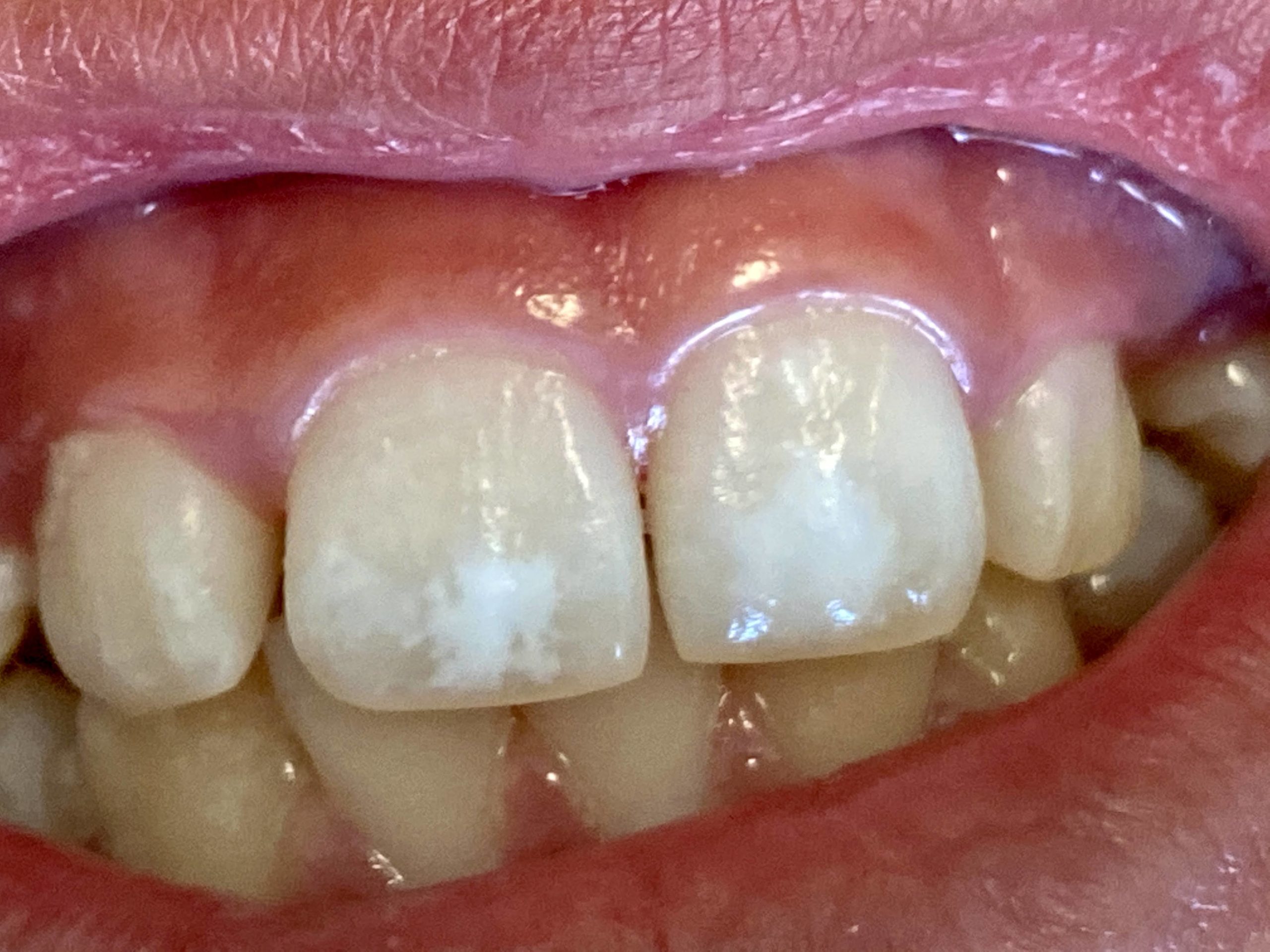
early enamel white spot lesions
Large cavities that extend into dentin still require conventional restoration. The gel approach is not currently a substitute for crowns, large fillings, or root canal therapy; it is a complement that may reduce the need for those interventions over time.
Potential benefits beyond fewer fillings
Restoring enamel rather than replacing it could deliver multiple benefits across dentistry and public health.
- Conservation of tooth structure: Noninvasive remineralization preserves natural tissue and delays the restorative spiral.
- Less sensitivity: Sealing enamel and closing microscopic tubules in dentin can reduce tooth sensitivity.
- Lower lifetime cost and fewer appointments: If enamel repair reduces the frequency or size of restorations, patients may need fewer visits and spend less on dental care.
- Public health impact: In communities with limited access to dental care, a simple topical therapy that arrests early decay could prevent progression to painful, untreated cavities.
Safety, regulation, and unknowns
As with any biomedical innovation, safety and durability are central questions. A gel that accelerates mineral deposition needs to be biocompatible and must not produce harmful byproducts. Long-term wear, bonding strength to native enamel, and the gel's effect on the oral microbiome or soft tissues require careful study.
What regulators will look for
Health authorities focus on evidence from randomized controlled trials showing not only short-term mineral gains but sustained benefits — fewer cavities, less progression, and no significant adverse effects. They also assess manufacturing quality, sterility, and whether over-the-counter versions are appropriate or if professional application is required.
Where the technology might fit in a dental clinic
Practically speaking, clinicians are likely to adopt enamel-regenerating gels in specific niches first: pediatric dentistry to treat early childhood caries, orthodontic patients who develop white spots around brackets, or as a preventive boost for patients with erosion from acid reflux or dietary acids.
Application models
Possible use-cases include in-office professional applications where a hygienist or dentist applies and cures a layer, take-home kits that require multiple nightly applications, or combination therapies in which a gel is paired with low-dose fluoride to maximize remineralization.
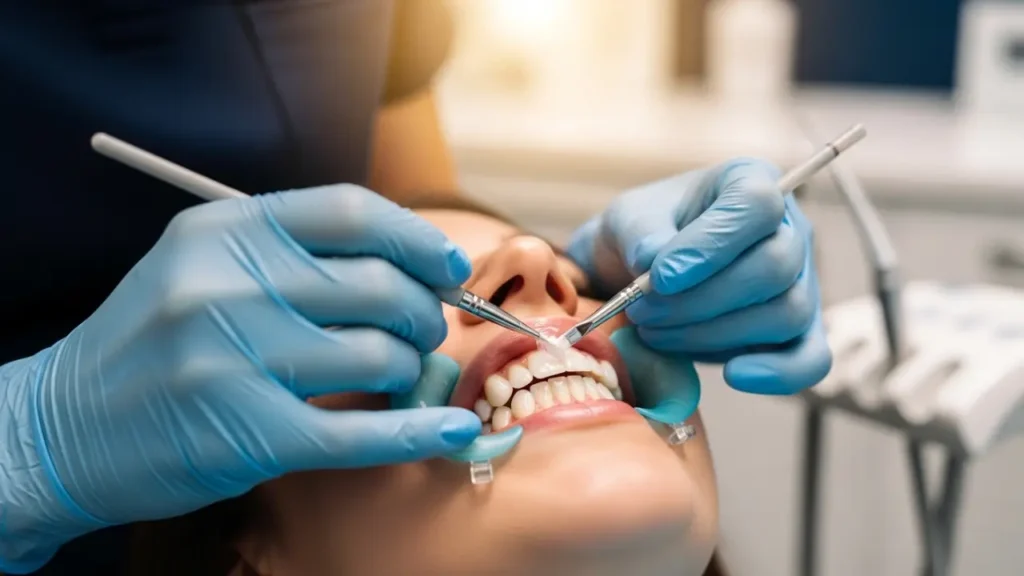
dental clinic gel application
Limitations to keep in mind
Expect realistic shortcomings during early adoption. Repaired enamel layers may be thinner and microscopically different from native enamel's rod structure. That can affect optical properties — treated areas may look slightly different — and mechanical resistance in the long term. Additionally, patient adherence matters: a take-home protocol requiring nightly gel application for weeks will have lower real-world effectiveness than a single clinical procedure.
Population-level considerations
Accessibility and cost are central. If early products are priced at a premium and require repeated professional visits, the technology may initially benefit wealthier patients while having limited public health impact. Widespread benefit depends on scalable, affordable delivery models.
What this means for everyday dental care
Even with enamel-regenerating gels available, well-established preventive measures remain essential. Daily fluoride toothpaste, regular flossing, limiting sugary and acidic foods, and professional cleanings reduce the burden of disease that any gel would need to repair.
- Fluoride's role: Fluoride continues to be a powerful preventive tool, promoting remineralization and increasing enamel resistance.
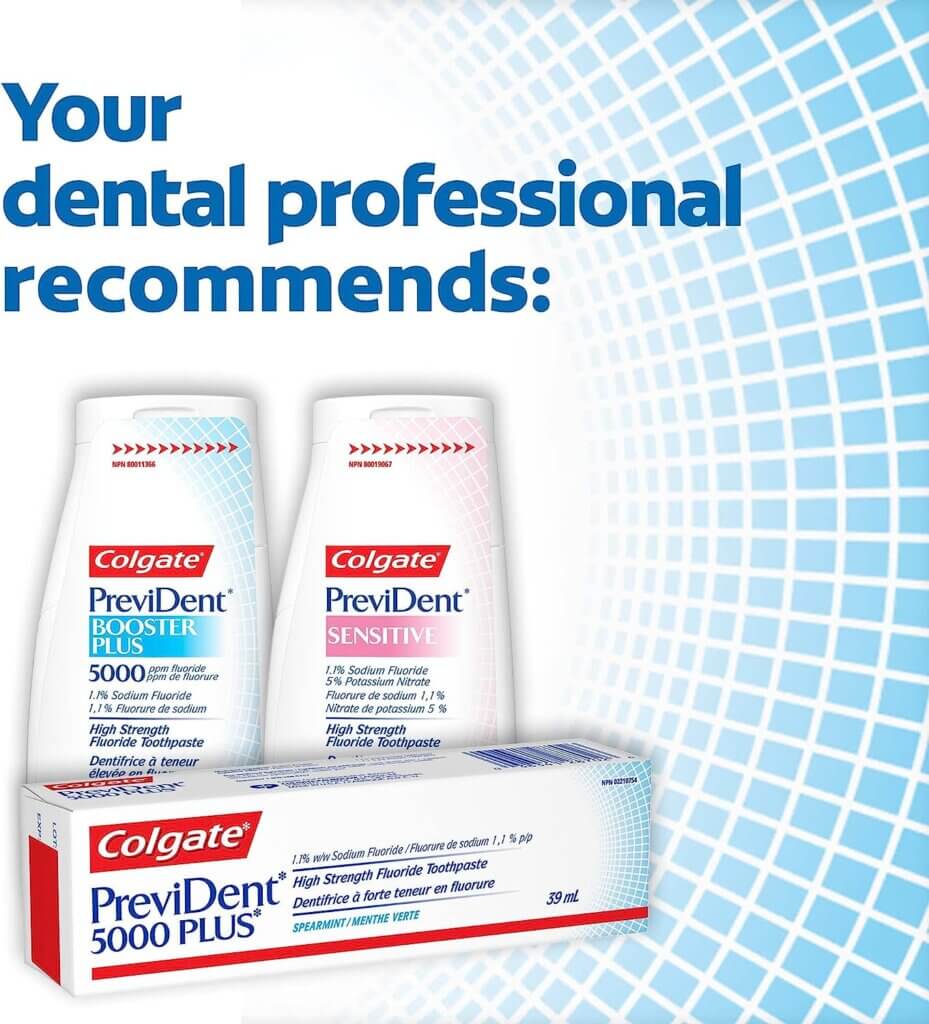
fluoride toothpaste dental prevention
New gels might complement fluoride rather than replace it.
- Diet and lifestyle: Reducing acidic exposures and frequent snacking gives regenerative therapies a better chance to succeed by limiting ongoing demineralization.
Timeline to clinic — cautious optimism
Biomedical translation takes time. A promising lab result must pass animal safety studies, small human feasibility studies, and then larger randomized trials comparing the gel to standard care. After clinical evidence accumulates, manufacturers must navigate regulatory approvals and manufacturing scale-up. Conservatively, broad availability beyond early adopters generally requires several years.
How to evaluate claims and products
If you're evaluating a putative enamel-regenerating product or a clinic offering such treatments, consider these questions:
- What evidence supports the product? Look for peer-reviewed clinical trials and reproducible outcomes.
- What are the indications? Is the gel intended for early enamel lesions, erosion, or broader use?
- Application details: How many sessions, what duration, and who applies it?
- Long-term data: Are there follow-ups showing maintenance of mineral and function at 6 months, 1 year, or beyond?
Practical steps for patients today
While waiting for new therapies to mature, patients can take meaningful actions to protect enamel: use fluoridated toothpaste, avoid frequent acidic drinks, chew sugar-free gum after meals to stimulate saliva, and maintain regular dental visits. For those at high risk — such as patients with dry mouth, frequent reflux, or heavy sugar intake — discuss preventive options with your dentist early.
Conclusion — a step toward a less restorative future
The idea of regrowing enamel with a topical gel captures the imagination because it promises to shift dentistry from chasing damage to restoring biology. Current research offers genuine hope: targeted biomimetic scaffolds combined with controlled ion delivery can produce enamel-like mineral on early lesions. Nevertheless, the technology is not a panacea. It works best for early-stage damage, requires robust clinical evidence for wide adoption, and must be delivered in cost-effective ways to maximize public health benefit.
For patients and clinicians, the sensible approach is informed optimism: watch for high-quality clinical data, ask pragmatic questions about indications and durability, and continue proven preventive habits. If the promise holds, a future with fewer fillings and more regenerated enamel may be closer than we think — but it will arrive through careful science, not hype.
- A new generation of biomimetic gels can promote enamel-like mineral growth, especially on early lesions.
- These therapies aim to preserve tooth structure and complement — not immediately replace — conventional restorations.
- Durability, safety, cost, and accessibility remain the main hurdles before widespread clinical use.