Gamers Revolt Over DLSS 5's Generative AI Glow-Ups
When a piece of technology promises clearer textures, higher resolution and more cinematic visuals without demanding a new GPU, most players cheer. But the reception for DLSS 5 — NVIDIA's latest leap that layers generative AI on top of traditional temporal upscaling — has not been a uniform standing ovation. Instead, many corners of the gaming community have answered with confusion, anger and what looks, online, like visceral disgust. That reaction is not just about pixels: it cuts into questions of artistic intent, player consent, the limits of automated image editing, and who gets to decide how a virtual world should look.
NVIDIA DLSS 5 technology
What DLSS 5 Actually Does
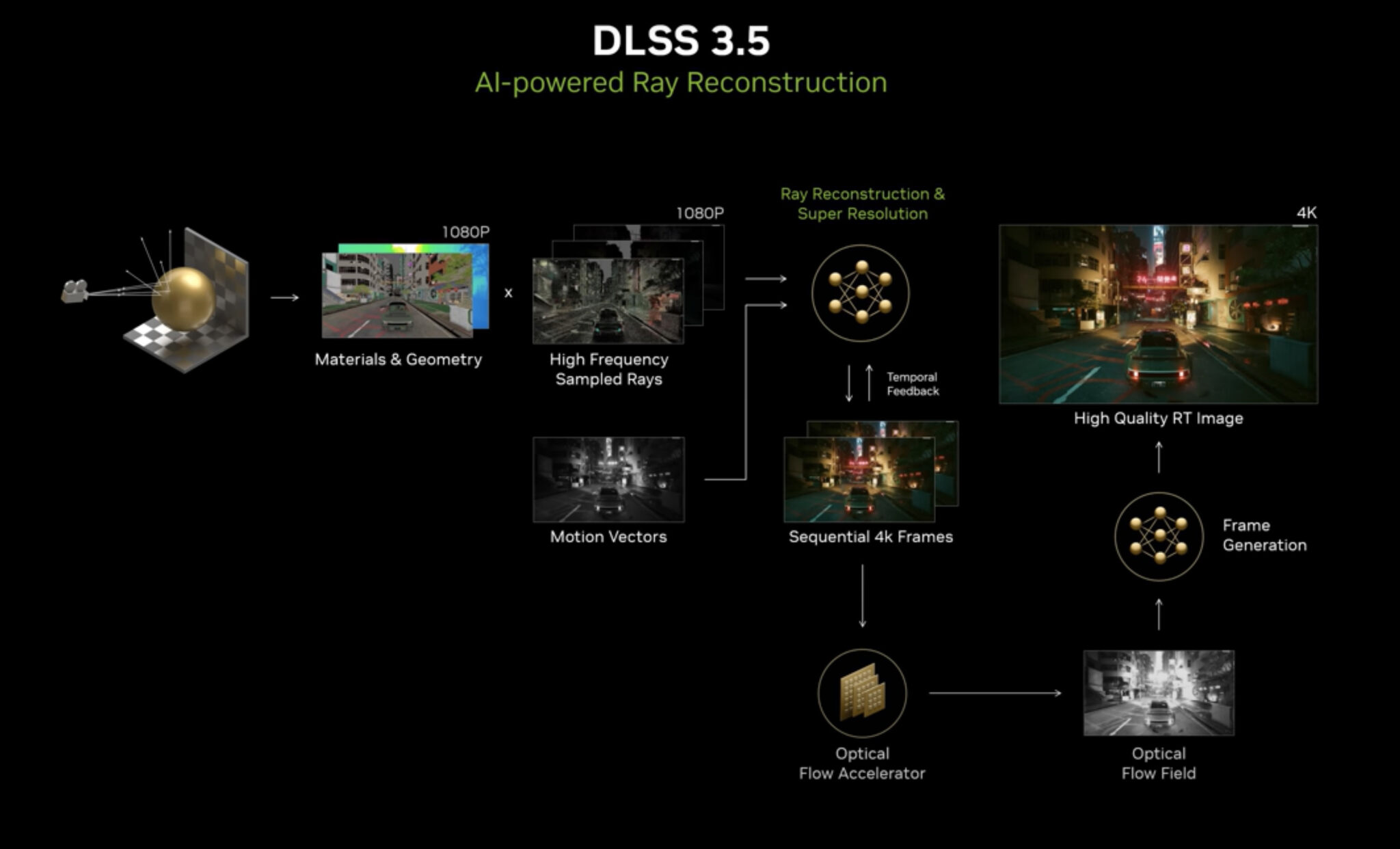
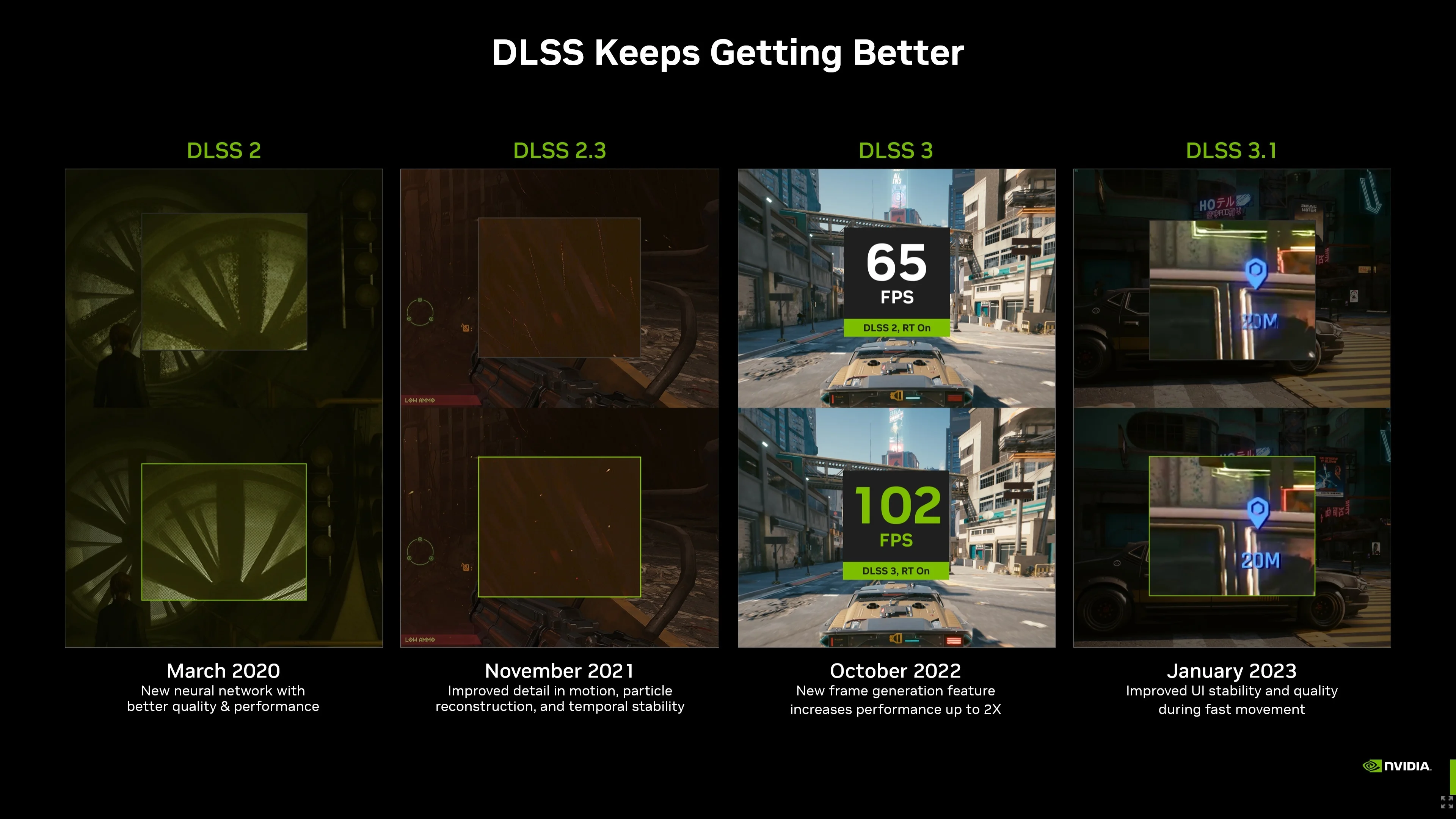
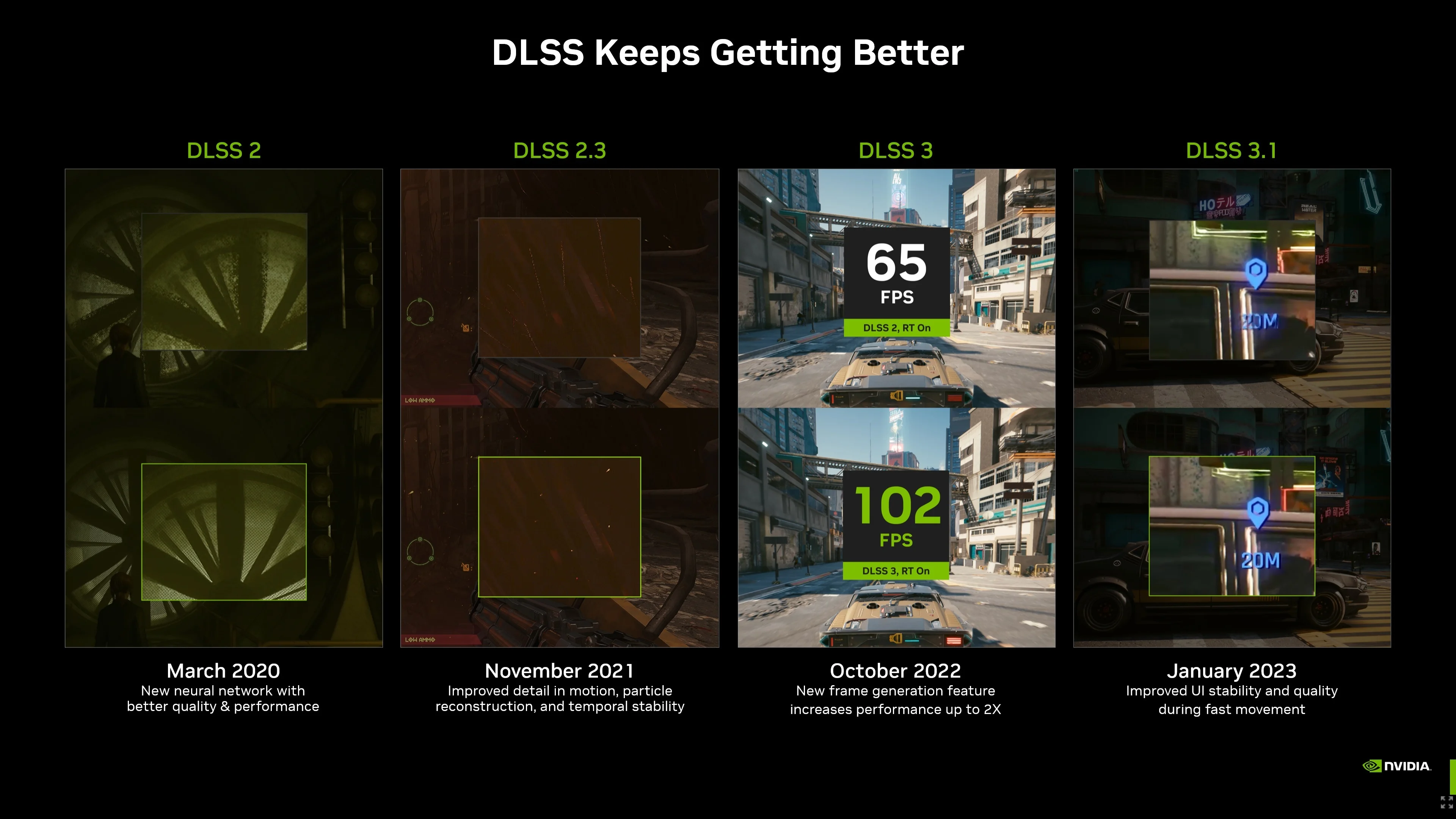
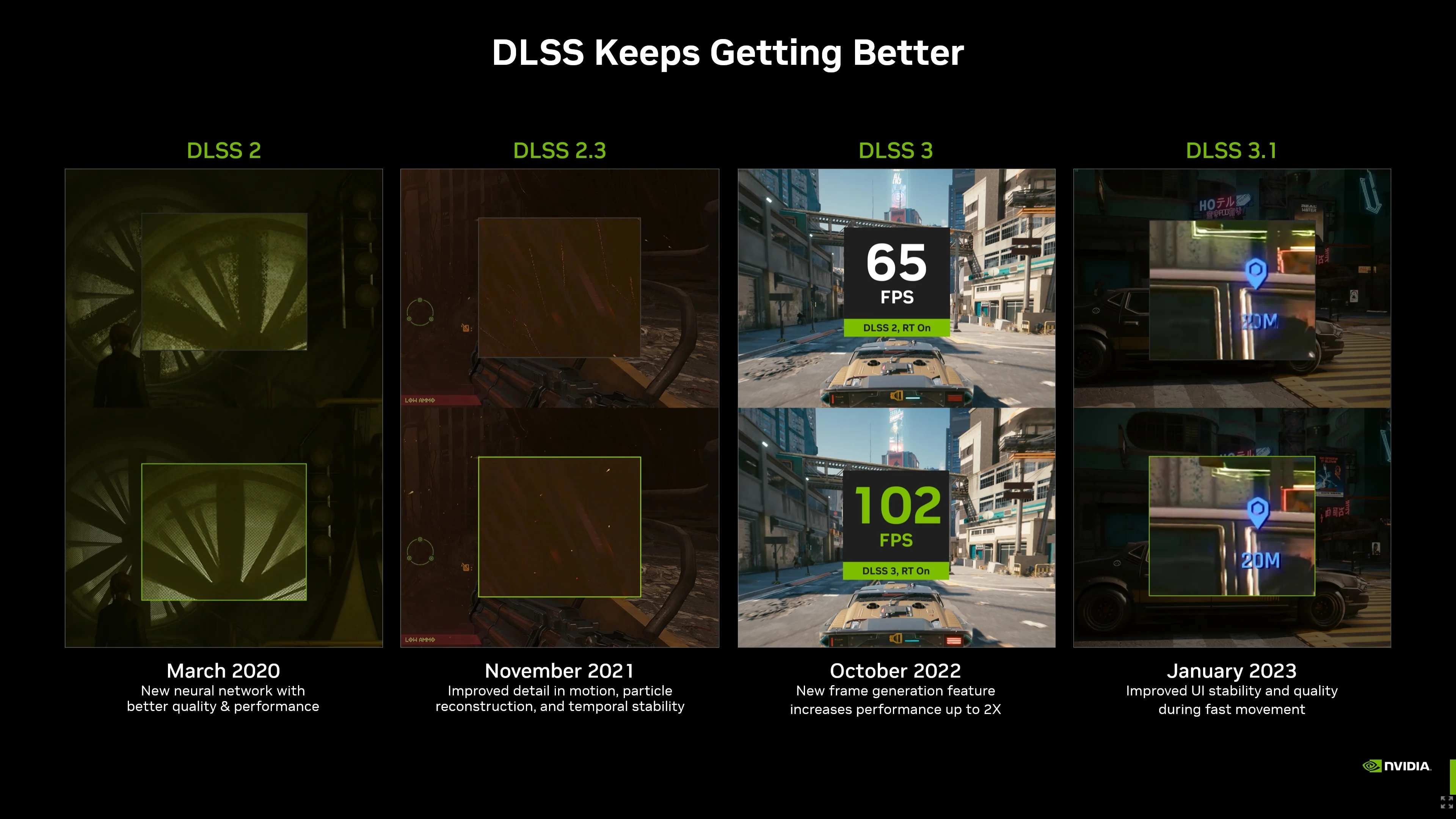
DLSS, or Deep Learning Super Sampling, began as a focused engineering solution: run a game at a lower internal resolution and use a neural network to reconstruct frames at a higher output resolution, giving the illusion of native detail while increasing frame rates. Over several generations, the technique improved temporal consistency, sharpness, and artifact reduction.
DLSS 5 expands that toolbox by introducing generative components aimed at reconstructing or even inventing fine detail that wasn't present in the lower-resolution render. Where earlier versions concentrated on edge reconstruction and denoising, the latest generation leans into neural hallucination for plausible textures, surface details and lighting microstructure — what players and streamers have started calling "glow-ups." In practice this can mean that fabric weaves, grime on a wall, or subtle skin highlights appear more detailed and organic than the base render.
DLSS 5 generative AI glow-ups
Why Generative Glow-Ups Triggered Backlash
At first blush the benefits are clear: prettier scenes, smoother performance, and images that look more like offline renders. But the backlash exposes a tangle of aesthetic and ethical concerns.
Aesthetic Integrity and Artist Intent
One of the most common complaints is simple: developers and artists painstakingly craft textures, lighting and materials so the game communicates mood, setting and story. When an automated system begins to reinterpret those assets in ways the original team did not authorize, the result can clash with the intended artistic direction. A grime-free warzone suddenly looking too "clean" or character faces acquiring glossy, subtly altered features can break immersion and rub players the wrong way.

AI-enhanced game visuals
When a machine rewrites an artist's work without permission, players feel the game has been changed in bad faith.
Consent and the Player Relationship
Another gripe comes down to consent. Players expect that a game's visuals reflect the creators' vision and the options they provide in settings menus. Many feel that automatic generative enhancements, especially when enabled by default, remove a layer of control. That loss of agency is not trivial: settings toggles are foundational to how players tailor performance, accessibility and visual taste. Forced or hidden changes feel like a betrayal.
DLSS 5 performance impact
Uncanny Valley and Perceptual Weirdness
Generative models are powerful but imperfect. They sometimes introduce small inconsistencies that the human visual system treats as glaring: inconsistent pore structure on faces, mismatched wear patterns on repeated objects, or lighting highlights that contradict physical light sources. These subtle mismatches produce a sense of wrongness that many players call "creepy." The bigger problem is that generative glow-ups amplify these artifacts because the AI is inventing plausible-but-not-accurate details on top of algorithmic reconstructions.
Technical Tradeoffs and Performance Myths
NVIDIA markets generative techniques as a performance-positive addition: the idea is still to render fewer pixels and let smart models fill in the rest. But those models demand GPU cycles and memory. In some hardware configurations the generative pass can increase latency or cost more power than players expected. When the promised performance uplift is smaller than the visual shift, frustration grows — especially among players who invested in hardware under one set of assumptions.
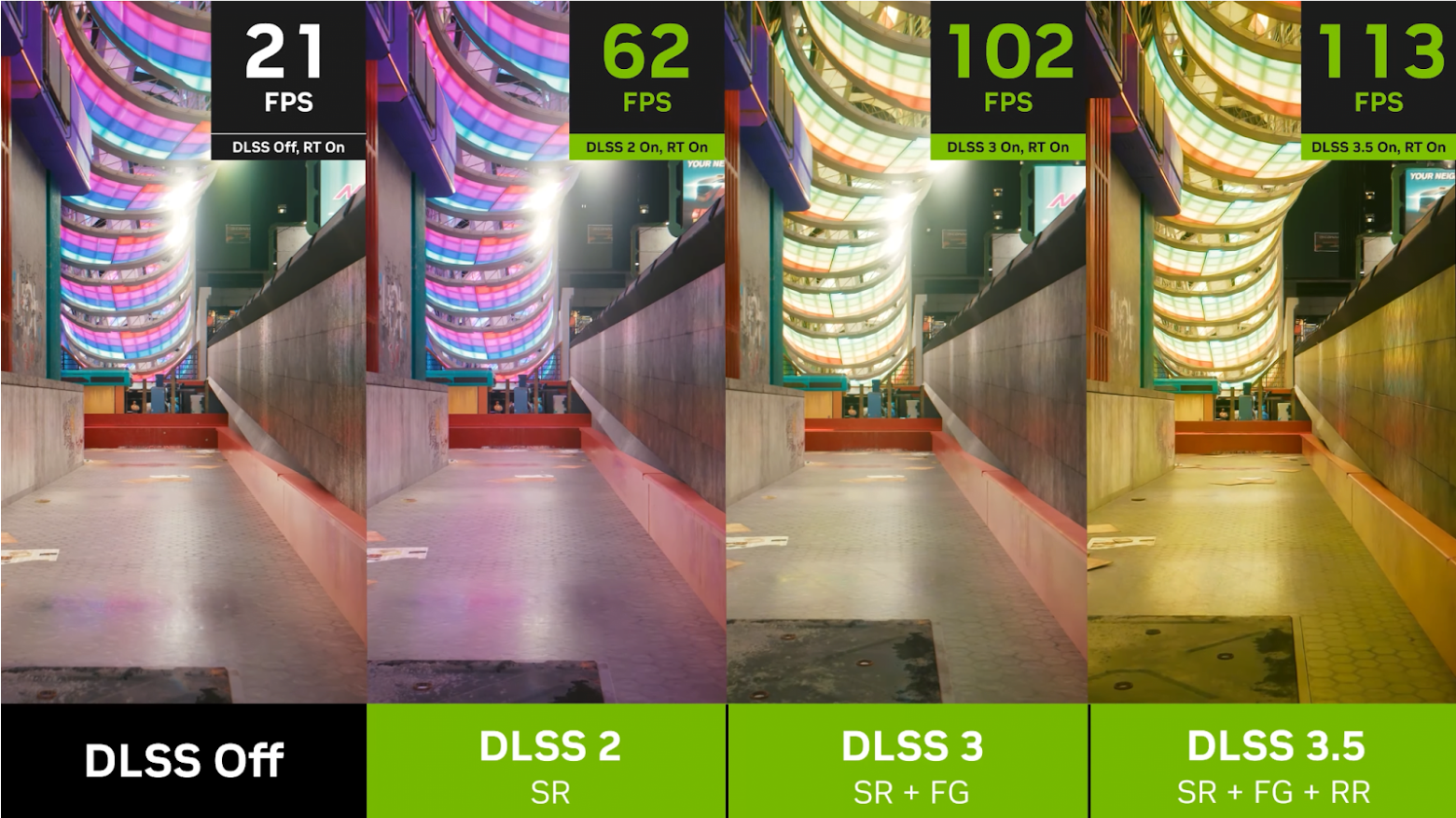
DLSS 5 visual artifacts
Privacy and Data Concerns
When AI modifies or "enhances" imagery, questions follow about training data and telemetry. Players worry about whether models were trained on copyrighted in-game assets without permission, or whether proprietary visual styles were effectively scraped and absorbed into third-party networks. Even absent nefarious intent, the opacity of model training and telemetry reporting leaves a trust gap: users want to know what data was used and whether their gameplay inputs contributed to a model that then repurposes those inputs.
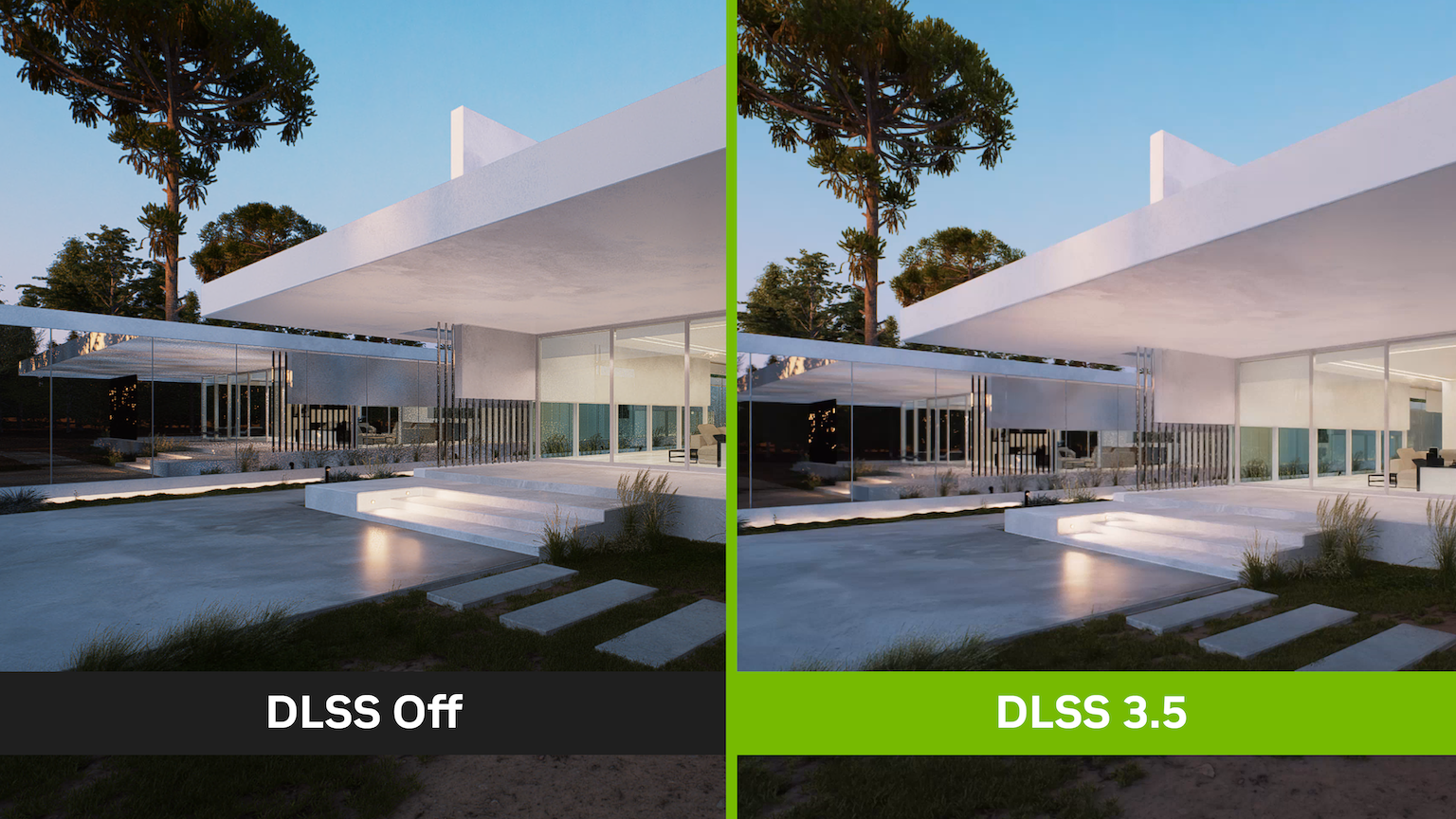
DLSS 5 community backlash
How the Community Expressed Disgust
The response on social platforms ranged from measured criticism to performative outrage. Video comparisons, side-by-sides, and short clips showing before-and-after effects proliferated fast. The most scathing reactions focused less on performance and more on aesthetic corruption: "my favorite character now looks like a stock AI-rendered face," was a common refrain. Meme culture amplified disgust quickly, and once a critical mass of negative impressions formed, it shaped broader perception in ways that vendors struggle to counteract.
The Modding Factor
Modders — who often act as both caretakers and explorers of a game's visuals — were split. Some embraced the technology as another tool that can be tweaked, reversed or repurposed; others saw it as an affront to preservation. Open tools let modders undo glow-ups or craft alternative, community-approved enhancement packs. But that work requires time and skill, and it puts the burden of visual stewardship on players instead of creators.
Developer and Publisher Responsibilities
At the core of the debate is responsibility. Should hardware and middleware vendors ship transformative visual features that alter a game's look without an explicit agreement from the developer and publisher? Many argue no. Best practice, critics say, would be to require developer opt-in, offer clear toggles and preserve a fail-safe which guarantees the original look. Respecting the game creator's vision and offering transparent labeling of AI-applied enhancements would go a long way toward rebuilding trust.
NVIDIA's Position and the PR Challenge
From an engineering and marketing standpoint, generative glow-ups are an attractive narrative: better visuals at lower cost. However, the PR challenge is that the technology interacts with intangible, subjective values like beauty and authenticity. Explaining fidelity gains numerically doesn't address the emotional reaction players have when a familiar face or environment shifts in subtle but meaningful ways. That gap between technical messaging and cultural impact is where many companies find themselves on the back foot.
Where This Fits in a Larger AI Story
This uproar is part of a broader reckoning about how generative AI modifies creative work. Similar debates have played out in music, film filters, and AI art tools. Games, however, are a unique medium because they blend authored assets, emergent systems and direct player agency. The result is a particularly sensitive interaction pattern: when an algorithm alters art that players live inside, the stakes are emotional as well as aesthetic.
- Performance gains when upscaling reduces native render cost.
- Improved apparent detail for lower-end hardware.
- New creative possibilities for modders and post-processing.
- Art direction drift where visuals stray from developer intent.
- Perceptual artifacts that can feel uncanny or incorrect.
- Transparency issues around training data and telemetry.
Practical Steps for Developers, Vendors, and Players
If the goal is to harness generative techniques without alienating the community, several practical steps suggest themselves.
For Developers and Publishers
- Require opt-in: Integrate vendor features only with publisher and developer consent and provide a developer-controlled default.
- Preserve the original look: Ship games with an explicit "original visuals" toggle that guarantees parity with the artist-approved assets.
- Document changes: Clearly state when and how AI post-processing modifies assets in patch notes and marketing copy.
For Hardware and Middleware Vendors
- Transparency: Publish accessible explanations of what the generative pass does and what it does not do.
- Developer tooling: Provide devs with controls to tune, disable or whitelist enhancement behaviors per asset or scene.
- Privacy safeguards: Clarify model training provenance and limit telemetry that could be construed as harvesting artistic styles.
For Players
- Check settings: Look for new toggles after driver or game updates and disable any AI-based enhancements if you prefer the original look.
- Use mods carefully: Modding communities will offer fixes, but the quality and compatibility vary.
- Provide constructive feedback: When reaching out to developers and vendors, point to concrete examples and side-by-side clips rather than blanket complaints.
Alternatives and Compromises
Not all solutions require full disablement. Hybrid approaches can preserve artistic intent while offering technical benefits. Examples include constrained generative passes that only operate on microdetails without altering color or expression, or developer-authored "style guides" that train vendor models to honor specific palettes and wear patterns. Another compromise is to ship generative modes as labeled experimental features with visible watermarks or explicit UI notifications so players understand when the look has been altered.
Legal and Preservation Concerns
Beyond aesthetics, there are legal and archival considerations. Future attempts to preserve a game's original visual experience could be complicated if third-party AI models become widespread replacements for in-game assets. Game historians and archivists warn that the canonical appearance of a title should remain intact for posterity, and community-driven changes risk fragmenting that record.
What Success Looks Like
A successful path forward balances technical innovation with respect for the cultural product. That means robust developer control, demonstrable transparency about what AI is doing, and user-facing settings that honor player choice. It also means vendors and publishers investing in communication: feature pages, clear in-game labels and documentation that translates neural processing into plain language.
Innovation that ignores context will provoke resistance. Innovation that collaborates with creators and players can win hearts and minds.
Conclusion
DLSS 5 and its generative glow-ups reveal the tension at the heart of contemporary game development: powerful tools can improve experiences but also disrupt the cultural contract between creators and players. The disgust many gamers expressed is not just resistance to novelty — it is a demand for respect, choice and clear communication. Vendors, developers and the wider community now face a test of governance: will generative graphics be rolled out with humility, opt-in consent and careful safeguards, or will they be pushed forward and risk undermining the very audiences they aim to delight?
- DLSS 5's generative enhancements offer tangible visual benefits but can alter artistic intent in unexpected ways.
- Player trust hinges on transparency, opt-in controls and preservation of developer-approved visuals.
- Collaboration between hardware vendors, developers and communities is necessary to deploy AI responsibly in games.
Comparison footage and community discussions drove rapid controversy after DLSS 5 introduced generative enhancement modes.