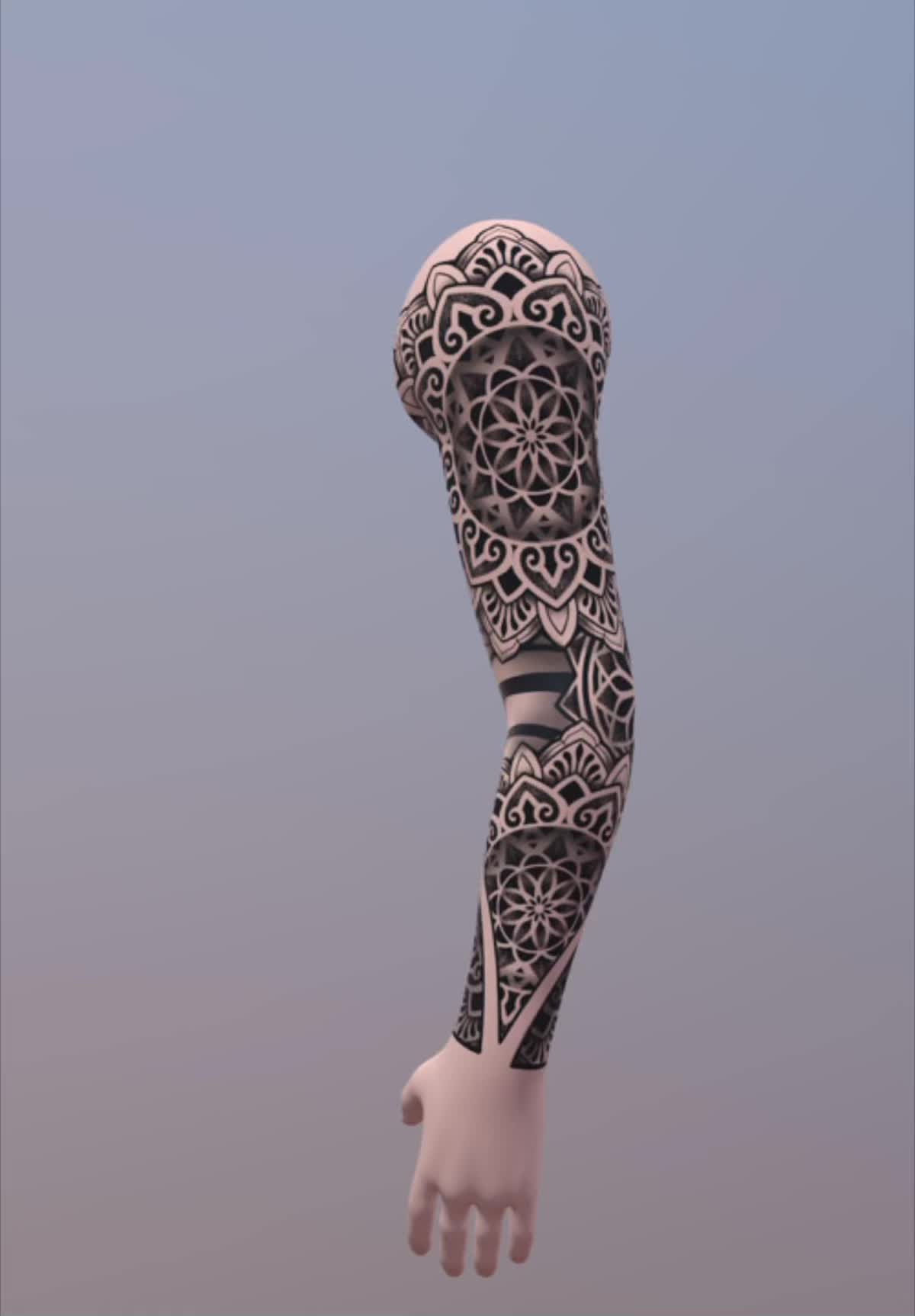
How a Circular Tattoo Became an Oval: My Two-Month Transformation
The morning I first noticed it, my tattoo looked wrong — not faded, not infected, just... different. A small, neat circle inked on the inside of my upper arm had become an unmistakable oval. I had gained 30kg (about 66 pounds) in roughly eight weeks, and the skin hadn’t stretched evenly. For anyone who’s ever wondered whether tattoos are permanent not only as art but in shape, this is a first-person look at what happened, why it happened, and what to do next.
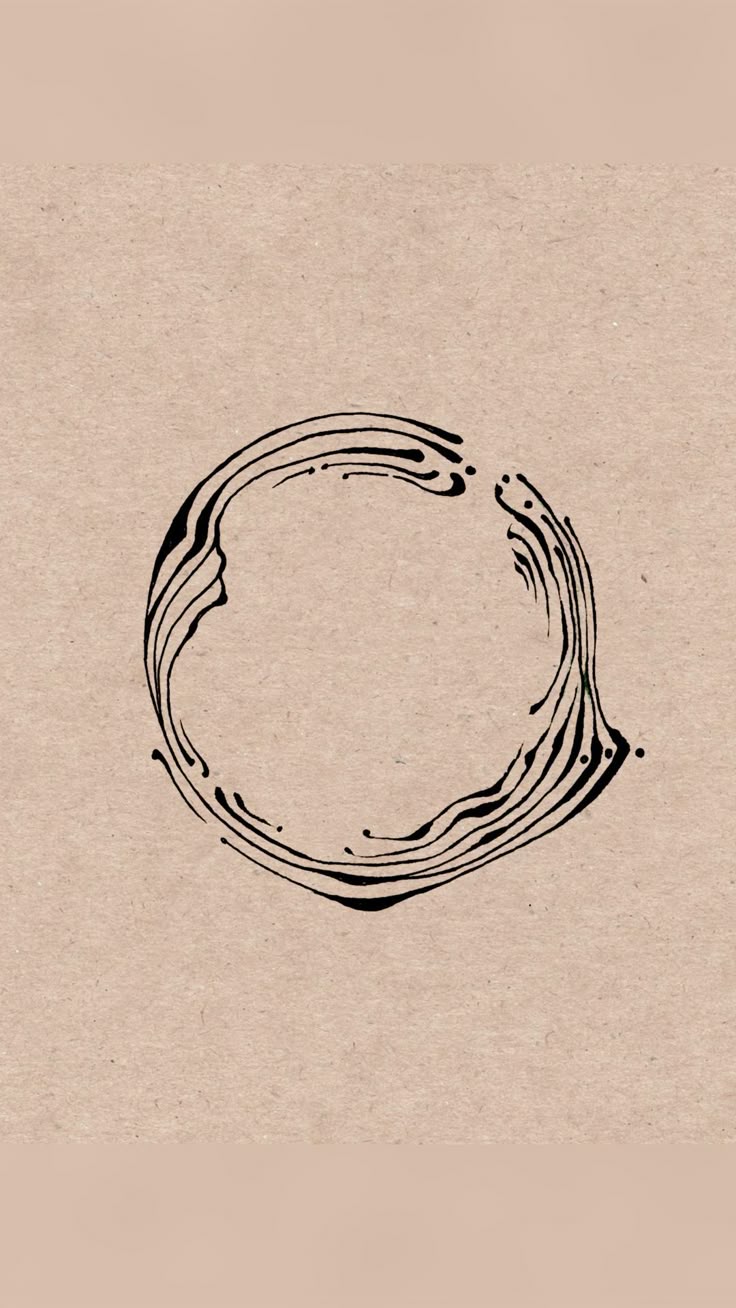
circular tattoo becomes oval
A Quick, Honest Lead-In
To be clear: this is an account of my experience, not a medical case study. I’m writing from the viewpoint of someone who slept through the slow creep of each kilo until one day my body — and a tiny circle of ink — announced the change. I’ll explain the biology, the tattoo-specific mechanics, immediate and long-term fixes, and the emotional side of watching your body alter a permanent mark. If you’re facing something similar, you’ll find practical next steps and questions to ask professionals.
WHAT HAPPENED
The timeline
I first got the tattoo two years before this episode. It was small, about 4 cm across, perfectly circular. Two months before I noticed the distortion, I started a period of intense weight gain. The reasons were mixed: a medication change that increased appetite and retention, three weeks of severe stress eating, and reduced activity from a wrist injury. The result was roughly 30kg over eight weeks — fast enough that my skin and connective tissue could not adapt uniformly.
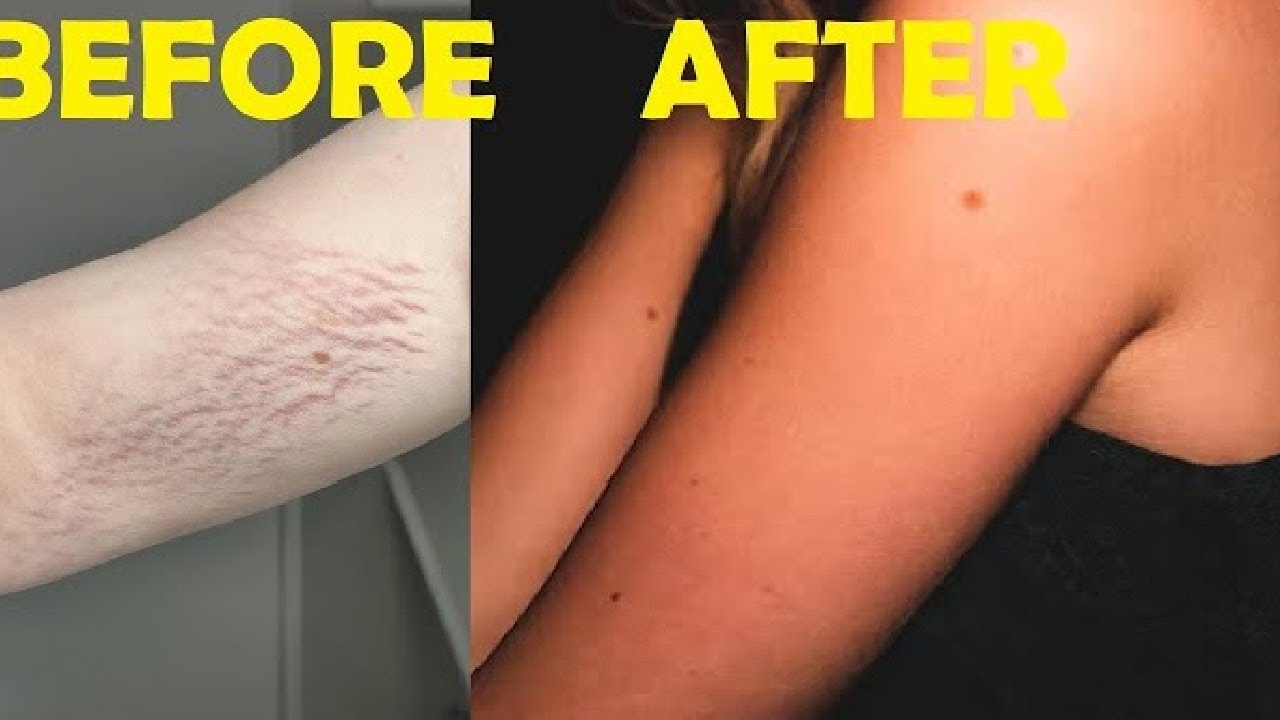
stretch marks on arm
The visual change
At first it was subtle. The circle’s vertical axis elongated a little more than the horizontal axis, turning the perfect round into an oval. The line work remained intact but stretched; the ink settled differently in the dermis and the crisp symmetry disappeared. It wasn’t blurred like an old tattoo; the pigment density was similar, but the geometry had shifted.
"Tattoos tell the history of the skin they live on — sometimes that history is written in inches and months, not years."
WHY THIS HAPPENS: SKIN, INK, AND STRETCH
Skin anatomy in plain language
Human skin is flexible because of two proteins: collagen and elastin. Collagen provides structure; elastin provides spring. Rapid weight gain forces the skin to expand quickly. When expansion is gradual, the body remodels collagen and elastin more effectively. Rapid expansion can outpace those biological repair processes, leading to uneven deformation, stretch marks, and changes in how embedded ink sits within the dermal layer.
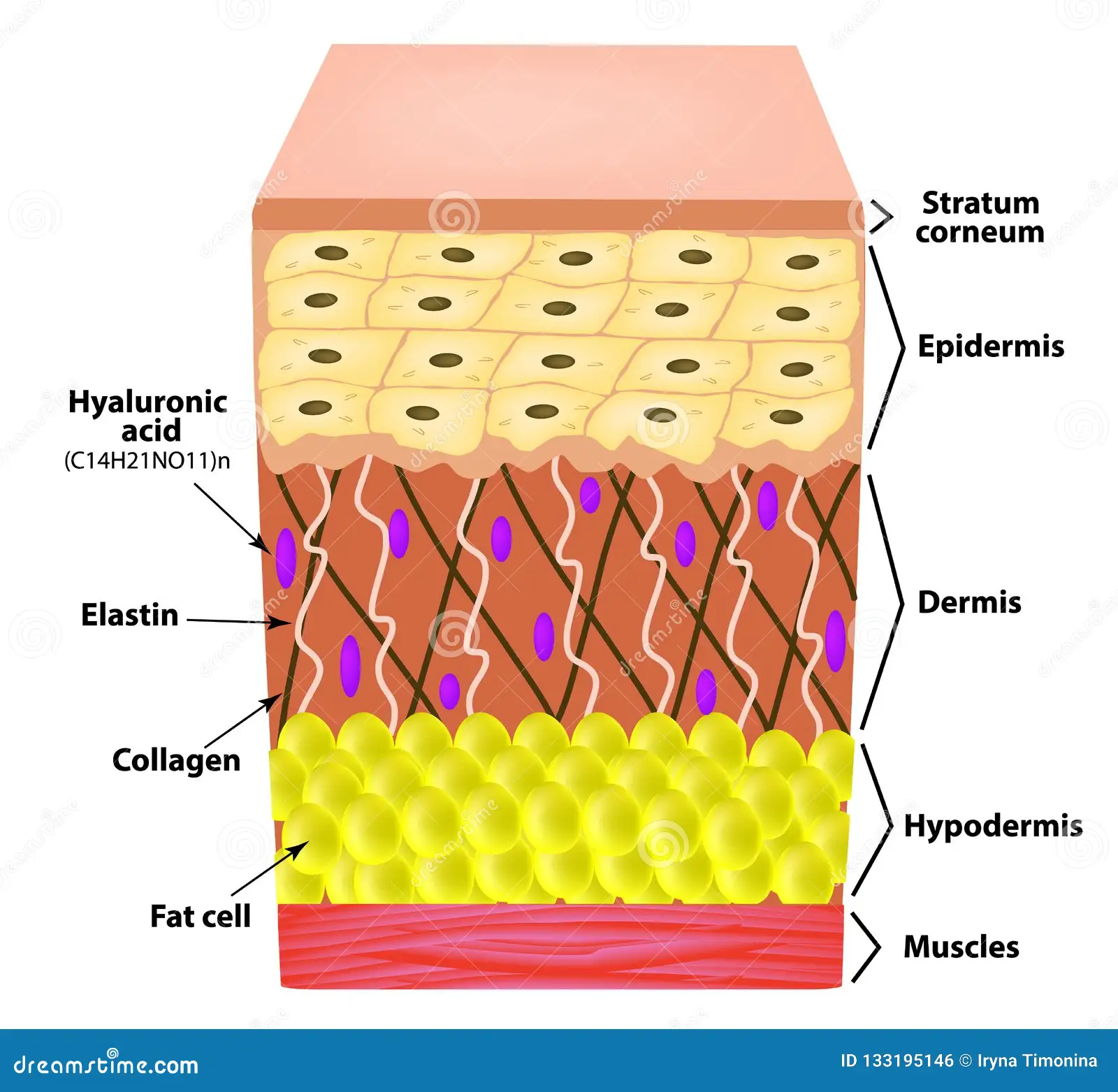
skin anatomy collagen elastin diagram
How tattoo ink behaves under strain
Tattoo ink sits in the dermis, the layer between the superficial epidermis and the deeper subcutaneous tissue. With stretching, the dermis thins and spreads. Think of a drawing on a balloon: stretch the balloon more in one direction than another and the circle becomes an oval. Unlike the balloon, skin can partially adapt, but sudden, asymmetric expansion will permanently alter the arrangement of ink particles. That’s what happened to my arm tattoo.
COMMON FACTORS THAT ACCELERATE TATTOO DISTORTION
Rapid vs. gradual weight change
Speed matters. A 30kg gain over two months is extreme. Gradual gains over years allow collagen remodeling and can preserve more of the tattoo’s original look. Rapid gains don’t permit that remodeling and increase the risk of permanent geometry change.
Location on the body
Areas with thinner dermis or more movement — inner arm, abdomen, breasts, thighs — show distortion more readily. My tattoo site, the inner upper arm, is subject to both flex and occasional pinching, making it more vulnerable than, say, an outer calf.
Underlying causes: fluid retention, medication, and lifestyle
Not all weight is fat. Rapid gains can include fluid (edema), muscle, or fat, each affecting skin differently. Some medications (systemic steroids, certain psychiatric meds) and hormonal changes can cause quick increases in size. Understanding the composition of your gain can inform realistic expectations for recovery.
HOW TO ASSESS THE DAMAGE
What to look for
Shape change: the obvious conversion from circle to oval or elongation in one direction.
Blurring: ink lines that used to be crisp now have softer edges.
Color shifts: Some pigments react differently when the dermis thins (blues and blacks usually hold up best).
Stretch marks: striae through or around the tattoo can make pigment look broken.
When to seek professional help
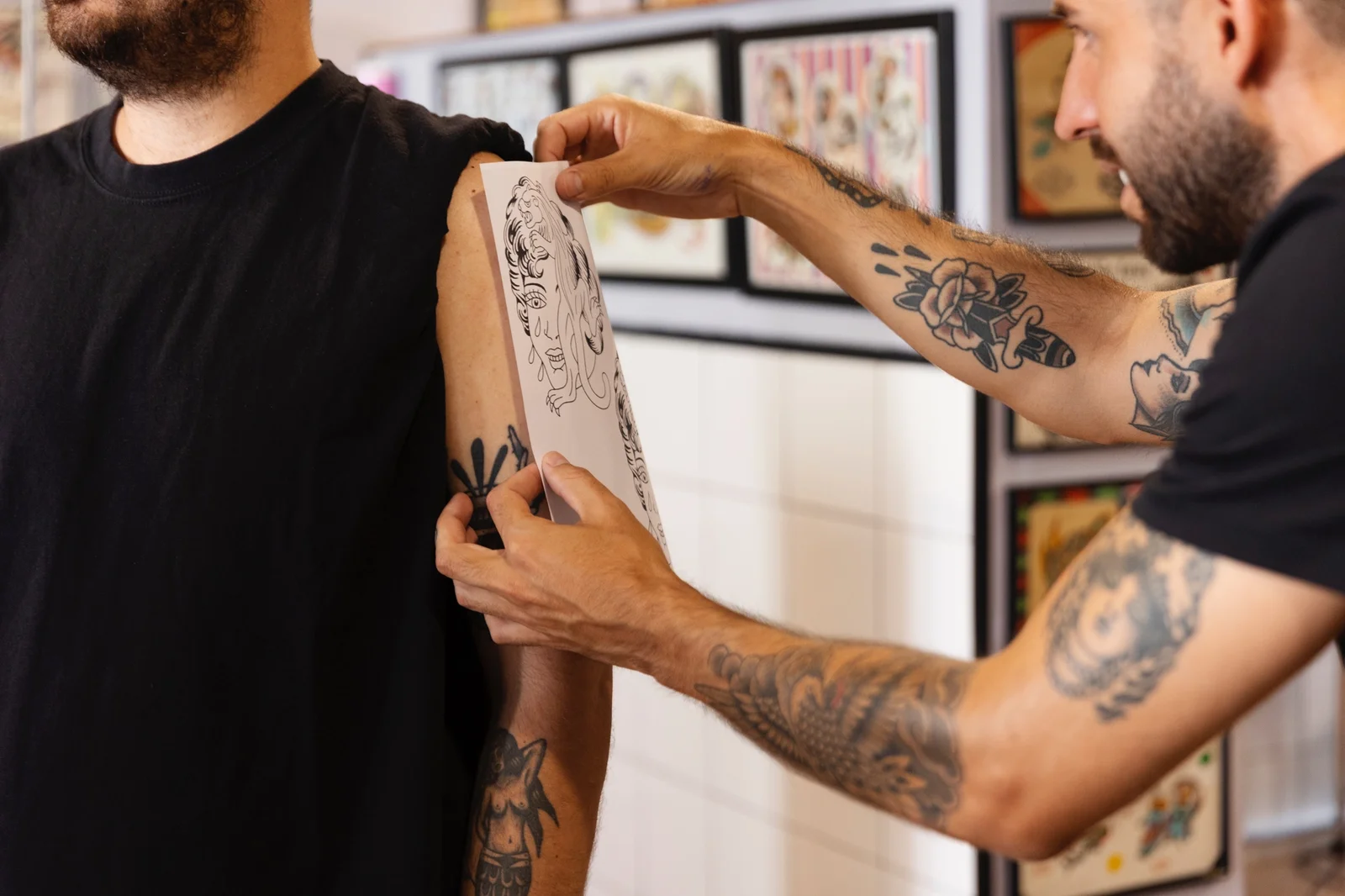
If the skin is painful, inflamed, infected, or newly raised, see a doctor. For purely cosmetic changes, an experienced tattoo artist or dermatologist can assess whether a touch-up, cover-up, or even a removal approach is best.
tattoo artist consultation arm
OPTIONS FOR FIXING OR LIVING WITH THE CHANGE
Wait and watch
Sometimes, if the weight stabilizes and you lose some quickly gained mass, skin rebounds and the tattoo can recover partially. Allow six to twelve months after the last change before making permanent decisions, unless the cosmetic issue is distressing you immediately.
Touch-ups and resizing
A skilled tattoo artist can rework linework, thicken outlines, or add elements to restore perceived symmetry. Touch-ups won’t reverse a stretched dermis, but they can re-center or redraw shapes to create the illusion of better proportions.
Cover-ups and redesigns
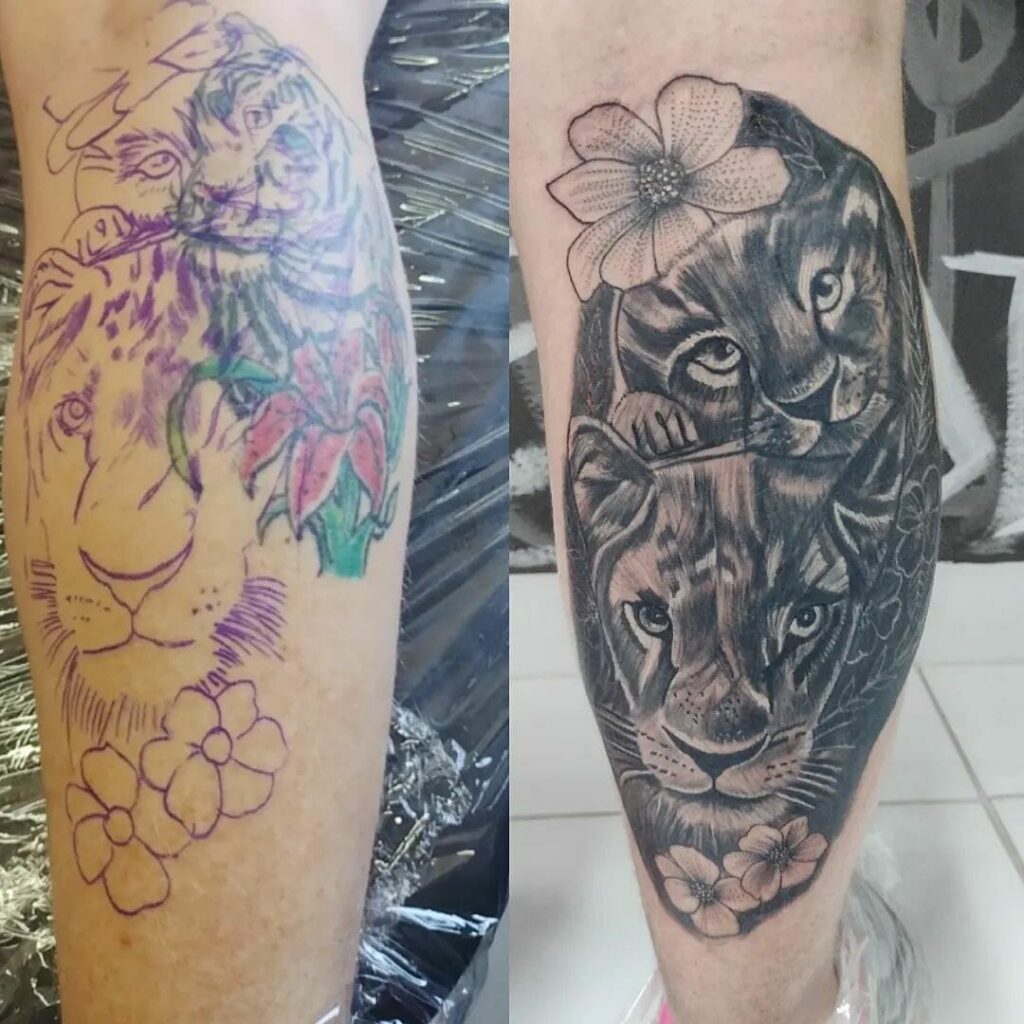
If the original design no longer works, a cover-up or full redesign can incorporate the oval shape into new art. Many artists specialize in cover-ups that make previous distortions into deliberate design features.
tattoo cover-up redesign work
Laser removal or partial lightening
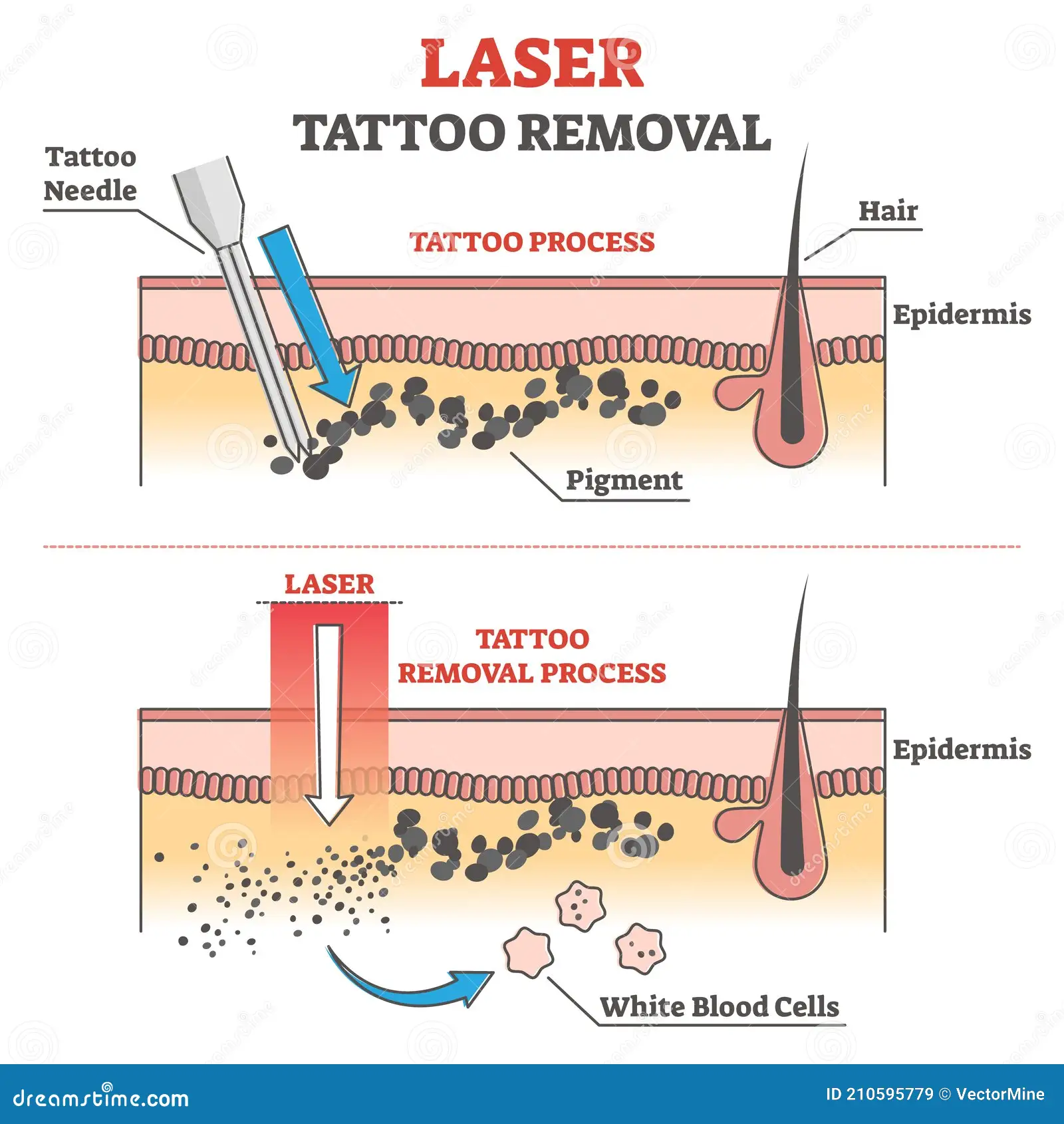
Laser can reduce pigment density and allow a cleaner canvas for a redesign or smaller tattoo. Removal is a process — often multiple sessions — and can change skin texture itself, so consult both a dermatologist and an experienced laser technician if considering this path.
laser tattoo removal process
Touch-ups are fast and affordable relative to removal.
Cover-ups turn a problem into creative opportunity.
Removal is slow, costly, and may not restore original skin texture.
Some fixes require waiting for weight stabilization.
PRACTICAL STEPS I TOOK (AND RECOMMEND)
Immediate actions
Photograph consistently: I started a photo diary under the same light and angle every week so I could track true changes and show professionals.
See a primary care provider: I had bloodwork to check hormones and medication side effects that could be driving rapid gain.
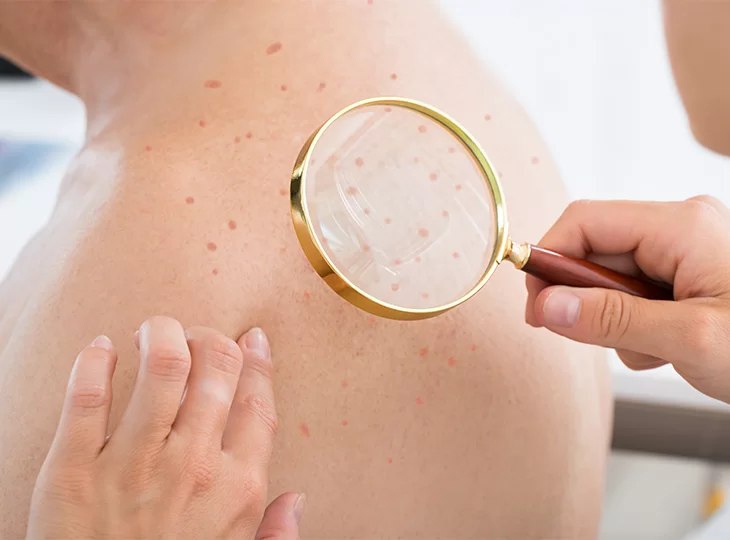
Consult a dermatologist: to rule out skin pathology and get professional input on texture and pigmentation risks for any future laser treatments.
When I’d stabilized
Visited a reputable tattoo artist: We discussed touch-up versus redesign; the artist sketched a plan to turn the oval into an intentional elongated motif so the distortion felt natural.
Considered laser carefully: I ultimately chose a lightening session, then a cover-up design for a balanced result.
A SIMPLE TABLE: EXPECTATIONS FOR COMMON FIXES
| Fix | Timeline | Effect on Shape |
|---|---|---|
| Wait and watch | 6–12 months | Possible partial rebound; shape may improve slightly |
| Touch-up | 1 session | Improves lines but doesn’t reduce stretch |
| Cover-up | 1–3 sessions | Can make shape deliberate and attractive |
| Laser removal | Multiple sessions over months | Reduces pigment; may alter texture |
EMOTIONAL AND IDENTITY ASPECTS
There’s an emotional current underneath cosmetic concerns. Tattoos are often part of identity; watching one warp can feel like betrayal. I felt embarrassed at first — I hid my arm in photos. Over time I realized two things: first, sudden bodily changes are common and nothing to be ashamed of; second, tattoos that age with you can tell a richer story. Reframing helped me choose a solution that honored the original while accepting the change.
dermatologist examining tattoo skin
WHEN TO ACCEPT VS. WHEN TO FIX
Accept if:
The change is minor and you can adjust clothing and presentation.
You want to preserve the original art intact, even if distorted.
Fix if:
The distortion causes psychological distress or social discomfort.
The tattoo has functional meaning (e.g., medical alert) and now reads incorrectly.
HOW TO AVOID SIMILAR ISSUES IN THE FUTURE
Plan placement thoughtfully
Choose areas less prone to dramatic fluctuation if you expect large body changes. Outer limbs and bony areas (upper shoulder, outer forearm) are generally more stable than inner arm or abdomen.
Delay elective tattoos during active weight changes
If you’re planning significant surgery, pregnancy, or expect medication-driven changes, postpone non-essential tattoos until weight stabilizes. If you must tattoo, discuss conservative designs and placement with the artist.
Maintain skin health
Nutrition, hydration, and topical care do not make skin invincible, but healthy skin is more resilient. Collagen-boosting nutrients (protein, vitamin C), sun protection, and avoiding harsh topical steroids on tattooed skin help long-term appearance.
CONCLUSION
My once-perfect circular tattoo became an oval not because the artist failed or the ink was bad, but because my body changed faster than my skin could adapt. The solution wasn’t a single action but a sequence: medical check, time to stabilize, and a collaborative approach with a dermatologist and a tattoo artist. I ended up with a redesign that reads as intentional rather than accidental — and a story I wouldn’t erase.
- Rapid weight gain can permanently distort tattoos by stretching the dermis and moving ink particles.
- Wait 6–12 months after major weight changes before choosing permanent corrective work.
- Consult both medical and tattoo professionals; options include touch-up, cover-up, laser, or acceptance.
Personal experience and practical guidance — adapt recommendations to your individual health situation.