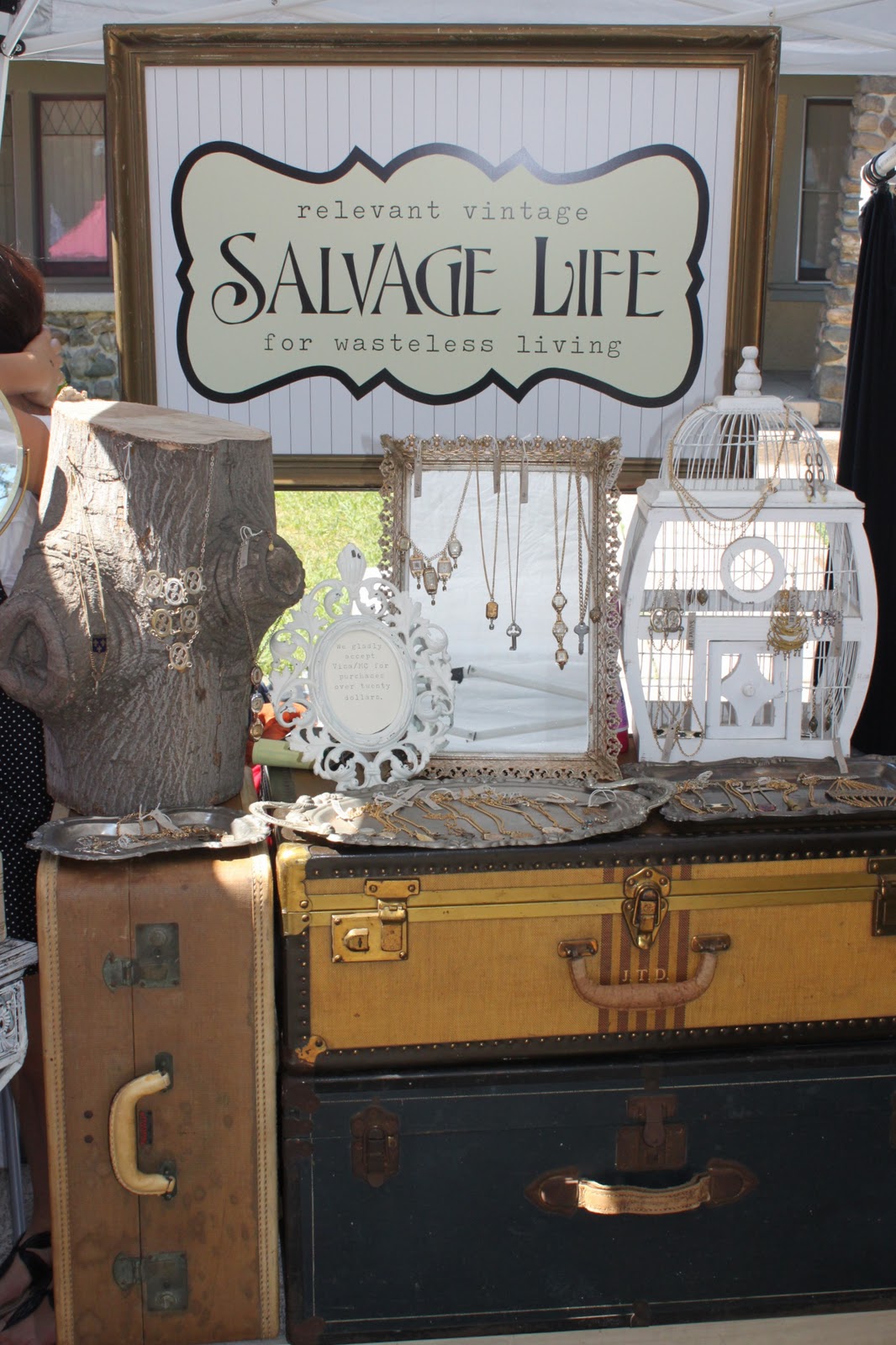
Funeral Tracking: The Woman Salvaging Vintage Wardrobes
The first time someone called Lydia Abate and asked her to come, she arrived with boxes, a small folding table and a quiet sense of purpose. She had read an obituary and was there within 48 hours, offering to clear a modest Brooklyn apartment of decades of clothing, linens and household goods. Families she approached were grieving, often overwhelmed by the sheer volume of possessions left behind. Lydia's offer was simple: a free, fast clean-out in exchange for any vintage or particularly interesting garments she found. For nearly six years she has done this repeatedly — a practice now referred to in some circles as "funeral tracking." It raises questions about grief, consent, the secondhand economy, and the value we place on objects when the people who loved them are gone.

Lydia Abate vintage collection
Inside Funeral Tracking: What It Is and How It Works
Definition and process
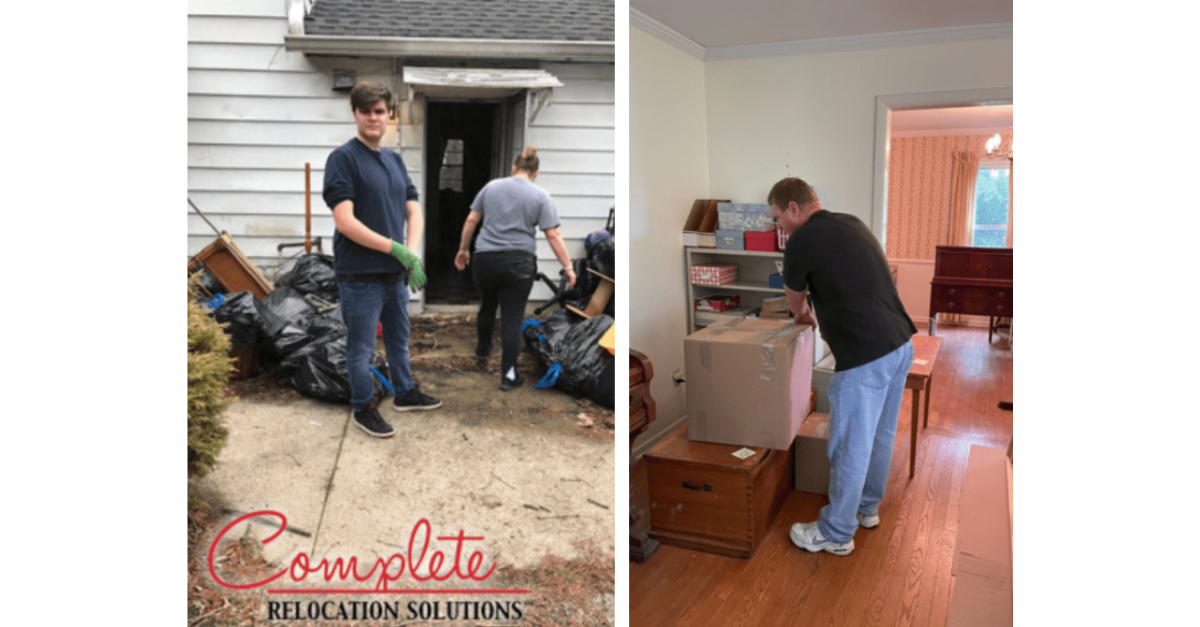
Funeral tracking is the practice of scanning public obituaries and death notices for recently deceased individuals, then contacting next of kin or executors to offer services such as estate clean-outs, hauling, or appraisal. Practitioners vary: some are estate liquidators, others are small-scale vintage collectors or thrift entrepreneurs who prioritize items that can be resold or repurposed. The core business model is often the same — provide a practical service families need at a time of vulnerability, and keep a portion of the belongings that have market value.
estate clean-out service
Why it happens quickly
There are logistical and emotional reasons the initial 24–72 hours after a death become a window of opportunity. Executors and families are dealing with funeral arrangements, legal paperwork and often lack the energy or capacity to inventory an entire home. Properties with no immediate family present — vacant rentals, single-person households, or relations who live far away — are particularly vulnerable. For someone like Lydia, speed matters: early access yields better chances of finding intact vintage clothing, labels, and unique textiles before they are thrown out, donated indiscriminately, or damaged.
A Profile: Lydia Abate's Method and Ethos
How she operates
Lydia's process, as described by neighbors and people who've interacted with her, is methodical. She monitors obituaries and public notices with a focus on particular neighborhoods. When she identifies a suitable case, she contacts a listed family member or the executor, explains her offer and sets a time to visit. During the clean-out she photographs, catalogs, and sometimes cleans items on-site. Any items she wants to keep are set aside, and she leaves a simple receipt or inventory list. Families receive the labor and the removal of clutter free of charge, but ultimately sign off on what is accepted — either explicitly or implicitly when they allow her to perform the clean-out.
What she looks for
Lydia specializes in vintage garments: mid-century coats, beaded evening dresses, fur stoles with intact labels, and textile pieces with provenance or unique workmanship. Beyond fashion, she has an eye for household textiles, quilts, and accessories that vintage buyers prize. Her goal is to salvage wearable pieces that can be authenticated and sold, while removing the rest so a property can be cleared quickly.

textile preservation techniques
'People grieve objects as much as they grieve people. What we do with the things left behind says a lot about who we are.'
Why Families Accept the Offer
Practicality and exhaustion
After a death, the immediate needs — funerals, paperwork, notifying relatives — leave many families exhausted. A free clean-out that takes a few hours off their plate can be an attractive option, and when combined with the idea that some items will be preserved in the vintage market, the choice can feel pragmatic. For families without strong attachment to particular garments or those who simply need fast clearance to sell or re-rent a property, an offer from someone like Lydia solves a problem.
bereavement assistance estate
Perceived fairness
There is a belief among some families that letting a vintage collector take a few pieces is better than donating a homeful of garments to an anonymous thrift store where the items might be undervalued or discarded. The person offering the service sometimes promises care and selective preservation, which can reassure relatives who want particular pieces to have a chance at new life rather than be lost in bulk donation.
Ethical and Emotional Complexities
Consent and power dynamics
There is an unavoidable ethical gray area in funeral tracking. Families are grieving, and offers made during that window can exploit vulnerability if not handled transparently. Full informed consent is crucial: families should understand what is being taken, how it will be used, whether anything of sentimental value could be requested later, and whether receipts or inventories will be provided. Even when consent exists, the power imbalance between a grieving family and a professional cleaner or buyer requires care and sensitivity.
ethical estate liquidation
Emotional labor and the weight of objects
Objects become memory anchors. A dress, a jacket, a quilt — these items can hold traces of rituals, relationships and identity. For some survivors, seeing a beloved garment removed can feel like an erasure of memory; for others, knowing it will be appreciated and preserved may be comforting. The same act can be experienced very differently depending on how it is framed and communicated.
Legal and Practical Considerations
Ownership and executor responsibilities
Legally, the person authorized to dispose of property is the executor or court-appointed representative. That means individuals approaching families should verify who has legal authority to consent to a clean-out. Ethically-minded practitioners generally request explicit permission and — when possible — documented consent. Problems arise when property is vacuumed up without proper authority, creating grounds for disputes or even criminal charges in rare cases.
Record-keeping and transparency
Good practice includes providing a dated inventory, a signed receipt, and a clear explanation of what will happen to the items. Some estate liquidators offer photos of salvaged items and follow-up communication, which helps families track what was kept and sold. For estates with potential probate implications, documentation is especially important to prevent later claims.
The Vintage Market and Sustainability Angle
Why vintage clothing matters commercially
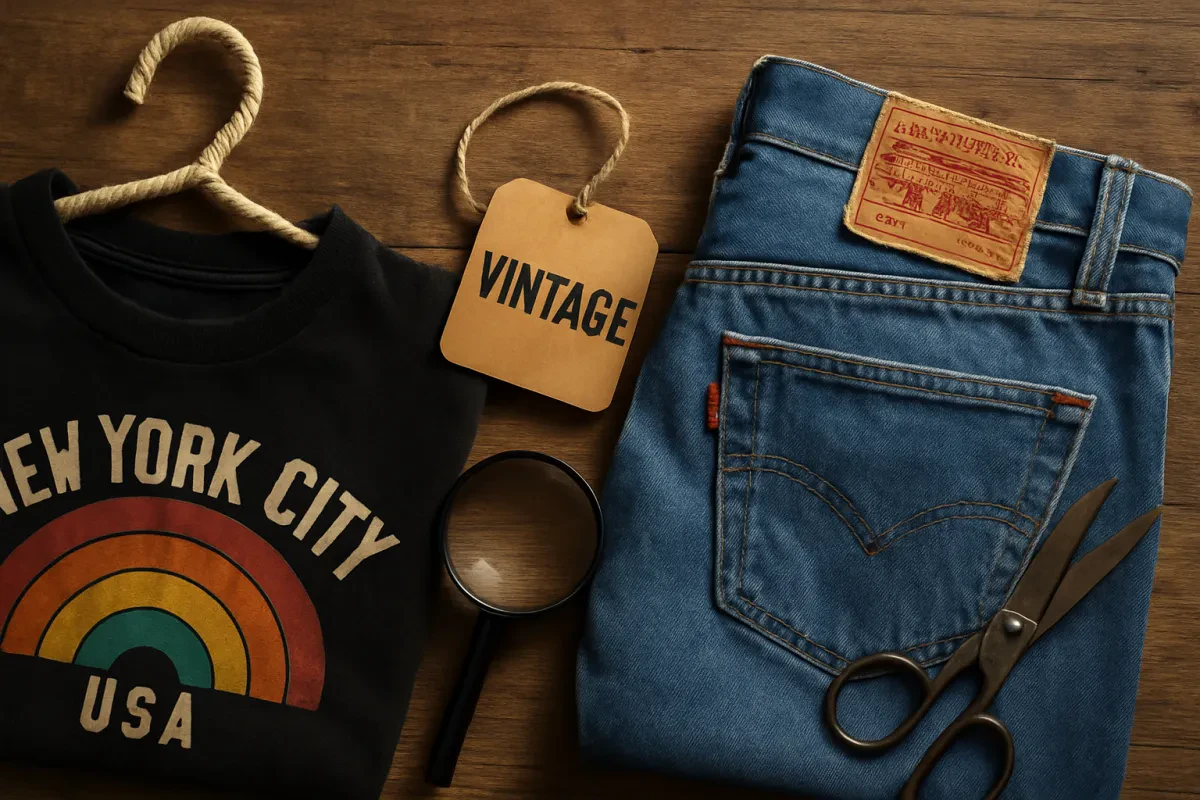
Vintage and secondhand clothing is one of the fastest-growing segments of the fashion industry. Collectors prize authenticity: original labels, intact linings, hand-stitched finishes, and fabrics that tell a story. Practitioners who can find, clean and authenticate such garments provide a valuable service to resale markets, museums, stylists and collectors. That commercial value is what motivates people like Lydia to scour obituaries and make time-sensitive offers.
vintage fashion authentication
Environmental benefit
There is an environmental case to be made: rescuing garments keeps textiles out of landfills and reduces demand for new production. In that sense, funeral tracking can be framed as a form of salvage recycling. But environmental benefits do not automatically justify questionable conduct; sustainability should not come at the cost of exploiting grief.
Community Reactions and Wider Debate
Supportive perspectives
Some families and community members applaud people who offer free clean-outs. They see the arrangement as practical, mutually beneficial and preferable to haphazard disposal. In neighborhoods with active vintage scenes, rescuers are sometimes appreciated for preserving cultural artifacts that might otherwise be thrown away.
Critics and concerns
Others view the practice with suspicion. Critics argue that approaching grieving families with a commercial proposal can feel predatory if transparency is lacking. There are also concerns about privacy—obituaries are public, but the sudden arrival of collectors at a sorrowful scene can be jarring for relatives already coping with loss.
'It's not just about the clothes. It's about timing, trust and what we value when a life ends.'
Practical Advice for Families and Practitioners
For families: how to protect yourself
- Ask for identification and written terms of the clean-out.
- Request a dated inventory or photographs of anything that will be removed.
- Take your time when possible — you can often schedule a clean-out several days after the funeral to consult relatives.
- Prioritize sentimental items and set those aside before any outsider handles the estate.
- Verify legal authority — make sure the person consenting to disposal is the executor or has written permission.
For practitioners: ethical best practices
- Be transparent about what you will keep and how items will be sold or preserved.
- Provide documentation — a simple itemized receipt can prevent disputes.
- Offer time for families to reach others; avoid pressuring people to make immediate decisions.
- Respect privacy and be mindful of images and stories you share publicly.
- Return items if requested within a reasonable period, especially small sentimental objects.
Alternatives and Middle Grounds
Donation partnerships
Some responsible estate-clearing practitioners form partnerships with local historical societies, museums, or curated vintage dealers to ensure valuable pieces are preserved with context. Alternatively, offering families the option to donate certain garments to charity with documented receipts provides both a community benefit and a paper trail.
Community-based solutions
Neighborhood initiatives and faith-based groups sometimes organize volunteers to help with non-commercial clean-outs. These programs provide labor without the exchange of goods, reducing the pressure on grieving families to make quick decisions about possessions.
Conclusion: What Funeral Tracking Reveals About Value
The practice of funeral tracking centers uncomfortable questions: Who has the right to decide what lives on? How do we balance practical needs with respect for memory? Lydia Abate's work, and the broader set of people doing similar work, forces us to think about the afterlife of material culture. When handled ethically, these rescues can save artifacts and reduce waste. When handled poorly, they can feel like opportunism at a fragile time.
As thrift and vintage markets continue to grow, it will be important for practitioners, families and communities to develop shared norms: clear consent, transparent documentation, and respect for sentiment. Those norms protect both the dignity of the deceased and the long-term viability of a secondhand economy that can, at its best, be both sustainable and reverent.
- Funeral tracking involves rapid offers of estate clean-outs in exchange for salvageable items—often vintage clothing.
- Speed creates opportunities but also ethical risks; consent and documentation are essential.
- There are environmental and cultural benefits to rescuing vintage garments, but not at the expense of exploiting grieving families.
- Families should request written inventories and time to consult; practitioners should prioritize transparency and respect.
This article explores the practice broadly and does not serve as legal advice. For estate-specific questions consult a licensed professional.