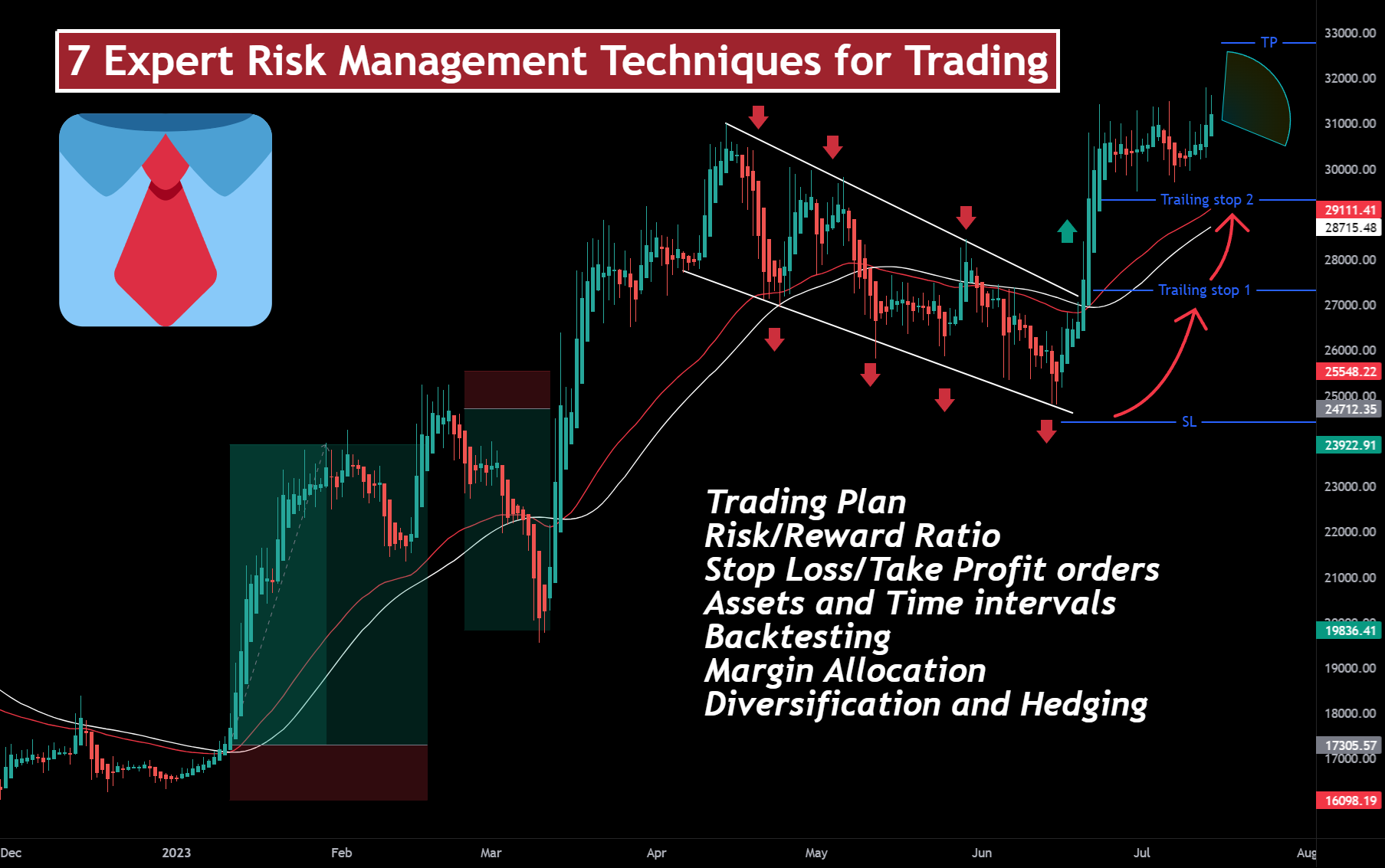
From $5 to $100M: What a Trader Taught Me About Risk
The headline reads like a late-night infomercial: a frustrated novice tosses five dollars into the market and a decade later walks away a hundred-millionaire. But beneath the glamour and the inevitable social-media thumbnails lies a smaller, stranger truth about how risk behaves when you combine edge, survival, compounding, and willingness to do the unglamorous work of protecting capital. This article is not a get-rich shortcut. It is an attempt to decode one dramatic story into a durable map anyone can use to understand, measure, and manage risk—whether you trade with five dollars, five thousand, or five million.
THE STORY
How it began
The trader at the center of this profile began with what most would call an experiment: a tiny account funded not to make a living but to learn. Five dollars represented a limit on loss that felt safe to the account holder. What the money bought, however, was permission—to try strategies, to track emotions, to discover an edge. Early wins were modest, often offset by small losses. The turning point wasn't a single trade; it was a change in process.
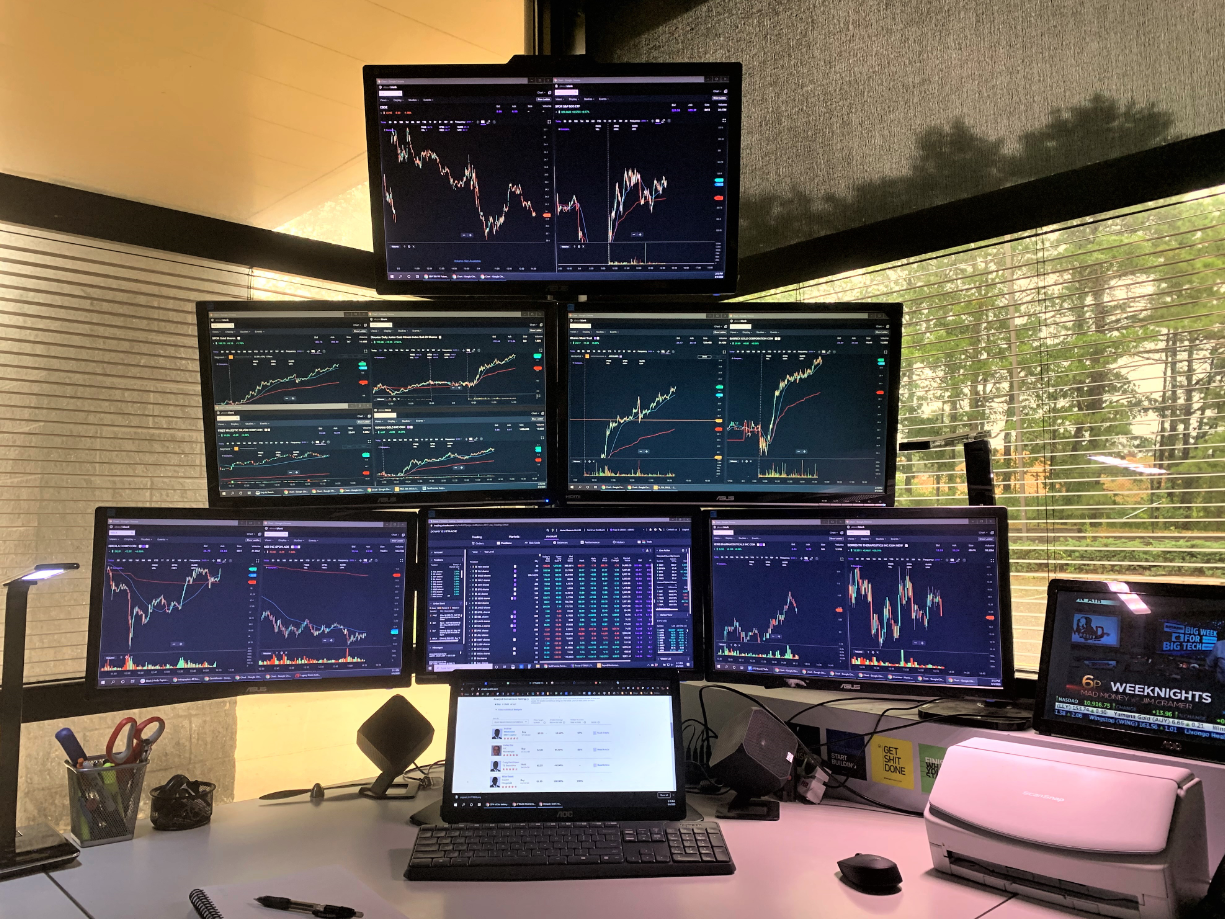
Caption describing the image: trading desk computer setup
A change in process
Instead of doubling down on lucky bets, the trader treated each trade as a data point. He built a simple edge and insisted on two rules: protect the account and scale only when a repeatable edge appeared. Over time those decisions—frictionless to read but hard to execute under stress—led to a compounding engine. Wins were reinvested, risk controls were tightened, and the account grew unevenly but relentlessly.

Caption describing the image: stock market trading screen
Survival is the first form of leverage; without staying in the game you never compound your advantages.
WHAT TURNED SMALL WINS INTO A FORTUNE
Edge + Reproducibility
Any trader who scales must answer one question: can this edge be reproduced? An edge is a measurable advantage—a pattern, an inefficiency, or an information asymmetry that produces positive expected returns after costs. The trader in this story found edges in microstructure: short-lived liquidity imbalances and event-driven dislocations that a nimble execution system could exploit. Crucially, he tested these patterns across market regimes and used strict entry rules. When the edge failed to reproduce, he stepped back.
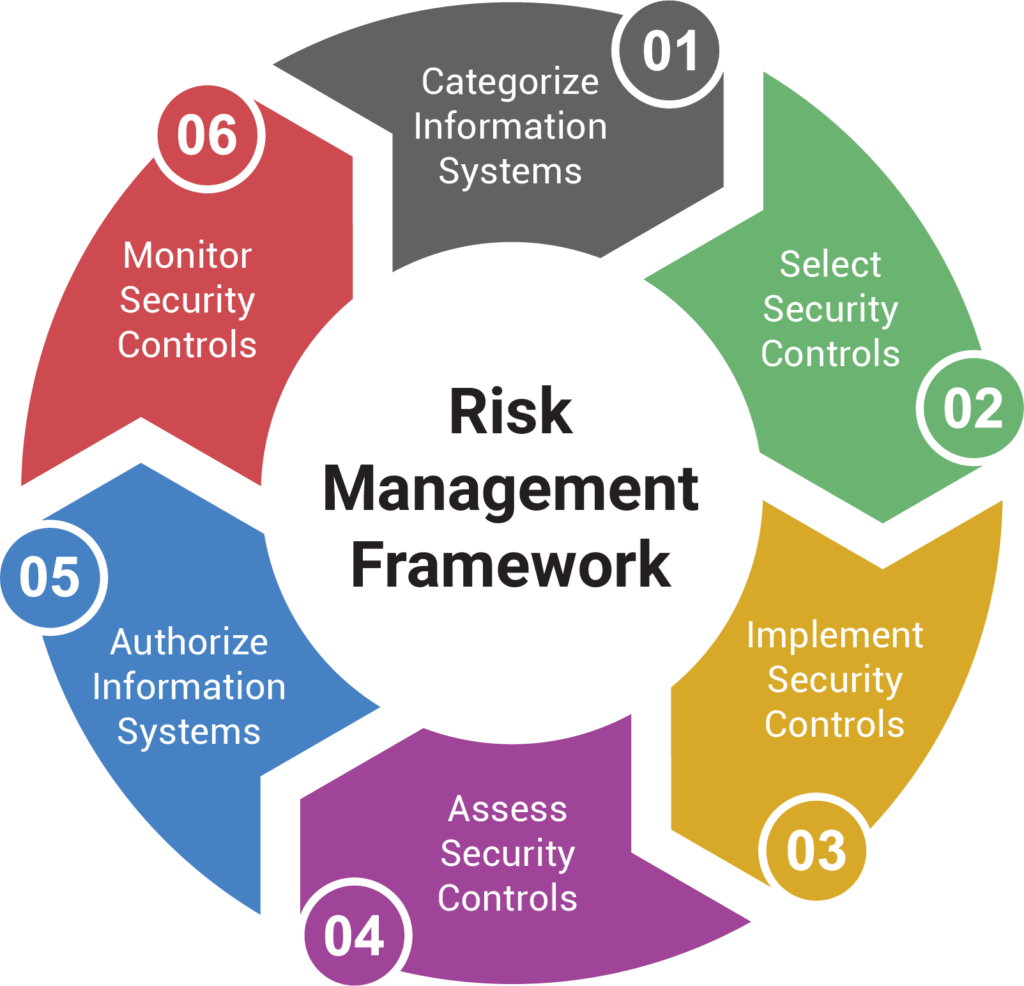
Caption describing the image: risk management framework chart
Risk sizing and the little math of survival
Most people think of risk as volatility—the size of price swings. The more important operational quantity, however, is the probability of ruin. Simple math shows that if you lose 50% you must earn 100% to get back to even. The trader set loss limits on each trade that prioritized survival. He used a dynamic position-sizing rule: when volatility was low, exposure was increased slightly; when volatility spiked, positions were shrunk. That behavior preserved capital and let gains compound.
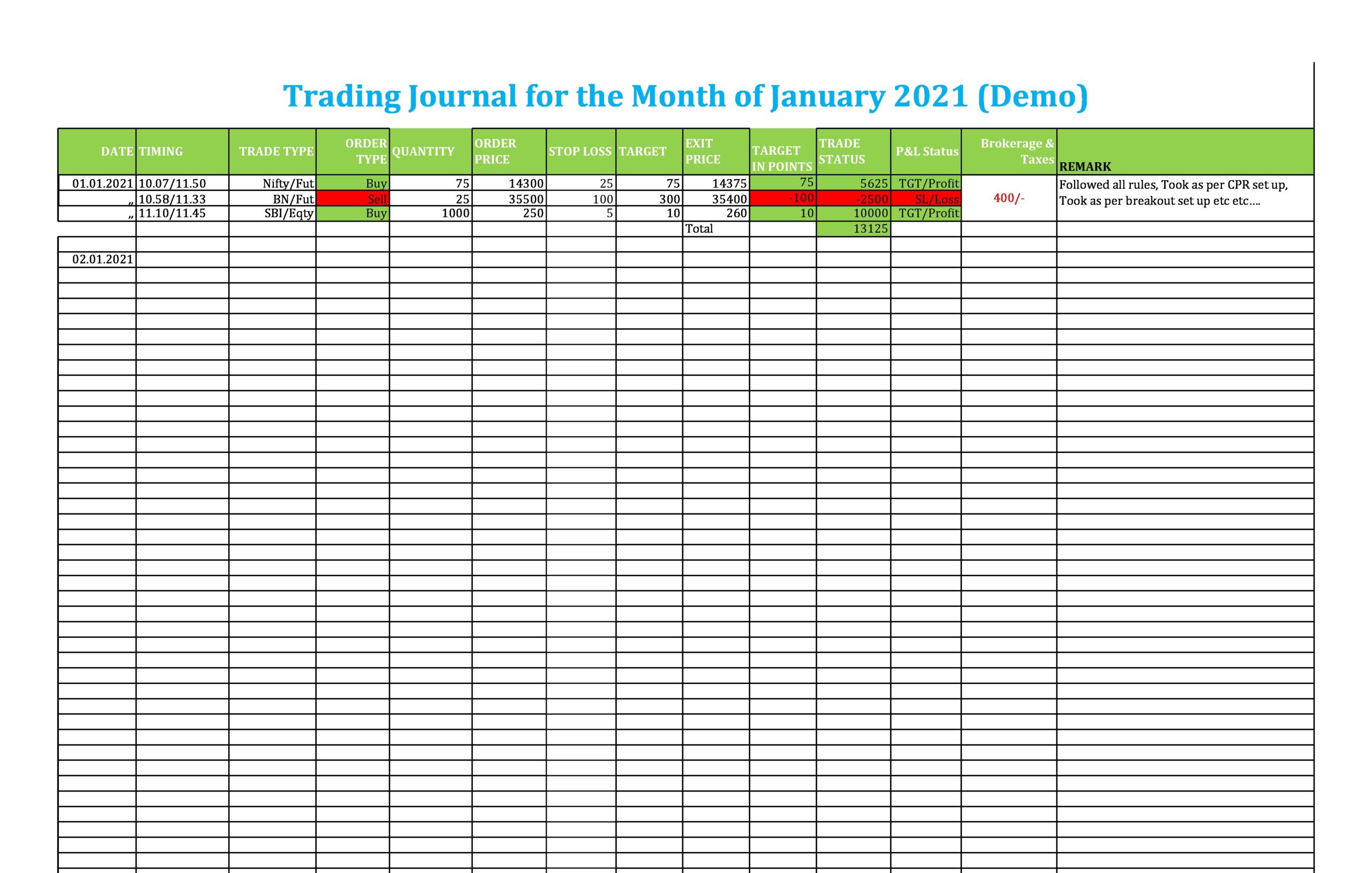
Caption describing the image: trading journal notebook entries
THE ILLUSION OF FAST WEALTH
Survivorship bias and storytelling
Stories about outsized outcomes train attention on winners and ignore the thousands who failed. Survivorship bias distorts how we perceive risk. The vast majority of accounts that attempt a moonshot fail early because of leverage, fees, or poor trade execution. Our trader recognized this and designed systems to be in the minority that survived long enough to compound a real edge into extraordinary wealth.
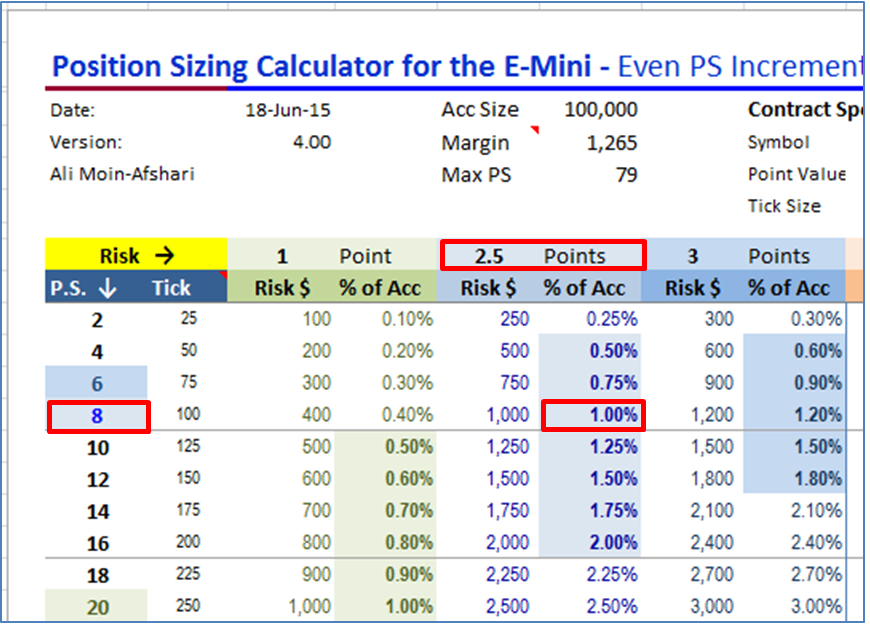
Caption describing the image: position sizing calculator tool
The role of luck and skill
Any long story like this interweaves luck and skill. Early luck can make an untested strategy look convincing; early skill without structural risk controls can vanish under a single market shock. This trader deliberately separated signal from noise by building experiments with clear success criteria and by requiring consistent results across many samples before scaling.
A FRAMEWORK FOR RISK THAT SCALES
Four rules he lived by
- Rule 1 — Protect the base capital: before trying to maximize returns, protect the capital that allows you to play another day.
- Rule 2 — Test small, then scale: validate an approach on low notional; only scale when variance and expectancy are well understood.
- Rule 3 — Know your drawdown tolerance: design positions so the worst plausible drawdown won’t end your ability to trade.
- Rule 4 — Keep the math simple: use straightforward position-sizing formulas and review them publicly in a trade journal.

Caption describing the image: trading psychology mindfulness exercise
How compounding actually worked
Compounding is mundane. A 20% annual return on a small base is nothing spectacular. But consistent 20% returns for 15 years will multiply wealth dramatically. What transformed this trader’s path was not a single 10,000% return but a prolonged period of above-market returns achieved by committing modest portions of capital to high-probability setups and then reinvesting gains while maintaining strict drawdown limits.
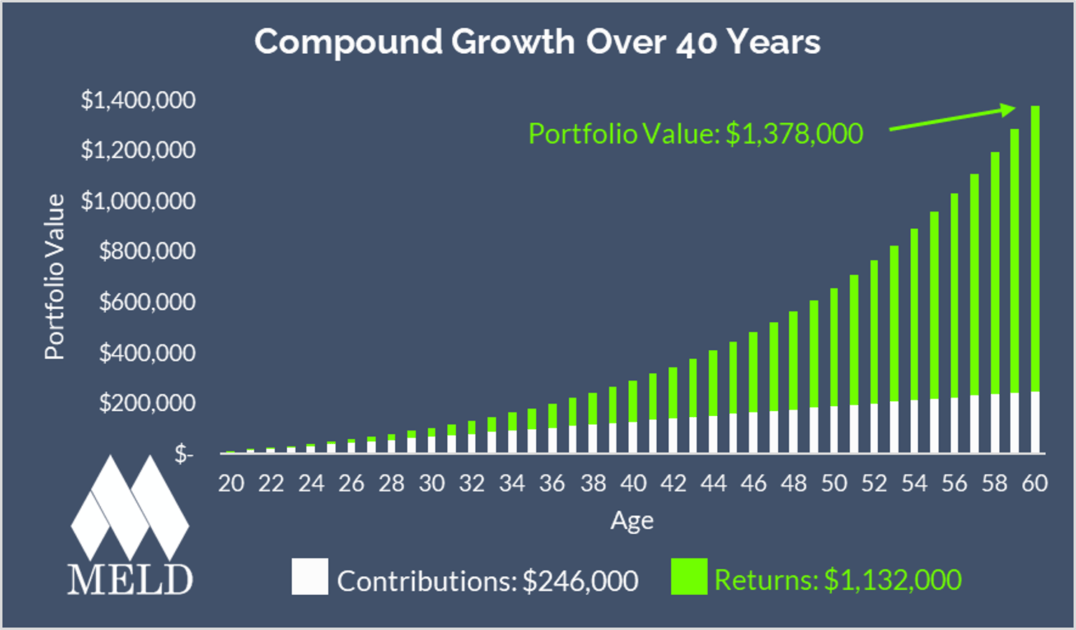
Caption describing the image: compounding wealth growth graph
TOOLS, HABITS, AND INFRASTRUCTURE
Execution and technology
Turning a tiny account into a massive one requires operational excellence. The trader invested early in tools that reduced friction: fast execution, reliable data, and automated position-sizing. When milliseconds matter, execution quality can turn an edge into noise. He also kept an obsessive trade journal—recording intent, execution, and outcome—and reviewed it weekly.
Psychology and routine
Winning systems are built by people who control their impulses. The trader developed rituals to manage stress: pre-market checklists, explicit rules for when not to trade, and a few simple breathing exercises before important decisions. He also scheduled regular breaks to avoid cognitive fatigue. Over years, these routines prevented small losses from inflating into account-ending mistakes.
MYTHS AND REALITIES
Myth: Big returns require big risk
Reality: Big returns require big edge, not necessarily big risk. Aggressive leverage can produce spectacular gains but it also produces permanent loss. The difference is whether risk is controlled and whether leverage is used as a measured accelerator rather than a permanent state.
Myth: You need proprietary secrets
Reality: Many profitable strategies are simple and accessible; their value lies in rigorous implementation, discipline, and cost control. Execution, timing, and risk control matter more than exotic signals.
APPLYING THESE LESSONS—A PRACTICAL CHECKLIST
A simple checklist to manage risk
- Define capital at risk for each trade as a percentage of total equity.
- Estimate worst-case drawdown and ensure you have a recovery plan.
- Measure edge with backtests and out-of-sample experiments; require consistent results before scaling.
- Automate position sizing so emotion cannot inflate exposure after wins or losses.
- Journal every trade with intent, execution, and outcome; review weekly and monthly.
ETHICS, LUCK, AND WHAT WE OWE TO THE STORY
Extraordinary personal financial stories attract attention and emulation, which makes responsibility important. The trader’s rise involved ethical choices—avoiding temptations to misrepresent performance, refusing to sell courses, and acknowledging luck when it appeared. Those decisions preserved credibility and allowed the trader to build longer-term opportunities beyond trading; credibility compounds too, but it is fragile.
Credibility compounds: a reputation for honest process often unlocks opportunities that returns alone cannot.
CONCLUSION
The headline "From $5 to $100M" is both a hook and a test. It asks us whether we can look past the money and see the system: stringent capital protection, reproducible edge, disciplined scaling, and a long-term view on compounding. The practical lesson is this: risk management is not a constraint on returns; it is the engine that allows returns to compound. Anyone who wants to scale must start with survival and then design everything—position size, execution, psychology—around staying in the game.
- Protect capital first; growth follows survival.
- Scale only after demonstrating reproducible edge across regimes.
- Use simple, percentage-based position sizing to avoid ruin.
- Journal aggressively and treat luck and skill with humility.
The specifics of any trader's journey are unique; use this story as a framework, not a formula.