
France Replaces Windows with Linux to Reduce US Tech Dependence
The decision by France's public sector to pivot large parts of its desktop estate away from a dominant proprietary operating system toward Linux is more than an IT refresh; it is a strategic statement about sovereignty, security and long-term cost control. Beyond headlines and political posturing, the migration exposes competing incentives — technical, fiscal and geopolitical — that shape how modern states buy and operate technology. This article unpacks why France would make such a move, what it takes to migrate millions of endpoints, the technical and human challenges involved, and what it might mean for governments and enterprises worldwide.

French government desktop computers
Why France Is Reconsidering the Desktop
At its core the debate is straightforward: the public administration wants control. Dependence on a single, foreign-owned vendor for desktop operating systems creates perceived and real vulnerabilities. These range from supply-chain opacity and licensing unpredictability to the political risk that critical software might be subject to foreign laws or government pressure. For a country that defines itself as a leader in European digital sovereignty, the desktop is a visible and symbolic place to assert independence.

Government IT infrastructure France
Sovereignty and Security: Separate but Overlapping Goals
Security concerns are frequently framed in terms of vulnerability management and access to source code. Open-source operating systems such as Linux allow national IT teams and independent auditors to inspect code, develop custom patches, and verify there are no backdoors. For security-conscious agencies — justice, defense, finance and critical infrastructure regulators — that ability is compelling. Equally important is the political dimension: reducing reliance on non-EU suppliers aligns with broader policy objectives to keep sensitive data and decision-making inside European regulatory frameworks.

French digital sovereignty policy
Cost and Control: The Economics of Migration
Proprietary licensing costs are a tangible driver. Large, long-running license agreements can become expensive and inflexible. Switching to Linux promises lower recurring licensing expenditure and the option to redirect budget toward local support, training and development. That said, a migration is not free: there are upfront project costs for testing, retraining staff, migration tooling, and compatibility work that must be weighed against multi-year savings.
A migration for sovereignty is as much about governance and trust as it is about code.
Technical Challenges: What the Migration Entails
Moving an office full of users from one operating system to another is a complex technical project. It requires careful assessment of application compatibility, peripheral support (printers, scanners, specialized hardware), authentication integration with identity providers, and endpoint security policies. Many French administrations use bespoke or legacy applications built around Windows-specific frameworks; porting these to Linux or replacing them with web-based alternatives requires time and technical investment.
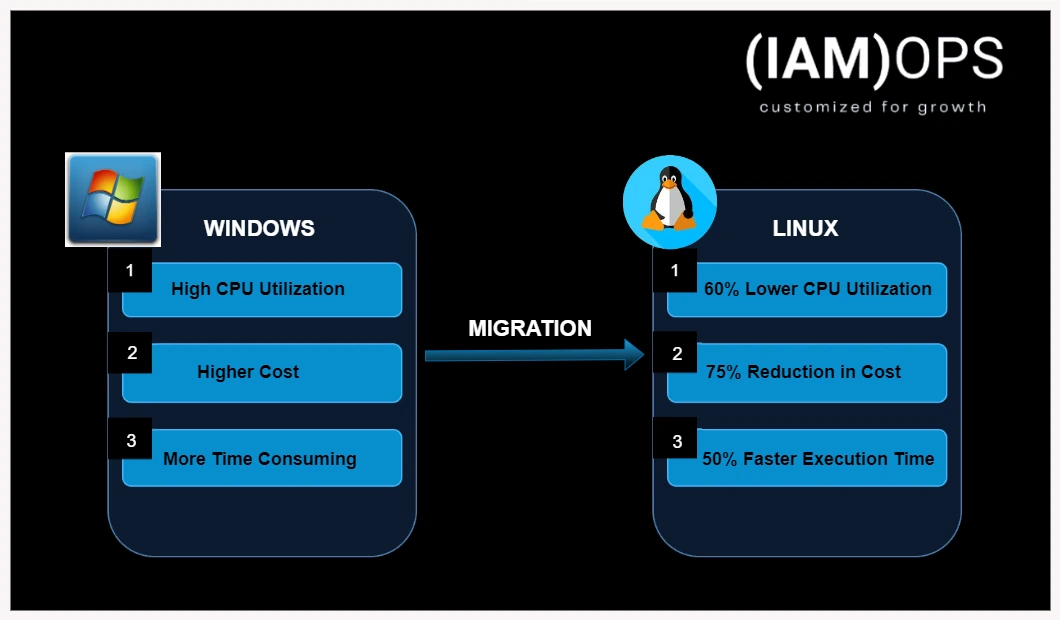
Windows to Linux migration process
Compatibility and Application Strategy
There are a few pragmatic approaches: (1) run familiar Windows applications inside compatibility layers or virtual machines; (2) replace Windows-native apps with equivalent open-source or cross-platform software; or (3) move functionality to the web where a browser becomes the primary interface. Each option has trade-offs. Compatibility layers and VMs preserve user workflows but may carry performance and maintenance overhead. Native replacements encourage long-term independence but demand retraining and potential feature gaps.
Security, Patching and Lifecycle Management
One advantage of moving to a Linux distribution maintained by a committed community or an enterprise vendor is predictable patch cadence and the ability to control update rollouts. However, that control shifts responsibility to local IT teams and procurement to ensure a secure supply chain for updates. The public sector must invest in robust patch-management tooling, endpoint security agents compatible with the chosen distribution, and continuous vulnerability scanning.
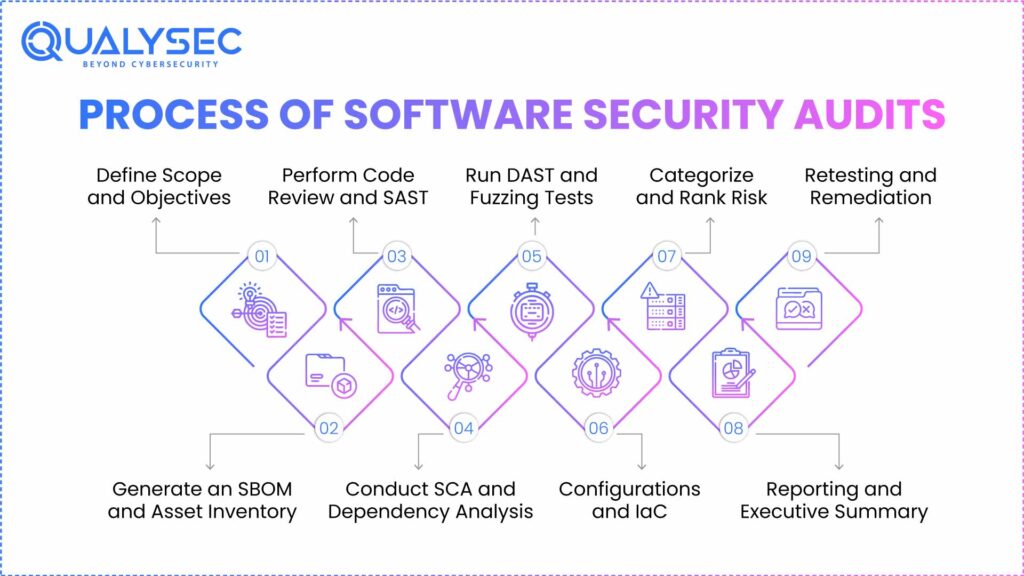
Open source software security audit
Organizational and Human Factors
Technical changes succeed or fail based on people. A bold migration plan requires stakeholder buy-in from civil servants, elected officials and unions. Training programs that translate familiar workflows into the Linux environment are essential. For many users the challenge is not the OS itself but habits built around specific applications, file locations and support expectations.
Change Management and Training
Successful migrations typically pair technical pilots with a phased rollout, comprehensive helpdesk expansions and user education campaigns. Early pilot groups, such as administrative staff with standard productivity needs, serve as testing grounds. Feedback loops between end users and IT teams reduce friction and identify hidden compatibility issues early.
Workforce Opportunities
Transitioning to open-source stacks can nurture local talent. Government contracts for support, customization, and training create demand for domestic service providers, consultants and academic partnerships. Over time, this can strengthen the local software ecosystem and reduce reliance on foreign vendors for specialized skills.
If done well, a migration grows a nation's digital skills as much as it reduces an external dependency.
Policy, Procurement and Legal Considerations
Beyond technology, procurement rules and legal frameworks shape what is possible. Public procurement law in many countries, including across Europe, demands fairness, competition and transparency. That framework supports the use of open-source by allowing governments to specify functionality and interoperability rather than brand names, but it also imposes rigorous tender and evaluation processes that can slow decision-making.
Vendor Lock-In and Contract Architecture
One regulatory remedy is to emphasize modular contracts and open standards. By specifying open interfaces, machine-readable data formats, and clear exit terms, administrations can avoid re-creating the same lock-in in a different form. This requires procurement officers with technical literacy and a willingness to write contracts that prioritize portability and community stewardship.

European technology independence strategy
What Success Looks Like in Practice
Realistic success is incremental. A typical roadmap includes: a discovery phase; several pilot deployments across different administrative profiles; an expanded rollout with local support hubs; and finally an optimization phase where the system is hardened, automated and integrated with other public services. Transparent reporting and measurable KPIs are crucial to maintain political and public support.
Metrics to Watch
- Compatibility rate — percentage of critical applications running without functional loss.
- User satisfaction — surveys and helpdesk call volumes post-rollout.
- Cost per seat — total program cost divided by migrated workstations over a multi-year horizon.
- Security posture — time to patch and frequency of reported incidents.
International Implications and Market Signals
A high-profile national migration sends a signal to software vendors and cloud providers. If other governments follow, it may reshape procurement strategies and encourage the creation of more enterprise-grade open-source offerings. Conversely, vendors may respond with better terms, data localization guarantees, or new hybrid deployment models that keep sensitive workloads inside a sovereign perimeter while consuming managed services.
A Model for Europe?
For EU states, collaborative procurement or shared engineering efforts could produce common desktop images, security baselines and shared support contracts. That would reduce duplication and accelerate maturity. But coordination across ministries and nations is politically challenging and requires alignment on threat models and acceptable risk.
- Increased control over code and update paths.
- Potential cost savings on licensing fees.
- Stimulus for local tech industry and skills development.
- Upfront migration costs and retraining needs.
- Compatibility gaps with legacy Windows-native applications.
- Responsibility shift to local IT for security and updates.
Risks and Unintended Consequences
No large-scale IT change is risk-free. Poorly planned migrations can lead to productivity loss, vendor backlash, or a fragmented landscape where different ministries adopt incompatible Linux distributions. Furthermore, if the government outsources support to a single third party, it risks trading one vendor lock-in for another.
Caution Beware the 'lift-and-shift' mentality. Simply replacing the desktop OS without re-evaluating workflows, security models and application portfolios can magnify problems rather than solve them.