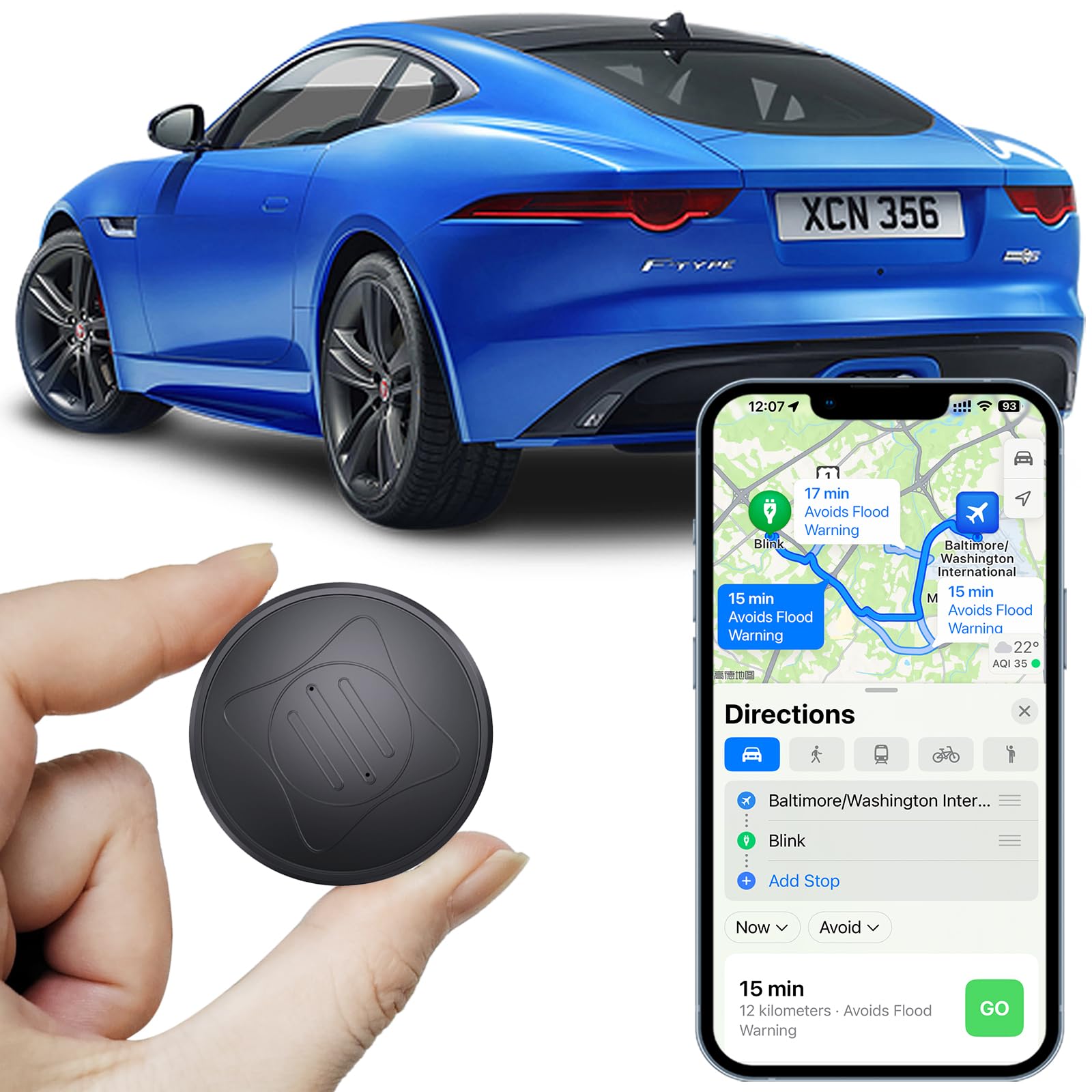
Found a GPS Tracker on Your Car? What to Do Next
There is a particular panic that arrives with the cold metal of an unfamiliar device taped to the underside of your bumper or tucked into a wheel well. It can feel intimate and violating: someone else mapping your movements. The good news is that you don't need to guess what to do or react from fear. This article walks you through calm, practical steps to protect your safety, preserve evidence, and reduce the chance of being tracked again.
What Is That Device? Types of Trackers You Might Find
Before you remove anything, it helps to know what you might be looking at. Not every unknown object is a GPS tracker, and not every tracker looks like a tiny black box on a magnet. Common types include magnetic GPS units designed to cling to a metal surface, small Bluetooth tags that pair with nearby phones, OBD-II trackers that plug into the car's diagnostics port, and improvised devices hidden inside panels or under interiors.
Magnetic GPS trackers are among the most obvious: they stick to the chassis or bumper and can contain a battery lasting days to months. Bluetooth tags (similar to consumer "find my" devices) are often small and plastic and can be discovered with a Bluetooth scan. OBD-II trackers draw power from your vehicle and typically sit inside the cabin beneath the dashboard. Each type behaves differently and requires a different response.
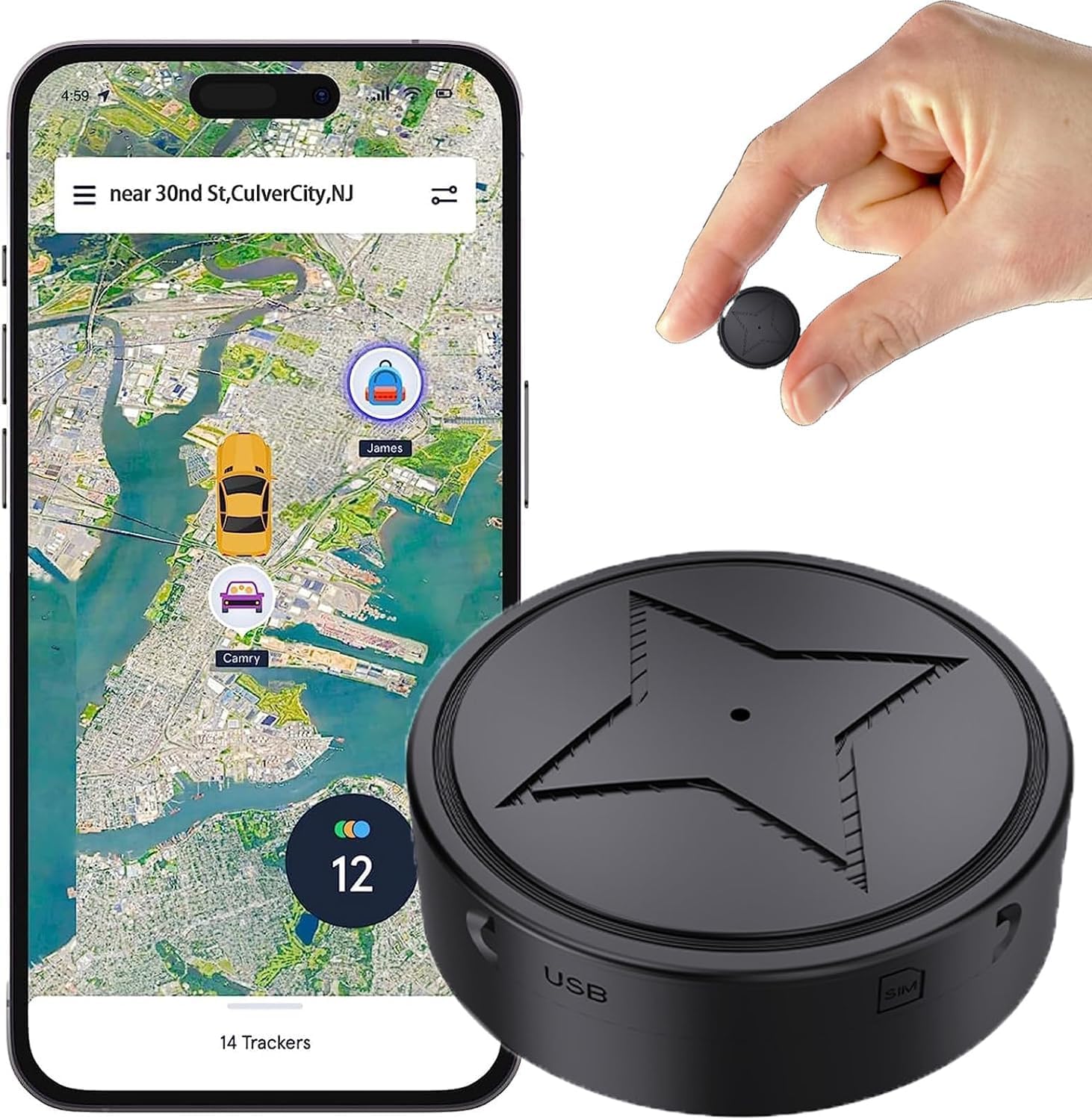
A typical magnetic GPS tracker that can be attached to the metal chassis of a vehicle
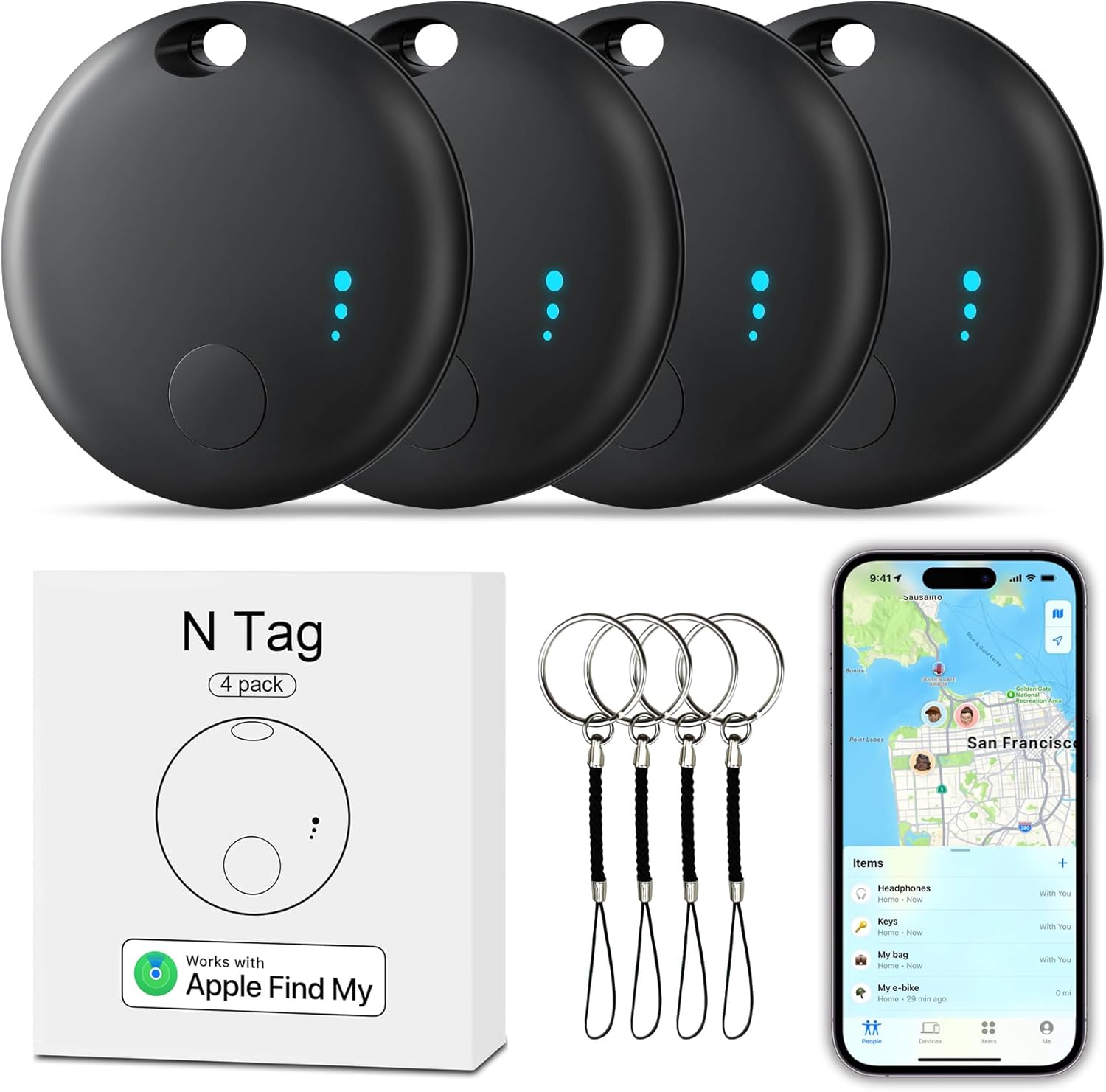
Small Bluetooth tracking tags that pair with nearby phones
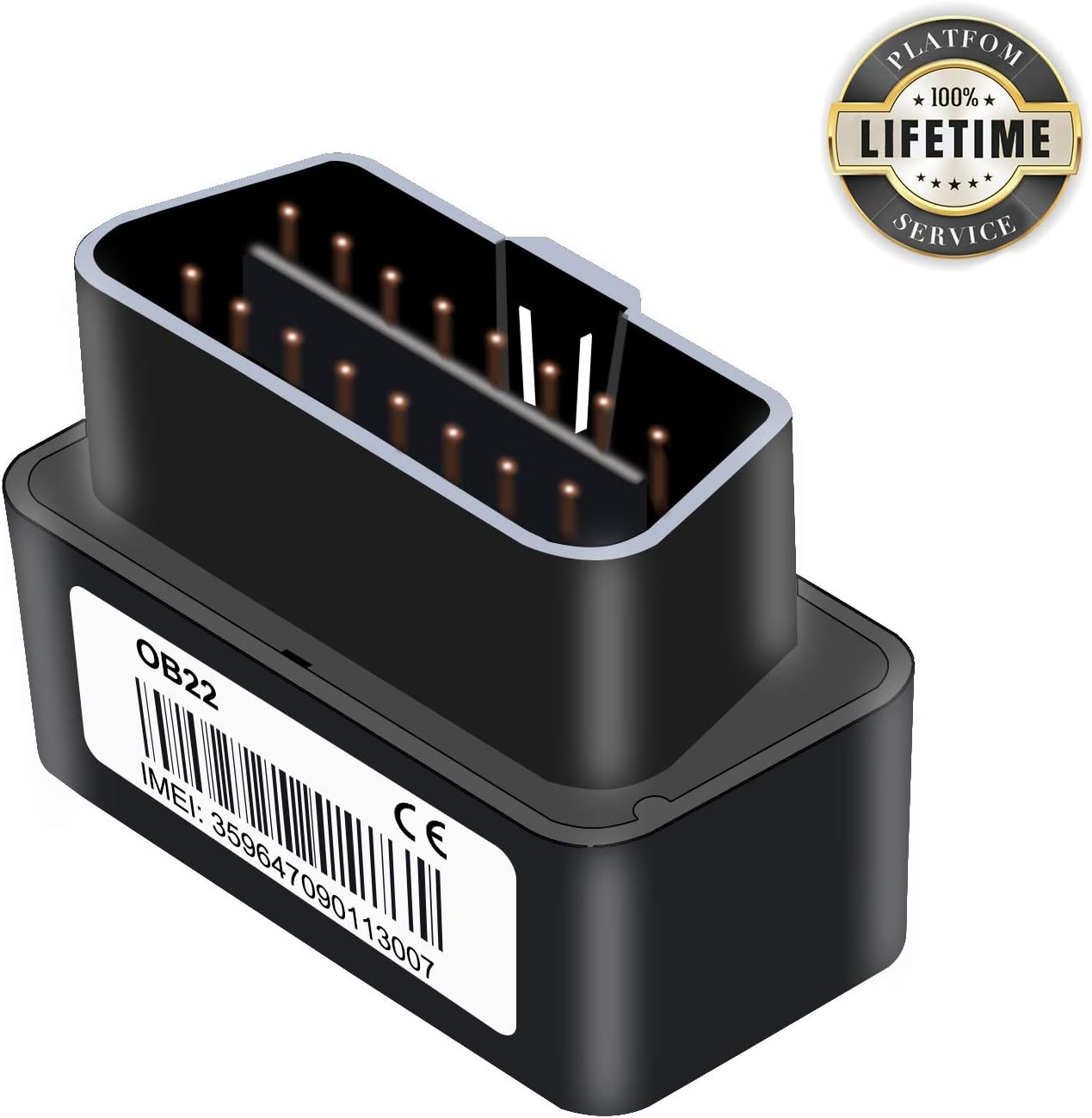
An OBD-II tracker plugged into a vehicle's diagnostic port
Immediate Safety Steps — What to Do Right Now
If you find a suspicious device on your car, follow these immediate actions to prioritize your safety and evidence preservation:
- Don't panic. Take a breath and assess your surroundings.
- Don't immediately drive home. If you suspect you're being followed, returning to a private address could escalate risk or alert the tracker's owner to your route.
- Document the device. Use your phone to take clear photos of the device and its placement before you touch it. Capture the vehicle's location, GPS coordinates if possible, and the surrounding area.
- Move to a safe, public place. Drive slowly to a well-lit area with other people, such as a gas station, police station parking lot, or a 24-hour business.
- Call law enforcement. Report the device and ask for instructions. If you feel threatened or discover evidence of stalking, call emergency services.

Move to a well-lit, safe public location before inspecting the device
If You Think You're Being Followed Right Now
Real-time suspicion — when you believe someone is following you as you drive — calls for a different set of steps focused on immediate safety:
- Stay on public roads. Avoid turning into secluded streets, parking in private driveways, or stopping in isolated areas.
- Do not drive home. Instead, continue to a well-populated place like a police station, hospital, or busy commercial center.
- Vary your route. Make deliberate turns, use highways and multi-lane roads, and avoid predictable patterns.
- Don't confront the follower. Confrontation can be dangerous. Keep distance and maintain visibility.
- Call emergency services if you feel threatened. Provide your location, direction of travel, and a description of the vehicle that may be following you.
Document, preserve, and prioritize safety — in that order. Evidence is powerful, but your life and well-being come first.
How to Inspect Your Car Safely: A Step-by-Step Guide
When it's safe to do a more thorough inspection, use gloves and a flashlight and follow these steps. If you have any doubt about safety or the device appears rigged, wait for police or a professional to help.
- Scan visually around the exterior — bumpers, wheel wells, undercarriage, behind mud flaps, and around the spare tire compartment. Look for fresh adhesive, zip ties, or wiring that doesn't match factory routing.
- Use a magnet or a metal mirror to inspect under the vehicle where your neck or hands can't reach safely. Many magnetic trackers are small but create a visible shadow or outline on close inspection.
- Check inside the cabin — under seats, inside the glovebox, behind trim panels, and in center consoles. OBD-II trackers usually sit beneath the dashboard near the steering column.
- Perform a Bluetooth and wireless scan with a smartphone app. A Bluetooth scanner can reveal nearby tags; keep in mind a tracker may be inactive or broadcasting intermittently to conserve battery.
- Listen for unusual beeps or hums when the car is turned off and unlocked. Some devices emit periodic signals that can betray their presence.
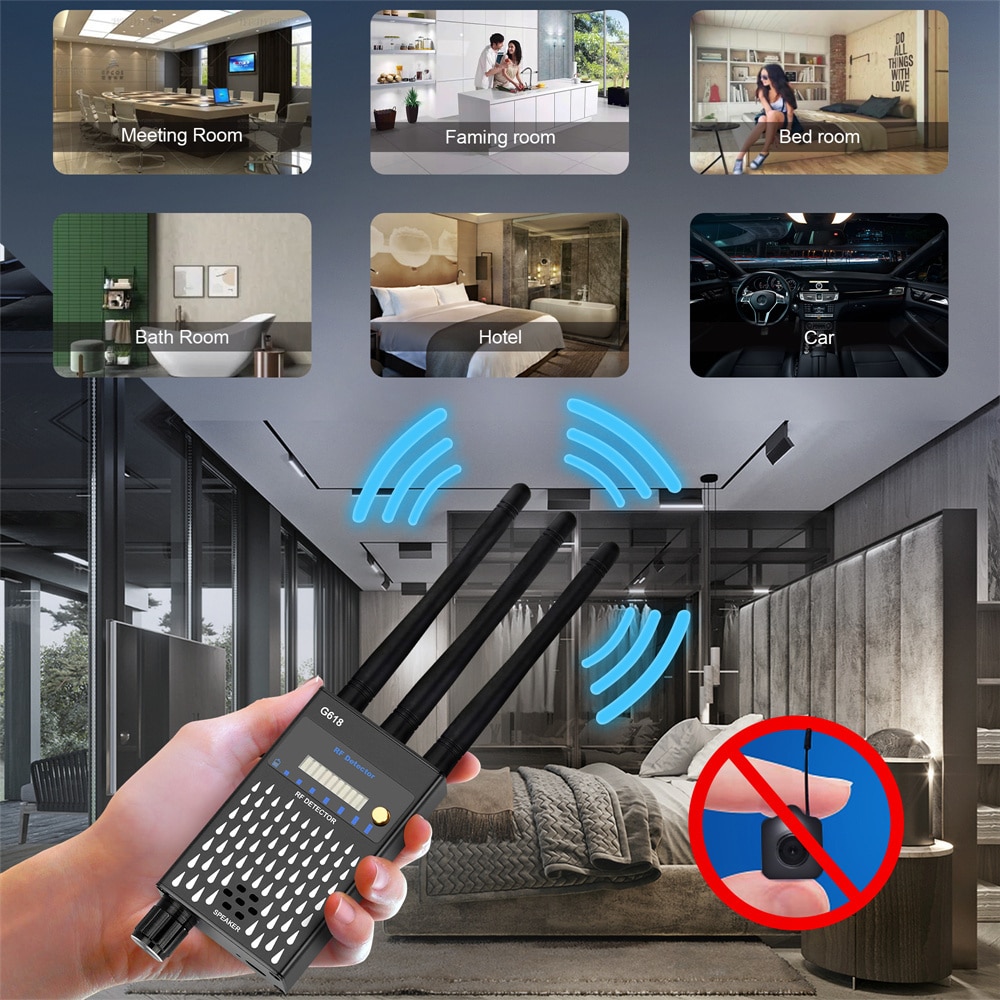
An RF detector device can help identify transmitting GPS trackers
Documenting and Preserving Evidence
If you discover a device, the way you document and preserve it will matter for any police report, insurance claim, or legal action.
- Photograph everything. Take overall shots showing the device's location on your vehicle and detailed close-ups. Photograph any wires, serial numbers, or labels.
- Note time and place. Record the date, time, exact address or nearby intersection, and your vehicle's make, model, and license plate number.
- Do not destroy evidence. Avoid smashing or dismantling the device. If you remove it, place it in a clean bag (paper or plastic) and preserve any fasteners, tape, or wiring intact.
- Make a written statement. Write a factual account of when and how you found the device, noting whether you believe you have been followed and why.
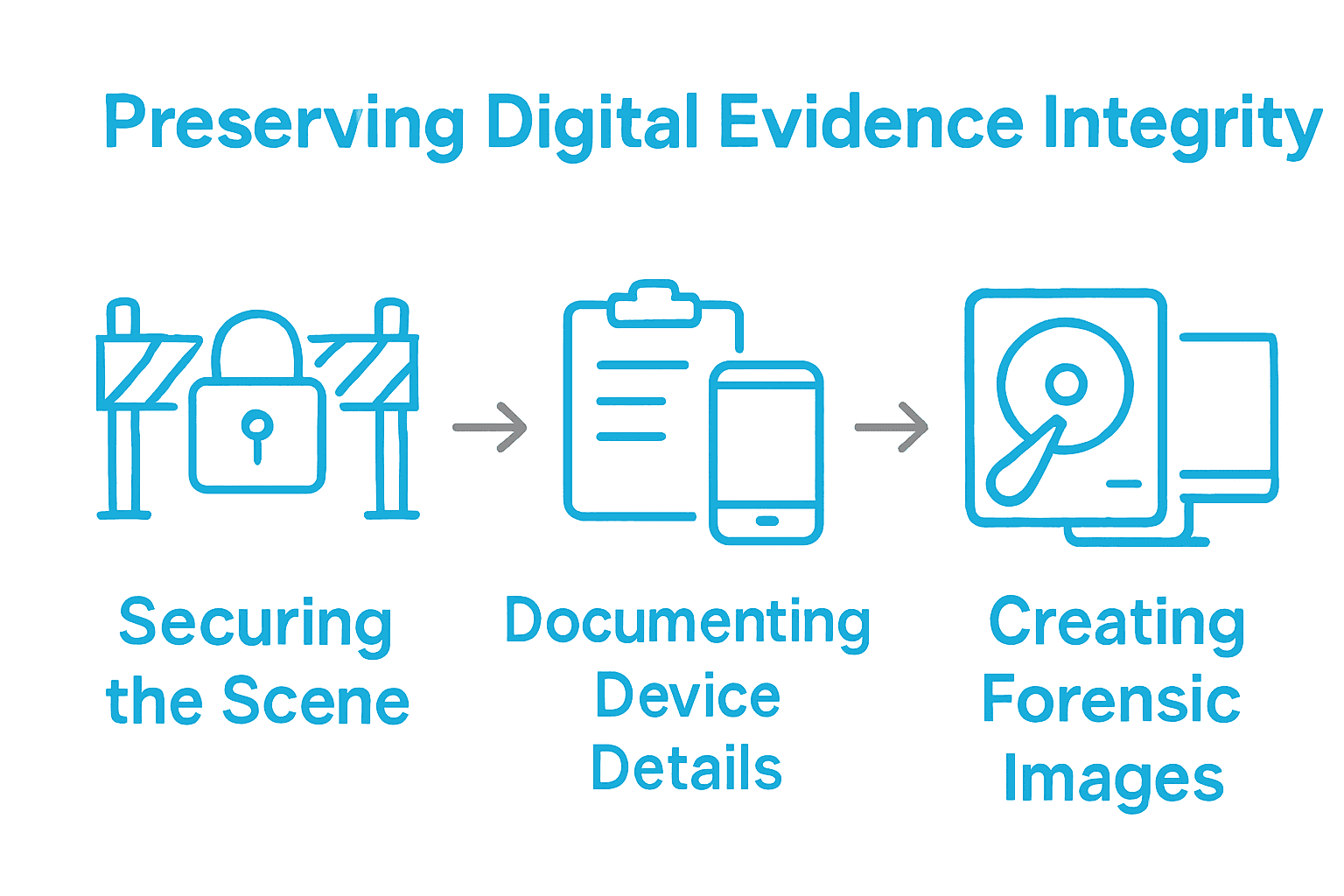
Properly preserve the device and all related materials as evidence
Contacting Law Enforcement and Reporting the Device
Call the non-emergency line for your local police department to report a suspicious device if you are not in immediate danger. If you feel threatened, call emergency services. Ask officers to take an evidence report and request that the device be logged into property or evidence for forensic analysis. Obtain a copy of the incident number or report for your records. If the police decline to take the device, keep documentation and consult an attorney.
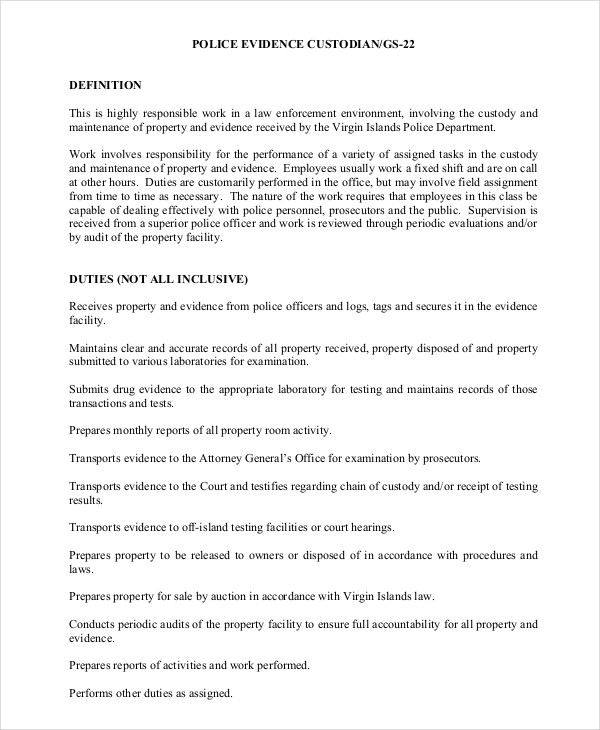
Request an official police evidence report for your records
Should You Remove the Device Yourself?
There are reasons to avoid immediate removal: you may destroy trace evidence, break a device that contains information investigators need, or accidentally trigger a tampering alarm. If police are on the way, wait. If you're in a situation where professional help won't arrive and you must remove it, do so carefully: wear gloves, photograph the device before and after removal, place it in a sealed container, and preserve any fasteners.
Tools That Help You Detect Trackers
Several tools can assist in finding or identifying trackers. They range from simple smartphone apps to professional RF detectors:
- Bluetooth scanning apps — good for consumer tags that broadcast Bluetooth identifiers.
- Radio frequency (RF) detectors — these can detect transmitting GPS devices, but professional models are more accurate than cheap consumer units.
- OBD-II readers — useful to see if unauthorized devices are plugged into your diagnostics port.
- Dashcams with GPS logs — while not detection tools, they create independent records of your route, which can be useful evidence.
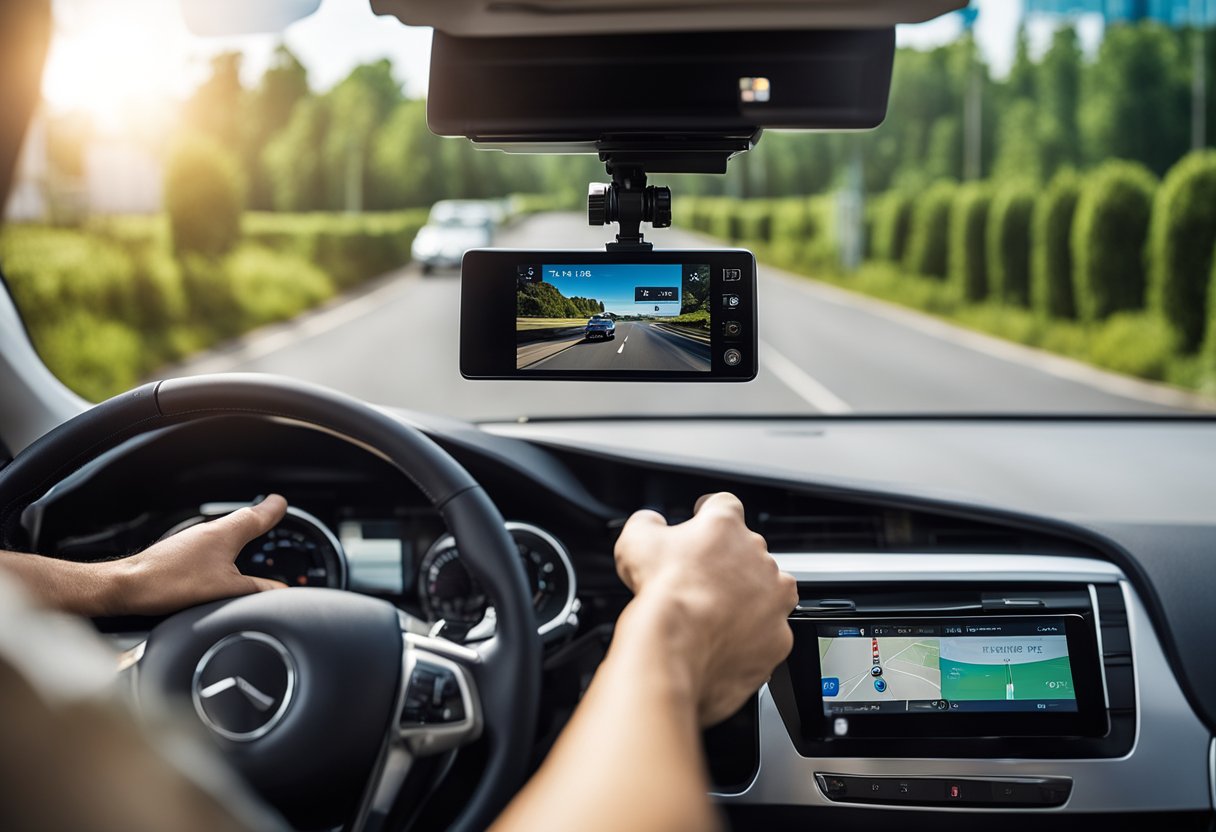
Installing a dashcam with GPS logging creates independent route records
Legal Considerations and Next Steps
Laws about tracking and stalking differ by jurisdiction, but placing a tracking device on someone's vehicle without consent may be illegal and is often evidence of stalking, harassment, or worse. Keep copies of police reports, photographs, and any preserved device. If you have reason to fear for your safety, talk to an attorney about protective orders, and consider informing close contacts about the situation so someone else knows your movements.
Consider seeking a protective order if you fear for your safety
Preventing Future Tracking
Once the immediate risk is addressed, take steps to reduce the chance of being tracked again:
- Secure where you park. Use a locked garage when possible and avoid leaving your vehicle overnight in unfamiliar or poorly lit areas.
- Install a perimeter camera or motion-activated lights. Visible security measures deter tampering and can capture images of anyone approaching your vehicle.
- Use a dashcam with GPS logging. It creates a record of your actual route that can counteract someone's tracking data.
- Check your vehicle regularly. Make a quick inspection part of your routine, especially if you suspect someone may target you.
- Limit public sharing of routine locations. Avoid announcing travel plans, home address, or predictable schedules on social media.
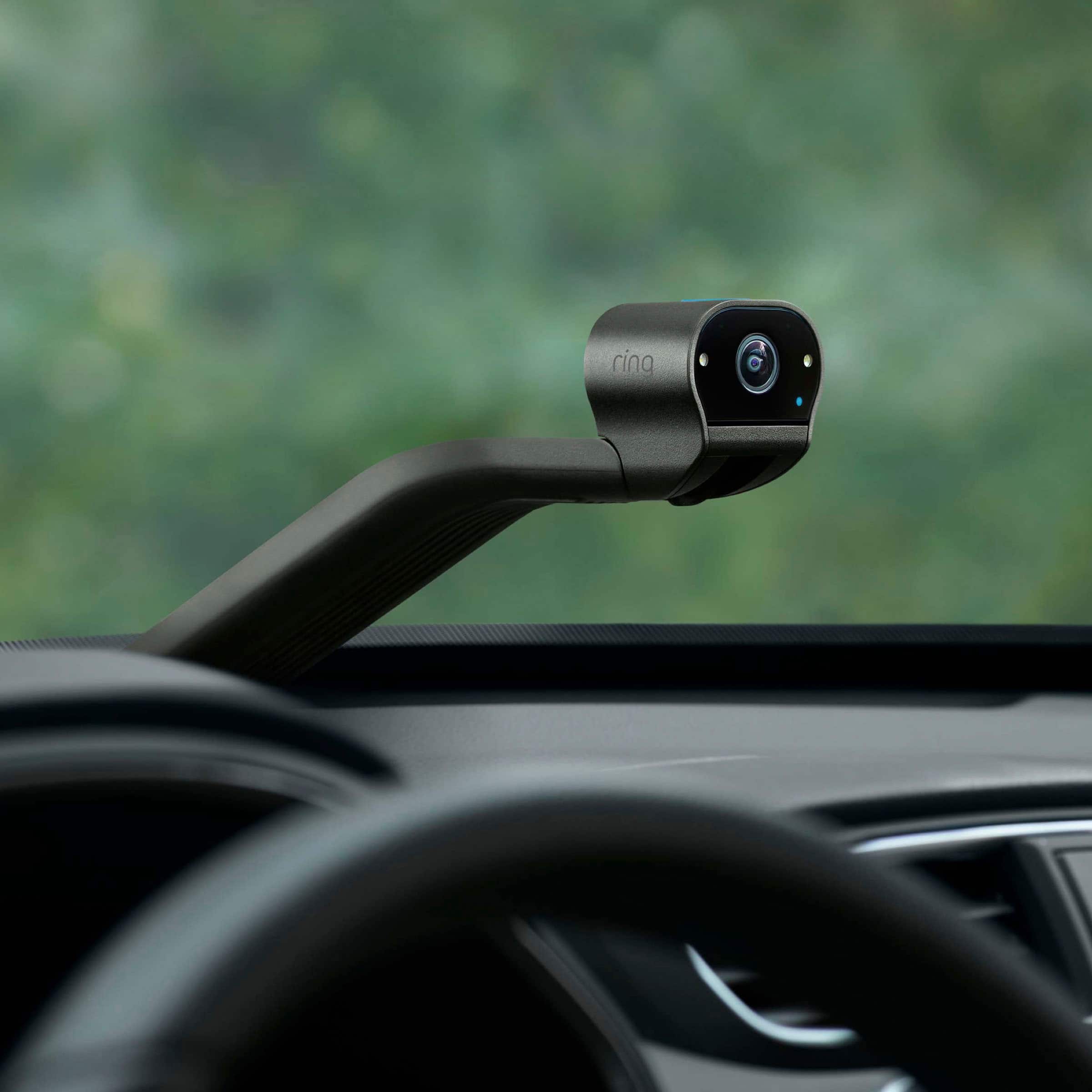
A vehicle security camera monitors your car's surroundings
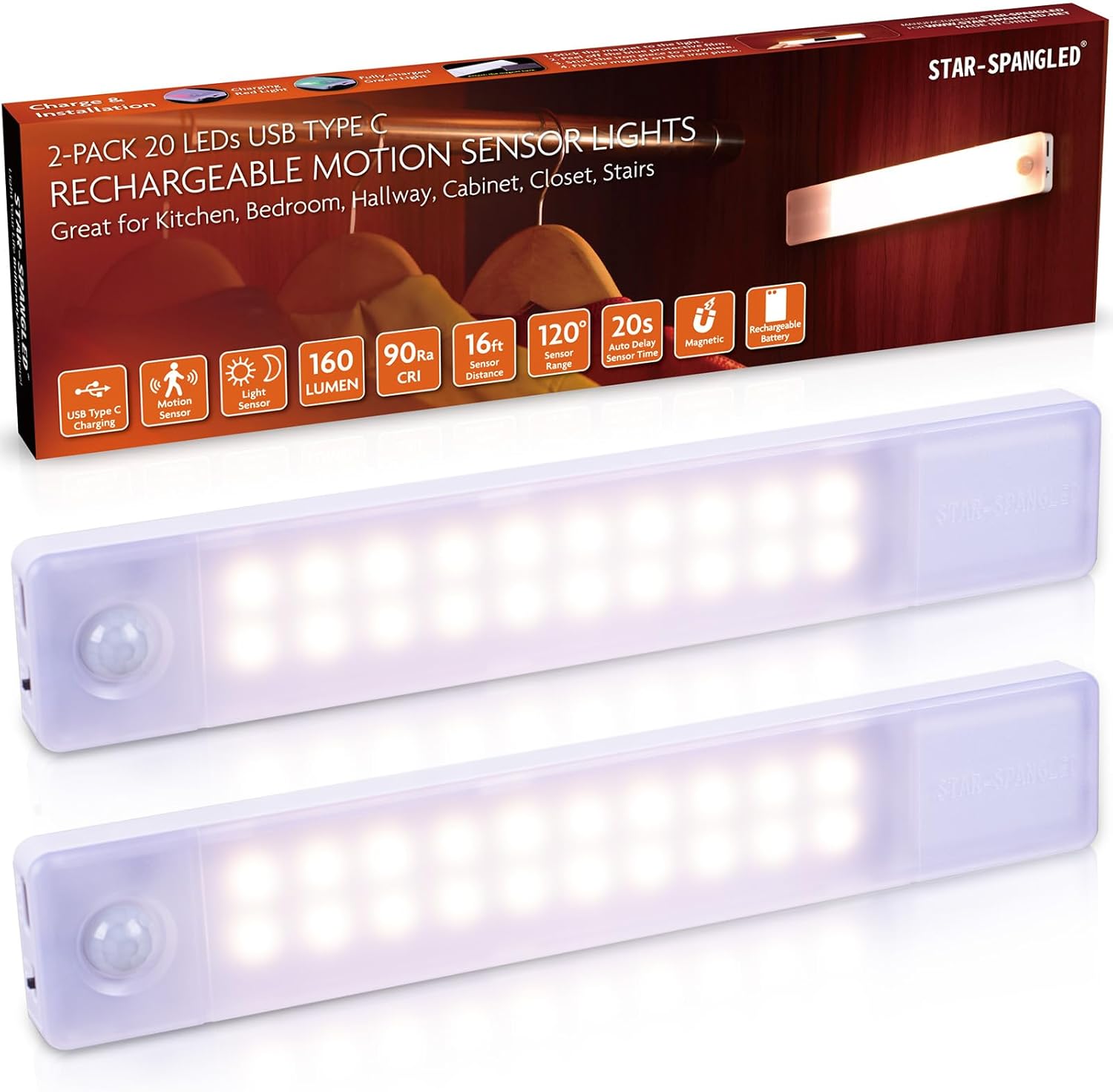
Motion-activated lights deter tampering with your vehicle
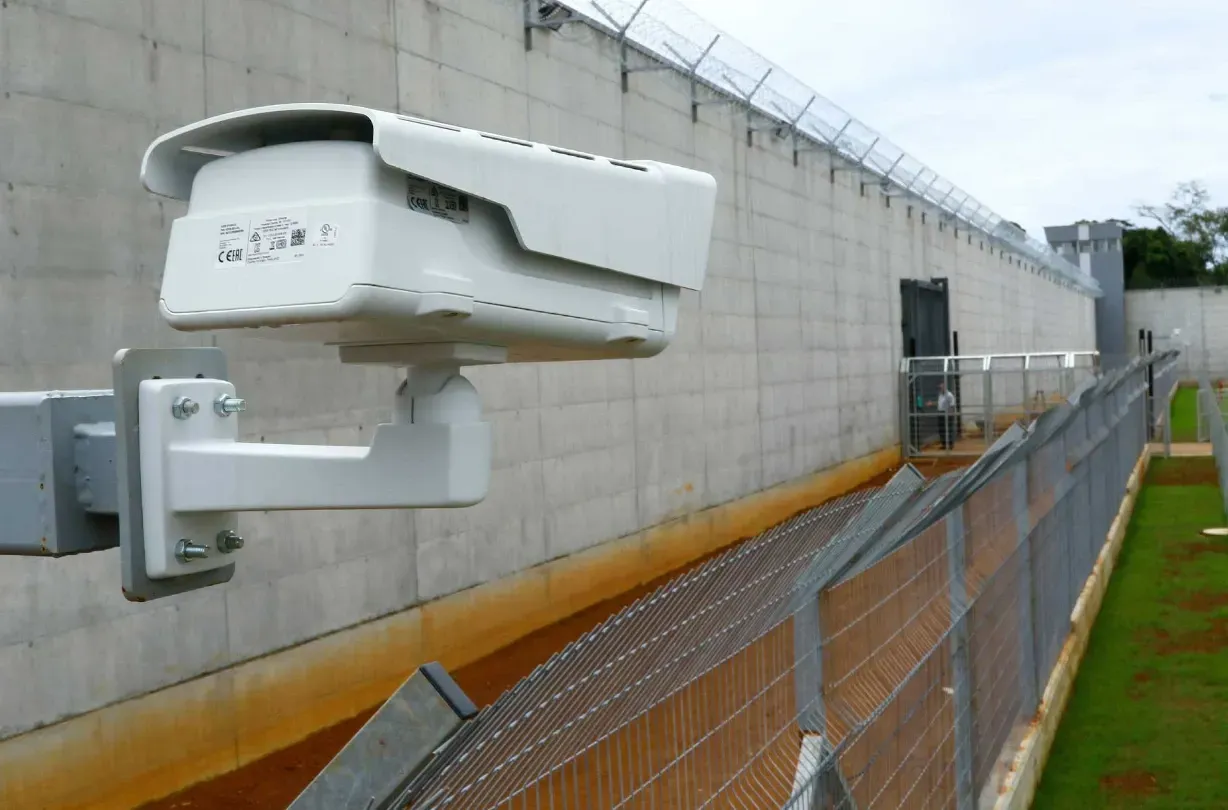
A perimeter camera system watches over your parking area
If a Device Is Found on a Loved One's Car
When a family member or friend discovers a device, support them calmly: help with documentation, accompany them to report the discovery, and encourage a safety plan. Consider changing routines and increasing visible security for the whole household.
Checklist: What to Do If You Find a Tracking Device
- Do: Photograph the device, move to a safe place, call police, preserve evidence, record details (time/place/plate), notify loved ones.
- Don't: Confront suspects, immediately drive home, instinctively destroy evidence, ignore strange devices.
- Prioritize your safety: get to a public, well-lit place and call authorities.
- Document carefully before touching anything: photos, time, and location matter.
- Involve law enforcement—get an incident report and preserve the device for analysis.
- Use preventive measures—secure parking, cameras, routine inspections, and privacy hygiene.
Conclusion — Regain Control and Reduce Risk
Finding a tracking device is unnerving, but methodical action restores control. By documenting what you find, prioritizing safety over instinct, involving law enforcement, and adopting stronger security habits, you not only stop the immediate threat but make it harder for someone to repeat the violation. Keep a simple checklist in your glovebox, stay aware of your routines, and reach out to professionals when in doubt—safety is deliberate, not accidental.
A calm, methodical response protects you and preserves the evidence authorities need.