Found a Camcorder in Japan's Woods — The Tapes Revealed
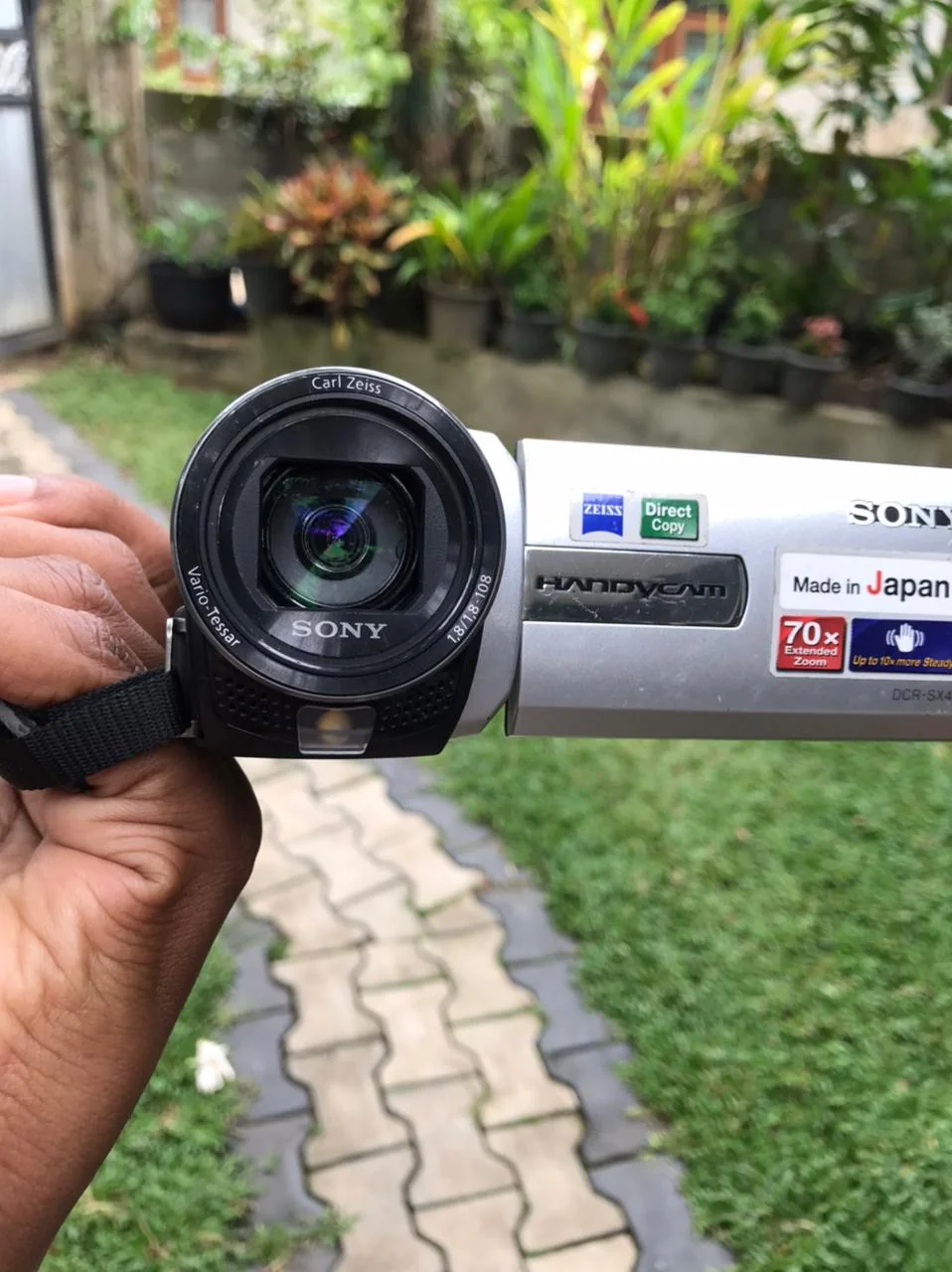
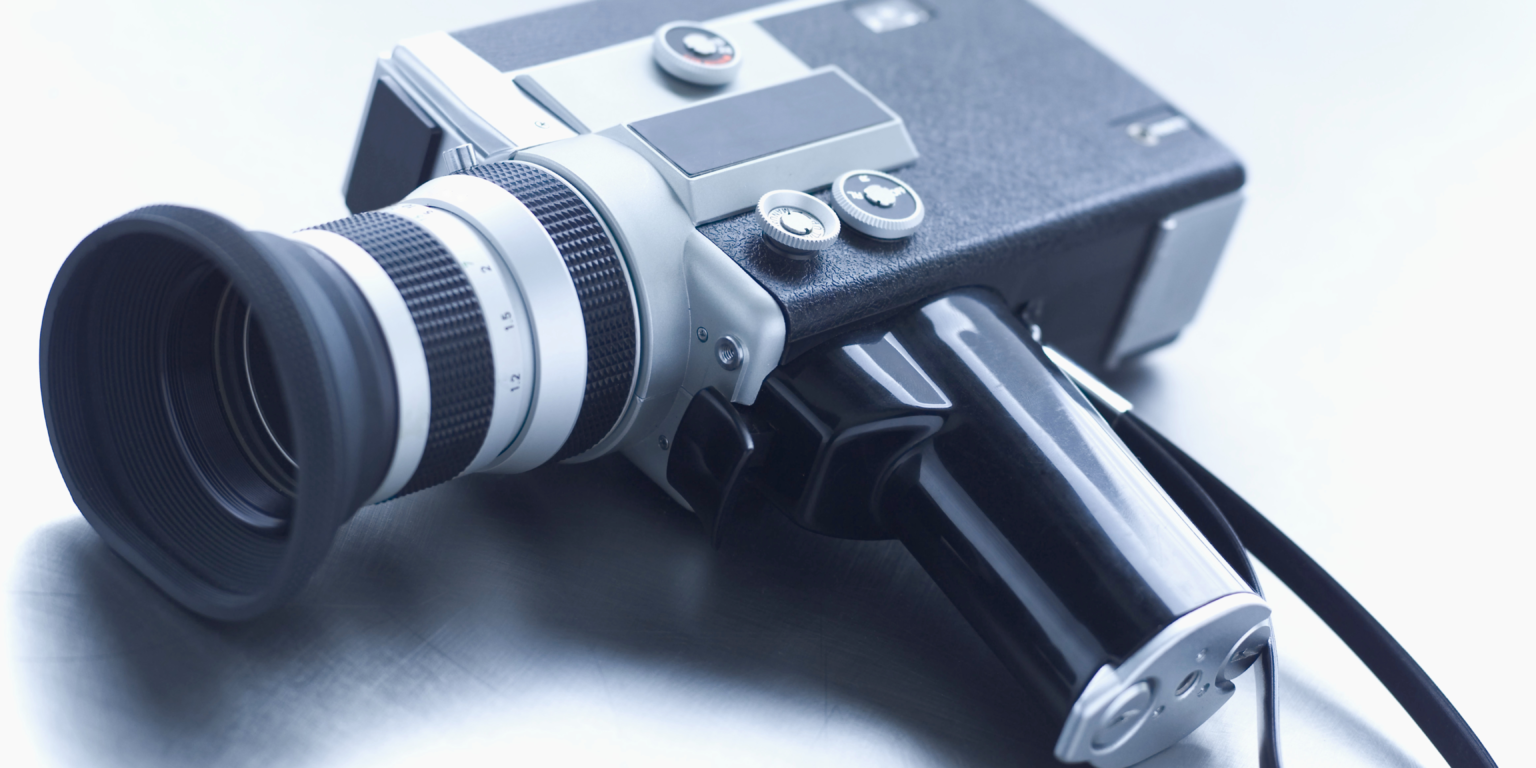
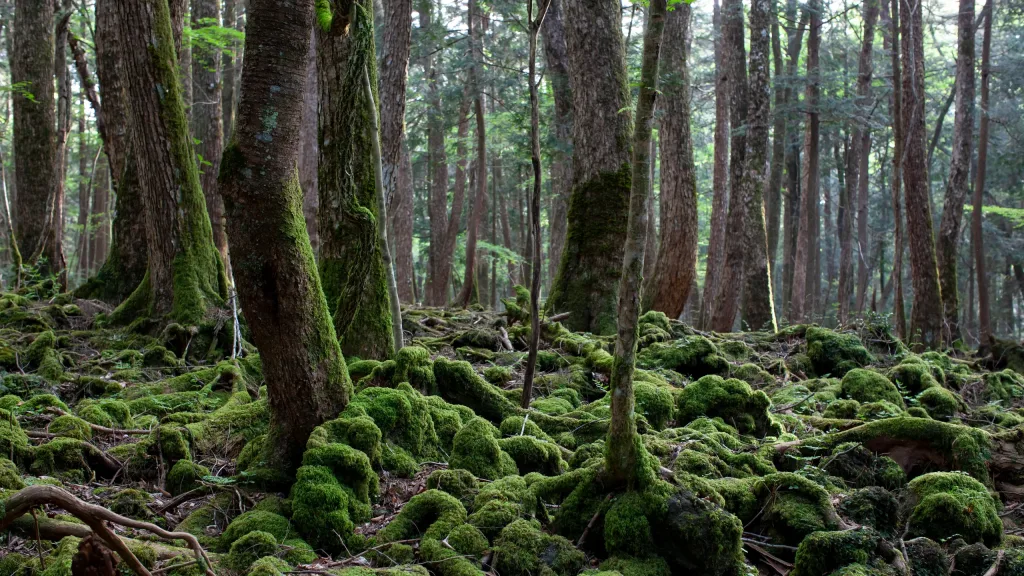
The sun had already begun to thin when I saw it: a compact camcorder half-buried beneath leaf litter, its leather strap knotted with dried moss. I had been walking a backtrail between rice terraces and a stand of cedar when the thing stuck out like a tongue of industrial plastic in a cathedral of green. Picking it up felt like accepting a message from another life—dusty, weighted by time, and improbably intimate. I slipped it into my pack, intending only to look later. What I found on the tapes forced me to slow down, to ask uncomfortable questions about loss, ritual, and the way moving images hold on to ghosts.
MiniDV camcorder found in forest
Discovery and First Impressions
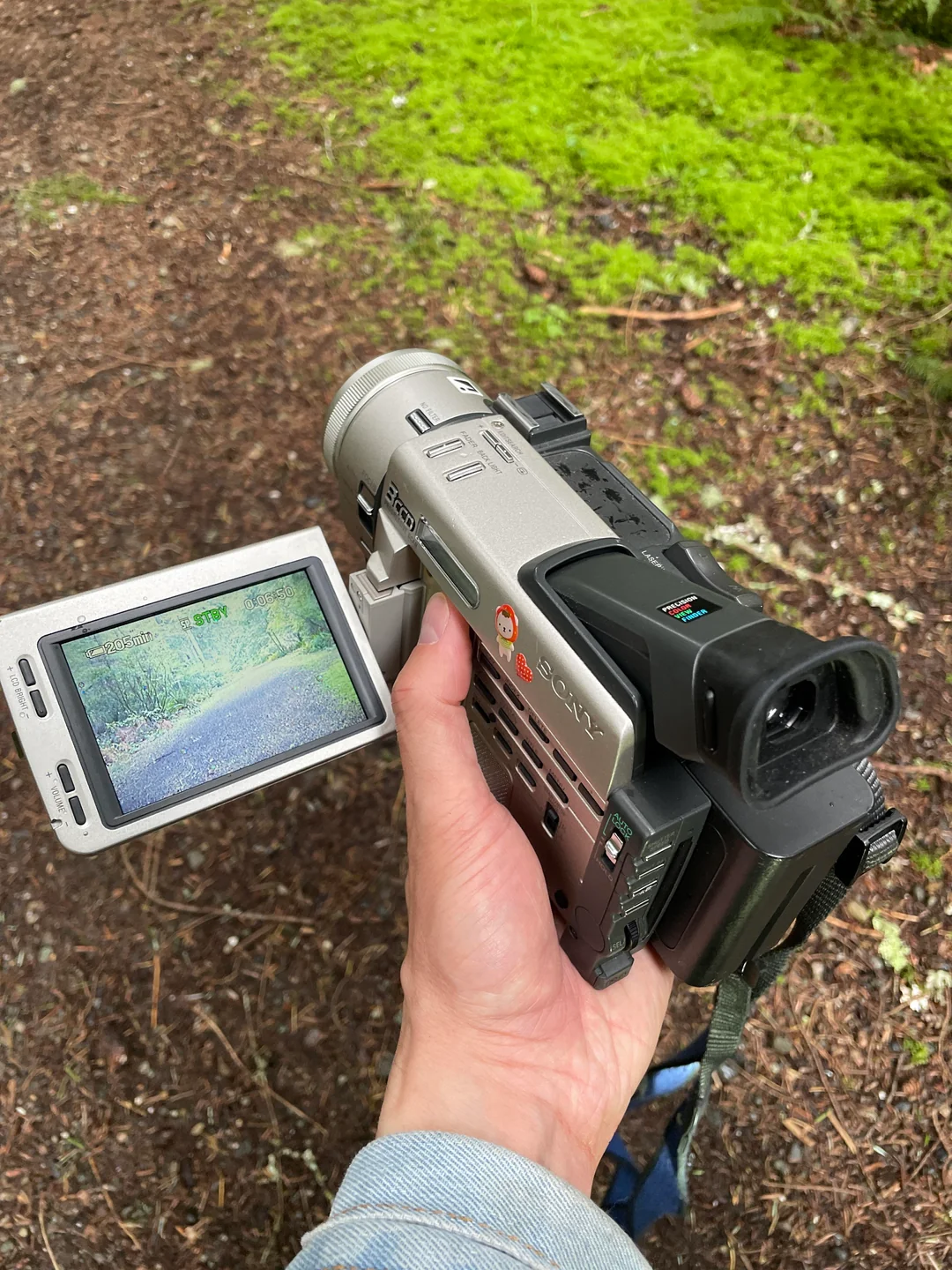
It was late October, the kind of light that makes shadows soggy. The camcorder looked like a late-1990s consumer unit: black plastic, a flip-out LCD scuffed to milky opacity, and a battery pack swollen with age. A single minidisc-style cassette (or what appeared to be a small tape) was still inside. There was no obvious owner information—no engraved nameplate, no selfie tucked into the case—and no immediate evidence of how long it had been there. The tape smell—the faint, sour perfume of old adhesive and magnetic binder—was like a time-stamp.
old camcorder half-buried in leaves
Finding the device felt private, as if someone had left a diary in a park and walked away without a backward glance.
Why the Find Felt Important
There's a difference between finding trash and finding an archive. This object was not merely garbage; it was a carrier of recorded attention. Every tape is a sequence of choices: what to record, when to press record, what angle to hold, and how long to keep rolling. That simple act of choosing makes tapes ethically charged objects—touchstones of other people's memories. I took the camcorder home, not because I wanted to sensationalize whatever lay inside, but because I wanted to know if what I saw belonged to the living, and whether it deserved respectful care.

Japanese forest shrine offerings
The Camcorder—Format and Condition
Identifying the Format
Before I could watch anything I needed to know what I had. The body suggested an era when consumer tape formats competed for dominance: MiniDV, Hi8, and VHS-C variants populated camera bags of the late 1990s and early 2000s. MiniDV tapes are small, plastic cassettes containing digital video; Hi8 and VHS-C are analog formats. Each has distinct physical cues—cassette size, presence of a digital tape spool, and even the style of the record tab.
Physical Assessment
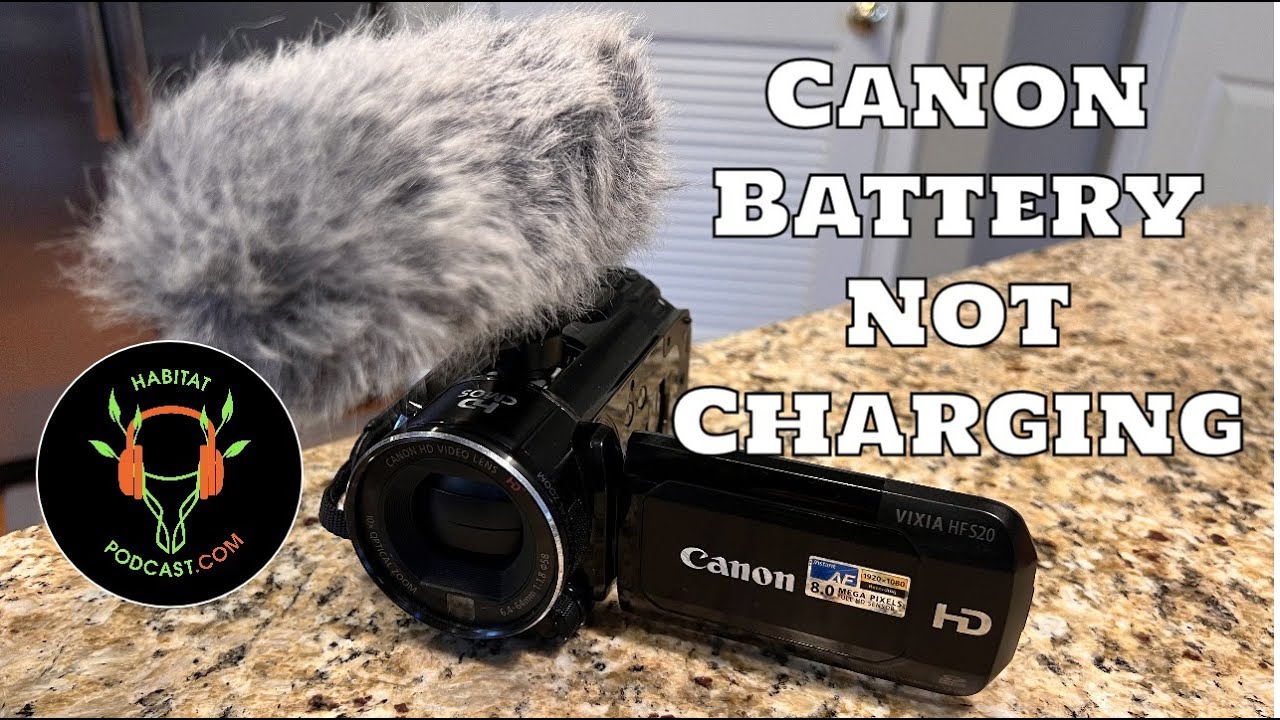
I opened the cassette door gently. The tape inside appeared spooled with uneven tension, a sign of moisture or rough handling. A thin film of mildew speckled the foam padding of the camera case. Most worrying: the battery was puffy and leaking electrolyte, a slow chemical betrayal that can ruin circuitry and tape mechanisms. I took photographs of the serial number and documented everything. Then I looked for a local AV specialist—someone who could safely extract and digitize the content without destroying it.
Watching the Tapes—First Viewing
Digitization and the First Glimpse
Digitizing analogue tape is an act of translation. A machine reads magnetic alignments and converts them into pixels; every conversion risks loss. I left the mechanics to someone who does transfers for museums. They cleaned the cassette with isopropyl, used a high-quality transport deck, and recorded to a lossless digital file. The timecode burned into the first frames read like a promise: a date-stamp around the early 2000s, though tape timecodes aren't always reliable—cameras can be reset, batteries replaced, time zones ignored.
When the footage appeared on the monitor, the first thing that struck me was scale: the camera's owner favored long takes. Wide, patient frames of the undergrowth, trees towering offscreen, and the same narrow dirt track repeating in different lighting. There were no stabilizing gimbals, only a human hand's tremor and the mechanical whir of the camcorder's autofocus. Language is spoken infrequently; instead the camera records gestures—a bowl placed at the base of a tree, an offering of rice, strings of paper tied to a branch.

kodama spirits in forest
A Shift in Tone
After an hour of what I assumed were quiet documentarian practices—shots of moss, rituals at particular trees—a series of frames grew unsettling. The owner trains the lens on a shallow clearing. Two figures enter, draped in ordinary clothing, faces turned away or obscured. They kneel. The camera tilts downward as if the operator's shoulders slump. For the first time there is a fragment of speech, a low chant that might be a prayer or a set of instructions. The footage jittered; an old tape's head wear added ghosted double images and horizontal noise bands, but through that haze was a repeated movement: a small bell placed on the earth, struck once, then twice.
Aokigahara forest camcorder discovery
Technical Forensics—What the Tape Revealed
Artifacts and Age
Video forensics is part archaeology, part chemistry. Magnetic tape degrades with humidity and time; binder hydrolysis causes sticky-shed syndrome, which can make tape stick to playback heads. Color balance can shift toward magenta as dyes fade. But degradation also leaves clues: tramlines where the tape transport once caught, sporadic gaps where the magnetic layer peeled, even fingerprints frozen in the frame where a tape was handled carelessly.

video tape forensic analysis
Tracking artifacts in the footage correlated with the camera's apparent path—long, patient pans interrupted by short, agitated camera jerks. That behavior suggested the camera was often carried over the shoulder and used in the field, rather than set on a tripod. Occasional overhead subtitles—handwritten notes visible in some frames—hinted at dates or locations recorded for later reference.
magnetic tape degradation closeup
Forensic Clues to Ownership
There were small, mundane identifiers—an old train schedule folded into a pocket, a sticker with a phone number (partially obscured), and a sticker from a local electronics shop. I cross-checked linguistic cues: the spoken fragments were in Japanese, regional vocabulary pointed toward rural Honshu. None of it was a smoking gun, but these crumbs narrowed the likely search field. Ethical questions emerged: should I try to find the owner, or respect the possibility that whoever recorded this intended it to be private?

Japanese ritual bell on ground
Cultural Context—Forest, Memory, and the Unseen
Japanese Forests and the Idea of Presence
Forests in Japan occupy a liminal place in cultural imagination. They are sources of wood and water, sites for Shintō shrines, and settings for stories of spirits—kodama and other entities that embody the living force of trees. The footage's silent offerings and small ritual items fit into a long tradition of localized animist practice: people mark trees, make offerings to kami of place, and maintain invisible relationships with the landscape.
abandoned camcorder battery decay
That doesn't explain why the camera was abandoned, but it offers context to the gestures in the video. The frames read less like horror cinema and more like private acts of devotion or field notes for someone documenting local ritual. This reframing changes the narrative from sensational to human.
Stories a Camera Can't Tell
A camera records surface information. It doesn't capture intention in full—only its visible traces. Why did the owner film this? Were they a researcher, a pilgrim, or someone maintaining a family shrine? The tape contains the how, not always the why. Still, patterns in the footage—repeated visits to the same tree, the presence of small, weathered amulets—point toward ongoing care rather than a single, isolated act.
Interpretations and Theories
Theory 1: The Documentarian
One plausible reading is that the camcorder belonged to an amateur documentarian—someone cataloguing local rites, perhaps for a personal project. The patient framing, the methodical revisits, and the inclusion of contextual detail in some frames support this. The occasional close-up of offerings, the care in composition, and the shorthand notes seen on a clumsy paper cue card all read like fieldwork.
Theory 2: The Caretaker
Another possibility is that the owner was a caretaker for a secluded family shrine. In that role, the camera might serve a practical function: to record the condition of offerings, monitor erosion or vandalism, or document the passing of seasons. The footage's tone—less interested in sensational spectacle than in day-to-day maintenance—lends this theory weight.
Theory 3: A Personal Pilgrimage
Finally, the camera might be a witness to personal grief. Some sequences show the operator lingering in the frame, their hands tracing bark, their breath audible near the microphone. If the place was being used to process loss, the camcorder functions as a companion and a keep-sake. Viewing footage through this lens requires empathy: what looks eerie from the outside may be tenderness unfolding on-screen.
What I Did Next
I attempted to locate the owner. I posted notices at nearby shrines and electronic shops (without posting images or spoilers), described the camcorder's serial number, and contacted a local community center. A few people called asking for details; an elderly man recognized the camera model and suggested a neighborhood technician who often helps with old equipment. Over the course of weeks, I pieced together a loose map of communities that fit the footage's acoustic and botanical signatures.

shrine rituals in rural Japan
Failure, Small Victories, and the Ethics of Found Footage
I never located the original owner. The trail went cold: phone numbers were disconnected, and people who might have known had moved or passed away. The tapes stayed on my hard drive for months, and every time I watched them I found a new small detail: a kanji scratched into a shrine beam, a particular bird's call, a child's laughter off-screen in one frame. They are, in a way, a responsibility. I could have amplified them into a viral story—titillating, spooky, and very clickable. Instead I chose a different path: I catalogued the tapes, preserved them in a cold, dry place, and reached out to an archival network willing to accept such materials under strict privacy terms.
Broader Lessons—Why This Matters
There is a larger conversation here about how we treat found media. As physical carriers of memory, tapes and camcorders are vulnerable to entropy and to ethical misuse. They are easy to sensationalize. The temptation of the uncanny, of an anonymous horror captured on tape, is strong. But the more honest journalistic move is to acknowledge ambiguity: that most found footage is ordinary, that ordinary things become strangely moving when time and absence accumulate.
Technically, this incident reaffirmed how fragile audiovisual heritage can be. Small decisions—storing tape in a damp pack, leaving batteries in place—accelerate decay. Socially, it demonstrated the messy, slow process of connecting objects with people. Not every trail leads home. Sometimes objects outlast their narratives.
- Found camcorders are personal archives; treat them with care and respect.
- Digitize using professional services to avoid damage and loss.
- Context matters: cultural practices can reframe what initially appears eerie.
- If attempting to find an owner, avoid public posting of sensitive footage; work through local channels.
Conclusion
What haunted me most wasn't an apparition frozen in grainy footage but the slow accumulation of ordinary acts in a place someone clearly cared for. The rituals, the offerings, the repeated visits—these were small attempts to keep a relationship with place alive. The camcorder was a bridge across absence: a stubborn, flickering record that resisted both erasure and easy storytelling.
In the end, the tapes taught me to slow my appetite for mystery and to prioritize stewardship. If you find an object like this, remember that it belonged to someone who once asked the world to look. Preserve what you can, seek the living, and when you can't find them, protect the dignity of what remains.