
Fort Lauderdale Man Finds Millions in Floating Cash, Police Investigate
The quick, quiet moment of disbelief is easy to imagine: a man walking along an early morning stretch of Fort Lauderdale shoreline, expecting waves, shells and seaweed, and instead coming across what looks like bundles of money bobbing in the surf. He does what most people would do when confronted with something both extraordinary and worrying—he contacts the police. What follows is a complicated mix of community curiosity, criminal inquiry, procedural rigor and legal ambiguity that illuminates how modern coastal cities face unusual discoveries.
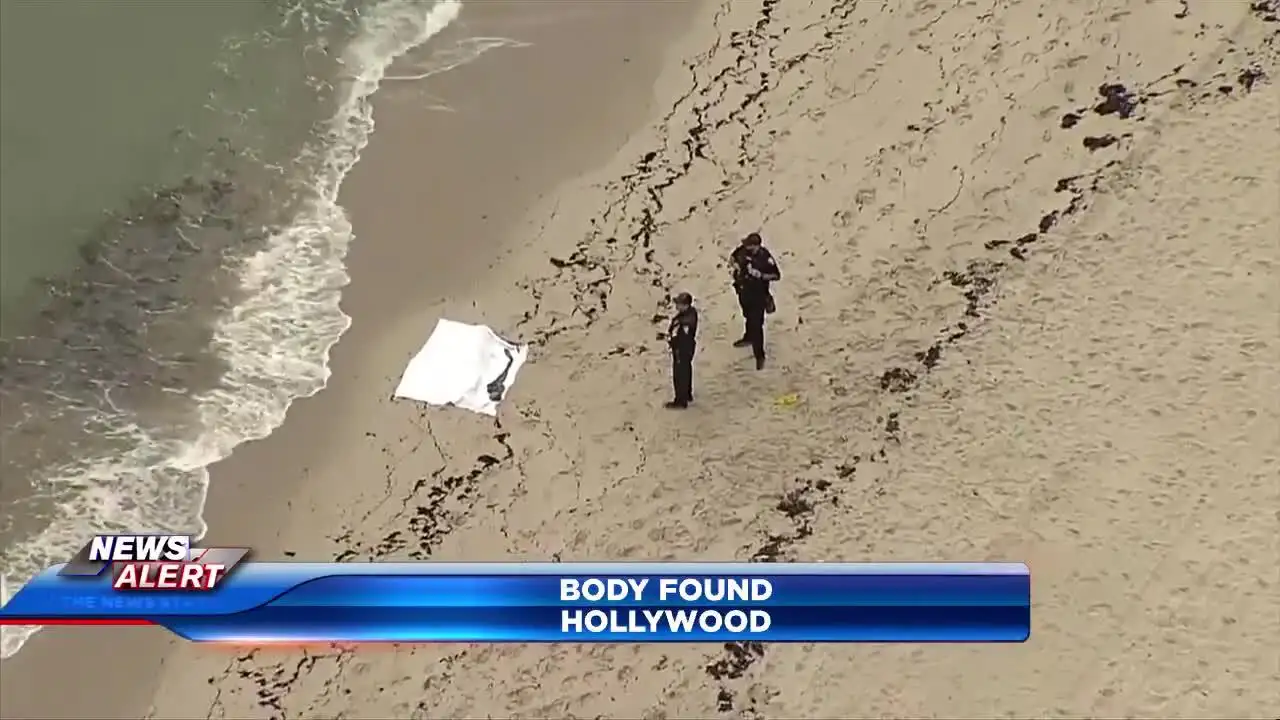
Fort Lauderdale coastline investigation
The Discovery
Discovery scenes like this blur the line between cinematic spectacle and law-enforcement routine. The witness who notified local authorities described an array of floating objects that, at closer inspection, appeared to be wrapped bundles containing banknotes. Responding officers cordoned off a small area of beach, recovered the visible bundles, and began an on-site inventory. By the time journalists and curious residents arrived, authorities had already begun treating the site as potential evidence rather than mere lost property.

Atlantic Ocean floating money
It is not every day that a shoreline yields what appears to be a substantial cash haul—most coastal patrols treat cash recoveries as potential crime scenes until proven otherwise.
Police and Official Response
When the Fort Lauderdale Police Department receives a report like this, standard procedure generally prioritizes secure recovery and documentation. Officers document the location, secure the perimeters to prevent contamination, photograph the scene, and transport recovered items to a secure evidence room. The involvement of specialized units—marine patrols, evidence technicians and sometimes federal agencies—depends on the perceived scale and possible criminal connections.
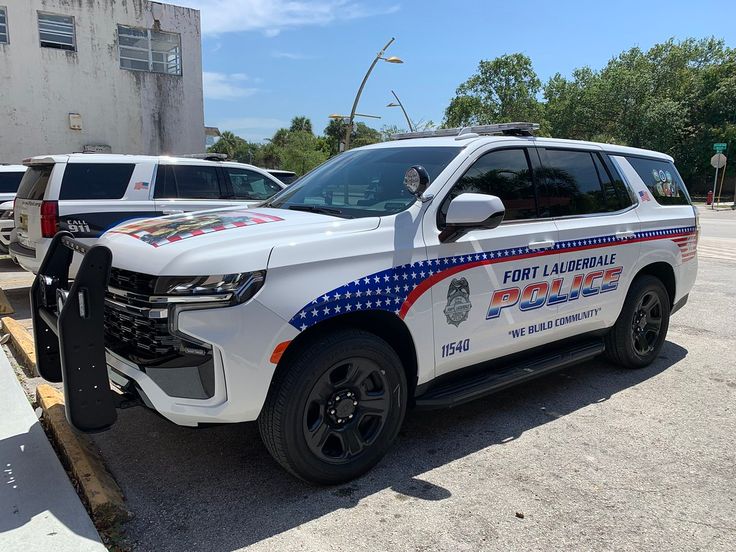
Fort Lauderdale Police Department
In high-value discoveries, law enforcement will often notify state or federal partners because the money could tie into interstate trafficking, money laundering, or international smuggling. Even without clear links to organized crime, recovered cash is processed with caution: serial numbers may be recorded, preservative packaging applied, and every handling step logged to maintain a clean chain of custody.
Florida beach cash recovery
Chain of Custody and Evidence Handling
Chain of custody is the legal backbone of any investigation that might lead to criminal charges or civil claims. Once money is collected from a public beach, it must be handled exactly like any other piece of evidence—labelled, photographed, and entered into an evidence management system. For significant sums, agencies sometimes bring in a third-party auditor or an independent witness to verify counts and sealing procedures.

cash bundles evidence processing
For the finder, this process can be unsettling. The instinct to claim or safeguard what turned up is natural; the law, however, often requires turning such discoveries over to authorities. Proper handling preserves investigative integrity and protects the finder from accusations of tampering or concealment. It also ensures the money can be legitimately returned to an owner if one is identified, or otherwise processed according to law if no claimant emerges.
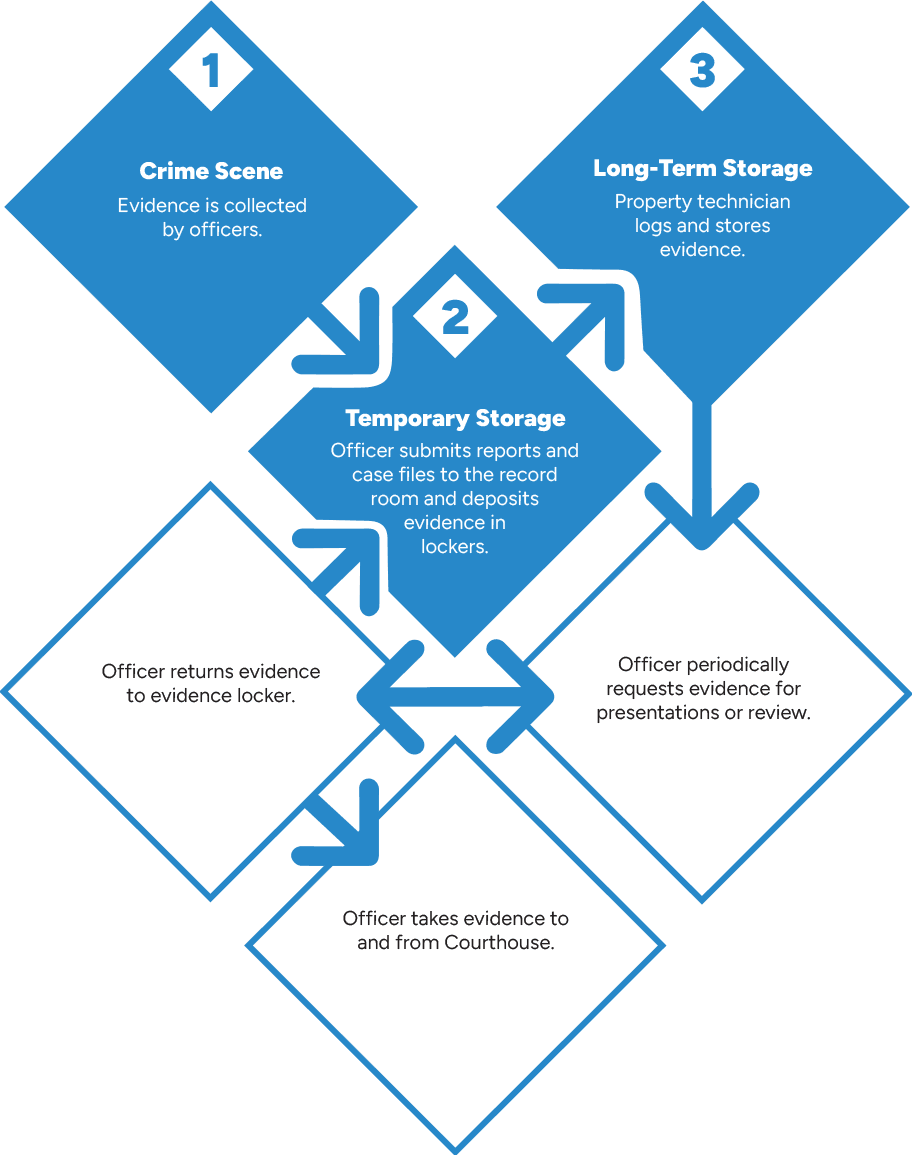
law enforcement chain of custody
Possible Explanations: How Cash Comes to Float in the Atlantic
There are several plausible scenarios—some banal, some criminal—that can explain how bundles of cash end up floating near a beach.
- Shipping or Cargo Loss: Maritime shipments occasionally suffer damaged containers or loose cargo. If a sealed container or pallet of banknotes were mishandled or damaged—highly unlikely in standard commercial shipping but theoretically possible—bundles could wash ashore.
- Smuggling Drop: Criminal networks sometimes move cash via maritime routes to avoid banking systems. A planned drop that goes awry—bad weather, navigational error, or a rival interception—could leave bundles afloat.
- Boat Accident or Dumping: A small vessel in distress might have its cargo shift into the water, or someone on a boat might deliberately jettison illegal proceeds to avoid arrest.
- Political or Corporate Cargo: In rare histories, large sums have been physically transported for legitimate reasons. Mishandling during an ocean transit could theoretically explain loose cash, though modern financial systems make this far less common.
Investigators weigh forensic clues—water damage patterns, banknote serial numbers, packaging materials, and any identifying markings—to narrow down which scenario is most likely. The presence of other materials, such as packaging from consumer goods or pollution debris, can also inform hypotheses about origin.
Forensics and the Money Trail
Forensic teams consider several strands when trying to connect floating cash to a source. Serial numbers on banknotes can reveal prior seizures or origins if they match existing databases. Packaging and tying methods can point to specific smuggling techniques used in different regions. Even the saltwater degradation pattern can help estimate how long notes were in the ocean, and whether they fell from a vessel or were tossed more recently.
In many cases, though, the ocean erases some traces. Salt and sunlight accelerate deterioration, and currents quickly disperse material. That makes rapid response important: early documentation increases the odds that investigators can extract useful clues.
Legal Framework: What Happens to Found Cash?
Public response often centers on a singular question—who keeps the money? The legal answer is layered and jurisdictional. Most U.S. jurisdictions require the finder to notify law enforcement. From there, the process diverges depending on whether an owner can be located and whether the money is tied to criminal activity.
Common outcomes include:
- Owner Returns: If an identifiable owner is found and the money is legitimately theirs, the funds are typically returned following verification.
- Confiscation as Evidence: If the cash links to a crime, it becomes evidence and may be seized under asset forfeiture laws pending criminal proceedings. If convicted, courts can order permanent forfeiture.
- No Claim Filed: If no one claims the money after statutory notice periods, some jurisdictions have procedures to transfer unclaimed cash to the state treasury or allow a finder to apply for its return under specific conditions.
Because laws vary and legal outcomes can be sensitive—especially when large sums are involved—finders often seek legal counsel. Even if the money appears unconnected to crimes, law enforcement's priority is to investigate potential criminality thoroughly before releasing funds.
Practical Advice for Finders
If you are the person who found the cash, or if you encounter a similar situation in the future, consider these practical steps to protect yourself legally and ethically:
- Do Not Touch More Than Necessary: Limit handling to avoid contaminating evidence or creating questions about tampering.
- Call Authorities Immediately: Report the discovery and follow instructions from law enforcement to secure the area.
- Document Without Interfering: Take photos or videos from a distance to establish what you saw, but avoid moving items unless instructed by police for safety reasons.
- Get Contact Information: Ask officers for the incident or evidence number and contact information for the assigned detective.
- Seek Legal Counsel: If the recovered amount is significant, consult an attorney before making claims or public statements.
Community Reaction and Media Attention
Findings of large sums of cash on a public beach attract attention quickly. Locals and visitors may gather, social media posts proliferate, and reporters arrive to capture the scene. That attention can help reveal witnesses—someone may have seen a boat or unusual activity earlier—but it can also complicate the investigation by introducing competing narratives and misinformation.
Police and city officials must balance transparency with investigative integrity. Timely updates that confirm basic facts without compromising evidence are essential. For the community, these episodes become a moment of collective astonishment and a reminder of the unusual intersections between public life and criminal enterprise.
Broader Implications: What This Says About Coastal Security
Incidents of found cash are not only curiosities—they also highlight vulnerabilities. Coastal areas are busy nodes of commerce, tourism and maritime traffic, and that complexity creates opportunities for both legitimate loss and criminal activity. Strengthening coastal monitoring, coordinated patrols and rapid-evidence protocols can reduce both illegal activity and the likelihood that recoveries turn into messy legal battles.
On the policy level, episodes like this raise questions about asset forfeiture practices, public notification procedures, and the resources law enforcement needs to carry out meticulous investigations when large sums are involved. They also stress the importance of interagency cooperation across municipal, state and federal lines.
Conclusion
The image of bundles of cash bobbing in the Atlantic will inevitably linger in the public imagination: a real-life puzzle that mixes fortune and forensics. For the Fort Lauderdale resident who made the initial call, the right move was clear—alert the authorities and let the legal process begin. For the rest of the city and the investigators now tasked with untangling origins and ownership, the episode is a reminder that unexpected discoveries demand meticulous procedure, patient inquiry and clear public communication.
- Always report large or suspicious finds to law enforcement immediately and avoid manipulating evidence.
- Recovered cash is treated as potential evidence and handled with strict chain-of-custody protocols.
- Multiple explanations exist for how cash reaches shore, from accidental cargo loss to criminal smuggling.
- Legal outcomes vary—money may be returned to an owner, seized as evidence, or processed as unclaimed property depending on investigations and court decisions.
A local beach turned into an impromptu scene of investigation as authorities worked to secure and document unexpected evidence found in the surf.
The story is still unfolding. Investigators will continue to search for corroborating clues, compare serial numbers, and potentially seek federal partnerships to track any cross-border connections. In a city accustomed to sun and tourism, the surf can still surprise—sometimes in ways that demand both local curiosity and procedural patience.