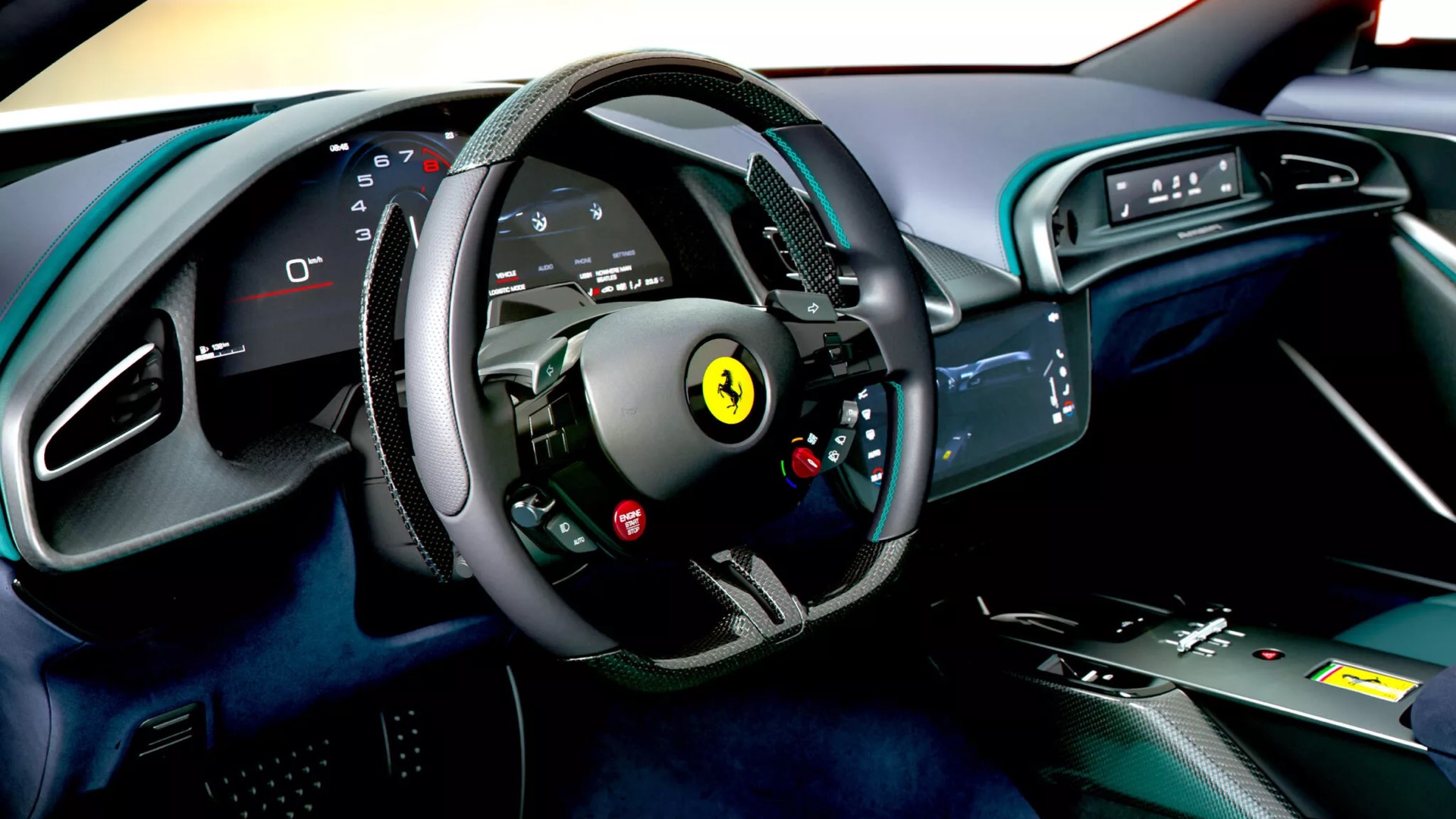
Ferrari: Touch Buttons Cost Half of Physical Controls
The image of a Ferrari interior has long been dominated by purposeful analog switches, machined knobs and the unmistakable red start button that promises an orchestral burst of V8 or V12 thunder. So when a senior Ferrari executive asserts that touch buttons cost half as much as physical controls, it does more than provoke headlines — it forces designers, engineers and enthusiasts to confront a practical truth about modern car interiors: cost, weight, and flexibility increasingly tilt toward electronic surfaces. The question is not simply about pennies on a parts list, but about how that economics interacts with safety, brand identity and the sensory expectations of people willing to pay for a premium driving experience.
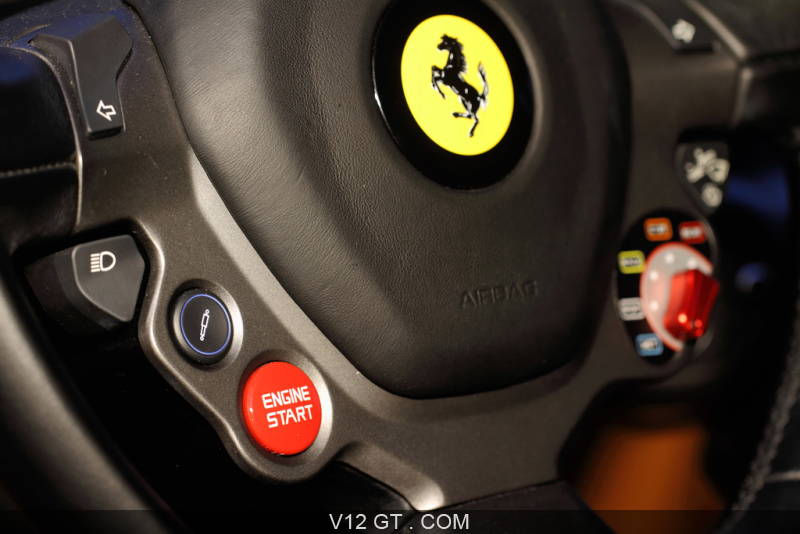
Ferrari V8 V12 start button
A Short History: Buttons, Knobs and the Luxury Illusion
The tactile act of pressing a button or rotating a knob is emotionally loaded. For decades, automakers used mechanical controls to signal durability and precision. In the luxury segment, physical switchgear has been a shorthand for craftsmanship: chrome surrounds, satisfying detents and engraved icons all contribute to a car's perceived value. But beneath the veneer of luxury is a supply chain and assembly process that adds complexity and cost. Each mechanical control can require its own housing, actuator, wiring, illumination, and mounting points — not to mention end-of-line testing to ensure feel and durability.
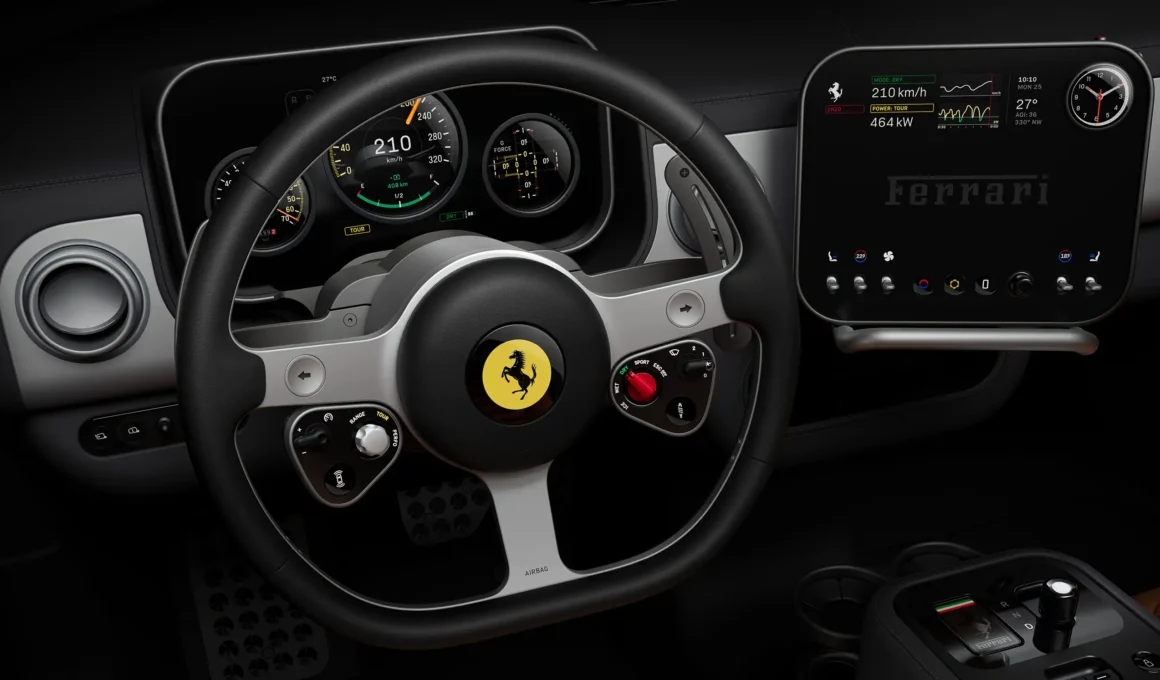
Ferrari cockpit design
Why Touch Costs Less: Materials, Assembly, and Modularity
At the simplest level, a touch panel is fewer moving parts. A capacitive or resistive surface, a controller board, and a flexible cable replace dozens of mechanical components. That reduction reduces direct BOM (bill of materials) cost, but the savings run deeper:
- Supplier consolidation: One glass or plastic surface and one electronics module can consolidate functions that previously came from multiple specialized suppliers.
- Reduced assembly steps: Fewer subassemblies mean faster line installation, lower labor hours, and reduced error rates.
- Lower validation costs: Mechanical parts require tolerance stacks and long-term wear testing; solid-state panels tend to have more predictable lifecycles and can be validated using software-driven diagnostics.
- Software-defined flexibility: The same hardware can be reprogrammed for different markets or trims, reducing part number proliferation.
When a carmaker says touch components are half the cost, they typically refer to the direct part and assembly cost for that particular function across the vehicle's life cycle and variants. A physical rotary control might cost X in parts and Y in assembly; a touch module that serves the same functions for a range of models spreads its development and tooling costs across more units, reducing per-car expense.
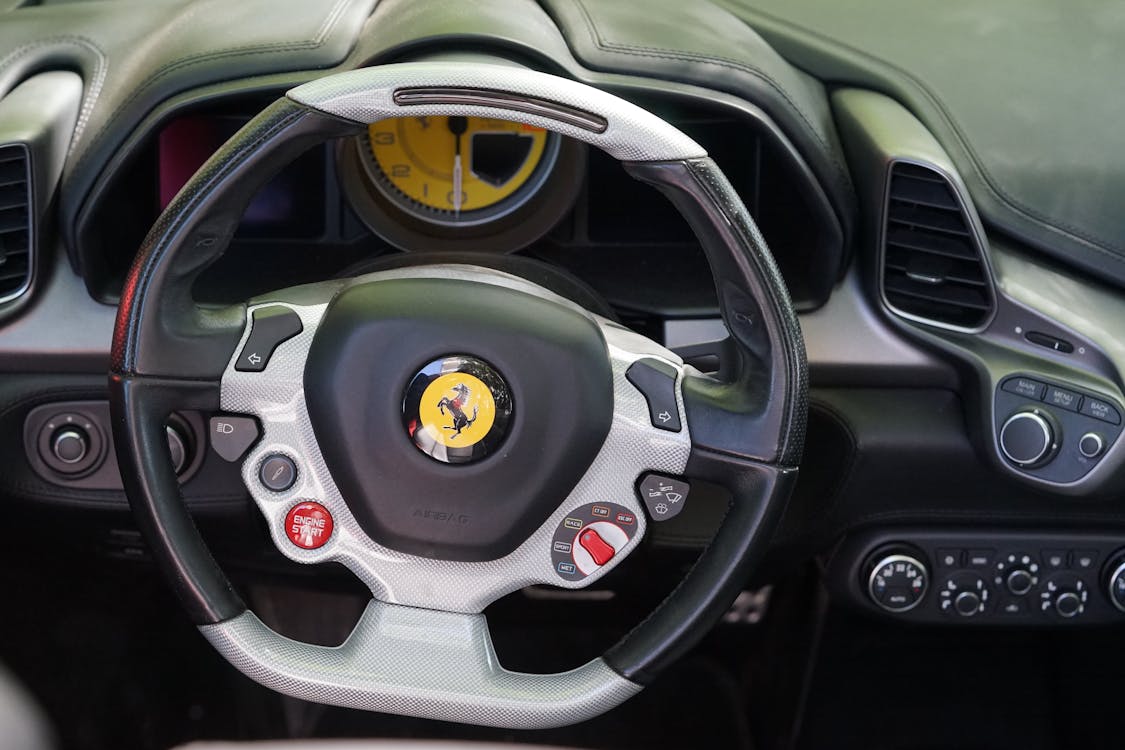
Ferrari steering wheel controls
The Engineering Trade-Offs: Weight, Reliability and Repairability
Cost is not the only metric. Engineering teams balance weight, repairability and reliability. Traditional switches are often simple to diagnose and replace. Touch panels, while fewer in moving pieces, can create single points of failure. If a shared touch surface controls climate, audio and drive modes and it malfunctions, multiple systems may be impacted. Conversely, integrating functions electronically often reduces wiring harness mass and connector counts, which can lower weight and improve packaging.
Real-World Reliability
Mechanical switches fail in predictable ways: wear of internal contacts, dirt ingress, or spring fatigue. Electronic touch surfaces face issues like moisture intrusion, capacitive false positives, display burn-in, or software bugs. Mitigations are widely available — conformal coatings, multi-layer sealing, redundant sensing and failover to voice or steering-wheel controls — but they add design complexity and sometimes cost. For high-volume savings, manufacturers lean on robust software architectures and modular electronic control units (ECUs) that can be updated or isolated if problems arise.
"Replacing dozens of mechanical parts with a single electronic module changes the economics of an entire interior."
User Experience and Safety Concerns
One of the strongest objections to touch-only interfaces is loss of tactile feedback and the attendant safety concern: drivers take their eyes off the road to find virtual sliders and flat icons. Physical controllers allow muscle memory to guide changes without visual confirmation. Luxury automakers must therefore justify that the tactile trade-off does not degrade real-world safety.
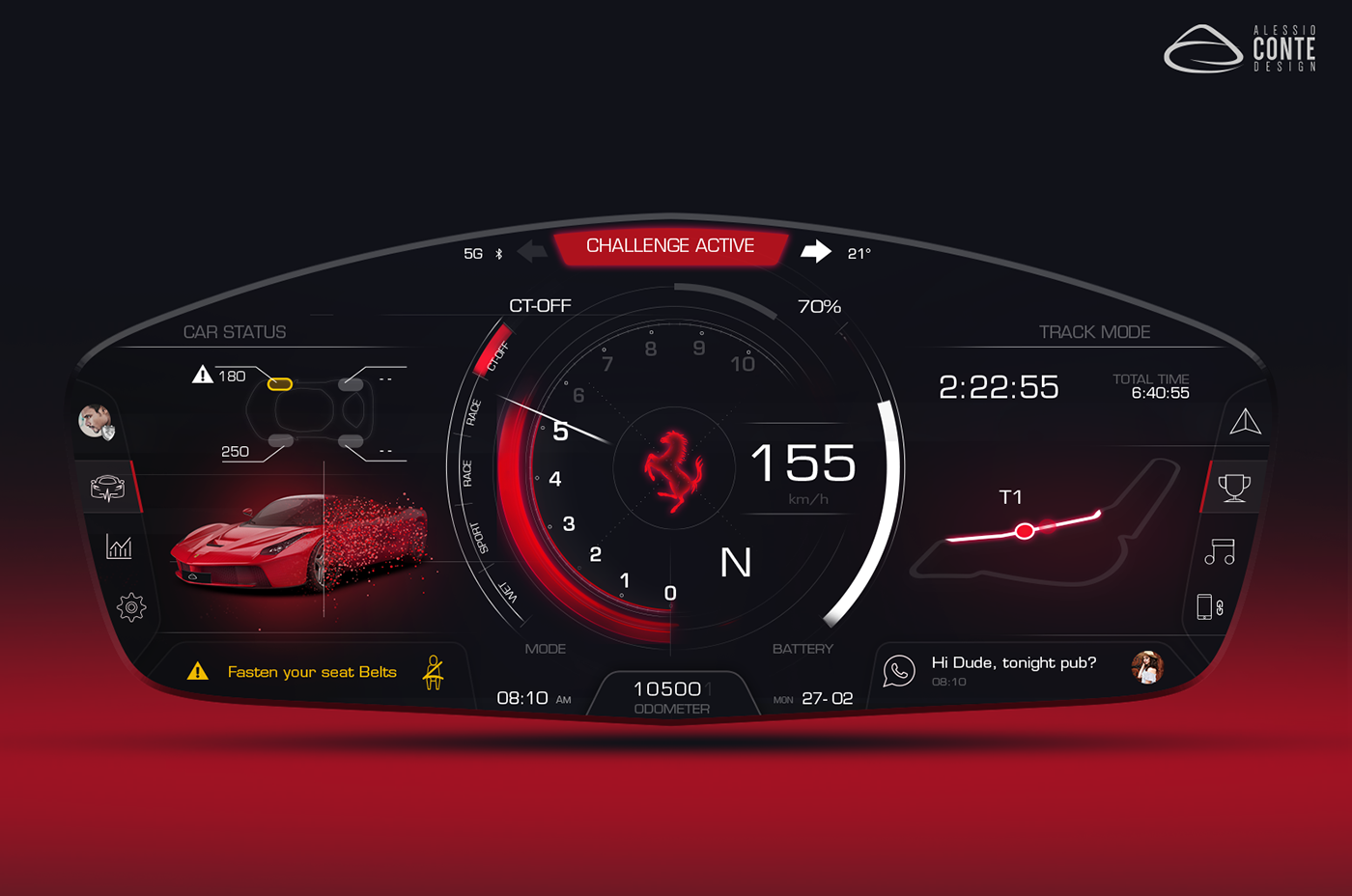
Ferrari HMI interface
Haptics and Multimodal Controls
To bridge the gap, manufacturers use haptic feedback, audio cues, and intelligent UI design. Haptic actuators produce a sensation that mimics the click of a button, while audio tones confirm inputs. Multimodal control systems — combining a touch surface with steering-wheel buttons, touchpads, voice assistants, and physical shortcuts for critical functions — are a pragmatic compromise: preserve immediacy where it matters, and delegate less-critical tasks to touch surfaces. Those architectural decisions influence cost too: adding haptics or redundant physical shortcuts reduces the pure-savings picture that a simple parts comparison might show.
Brand Perception: Is Touch 'Less Premium'?
Ferrari and other luxury marques must manage symbolism. A raw cost reduction is easy to calculate, but brand value is subjective. For an owner, a machined switch signals heritage and exclusivity. Yet design language evolves. Glass and capacitive surfaces can be finished to a high standard, and software-driven lighting and animations can communicate finesse that static metal cannot. The key lies in execution: premium materials, coherent interaction design and careful retention of tactile anchors where they matter most.
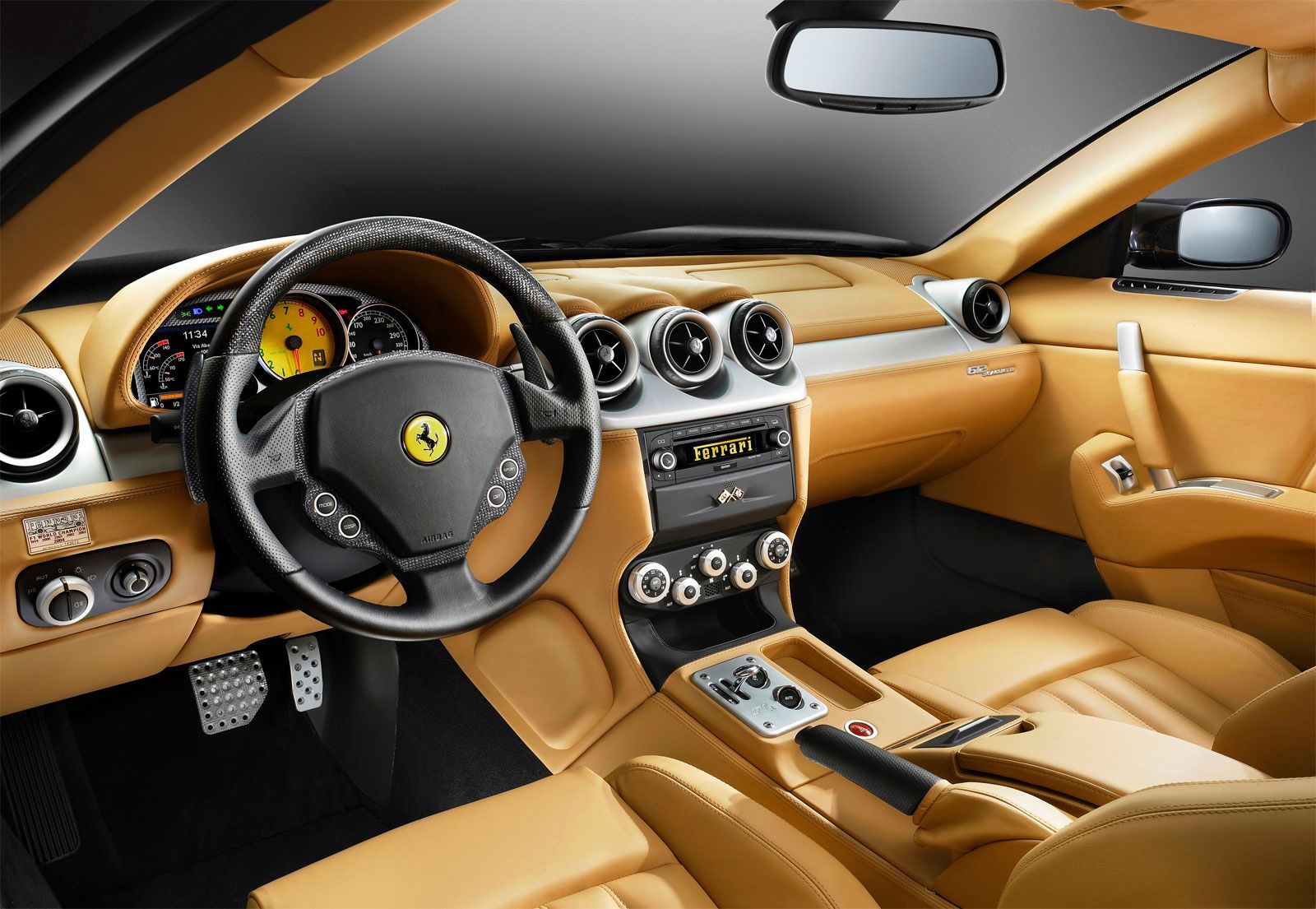
Ferrari luxury car interior
Manufacturing and Supply Chain Implications
Shifting to touch interfaces affects suppliers and factories. Traditional switch manufacturers may lose volume, while consumer-electronics-style suppliers gain. That can accelerate consolidation in the supplier base and shift sourcing toward regions with strong electronics manufacturing. On the factory floor, fewer mechanical assemblies simplify line layout, reduce inventory complexity and enable faster updates to product variants without large tooling changes.
Cost Modeling: Not Just Part Price
When carmakers present savings like "half the cost," internal cost-modeling includes tooling amortization, supplier margins, assembly time, warranty risk and software lifecycle. For example, a touch surface's initial development and software integration may be higher, but its marginal cost per vehicle — the critical metric for profit on each sold car — can be significantly lower. That is especially true when the hardware is shared across models or a broader platform.
Regulatory and Durability Considerations
Automotive components must comply with stringent standards for temperature cycling, electromagnetic compatibility, and crash performance. Touch modules and their controllers must be tested for long-term operation under harsh cabin environments. While consumer electronics benefit from economies of scale, automotive-grade parts require higher reliability tolerances, increasing certification costs. Automakers count these certification and validation costs against the overall savings when they make public cost claims.
Competitive Landscape: Who's Moving Faster?
Many brands across the luxury and mass-market spectrum are expanding touch-based controls. The rate of adoption depends on brand strategy. Some manufacturers emphasize driver engagement with physical controls; others prioritize minimalism and software-led personalization. The economics favor firms that can standardize electronics across model families, but brand custodians weigh that against the expectation of tactile luxury.
Examples of Different Approaches
- Minimalist cabins: Full-screen centers and touch surfaces with few physical knobs, focusing on visual cleanliness and over-the-air updates.
- Hybrid cabins: Touch surfaces for noncritical tasks, with physical shortcuts for volume, climate and driving modes.
- Tactile-first cabins: Emphasis on craftsmanship and mechanical controls, often in performance-focused trims.
"You can't measure brand equity solely by a parts cost sheet."
Design Strategies to Keep the Soul of the Car
For Ferrari, the design brief is unique: fuse motorsport immediacy with luxury craftsmanship. Designers can preserve the visceral connection through a few deliberate choices: retaining a mechanical starter button, textured paddles, or a physical drive-mode selector that sits under the driver's hand. Meanwhile, climate and infotainment can migrate to touch without diluting the core driving experience.
Material Choices and Finishing
High-end finishes can help touch surfaces feel premium: chemically etched glass, ceramic coatings, or metal surrounds provide visual and tactile cues that communicate quality. Lighting and haptic design also contribute to perceived value. In short, premium is less about having a physical switch and more about achieving a coherent sensory experience.
- Lower parts and assembly cost
- Reduced weight and wiring complexity
- Software-driven updates and customization
- Simplified supplier base
- Potential loss of tactile feedback
- New reliability and software risks
- Possible negative brand perception
- Repair complexity and replacement cost
Aftermarket, Resale and Ownership Implications
Owners and technicians will feel the shift. Touch modules often require dealer-level software tools for diagnosis and firmware updates, complicating DIY repairs and independent workshops. Resale markets may factor in replacement costs for larger bonded modules versus inexpensive mechanical switches. Conversely, cars that can receive feature updates over the air may retain value differently, as capabilities evolve after purchase.
Environmental Considerations
Reducing raw materials by eliminating some mechanical parts may reduce environmental impact, but electronics have their own footprint. The lifecycle analysis must consider recyclability, rare-earth materials in sensors, and the energy footprint of software and cloud services used for updates. Smart design aims to reduce material complexity while keeping repairability and recyclability in mind.
What Drivers Will Notice
For most drivers, the change will be subtle: cleaner center consoles, fewer visible seams and a greater reliance on screens. Enthusiasts may feel a loss in tactile ceremony — the small rituals of turning a knob or flicking a switch — but many will appreciate the streamlined, customizable interfaces and the ability to tailor the car's behavior through software.
The Long View: Software-Defined Vehicles and Modular Interiors
Touch adoption is part of a larger shift toward software-defined vehicles, where hardware becomes an abstraction layer for editable software features. This enables faster product cycles, personalization, and stronger direct relationships between manufacturers and customers through updates. The materials and manufacturing benefits that produce a 50% cost reduction at the control level can cascade into lower total cost of ownership when the same hardware supports new features without physical retrofits.
What It Means for Ferrari
For an automaker like Ferrari, the calculus is delicate. Public statements about cost savings reflect internal pressure to improve margins and free up resources for electrification, hybridization and performance development. But Ferrari will not sacrifice the brand's emotional core lightly. Expect a selective approach: move non-essential controls to touch, preserve and elevate tactile anchors, and invest in finish and interaction design so that the cabin still feels unmistakably Ferrari.
- Touch modules can materially lower part and assembly costs by reducing moving parts and standardizing electronics.
- Haptic feedback, multimodal controls and careful UX design can mitigate safety and usability concerns.
- Brand perception and tactile heritage remain critical for luxury automakers; selective application is the likeliest path.
- Supply chain and manufacturing shifts benefit electronics suppliers but require automotive-grade validation.
Conclusion
When Ferrari's boss says touch buttons cost half as much as physical controls, he's pointing to a broader transformation: interiors are becoming electrical and software-defined, with consequences for cost, design and the very nature of what premium means. The arithmetic of cheaper parts is compelling, but the winners will be those who blend electronics with craftsmanship so that savings do not come at the expense of emotional value. In practice, that means a hybrid future where the cadence of mechanical controls is preserved for essential interactions, while touch and software unlock flexibility, personalization and long-term cost efficiencies.
Editors note: This feature examines the engineering and design implications of touch-based controls and is not a definitive statement on any single automaker's strategy.