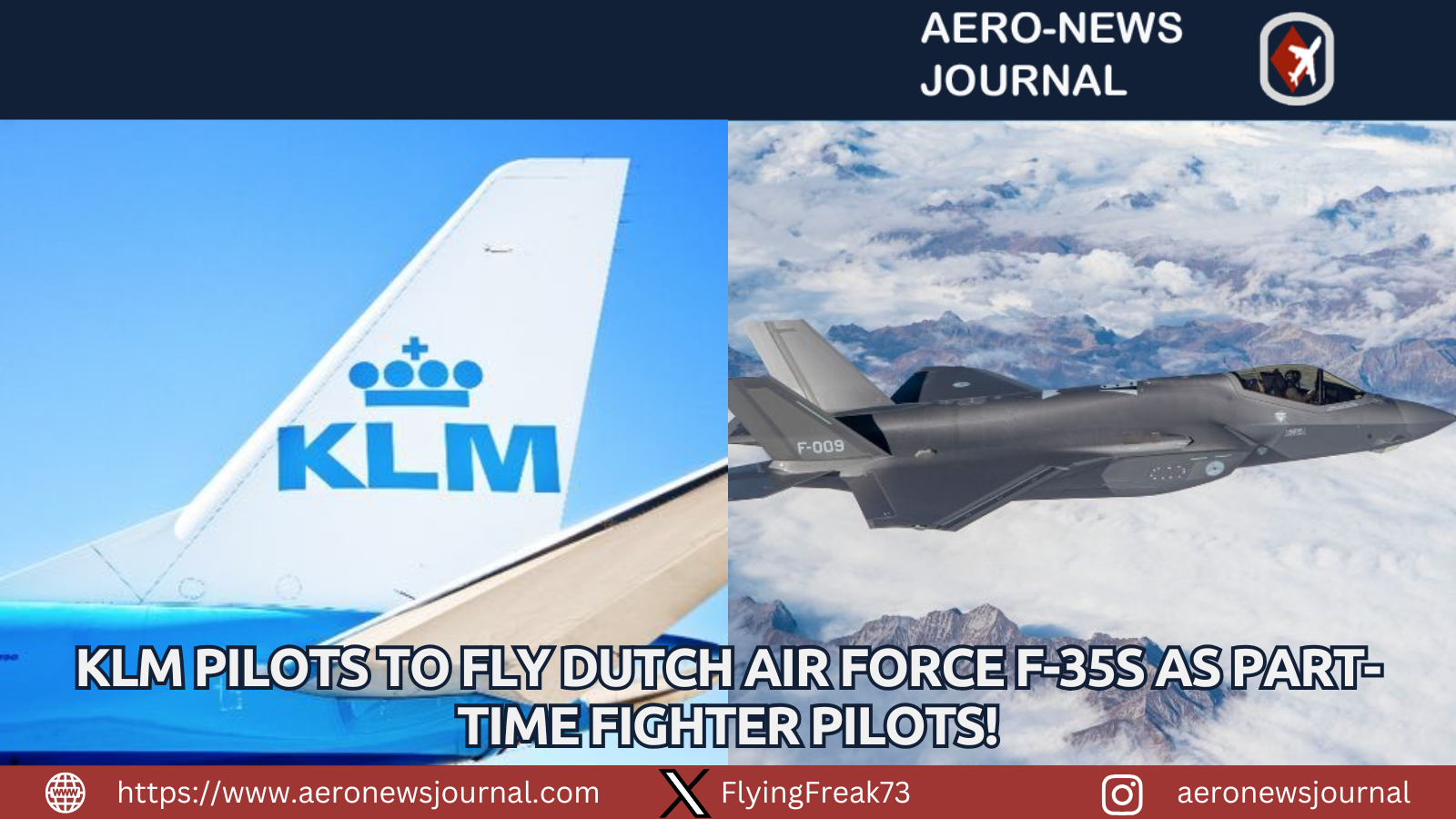
F-35 Escorts KLM Flight Carrying Dutch 2026 Olympic Team Home
The sight of a slim, dark F-35 fighter jet flying in formation beside a KLM airliner captured attention and imaginations: a moment that felt equal parts military precision, national pride and airport theater. For passengers on the KLM flight—the Dutch athletes, coaches and staff returning from the 2026 Olympic Games—the escort was a convergence of practical air-safety measures and an unmistakable symbolic welcome-home. For citizens watching live coverage or social posts, it was a picture-postcard moment that invites a closer look at why military aircraft sometimes escort civilian flights, what it means when they do, and how such operations are planned and executed.
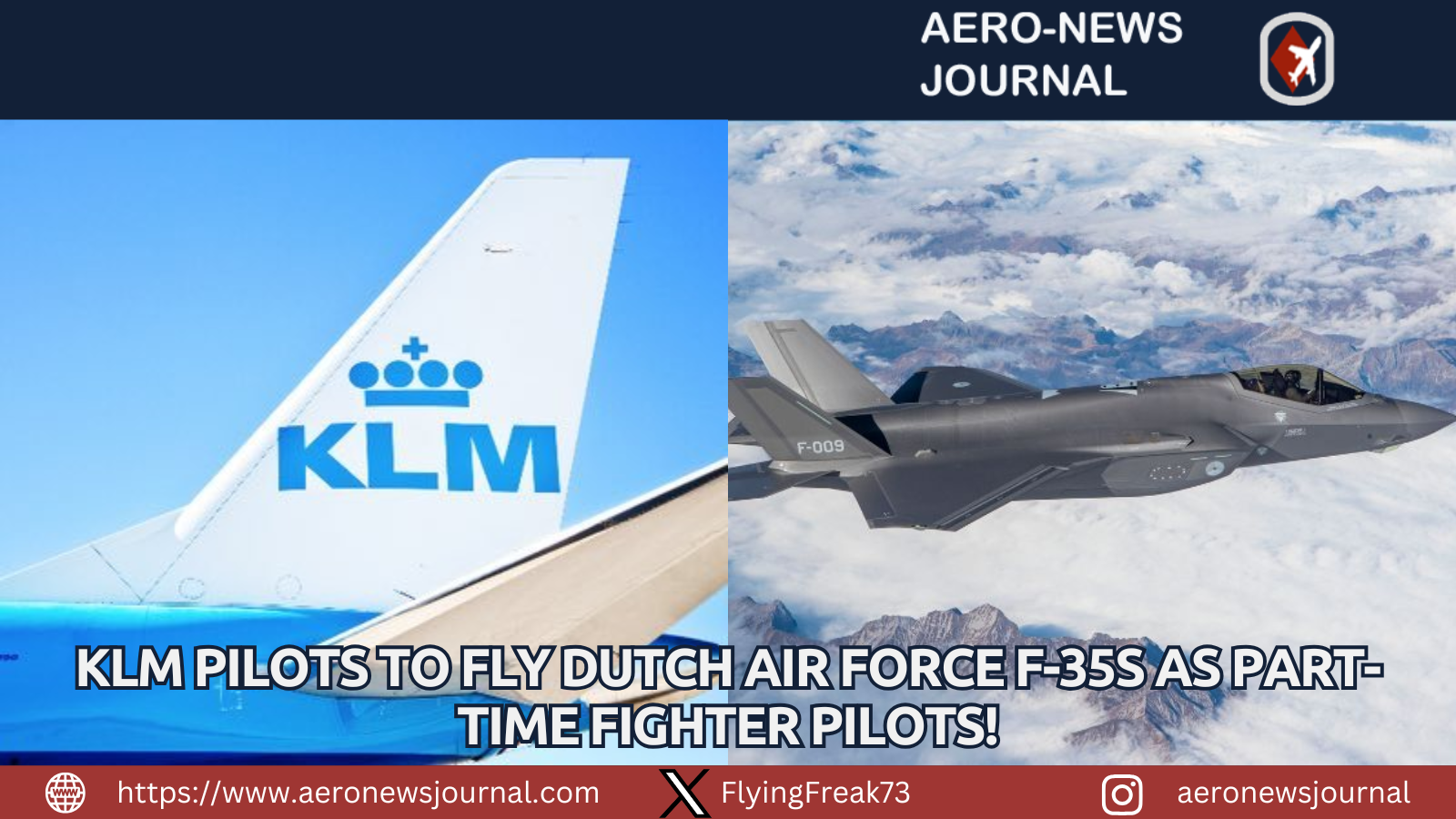
F-35 fighter jet formation with KLM
What Happened — The On-the-Runway Narrative
The headline is simple: a KLM aircraft carrying members of the Netherlands' Olympic delegation was accompanied on approach and into national airspace by at least one F-35. The formation flying lasted long enough for passengers and airport observers to notice, and for media outlets to distribute images and recordings. That combination—visible formation, a high-profile passenger manifest, and the sleek profile of a fifth-generation fighter—turned an otherwise routine repatriation flight into a moment of public attention.
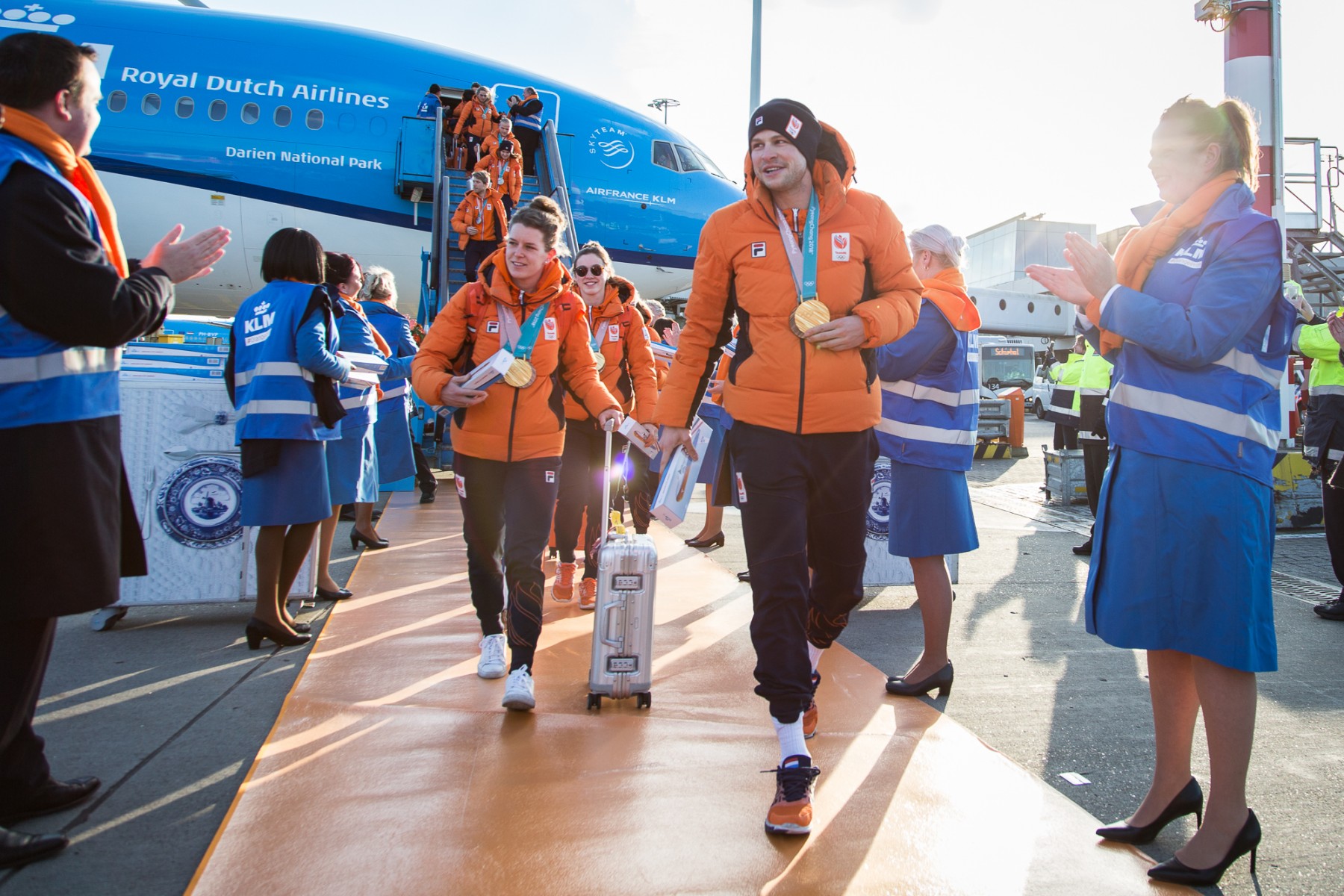
Dutch Olympic team arrival KLM
Why an F-35 Escort?
There are several reasons a military jet would escort a civilian airliner. They fall into practical categories and into symbolic or diplomatic categories, and often both considerations overlap.
Practical reasons
On the practical side, escorts occur when air traffic control or military authorities want to:
- Verify identity: confirm the aircraft's identity and intentions after a failure of communications or navigation aids.
- Respond to a perceived threat: investigate a possible security incident aboard the aircraft or in the vicinity.
- Provide visual contact: reassure passengers and crew during abnormal situations or technical faults by maintaining a nearby military presence.
Any one of these reasons could prompt an intercept and an escort; the presence of athletes on board raises the stakes for clear communication and dignified handling, prompting authorities to add extra care to the operation.
Symbolic and diplomatic reasons
Beyond operational necessity, an F-35 flying alongside a national carrier can be a deliberate show of support. Governments sometimes authorize a ceremonial escort to honor returning champions or to send a message about national unity. In those cases, the military and the carrier coordinate to ensure safety and optics, turning the maneuver into a sanctioned welcome rather than an emergency response.
How Fighter Escorts Work — From Scramble to Release
Behind the dramatic imagery is detailed choreography. An escort begins with an order from national air defense or air traffic control. Whether the F-35 came off a quick-reaction alert or was dispatched purposely for ceremony, the basic phases are consistent:
- Mission planning: clearance, routing and safety briefings for both the fighter and the civil crew.
- Identification and approach: the fighter establishes visual contact and flies a standard approach profile to communicate intentions.
- On-station procedures: the escort maintains a safe distance and speed differential, typically off the airliner's 10–30 degrees and a thousand feet or so offset depending on conditions.
- Coordination with ATC: air traffic control updates the flight path to keep the escort and the escorted flight segregated from other traffic.
- Release and handover: once the mission's objective is achieved—identification confirmed, ceremony completed, or emergency mitigated—the escort returns to base or resumes its prior mission.
All of this happens with constant radio checks, standardized visual signals, and precise timing to protect the safety of both aircraft.
F-35: Why this jet?
The F-35 is a modern multirole fighter with advanced sensors and communications systems. Its selection for any visible escort is both functional and symbolic. Functionally, the F-35 can process real-time information, maintain secure communications with ground commands, and match the speed and altitude required to establish and maintain visual contact with slow-moving airliners. Symbolically, its modern profile and national association make it a dramatic choice when the intent is to create a memorable image.
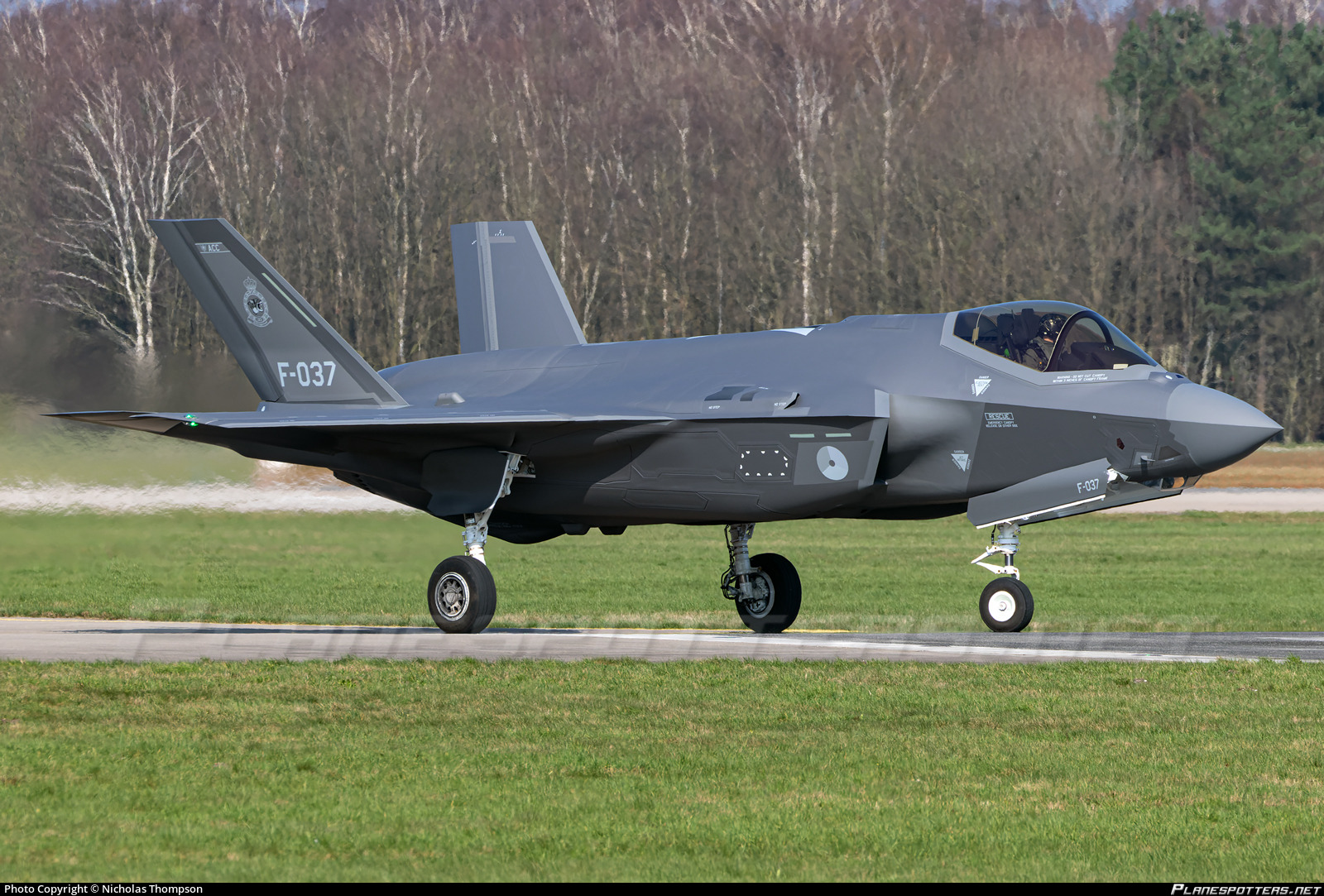
Royal Netherlands Air Force F-35 escort
An F-35 flying alongside a KLM airliner is as much a statement of national pride as it is an operational decision.
Logistics and Coordination Behind the Scenes
Pulling off an escort that is both safe and publicly visible takes coordination across civil and military organizations. It is not an ad hoc stunt; it is an operational decision that involves the airline, the pilots, the airport operator, national air defense, and air traffic control authorities.
Airline and crew roles
KLM's pilots and operations center would have been briefed if the escort was planned. Pilots have standardized checklists and briefing points for operating near military aircraft: maintaining assigned headings, monitoring closure rates, and following ATC commands. The crew also moves through public relations considerations, because a ceremonial escort carries reputational benefits and responsibilities.
Military and ATC roles
For the Royal Netherlands Air Force or any national defense force, the mission director would coordinate clearance and deconfliction with civil air traffic control. Flight corridors are often temporarily adjusted, other traffic held, and controllers issue specific routing to minimize risk. Pilots in the F-35 would be executing a mission plan that includes safe offsets, a clear set of visual signals and approved photography rules to avoid interference with cockpit duties.
Safety and Public Perception
Any time a military jet flies near a civilian airliner, safety is the paramount concern. The aviation system is built on conservatism: pilots, controllers and commanders err on the side of caution. A visible escort can reassure the public and passengers that authorities are taking the situation seriously, but it can also create a spectacle that invites speculation. Maintaining transparent communications—explaining whether the military presence was precautionary or ceremonial—helps manage public perception.
Athletes, families and the optics of welcome
For athletes returning from the Olympics, the moment of arrival is charged with emotion. A military escort can amplify feelings of pride and recognition. Sports delegations often value visible honors; they are public recognition of months and years of work. For families watching on the tarmac and for TV viewers, the sight of an F-35 near the national carrier can transform a routine aviation scene into a national celebration.
Athletes waving from KLM cabin
Passengers watched as the fighter jet matched the KLM airliner's approach, a rare sight that blended ceremony and operational procedure.
Costs, Controversies and Questions
No high-profile military action is free from scrutiny. Critics sometimes question whether fighter escorts are the best use of defense resources, whether they are necessary for security, or whether they are being used for public relations. Those concerns are worth addressing directly.
- Resource allocation: Deploying a high-performance fighter consumes fuel, pilot time and support coordination. Defense ministries balance those costs against mission priorities.
- Precedent and policy: When a nation chooses to provide a ceremonial escort, it sets expectations. Clear policy helps determine when escorts are granted and avoids ad hoc decisions that might be interpreted inconsistently.
- Public messaging: Without explanation, the public may misinterpret an escort as an emergency. Timely, factual communication from authorities reduces confusion.
International and Legal Context
National airspace sovereignty allows states to control their skies and to use military aircraft for air policing. When civilian aircraft enter national airspace—especially on final approach—national defense forces have the right and responsibility to respond to irregularities. International civil aviation standards set expectations for communication and identification; military intercepts typically follow well-established rules of engagement and visual signal procedures to minimize risk.
Reactions: Public, Political and Media
Public reaction to the escort likely ranged from national pride to curiosity and critique. Political leaders often seize moments like this to praise athletes and frame the event as a unifying national story. Media coverage amplifies the image—sometimes focusing on the spectacle, sometimes on technical detail. A well-crafted official statement helps guide the narrative toward appreciation for the athletes and clarity about the nature of the escort.
Voices from the Flight — What Athletes and Crew May Have Experienced
Passengers on the KLM flight would have felt a mixture of surprise and excitement. For athletes who have trained and sacrificed for years, the sight of their nation's military flying in formation is a symbolic recognition of their achievement. Crew members balance safety duties with PR considerations; cabin announcements and careful management keep passengers informed and comfortable.
For many on board, the escort was less about the aircraft and more about being welcomed home.
What This Means Going Forward
Events like this one offer lessons for aviation authorities, defense ministries, airlines and sports bodies. They underscore the need for:
- Clear protocols: distinct rules for when escorts are ceremonial versus security-driven.
- Transparent communication: rapid, clear public statements to prevent speculation.
- Joint training: continued civil-military exercises so both communities understand each other's capabilities and constraints.
Conclusion — More Than a Photo Op
The F-35 escort of a KLM flight carrying the Dutch 2026 Olympic team was a multi-layered event: operationally routine in many respects, symbolically resonant in others. It highlights the intersections of modern air safety, national symbolism and the human dramas of sport. When done thoughtfully—grounded in clear policy, careful coordination and open communication—such escorts can honor achievement without compromising safety or public trust.
- The escort combined practical aviation procedures with a powerful symbolic welcome for returning athletes.
- Safety and clear communication are paramount in any civilian-military air operation.
- Well-defined policy prevents confusion about whether an escort is ceremonial or a response to a security concern.
- Public perception is shaped as much by official statements as by striking visuals.
Final Thought
In a divided news cycle, a single image of a fighter jet flying beside a national carrier can briefly unite attention—and remind communities that behind every public spectacle are thousands of hours of planning, training and human effort. Whether you saw it as pageantry or procedure, the escort was a practical demonstration of how states protect and celebrate their citizens in the air and on the world stage.