Exploring Urban Microclimates: Weekend Getaways in Cities
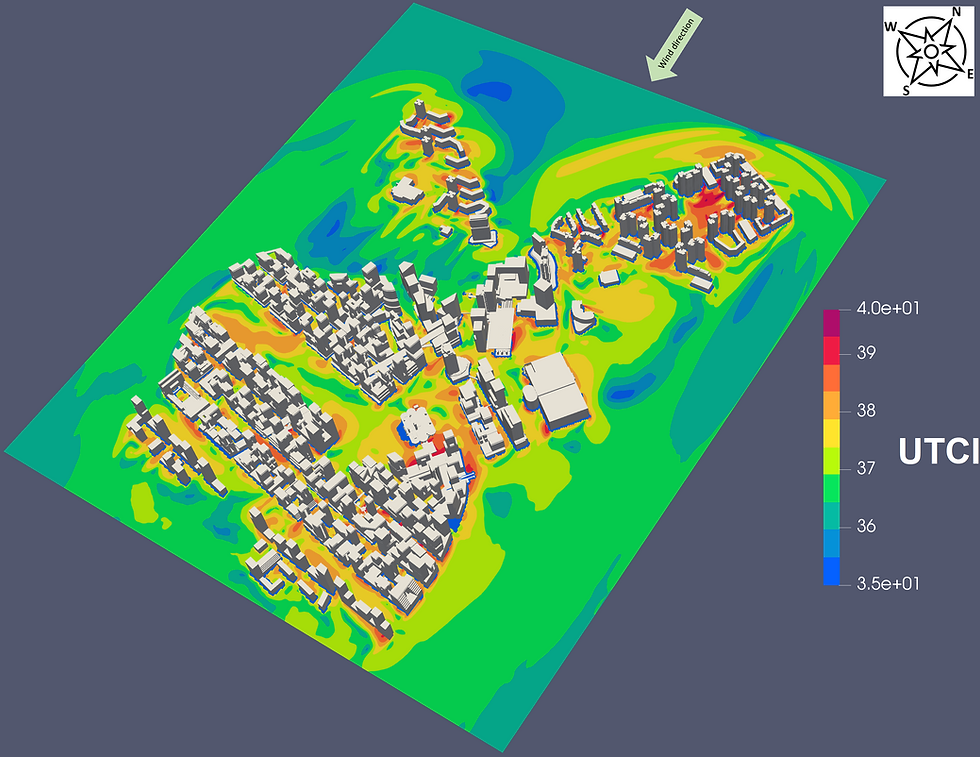
Every city has its heartbeat, but did you know that they also have their own unique climates? Amid towering skyscrapers and bustling streets lie pockets of nature that create diverse microclimates—areas where the temperature, humidity, and wind patterns can differ dramatically from the surrounding urban environment. On this weekend adventure, we take a closer look at how urban microclimates offer not only a refreshing break from city life but also a deeper understanding of our metropolitan ecosystems.
Understanding Urban Microclimates
Urban microclimates are localized climatic conditions that arise partly due to human activities and city design. Factors such as building materials, vegetation, and even the layout of streets play significant roles.
In cities, heat is absorbed differently in various areas. For instance, concrete and asphalt hold heat more than gardens or parks, leading to what’s known as the urban heat island effect. This can affect the local weather, leading to precipitation but also increasing energy costs and influencing local flora and fauna.
Some notable features of microclimates include:
- Vegetation: Parks and green roofs can cool surrounding areas.
- Elevation: Cities with hills might have varied climates on different sides.
- Water Bodies: Lakes and rivers can moderate temperatures.
By understanding these factors, we gain insight into how our environments are shaped and can learn to appreciate the layers that coexist within urban landscapes.
City Stops: A Weekend Itinerary
For those looking to explore the rich fabric of urban microclimates, we recommend a weekend itinerary consisting of three must-visit cities that exemplify diverse climatic experiences.
Day 1: San Francisco, California
Start your weekend in San Francisco, where the coastal influence creates a temperate climate. The city's famous fog, particularly over the Golden Gate, presents a unique microclimate that thrives on moisture and cooler temperatures. Enjoy the following highlights:
- Golden Gate Park: A vibrant green space featuring diverse flora.
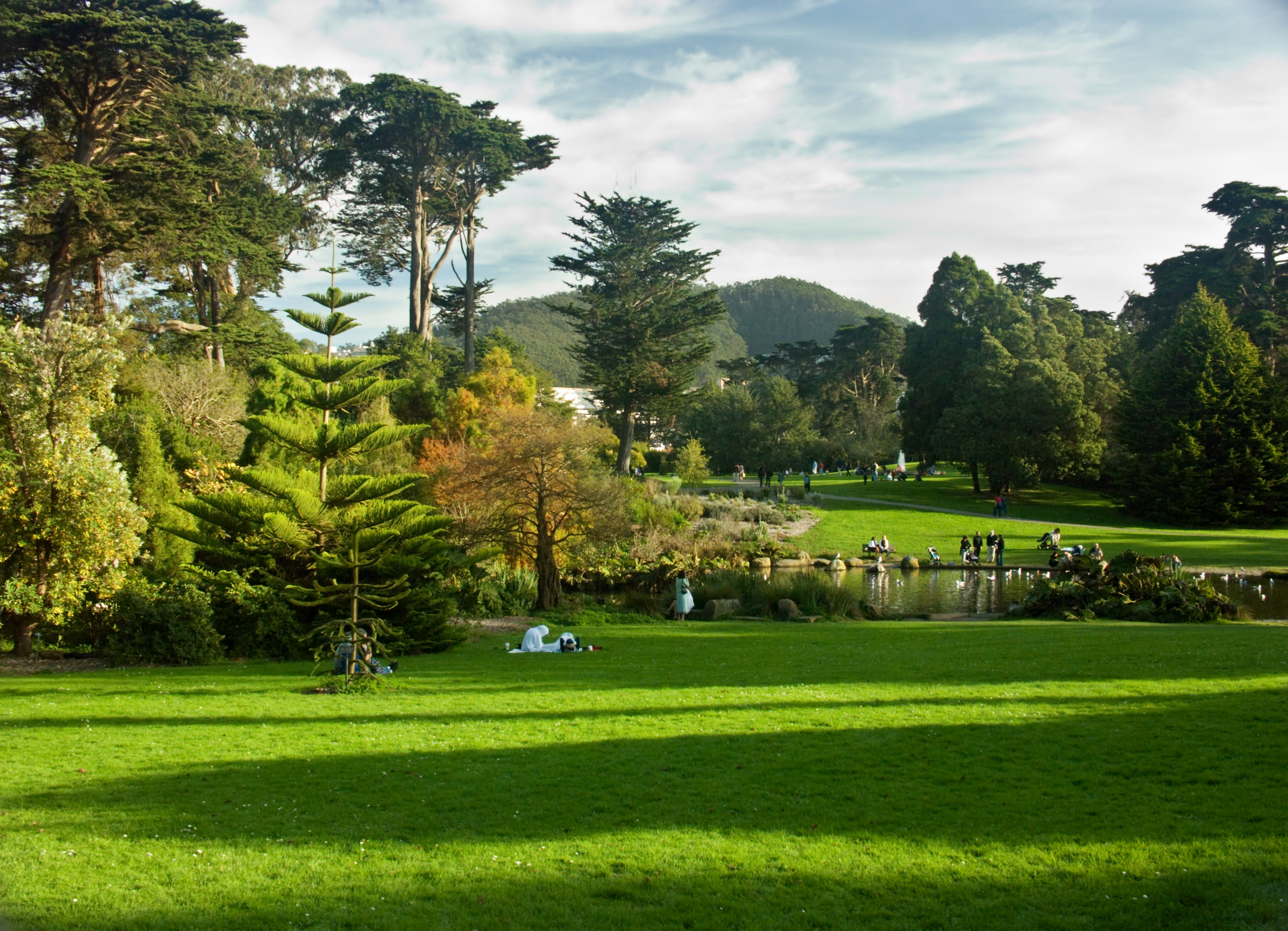
San Francisco Golden Gate Park
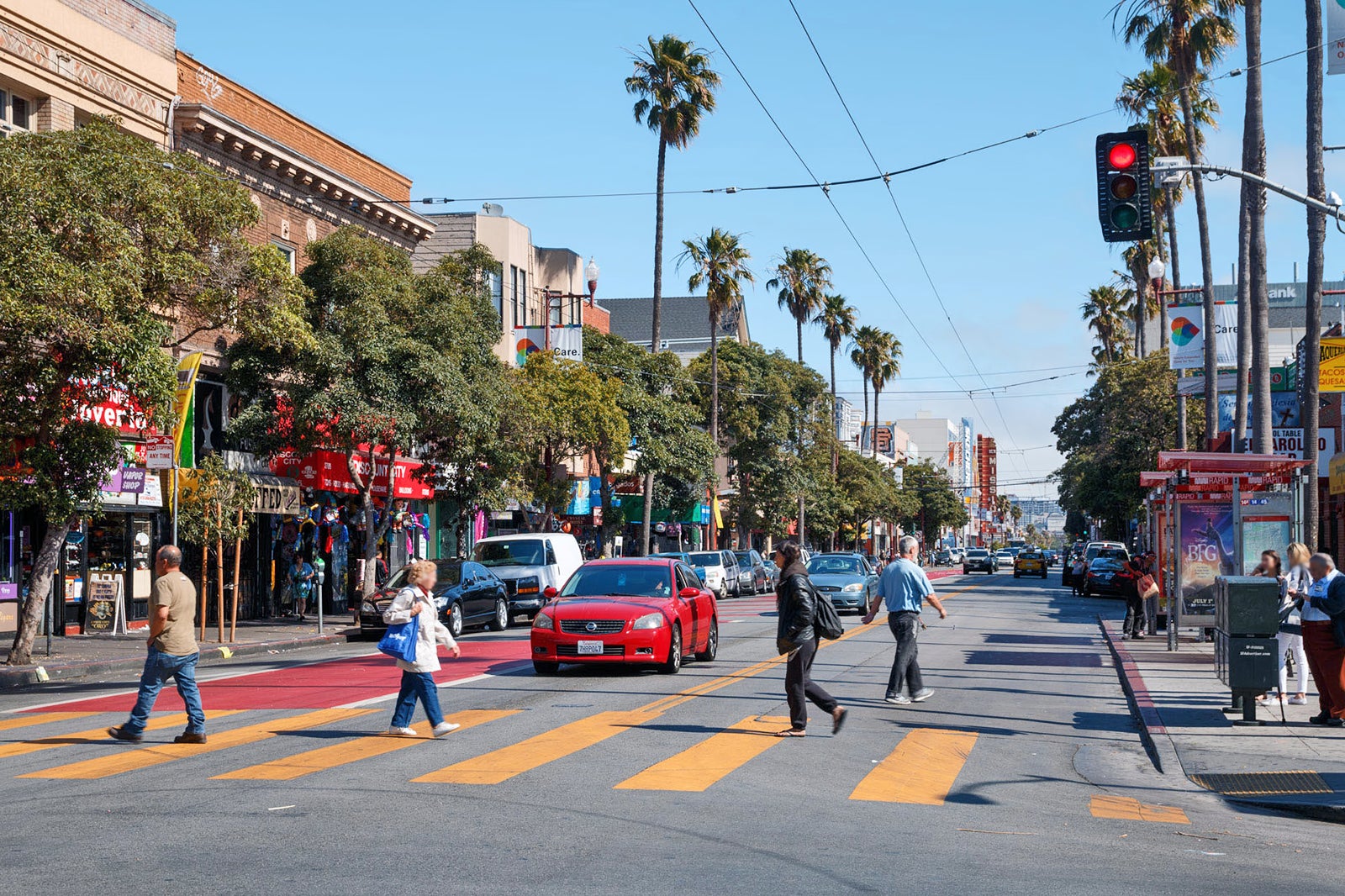
Mission District San Francisco
By exploring these contrasting environments, you’ll truly appreciate how urban design influences climate.
Day 2: Phoenix, Arizona
The next stop is Phoenix, where arid heat contrasts starkly with the coolness of shaded urban areas. The microclimate in the city revolves around the use of vegetation to combat heat. Highlights include:
- Desert Botanical Garden: Home to various desert plant species, showcasing adaptations to heat.
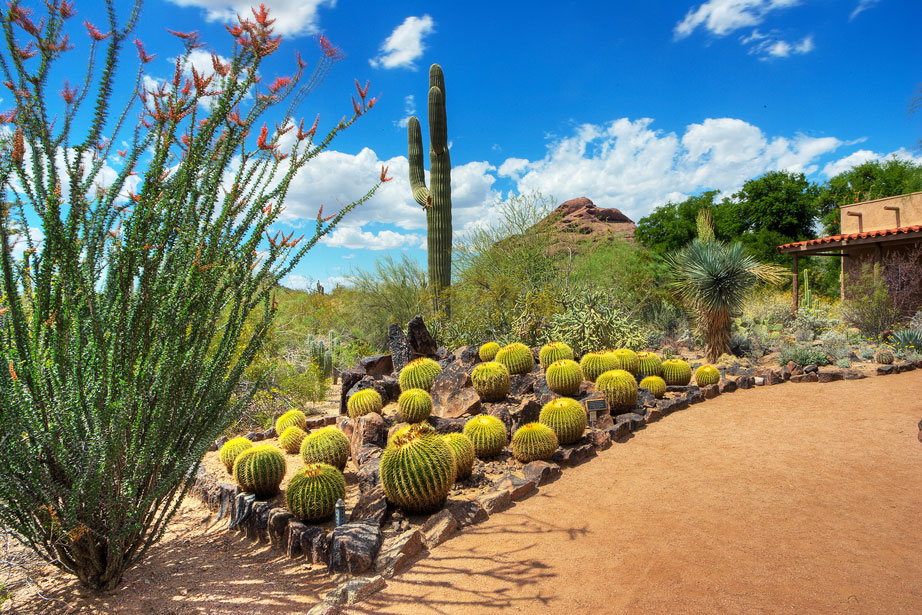
Desert Botanical Garden Phoenix
- Parks like Papago: Where greenery softens the urban landscape and provides a refreshing escape.
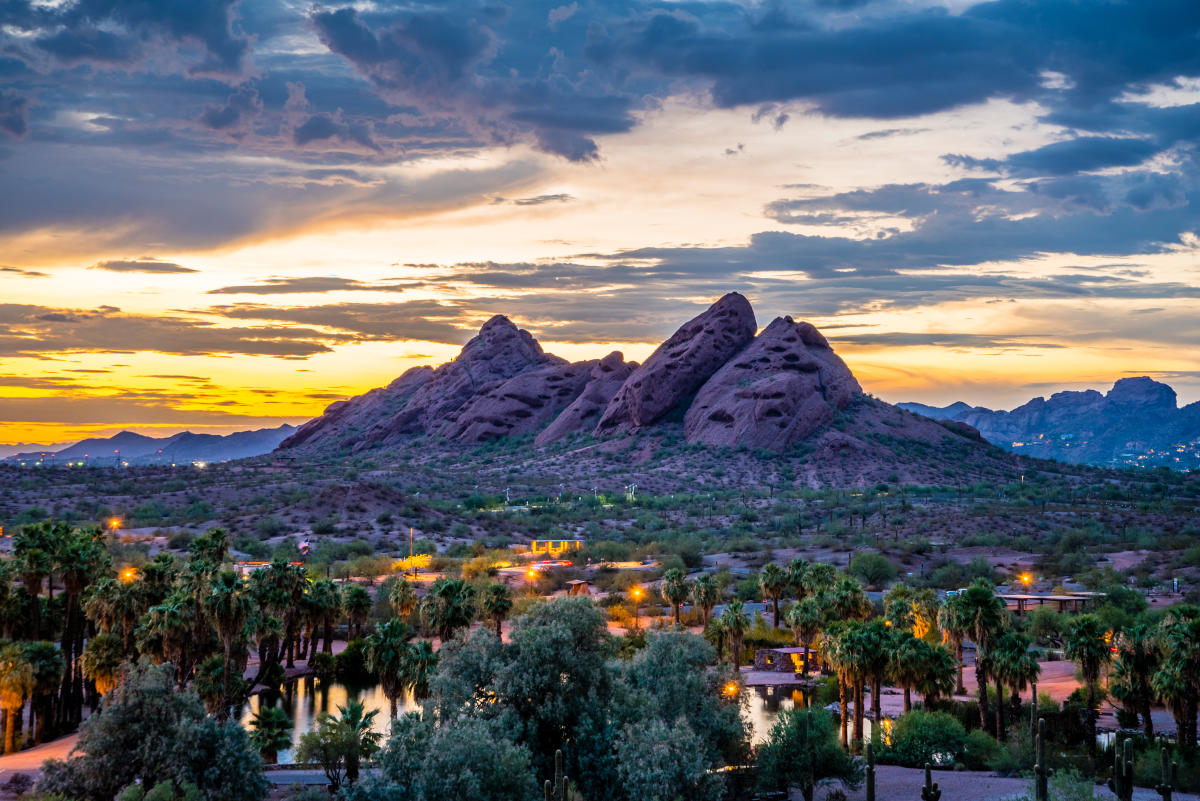
Papago Park Phoenix
Understanding the methods employed here to manage urban heat can provide valuable lessons in sustainability.
Day 3: New York City, New York
Finish your journey in the concrete jungle of New York City, where microclimates vary significantly across boroughs. The use of materials and landscaping choices in each neighborhood leads to fascinating climatic differences. Visit:
- Central Park: A lush oasis in the heart of the city, offering a cooldown from the surrounding urban heat.
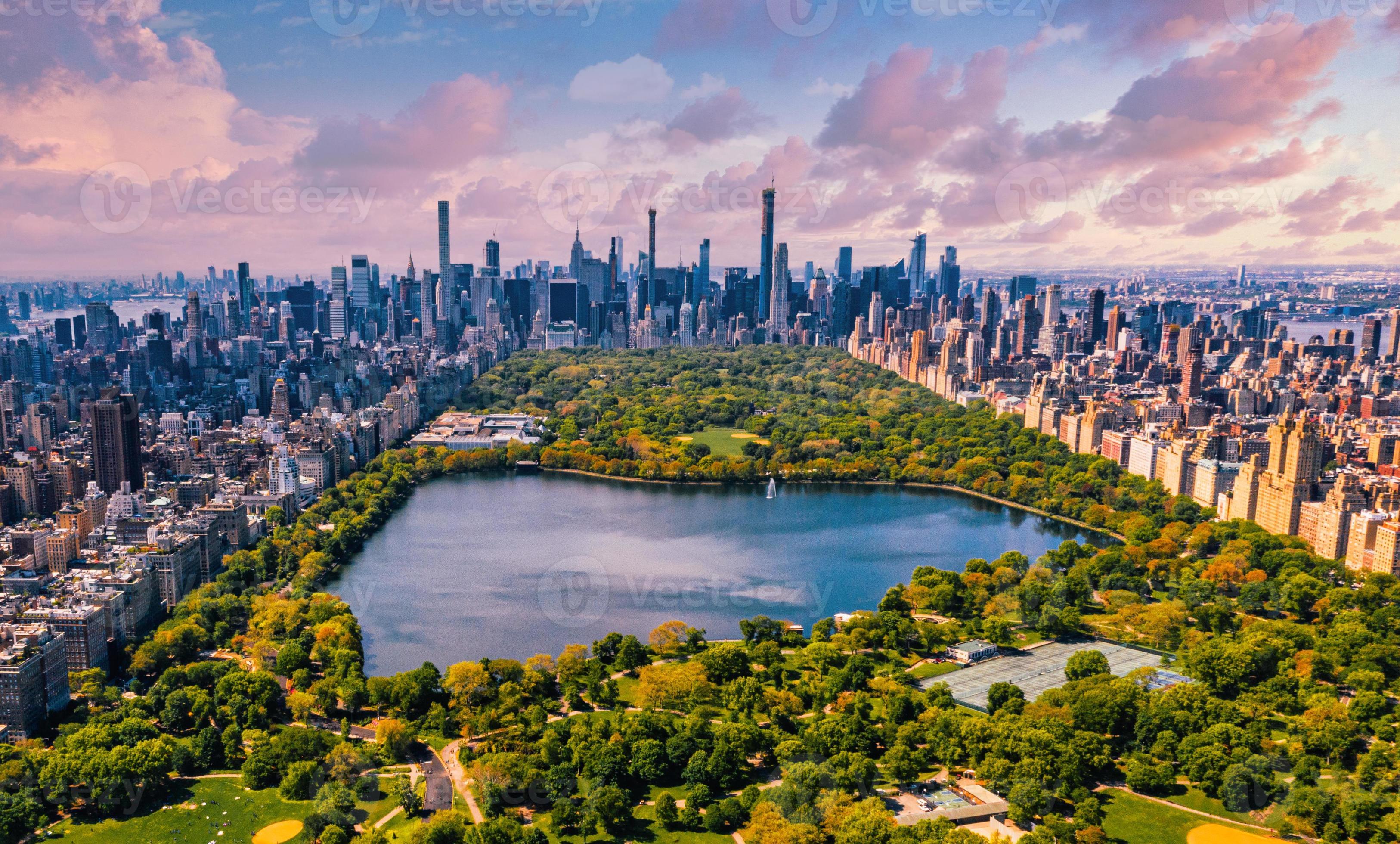
Central Park New York
- Brooklyn Botanical Garden: Showcasing how careful design can create tranquil microenvironments.
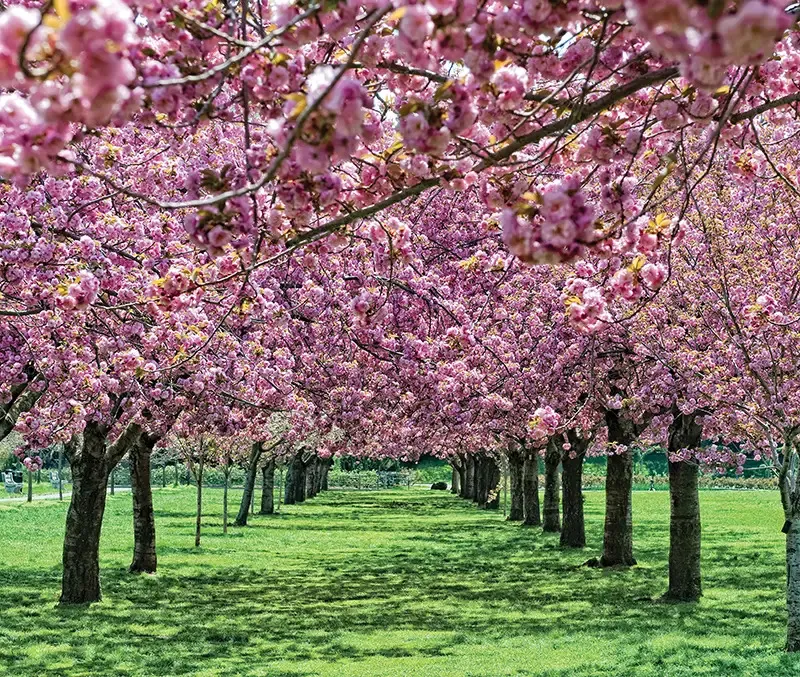
Brooklyn Botanical Garden
By engaging with diverse spaces in New York, you'll see how urban green initiatives can mitigate extreme temperatures and enhance local biodiversity.
The Importance of Urban Microclimates
Why should we care about urban microclimates? Understanding them is crucial for several reasons:
- Sustainability: Recognizing climate impacts allows for better urban planning.
- Public Health: Urban heat can exacerbate health issues; knowing microclimates helps in making informed choices about outdoor activities.
- Ecological Balance: Microclimates support diverse ecosystems, essential for maintaining urban biodiversity.
By advocating for eco-friendly spaces and climate-conscious designs, we can improve our cities for future generations.
Conclusion: Embracing the Urban Experience
Your weekend journey through different cities illustrates the beauty and importance of urban microclimates. As we traverse these environments, we uncover the complexity of climates shaped by both nature and human action.
We invite all urban explorers to contemplate their impact on these microcosms and promote initiatives that nurture sustainable city living. Explore, learn, and appreciate the climate conversations that occur right in our backyards.