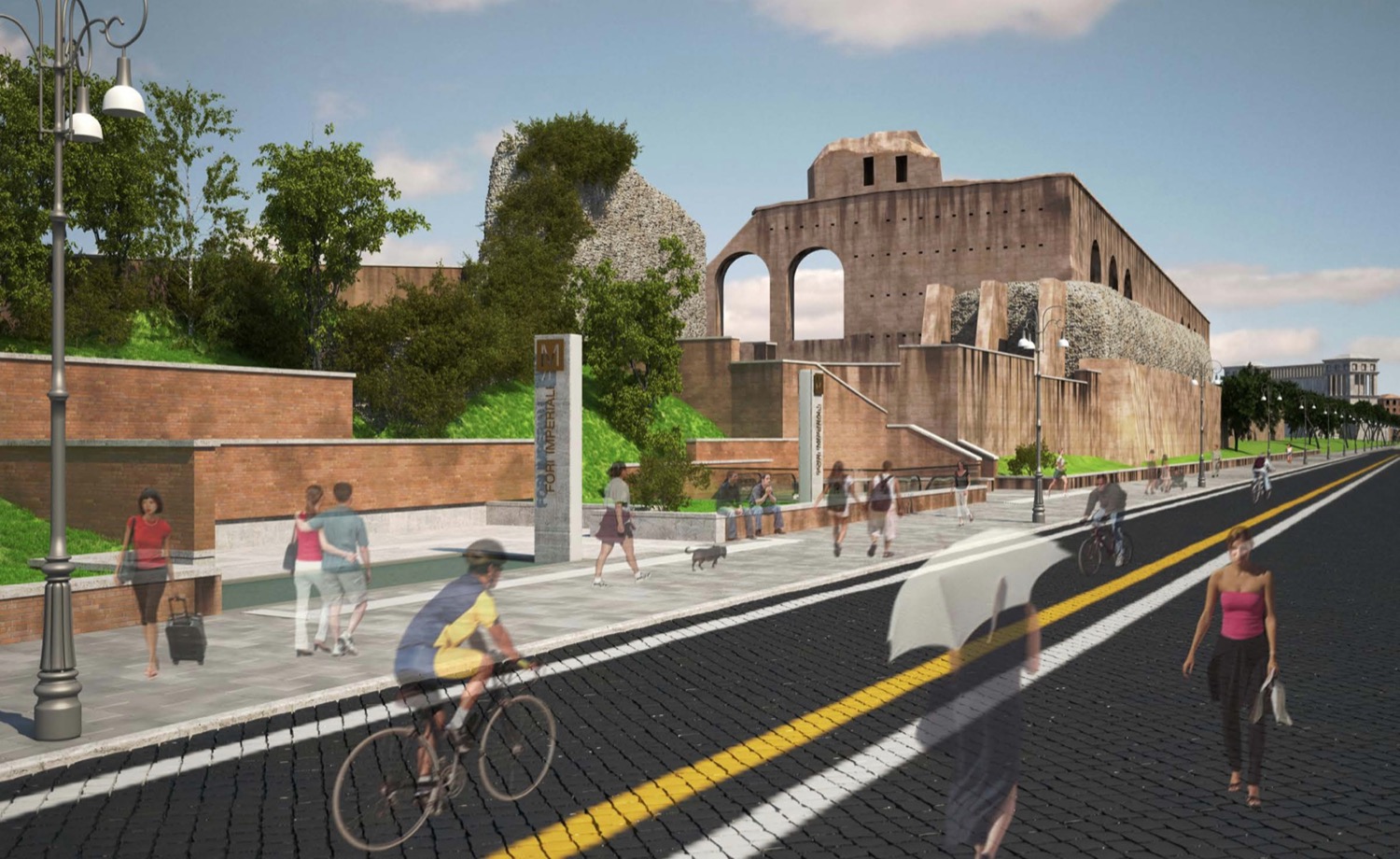
The New Metro-Museum: A Cultural Beacon at the Colosseo
Rome, a city steeped in history, is set to welcome an extraordinary new cultural institution—the Metro-Museum at the Colosseo. This innovative project merges public transport with artistic expression, aiming to transform the historic core of one of the world's most visited sites. Here, we delve into the significance of this new endeavor, exploring its architectural brilliance, cultural relevance, and the enhanced experiences it promises for visitors.
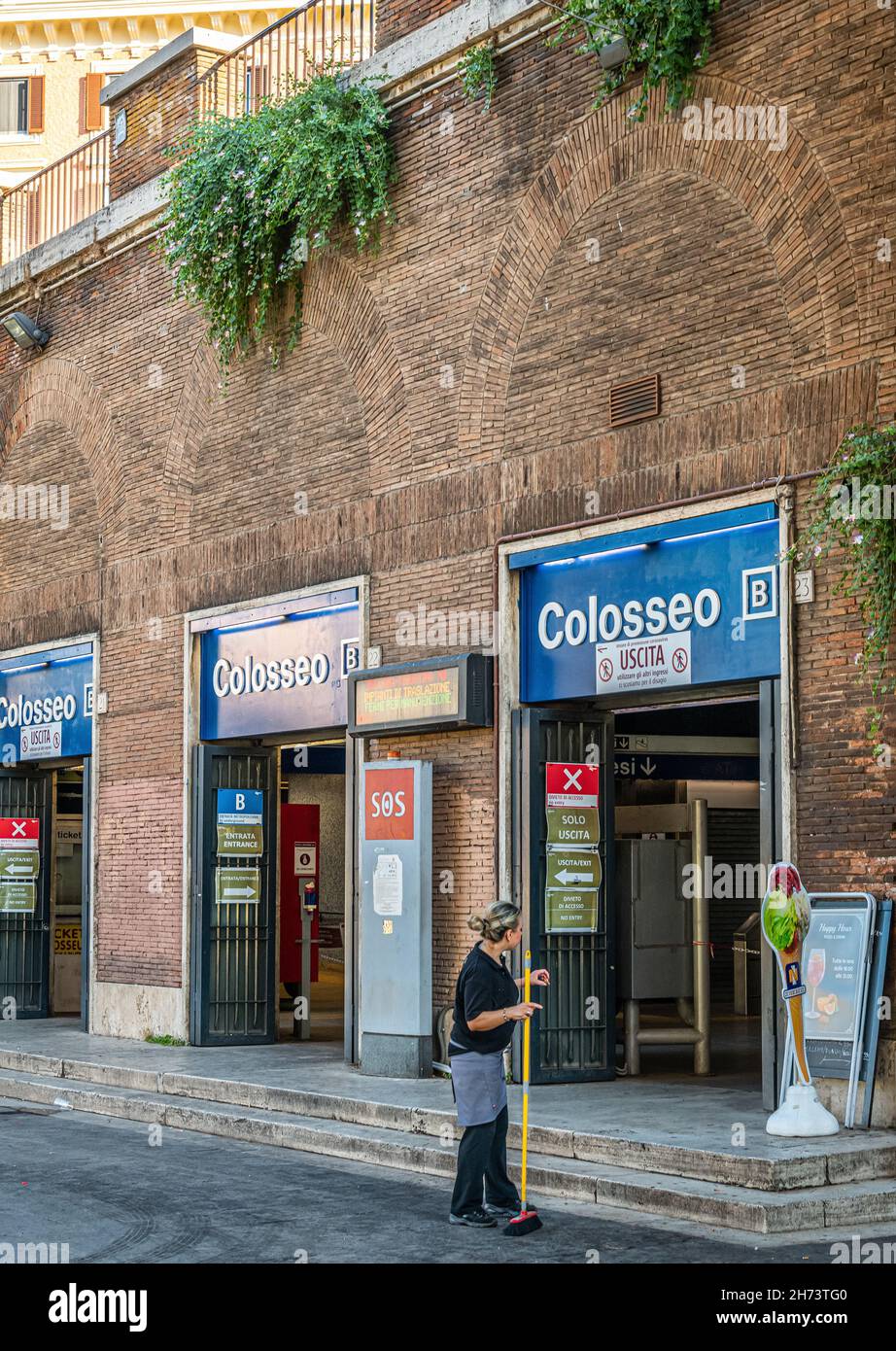
Colosseo Metro-Museum entrance
A Fusion of Functionality and Artistry
The Metro-Museum represents a groundbreaking fusion of functionality and artistic vision. Designed to not only facilitate transportation but also to serve as a canvas for contemporary art, this cultural hub invites visitors to engage with both the past and present. The architecture is an ode to Rome's classical aesthetics, incorporating elements like travertine stone and intricate mosaics, while integrating modern techniques to ensure sustainability.
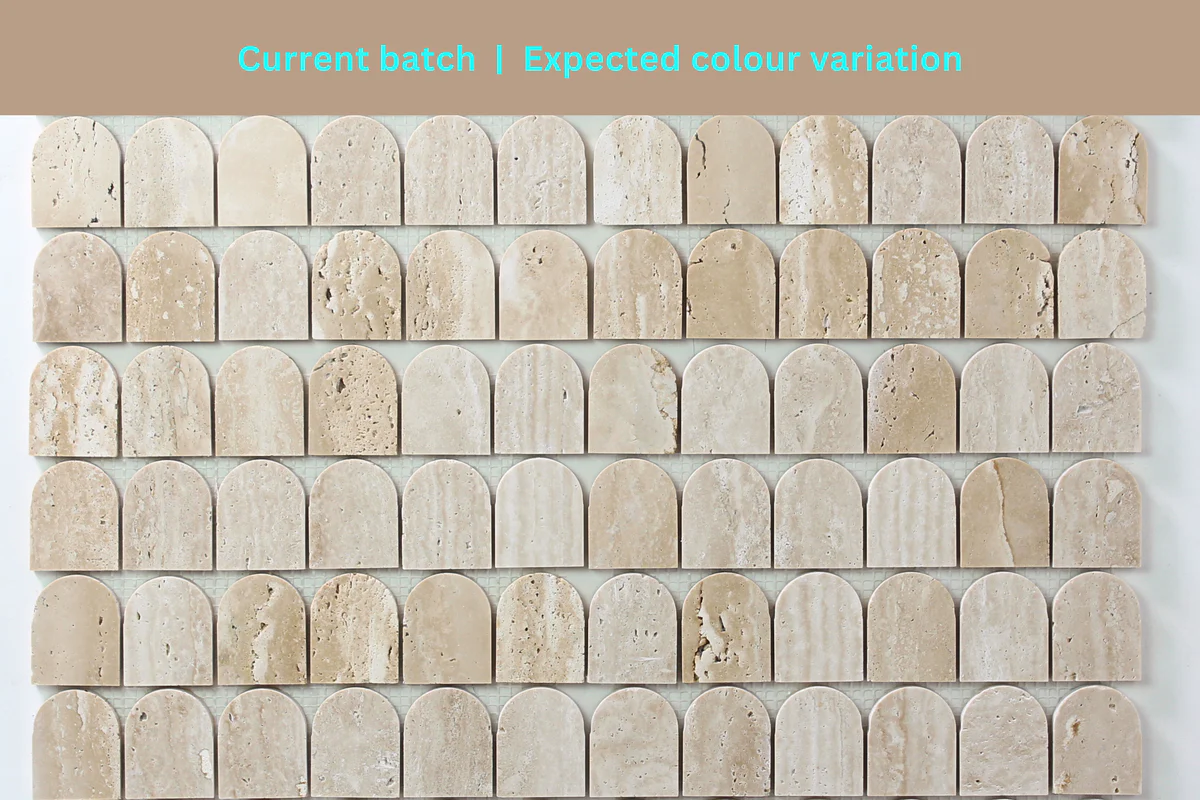
Colosseo travertine mosaics
As soon as one steps into the Metro-Museum, they are greeted by spacious, airy halls adorned with installations by local and international artists. It’s a unique intersection of transport and art—commuters may find themselves enraptured by breathtaking works while awaiting their next train.
Historical Context and Urban Development
This project emerges from a broader vision for urban development in Rome, aimed at revitalizing public spaces and enhancing community engagement. Historical cities like Rome often face challenges balancing modern transport needs with the preservation of their rich heritage. The Metro-Museum at the Colosseo addresses this challenge head-on, aiming to set a precedent for future developments. It’s a testament to how urban functionality can be harmonized with cultural preservation.
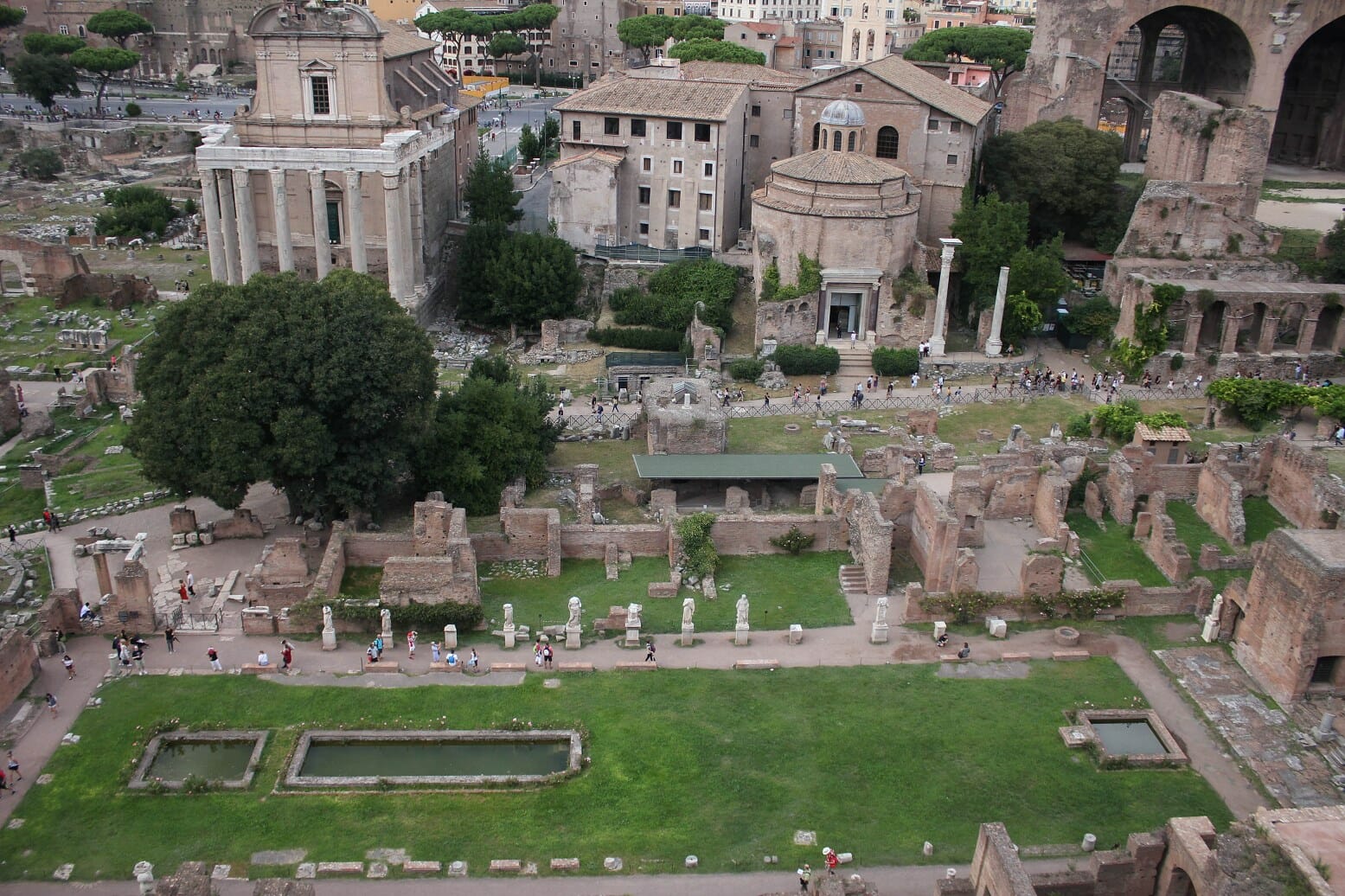
Roman Forum Palatine Hill nearby
Moreover, the Colosseo area has long suffered from heavy tourist footfall, leading to management issues. This new metro system could significantly alleviate congestion, providing a seamless travel experience while allowing visitors to appreciate the surrounding historic sites, such as the Roman Forum and Palatine Hill.
Contribution to Cultural Heritage
The Metro-Museum isn’t just about transport; it’s also an exhibition space dedicated to Rome’s nuanced history and contemporary culture. Permanent exhibitions will outline the history of the Colosseo, from its origins as a gladiatorial arena to its current status as a symbol of Roman excellence. Temporary exhibitions will further enrich the experience, showcasing emerging artists and thematic installations that resonate with both the ancient and modern context of the city.
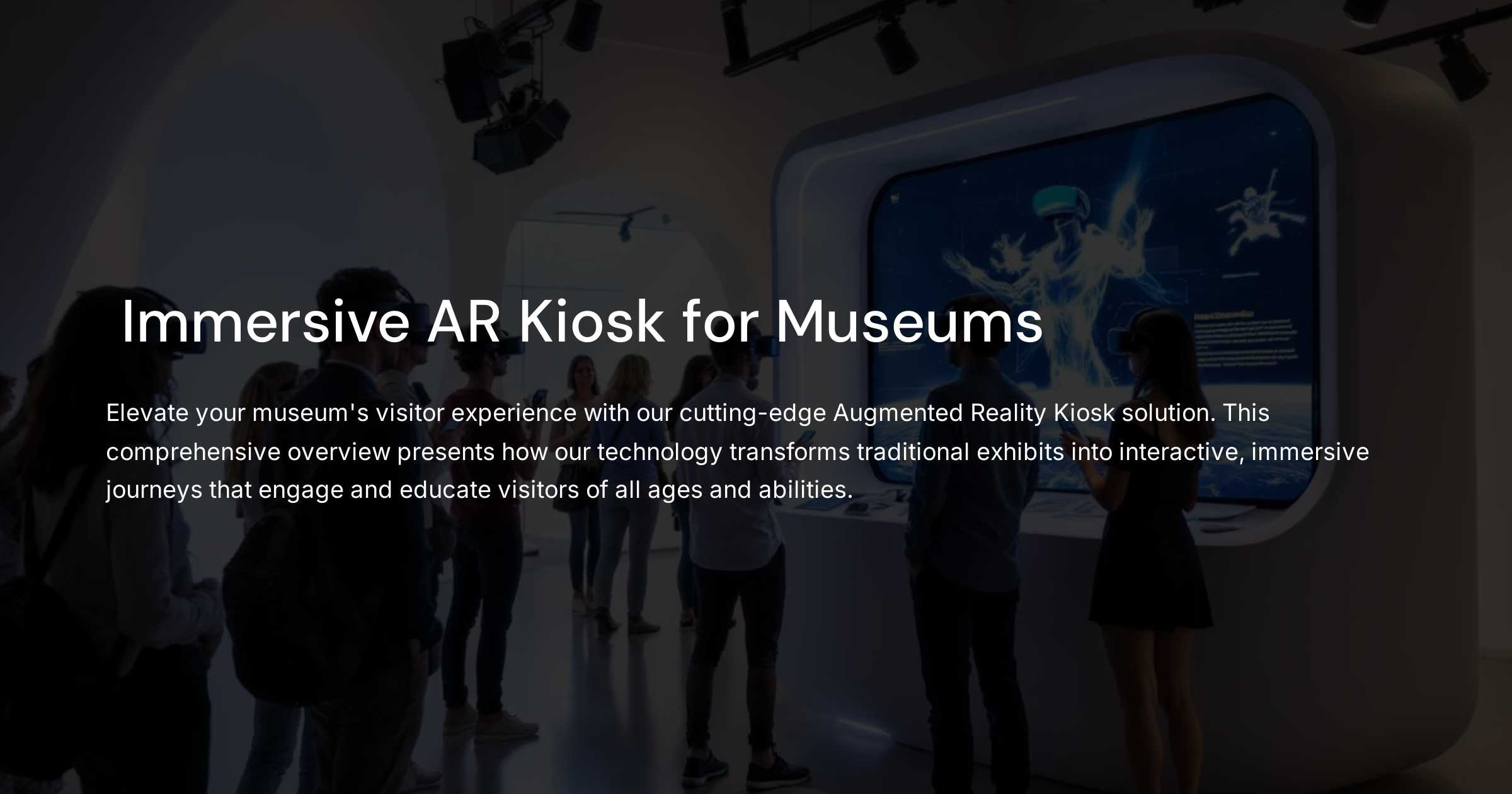
AR kiosks Colosseo museum
This emphasis on cultural heritage can guide visitors in understanding Rome not merely as a destination but as a living, breathing entity that continues to evolve. Each installation and exhibit becomes a conversation—a narrative that links the past with the present, encouraging reflection on the role of culture in our lives.
Enhancing Visitor Experience
Central to the Metro-Museum's mission is its commitment to enhance the visitor experience. Modern amenities such as information kiosks equipped with augmented reality technology allow patrons to explore historical narratives and contemporary art through immersive experiences. It encourages engagement beyond the visual, sparking curiosity and inviting questions.

Green spaces Colosseo entrance
Additionally, the integration of green spaces around the entrance of the museum offers tranquil spots for relaxation, revitalizing the often-bustling atmosphere of the Colosseo. Visitors now have an opportunity not just to view but to experience—a place to gather, engage, and appreciate the city's legacy.
The Future of the Metro-Museum
Looking ahead, the Metro-Museum at the Colosseo stands not only as a remarkable structure but as a blueprint for the future of urban transport and cultural institutions globally. Its innovative approach serves as a reminder that transportation and culture are interconnected, each enhancing the other. Other cities should look to this model for guidance—how artistic expression can coexist within functional spaces.
As this project continues to develop, one can anticipate a ripple effect influencing other metropolitan areas. The vision of cultural engagement in public transport offers an invitation for cities worldwide to rethink their approach to infrastructure, integrating art and history into the fabric of urban life.
Conclusion: Bridging Time Through Innovation
The new Metro-Museum at the Colosseo embodies a synthesis of the ancient and the modern, creating a nexus where history meets contemporary culture. It serves not only the practical needs of travelers but also elevates the cultural landscape of Rome, ensuring that the city’s rich narrative continues to unfold through art and engagement. As travelers step into this innovative space, they don’t just traverse through a metro system—they embark on a journey through time, experiencing the heartbeat of Rome as they move between its storied past and vibrant present.