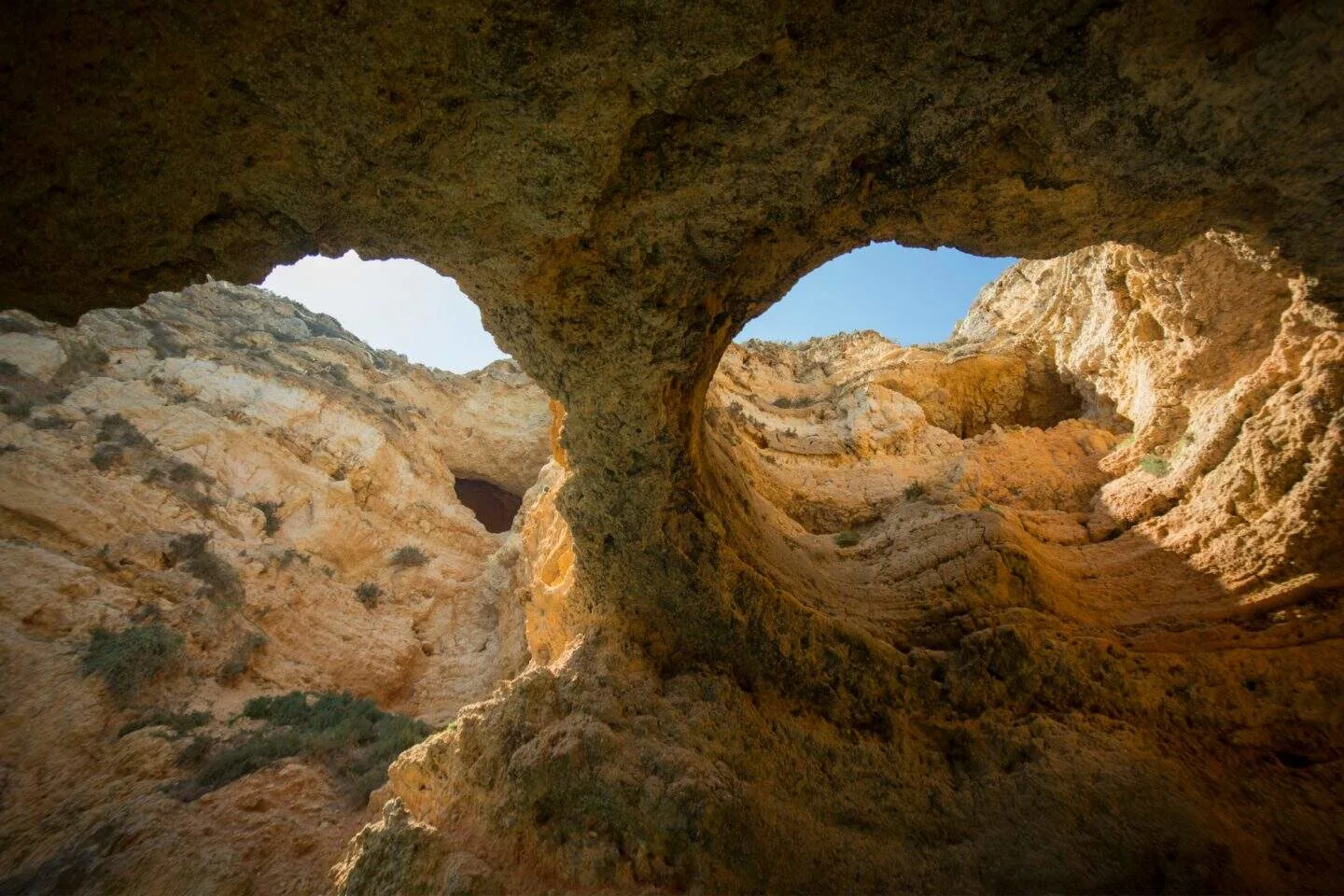
Unlocking the Secrets of Portugal’s Most Enigmatic Caves
As one of Europe’s most captivating destinations, Portugal is renowned for its stunning landscapes, rich culture, and storied history. Yet, nestled away from the bustling streets of Lisbon and the popular beaches of the Algarve are the country’s enigmatic caves—natural marvels that tell tales of ancient civilizations, geological wonders, and breathtaking beauty. In this exploration, we delve into the allure of Portugal’s caves, uncovering their secrets and the adventure they offer to those willing to embark on an extraordinary journey.
A Geological Wonderland
The geological formations found in Portugal’s caves are a testament to millions of years of natural processes. The country’s unique geology, primarily shaped by limestone, carbonate rocks, and ancient sedimentation, results in a variety of caves teeming with stalactites, stalagmites, and other fascinating rock formations. Major cave systems such as the Alto de São João,
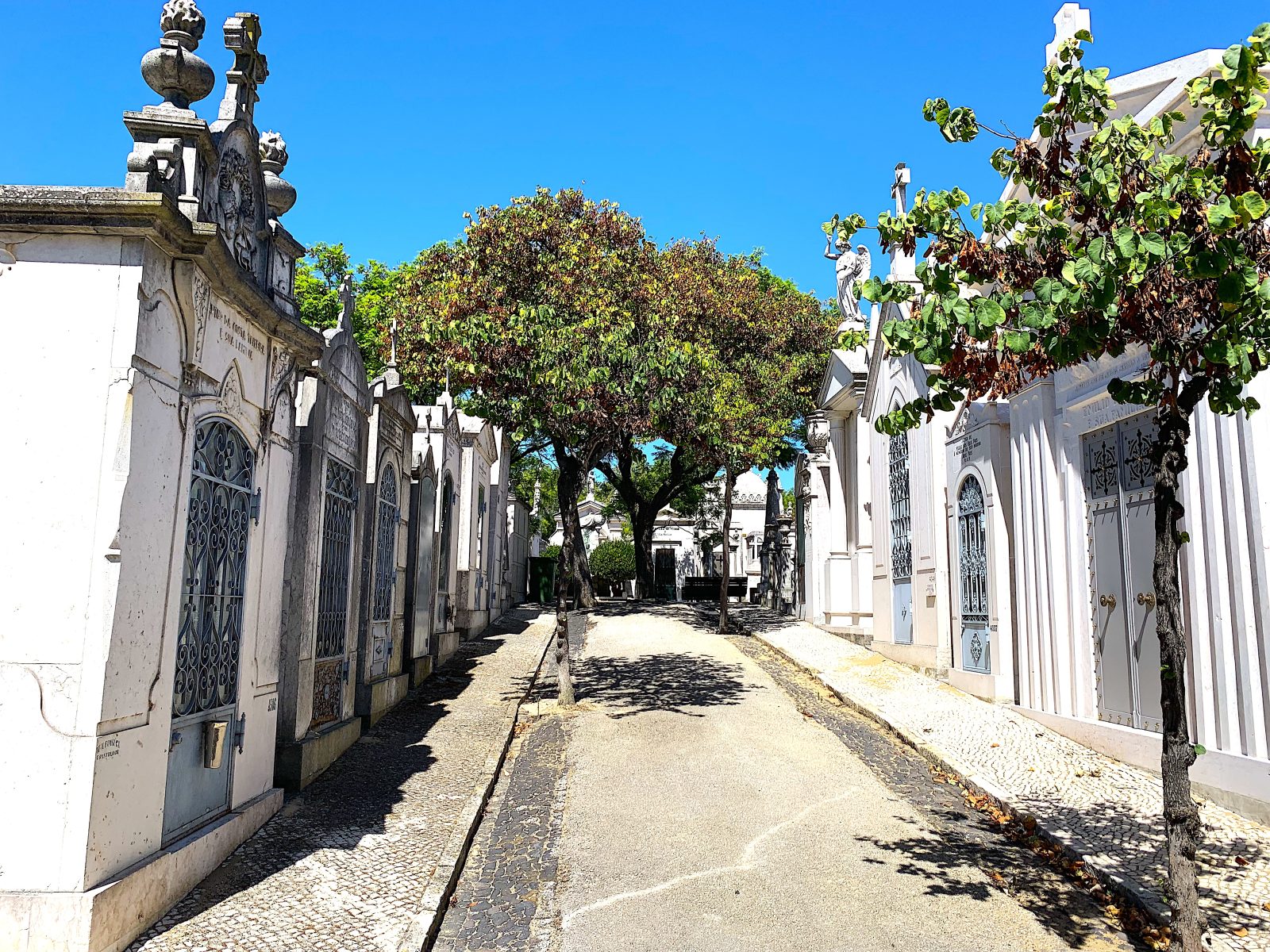
Alto de São João
the Grutas de Mira de Aire, and the infamous Benagil Cave provide insights into the earth's evolution while serving as stunning backdrops for exploration.
For geology enthusiasts, the formations within these caves are more than mere decorations; they are data points in Earth’s narrative. The limestone in Portugal dates back over 200 million years, providing clues to the marine life that once inhabited the region. Visitors often find it awe-inspiring to stand beneath massive rock ceilings and observe drapery curtains of calcite crystal hanging from the stalactites.
Fascinating History Buried Within
Portugal's caves are not only a geological wonderland but also a treasure trove of historical significance. The most famous of these, the Grutas de Mira de Aire, was discovered in 1947 and is now a UNESCO World Heritage site. Inside these dark chambers lay evidence of the Palaeolithic era, with archeological finds that include ancient artifacts and cave paintings, shedding light on the lives of early humans in Portugal.
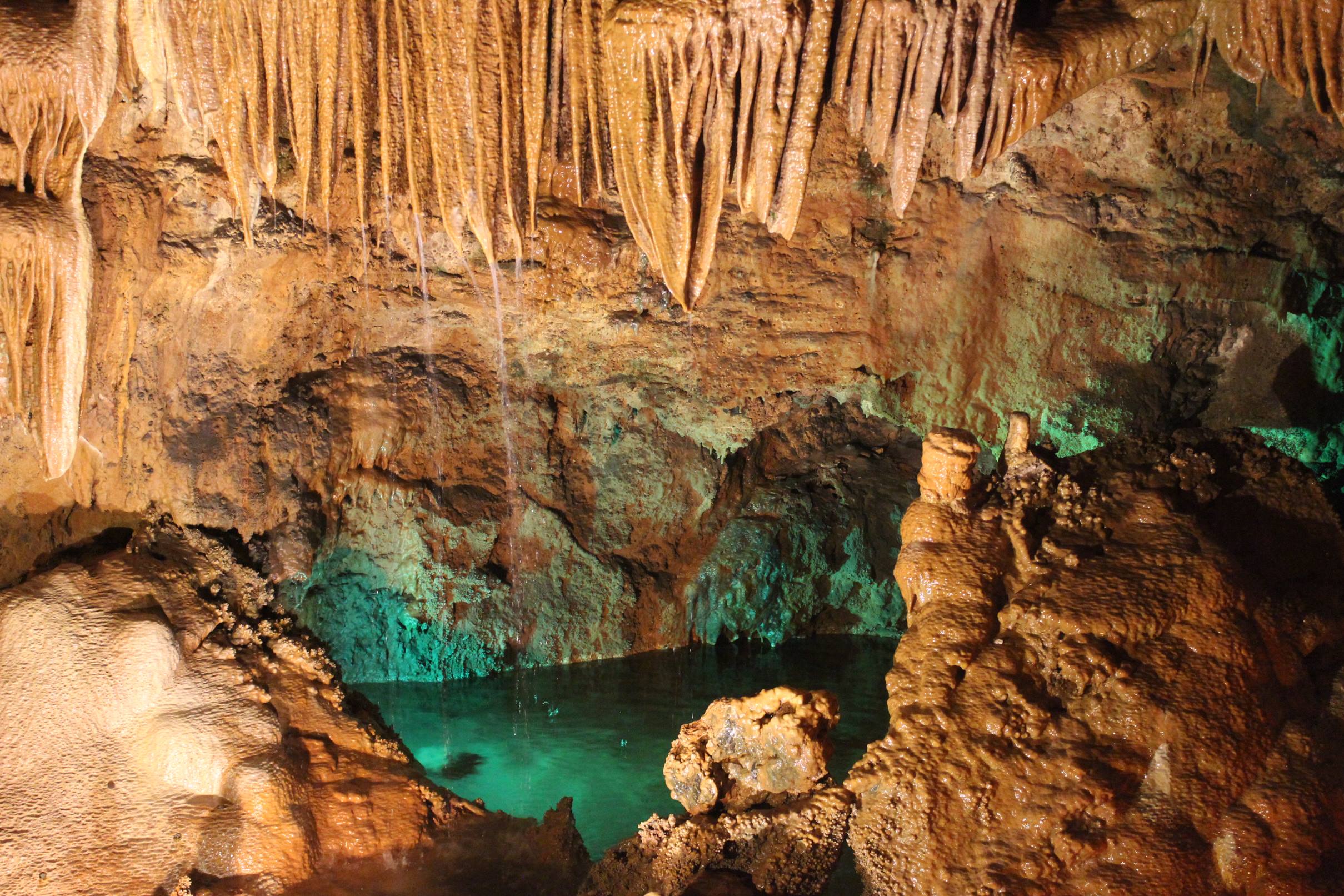 Grutas de Mira de Aire
Additionally, the caves have served as cultural hubs where stories of human resilience and adaptation to nature are inscribed into the very walls. For instance, the mysterious 'Cave of the Seven Suns' contains markings that many believe to be ancient inscriptions used by long-forgotten civilizations.
Adventure Awaits: Popular Caves to Explore
Visitors to Portugal can discover numerous caves, each offering unique experiences:
- Benagil Cave: Known for its stunning coastal views and spectacular natural arches, this cave can only be accessed by boat or kayak.
- Grutas de Mira de Aire: The largest cave system in Portugal, featuring impressive chambers and myriad forms of calcite.
- Algar do Carvão: A volcanic cavern on Terceira Island, offering a completely different geological landscape.
- Cova Budiño: A lesser-known gem that boasts intricate galleries and unique rock formations.
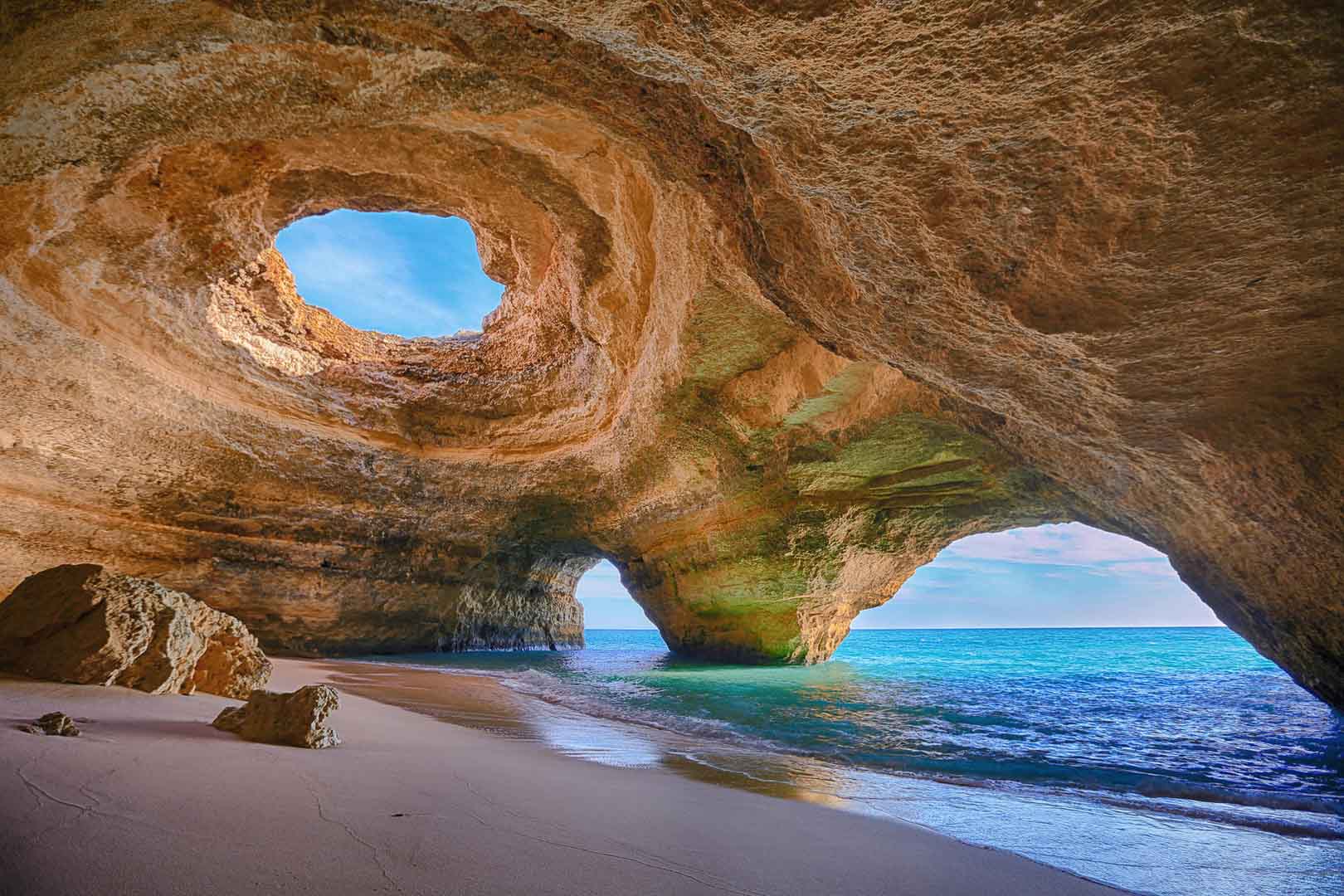
Benagil Cave Portugal
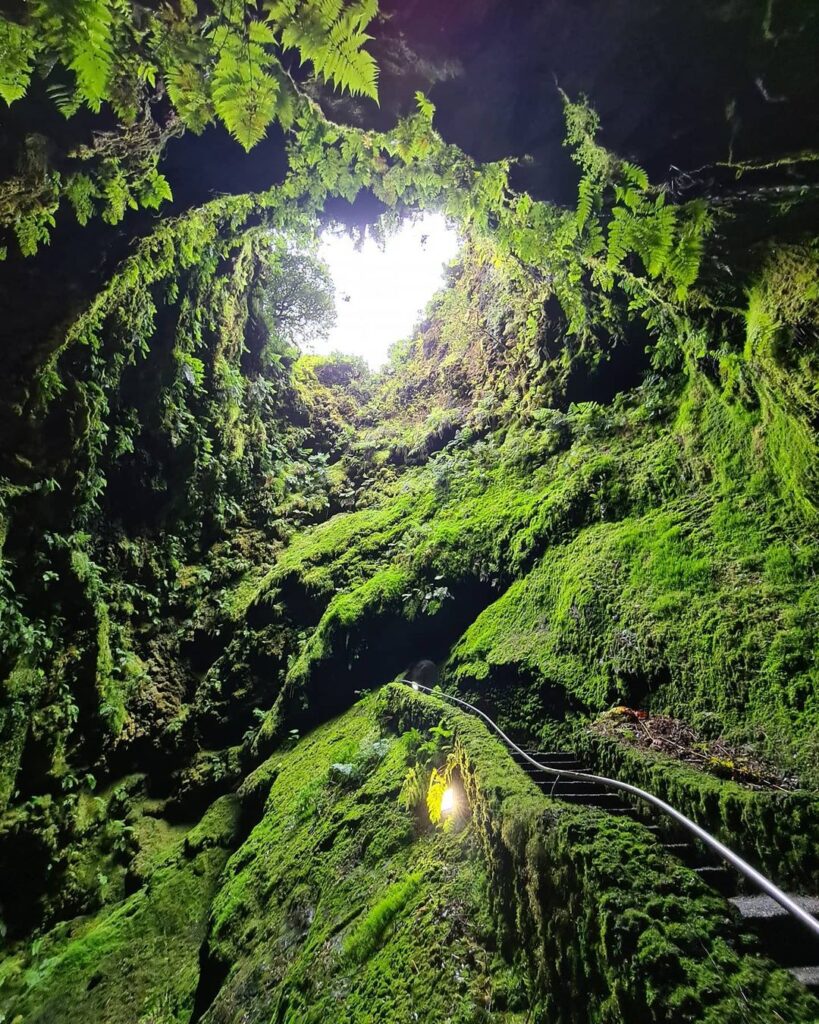
Algar do Carvão
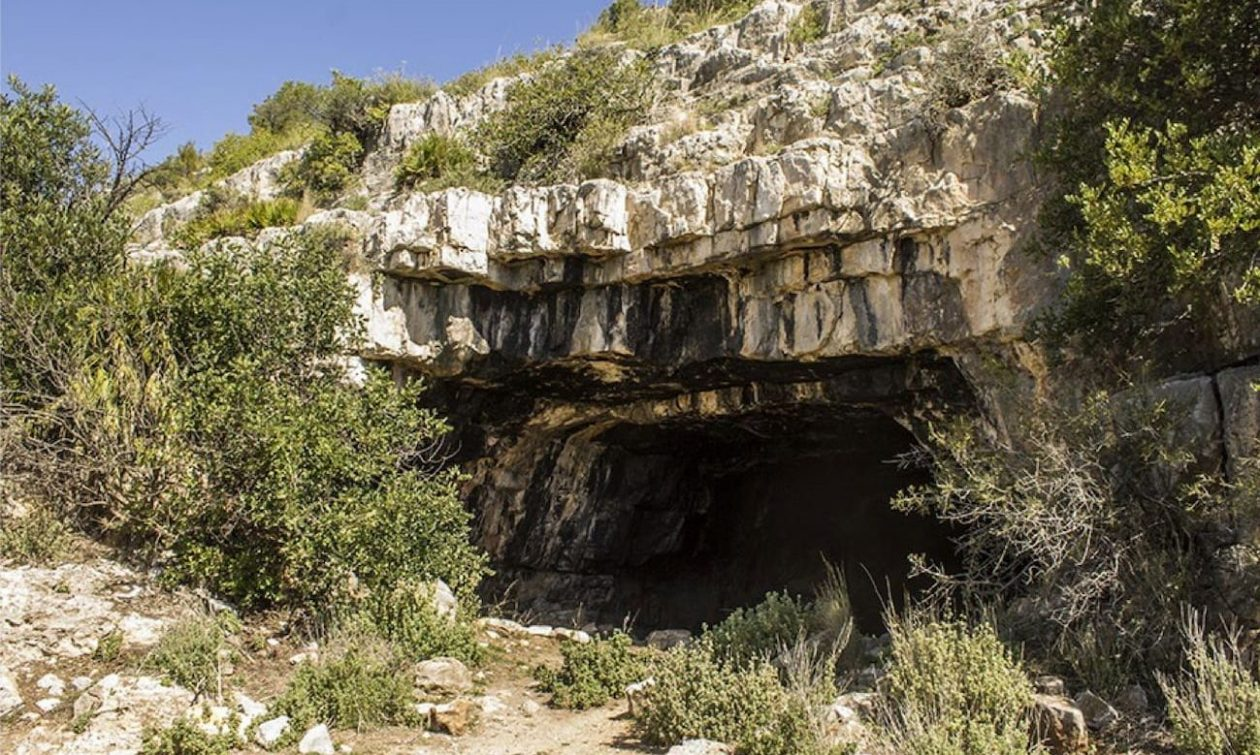
Cova Budiño cave
Each cave offers not just a glimpse into Portugal’s natural beauty but also the chance for adventure, whether through guided tours or self-directed exploration.
Connecting with Nature
Exploring Portugal’s caves enables visitors to connect deeply with nature, often surrounded by serene landscapes that seem to echo with the whispers of time. The silence within many of these caves contrasts sharply with the bustling energy outside, providing a meditative experience for those who seek it.
Whether hiking to cave entrances or kayaking across crystal-clear waters to reach hidden alcoves, the journey itself is a celebration of the great outdoors. Moreover, sustainable tourism initiatives emphasize protecting these natural wonders while providing engaging experiences that educate about environmental stewardship.
Preserving Portugal’s Underground Heritage
As more and more tourists flock to explore these majestic formations, the need to preserve their integrity becomes paramount. Local governments, alongside various organizations, are putting measures in place to maintain the ecological balance within these cave systems. This includes limiting visitor access during certain times of the year and conducting regular assessments to ensure minimal impact on the fragile ecosystems housed within.
By encouraging responsible tourism, we can all enjoy these natural wonders while ensuring they remain a part of Portugal’s landscape for generations to come.
Conclusion: A Journey Through Time and Nature
Portugal’s enigmatic caves are more than mere geological formations; they are gateways into the past and marvels of nature that connect us to the earth's stories. From the echoes of ancient civilizations to the breathtaking natural beauty that abounds, exploring these caves invites a journey that transcends time and fosters a profound appreciation for the wonders of our planet.
As you plan your visit to Portugal, take the time to venture into these mystical caves—a step into nature's hidden wonders awaits that promises to enlighten and inspire.