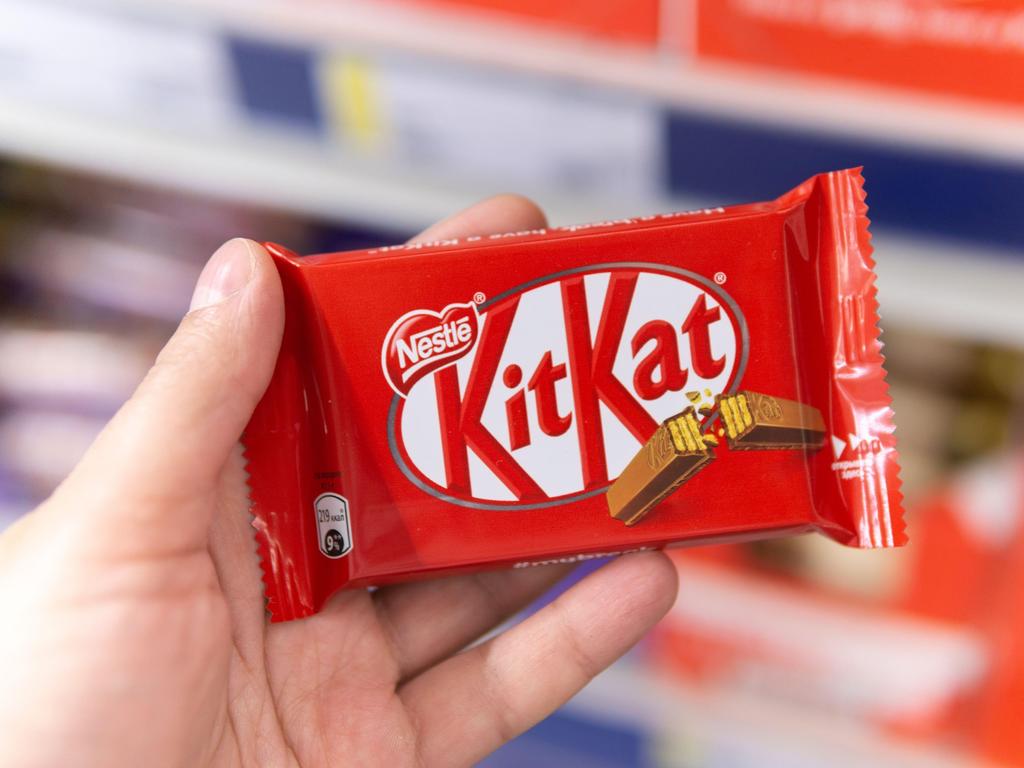
Europe Hit by 12-Ton KitKat Heist — Nestle Warns of Easter Shortages
The image of brightly wrapped chocolate bars piling up behind supermarket counters is a staple of spring shopping. This year a different image — empty pallets and delayed deliveries — has been haunting buyers and suppliers: reports say thieves made off with approximately 12 metric tons of KitKat bars destined for European stores, and Nestle has warned that this theft could cause temporary shortages ahead of the Easter rush. The incident is more than a sensational crime story; it offers a rare, granular look at how modern food supply chains, holiday demand spikes, and criminal enterprise can collide to create real consequences for shoppers, retailers and manufacturers alike.

12-ton KitKat heist Europe
The Heist: What We Know and What It Reveals
Details vary between accounts — a deliberate part of criminal tradecraft — but the essential elements are familiar: a large consignment of packaged KitKat bars, en route through the European logistics network and destined for supermarket distribution, was intercepted and removed from official inventory. Twelve metric tons is not a casually stolen payload; it represents a complex operation that likely involved planning, access to vehicles or storage facilities, and rapid movement to avoid detection.
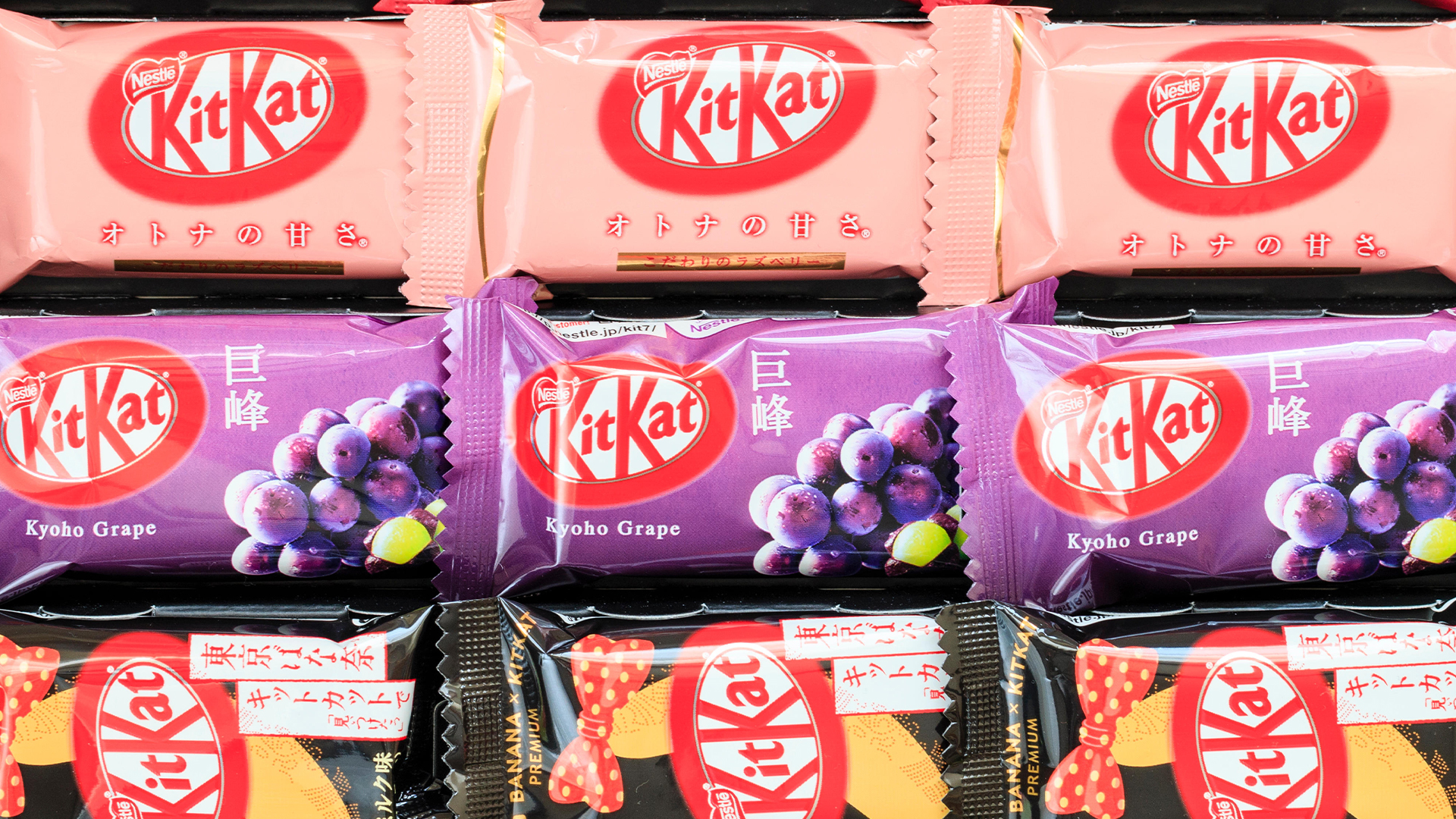
Nestle KitKat cargo theft
When food supply and organized theft meet, the ripple effects reach beyond the missing product — they threaten timelines, contracts, and trust.
How much chocolate is 12 tons?
To visualize scale: 12 metric tons equals 12,000 kilograms. Depending on the weight of individual KitKat products (single bars range widely by market and format), that cargo could represent roughly a quarter-million to more than three hundred thousand individual bars. For a single grocery chain or a cross-border distribution schedule, that volume can equate to weeks of lost shelf supply for specific markets during a peak shopping period.
Where the gaps in the story often are
Public reporting typically omits precise timestamps, exact depot locations, and identifying details about transport intermediaries — information law enforcement keeps confidential while investigations proceed. What becomes visible, however, are the structural weaknesses the theft exploits: pooled shipments that collect multiple retailers' orders; high-value seasonal cargoes concentrated in a few transit windows; and distribution points where security can be uneven, particularly when third-party logistics (3PL) firms are involved.
Why This Theft Matters for Easter Supply
The period leading into Easter is one of the confectionery industry's busiest: brands ramp up production months in advance to meet predictable spikes in demand for chocolate eggs, gift boxes and novelty items. When a loss like this happens so close to a peak season, there is little time to compensate. Manufacturers cannot instantly print more chocolate and packaging at scale without disrupting schedules for other product lines and international commitments.

Easter chocolate shortage warning
Production timelines and lead times
Chocolate production involves ingredients procurement, tempering and molding, packaging, and chilled or climate-controlled warehousing. Many of those steps are planned on lead times measured in weeks, not days. When a consignment is stolen, retailers must scramble through remaining stock, reallocate product from other markets where possible, or substitute alternate products — none of which are zero-cost choices.
The math behind shortages
Even a single large theft can force retailers to lower promotions, reduce on-shelf volume, or shift customer expectations. For shoppers hunting specific seasonal items like limited-edition Easter KitKats, an inventory shortfall at distribution centers cascades quickly: order fulfillment systems reallocate available stock to fulfill larger contracts, and smaller stores often bear the brunt. The result: some regions may notice sparse displays while others remain fully stocked.
How Cargo Theft Happens — The Mechanics
Understanding the mechanics helps explain why 12 tons could be taken. Cargo theft typically follows two broad patterns: opportunistic theft that preys on weakly secured stops, and professional organized operations that stage thefts with reconnaissance and insider knowledge.
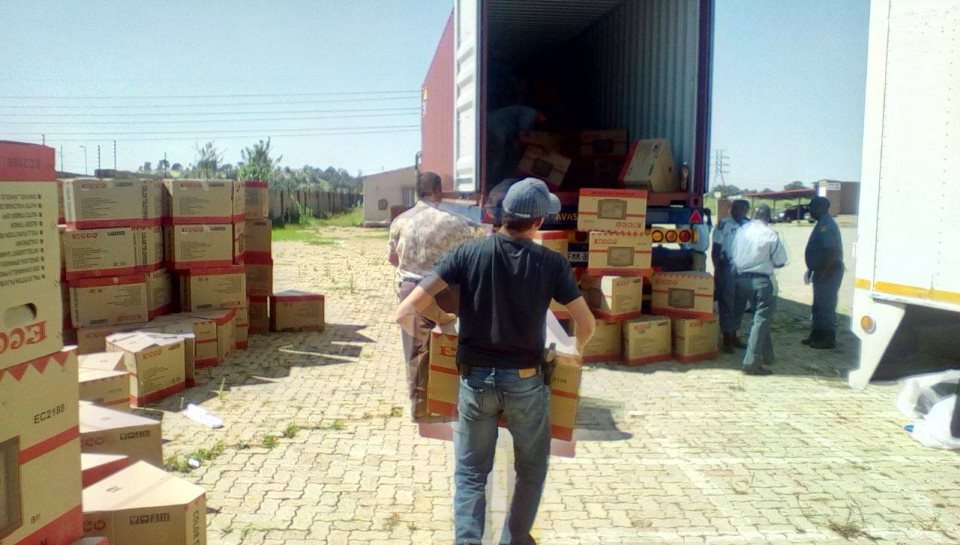
Truck hijacking chocolate cargo
Opportunistic theft
These incidents often happen when trucks park in poorly lit areas, when drivers leave trailers unattended, or when storage facilities lack 24/7 monitoring. A quick cut of a seal, a transfer to another vehicle, and the cargo disappears in hours.
Organized theft
More sophisticated operations use stolen credentials, cloned paperwork, or collusion with personnel who have access to warehouses. They employ prearranged locations where cargo can be temporarily held and repackaged for resale. When high-demand seasonal items are targeted, the economic incentives to move product quickly into illicit channels increase substantially.
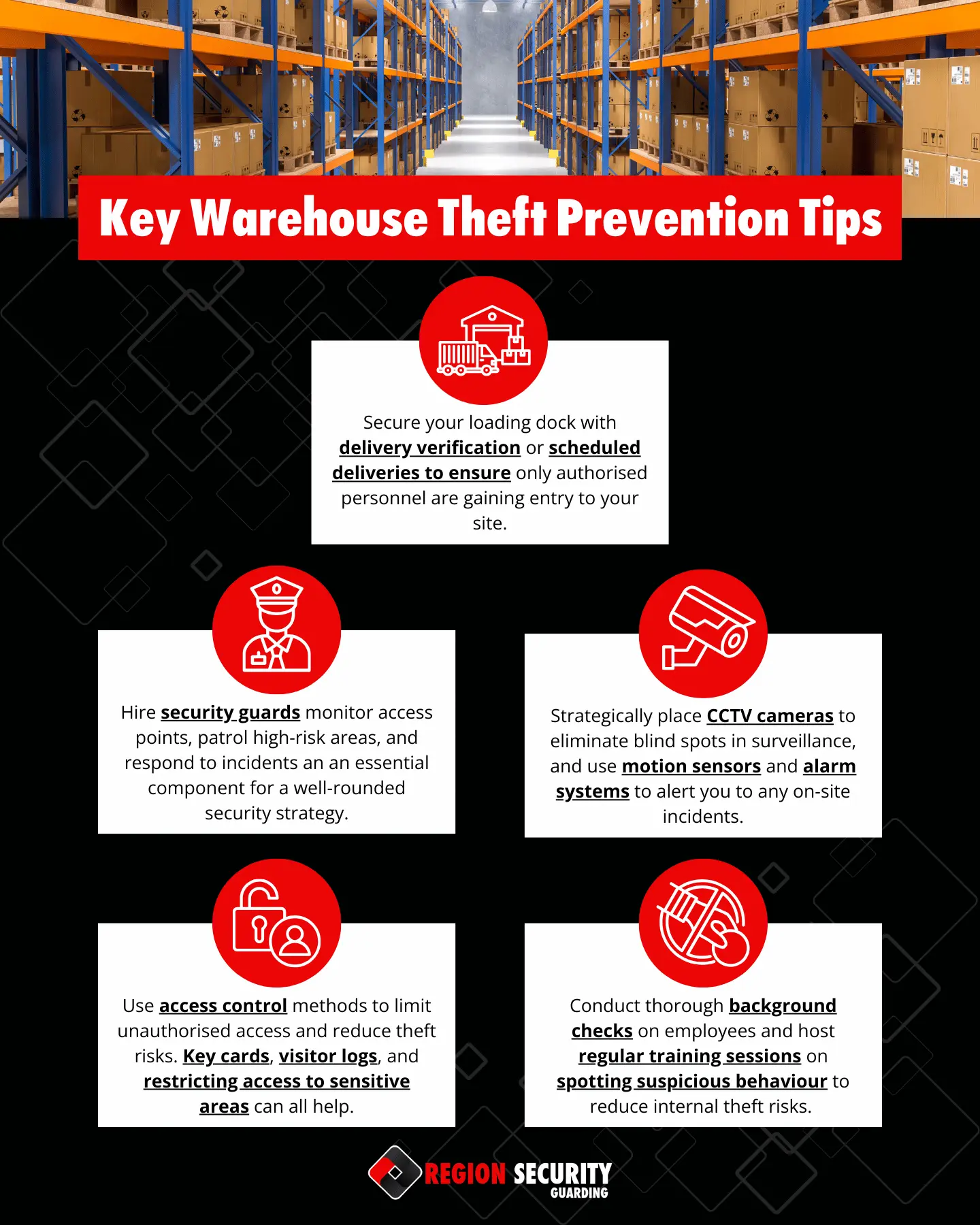
Warehouse security chocolate theft
Where stolen chocolate goes: resale pathways
Contrary to a cartoonish notion of thieves eating their loot, stolen food more often enters redistribution networks: local black markets, discount stalls, informal online marketplaces, or cross-border resale where brand oversight is weak. In some cases, packaging is altered, batch codes removed or swapped, and products are sold at a steep discount to secondary buyers. This creates health and safety risks, complicates traceability in the event of a recall, and undermines brand trust.
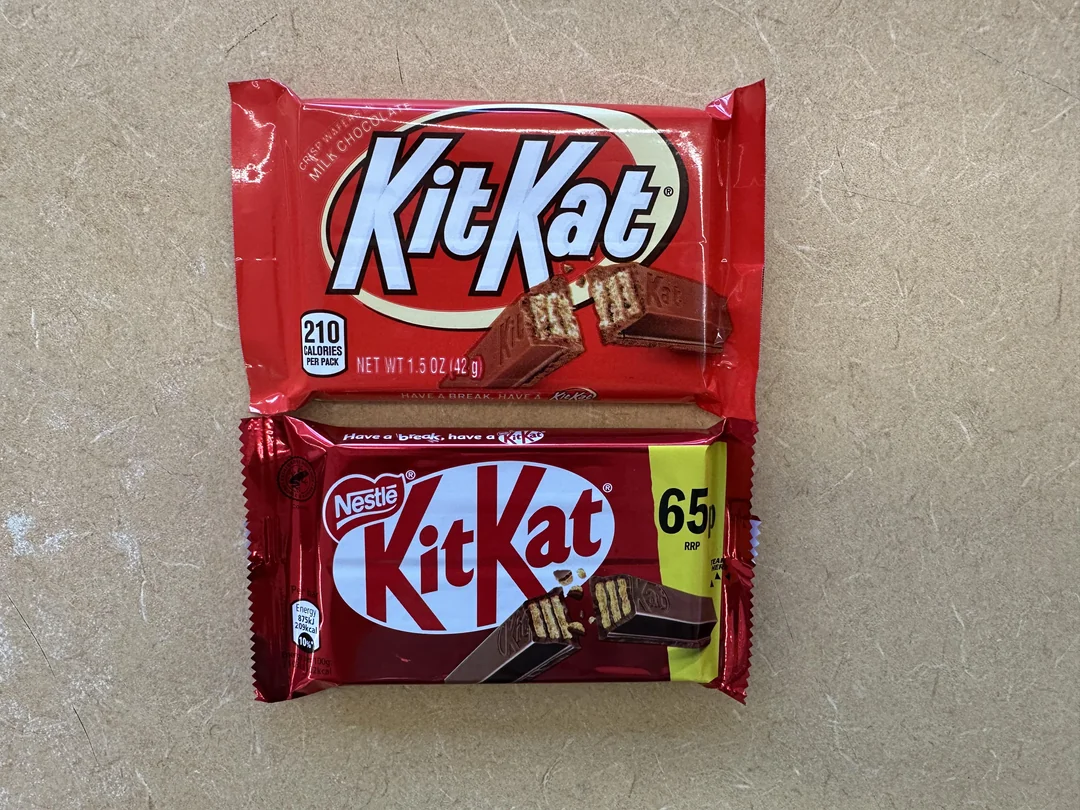
Stolen KitKat bars resale
Nestle's response and retailer strategies
A global company confronting a missing consignment reacts on several fronts simultaneously: coordinating with law enforcement, adjusting logistics plans, notifying affected retail partners, and exploring emergency sourcing options. Retailers, in turn, prioritize best-selling locations and high-volume accounts when reallocating limited stock.
Confectionery supply chain security
Short-term mitigation steps
Common immediate actions include reducing promotional activity for affected SKUs, reassigning inventory from less time-sensitive channels, and communicating with franchise and retail partners to manage consumer expectations. Some chains will pre-emptively purchase alternative chocolate products to soften the impact of reduced availability of a single brand.
Longer-term changes companies may consider
After incidents like this, manufacturers and retailers often revisit distribution security: re-evaluating CCTV and seal technology, tightening background checks for 3PL partners, and increasing the frequency of audits. Insurers also play a role, and premiums in regions with frequent cargo theft can rise, making secure transit and warehousing more expensive.
Broader implications: crime, market behavior and trust
At first glance this is a logistics crime story. At a deeper level it is a stress test of how resilient global consumer goods networks are to criminal disruption. A well-timed theft exploits demand surges and can result in uneven market outcomes: localized scarcity, price anomalies in secondary markets, and shifts in consumer behavior.
Brand trust and reputational risk
For a household brand, product availability forms part of the brand promise. Repeated supply hiccups — whether from thefts, factory closures, or ingredient shortages — erode consumer confidence. Even if the company and retailers manage the situation transparently, the association between a holiday and an empty shelf can linger in shoppers' minds.
Economic signals
Shortages, real or perceived, can produce odd secondary effects: frantic buying of substitutes, opportunistic pricing on resale markets, and pressure on competitors to satisfy spillover demand. For suppliers, a theft-induced shortage is an unexpected shock that consumes management attention and increases operational costs.
What shoppers can do
For consumers facing potential shortages this Easter, practical steps reduce stress and disappointment. Plan early, consider alternatives, and be mindful of safety when tempted by unusually cheap offers.
Shopping tips
- Shop early: Buy seasonal favorites ahead of the last-minute rush.
- Be flexible: Substitute a different brand or product if your preferred item is out of stock.
- Avoid informal offers: Decline heavily discounted chocolate with unclear provenance.
If you're a retailer or small seller
Consider diversifying suppliers, increasing on-site security during peak seasons, and auditing inventory controls. Strong chain-of-custody documentation and tamper-evident seals are simple, effective deterrents.
Policy and industry responses worth watching
Incidents like this push industry groups and regulators to consider measures ranging from improved tracking standards to harsher penalties for cargo theft rings. Technologies such as GPS-enabled seals, blockchain-based provenance records, and better data-sharing between carriers and law enforcement can reduce the opportunity space for thieves.
Technology and intelligence
Real-time telematics and centralized inventory platforms allow companies to spot anomalies quickly: unusual route deviations, unexpected stops, or seal breaches. Coupling that data with proactive law enforcement coordination reduces the window thieves have to monetize stolen goods.
Conclusion: Lessons from the KitKat Case
The reported theft of a significant volume of KitKat bars ahead of Easter is a stark reminder that modern supply chains are vulnerable in ways both predictable and surprising. It is a story of momentum: when demand is high and product is concentrated, the incentives for organized theft increase. The immediate consequence is a likely, localized shortage and frustrated shoppers. The longer-term consequence could be more stringent security measures, higher costs for distribution, and renewed scrutiny of the informal resale markets that absorb stolen goods.
- About 12 metric tons of KitKat bars were reported stolen, representing hundreds of thousands of individual bars and creating measurable pressure on Easter inventory.
- Seasonal production and lead times make last-minute replenishment difficult; retailers often must reallocate stock and reduce promotions.
- Cargo theft exploits both opportunistic gaps and organized operations; improved tracking and stronger 3PL oversight help mitigate risk.
- Consumers should shop early and avoid suspiciously cheap offers; retailers should strengthen supply-chain controls and collaborate with law enforcement.
The KitKat theft is both a cautionary tale and a prompt: for brands, a reminder to harden distribution systems; for retailers, an incentive to rethink contingency planning; for consumers, a nudge to plan early for holiday shopping. In the weeks that follow, how Nestle and its retail partners communicate and adapt will shape not only Easter displays but also broader confidence in the resilience of everyday supply chains.