EU to US Clothing Size Guide: Why EU M Often Equals US S
When you click "Add to cart" on a European brand and pause at checkout because the size reads M — but your usual U.S. size is S — you are not imagining things. Sizing across regions is a mix of measurement systems, fashion tradition, and brand-specific choices. This guide explains the mismatch, shows how to measure and convert accurately, gives practical conversion charts, and offers shopping and tailoring strategies so you stop guessing and start wearing clothes that fit.
Why European and U.S. Sizes Don’t Line Up
Two simple reasons explain the frequent mismatch: different base measurement systems and different fit philosophies. European sizing often uses body measurements in centimeters and assumes narrower, more tailored silhouettes for the same nominal size compared with U.S. standards, which can be more generous and use inches in commercial charts. Add to that a lack of universal standards — manufacturers pick their own graded measurements — and you get the familiar surprise that an EU M can feel like a U.S. S.
How Sizing Systems Work: Numbers, Letters, and Centimeters
Size labels (S, M, L) are shorthand for a range of body measurements. In Europe, numeric sizes (34, 36, 38, etc.) and metric measurements are common; in the U.S., numeric sizes vary by category and letters are used widely. Because each label maps to a range, overlap is inevitable. The key is to compare the garment's actual measurements — chest/bust, waist, hips, and length — with your body or a garment you already own.
Measure the garment, not the label — that's the only reliable way to predict fit across regions.
How to Measure Yourself Correctly
Before you convert sizes, take four basic measurements with a soft tape measure. Wear a thin layer, stand straight but relaxed, and have a friend help if possible.
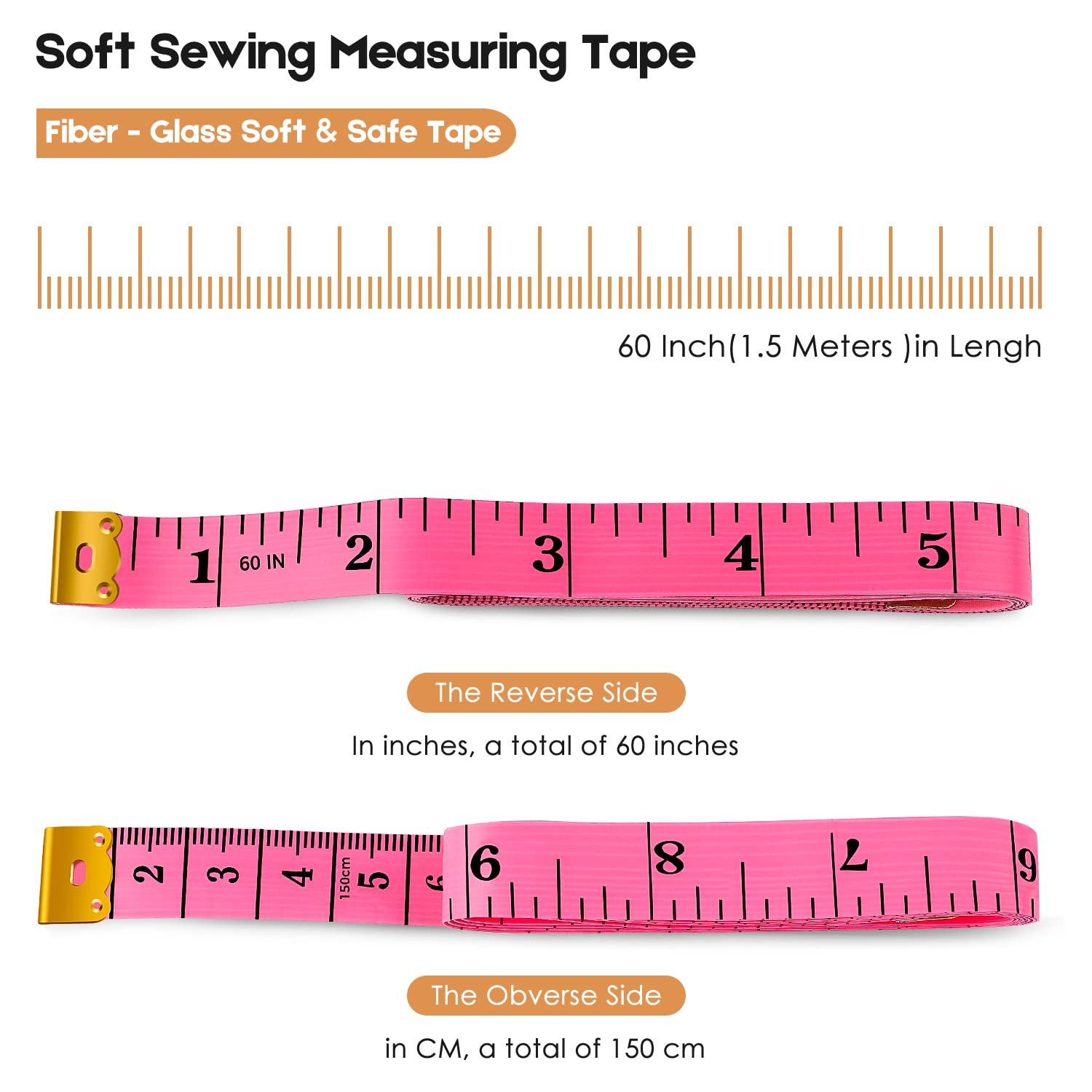
Clothing tape measure centimeters
- Bust/Chest: Wrap the tape measure around the fullest part of your chest, across shoulder blades and nipples; keep the tape parallel to the floor.
- Waist: Measure at the natural waistline — the narrowest point between ribcage and hips — without sucking in.
- Hips: Measure around the fullest part of your hips and buttocks.
- Inseam (pants): From the top of your inner thigh to the bottom of the ankle.
Record measurements in both inches and centimeters. If a brand provides only metric sizing, you'll avoid conversion errors faster if you have both units.
Practical Conversion Charts
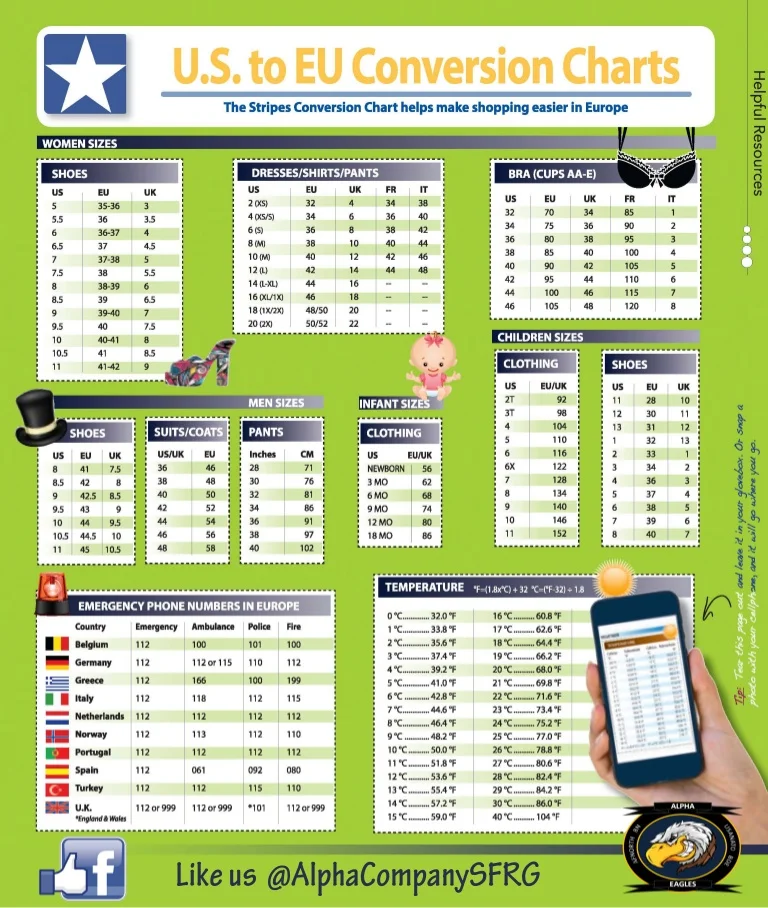
The following compact charts are designed to be practical rather than exhaustive. They reflect typical graded measurements and are a starting point — always check the brand's specific chart when available.
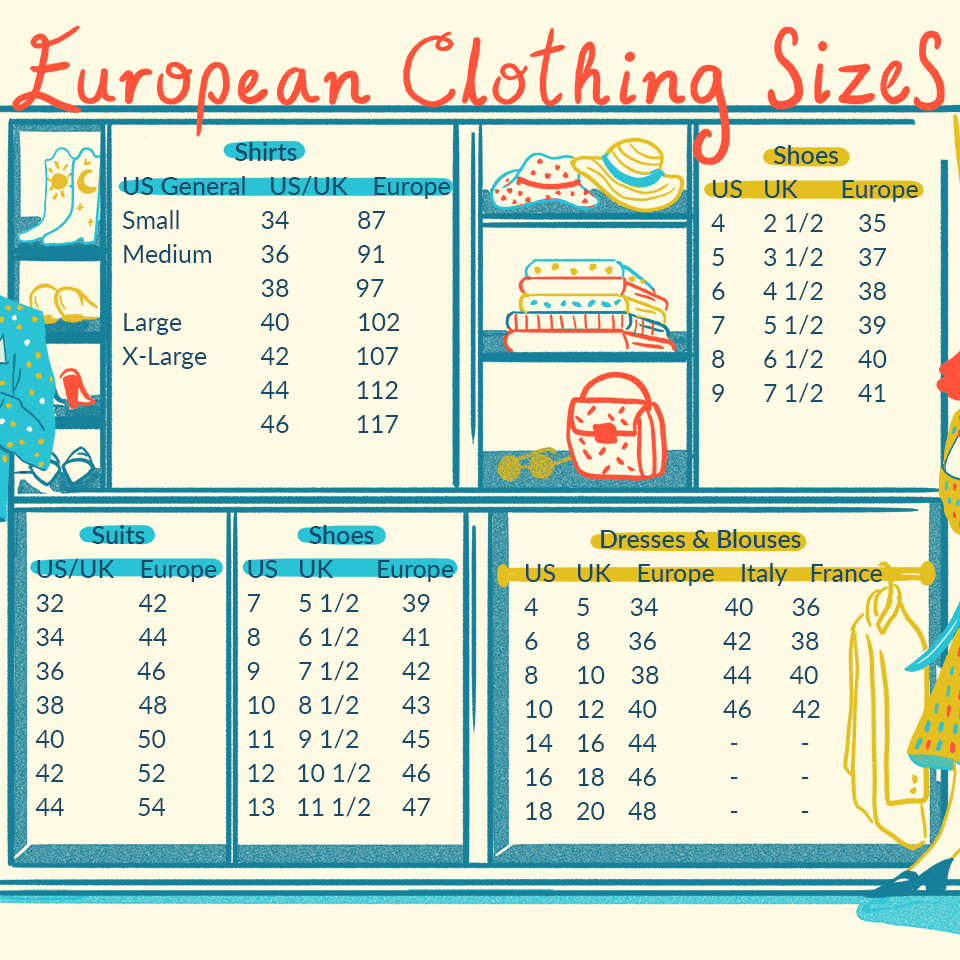
European US size comparison chart
Women's Tops & Dresses (Approximate)
| EU Size | Typical Label | U.S. Equivalent | Bust (cm) | Waist (cm) | Hips (cm) |
|---|---|---|---|---|---|
| 34 | XS | XS | 80–84 | 62–66 | 88–92 |
| 36 | S | S | 84–88 | 66–70 | 92–96 |
| 38 | M | S–M | 88–92 | 70–74 | 96–100 |
| 40 | L | M–L | 92–96 | 74–78 | 100–104 |
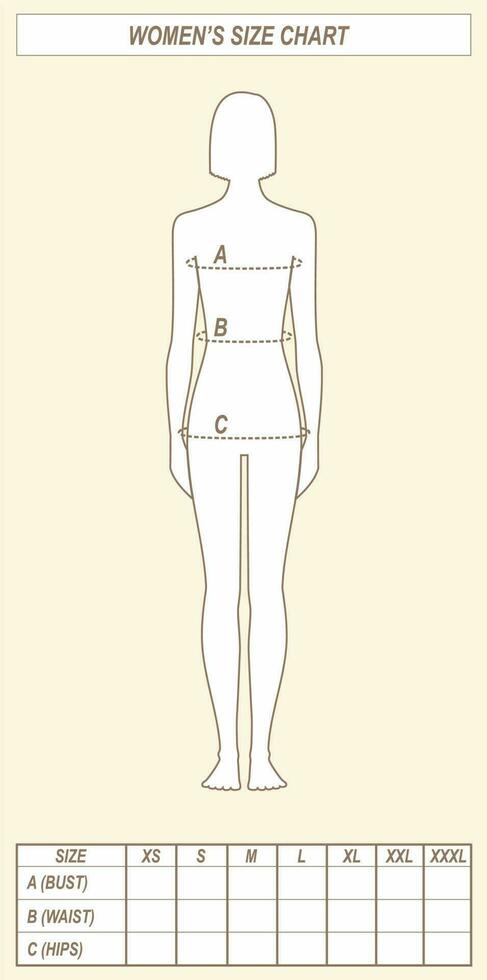
women's clothing measurements bust waist
Notice how EU 38 is often labeled M in Europe but can fall into a U.S. S–M range depending on brand cut. That's one reason shoppers report "EU M = US S" experiences.
Men's Shirts & Jackets (Approximate)
| EU Size | Typical Label | U.S. Equivalent | Chest (cm) | Neck (cm) | Sleeve (cm) |
|---|---|---|---|---|---|
| 46 | S | S | 92–96 | 37–38 | 81–83 |
| 48 | M | S–M | 96–100 | 39–40 | 83–85 |
| 50 | L | M–L | 100–104 | 41–42 | 85–87 |
| 52 | XL | L | 104–108 | 43–44 | 87–89 |
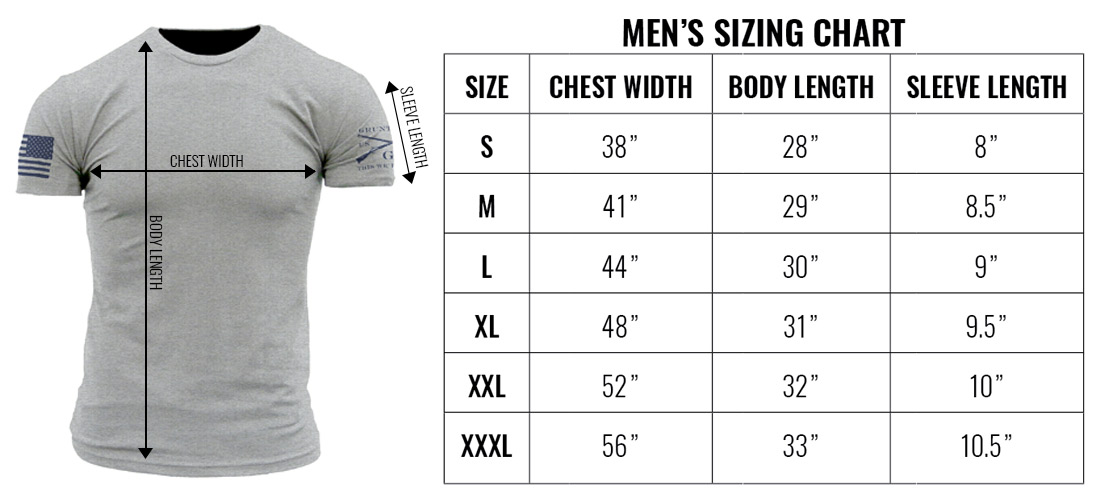
men's shirt sizing chest measurements
For many men, an EU 48 labeled M will map to a U.S. S–M range because European cuts can run narrower across the chest and shoulders.
Why the "EU M = US S" Happens in Practice
Three patterns cause the perception that EU M equals US S:
- Narrower base measurements: European grading often starts from leaner body metrics.
- Different numeric anchors: EU numeric sizing (e.g., 36/38) maps differently than U.S. numeric ranges, so the letter associated with a number can shift.
- Style intent: European labels frequently expect slimmer fits, while U.S. labels often assume casual ease.
Combine these and it's common to find a European brand's M aligning more closely with your U.S. S for chest or bust measurements.
How to Convert When Shopping Online
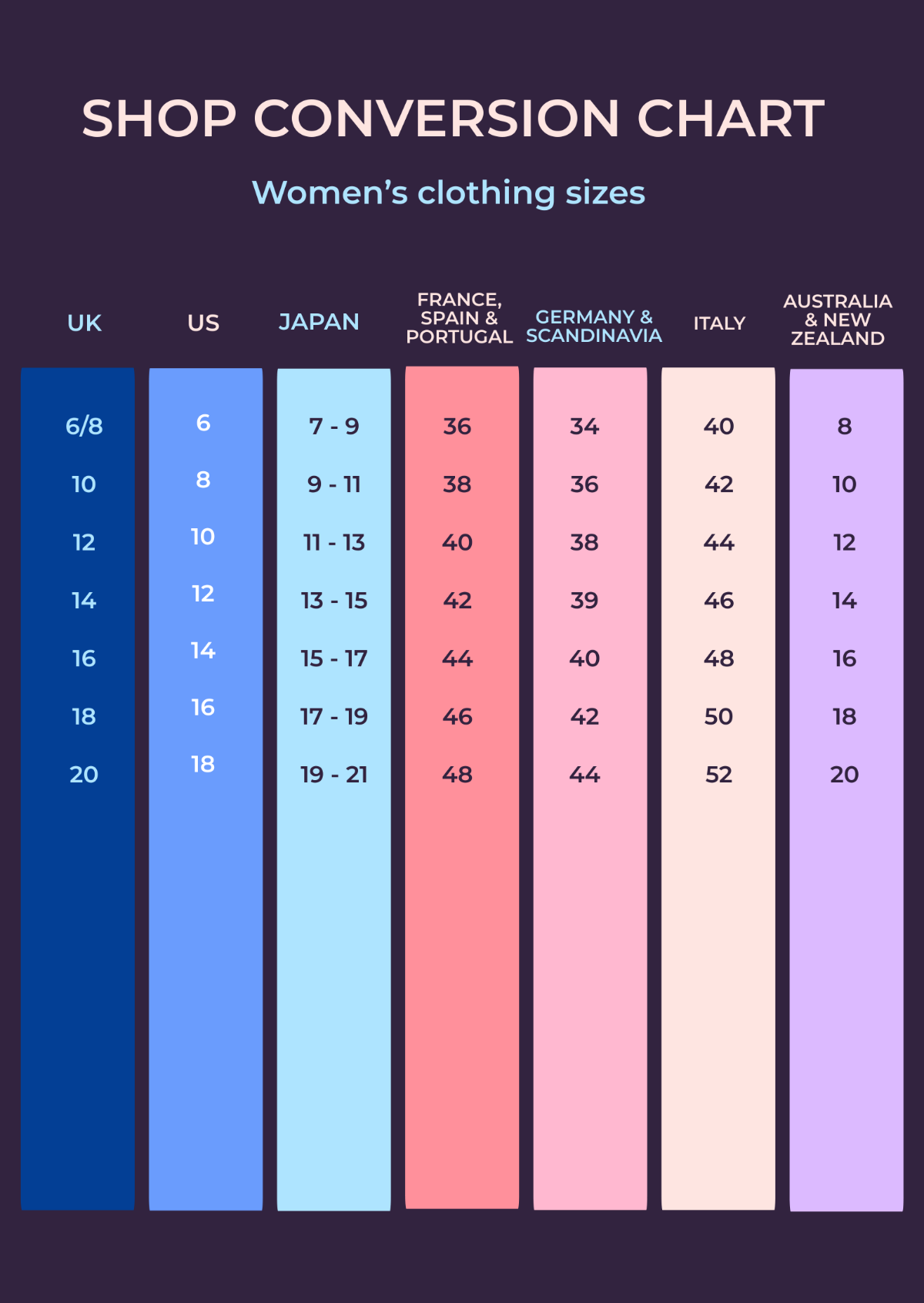
online shopping size conversion guide
Follow this checklist before committing to a different regional size:
- Check the brand's size chart: Many European brands publish charts in centimeters; compare those to your measurements.
- Read fit notes: Words like "slim fit," "oversized," or "true to size" give clues.
- Compare garment measurements: If the site lists chest width, sleeve length, or waist flat measurements, compare them to your reference garment measured flat.
- Use customer reviews: Reviews often tell you whether an item runs small, large, or true to label.
- Confirm returns: Understand the return window and costs in case you need to exchange sizes.
Simple Conversion Rules (Quick Reference)
Use these rules when you need a fast decision:
- If the EU label is 36–38 (women) or 46–48 (men) and you normally wear U.S. S, consider the next size up or check measurements — many EU Ms sit between U.S. S and M.
- If shopping for a tailored piece, favor the larger size if you are between measurements — tailoring can remove material, but adding fit is harder.
- When in doubt, pick the size that matches the garment's chest/bust measurement rather than the labeled letter.
Fit Types and What They Mean for Conversions
Fit terminology affects how you convert sizes:
- Slim fit: Choose a size that matches your true body measurement; a labeled M in a slim cut will cut closer than a U.S. M.
- Regular/Classic: This is closest to standard chest/waist ranges; conversions are most predictable here.
- Oversized/Relaxed: Labels shift — an EU M in an oversized style could equate to a U.S. M or L in perceived volume.
Tailoring and Alterations: Your Safety Net

clothing tailoring alterations workshop
Tailoring turns a good purchase into a great one. If you buy European and it's slightly off, a seam allowance of 2–4 cm often allows a tailor to adjust waist or sleeve hem. For jackets and structured pieces, altering shoulders is difficult; prioritize chest and length adjustments when choosing a size.
Common Pitfalls and How to Avoid Them
These are frequent mistakes shoppers make when converting sizes, with simple remedies:
- Relying on the label: Remedy — measure and compare.
- Ignoring return policies: Remedy — verify return shipping costs and timelines before purchase.
- Forgetting fabric stretch: Remedy — understand fiber content; elastane allows more forgiveness in tight fits.
- Assuming number = number: Remedy — never assume EU 38 equals U.S. 8; numbers map differently across brands and categories.
Quick Case Studies: Real-World Examples
Example 1: You are a woman who wears U.S. S with a 36" (91 cm) bust. An EU M labeled 38 lists a bust measurement of 92 cm: the garment will fit similar to your U.S. S — you don't need to size up. Example 2: A man wears U.S. M (40"/102 cm chest) and finds an EU 48 labeled M with a chest of 98 cm. That EU M will feel tighter; choose EU 50 or check return options.
A Short Shopping Checklist
- Measure your body and a trusted garment (in cm and inches).
- Find the brand's chart and compare measurements, not letters.
- Note fit descriptions (slim, regular, oversized).
- Read reviews and Q&A for fit clues.
- Confirm return policy and cost.
When buying across regions, the garment's measurements always beat the size label.
Conclusion: Make Size Labels Work for You
European size M often equates to a U.S. S in practice because of narrower grading and different style intentions. The fix is straightforward: stop trusting letters; measure. Use the charts in this guide as a starting point, compare the brand's measurements to your body and reference garments, and factor in fit and fabric. With a little preparation — measuring, checking fit notes, and knowing return rules — you can confidently navigate EU-to-US sizing and find pieces that flatter rather than fluster.
- Labels vary by region and brand — compare actual garment measurements to your body measurements.
- EU Ms often map to U.S. S for chest/bust because of narrower grading and slimmer fit intent.
- Measure a reference garment and check brand charts; when in doubt, choose the size that matches measurements and consider tailoring.
Keep this guide handy next time you shop international labels — the numbers will do the talking.