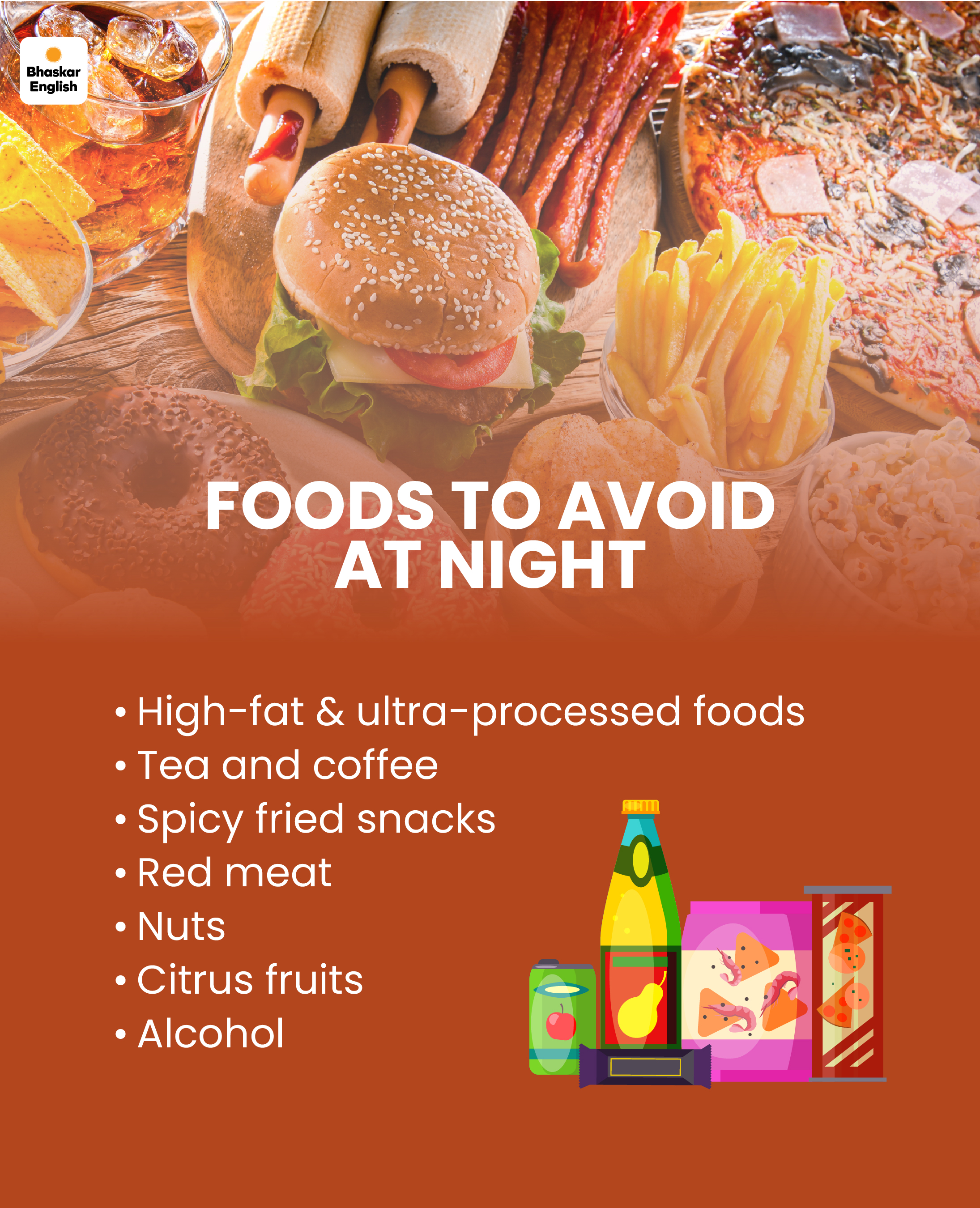
Eating Late Raises Liver Disease Risk — What Science Says
The idea that "when" you eat matters as much as "what" you eat has moved from diet fads into serious science. Recent analyses describe a measurable link between late-night eating and a higher risk of developing liver disease — in some reports, by as much as 30%. That number is headline-grabbing, but the real story is richer: it’s about disrupted daily rhythms, insulin and fat metabolism, sleep disturbance, and the cumulative effects of lifestyle. This long-form feature walks through the biology that connects meal timing to liver health, who stands to lose the most, practical adjustments you can make tonight, and what the evidence still does and does not prove.
Why timing matters: the biology behind late eating
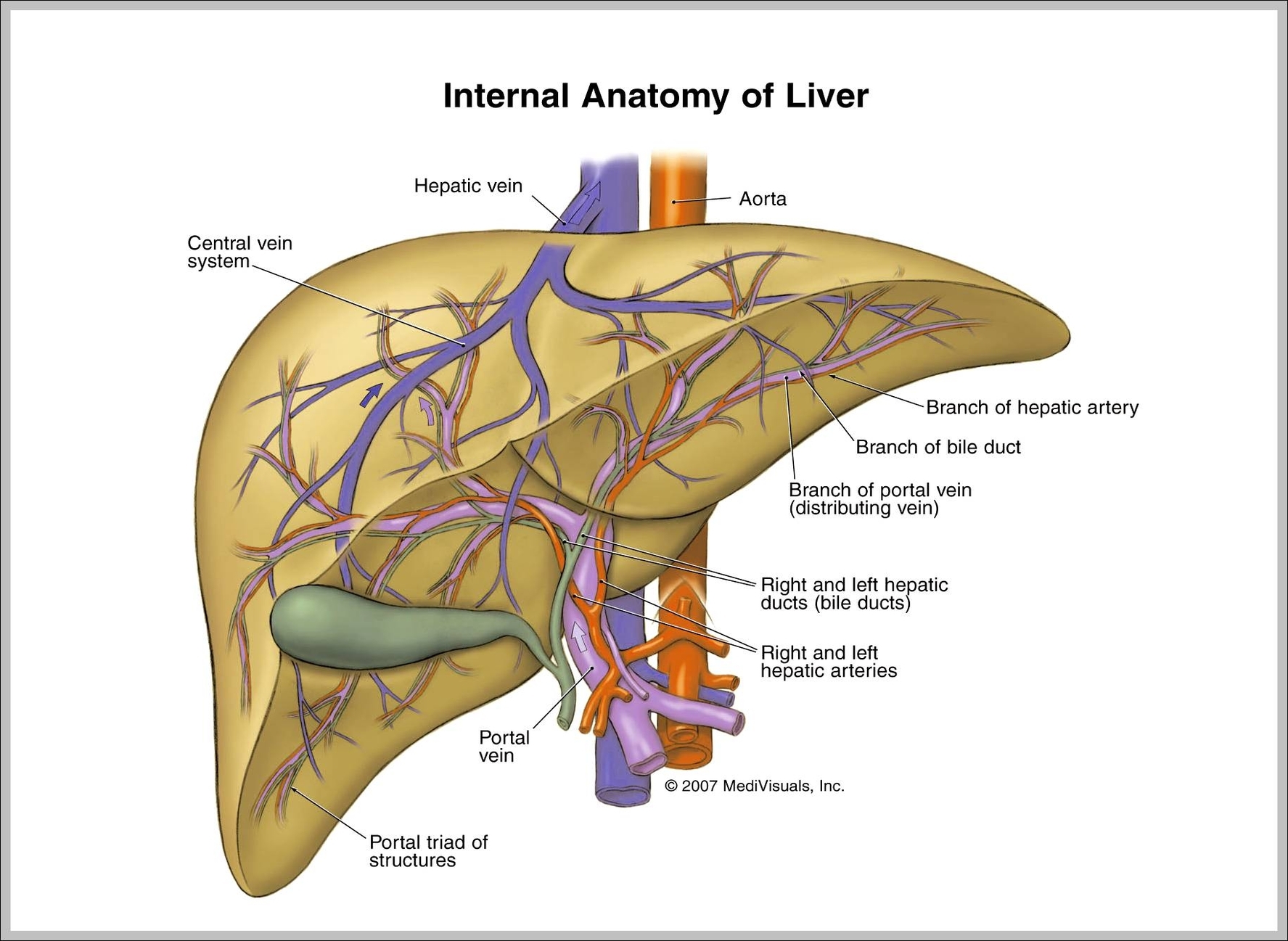
human liver anatomy diagram
We evolved to eat during daylight hours. Our organs, hormones, and metabolic processes follow a circadian rhythm — an internal 24-hour clock that helps the body anticipate regular events like waking, working, and eating. The liver, which plays a central role in processing nutrients, storing glycogen, producing cholesterol, and detoxifying chemicals, is tightly regulated by this clockwork.
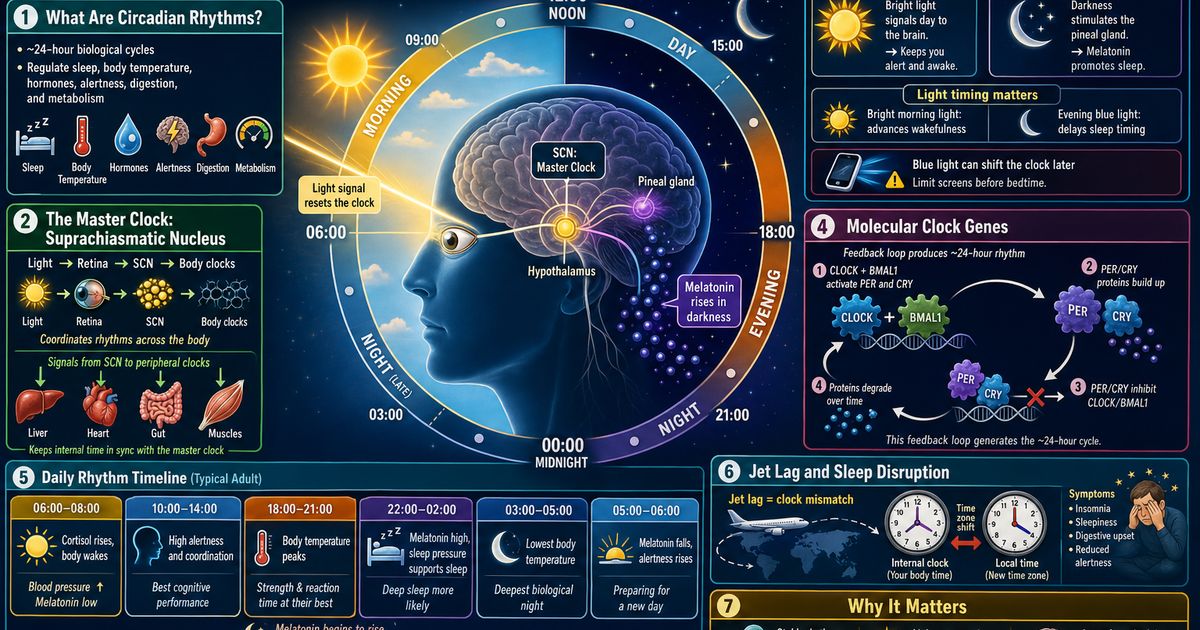
circadian rhythm biological clock
When you eat late, especially regularly, you push food into a biological window the liver expects to be resting. That mismatch — called circadian misalignment — influences how the liver handles fat and glucose. Overnight, the body normally reduces insulin secretion and shifts to energy conservation. A heavy carbohydrate-rich snack at midnight forces the liver to process glucose and synthesize triglycerides at a less efficient time, which can promote fat accumulation inside liver cells over months and years.
Mechanisms that tie late eating to liver harm include:
- Insulin and fat storage: Late meals can increase post-meal insulin levels at times when tissues are less insulin-sensitive, encouraging the liver to convert excess glucose to fat.
- Reduced thermic effect: Food eaten late is metabolized with a lower energy cost, so fewer calories are burned after eating than the same meal earlier in the day.
- Altered lipid metabolism: Nighttime eating can disrupt the liver’s normal rhythm of lipid export and oxidation, favoring retention of triglycerides.
- Sleep disruption: Eating late can fragment sleep, and poor sleep independently raises inflammation and metabolic risk factors linked to liver disease.
What the research shows — interpreting the “up to 30%” figure
The phrase “up to 30% higher risk” summarizes the upper range from observational studies and pooled analyses that compare people who regularly eat late with those who do not. It is important to understand what such a statistic means in context.
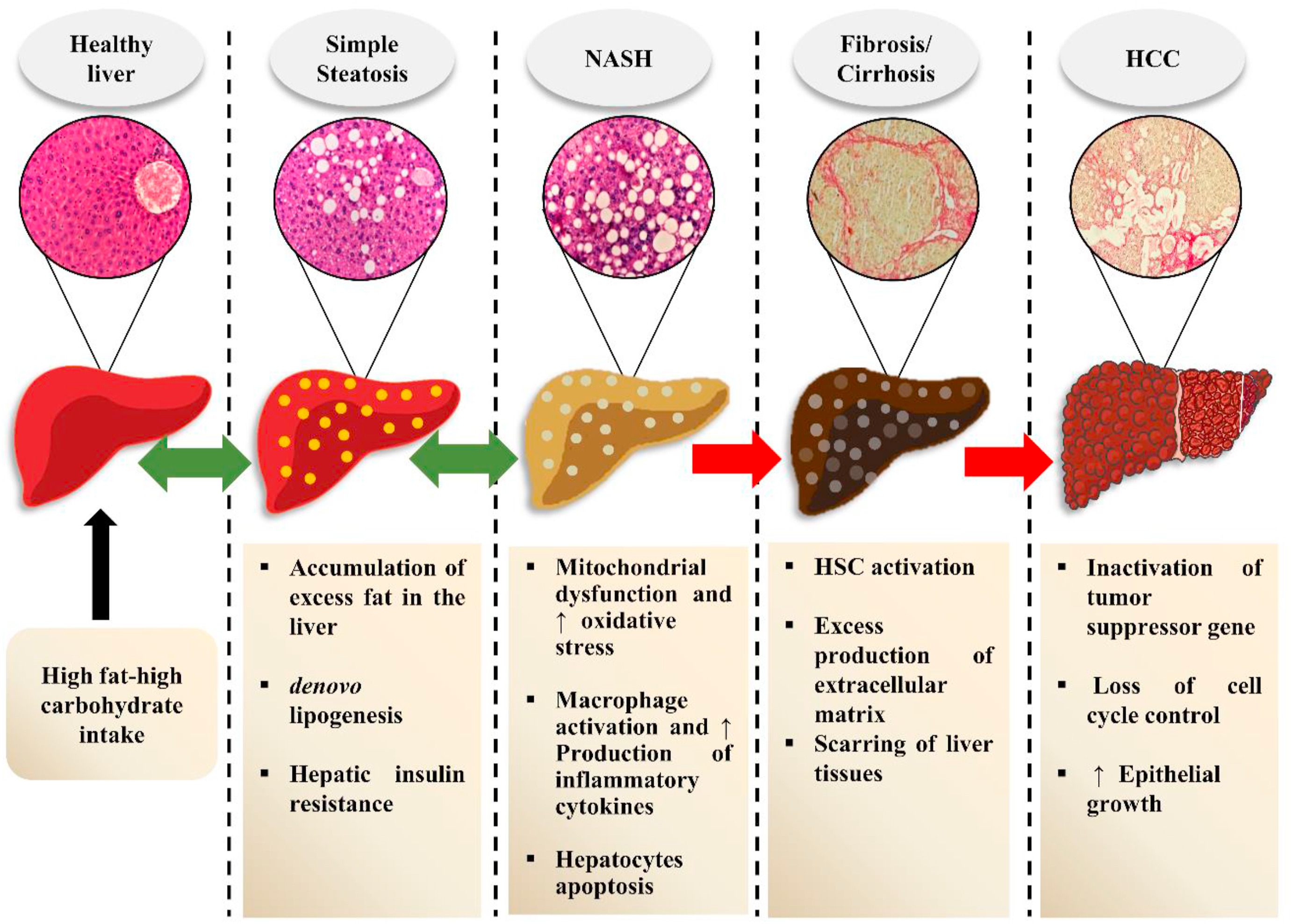
nonalcoholic fatty liver disease illustration
Most studies behind that number are observational: they track when people eat and whether they develop liver conditions such as nonalcoholic fatty liver disease (NAFLD) over time. Observational research can detect associations but cannot prove that late eating causes liver disease on its own. People who eat late may also have other risk factors — greater total calories, poorer diet quality, more alcohol intake, less sleep, or work schedules that impair metabolic health — and researchers try to adjust for these variables, but residual differences often remain.
Still, multiple studies point to a consistent pattern: later eating windows, more food intake after dinner, and irregular meal timing correlate with higher markers of liver fat and inflammation. Mechanistic laboratory work in animals and tightly controlled human trials supports the idea that meal timing changes metabolism in ways that plausibly increase liver fat over time.
How meal timing compares to other liver risk factors
It helps to place timing alongside well-known liver risks. The leading drivers of fatty liver and chronic liver disease are excess calories and obesity, high-sugar diets (especially fructose), heavy alcohol use, and metabolic conditions such as type 2 diabetes. Meal timing adds an extra layer: it may magnify the effects of these established drivers rather than replace them.
Example comparisons:
- Quantity vs. timing: Eating five hundred extra calories per day will increase liver fat regardless of timing; eating those calories late may increase the proportion that becomes liver fat.
- Diet quality: A late-night plate of vegetables and lean protein is less likely to harm the liver than a late-night pizza binge, but even healthy late eating can nudge metabolism in the wrong direction if it becomes habitual and disrupts sleep.
- Alcohol: Alcohol remains a major cause of liver injury; late drinking compounds the risk both through direct hepatic toxicity and by altering sleep and eating patterns.
Who is most vulnerable?
Not everyone who eats late will develop liver disease. Risk is highest when late eating coexists with other metabolic stressors. Groups who tend to be at elevated risk include:
- People with obesity or central adiposity: Excess body fat raises baseline liver fat and makes the liver more susceptible to additional insults.
- Individuals with insulin resistance or type 2 diabetes: Poor glucose control amplifies the liver’s tendency to synthesize and store triglycerides.
- Shift workers: Night-shift schedules force frequent circadian misalignment and have been associated with higher rates of metabolic syndrome and fatty liver.
- Those with regular late alcohol consumption: Late drinking combined with late eating is especially harmful.
Recognizing personal risk matters because changes to meal timing can offer a relatively low-cost, nonpharmacologic step that complements weight loss, dietary improvements, and reduced alcohol intake.
Small shifts in when you eat can change how your liver handles fat — timing matters.
Practical steps to reduce risk — what you can do tonight
If you’re concerned about liver health, you don’t need to overhaul your life overnight. The evidence supports incremental, sustainable changes that target both meal timing and broader metabolic health.
Start here:
- Move your eating window earlier: Aim to finish your last substantial meal 2–3 hours before bedtime. For many people that means a dinner before 8:00 pm or choosing a lighter, low-carb snack if you must eat later.
- Try time-restricted eating: A common approach is a 10–12 hour daily eating window (for example, 8am–6pm). Some people benefit from shorter windows, but abrupt or extreme changes can be hard to sustain.
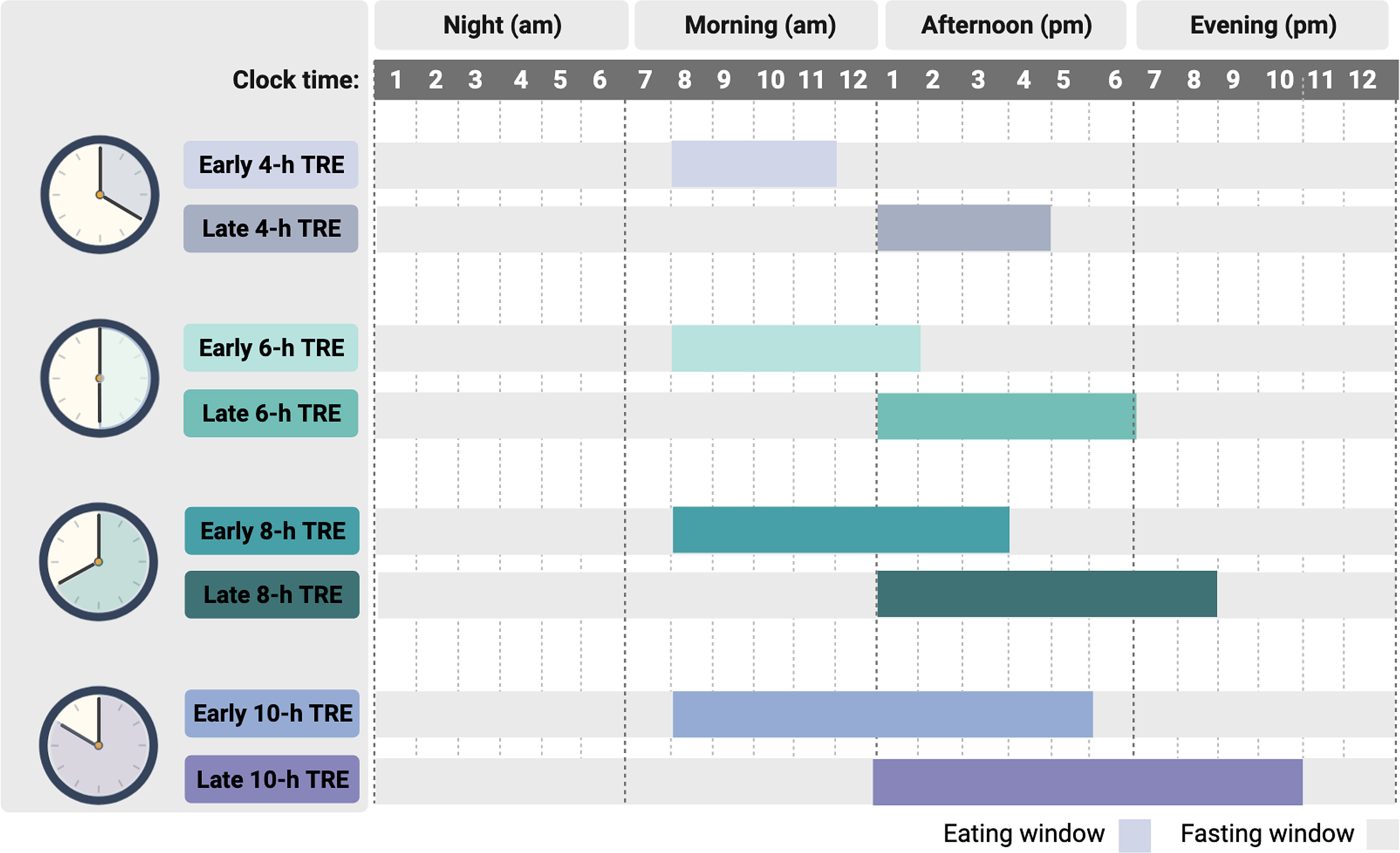
time restricted eating schedule chart
- Prioritize protein and fiber at dinner: Protein and fiber slow glucose absorption and increase satiety, reducing the chance of overeating later.
- Limit simple sugars and alcohol in the evening: Sugary desserts and late-night cocktails stress liver metabolism and often push calorie intake above needs.
- Plan for busy nights: If you work late, pack balanced meals so you aren’t forced into processed convenience food.

healthy balanced dinner protein fiber
Lifestyle strategies to pair with timing
Meal timing is one modifiable lever among many. Combine timing adjustments with these proven behaviors:
- Weight loss when indicated: Losing even 5–10% of body weight reduces liver fat substantially.
- Regular exercise: Both aerobic and resistance training improve insulin sensitivity and reduce hepatic fat independent of weight loss.
- Improve sleep: Aim for consistent bed and wake times and 7–9 hours of sleep; better sleep supports circadian health and reduces cravings for late-night food.
- Limit alcohol: If you drink, follow guidelines and avoid heavy episodic drinking, especially late at night.
- Manage medications and conditions: Work with your clinician to optimize diabetes, lipid, and blood pressure control; some medications can influence liver health.

person sleeping peacefully bedroom
Addressing common questions and myths
Myth: "Calories are calories, so it doesn’t matter when I eat." Reality: Total calorie balance is primary, but timing influences hormonal and metabolic responses. Two identical meals eaten at different times can produce different insulin and lipid outcomes and different satiety signals.
Myth: "If I exercise the next day, late eating won’t matter." Reality: Exercise helps, but it does not fully erase the metabolic consequences of chronic circadian misalignment or repeated late-night overeating.
Myth: "Only people who eat huge meals late are at risk." Reality: Even modest late-night snacking repeated nightly can shift metabolic rhythms and contribute to fat accumulation over time, especially in susceptible individuals.

digital clock showing midnight snack
Simple meal plans and timing examples
Below are two practical templates you can adapt. The goal is consistency and choosing satisfying, nutrient-dense foods earlier in the evening.
- Example A — 12-hour window (8:00–8:00): Breakfast 8:00am: Greek yogurt, berries, oats. Lunch 12:30pm: Mixed greens, grilled chicken, quinoa. Dinner 7:00pm: Baked salmon, roasted vegetables, small sweet potato. No calories after 8:00pm.
- Example B — 10-hour window for weight loss (8:00–6:00): Breakfast 8:00am: Scrambled eggs, spinach. Lunch 12:00pm: Lentil salad with vegetables. Dinner 5:30pm: Stir-fry with tofu and brown rice. If hungry later, herbal tea or water.
When to see a doctor and screening considerations
If you have risk factors — obesity, diabetes, high triglycerides, or regular heavy alcohol use — talk with your clinician about screening for fatty liver. Tests may include bloodwork that looks at liver enzymes and metabolic markers, ultrasound imaging, or noninvasive fibrosis scoring when indicated. Early detection matters because lifestyle changes are most effective before advanced fibrosis develops.
Limitations and what researchers still don’t know
While evidence linking late eating and liver disease is growing, there are limits. Many human studies are observational and rely on self-reported meal times. Randomized controlled trials that manipulate timing over long periods are challenging and uncommon. There are also individual differences — genetics, baseline metabolic health, and even the composition of the gut microbiome can affect how timing influences liver fat.
Researchers are actively investigating optimal eating windows, whether timing benefits persist independent of weight loss, and how different macronutrient compositions interact with timing. Until then, timing should be treated as a practical strategy that complements, rather than replaces, established dietary and lifestyle interventions.
Conclusion: small shifts, meaningful benefits
The headline number — up to a 30% higher risk — is a useful prompt but not a complete verdict. It highlights a consistent theme from several studies: eating late can tilt metabolic balance toward fat storage in the liver, especially when combined with excess calories, poor diet quality, sleep disruption, or alcohol. The encouraging news is that timing is modifiable. Paired with weight management, better sleep, and reduced alcohol, shifting meals earlier in the day is a low-cost, low-risk change with potential outsized benefits for liver health.
- Regular late-night eating is associated with up to a 30% higher observed risk of liver disease in some studies, largely through circadian disruption and altered metabolism.
- Meal timing adds to, but does not replace, the importance of calorie control, diet quality, and alcohol moderation.
- Practical steps: finish meals 2–3 hours before bed, try a 10–12 hour eating window, favor protein and fiber in evening meals, and improve sleep and exercise habits.
Making modest, sustainable changes to when you eat can be a powerful addition to the toolkit for protecting liver health. Start with one small shift — tonight, try to move your last bite 30 minutes earlier — and build from there.