Drug Reverses Severe Fatty Liver Disease by Restoring Gut Health
human liver fatty liver disease
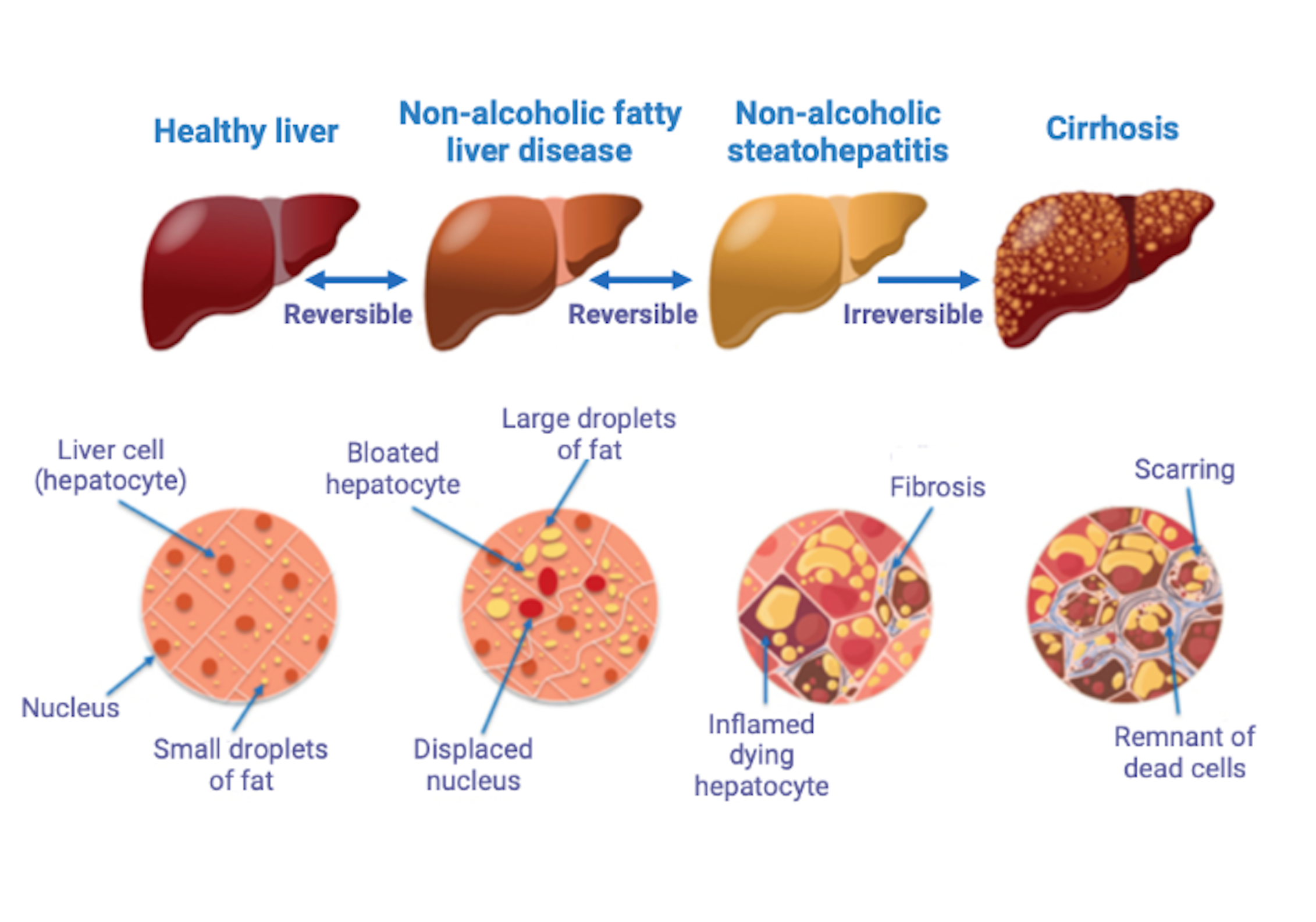
For decades, the treatment of severe fatty liver disease—particularly nonalcoholic steatohepatitis, or NASH—has been a story of frustrated hope. Lifestyle changes, weight loss and metabolic control help many patients, but for those with advanced inflammation and scarring, options are limited and liver transplantation remains the last resort. Now, a new therapeutic approach that targets the intestine rather than the liver itself is rewriting that narrative: by repairing the gut barrier and rebalancing the microbiome, this drug appears to halt and even reverse inflammation and fibrosis in the liver. If the early results hold up, clinicians could have a powerful, noninvasive tool that addresses a root cause rather than only managing symptoms.
Why the Gut Matters to the Liver
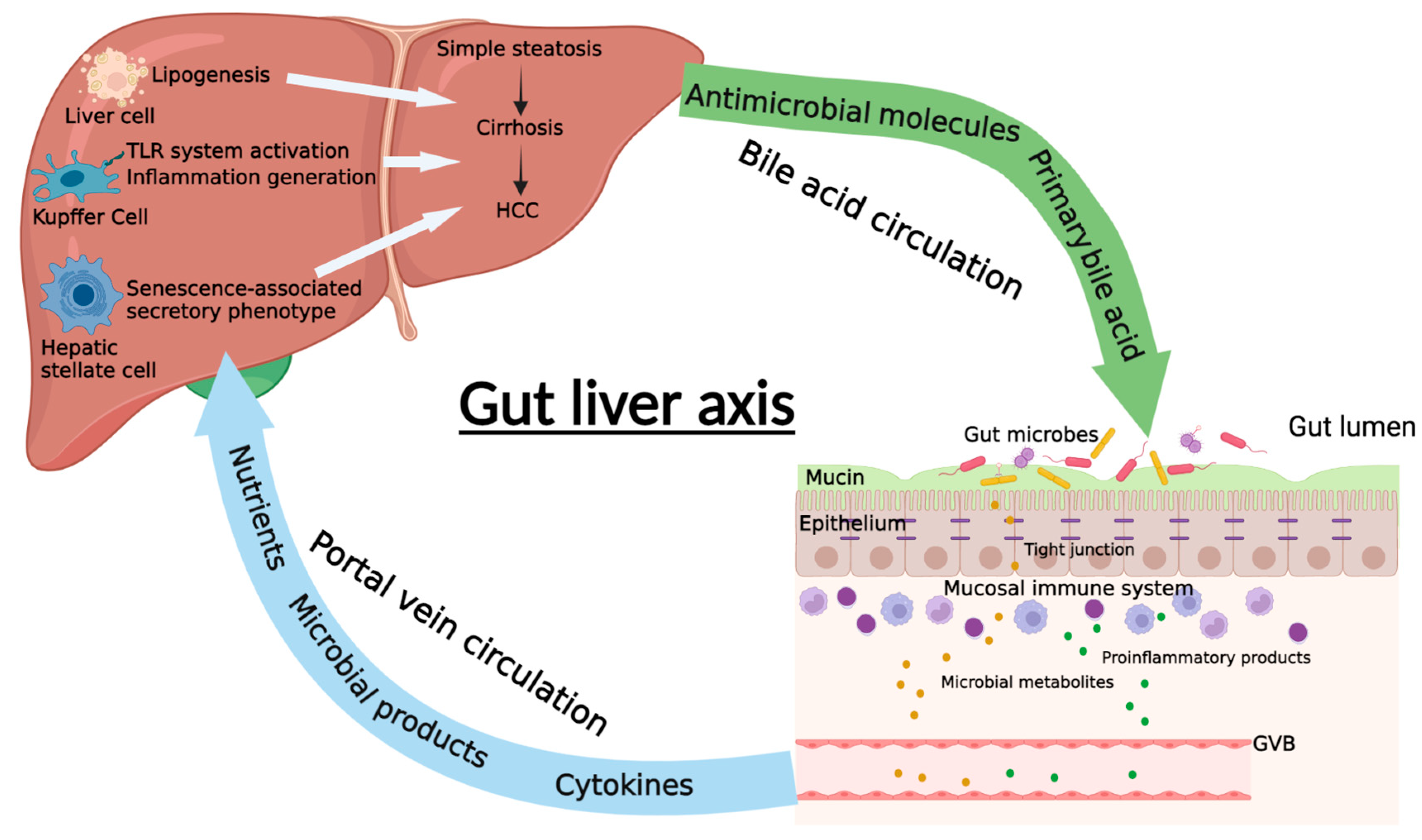
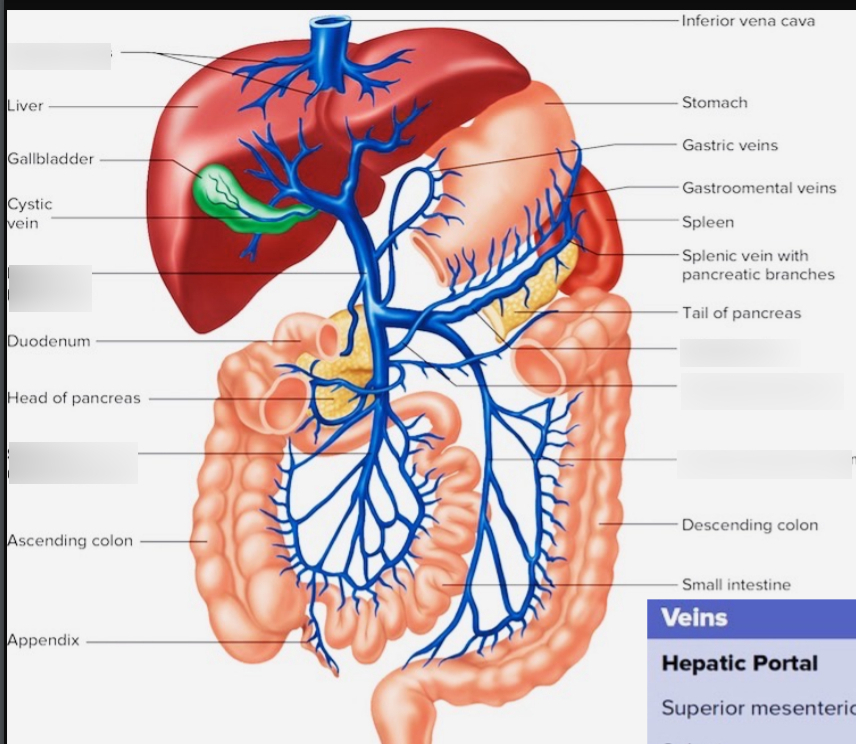
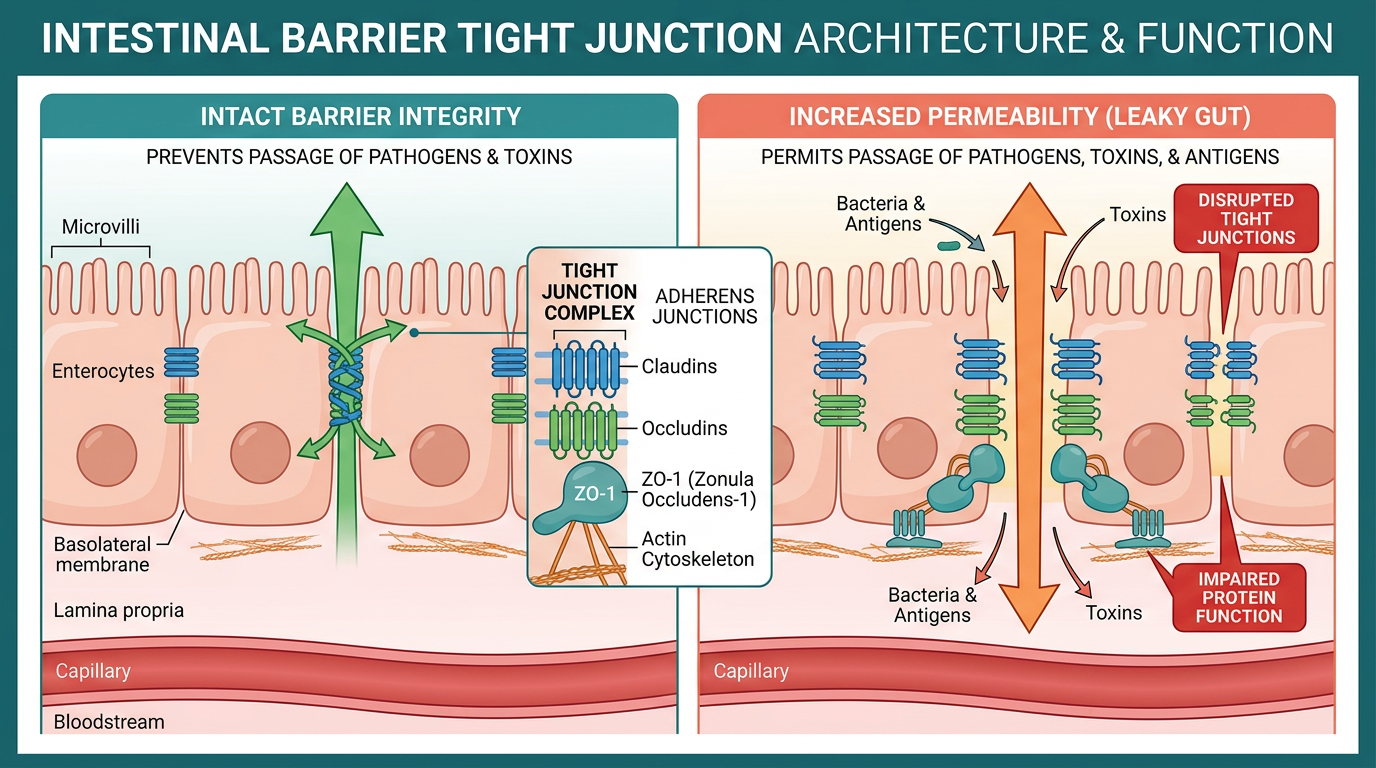
The relationship between the gut and the liver is intimate and constant. Blood from the intestines flows directly to the liver through the portal vein, carrying nutrients, microbial products and immune signals. When the intestinal lining is intact, it filters and regulates what reaches the liver. When the gut barrier is compromised—often described as increased intestinal permeability or "leaky gut"—bacterial components and inflammatory molecules slip into portal circulation and land in the liver, triggering immune activation, fat accumulation and scarring.
portal vein anatomy liver
A Shift from Downstream to Upstream Treatment
Traditional investigational drugs for NASH have focused on liver cells, metabolic signaling, or fibrotic pathways. They aim to reduce fat accumulation, blunt inflammatory cascades or break down scar tissue. The new strategy flips that script: it treats the gut lining and its ecosystem, stopping the inflammatory cascade at the source. Conceptually, it is like repairing a dam upstream to prevent flooding downstream rather than rebuilding houses after each flood.
How the Drug Works: Mechanism of Action
At the heart of this therapy are three complementary actions.
- Barrier restoration: The drug strengthens tight junctions between intestinal epithelial cells and promotes epithelial regeneration, reducing translocation of bacterial products such as lipopolysaccharide (LPS).
- Microbiome modulation: It alters microbial composition and function in ways that favor anti-inflammatory metabolites—most notably short-chain fatty acids like butyrate—that support gut health and metabolic balance.
- Immune regulation: By reducing the flow of proinflammatory microbial products to the liver, the drug decreases hepatic immune activation, limiting cytokine-driven injury and activating tissue repair pathways.
intestinal epithelial cells tight junctions
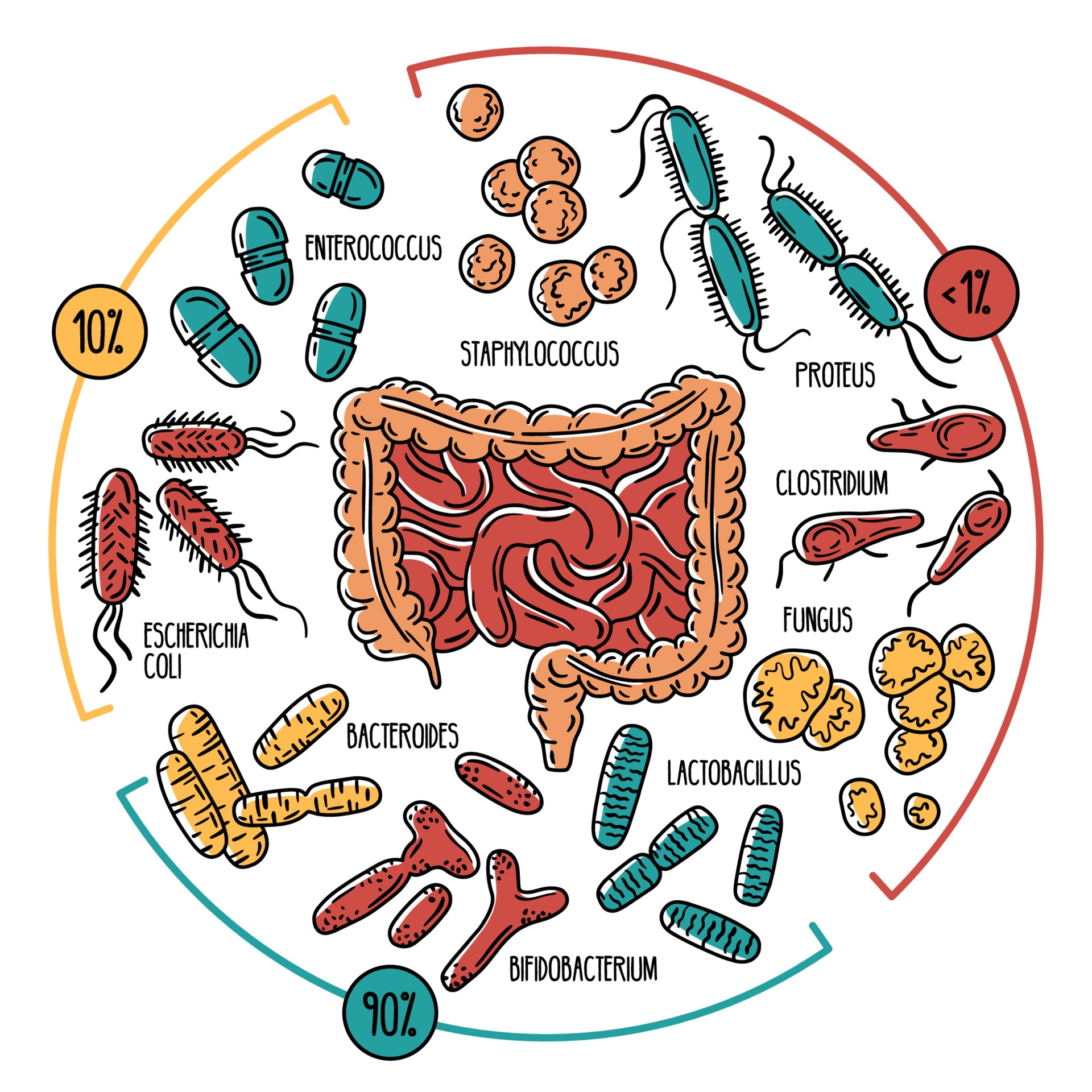
gut microbiome bacteria illustration
These mechanisms converge on the liver: lower inflammatory signaling, reduced stellate cell activation (which drives fibrosis), and improved metabolic handling of fats inside hepatocytes.
"Treating the gut is not a sideline—it's a frontline strategy for stopping liver disease in its tracks."
What the Evidence Shows So Far
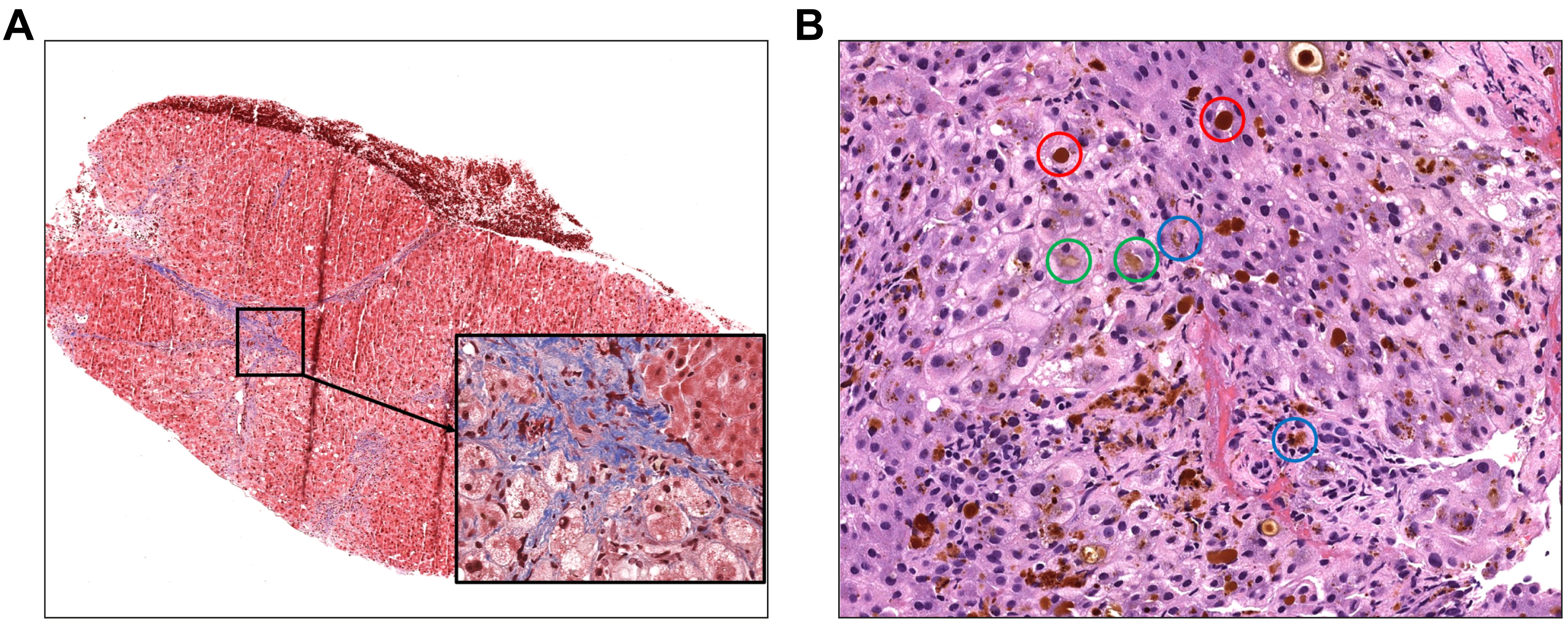
Recent clinical studies have reported that patients with moderate-to-severe NASH who received this gut-targeting drug experienced measurable improvements in liver inflammation and fibrosis markers within months. Imaging and noninvasive fibrosis scores trended in the right direction, and several patients showed resolution of key histologic features on liver biopsy, the current gold-standard for diagnosis and staging. Importantly, these improvements correlated with restoration of microbial balance and reduced markers of intestinal permeability in stool and blood tests.
liver fibrosis histology biopsy
Clinical Signals: Symptoms, Labs, and Biopsy
Patients commonly report reduction in fatigue and abdominal discomfort as inflammatory burden decreases. Biochemically, transaminases (ALT and AST) often decline, sometimes substantially. Noninvasive indices that combine labs and clinical data—tools such as fibrosis scores—have moved toward lower-risk categories for many treated individuals. Where sequential biopsies were available, pathologists documented reduced ballooning of hepatocytes, lower inflammatory cell infiltrates and, in some cases, regression of fibrosis stage.
Why This Could Be a Game Changer
Three features distinguish this approach and make it potentially transformative:
- Root-cause orientation: Instead of merely addressing downstream consequences in the liver, the drug interrupts the intestinal signals that help drive disease progression.
- Systemic benefits: Because the gut influences metabolism broadly, patients often experience parallel improvements in insulin sensitivity, lipid profiles and low-grade systemic inflammation.
- Noninvasive monitoring: Restoration of gut barrier and microbiome health can be tracked with stool tests and blood biomarkers, reducing reliance on repeated liver biopsies.
Safety and Side Effects
No therapy is without risk. The gut-repair drug's side effect profile appears distinct from many liver-focused agents. The most commonly reported adverse events have been mild gastrointestinal symptoms—transient bloating, mild cramping and changes in bowel habits—as the microbiome shifts. Because the drug acts locally in the intestine and does not appear to have high systemic exposure, serious systemic side effects have been infrequent in trials so far.
Caution Long-term safety data are still limited. Immune modulation and microbiome alteration may have unpredictable effects over years, so ongoing surveillance in large patient populations is essential.
How This Compares with Existing Therapies
Current evidence-based management for fatty liver centers on lifestyle intervention—weight loss, exercise and controlling diabetes or dyslipidemia. Several experimental drugs target metabolic pathways (PPAR agonists, GLP-1 analogs), inflammation (anti-cytokine strategies) or fibrosis (anti-fibrotic agents). The gut-repair strategy stands apart because it can complement these therapies rather than replace them. A combined approach—metabolic control plus gut restoration—may yield additive or synergistic benefits.
- Addresses upstream cause of hepatic inflammation.
- Potential systemic metabolic improvements.
- Generally mild, localized side effects.
- Long-term impact on microbiome unknown.
- Not yet proven across diverse populations.
- May require combination with other therapies for optimal effect.
Who Might Benefit Most?
The therapy seems particularly promising for patients with NASH characterized by significant inflammatory activity and early-to-moderate fibrosis. Those with metabolic syndrome—obesity, insulin resistance and dyslipidemia—often show the most pronounced response, likely because their liver disease is tightly linked to gut-derived inflammatory signals. However, individuals with very advanced cirrhosis may require more direct hepatic interventions and careful evaluation before gut-directed therapy is used alone.
Real-World Considerations: Access, Cost, and Implementation
As the drug moves toward wider approval and commercial use, several practical issues will shape its impact. Access and cost will determine which patients can receive therapy. Clinicians will need simple, validated tests to monitor gut barrier integrity and microbiome changes, and payers will demand evidence of meaningful clinical endpoints—reduced progression to cirrhosis, fewer liver-related hospitalizations, or lower need for transplantation—before broad reimbursement.
Monitoring and Biomarkers
Feasible monitoring strategies include serial measurements of liver enzymes, noninvasive fibrosis scores, imaging elastography, and stool assays that assess microbial composition and markers of barrier function. Blood tests for microbial products or inflammatory mediators provide complementary information. Ultimately, a combined panel that links gut metrics with liver outcomes will be the most practical and prognostically useful approach.
Potential Challenges and Knowledge Gaps
Several important unknowns remain. First, the durability of response: will repaired gut barriers and rebalanced microbiomes stay that way after treatment stops, or will maintenance therapy be necessary? Second, heterogeneity: microbiomes are highly individualized, so a one-size-fits-all drug may work better for some patients than others. Third, long-term safety: altering microbial ecosystems could have subtle effects on immunity, nutrient absorption and even drug metabolism over years.
"If the intestine is the gatekeeper to liver health, therapies that rebuild that gate can change the course of disease."
Implications Beyond Liver Disease
Repairing the gut barrier and reshaping the microbiome has implications that stretch far beyond hepatology. Conditions linked to systemic inflammation—type 2 diabetes, atherosclerosis, certain autoimmune disorders—might benefit from similar approaches. The paradigm of treating upstream, barrier-level dysfunction could reframe how clinicians approach chronic inflammatory conditions broadly.
A Note on Lifestyle and Complementary Measures
While the drug offers a powerful tool, it is not a substitute for healthy habits. Diet, physical activity, weight management and control of metabolic risk factors remain central to long-term success. Indeed, diet and prebiotic or probiotic interventions can synergize with pharmacologic gut repair by providing substrates and ecological niches that favor beneficial microbes.
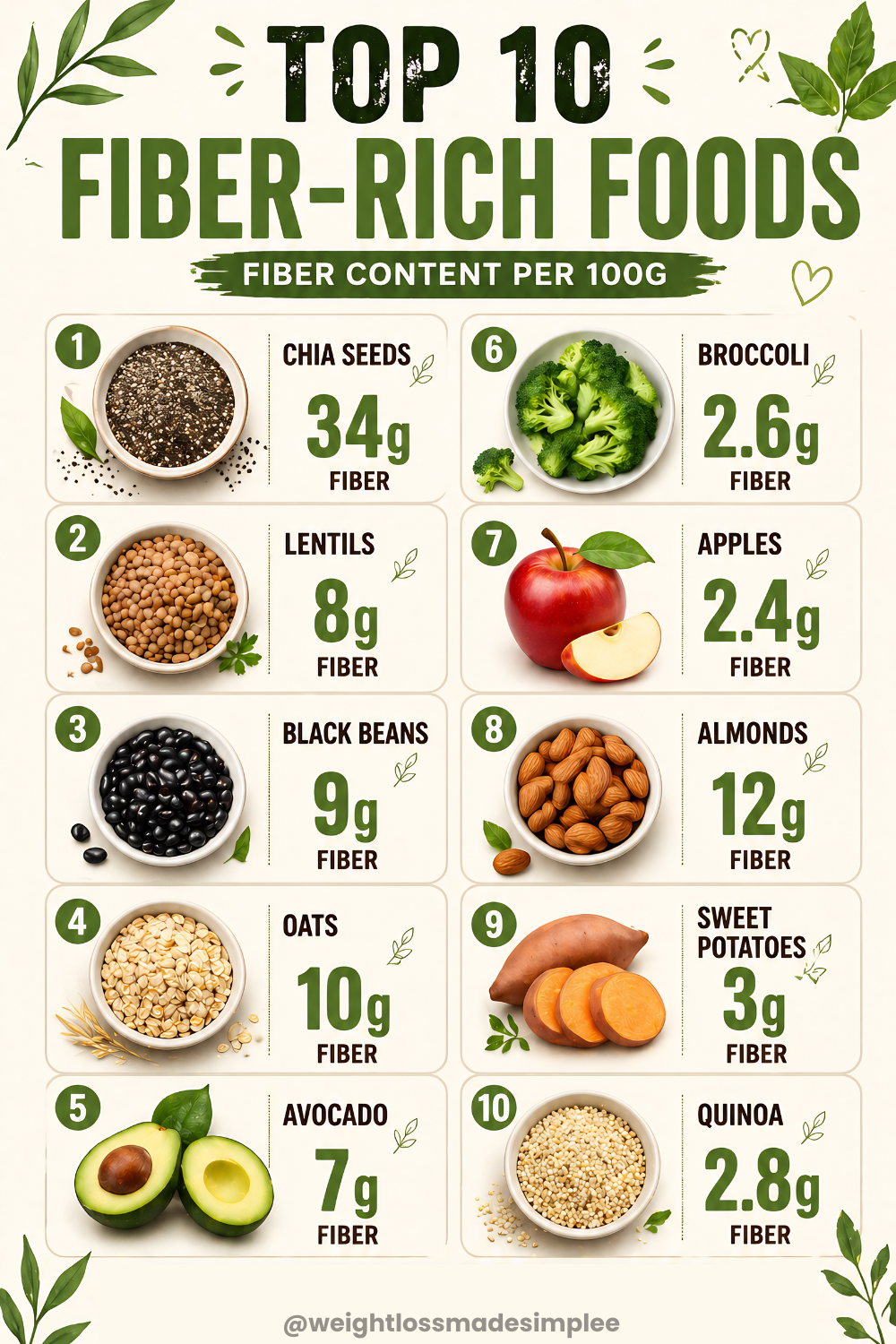
healthy diet fiber foods
What Patients Should Ask Their Doctors
- Is this therapy appropriate for my stage of liver disease? Ask whether your fibrosis stage and overall health make you a candidate.
- What monitoring will I need? Clarify blood tests, imaging and possible stool assays to follow progress.
- What are the likely side effects? Understand common gastrointestinal symptoms and how they are managed.
- How long will treatment last? Discuss the plan for induction and possible maintenance therapy.
Key Takeaways
- A gut-repair drug that strengthens the intestinal barrier and reshapes the microbiome can reduce liver inflammation and reverse fibrosis in many patients with NASH.
- The therapy targets a root cause of disease by preventing bacterial products and inflammatory signals from reaching the liver.
- Early results are promising, with improvements in symptoms, labs and biopsy findings, and generally mild side effects.
- Long-term safety, durability, and effectiveness across diverse populations remain important questions.
Conclusion: A New Chapter in Treating Fatty Liver Disease
The emerging evidence that repairing the gut can reverse severe fatty liver disease represents a conceptual shift as much as a clinical advancement. By attending to the gatekeeper between the external world and internal organs—the intestinal barrier—physicians can intercept the inflammatory signals that fuel hepatic injury. The drug is not a panacea, and long-term data are needed, but it offers a promising, mechanistically coherent option that complements lifestyle and metabolic therapies. For patients and clinicians facing the cascade from steatosis to NASH to cirrhosis, treating the gut may finally provide a way to alter the trajectory.
Image caption: Conceptual diagram of the gut-liver axis showing how intestinal permeability can drive liver inflammation and fibrosis.
Further Reading and Next Steps
Clinicians should watch for forthcoming long-term outcomes, larger randomized trials across diverse patient groups, and comparative effectiveness studies that place gut-targeted therapy alongside other emerging NASH treatments. Researchers will be watching microbiome signatures that predict response, seeking biomarkers that guide patient selection, and clarifying whether combination strategies yield additive benefit. For patients, the message is cautiously optimistic: a new class of therapies offers hope, but careful shared decision-making and continued emphasis on lifestyle remain essential.