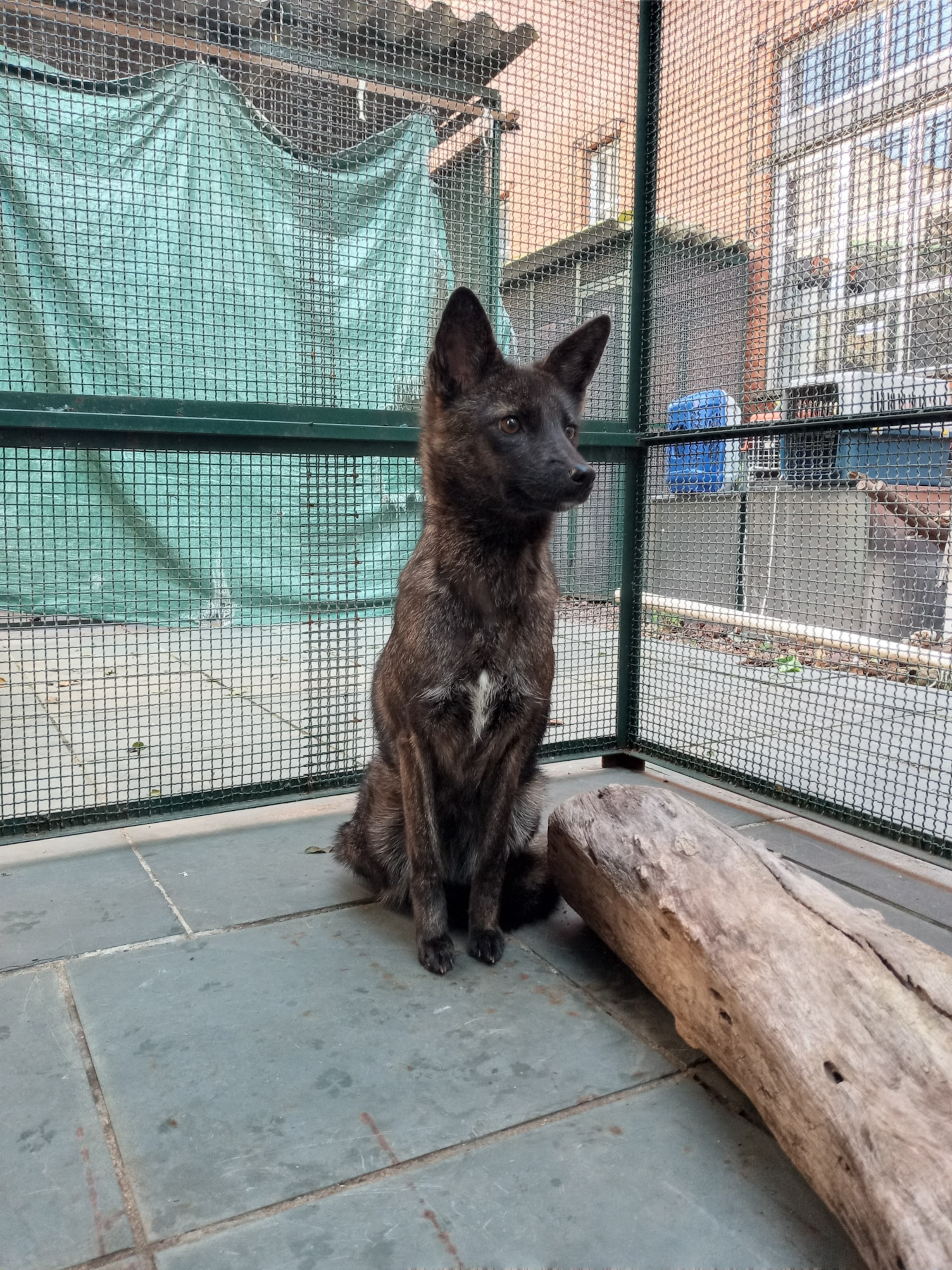
Dogxim Discovery: Dog–Pampas Fox Hybrid Found in Brazil
The photograph, a handful of hairs, and a short paper sent to a regional natural history museum were enough to ignite a storm of headlines: a so-called "Dogxim" — a purported hybrid between a domestic dog and the pampas fox — had been reported in southern Brazil. If taken at face value, the claim would be a biological bombshell. But extraordinary claims require extraordinary evidence, and this report offers an invitation to separate sensationalism from plausible science.
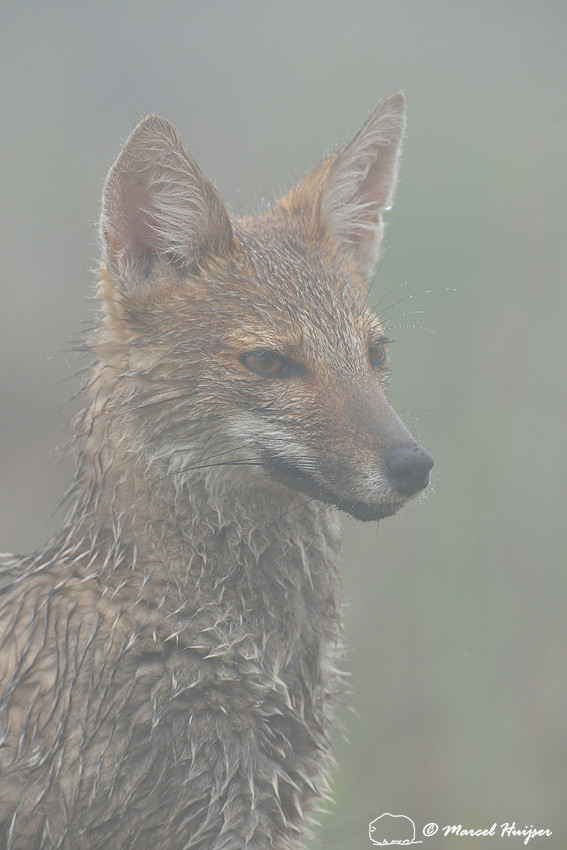
Pampas fox Lycalopex gymnocercus wildlife
Why this story matters
Hybridization among closely related canids is well documented: wolves mate with dogs, coyotes hybridize with dogs and wolves, and even golden jackals can produce fertile offspring with domestic dogs in some cases. Those events are biologically credible because the species involved are relatively close genetically. The idea of a dog crossing with a pampas fox, however, runs into deeper evolutionary and chromosomal hurdles. Yet the public fascination is understandable: a single specimen that appears intermediate in shape or behavior forces us to ask how fixed the boundaries between species really are, and what human influence might be doing to wild populations.
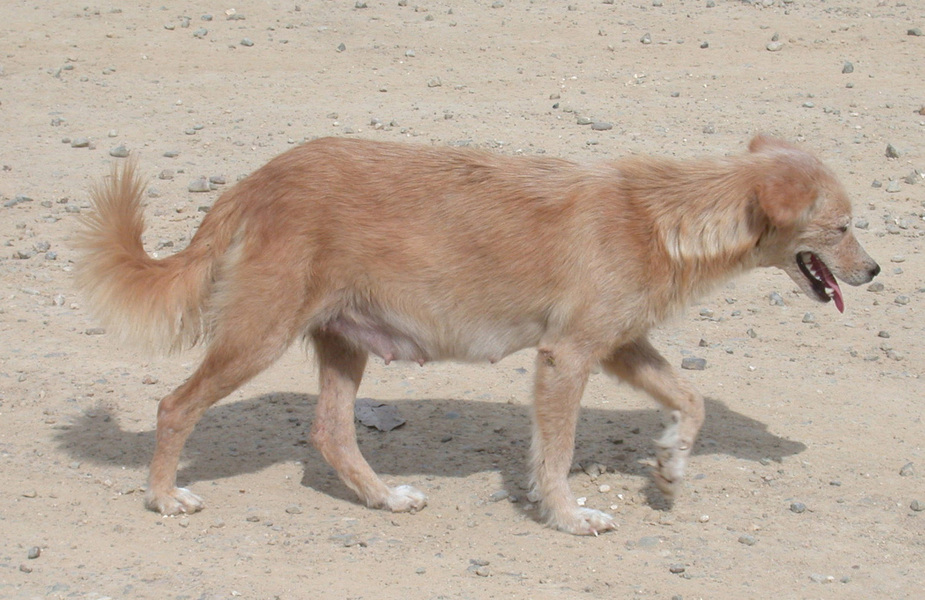
Domestic dog Canis lupus familiaris
The pampas fox and the domestic dog — an overview
To assess any claim of hybridization we need to understand each parent. Domestic dogs (Canis lupus familiaris) are the most genetically diverse domestic mammal and are, taxonomically, derived from the gray wolf complex. They have been shaped by thousands of years of selection under human care.
The pampas fox occupies a different branch of the canid family tree. Native to South American grasslands and open habitats, it has a slender muzzle, a bushy tail with a dark tip, and behavior adapted to small prey and scavenging. Beyond external appearance the most relevant fact is that Lycalopex species are genetically divergent from Canis lineage canids; that divergence is what typically prevents hybridization between such taxa.
What was reported — the so-called "Dogxim" specimen
The report described a small canid found near a rural settlement, showing a mix of dog-like coat patterns and pampas fox proportions: a somewhat elongated muzzle, long legs, and pelage tones between tawny and brindle. Photographs circulated on social media. A short genetic screen reportedly showed conflicting signals — mitochondrial DNA matching a pampas fox but some nuclear markers more dog-like. Those conflicting signals are the crux of the mystery and the clue to alternative explanations.
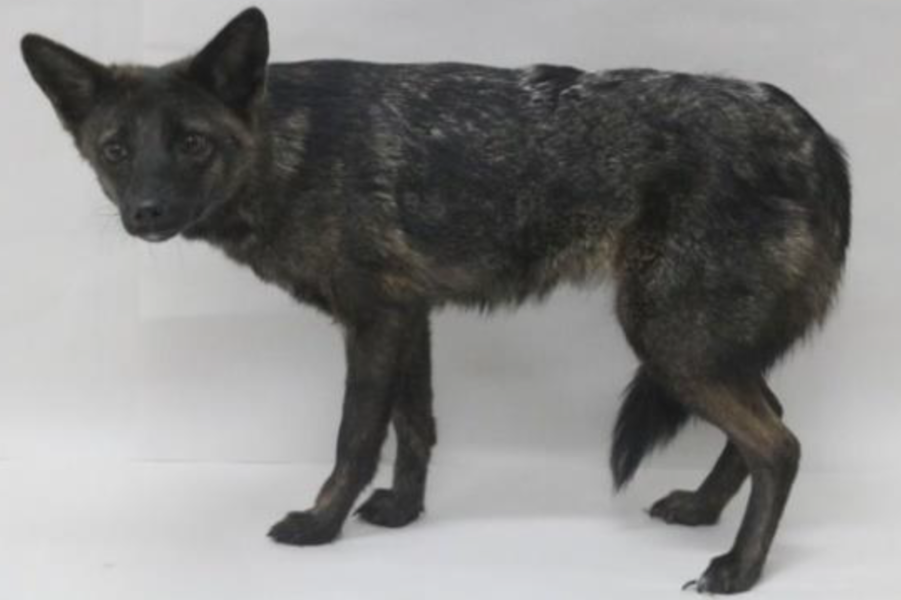
Dogxim specimen photograph Brazil
A mitochondrial match to a wild species with discordant nuclear markers can mean many things — hybridization is only one of them.
Why a true dog–pampas fox hybrid is biologically unlikely
There are three major biological reasons to be skeptical.
- Karyotype and chromosomal barriers: Domestic dogs have 78 chromosomes. Many foxes and other canids have different chromosome numbers and arrangements. Mismatched chromosome numbers make producing viable, fertile offspring difficult; even when hybrids occur they are often infertile or inviable.
- Evolutionary divergence: Lycalopex and Canis lineages split millions of years ago. Greater genetic distance typically reduces compatibility at the gametic and developmental levels, lowering the probability of successful interbreeding.
- Behavioral and ecological separation: Even when species are sympatric, differences in mating seasons, courtship behavior, and habitat use limit opportunities for interbreeding. Pampas foxes tend to avoid human settlements where many free-roaming dogs are concentrated, though human-induced habitat change can alter those patterns.
Those constraints do not make hybridization logically impossible — nature is full of rare exceptions — but they do mean any claim needs robust genetic, cytogenetic, and reproductive evidence.
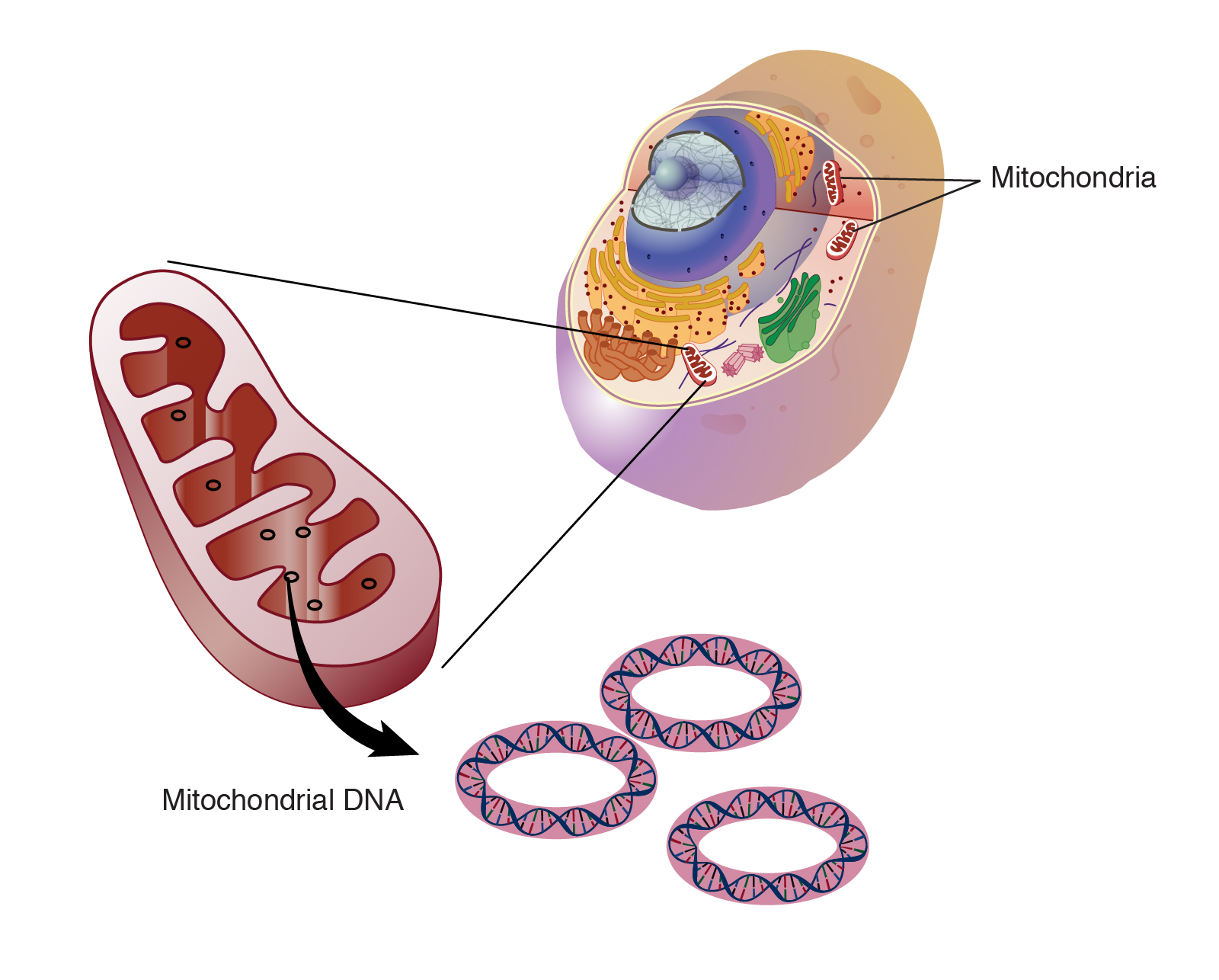
Mitochondrial DNA capture evidence
Alternative explanations that fit the data better
When mitochondrial DNA (mtDNA) points one way and some nuclear markers point another, scientists consider several plausible scenarios before declaring a novel hybrid species.
1. Mitochondrial capture due to ancient introgression
Mitochondrial genomes are inherited only through the maternal line. If at some point in the past a female of one species mated with a male of another and the offspring backcrossed repeatedly into one parental population, mtDNA from the other species can become integrated without substantial nuclear admixture. That pattern — mtDNA from species A, nuclear DNA largely species B — can persist for thousands of years and mislead simple genetic assays.
2. Lab contamination or sample mix-up
Genetic laboratories handle many samples, and contamination — either of the specimen or of reagents — is a well-known source of confusing results. A hair collected at a scene can carry DNA from a dog handler, a nearby companion animal, or laboratory staff. Short genetic screens are particularly vulnerable to contamination artifacts that look like mixed ancestry when, in fact, they are technical errors.
3. Incomplete lineage sorting and marker choice
Not all DNA markers tell the same story. Some gene regions reflect deep ancestry and others recent gene flow. With a small panel of markers, especially ones chosen for their variability in dogs, a wild canid might appear "dog-like" at those loci while remaining genetically typical of Lycalopex in the rest of its genome.
4. Morphological misidentification
Individual variation, disease, parasite burden, or simple phenotypic plasticity can make a pampas fox look more dog-like. Conversely, mixed-breed feral dogs sometimes resemble small wild canids. Photographs alone are notoriously unreliable for taxonomy.
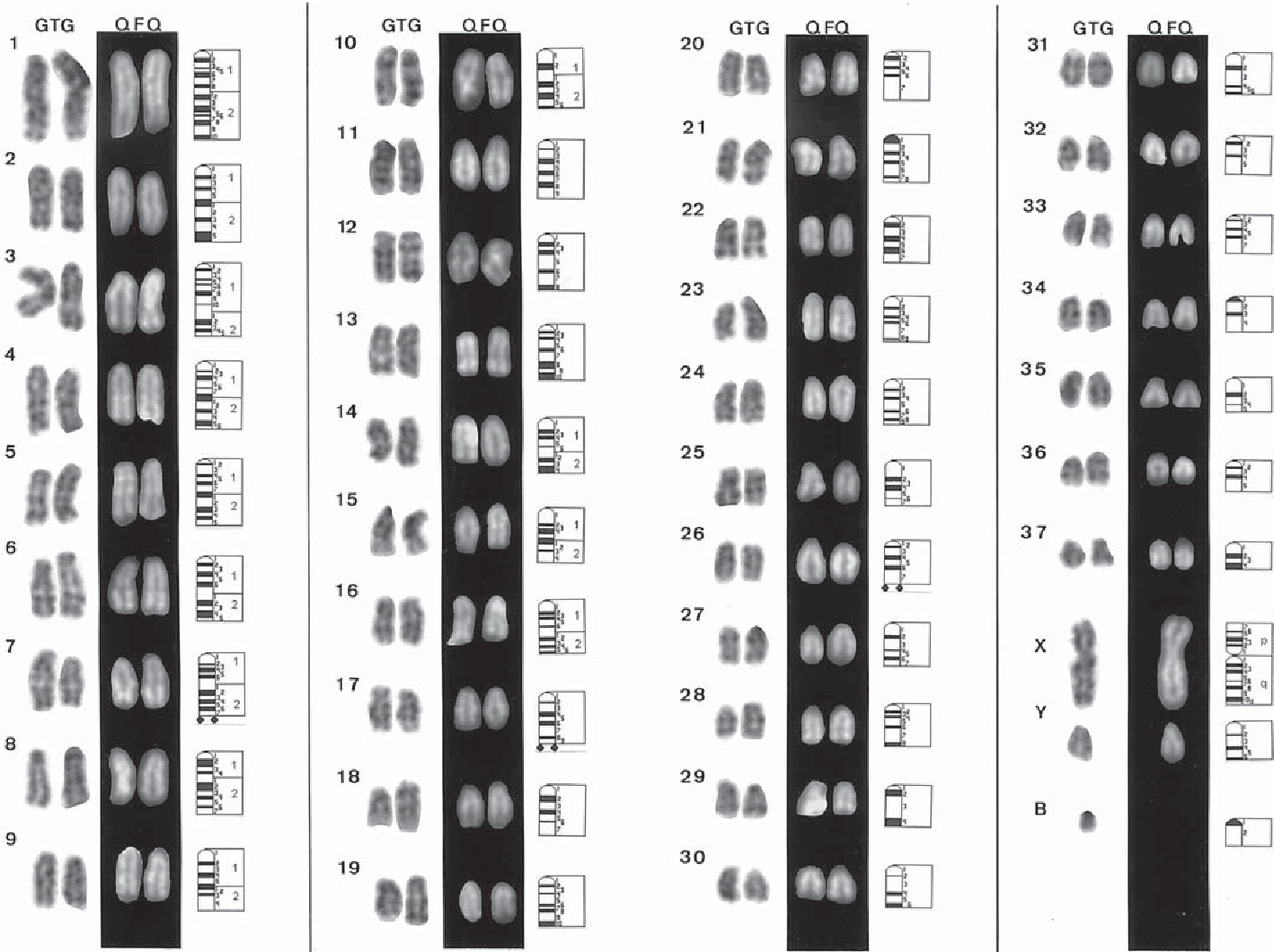
Canid chromosome karyotype comparison
How scientists would verify a true hybrid
Proving a dog–pampas fox hybrid requires multiple independent lines of evidence. Here are the steps a responsible research team would take.
- Obtain high-quality tissue or blood samples — hair shafts and environmental DNA are convenient but often insufficient for definitive analysis.
- Perform whole-genome sequencing to evaluate the proportion of ancestry across the entire nuclear genome, not just a handful of loci. True recent hybrids show roughly 50/50 ancestry in nuclear DNA; backcrosses show predictable intermediate proportions.
- Compare karyotypes under a cytogenetic microscope. If chromosome numbers or structures differ sharply, hybrids will show rearrangements or unbalanced sets that explain sterility or inviability.
- Use multiple independent laboratories to rule out contamination or methodological artifacts.
- Assess reproductive capability if the specimen is living and ethically permitted for careful study; infertility or abnormal gametogenesis would be expected in many intergeneric crosses.
A simple comparison: dog vs. pampas fox
| Trait | Domestic Dog (Canis familiaris) | Pampas Fox (Lycalopex gymnocercus) |
|---|---|---|
| Typical chromosome number | 78 | Varies — often different from Canis |
| Lineage | Canis (wolf-derived) | Lycalopex (South American canid lineage) |
| Habitat association | Human settlements, diverse | Pampas, grasslands, scrub |
| Domestication | Domesticated species | Wild species |
Ecological and conservation implications
One reason sensational hybrid stories attract attention is that hybridization can pose a threat to wild species' genetic integrity. When abundant feral or free-roaming dogs interbreed with a small wild population, they can swamp local gene pools with domestic alleles, potentially reducing fitness or diluting unique local adaptations. In South America the most pressing conservation hybrid issues typically involve the spread of domestic dog diseases — distemper, parvovirus, rabies — and competitive and predatory impacts, more than genetic swamping with distantly related foxes.
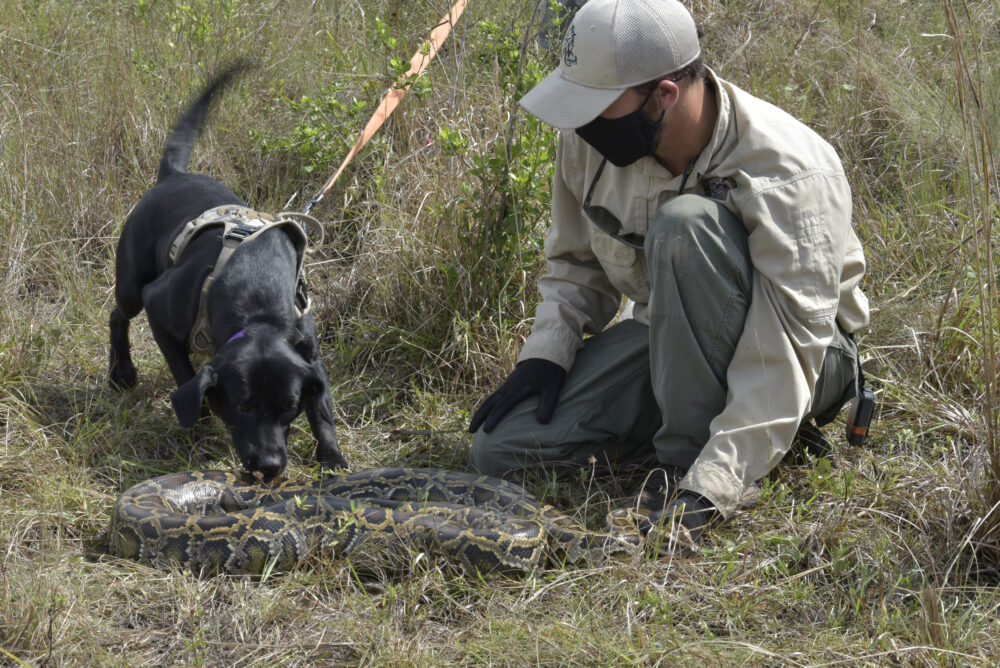
Dog wildlife interaction conservation
Public reaction, media framing, and the responsibility of scientists
Media outlets thrive on novelty. The idea of a new cross-species hybrid makes for irresistible headlines, but premature amplification can distort public understanding and steer policy in unhelpful directions. Scientists and museums have a responsibility to communicate uncertainty clearly: describe what the data show, what they do not, and what further tests are necessary.
When a specimen arrives at a regional institution: catalog it, photograph it, take clean tissue samples, and contact specialists. Transparency about methodology and limits of inference builds trust and prevents misinterpretation. It also protects the specimen from becoming an object of folklore before experts can examine it.
Science is iterative. A headline and a hair are not the same as a published, peer-reviewed genomic analysis.
Disease and zoonotic concerns
Whether hybrid or not, any interaction between domestic dogs and wild canids raises health concerns. Dogs are reservoirs for viruses and parasites that can spill into wild populations, sometimes with high mortality. Vaccination campaigns for dogs in rural and peri-urban communities are often the most effective conservation action available because they reduce cross-species disease transmission even when genetic mixing is rare or absent.
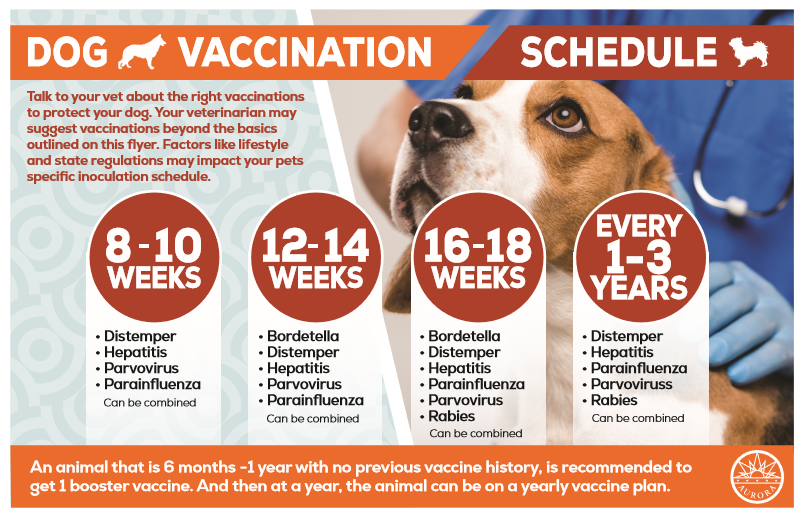
Dog vaccination campaign South America
What to watch for next — a checklist for responsible verification
- Secure, contamination-free samples (blood, tissue).
- Whole-genome sequencing from multiple labs.
- Chromosome analysis (karyotyping).
- Comparison to broad reference panels of Canis and Lycalopex genomes.
- Peer-reviewed publication of results with open methods and data.
Ethical considerations and policy responses
Assuming heightened contact between dogs and pampas foxes, what should managers do? Practical responses are rarely glamorous: community vaccination, neutering programs for free-roaming dogs, better waste management to reduce attractants, and public education about not feeding or encouraging wild animals. Lethal control of wild animals based on unconfirmed hybrid claims would be irresponsible and potentially illegal in many jurisdictions.
Conclusion — a curious specimen, not yet a new animal
The "Dogxim" story is a potent reminder of how science, media, and public imagination interact. A single specimen with mixed traits or mixed genetic signals is an invitation to careful inquiry, not immediate rewriting of textbooks. Biological reality often resists neat labels: incomplete lineage sorting, mitochondrial capture, contamination, and human-mediated environmental change are all plausible explanations that must be eliminated before accepting an intergeneric hybrid.
- Dog–pampas fox hybridization is biologically improbable but not an absolute impossibility; strong evidence is required.
- Mitochondrial DNA can mislead; whole-genome data and karyotyping are essential.
- Most urgent conservation actions focus on reducing disease and contact between domestic dogs and wildlife, regardless of hybrid status.
Ultimately, the right reaction to the "Dogxim" is curiosity balanced with skepticism. Let scientists gather clean data, replicate findings, and publish results. Until then, the animal is best treated as a biological puzzle — a prompt to study, to protect, and to think carefully about how human activity blurs the boundaries between wild and domestic life.