DLSS 5 Backlash: YouTube Rejects NVIDIA with 84% Dislikes
The moment a major hardware company releases new image-enhancement software, the court of public opinion opens. In March's most heated graphics debate, NVIDIA's DLSS 5 — billed as a generational leap in AI-driven upscaling and image reconstruction — became the target of intense user criticism after a high-profile YouTube demo accumulated an eye-catching 84% dislike ratio. The reaction was not merely emotional; it reflected a collision of technical expectations, marketing presentation, and real-world user experience. This article unpacks why the backlash erupted, what DLSS 5 actually does, how to evaluate its trade-offs, and where this episode leaves players, developers, and NVIDIA itself.
NVIDIA DLSS 5 demo
WHAT IS DLSS 5, IN PRACTICAL TERMS?
A short technical primer
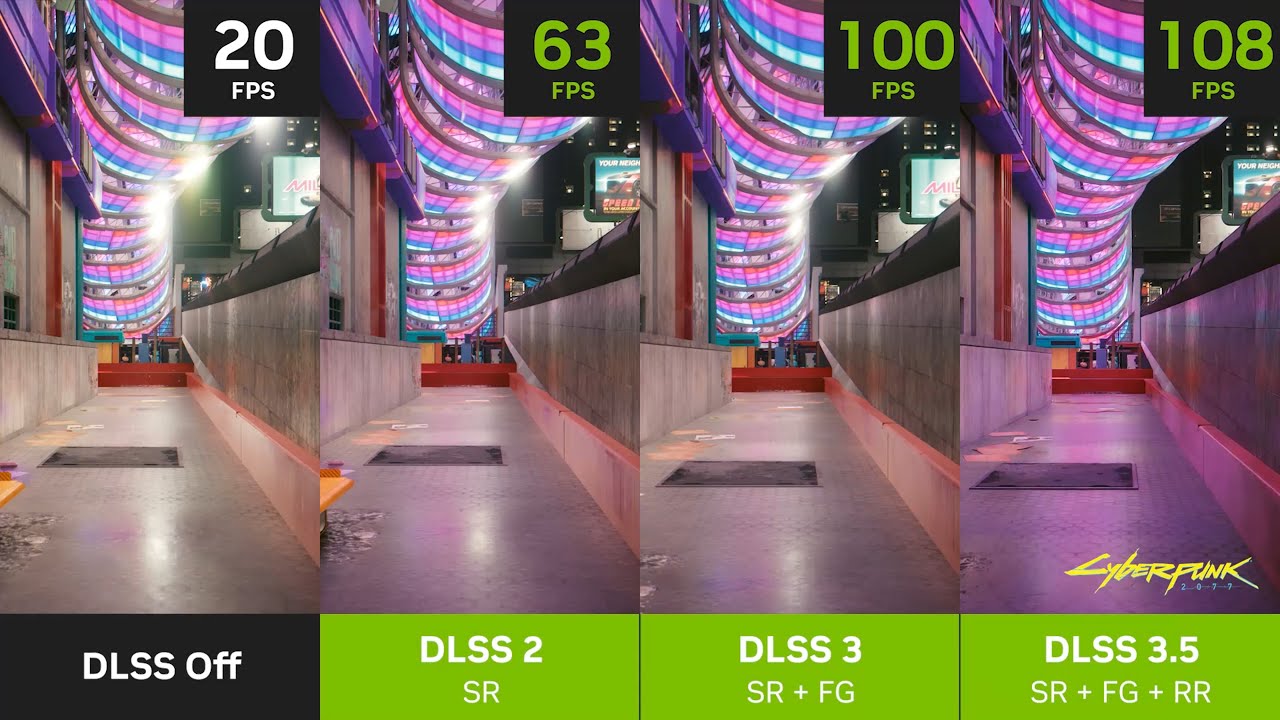
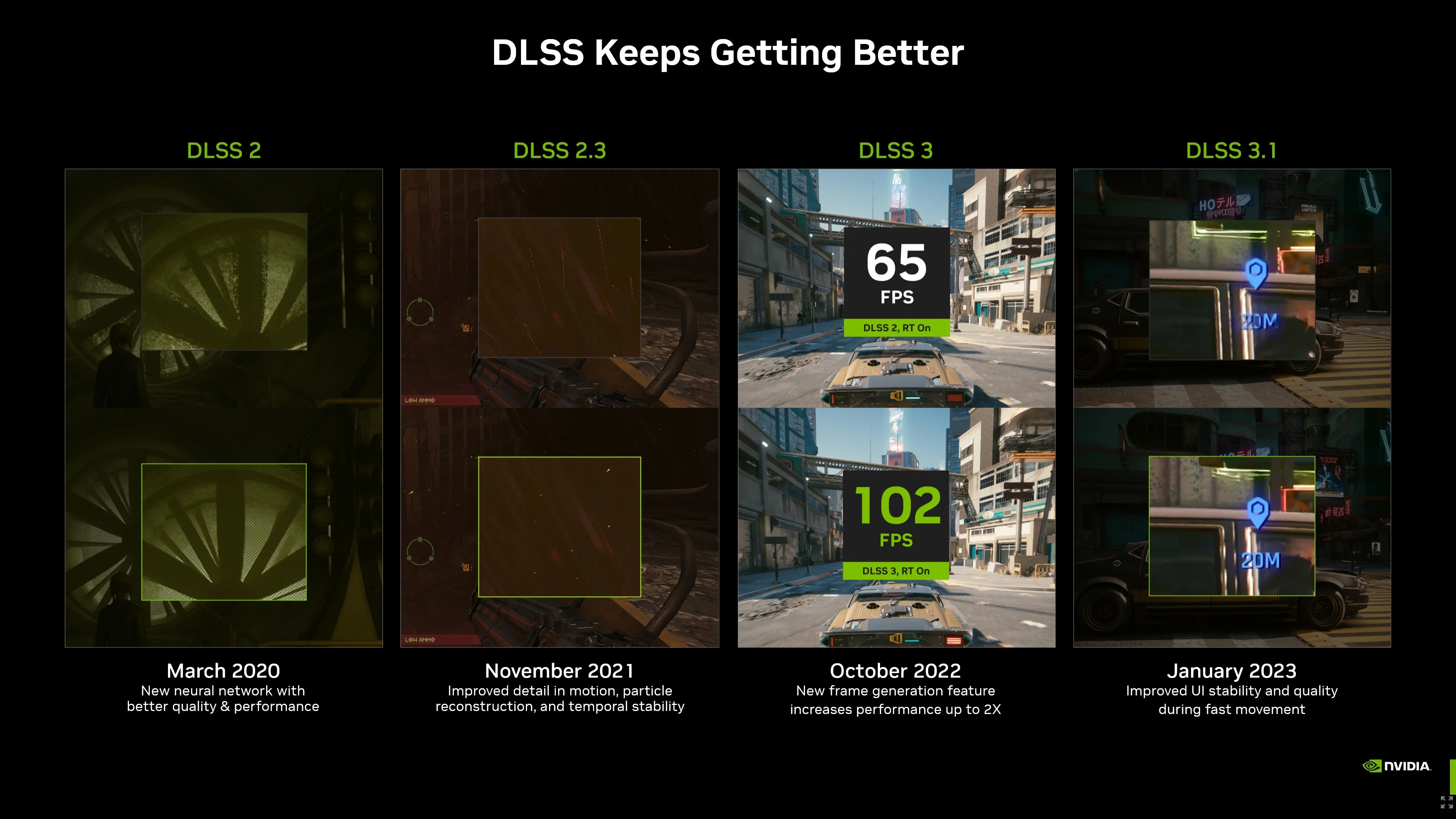
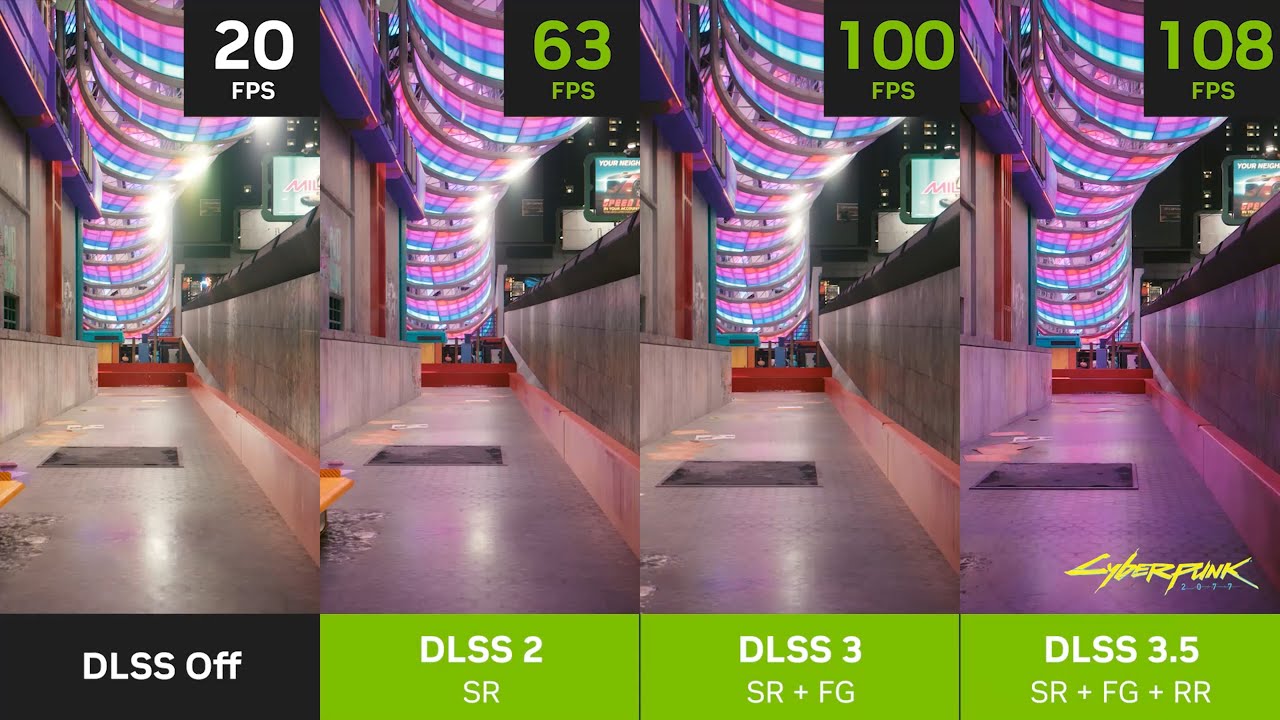
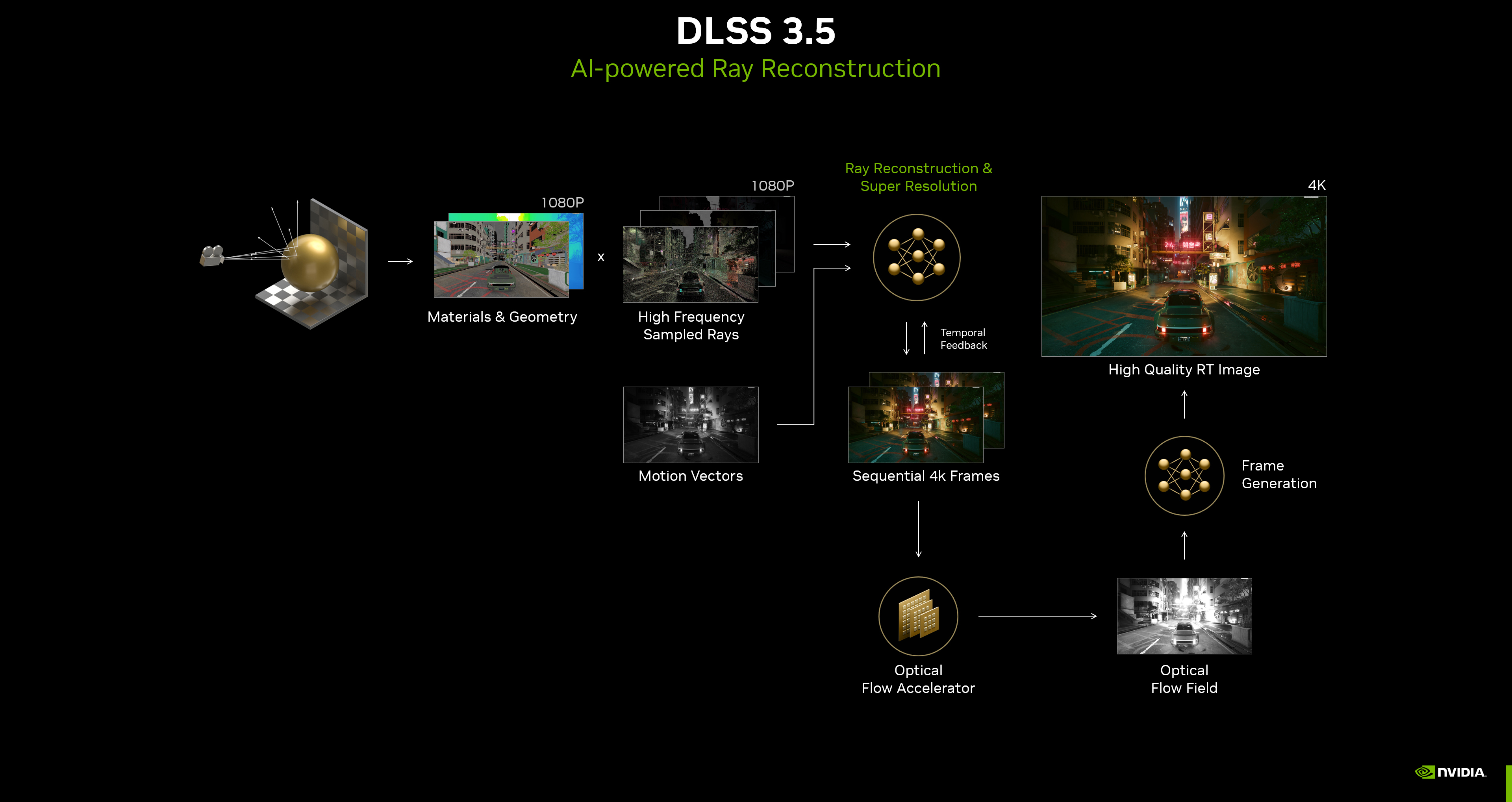
DLSS — Deep Learning Super Sampling — is NVIDIA's family of machine-learning-based techniques that reconstruct a high-resolution frame from lower-resolution rendering input. Early DLSS versions focused on conservative upscaling with temporal accumulation and motion-vector-aware reconstruction; later versions introduced sharper anti-aliasing and better preservation of fine details. DLSS 5 positions itself as a more aggressive evolution: deeper neural networks, improved temporal stabilization, and new image priors intended to reconstruct geometry and fine textures more accurately while boosting performance.

NVIDIA GPU AI rendering
Why upgrades matter
Each DLSS iteration aims to hit a sweet spot: deliver native-like visual fidelity at a fraction of the GPU cost. For gamers that means higher frame rates, less thermal load, and the ability to enable expensive effects like ray tracing without surrendering smooth gameplay. For developers, an effective upscaler reduces the need for costly engine-side optimizations across diverse hardware.
"When an image-enhancement tool promises more than it delivers, the discrepancy becomes a credibility issue — and for platforms like YouTube, that can quickly turn into a spectacle."
WHY THE BACKLASH EXPLODED ON YOUTUBE
Perception vs. engineered reality
The 84% dislike figure is a headline-grabbing symptom of a deeper problem: many viewers felt the public demonstration failed to match both the marketing claims and their expectations. Several factors fueled the negative reaction.
- Perceived demo mismatch: Viewers compared side-by-side clips and reported softer textures, shimmering details, and occasional reconstruction artifacts in scenes that were supposed to showcase DLSS 5's strengths.
- Expectation inflation: Marketing language promising "near-native" fidelity can set an unrealistic bar. When a frame doesn't look identical to a native render — particularly in highly scrutinized comparison videos — reactions are swift.
- Demo context and capture method: Video compression, capture settings, and platform playback can amplify subtle artifacts. Many users argued they could spot issues even after accounting for YouTube's own compression.
- Community amplification: Once a critical mass of viewers raises points, creators and forums amplify them and produce their own tests, shifting the narrative from anomaly to trend.
DLSS 5 YouTube dislike reaction
The psychology of platform signals
YouTube dislikes are an immediate and visible metric of audience sentiment. They don't map cleanly to technical nuance, but they do signal trust erosion. For a technology reliant on both perception and technical merit, trust is fragile: a single high-profile negative impression can overwhelm measured laboratory improvements.
TECHNICAL CLAIMS — WHAT DLSS 5 PROMISES AND WHERE IT MAY STUMBLE
The promise
DLSS 5 aims to simultaneously increase perceived detail and reduce computational cost. Its new model architecture purportedly reconstructs small geometric details and fine textures more robustly, while improved temporal components reduce ghosting and frame-to-frame flicker. On paper, that should enable higher internal render scaling ratios — for example, rendering at 60–70% of native resolution and reconstructing the rest — with minimal penalty to perceived quality.
Common sources of dissatisfaction
Complaints about DLSS 5 clustered into three technical themes:
- Detail hallucination vs. preservation: Neural upscalers infer missing detail. When the model errs it may generate plausible but inaccurate textures — a phenomenon often described as "hallucination." In game content where asset accuracy matters (text, UI, fine surface patterns), this can look wrong.
- Temporal instability: Even improved temporal filters can struggle with rapid motion or complex translucency, producing subtle shimmer or flicker that humans notice more easily than static pixel-level metrics reveal.
- Edge and thin-geometry handling: Small geometric elements like wires, grass blades, and fine decals are challenging for any upscaler. If these aren't reconstructed faithfully, images can feel softer and less convincing.
DLSS 5 neural upscaling artifacts
COMMUNITY TESTS AND BENCHMARKS
What independent tests showed
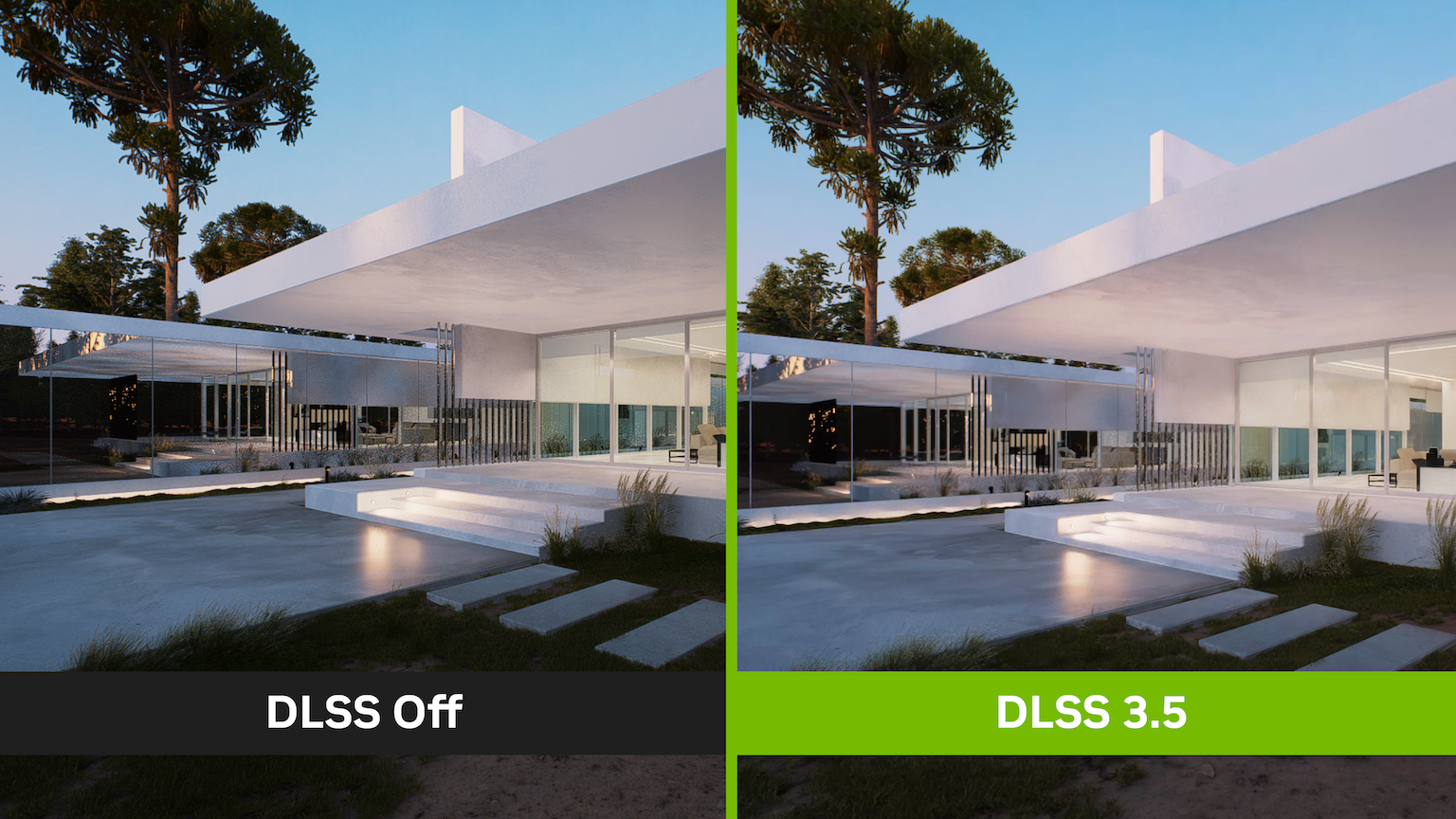
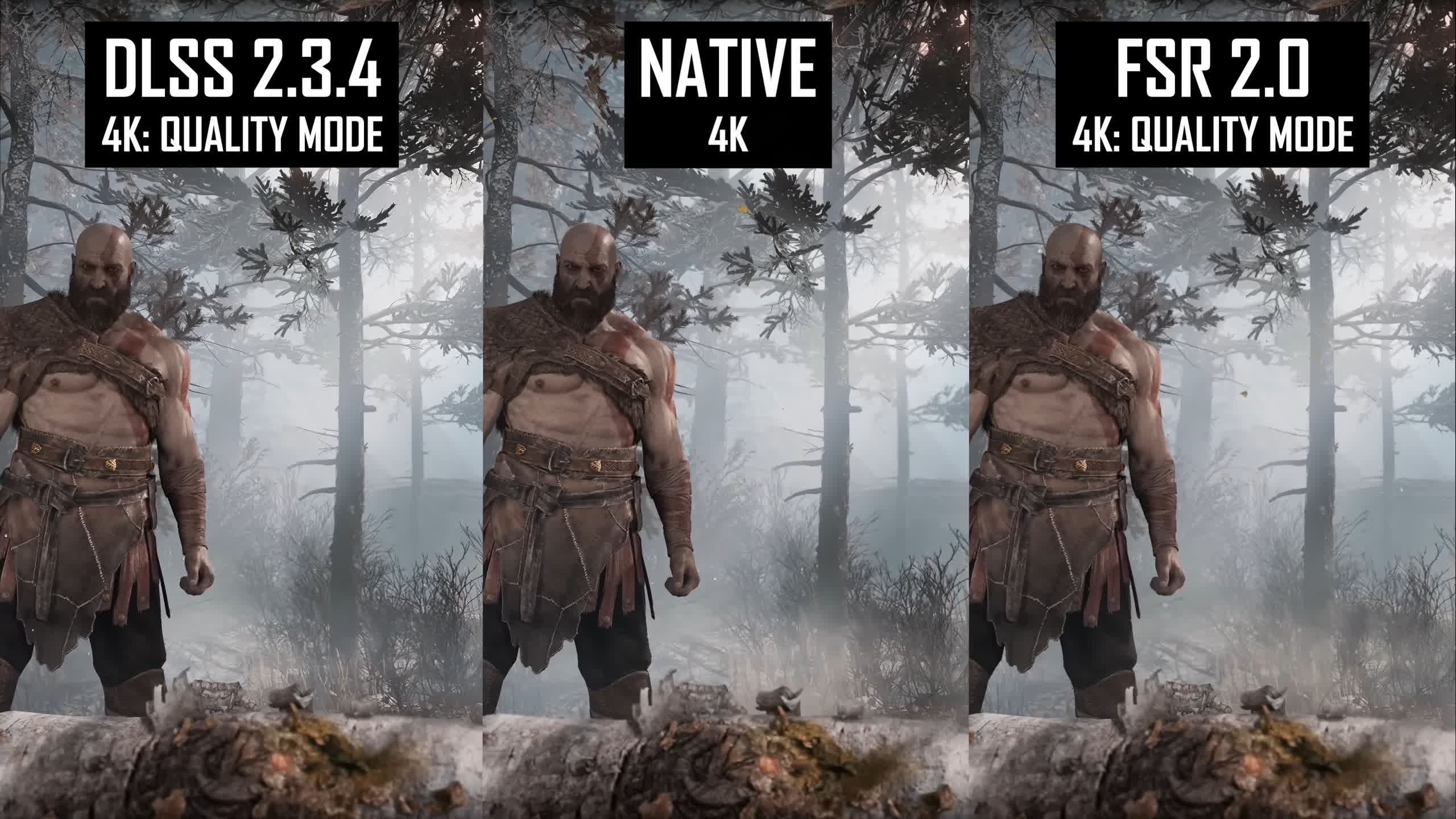
After the demo, multiple creators and players posted comparison tests. Results were mixed: some scenes showed clear frame-rate uplifts with acceptable visual compromises; others highlighted reconstruction errors and artifacts. The mixed picture made it difficult to declare a definitive verdict, fueling discussion rather than resolution.
DLSS 5 frame rate test
How to interpret community benchmarks
Benchmarks are only as good as their methodology. Key variables include capture fidelity, whether comparisons use the same post-processing stack, and whether motion and gameplay conditions reflect typical player experiences. A short, static in-engine comparison may hide temporal problems that appear in real gameplay, while a high-motion gameplay demo may expose issues that never appear in static screenshots.
DLSS 5 image quality comparison
NVIDIA'S RESPONSE AND NEXT STEPS
Acknowledgement and patch cycles
In situations like this, a measured response matters. Typical rhythms include acknowledging community concerns, releasing more detailed technical notes explaining limitations and correct comparison methods, and issuing driver or model updates to address specific failure modes. A transparent roadmap for improvements helps restore confidence.
Technical fixes that help
Potential fixes include further training on edge cases (thin geometry, UI text), updating temporal weights to favor stability, and giving players clearer toggles to control reconstruction aggressiveness. Equally important is shipping robust capture and comparison guidance so reviewers and creators produce fair assessments.
"A software-first problem needs a software-first response: clear explanations, reproducible tests, and fast updates."
IMPLICATIONS FOR GAMERS, DEVELOPERS, AND THE INDUSTRY
For gamers
Players should approach new upscalers pragmatically. What matters is the in-game experience on their particular system, not a single viral clip. Practical steps:
- Test on your system: Try multiple quality presets (if available) and pay attention to motion and UI clarity in your favorite games.
- Watch for updates: Driver and model improvements can change outcomes; a patch may fix many early issues.
- Balance priorities: If you prioritize image correctness (e.g., competitive gaming, UI readability), favor conservative settings; if you prioritize frame rate, be prepared for mild visual trade-offs.
For developers
Game studios integrating upscalers must test across diverse asset types and capture conditions. They also need to expose in-game tooling for toggling reconstruction aggressiveness and provide recommended capture workflows for press and creators. Communication is key: explain where the upscaler helps and where it may struggle.
For the GPU industry
The episode underscores how machine learning is transitioning from research novelty to UX-critical system components. As neural components exert greater influence on final pixels, hardware and software vendors must adopt robust evaluation norms and clearer communication to consumers. Expect tighter scrutiny and a maturing of best practices for demoing AI-based features.
- Potentially large performance gains for ray-traced titles.
- Lower GPU power draw for the same perceived fidelity.
- Enables higher resolution experience on mid-range hardware.
- Risk of reconstruction artifacts and hallucination.
- Perception-sensitive outcomes that vary by content.
- Trust can erode quickly when demos are misaligned with real-world results.
HOW TO EVALUATE DLSS 5 YOURSELF
A practical checklist
To form a fair view, adopt a repeatable process:
- Use high-bitrate capture: Record with lossless or high-quality capture to avoid compression masking.
- Compare gameplay scenarios: Test static scenes, rapid camera motion, and common gameplay sequences.
- Toggle UI and text-heavy screens: Confirm text legibility and HUD sharpness across settings.
- Measure frame-rate and stutter: Use tools to capture frame-time stability, not just average FPS.
- Repeat after updates: Re-test after driver and model updates because neural models can change behavior.
Pro Tip If an upscaler offers presets (Quality, Balanced, Performance), start on Quality and move down only if you need more frames. The visual drop between Quality and Balanced is often small compared with the frame-rate gain.
COMMUNICATION LESSONS FOR TECH COMPANIES
Marketing versus expectation management
The DLSS 5 backlash illustrates a classic communications failure: when promotional materials overpromise on results without clearly enumerating limitations. For features grounded in probabilistic models, firms should calibrate messaging with conservative claims, publish reproducible demo workflows, and perhaps include side-by-side playback tools that allow viewers to toggle compression, color space, and capture differences.
CONCLUSION — WHAT HAPPENS NEXT?
The 84% dislike metric is a blunt instrument, but it signals a real issue: people felt promised gains weren't represented faithfully on screen. The path forward is procedural and technical. NVIDIA can respond with deeper technical explanation, broader test data, and targeted model updates; creators and journalists can adopt standard capture and comparison practices; and consumers can test features on their systems before judging. The incident is less an indictment of neural upscaling and more a reminder that when perception matters, clarity and conservatism in presentation matter even more.
- DLSS 5 promises stronger AI upscaling but can still produce perceptible artifacts in some scenes.
- High-profile demo misalignment can quickly erode trust — as signaled by an 84% dislike ratio on YouTube.
- Fair evaluation requires careful capture, multiple gameplay scenarios, and openness to post-launch updates.
- Good communication from vendors and reproducible test methods are essential to avoid public backlash.
Stat box: 84% dislike ratio reported on a high-profile DLSS 5 YouTube demo that sparked community debate.
The debate over DLSS 5 is not over; it is evolving. Technology improves with iteration, and machine-learning systems in graphics are still maturing. What this controversy accomplished, despite the noise, is a renewed demand for rigorous demos, transparent limitations, and faster feedback loops between makers and users. If NVIDIA and the broader community treat the backlash as a diagnostic signal rather than a verdict, the next months should show meaningful progress — and clearer standards for how AI-powered graphics are presented to the world.