Divorce Lawyers Share the Cruelest Things Clients Did to Exes
The breakup is supposed to be a personal ending, a private unwinding of shared lives. Yet when relationships explode into litigation, anger frequently metastasizes into cruelty. On anonymous forums like Reddit and in the private recollections of family-law attorneys, certain patterns keep surfacing: acts designed to humiliate, to wound the ex-partner's reputation, finances, or relationship with their children. This article collects those accounts, identifies the patterns behind the worst behavior, and offers practical advice on how to protect yourself when divorce turns malicious.

divorce lawyer consultation
How we heard these stories
Many of the anecdotes shared with this piece are the kinds of stories lawyers trade quietly with colleagues or recount on anonymous message boards. They are not scientific data, but they are consistent enough across jurisdictions and practices that patterns emerge. A few important caveats up front: anonymity magnifies candor and may amplify extremes; lawyers are ethically bound to client confidentiality and often change identifying details; and not every dramatic anecdote represents a common occurrence. Still, the repetition of certain tactics in multiple, independent reports makes them worth examining.
Why cruelty escalates during divorce
Divorce is more than a legal process; it is an emotional crucible. People lose identity, financial security, social status, and the future they envisioned. When blame is assigned, the injured party sometimes seeks retribution rather than resolution. Lawyers describe three drivers that tend to escalate cruelty: perceived injustice (a partner feels wronged), opportunity (access to personal data, children, or financial levers), and anonymity (online platforms or proxy actors that allow deniability).
"The law handles assets and custody; it can't un-burn a reputation or un-teach a child to hate."
The Most Common Forms of Cruelty
Financial Sabotage
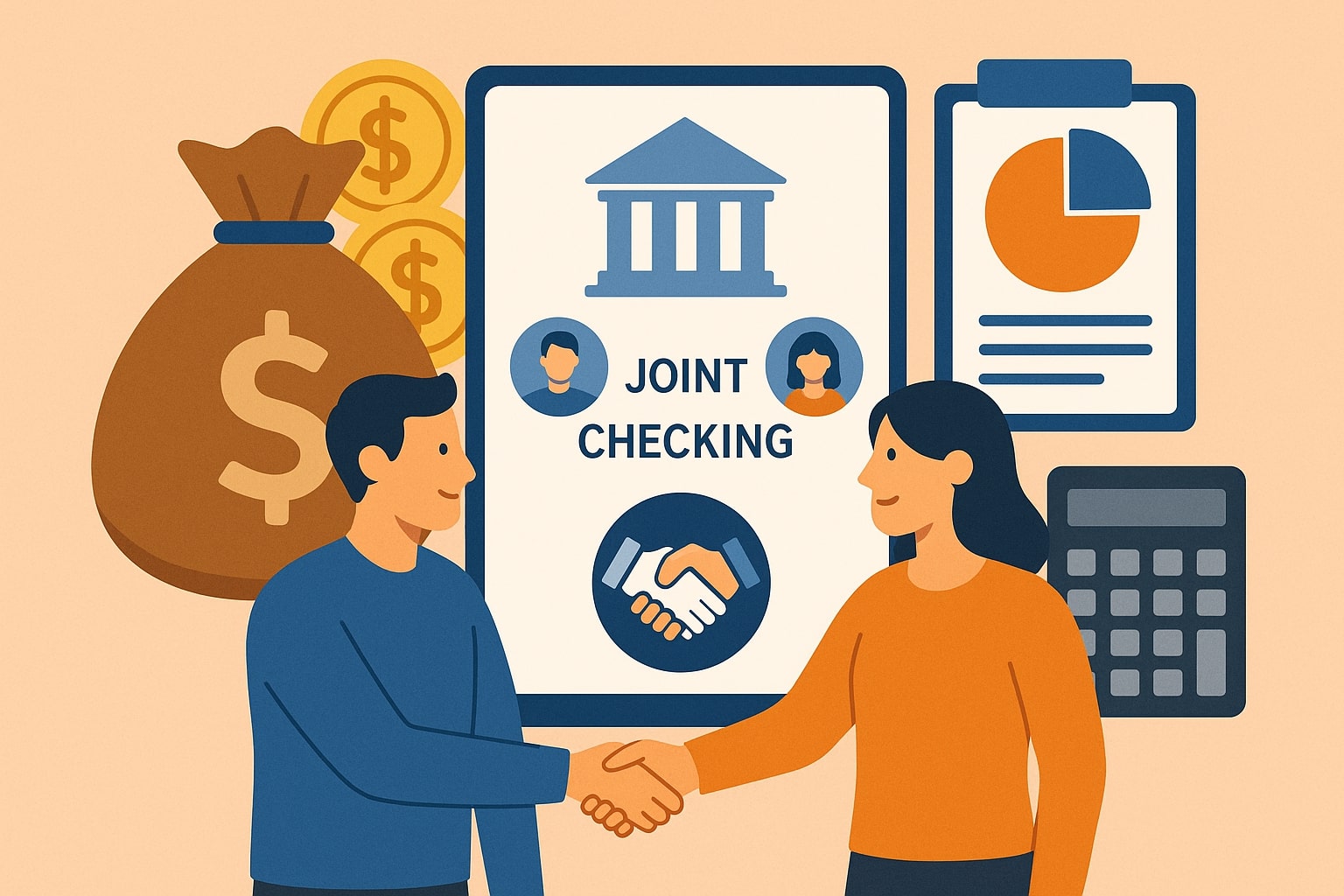
Money is both motive and weapon. Attorneys report clients who emptied joint accounts the day separation papers were filed, raided retirement funds, or secretly transferred title to high-value assets before disclosure. Some bespoke tactics include closing credit lines, running up joint credit cards, or hiding income to reduce support obligations. Beyond immediate loss, financial sabotage can inflict long-term damage by jeopardizing credit scores and retirement security.
joint account emptying

financial sabotage divorce
Custody Manipulation and Parental Alienation
Few things feel crueller than using children as pawns. Lawyers describe parents who coach kids to repeat scripted complaints, restrict access outside of court-ordered times, or initiate false but plausible allegations to create doubt about the other parent's fitness. Parental alienation doesn't always come in a single dramatic act; it is often a slow, cumulative campaign that changes a child's perception of the other parent.
parental alienation custody
Public Shaming and Reputation Warfare
When social media amplifies conflict, former partners have been known to weaponize posts, private messages, and selectively leaked documents. Accounts include mass-posting of intimate photos, orchestrated smear campaigns in community groups, and hiring third parties to create negative online content. The emotional impact of being publicly humiliated—particularly when false or exaggerated—can be profound and long-lived.

social media shaming
Digital Weaponization: Accounts, Data, and Privacy Violations
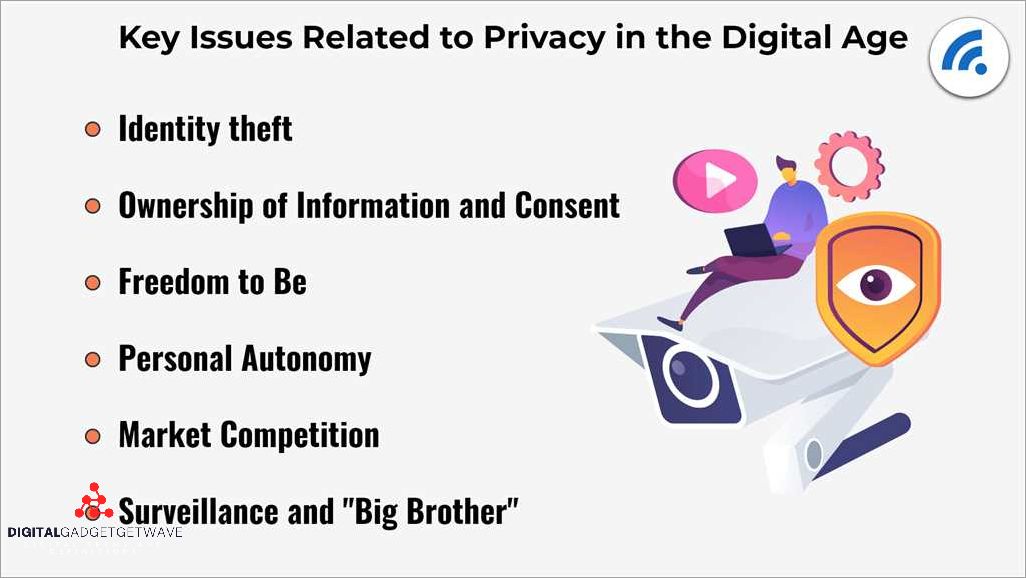
Lawyers report cases of one spouse using passwords to access accounts, sending emails from the other's address to incriminate them, or planting damaging files on shared devices. More extreme examples include creating fake profiles to flirt with the ex's new partner or to claim affairs that never happened. Digital privacy breaches are often hard to prove, but metadata, timestamps, and forensic experts can reconstruct tampering when the stakes justify the expense.
digital privacy breach
False Allegations and Legal Harassment
Perhaps the cruellest tactic is weaponizing the legal system itself: filing baseless claims, frequent motions that prolong litigation, or seeking protective orders without justification. These strategies can be effective because they are expensive and emotionally draining; even baseless cases force the accused to hire counsel, attend hearings, and live under a cloud of suspicion.

false allegations courtroom
Sexual Exploitation and Revenge Porn
Attorneys recount clients discovering intimate media weaponized against them—shared without consent or threatened to be released unless terms were accepted. Laws have been evolving to criminalize revenge porn in many jurisdictions, but the harm is immediate and often irreversible. Prevention and rapid legal response are critical.

revenge porn legal
Perjury, Lies, and Manufactured Evidence
Some clients go so far as to fabricate evidence or coach witnesses, including children, to testify to falsehoods. This is illegal and can backfire—judges and forensic investigators look for inconsistencies—but it can still create delays and emotional damage before the truth emerges.
Practical Examples: What Attorneys Have Seen
To illustrate without identifying anyone, here are anonymized composite scenarios based on recurring reports:
- Case A: A spouse drained joint savings and transferred property into an extended family member's name to make it harder to claim during settlement.
- Case B: One parent manipulated communications so that exchanges with the other parent were delayed or missed, creating a pattern used to argue neglect.
- Case C: Leaked texts and doctored screenshots posted on community boards led to professional reputational damage that took years to repair.
- Case D: A litigant filed repeated emergency motions alleging danger, each requiring the other party to respond with expensive counsel until a judge dismissed the pattern as harassment.
Why Some People Choose Cruelty
Legal professionals point to a few psychological and situational drivers: humiliation, desire for control, fear of loss, and sometimes the adrenaline of conflict. Social reinforcement—friends or online communities encouraging escalation—also plays a role. For some, hurting an ex becomes a form of self-reassurance: if I can't have this life, I will make sure you can't enjoy yours.
The Legal and Ethical Consequences
Cruel tactics often have legal consequences. Financial concealment can lead to penalties and imputed income; false allegations can result in defamation suits or criminal charges when accompanied by perjury or fabricated evidence; revenge porn has become criminalized in many states. Attorneys also face ethical boundaries—representing a client's legitimate interests is one thing; facilitating deceit or harassment is another. When lawyers suspect wrongdoing, they must advise against it and, in some cases, refuse participation.
When the Lawyer Becomes a Shield—or an Enabler
Most attorneys strive to resolve matters efficiently and ethically, but some are drawn into being instruments of escalation when clients push for scorched-earth approaches. Choosing counsel who prioritizes resolution over vendetta is an important early decision. A good lawyer will warn about the costs of escalation and help chart a path that protects clients without crossing ethical lines.
How to Protect Yourself
Practical Steps Before and During a Divorce
Prevention and preparation reduce vulnerability. Key measures include:
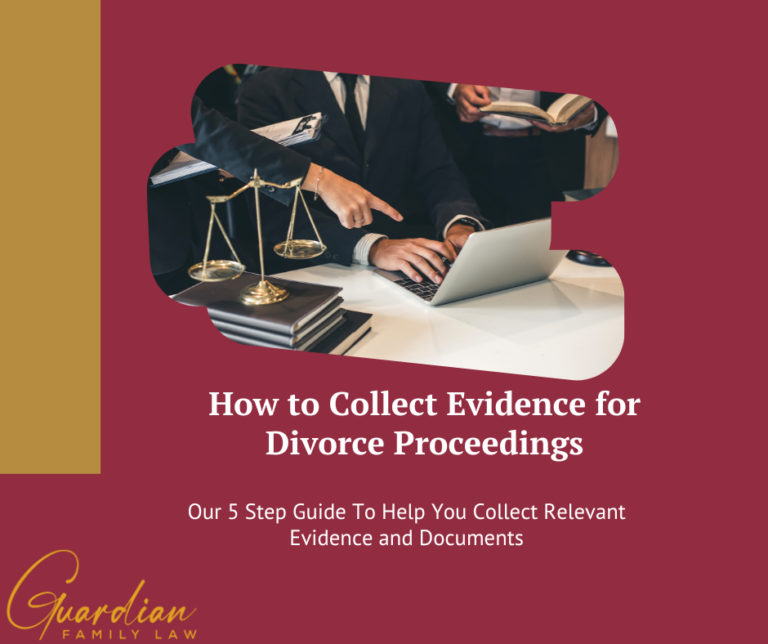
- Gather important financial documents and make copies offsite.
- Change passwords and enable two-factor authentication on accounts.
- Keep a dated log of exchanges, babysitting, and access times for custody purposes.
- Secure backups of personal photos and messages to prevent surprise leaks.
- Consult counsel early about risk signs and how to respond to false allegations.
documenting divorce evidence
When You're Targeted: Immediate Actions
If you're the target of a smear campaign, data breach, or legal harassment, consider these steps: preserve evidence, notify platforms about non-consensual content, consult your attorney about emergency relief (protective orders or sanctions), and seek mental-health support. Rapid, calm, and documented responses usually outperform reactive public battles.
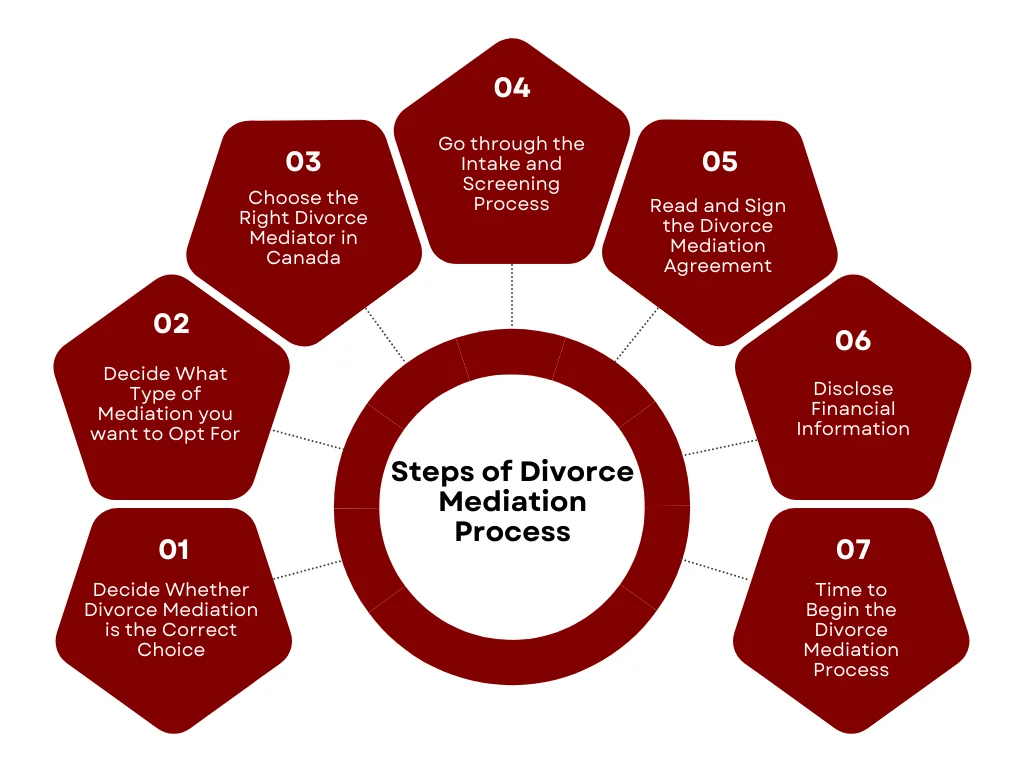
- Mediation can protect privacy and reduce cost.
- Early legal advice prevents mistakes that create leverage for the other side.
- Escalation invites higher fees and longer timelines.
- Public fights can damage careers and relationships beyond repair.
mediation divorce process
Ethical Considerations for Lawyers
Legal counsel must navigate a tension between zealously advocating and upholding the rules. Attorneys who knowingly facilitate deception, coach perjury, or assist in hiding assets risk professional discipline and criminal exposure. Many members of the bar view reputation warfare as an area where counsel should act as a brake, not an accelerator.
Conclusion
Stories from attorneys and anonymous forums reveal a troubling truth: when divorce becomes a battlefield, cruelty can morph into an arsenal. Financial sabotage, parental alienation, privacy breaches, and legal harassment inflict damage that outlasts court orders. The antidote is preparedness—documenting facts, knowing your rights, choosing counsel committed to ethical resolution, and moving quickly when abuse appears. The legal system offers remedies, but it cannot always repair the intangible wounds. Recognizing the warning signs early is the best chance to prevent lasting harm.
"The best antidote to revenge is a clear plan: evidence, counsel, and boundaries."
- Common cruel tactics include financial concealment, custody manipulation, public shaming, and digital privacy violations.
- Document everything and seek legal advice early; rapid, measured action is more effective than emotional retaliation.
- Lawyers have ethical responsibilities; counsel who encourages deceit can create legal exposure for clients.
This article synthesizes anonymized accounts and professional perspectives to illuminate patterns and protective strategies; it is not legal advice. Consult a qualified attorney for guidance on specific cases.