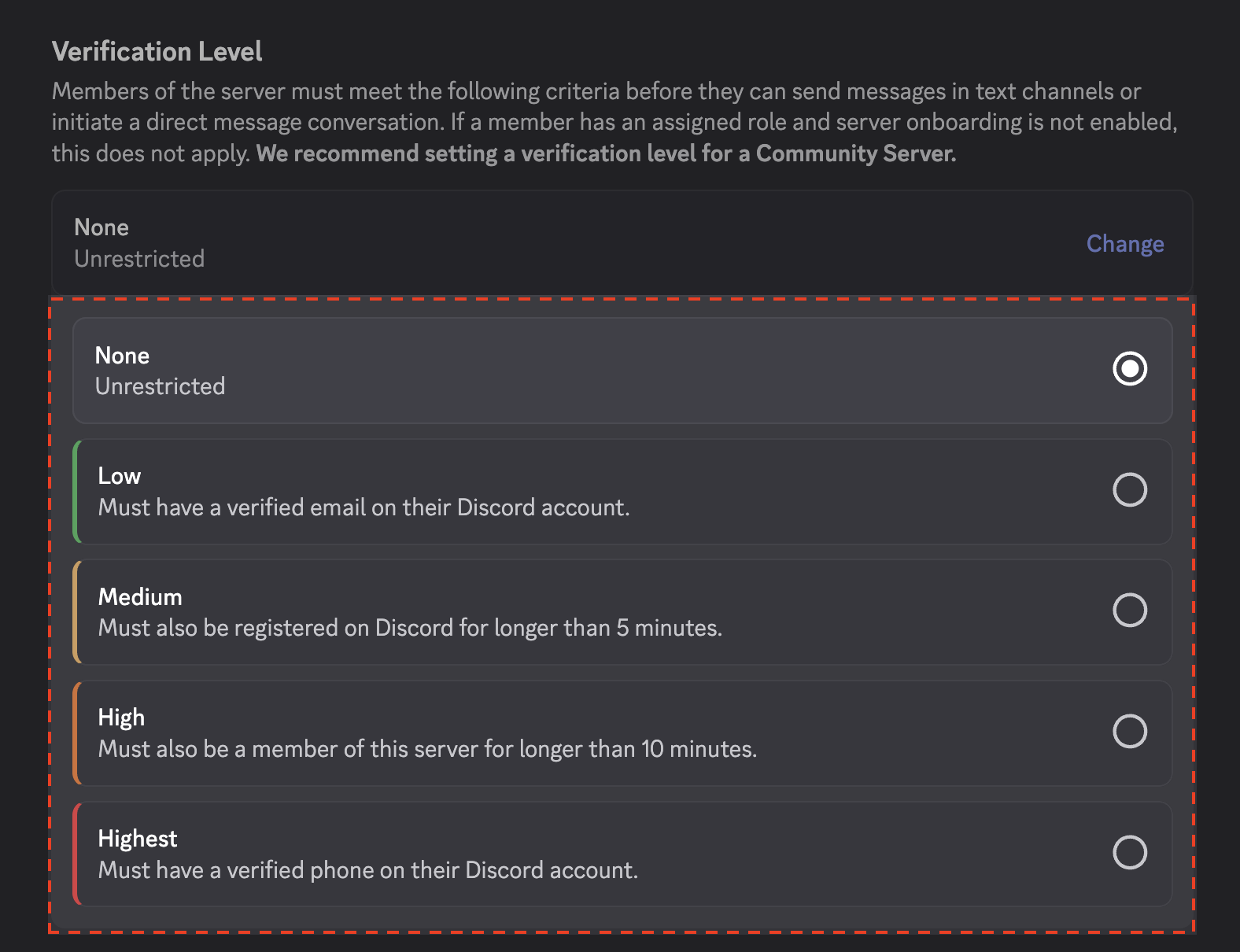
Discord's New Verification Rule: What It Means for Servers
When a platform with hundreds of millions of users changes the bar for who counts as "verified," the ripple effects land everywhere: on creators, moderators, small clubs, and billion-member fandom hubs. Discord's new verification rule — a policy shift that redefines verification requirements and how identity checks are performed — has introduced both clarity and confusion. This article walks through the change, explains why it matters, and gives practical, actionable steps for server owners, moderators, and everyday members to protect their communities while staying compliant.
Overview: What the rule actually does
At its core, the new verification rule tightens the platform's verification criteria and standardizes the process by which accounts, bots, and servers achieve verified status. Verification is no longer a loose signal; it's being reshaped into a more formal indicator of trust and accountability. The policy covers three broad categories: verified accounts (individuals or brands), verified bots and integrations, and verified servers or partner communities. Each category now has clearer eligibility requirements, stricter documentation standards, and defined behavioral expectations.

Discord verification badge
Why Discord changed verification
The drivers are familiar across large social platforms: abuse, impersonation, and a need to build user trust. Verification has always been both a safety feature and a status symbol — but when verification signals are inconsistent, they erode trust. By tightening rules, Discord aims to reduce fraud (fake influencers and sham brands), lower impersonation risks, and make moderation actions more transparent. Platforms that fail to maintain clear trust markers invite scams, increase harassment risk, and ultimately make community management more time-consuming and costly.
What's new compared with the old system
The differences are practical and procedural, not just cosmetic. Previously, verification could be requested through various ad hoc channels, sometimes based on follower counts, occasional partnerships, or manual review. Under the new rule:
- Standardized eligibility: Clear thresholds and categories define who qualifies (e.g., verified organizations versus creators, verified bots with a public install base, or servers meeting community size and activity metrics).
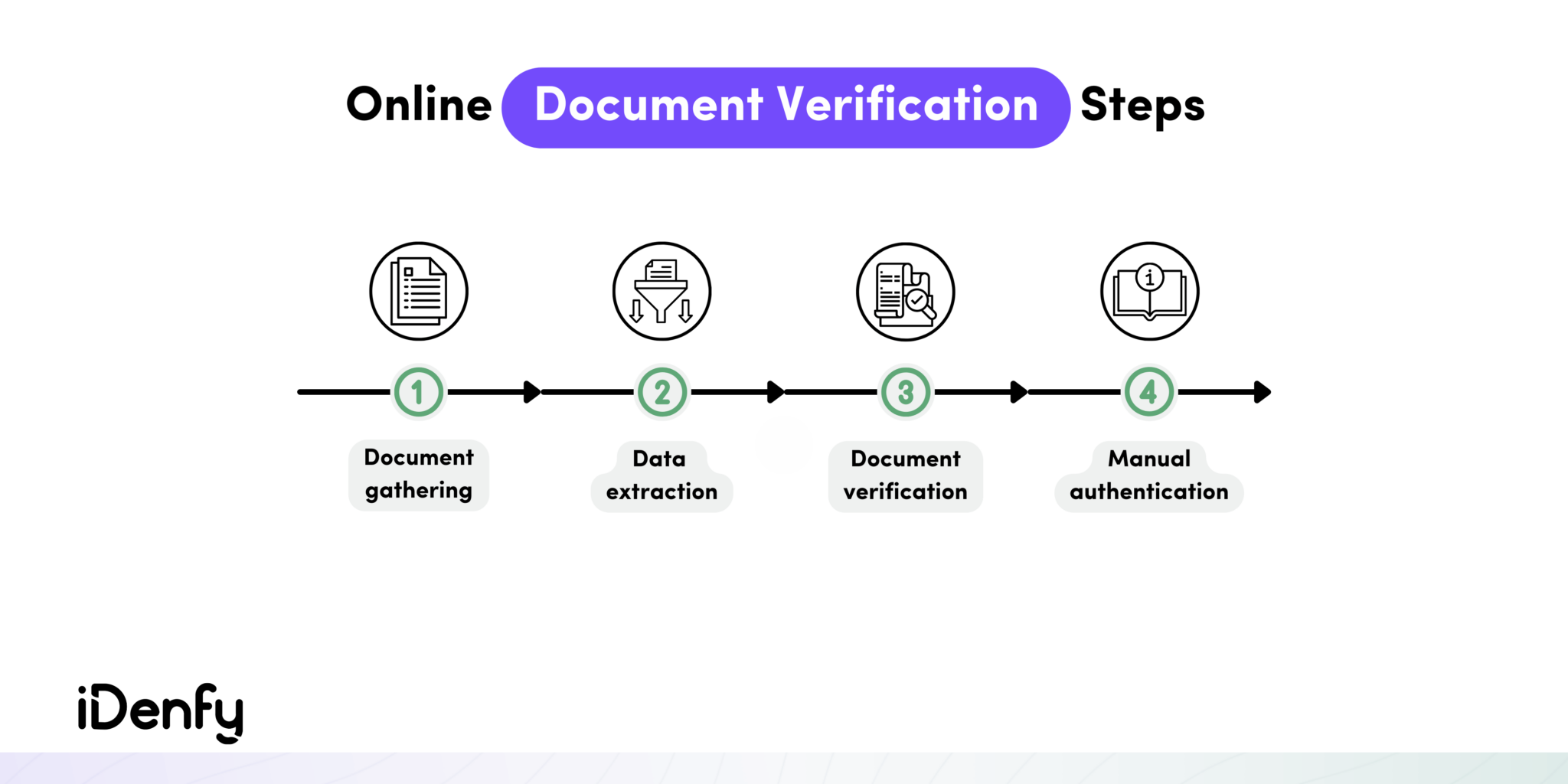
- Documented verification flow: Applicants must provide consistent documentation — proof of identity or official affiliation — and verification reviews follow a repeatable checklist.
- Behavioral requirements: Maintaining verification now requires sustained compliance with community guidelines. Violations can trigger removal of verified status.
- Automated checks plus human review: The rule leans on automated signals for scale but preserves human oversight for edge cases.
Verification is shifting from a vanity badge to an enforceable trust contract — with consequences, not privileges, attached.
How this affects server owners and moderators
For server operators and moderators, the change raises immediate operational questions: does the server need verified status, how to help members, and whether new moderation workflows are necessary. The impact can be categorized into access, visibility, and responsibility.
Access and visibility
Verified servers and verified bots receive features intended to improve discovery and credibility — priority placement in directories, clearer identity signals in large communities, and sometimes access to moderation tools or analytics. That means servers that previously relied on organic reputation may now see competitive pressure: unverified communities might find it harder to attract newcomers who seek reassurance.
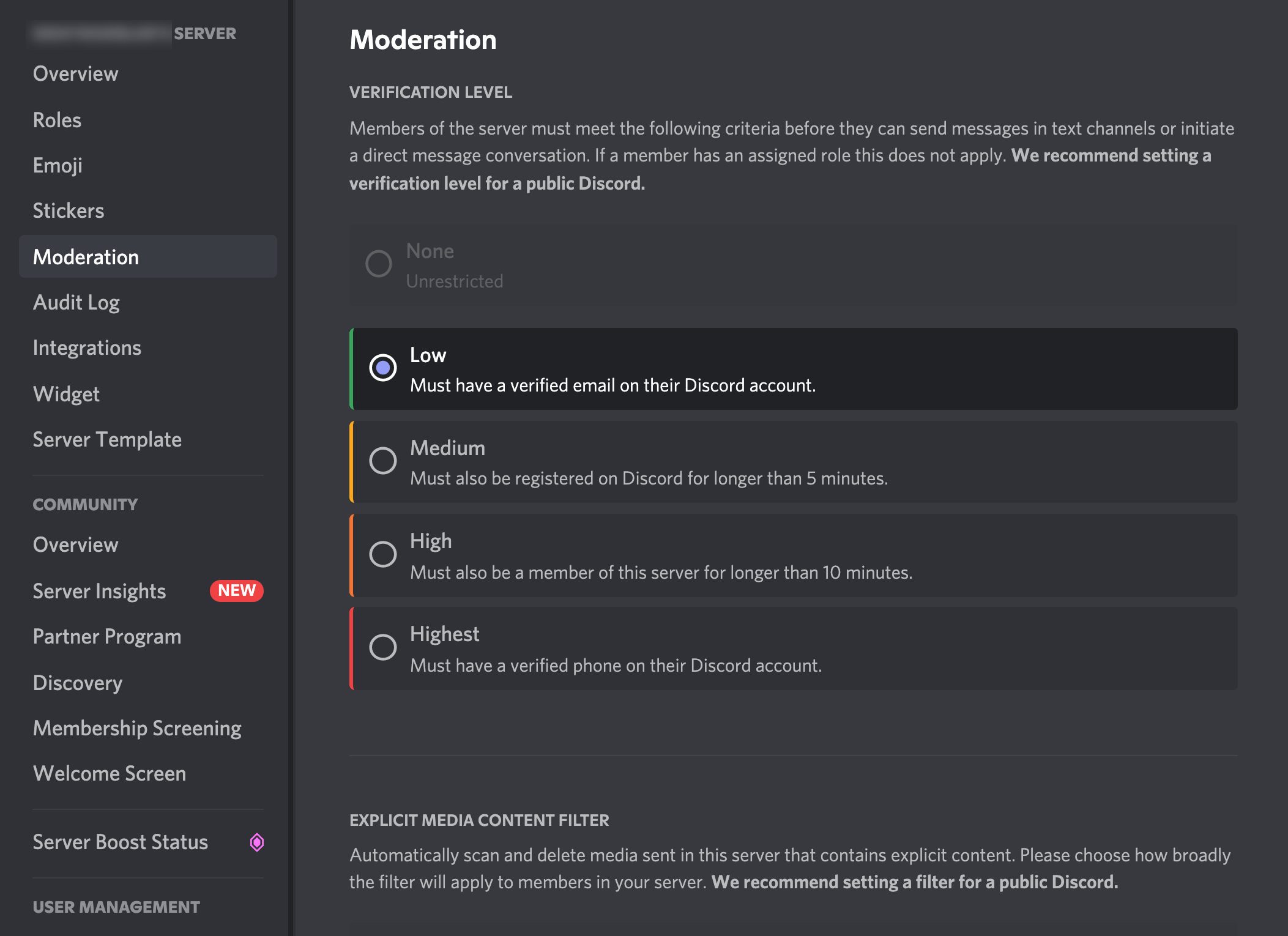
Discord server moderation
Responsibility and auditability
The flip side of visibility is accountability. Once verified, a server or account is expected to meet ongoing content moderation standards. That can include timely responses to reports, demonstrated enforcement of rules, and cooperation during external investigations. For many moderators this will mean more formal record-keeping and clearer escalation paths.
Step-by-step: How to comply and prepare
Whether you're aiming for verification or simply want to make sure your community won't be adversely affected, follow these practical steps.
1. Audit your server
Start with a full inventory: roles, bots, public integrations, external links, and community policies. Identify where personal accounts or third-party bots have elevated permissions, and mark any areas where identity or ownership is unclear.
2. Update governance documents
Make server rules explicit, and pin a moderation policy that explains content standards, ban procedures, and appeals. If verification requires proof of official representation, prepare documentation that shows who runs the server and how decisions are made.
moderation policy document
3. Secure accounts and bots
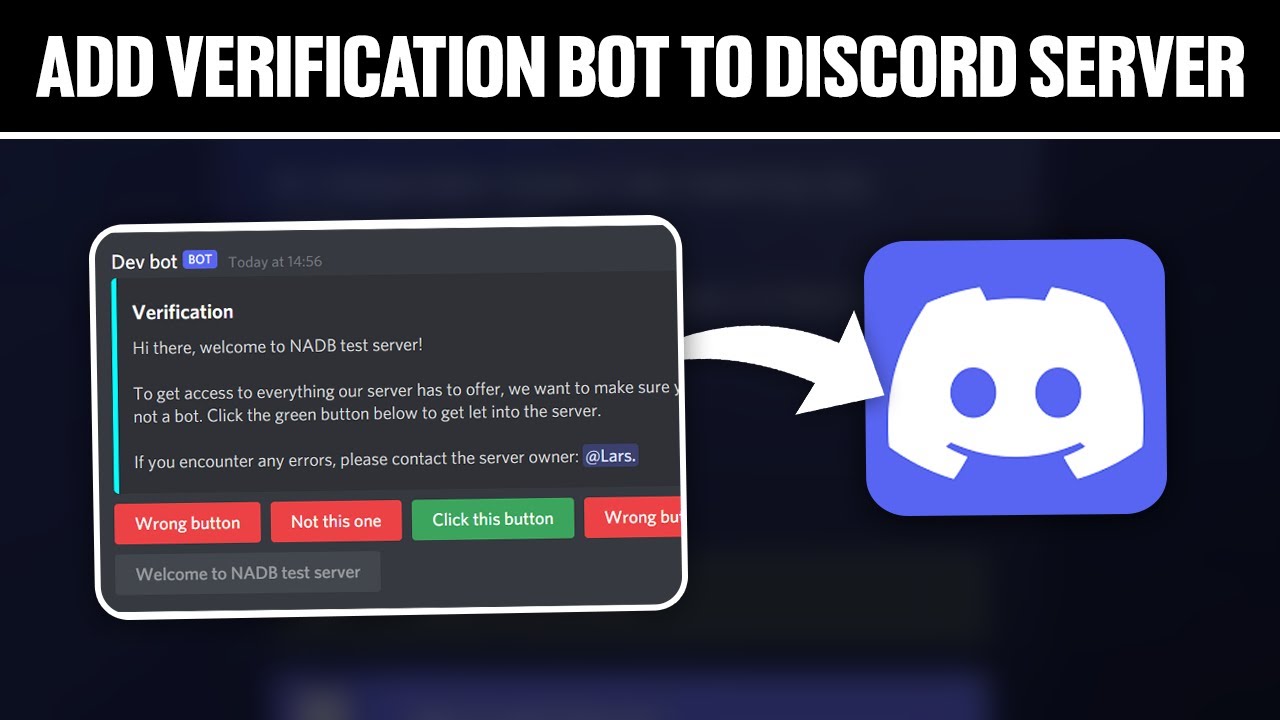
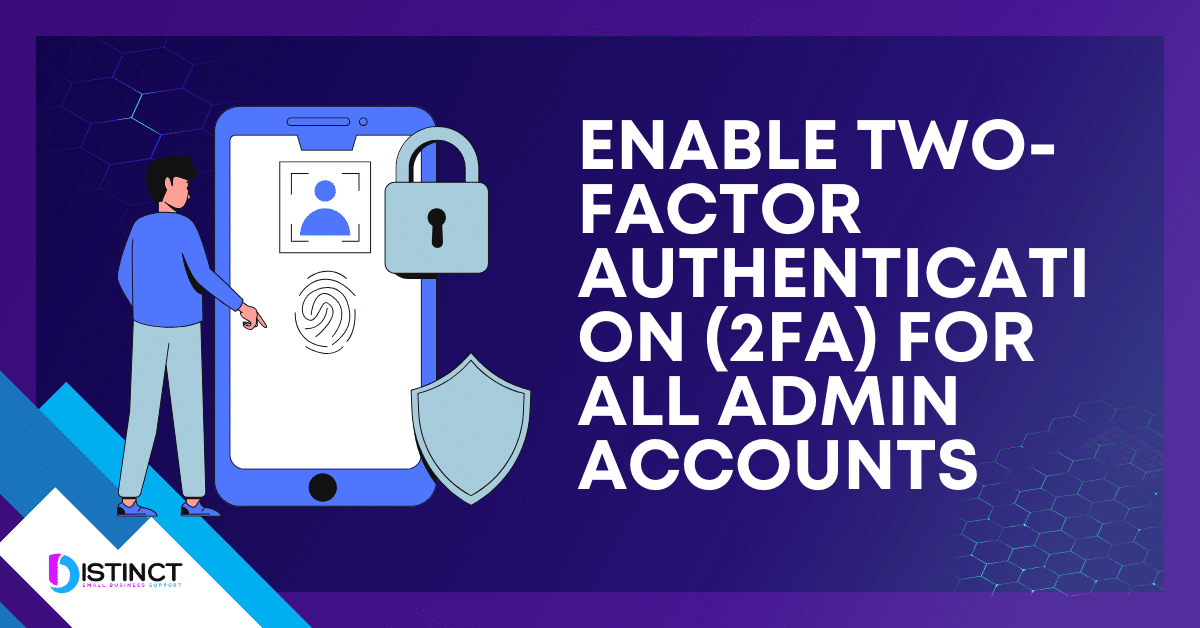
Require administrative users and bots to have strong authentication. Enforce two-factor authentication for admins, rotate shared keys, and review bot permissions so they operate with least privilege.
Discord bot verification
2FA security admin
4. Prepare documentation
Collect the materials you might need for a verification submission: business registration records if applicable, identification for official spokespeople, screenshots of official websites, and links to other verified social profiles. Organize everything so a reviewer can quickly confirm authenticity.
5. Communicate with members
Tell your community what the rule means. Transparency reduces panic. Explain whether verification is being pursued, why or why not, and what changes members might notice — for example, stricter enforcement or new verification badges.
Practical scenarios and examples
Understanding abstract rules is easier with concrete examples. Here are three typical server types and how they should respond.
Small community or hobby server
For a 200–2,000 member fan club, verification might not be necessary. Focus on clear rules, volunteer moderation, and securing admin accounts. Verification could be pursued if the group represents an official brand or public figure — otherwise, the administrative burden of maintaining verified status may outweigh the benefits.
Creator or influencer server
Creators and influencers often gain the most immediate value from verification: it signals authenticity to fans and helps protect against impersonation. Creators should prepare identity proofs and ensure any associated bots are transparent about ownership. Creators who monetize or have business relationships may find verification essential.
Large public community or brand server
Moderators of large communities should prioritize verification if available. A verified badge reduces impersonation risk and can improve discoverability. But teams must also be prepared to meet behavioral obligations: dedicated moderation staff, a moderation handbook, and escalation procedures.
Moderation, false positives, and appeals
One widely discussed concern is whether automated enforcement will create false positives that strip verification from legitimate accounts or servers. The new rule attempts to balance automated checks with human review to reduce mistakes, but no system is perfect.
What to do if verification is removed
If a verified badge is withdrawn, you'll need a plan: review your community's recent moderation history, identify any rule breaches, and compile evidence that the issue has been resolved. Prepare a clear appeal with documentation and demonstrate concrete remedial steps taken since the incident.
Losing verification can be remedied, but it's often a preventable result of lax governance.
Privacy and legal considerations
Verification policies inevitably touch on privacy because they require identity evidence in some cases. Server owners must be careful about how they store and share documentation, and should minimize personally identifiable information (PII) exposure among moderator teams. Treat verification documents as sensitive: restrict access, use secure storage, and delete copies that are no longer required.
verification documents privacy
Data minimization and consent
Collect only what's necessary, get consent where appropriate, and have a retention policy. If the community spans multiple jurisdictions, be mindful of regional laws like data protection regulations that may govern how identity documentation must be handled.
Pros, cons, and the broader implications
- Clearer trust signals make it easier for users to find authentic communities.
- Reduced impersonation lowers scam risk for fans and followers.
- Stronger platform governance helps Discord enforce community standards at scale.
- Administrative overhead for communities seeking or maintaining verification.
- Privacy concerns when identity documents are required.
- Possible centralization of visibility toward verified communities.
verified community badge
Best practices checklist for server owners
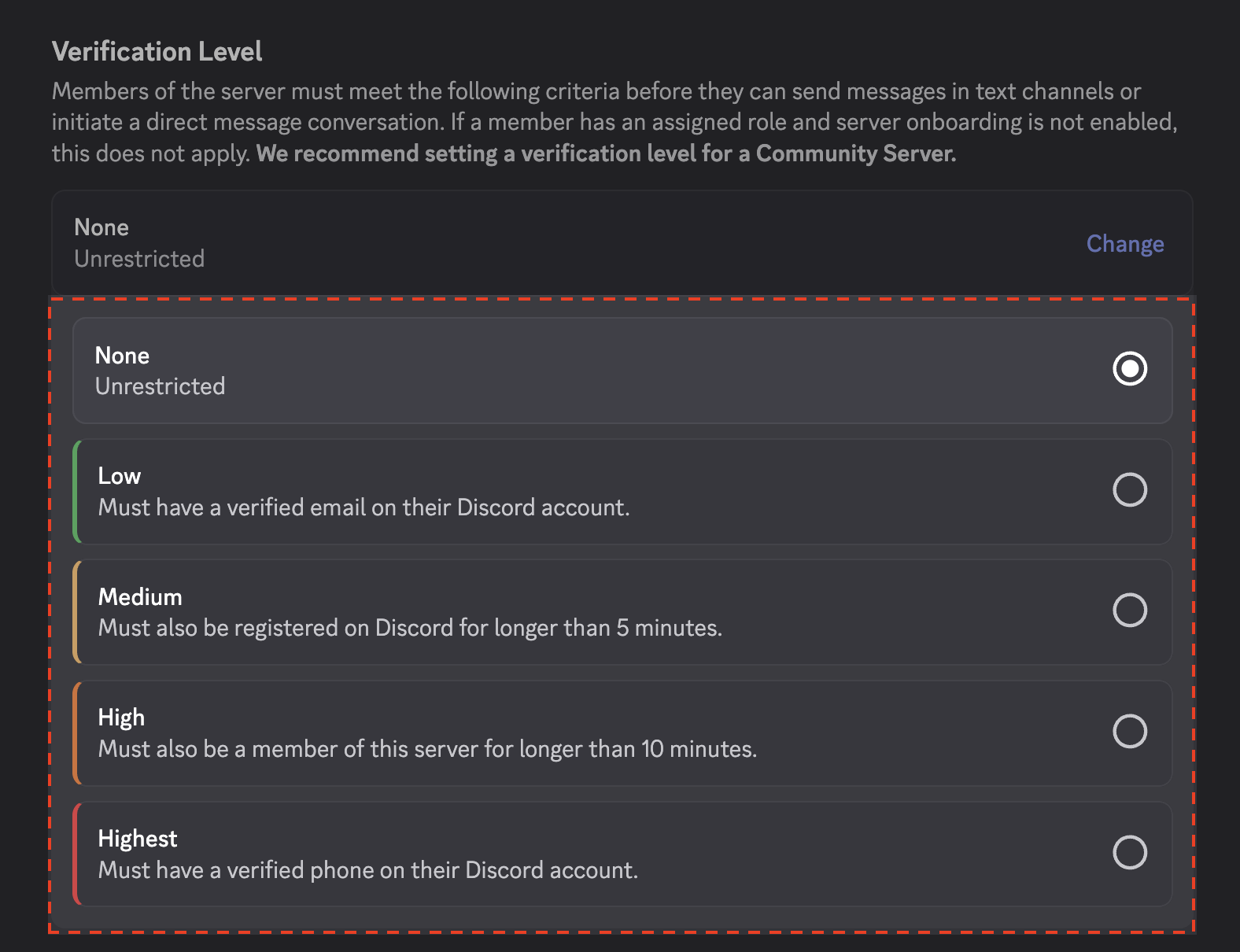
Below is a concise checklist you can use today to prepare for verification or simply to harden your community against disruption.
- Inventory admins and bots: Remove unnecessary privileges and document ownership.
- Require 2FA for admins and moderators.
- Publish moderation policy and appeals process.
- Secure verification documents and limit access to a small, trusted group.
- Train moderators on incident triage and record-keeping.
- Communicate changes to members in a transparent changelog.
Discord verification checklist
Looking ahead: what to watch
Verification systems evolve. Keep an eye on three developments that will shape how the new rule plays out: the accuracy of automated checks, the transparency of appeals, and incentives Discord creates for verified communities. If Discord offers more tooling to reduce moderator burden (for example, delegated moderation tools or improved analytics), verified communities will have an easier time meeting ongoing expectations.
Community-driven responses
Watch how communities respond: some will create shared verification resources, or third-party guides and templates to help smaller groups comply. Others may lobby for tiered verification that recognizes smaller official entities without imposing heavy documentation requirements.
Conclusion: Treat verification as governance, not a badge
Discord's new verification rule reframes verification from an emblem of status to a contract of accountability. For many server operators that will be a welcome change — a way to protect members and deter bad actors. For others it introduces new administrative responsibilities and privacy trade-offs. The sensible approach is pragmatic: assess whether verification improves your community's safety and reputation, prepare the documentation and operational practices necessary to comply, and keep member communication transparent. In an era where online trust is both scarce and vital, the communities that treat verification as governance will be the ones that thrive.
- Verification now requires standardized documentation and ongoing compliance.
- Verified status brings visibility but also increased responsibility.
- Prepare by auditing your server, securing admin accounts, and documenting governance.
This article explains common implications and practical steps; adapt them to the specifics of your community.