
Discord Exodus? Searches Soar 10,000% After Age-Verification Backlash
When an overnight policy change or feature rollout stops being a footnote and becomes the reason people start packing their digital bags, platforms should take notice. Recent uproar around a mandatory age-verification initiative on a major chat platform sparked an unprecedented spike in people searching for alternatives — reportedly rising as much as 10,000% in a single day. Whether that percentage is exact or a rounded headline figure, the scale of public anger, the velocity of search behavior, and the visible churn in some communities point to a clear reality: trust can evaporate quickly, and community platforms exist at the mercy of their users' willingness to stay.

Discord age verification backlash
A sudden policy or product change is less about the feature itself than about the relationship it signals between a platform and its users.
What Happened — The Spark and the Reaction
The change that started it
In the scenario that set off the search surge, the platform introduced a more stringent age-verification process intended to restrict underage access to certain communities and comply with regulatory pressures. The method ranged from one-way document checks to third-party identity attestations and, in some variations, required users to link phone numbers or authorize biometric checks. For many community members the rollout felt abrupt and poorly explained: a mandated step that transformed a casual sign-in into a privacy negotiation.
Why users reacted so strongly
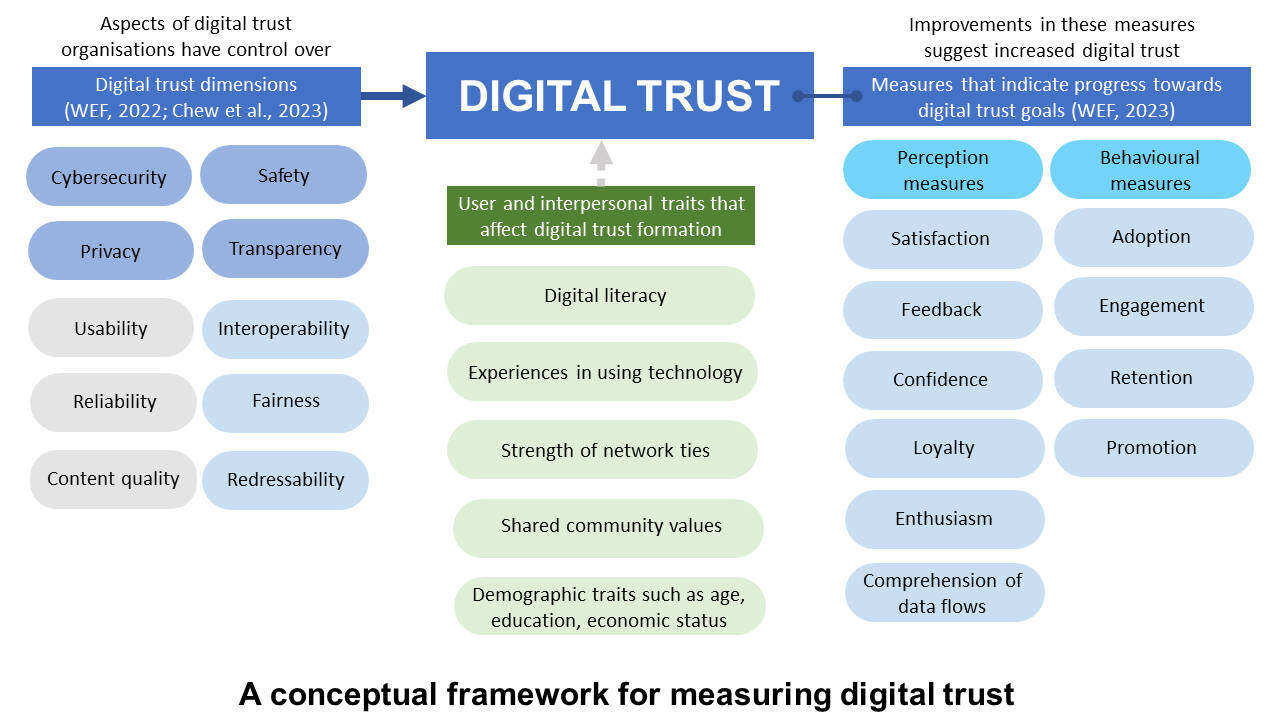
Three dynamics explain the intensity of the response. First, privacy: millions of users view chat platforms as semi-private social spaces and reacted defensively to requests for personally identifying information. Second, trust erosion: users were already sensitive after years of data-policy controversies across social platforms, so a new verification demand feels like another step toward commercialization or surveillance. Third, friction: forcing a new friction point — particularly if it leads to rejected accounts or more complex onboarding — damages the everyday experience that keeps communities alive.
Why the Numbers Matter — Interpreting the Search Spike
Signal vs. noise
Headlines about a 10,000% jump are attention-grabbing, but context matters. A big percentage increase can start from a low baseline: if ten people searched for "Discord alternatives" yesterday and 1,010 searched today, that is a 10,000% rise in percentage terms, even if the absolute number remains modest. Yet even small absolute increases can foreshadow broader shifts when they come from influential users, moderators, or community leaders who guide thousands of members.
Behavioral consequences
Searches often precede action. People hunt for alternatives, compare features, and sometimes migrate. If moderators or community organizers publicly recommend moving, the search spike becomes a leading indicator for actual departures. Even simpler outcomes — like users creating backup communities elsewhere or disabling accounts — diminish platform vibrancy and complicate long-term monetization plans.

Discord alternatives search surge
Where Will Users Go? The Leading Alternatives
Three broad pathways
When people leave a platform because of verification or privacy concerns, they tend to follow one of three paths: migrate to centralized but friendlier services, move to federated/distributed networks, or fragment into smaller private spaces (forums, invite-only groups, encrypted channels). Each path addresses different user priorities — convenience, privacy, moderation, or control.
- Centralized alternatives often offer plug-and-play migration and familiar UX.
- Federated networks provide control and open standards.
- Private/closed groups emphasize community autonomy and lower visibility.
- Centralized alternatives may replicate the same verification concerns.
- Federated networks can demand technical know-how to manage.
- Private groups risk isolation and loss of discoverability.
Popular choices and why
Centralized apps that pitch privacy or simpler verification workflows may gain the most short-term traction, especially if they position themselves as "data-light". Federated platforms can capture tech-savvy communities that prioritize decentralization and data sovereignty. Encrypted messaging services attract those whose primary concern is avoiding linkage between identity and activity. None of these options is a perfect, one-size-fits-all replacement: the specific needs of gaming communities, professional groups, and hobbyist servers differ widely.

privacy-preserving age verification
Legal and Compliance Stakes
Regulatory pressure as a driver
Platforms don't change verification requirements in a vacuum. Global privacy rules, child protection laws, and heightened scrutiny over online harms create incentives to reduce underage exposure and tighten account provenance. But legal compliance and user comfort are not always aligned. A company may choose a conservative technical approach to reduce legal risk while ignoring the cultural cost of alienating its user base.
Privacy law trade-offs
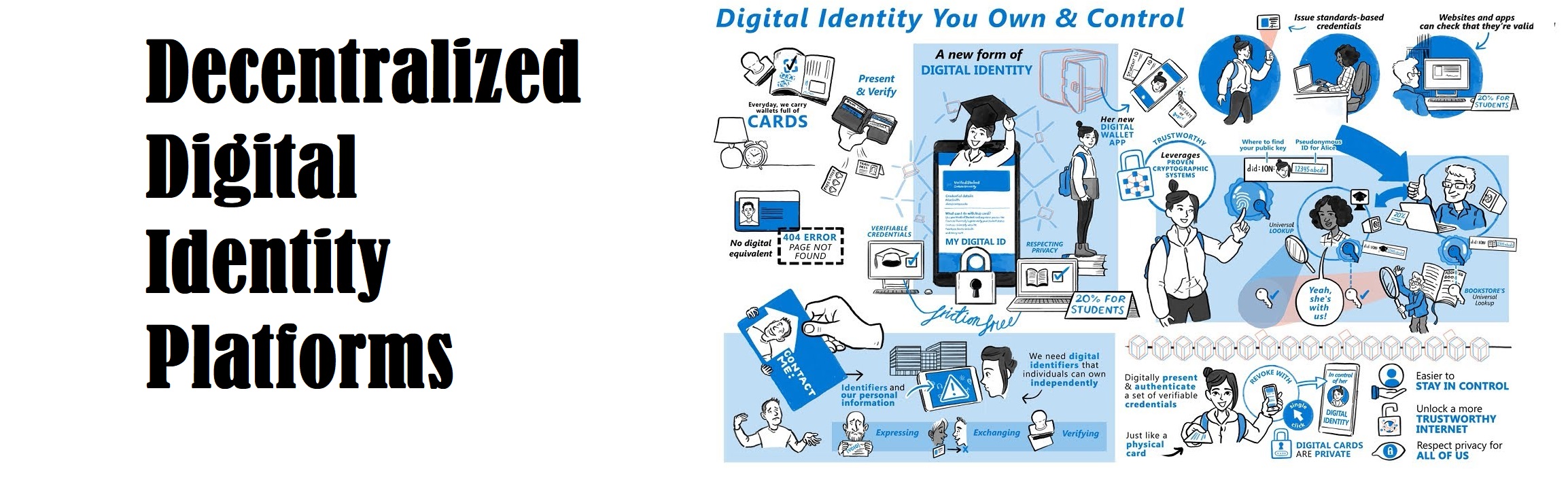
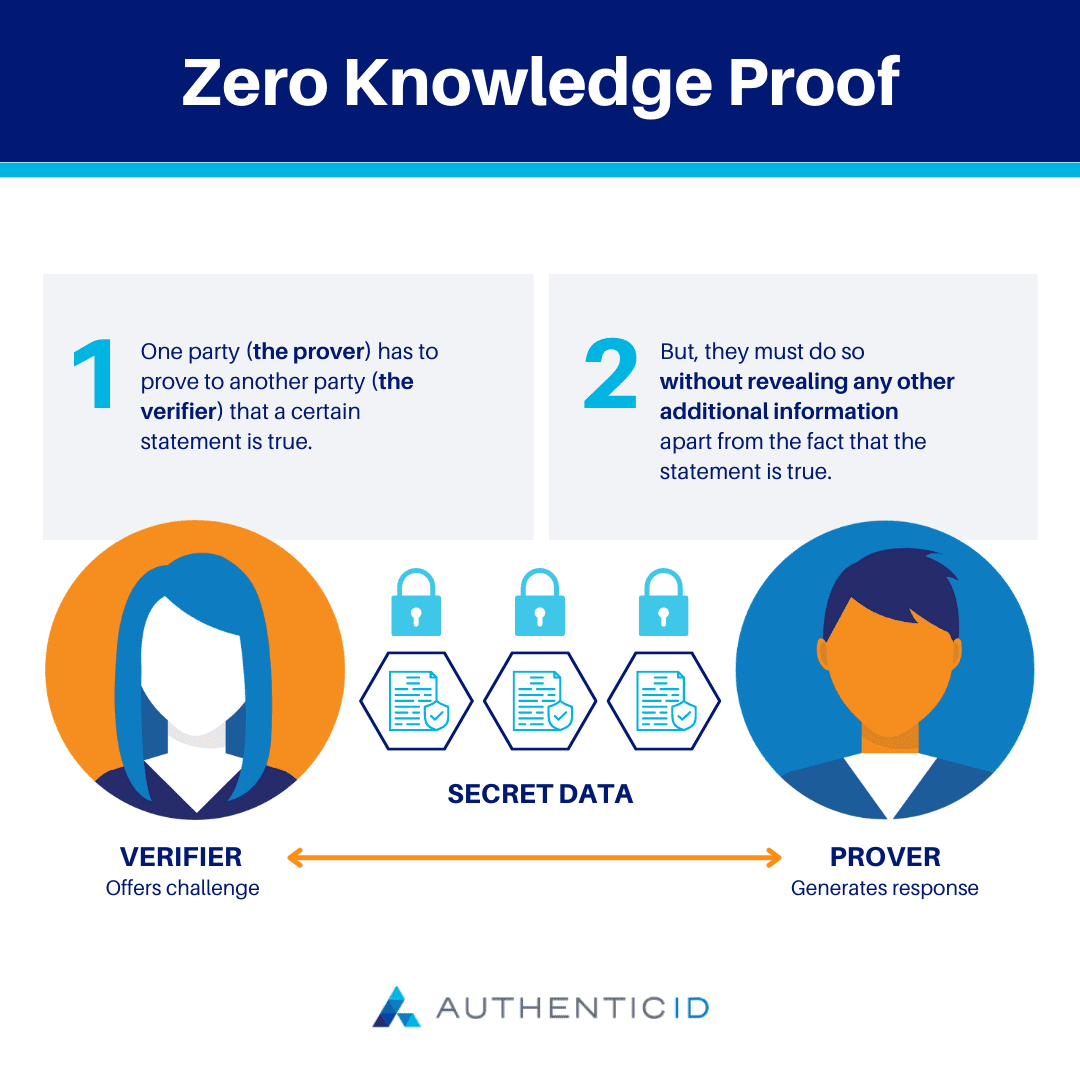
Some forms of age verification require collecting minimally identifying data; others push platforms toward third-party identity providers. Each approach carries trade-offs: storing more data creates new breach surface area, while outsourcing identity checks introduces dependencies and additional privacy promises users must trust. Smarter options exist — temporary attestations, cryptographic age proofs, or decentralized identity tokens — but they are less familiar and harder to roll out quickly.

online community migration
The Technical and Product Challenges
Friction, false negatives, and onboarding
Verification systems can cause false negatives — legitimate users denied access — or add friction that depresses new sign-ups. For a community-driven product, even a small drop in DAU (daily active users) can cascade: inactive moderators, less content, poorer discovery, and eventually a less sticky experience overall. Product teams balance accuracy, speed, and low friction; miscalibrating any of these increases churn risk.
decentralized identity platforms
Security and data stewardship
Collecting identity data means inheriting security obligations. Data encryption, retention policies, and breach response plans become operational priorities. For companies used to storing minimal personally identifiable information, expanding PII collection requires investment in legal, compliance, and technical frameworks—a costly and risky shift if not handled transparently.
community moderation tools
Community Dynamics: Moderators, Power Users, and the Social Fabric
The moderator multiplier
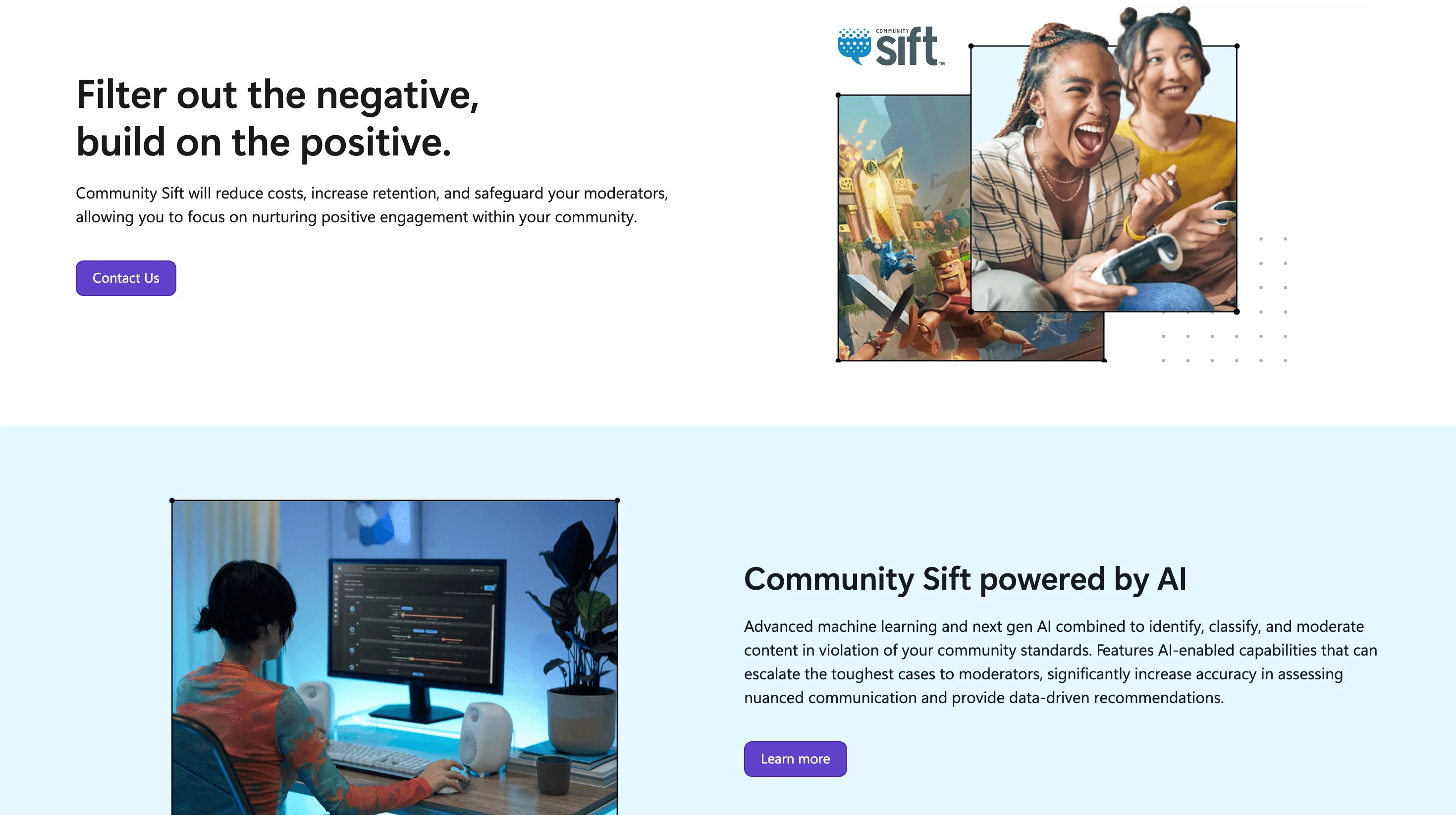
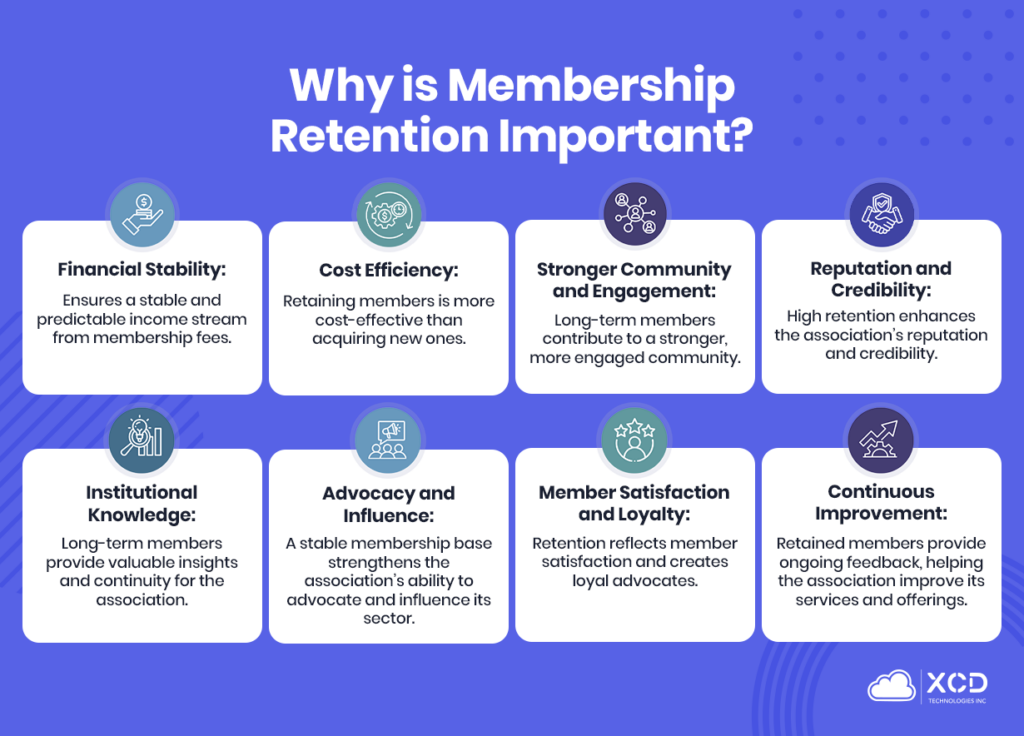
Moderators, server owners, and community leaders act as force multipliers. If prominent server owners balk at verification or publicly recommend alternatives, migration accelerates. Conversely, if staff and platform teams work closely with these leaders, tailor the rollout, and offer options (e.g., community-only verification paths), the damage can be mitigated. Platforms often underappreciate how central community leaders are to retention.

digital identity verification
Behavioral remediation
Communication strategy matters. A measured, transparent rollout — including clear FAQ content, a staged opt-in approach, and readily available appeal pathways — can reduce panic. Surprises breed fury; communication that frames changes as collaborative safety work reduces backlash.
platform governance trust
Business Risk and the Bottom Line
Short-term churn vs. long-term trust
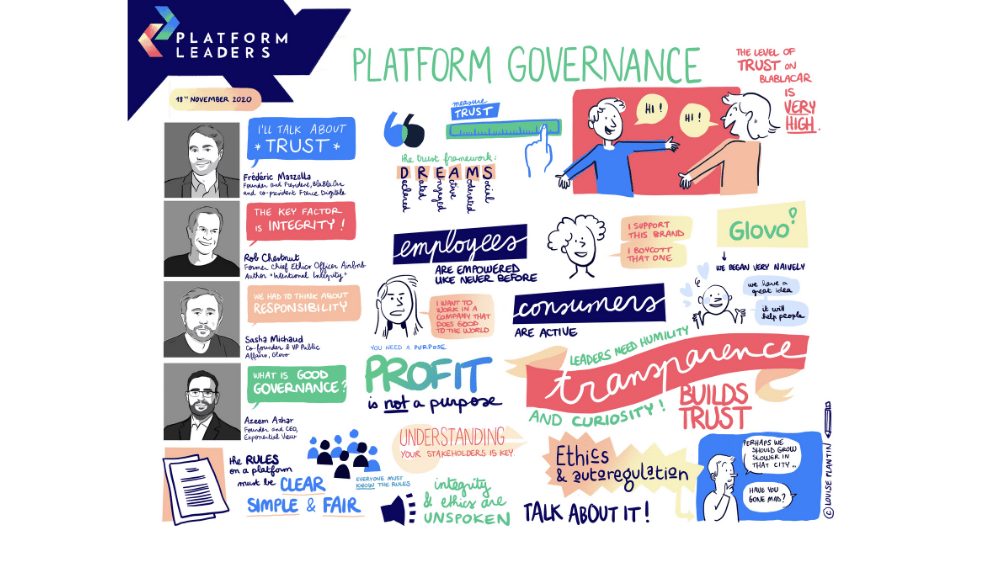
Immediate departures can be quantified in daily active users, message volume, and engagement rates. But the real long-term risk is reputation: losing the perception of being user-first can depress growth, complicate partnerships, and reduce willingness among advertisers or subscribers to invest in the platform's ecosystem. Sometimes, user trust takes far longer to rebuild than the time it took to erode.
zero-knowledge age proof
Monetization and investor confidence
Investors and advertisers watch engagement trends closely. A sudden spike in searches for "alternatives" combined with user-initiated migrations can alter projections for retention and lifetime value. Monetization strategies that require identity (like subscriptions, creator payouts, or targeted ads) suffer if users refuse to verify identity and instead migrate to services with different monetization models.
user trust erosion
How Platforms Can Respond — A Playbook
1. Pause, listen, and audit the rollout
Immediately pausing or throttling an unpopular enforcement action while auditing impact shows responsiveness. Gather telemetry: how many sign-ups failed, which regions were most affected, and what messaging caused confusion. Data guides corrective steps.
2. Offer tiered verification
Not all communities need the same level of assurance. Platforms can offer graduated verification options: low-friction age attestations for general chat, stronger checks for communities with adult content or financial transactions. Allowing server owners to decide which level applies preserves local norms.
3. Provide privacy-first alternatives
Invest in privacy-preserving technologies: zero-knowledge proofs for age, ephemeral attestations, or tokenized identity that verifies an attribute without revealing raw data. These are harder to build but can be a competitive differentiator if communicated clearly.
community retention strategies
Practical Advice for Community Leaders and Users
Assess your community's priorities
Community organizers should ask: Is the priority discoverability, privacy, or continuity? The answer drives whether to migrate wholesale, spin up parallel backup channels, or negotiate a bespoke arrangement with the platform. In many cases, staging migration—archiving content and starting a new space while keeping the old one active—minimizes disruption.
How to vet alternatives
When evaluating replacements, look for: data minimization policies, clear moderation tools, ease of onboarding, export/import functionality for archives, and active developer communities. Technical maturity matters less than the social ecosystem: will your members actually use the alternative?
Wider Implications — What This Means for the Industry
Technology platforms are entering a phase where safety, legal compliance, and user privacy must be balanced with agility. The incident that generated dramatic search behavior is a case study in the fragility of user trust: policy changes intended to reduce harm can paradoxically produce migration and fragmentation. Competitors watch for openings, regulators watch for consequences, and users watch for alternatives.
A turning point for identity on the internet
Expect continued experimentation with less invasive verification methods and broader adoption of decentralized identity standards. Platforms that learn to decouple attribute attestation (age, residency) from identity storage (names, document numbers) will have an advantage. The companies that manage to comply with regulators while respecting user agency will likely keep their communities intact.
Platforms that listen and iterate will survive; those that ignore social context will be outpaced by migration and reputational loss.
Conclusion — Risk, Response, and Recovery
The 10,000% search spike is a clarion call: policy and product choices have immediate social consequences. For the platform in question, the path forward involves transparent communication, flexible verification options, and investment in privacy-preserving solutions. For community leaders and users, the smart move is to evaluate priorities, prepare backups, and insist on clarity from platform operators.
Final thought
Digital communities are more than infrastructure; they are relationships. When platforms treat users like passive inputs rather than partners in shaping norms, users respond — sometimes by leaving. That dynamic is messy, but it also creates market opportunities for services that respect autonomy while keeping communities safe.
- Policy rollouts that increase friction or request personal data can trigger rapid search and migration behavior.
- Search spikes are early warning signs — not proof — but merit immediate attention and measured response.
- Tiered, privacy-preserving verification and clear communication reduce backlash and long-term churn.